

Watch the video:

We have to start somewhere, and let’s start at a watershed moment in digital filmmaking. Video cameras were already popular in the 1980s. That changed in the late 80s with the Sony D1 format. This was their professional format.
At the end of the 80s Sony also introduced the 8mm Handycam format, which later became Hi-8 and later Digi-8 (the digital version), which was used in most consumer Handycams. These used smaller tapes. Everything was tape-based – consumer or professional.
However, the camera and standard I wanted to single out at number one is the:

1 Sony Digibeta (Digital Betacam)
Digital Betacam or DigiBeta was launched in 1993 by Sony. It recorded in a compressed format, on tape.
It could hold about 40 minutes of footage. The resolution was standard definition NTSC and PAL, 10-bit 4:2:2 at a bit rate of 90 Mbps. Short of film, it was the best you could do for television and other programming.
You also had to buy Betacam decks to offload the tape for editing. It got expensive of course, but it was significantly cheaper than the Betacam analog formats that came before.
I include Digibeta in this list because it truly revolutionized television programming and low budget filmmaking. I remember crews in India working with Digibeta well into the mid 2000s, because the adoption to high definition was slow.
Digibeta was a professional format, but its popularity caused the birth of a newer category – the prosumer camera.
The cameras got cheaper and the reality video market started to boom. Some of you might remember America’s Funniest Home Videos. This led directly to the creation of a cheaper format called DVCAM, and then DV, which literally stands for Digital Video. Many formats were introduced but only some survived. DV was a gold standard for over a decade in the low budget space.
At number two, we have the most popular and widely used DV camera, the legendary:
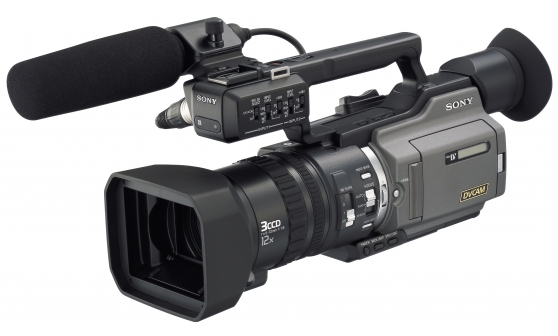
2 Sony PD150
I have a soft spot for this one because it’s what I used on my early short films in 2002. The PD150 had XLR inputs, and was a package hard to resist for the cash-starved filmmaker.
The PD150 had a tiny 1/3 inch 3-CCD sensor that had great image quality and dynamic range for its time. It had a fixed zoom lens and optical image stabilization. It was a camera you could throw in the bag and take anywhere.
DV gave way to miniDV, and the next holy grail for low budget filmmakers looking to emulate the “film look” was 24p. The camera to be credited for 24p is at number three:

3 Panasonic DVX100B
It was the camera lots of filmmakers drooled over for its true 24p frame rate, which people take for granted today. In most respects, it was similar to the other miniDV cameras of its time, except for 24p.
Panasonic saw the market, and went for it.
After this, high-definition became a thing. 720p and 1080i were on TVs, and cameras followed suit. HDCAM SR was Sony’s worldwide professional broadcast standard catering to the high-end. For low budget filmmakers, HDV was the equivalent standard, which allowed you to write high-definition video on existing mini DV tape.
I have fond memories of this period, and there were tons of cameras popular during this time. The Sony Z1, the Panasonic HVX-200 (which was an upgrade to the DVX100B) and the Canon XL-H1. However, most of these cameras had fixed lenses, and I hated that as an independent filmmaker.
At number four, my money is on the:

4 JVC HD110U or 111E
This camera was a joy to use. I owned it, so I know. My film The Impossible Murder was shot on the JVC 111E (PAL version).
The camera looks gorgeous even today. It had a 1/3” CCD sensor and shot 720p, but you could change lenses. You could shoot true 24p as well as use 35mm adapters.
35mm adapters used to be a thing you fit in the front of the lens to get a shallow depth of field look. It made the whole contraption hard to move and operate, but that’s how many low budget indie films were made.
Then, everything changed in digital filmmaking, with two announcements that changed both prosumer and professional markets. At number five:
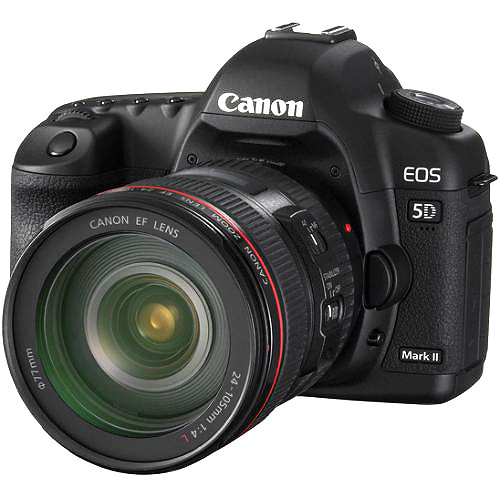
5 Canon EOS 5D Mark II
Now this camera you probably know about. It was cheaper than any of the cameras that came before, and it offered the one thing every filmmaker wanted (and still want!) – shallow depth of field.
True, you only got 8-bit 4:2:0, but that didn’t stop a legion of films being made by this and other Canon DSLRs in the late 2000s and almost a decade after.
In the high end cinema space, a revolution happened. At number six:

6 Red One
The Red One brought RAW and 4K to within striking distance for lots of independent filmmakers on a budget. When everyone else was happy with 1080p, Red looked far ahead.
It also introduced compressed RAW recorded internally, for which they still hold a patent. You got a completely new way of working with footage on set, and a much cheaper editing workflow with the Red Rocket card that came later. Red created the modular camera concept, which everyone copies today.
In many ways the Red One is as revolutionary as the Digibeta. It changed filmmaking forever.
What else could people want in a camera? They wanted low light performance. The Canon’s were decent, a lot better than the CCD cameras that came before. But then things changed to a level never seen before in filmmaking. At number seven:
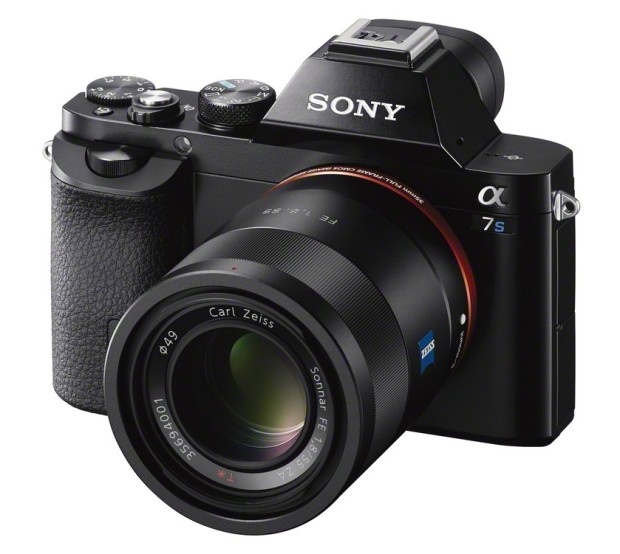
7 Sony a7S
The Sony a7S brought insane amounts of low light performance in a camera body the size of a wallet. I own this camera and still use it in my studio as a backup. I’ve even made a guide on this camera.
Sony also gave us S-Log2 and the whole craze for LUTs and color grading started here.
Sony gave low light, but everyone wanted more. It was time to address the low quality codec in a camera. At number eight:

8 Panasonic GH5
The Panasonic GH5 (Amazon, B&H) was a killer camera for a few important reasons. You got 5K, you got 10-bit 4:2:2 internally, and you got 4K in 60 fps. The camera as a package was incredible value. I’ve owned and shot with it, and it remains one of my favorite ergonomic tools in the mirrorless camera segment.
Shot on the Panasonic GH5 (Amazon, B&H):
In the 2010s, 10-bit 4:2:2 wasn’t enough either. Since Red had given everyone a taste of RAW, people were expecting it in the prosumer space. Blackmagic Design came out with many cameras that offered RAW, but they had their issues. For me, the camera that nails it, is at number nine:
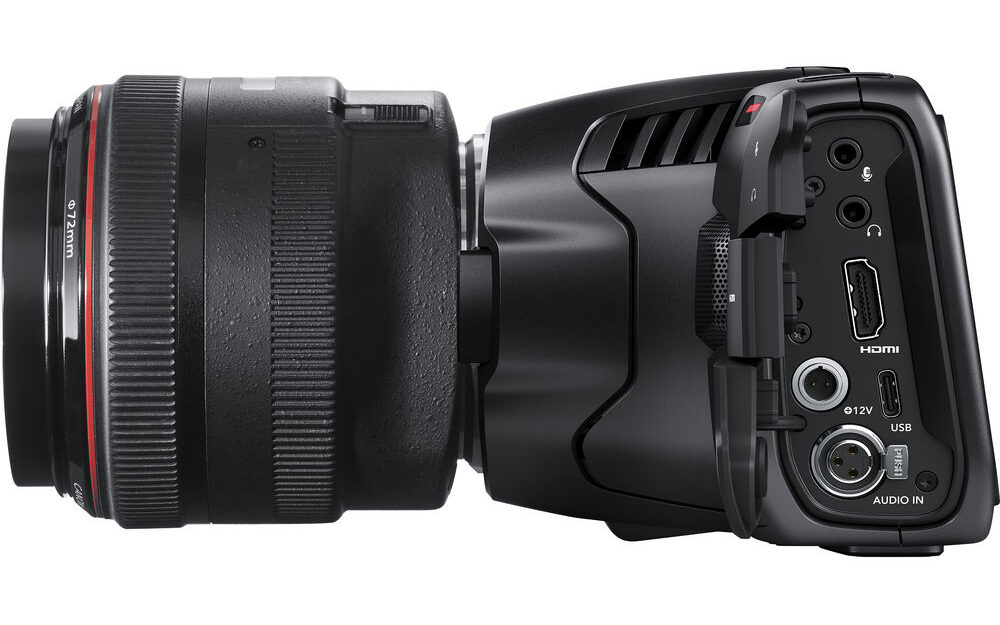
9 Blackmagic Design Pocket 6K, and today, the 6K Pro
The Blackmagic Pocket Cinema Camera 6K (Amazon, B&H) was the first camera that offered cheap 6K RAW in a completely new RAW codec at an insane price point. It almost eliminated all the problems of the earlier cameras in a package that finally made sense.
The Blackmagic Pocket Cinema Camera 6K Pro (Amazon, B&H) is currently available for purchase and is one of the best options you can buy if you only want to make movies.
The only thing that can beat 6K RAW is 8K RAW, right? At number ten:
10 Canon EOS R5
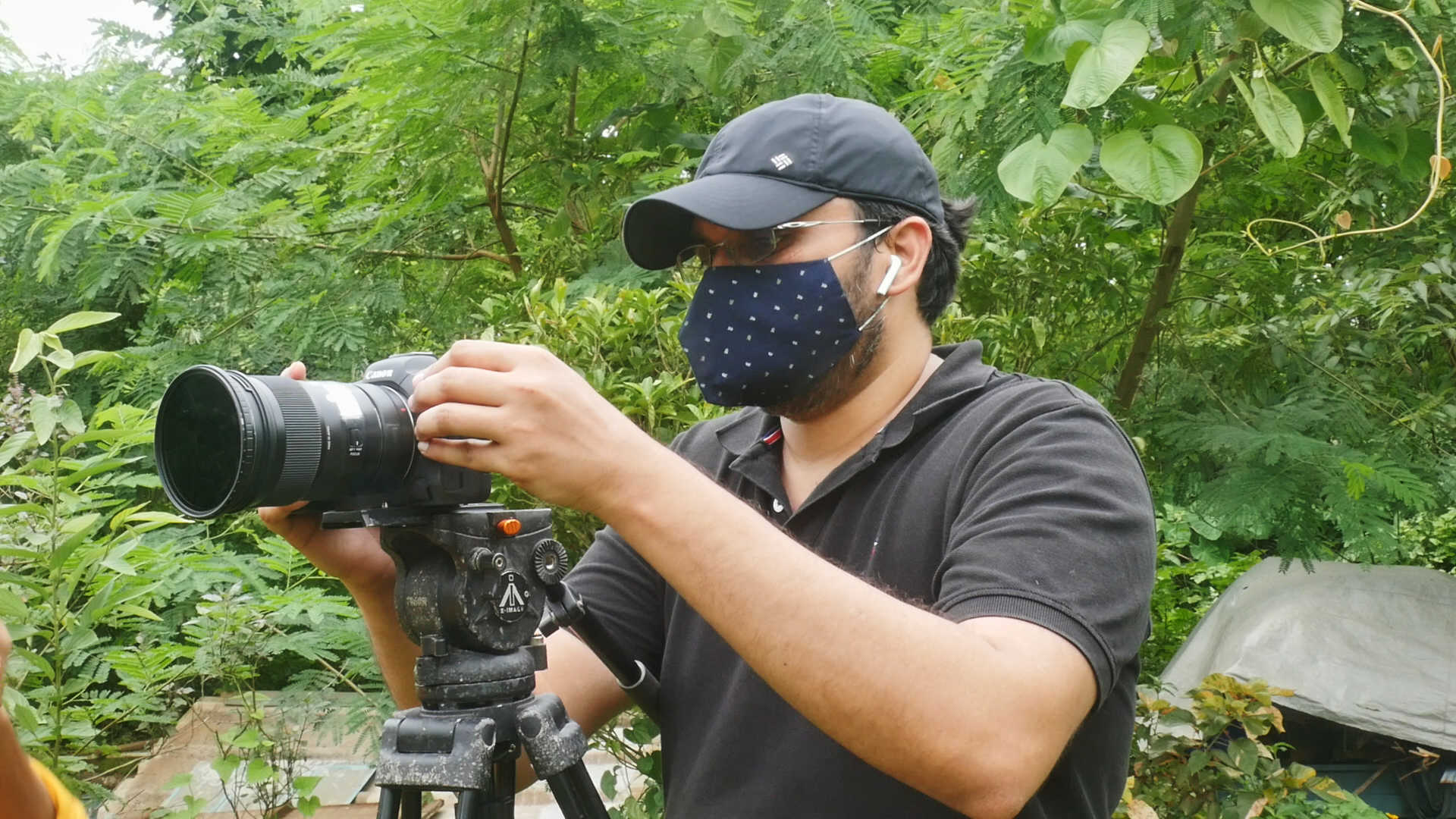
The Canon EOS R5 (Amazon, B&H) is the camera I currently own and use, and I even have a guide for it. It brought 8K RAW with Canon’s dual pixel autofocus to the masses. My review here:
Put this into perspective. Imagine how only a decade earlier, the Red One with 4K RAW was such a big deal. Today, you have 8K RAW at one-tenth the price with the Canon EOS R5 (Amazon, B&H), and it can also shoot stills, is quiet, and has amazing video autofocus. After the firmware update, one can shoot a whole day without overheating (I’ve done it many times).
Shot on the Canon EOS R5 (Amazon, B&H):
I also want to give a shoutout to Super 16mm film, which is still available today. You can buy film stock from Kodak and (hopefully in good condition) rent 16mm film cameras. With modern mirrorless cameras, the image quality is so good that it hardly makes sense to go 16mm financially. But aesthetically, it offers the film look if you want images that look different from everyone else’s.
In the next five years, I expect to see the last major obstacle to a true cinema camera for the low budget filmmaker – 14 stops of dynamic range similar to the Arri Alexa – erased and forgotten forever.
And then, decades on, filmmakers will wonder what the fuss was all about, which is why this simple article exists. I can assure you, it was a slog.
What were your favorite cameras over the last 30 years (assuming you’re old enough)? Let me know in the comments below.

Professional users with an iPhone 12 or 13 can now record and edit Dolby Vision with the phone available in their pocket. In my humble opinion it should be worth mentioning these new tools together with their Samsung counterparts. Ready for the future, with cinematic aesthetics…
I go further back. By the end of the last century, indie filmmakers grabbed the Canon XL1 miniDV camcorder. You were not hip in Hollywood without one. A few years later, I grabbed the Panasonic DV100A which was a superior camera
In the real world of digital cinematography back then, Grass Valley came out with its Viper, a monstrous camera that recorded raw 1080p onto a digital recording system the size of a small refrigerator and attached by a large umbilical cord.
I remember seeing the mockup of the first RED camera on display at NAB (forgot what year). It was really red, but the color actually conflicted with image capture, as I recall.
I remember the outrage and debate a dozen years ago when indie filmmakers started lusting after Canon DSLRs because Canon intoduced a basic video capture feature that was originally meant for news photographers to capture some video along with their stills. Purists were outraged at the thought because the image quality was so limited in the beginning.
But then, I go back to TV, where I shot with RCA TK76 shoulder-mount cameras tethered to Sony 3/4″ Umatic portable decks…a package costing almost $100,000 back in the day!
Certainly up for debate, but I’m having trouble understanding why the original Arri Alexa isn’t on the list. Sure, the Red One leapt ahead of everyone else with 4k and compressed Raw, but the alexa was what really lead the way for Hollywood to switch from film to digital over the course of the 2010s. For it to become Hollywood’s go-to cinema camera, it wasn’t so much the specs of the camera so much as its sensor’s true representation of colors derived from Arri’s film scanners, as well as its reliability. I mean the camera is basically a tank and DPs still buy used and shoot on the alexa “classic” 10+ years later. To me, that proof of reliability is pretty significant in the switch from film to digital, even if the camera doesn’t sell any extra K’s or raw bit depth in its image.
The Alexa, Sony 900, Monstro, etc., aren’t on this list because it was meant to be a list for low budget filmmaking cameras. The Alexa definitely did replace film as the dominant system for cinema production, no doubt.