

In this article we’ll look at five industry standard studio microphones for voice over, narration, foley or ADR recording.
A studio microphone is a high-quality microphone designed for controlled recording environments like sound booths or post-production studios. It captures sound with clarity, low noise, and minimal coloration – perfect for dialogue, ADR, voiceovers, and foley in film.
For low-budget filmmakers, a good studio mic helps replace noisy on-set audio with clean recordings, enhancing production value without expensive reshoots. Even a modest investment in a quality mic can drastically improve the final sound mix and make a project feel far more professional.
Even if you can’t afford to buy these, you should look for these microphones in the studios you do rent and decide to work with in audio post. There’s a reason why these microphones (or its equivalents) are industry standards.
Why do you need different kinds of studio microphones?
In a studio environment, you must have total control over room tone, noise, reverb, etc. Ideally you need a ‘dead’ environment.
The two kinds of microphones you’ll need are:
- Condenser microphones
- Dynamic microphones
There are no rules regarding the choices of condenser vs dynamic microphones but here are some rules of thumb:
- Condenser microphones have more ‘depth’ for recording human voices.
- Dynamic microphones can withstand moisture and abuse, which make them ideal for stage recordings or foley.
- Different musical instruments might need a matching ‘mate’ microphone. This is extremely subjective.
Low budget studios might have only one or two types of microphones, while high-budget studios will have many kinds of microphones so you can pick the best for each job.
Remember this: Just one microphone, no matter how expensive, won’t cut it for all aspects of film sound. You’ll get something of course, but it won’t be the best version of your film.
Here’s my list:

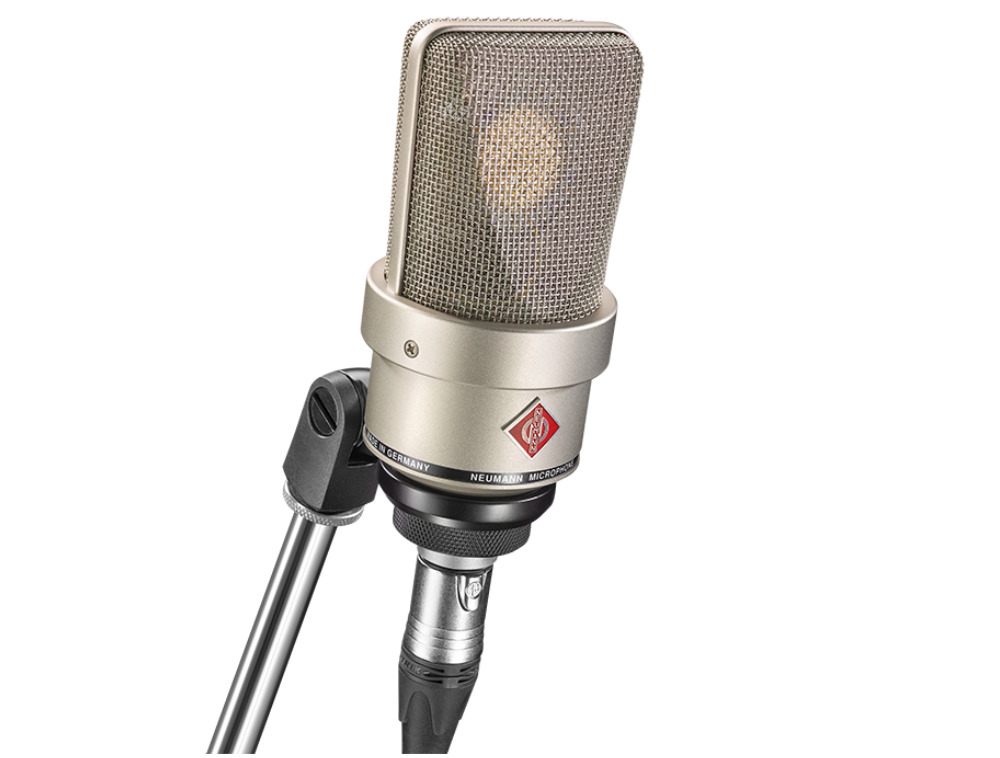
1. Neumann TLM 103
The Neumann TLM 103 (Amazon, B&H) is best for Voiceovers and ADR with broadcast-level clarity. This is the microphone (and its more famous cousin, Neumann U 87) I used for ADR on my film A Count of Ten (Gin Ke Dus).
Some of its features:
- Large-diaphragm cardioid condenser microphone
- Incredibly low self-noise (7 dB-A)
- Wide frequency response: 20 Hz to 20 kHz
- Handles high SPLs (138 dB) without distortion
- Transformer-less circuitry for transparent sound
The Neumann TLM 103 (Amazon, B&H) is a favorite in studios worldwide for voice recording due to its stunning detail and warmth. Its presence boost adds clarity, making voices stand out effortlessly in the mix.
Trust me, when the actor speaks in the theatrical sound mix, it matters.
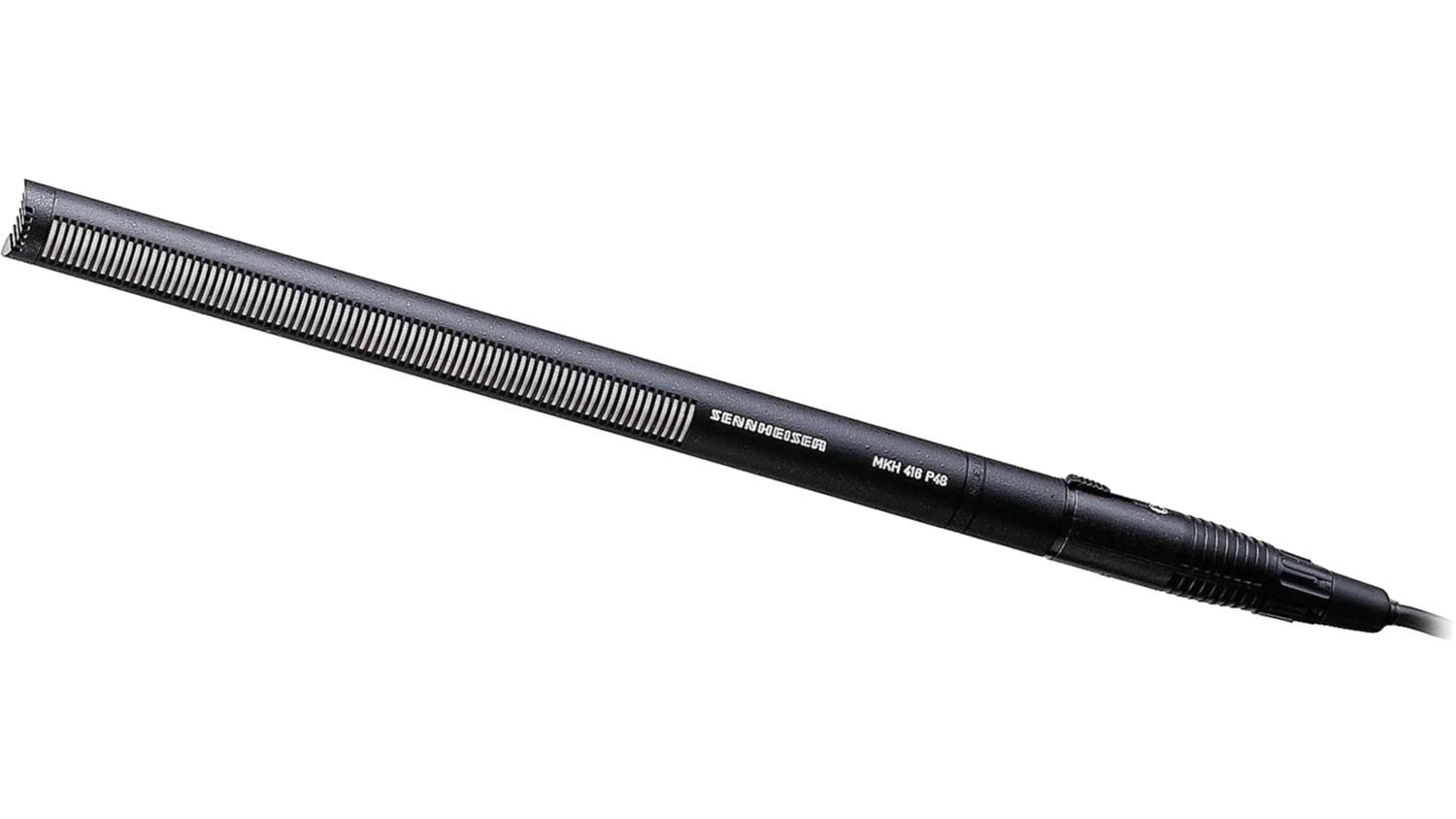
2. Sennheiser MKH 416
The Sennheiser MKH 416 (Amazon, B&H) is a totally different kind of beast. It’s best for ADR and outdoor dialogue matching.
How can this shotgun microphone be good for ADR if the Neumann is, too? If you want to match shotgun microphones used, and the feel of the sound, the Sennheiser is what you should use. It all depends on the person in-charge of sound mixing and design.
For my short film Man May Love, mixed in Dolby Atmos, we started with the Neumann U 87 but I decided the Sennheiser MKH 416 (Amazon, B&H) is what worked better. If you want an analogy: some like sports bikes, others like cruisers.
Features of the MKH 416:
- Shotgun condenser microphone
- Hypercardioid/lobar pickup pattern for focused sound
- Low self-noise (13 dB-A), high sensitivity
- Excellent off-axis rejection and resistance to humidity
- Frequency response: 40 Hz to 20 kHz
The Sennheiser MKH 416 (Amazon, B&H) is a location sound legend that transitions seamlessly into the studio. If you only had one mic (I know, I cautioned you against that!), this should be it.
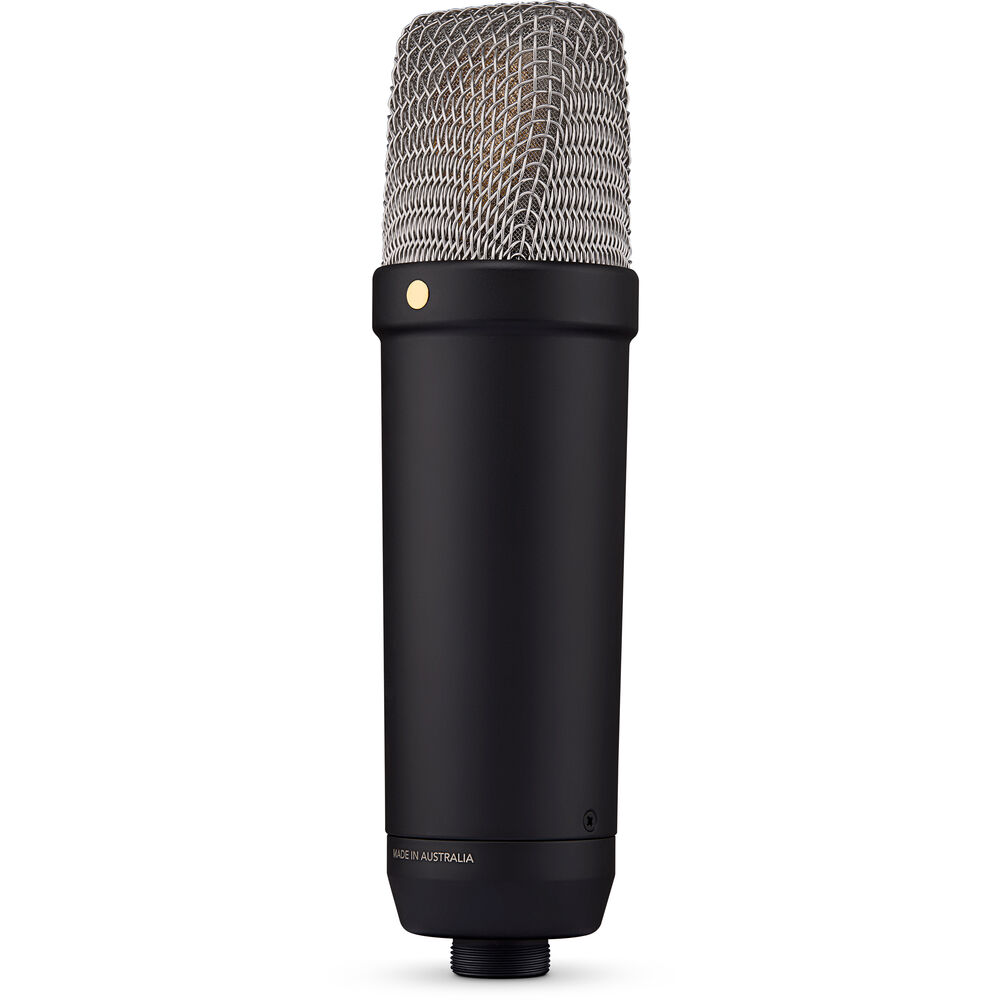
3. Rode NT1 5th Gen
The Rode NT1 5th Gen (Amazon, B&H) is for budget-conscious filmmakers who can’t afford a Neumann. Features:
- Large-diaphragm condenser with cardioid pattern
- Self-noise of just 4 dB-A—among the quietest ever
- Dual-connectivity: USB-C and XLR – so you can record directly into a computer
- Built-in DSP for compression, EQ, and high-pass filtering
- Internal shock mounting and pop filtering
The Rode NT1 5th Gen (Amazon, B&H) punches way above its weight. With both analog and digital output, it’s perfect for hybrid setups and home studios.
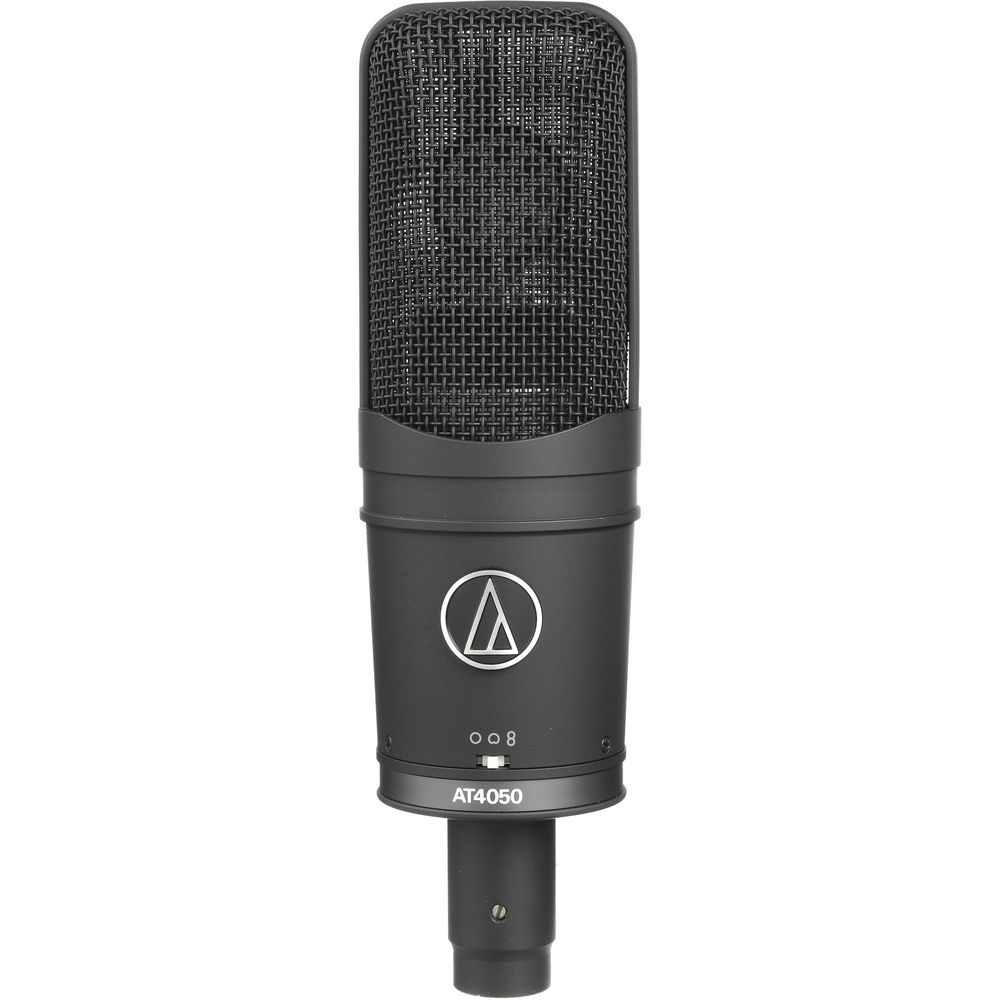
4. Audio-Technica AT4050
The Audio-Technica (Amazon, B&H) is great for versatile studio use. You can use it for voices, foley, or even instruments.
- Multi-pattern condenser mic: cardioid, omni, and figure-8
- Dual large-diaphragm design for precise detail
- Smooth, natural response with high SPL capability
- Frequency response: 20 Hz to 18 kHz
- Transformer-less circuitry for fast transient response
Its flexibility makes it a post-production workhorse. Whether recording foley or room tone, the Audio-Technica (Amazon, B&H) handles it cleanly.
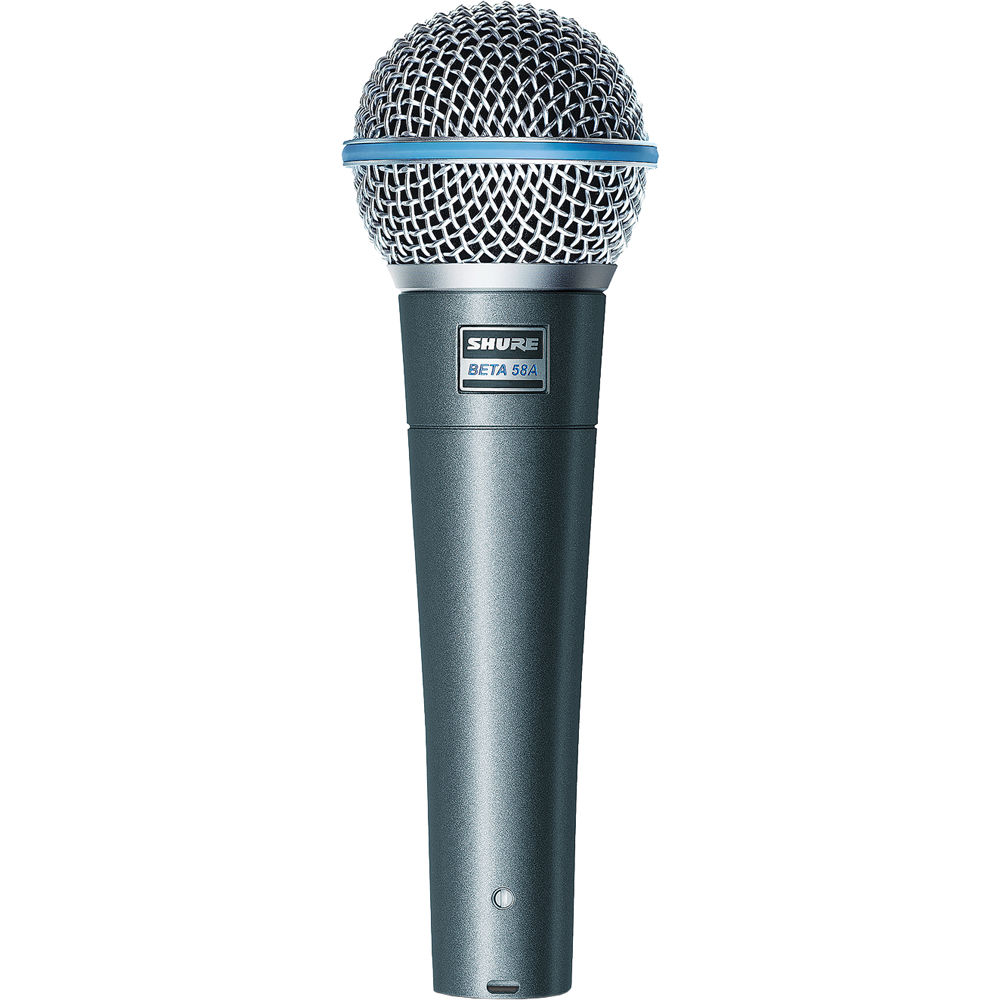
5. Shure Beta 58A
For my last choice, I picked something totally different. I own the Shure Beta 58A (Amazon, B&H), and it’s a great microphone when you need to record close-mic work or something in noisy environments like:
- Uncontrollable AC hum
- Construction or traffic noise
- People speaking in the background
- Concert-type scenes
Features:
- Dynamic cardioid microphone with flat wide-range response
- Excellent at rejecting room or ambient noise
- Built-in air suspension shock isolation
- Bass roll-off and presence boost controls
- It’s built like a tank
The Shure Beta 58A (Amazon, B&H) may be dynamic, but it’s rich and smooth enough for studio voice work—especially in non-treated rooms or less-than-ideal acoustics. It’s the microphone I currently use for my YouTube videos to avoid traffic noise!
What accessories do you need?
In addition to the microphone, you might need the following accessories (some of these come with the microphone, if not, get them as a kit and save money if you can):
- Mic Stands (Amazon, B&H) – Don’t skimp on these. Small disturbances and poor construction can translate into issues with the audio.
- Pop Filters (Amazon, B&H) – To get rid of those awful plosive sounds. Very important!
- Shock-proof Mount(Amazon, B&H) – This ensures small bumps don’t translate to the microphones. Remember, these microphones are really sensitive!
- Portable Recording Booths (Amazon, B&H) – If your talent is going to be unavailable for ADR, this might be a life-saver. It also helps with untreated spaces and rooms.
Choosing the Right Microphone for Film Post
Each of these microphones serves a distinct post-production need.
- For the cleanest ADR and voiceover? Go with the Neumann TLM 103 (Amazon, B&H).
- Need to match a boom mic’s tone? The Sennheiser MKH 416 (Amazon, B&H) is your friend.
- Working in a noisy environment? The Shure Beta 58A (Amazon, B&H) is hard to beat.
Whatever your setup, investing in a great studio mic helps ensure your film sounds as good as it looks.
Pay attention to audio, you’ll thank me when you hear the film mix!

I run a recording studio since more than 20 years, own some of your above recommended studio mikes, but for field recording with the very mobile BMPCC I highly recommend another studio mike: the Soundman in ear OKM classic with phantom adapter A3, delivering line signal for the little poor BM input. Find more infos here: www.blackmagic.audio-vision.info