
You shoot RAW for best image quality, and you shoot JPEG for ease of use, speed and storage space.
Here are the sizes of a typical 12MP image*:
- X.Fine JPEG: 7 MB
- Uncompressed RAW: 25 MB
*The sizes will vary by a bit depending on the kind of information you’re shooting.
That’s a savings of about 72%.
What we need to determine is whether you lose quality by shooting JPEG. Here’s a test of a frame shot in RAW and JPEG, and then processed in ACR.
First, stills just exported from ACR with no correction (except choosing the profile) (Click to enlarge):
Uncompressed RAW:

JPEG:
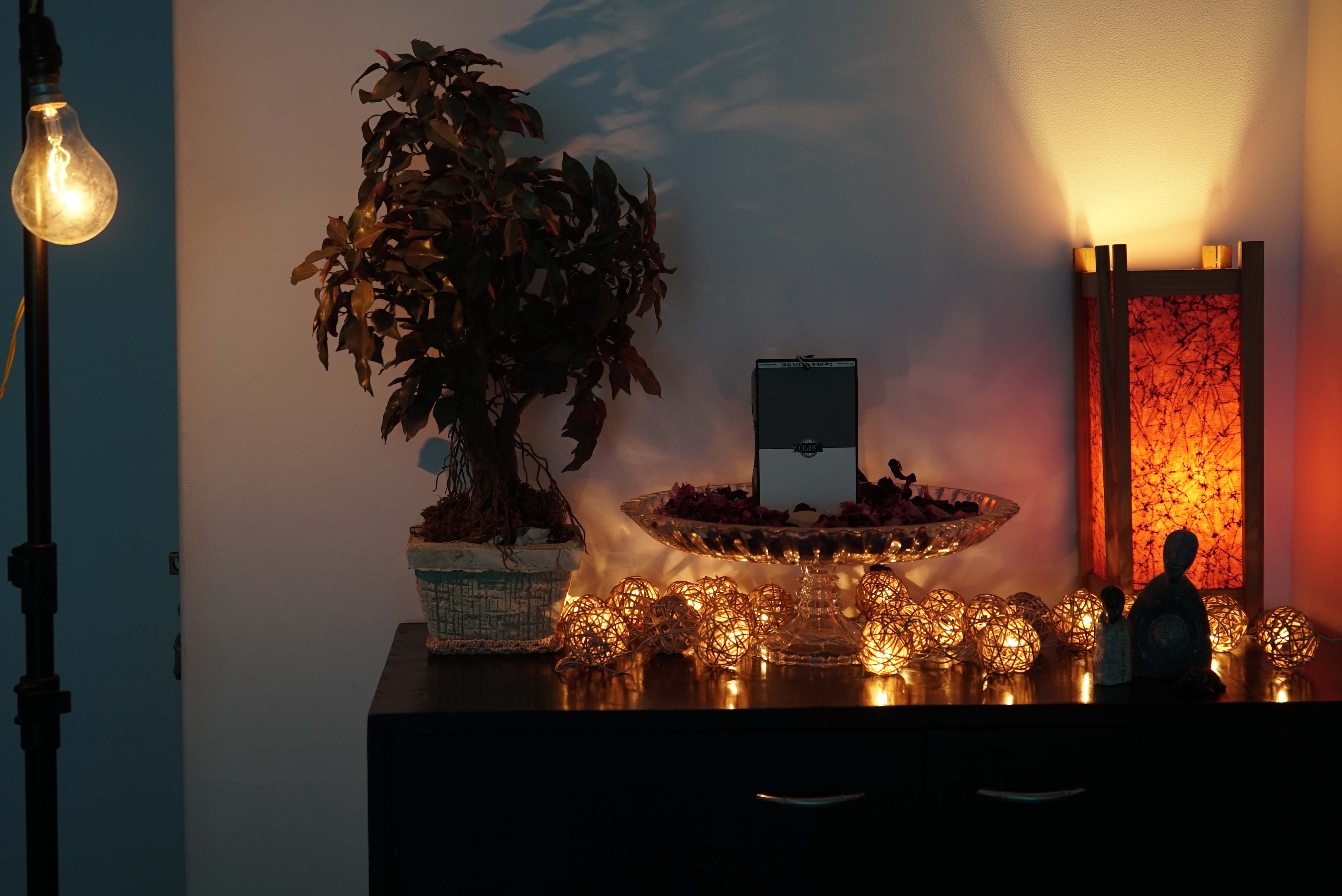
Now, stills processed^ in ACR and exported as full size JPEGs (Click to enlarge):
Uncompressed RAW:

JPEG:

EXIF – ISO 800, 1/25th shutter, f/4.5 at 51mm on a 28-70mm f/3.5-5.6mm lens. Neutral picture profile. X.Fine JPEG quality. Multi-metering, underexposed by -0.7EV.
^Here’s the torture that was applied to the images:

Takeaway
There is no doubt. If you want the best image quality and flexibility, you must shoot RAW. But people have known this for over a decade.
