
In this lesson we’ll quickly compare S-Log2 on the a7R II and S-Log3 on the a7S II.
Notes on test:
- All shots were custom white balanced. 3000K on the a7R II and 2900K on the a7S II (Measured under Standard Creative Style).
- The middle grey patch on the chart was exposed to 0.0, +1.0 and -1.0 for these tests.
- Footage was shot at 4K 100 Mbps XAVC-S in full frame mode.
- A one-stop (0.3) ND filter was used with the a7S II to even out exposures. The native ISO for the a7R II is 800 and a7S II is 1600.
- The ND filter will cause a slight shift in color balance, but this is something to be expected in the real world as well. The ideal method is to white balance after you put on the ND filter.
- Shutter speed was constant at 1/50. Aperture was at f/4.5 and sometimes f/6.3 for underexposure. Focus on the chart.
- Lens used: 28-70mm OSS at 50mm.
What are we looking for? Three things:
- Dynamic Range
- Noise
- Artifacts due to compression, posterization, etc.
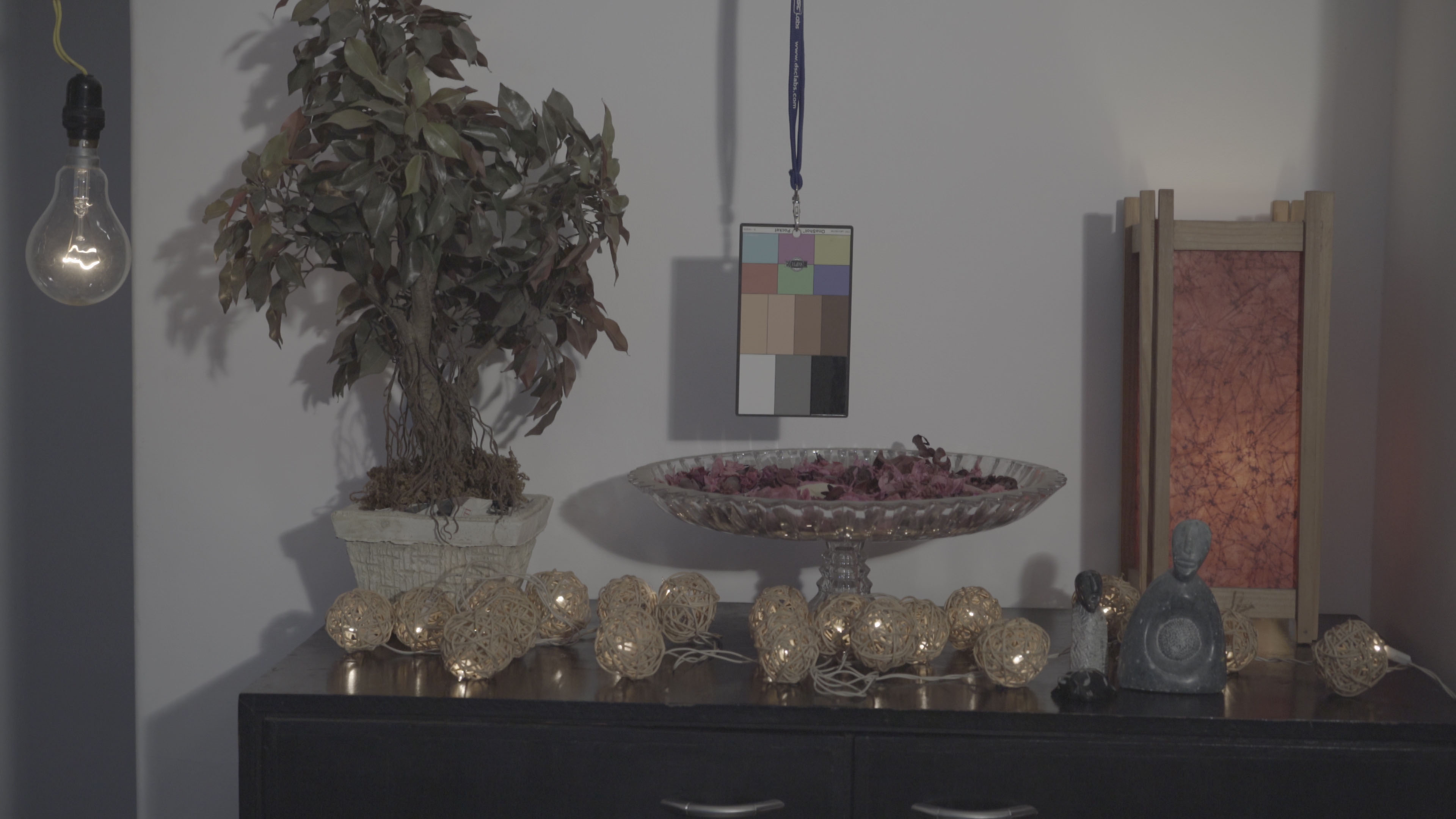
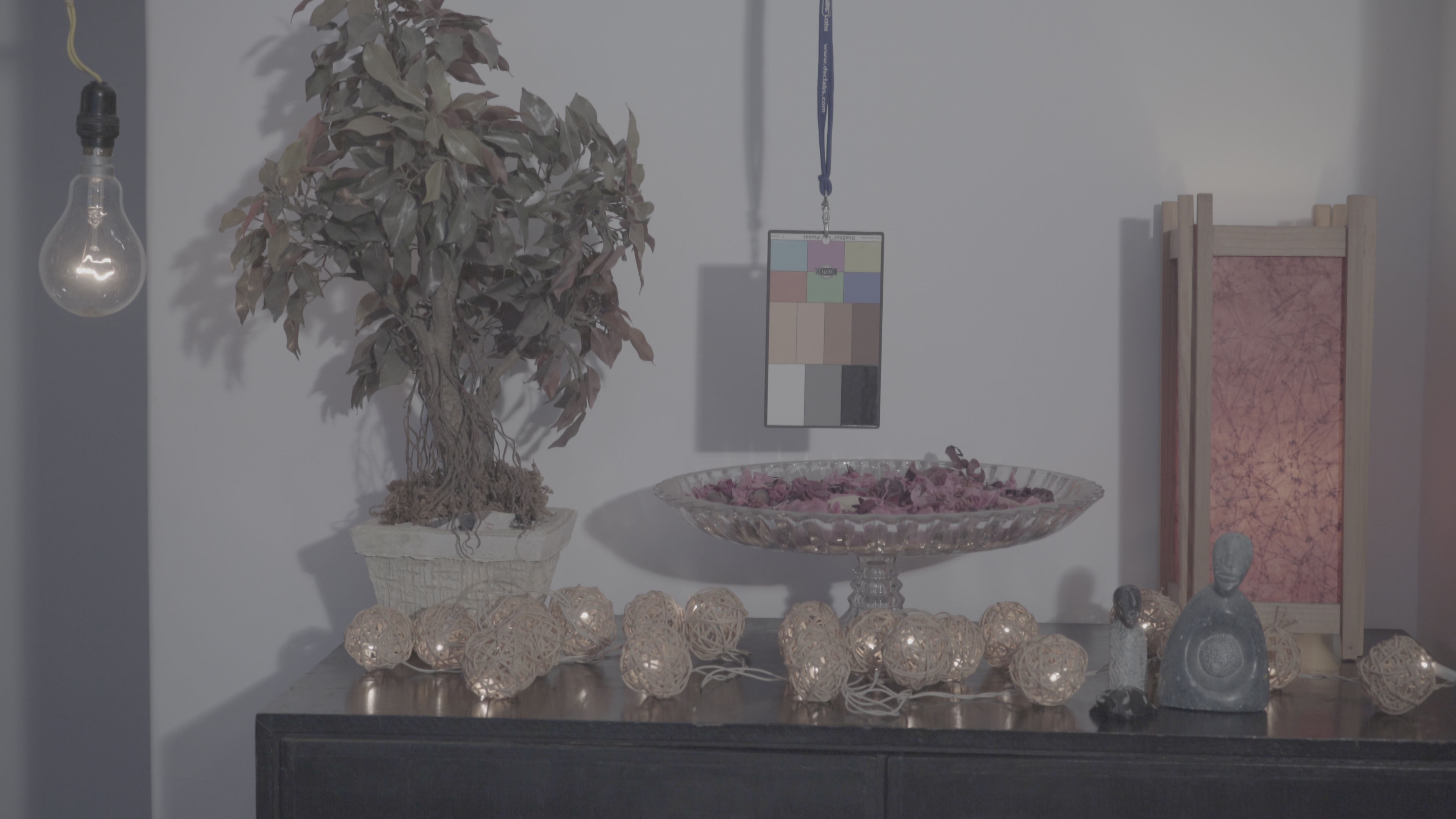
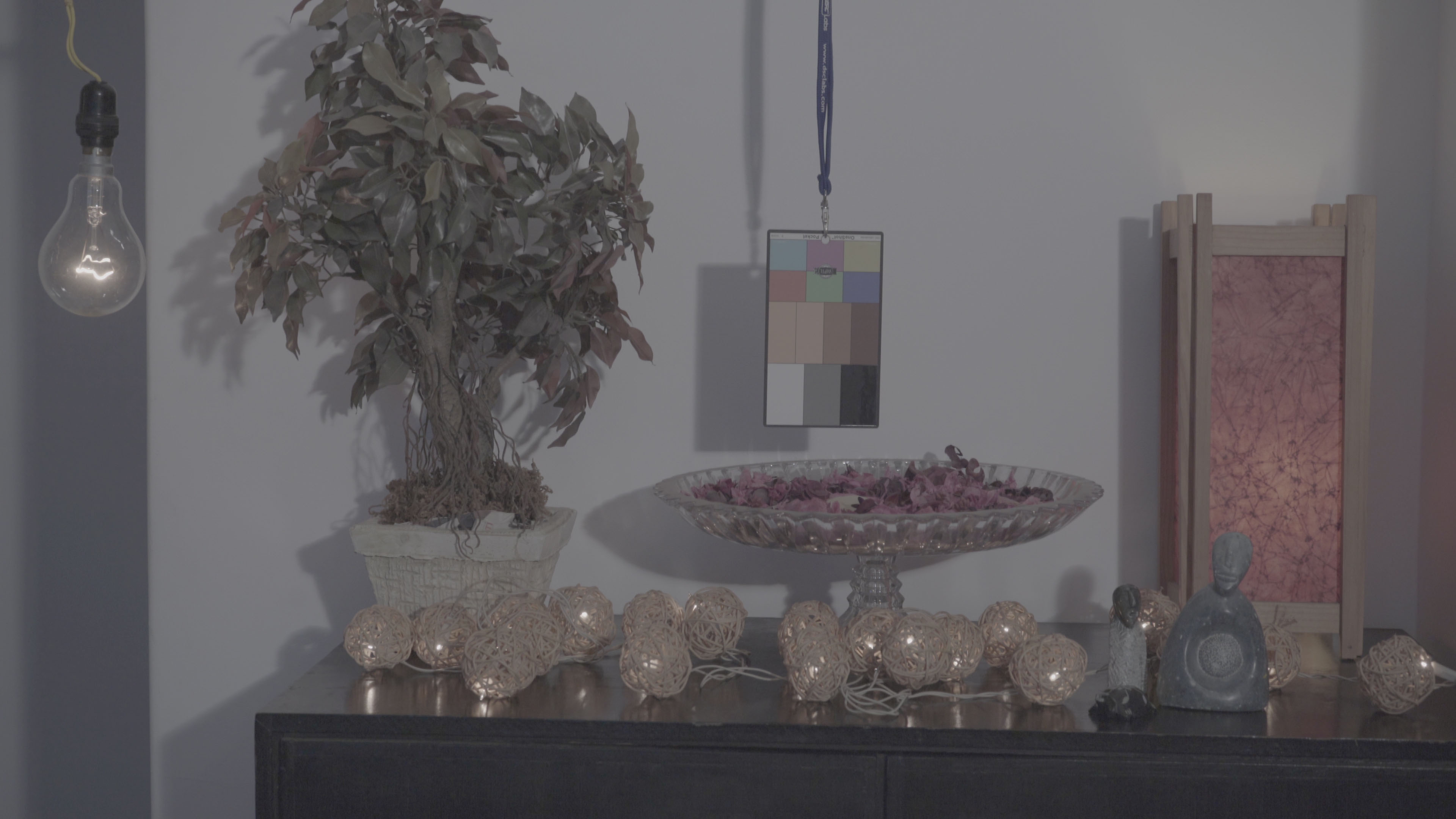
S-Log2 vs S-Log3 at normal exposure
Sony a7R II (click to enlarge):
Sony a7S II (click to enlarge):
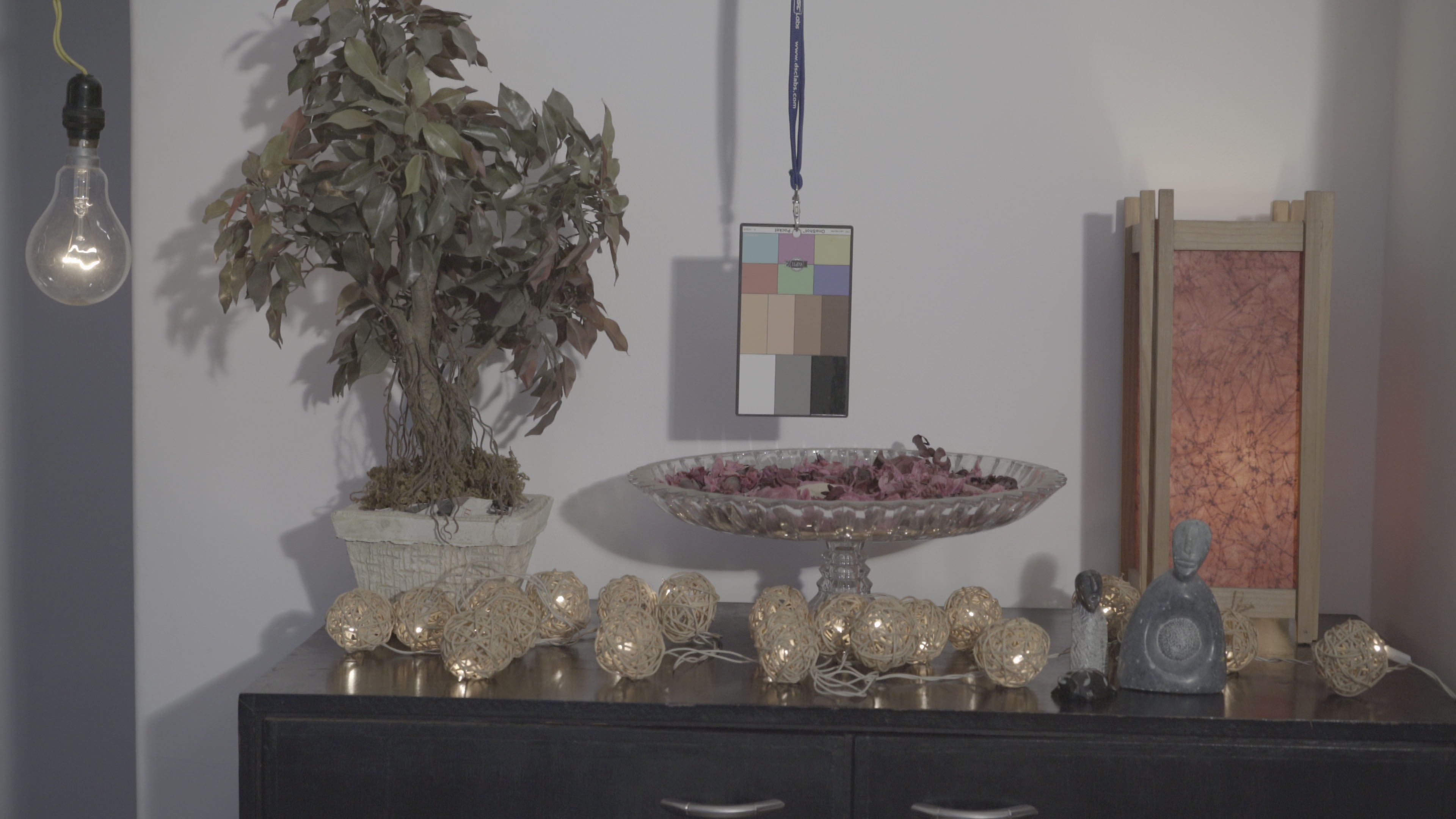
S-Log2 vs S-Log3 one stop over
Sony a7R II (click to enlarge):
Sony a7S II (click to enlarge):

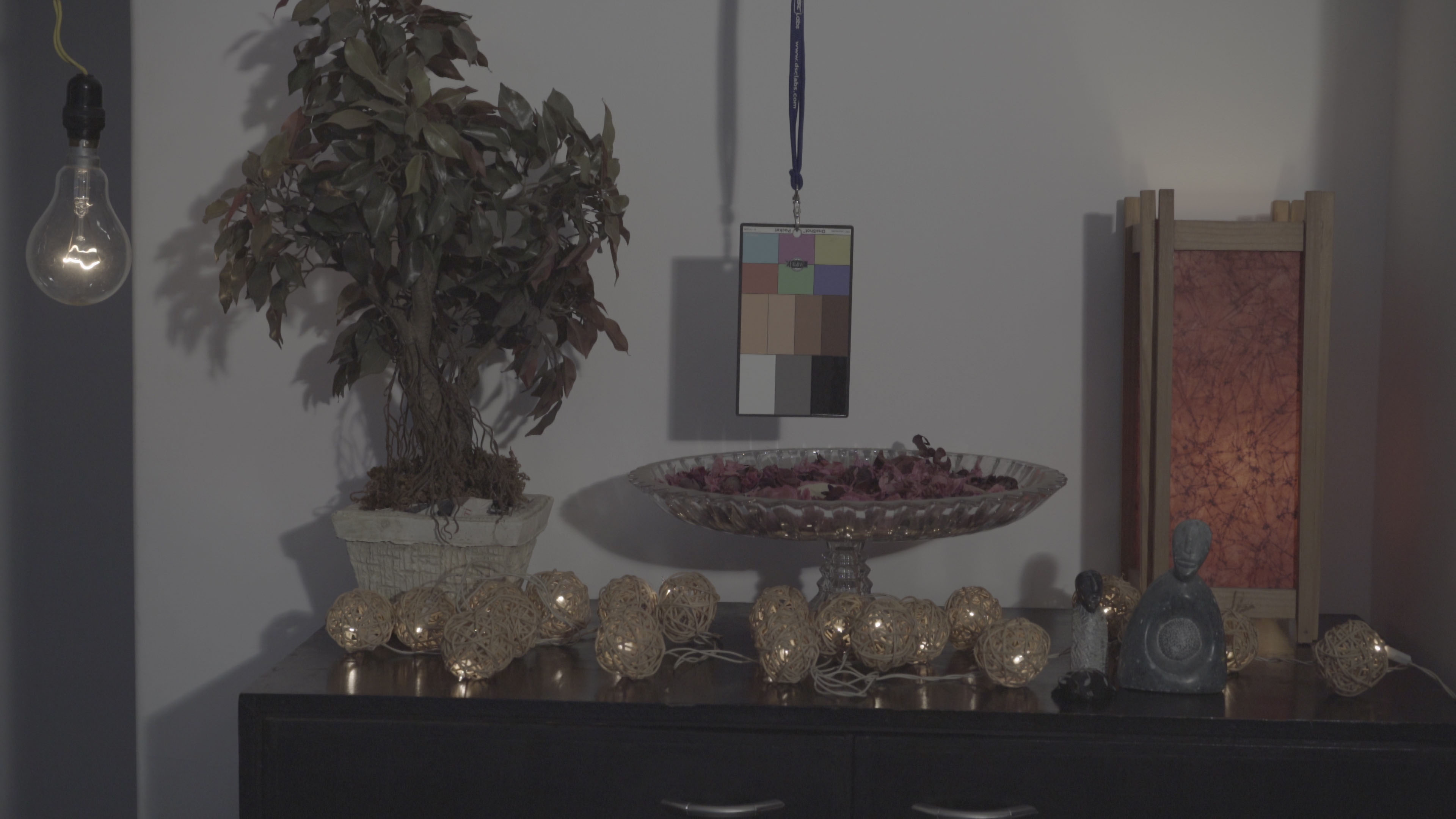
S-Log2 vs S-Log3 one stop under
Sony a7R II (click to enlarge):
Sony a7S II (click to enlarge):
Which is better, S-Log2 on the a7R II or S-Log3 on the a7S II?
Here are things I’ve noticed:
- At normal exposure, S-Log3 does better in the shadows (noise-wise).
- At one stop over, S-Log3 does better overall. S-Log2 still needs another stop of overexposure according to the wolfcrow system.
- At one stop under, S-Log3 is clearly better. The artifacts are bad on both, but we already knew that.
- As far as dynamic range is concerned, they are too close to call. Neither has an advantage.
So which is better? As far as dynamic range, artifacts and noise is concerned, S-Log3 is better.
Can we match the two cameras with S-Log2 and S-Log3?
It’s not a good idea, especially because you have S-Log2 in the a7S II, and it needs a different exposure strategy.
But say you are compelled to do it. Then here are the steps:
- The a7R II has a base ISO of 800, while the a7S II is 1600.
- The a7R II needs two stops of overexposure at least according to the wolfcrow system. This means, for the sake of argument, that the ISO is 3200 (Remember, you can raise the exposure in many ways).
- The a7S II only needs a one-stop overexposure according to the wolfcrow system. This means, you only need ISO 3200.
- Therefore, theoretically, both cameras can shoot at ISO 3200.
- Of course, you need to be careful about having your shadows above 40 IRE.
- The skin tones might be slightly apart, but this is to be expected because the log curves are different. Ultimately, you’ll be spending some time matching exposure from shot to shot and color grading them.
- Since S-Log3 is better, you’ll need to grade S-Log2 first and then grade S-Log3 accordingly.
