
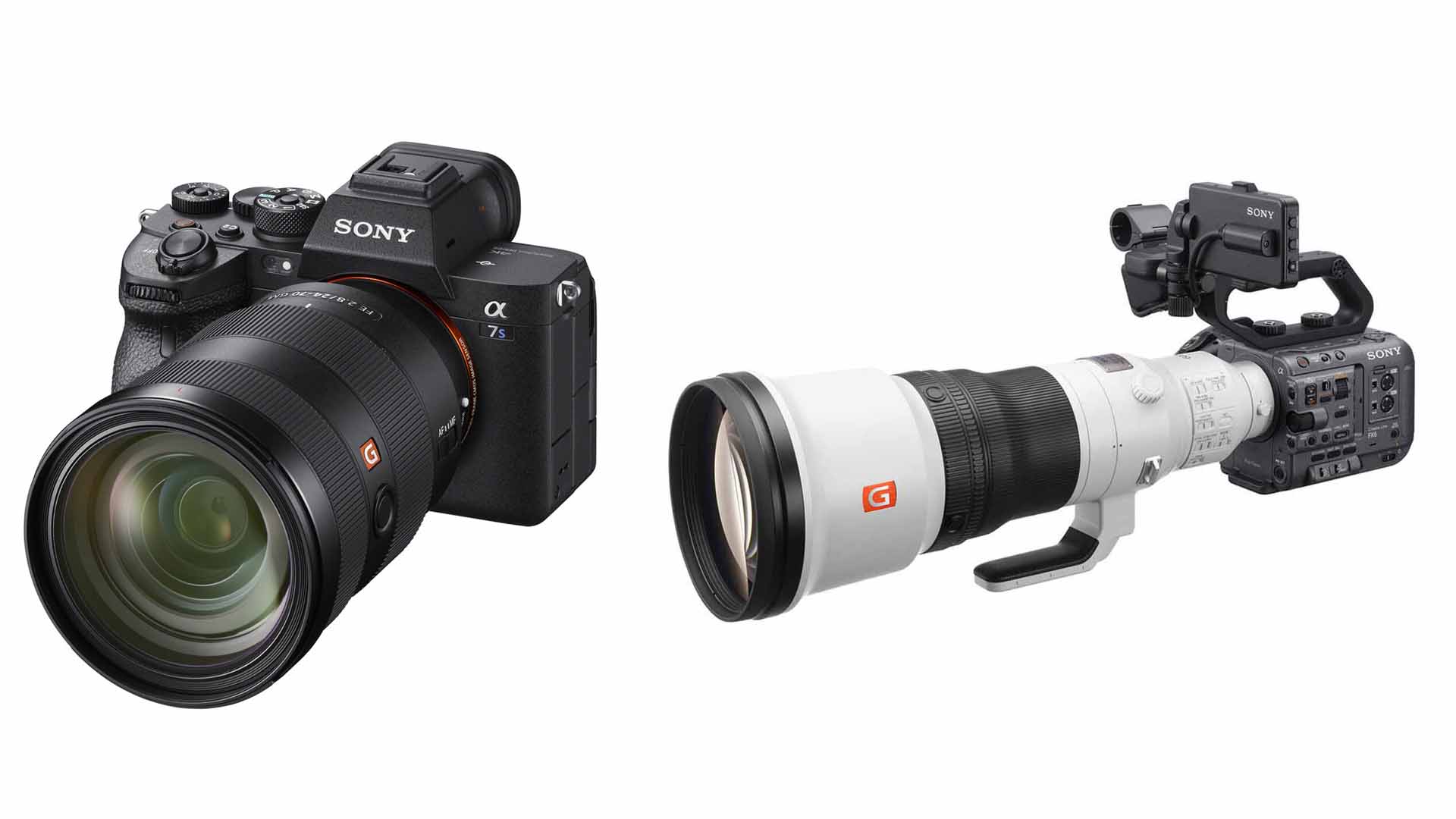
Same parent company, same lens choices, same fps in 4K. What is different? Why should anyone pay more for the Sony FX6 (Amazon, B&H) over the Sony a7S III (Amazon, B&H)?
Hopefully this article will help you decide which of these cameras is the better investment for you.
Comparison of sensors and video features
Here’s how the camera sensors compare for video:
| Camera | Resolution | Maximum FPS* | Video ISO Range^ |
| Sony FX6 | 4096 x 2160 | 119.88p | 320-409,600 |
| Sony a7S III | 3840 x 2160 (4264 x 2408 in RAW) | 119.88p | 80-102,400 |
Sony is the current low light champion of the world. With the Sony FX6 (Amazon, B&H) and its dual base ISO (one at ISO 800 and the other at ISO 12800) you can rest assured low light won’t be a problem.
The FX6 supposedly has a better low light performance than the a7S III which makes it more valuable on paper. However, in real world shooting, that won’t make a practical difference to most shooters. Any small benefits would only be useful in fringe cases.
The Sony FX6 shoots in 4K DCI whereas the Sony a7s III shoots in 4K UHD. However, if Prores RAW is your thing, the a7S III does go higher but not at 120 fps.
What about 4K frame rates?
The Sony a7S III (Amazon, B&H) does 240 fps in 1080p and so does the Sony FX6. Both of them have a 10% crop.
| Camera | Dynamic Range | Max fps at 1080p |
| Sony FX6 | 15+ stops | 240 fps |
| Sony a7S III | 15 stops | 240 fps |
To be honest I’d pick the a7S III here for its higher resolution in RAW recording.
Sony a7S III and its overheating limitations
The Sony a7S III (Amazon, B&H) does have overheating limitations in 60p and 120p.
In a nutshell:
- Up to 60 fps: The Sony a7S III overheats after about one hour of recording in ALL-I.
- At 120 fps: The Sony a7S III overheats after about 30 minutes of recording in ALL-I.
- Up to 30 fps: No limit.
The reason why there are no limitations in the Sony FX6 is because it has a fan built-in to keep the camera cool. Sony claims the fan is silent enough to not interfere with recording audio.
Both the cameras have a 10% crop when attempting to shoot 4K 120fps.
Dynamic range
Sony claims that the FX6 (Amazon, B&H) fares better when you compare the dynamic range of the camera.
On paper they are the same, though:

You can see, at ISO 800, Sony distributes more into the shadows and less for the highlights. Sony did not publish what would happen at ISO 12800, which is strange, the FX6 being a dual ISO camera.
Next, the codecs and color information:
| Camera | RAW and Code in 4K and Higher | Color Information |
| Sony FX6 | Prores RAW*, XAVC-I/L | RAW* | 10-bit 4:2:2/8-bit 4:2:0 |
| Sony a7S III | Prores RAW* | XAVC S-I (ALL-I) | RAW* | 10-bit 4:2:2/8-bit 4:2:0 |
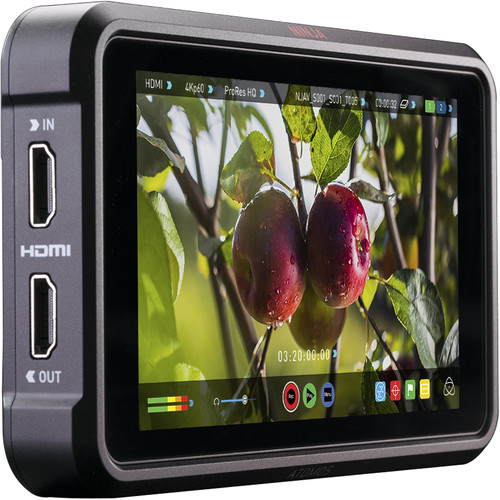
You need the Atomos Ninja V for recording Prores RAW in both the cameras. Where the difference lies is in the internal codec. XAVC-S has a lower bit rate than XAVC-I/L. It will be definitely better for professional grade work and color grading.
Focus and exposure aids, and ergonomics
What’s the point of RAW if you can’t expose it correctly? The little things make all the difference:
| Camera | Exposure |
| Sony FX6 | Waveform, Exposure Index, Zebras, LUTs |
| Sony a7S III | Histogram, Meter, Zebras |
You get a Waveform display in the Sony FX6 (Amazon, B&H). You also get the ability to upload LUTs, preset looks and the new S-Cinetone profile. You also get HLG for HDR video. The Sony a7S III just doesn’t have professional exposure tools.
Both have focus peaking and zebras.
As far as size and weight are concerned:
| Camera | Ergonomics | Weight |
| Sony FX6 | Top handle comes with the camera, flexible monitor placement | 890g |
| Sony a7S III | Small grip makes the camera front heavy with most cine or zoom lenses. | 614g |
It’s surprising how lightweight the FX6 is. I don’t think many would be put off by the tiny weight differential.
Weather sealing is not guaranteed on any of the cameras. Sony claims they have tried to make the cameras better for tough conditions but then mentions in the fine print that they cannot guarantee weather sealing. I don’t expect these cameras to be pushovers, and this is par for the course.
The FX6 comes with a top handle. The camera is well balanced when it comes it managing heavy lenses or on a gimbal due to its shape. The monitor can be placed in multiple locations providing way more freedom that the Sony a7s III. The Sony FX6 (Amazon, B&H) takes this one.
ND Filter & Audio Features
| Camera | ND Filters | Audio |
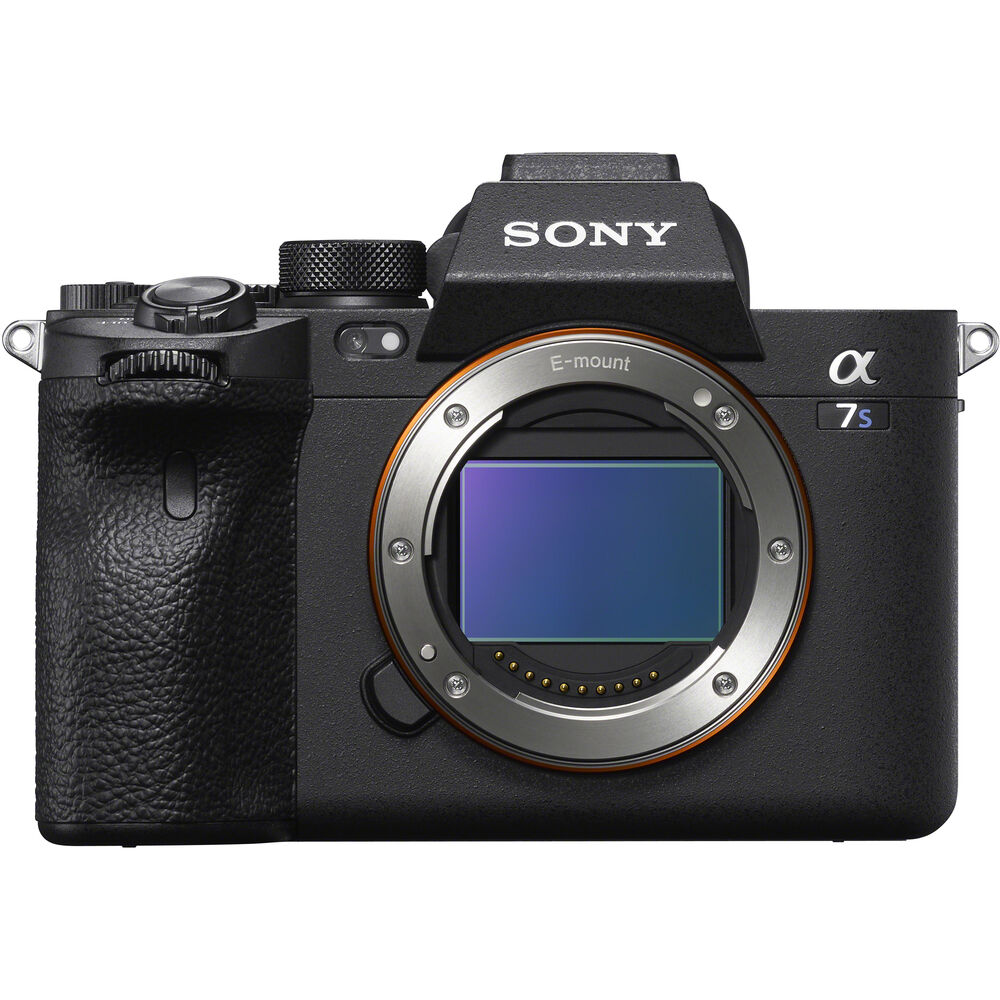
| Sony FX6 | Yes, 1/4 to 1/128 ND | 2x XLR phantom powered, 4-Channel 24-Bit 48 KHz LPCM |
| Sony a7S III | None | 1x 3.5 mm Stereo minijack, 2-Channel 16-Bit 48 KHz LPCM |
There is no doubt which is the better deal here.
The Sony FX6 (Amazon, B&H) gets out of the way. The a7S III needs a lot of love and attention. The FX6 can handle more types of video production than the a7S III.
What the Sony a7S III (Amazon, B&H) does have, though, is the ability to take still photographs.

Image Stabilization
Only the Sony a7S III (Amazon, B&H) has internal image stabilization (IBIS). If the lens doesn’t have IS, then I think it’s limited to about 3-5 stops. In initial tests, the a7S III has great stabilization, especially with the new “Active Mode” (but with a small crop).
The Sony FX6 (Amazon, B&H) has a gyro information in built and to stabilize the footage you will have to use the Sony Catalyst software. It’s not ideal, though I’d take ND filters over IBIS.
Timecode
The Sony FX6 (Amazon, B&H) has timecode input and output for multi camera sync complete with a BNC connector. It does not have Genlock but it is still better than the Sony a7S III (Amazon, B&H) which does not have a port for timecode. It has in built TC/UB in the in-camera menu which will allow you to only sync the footage if you manually start all of your cameras at the same time and then line it up by timecode in post.
Batteries and media cards
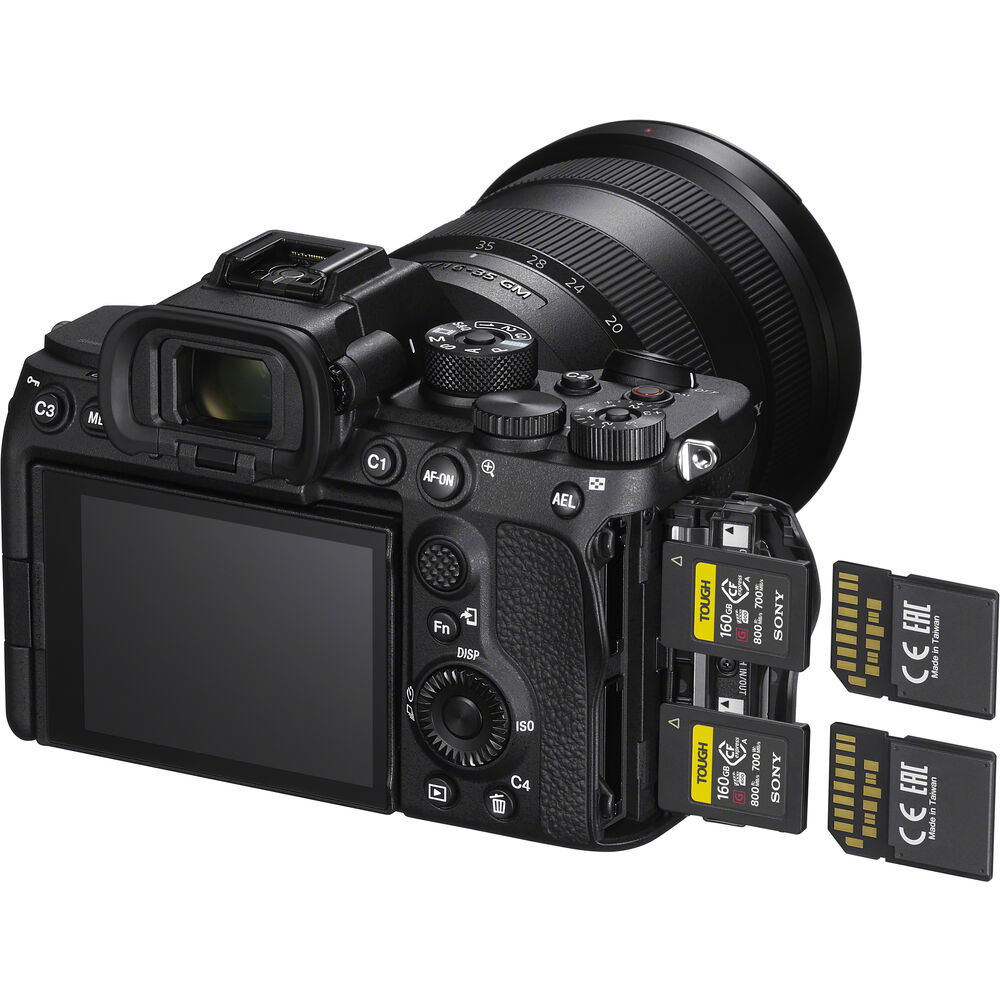
Here’s a look at the media:
| Camera | Dual card slots | Price per GB for 512 GB* |
| Sony FX6 | Yes, CFexpress Type A or UHS-II SD Cards | $2.49/GB and $1.5/GB |
| Sony a7S III | Yes, CFexpress Type A or UHS-II SD Cards | $2.49/GB and $1.5/GB |
CFexpress Type A cards are not cheap. For practical shoots, you will need multiple cards. This could really add to your expenses if you want the best codec and performance.
For the a7S III and the FX6, you need CFexpress Type A cards for 4K 120 fps. The SD cards can only go up to 60p in 4K. Also, you need to buy a special Sony reader as well. It gets expensive, fast!
The a7S III gives you more footage per card due to a more heavily compressed XAVC-S codec, but at the expense of image quality.
What about battery life?
| Camera | Battery life | Cost of one battery | Cost of 6 hours of operation |
| Sony FX6 | 215 minutes | $320 | $640 |
| Sony a7S III | 90 minutes | $78 | $312 |
The Sony a7S III (Amazon, B&H) wins the battery round considering the fact that you can shoot for 6 hours and it would still cost you less than one Sony BP-U70 72 Wh battery.
However, you also have to keep changing batteries more often. And, it’s at a more inconvenient location at the bottom. Is that important to you?
Which is cheaper to own?
Let’s just add up the costs:
| Camera | Sony a7S III | Sony FX6 |
| Camera body | $3,498 | $5,998 |
| Media and Reader^ | $1,194 + $118 | $1,194 + $118 |
| Batteries* | $312 | $640 |
| Top handle | $105 | $0 |
| ND filter | $125 | $0 |
| Total | $5,339 | $7,950 |
*Guesswork, for 6 hours of operation.
There is a drastic difference of about $2,500. This is what you get for that extra $2,500 with the Sony FX6 (Amazon, B&H):
- Electronic ND filter
- XLR inputs, phantom powered
- Better exposure tools (Waveform, Pre loaded LUTs)
- Flexible location for the LCD monitor
- SDI input
- Timecode
- No overheating
- Dual Base ISO
- Top handle
- 4K DCI internally
To many professionals, that extra $2.5K might be worth it considering the difference in the usability and workflow. Sure, the image quality might still be comparable but that is not the only thing that matters when you make films, documentaries, music videos, wildlife documentaries for a living.

Recap
First, a recap:
| Feature | Winner |
| Resolution | Tie |
| Video features | Tie |
| DR and Color | Sony FX6 |
| RAW and Codecs | Sony FX6 |
| Low Light Performance | Tie |
| Exposure Aids | Sony FX6 |
| Media | Tie |
| Lenses | Tie |
| Ergonomics | Sony FX6 |
| IBIS | Sony a7S III |
| Ports and Monitoring | Sony FX6 |
| Audio | Sony FX6 |
| Autofocus and Manual Focus | Sony FX6* |
| Battery life | Tie |
| Unlimited shooting | Sony FX6 |
Before we take our final decision, we’ll let the cameras tell us what they offer that the others don’t:
| Camera | USP | Major Cons |
| Sony FX6 | Dual Base ISO, better ergonomics, XLR audio, timecode input BNC connector, ND filter, better codec, USB-C file transfer | No IBIS, price, size and weight |
| Sony a7S III | 4.2K RAW in 60p, IBIS, small size, EVF, photography | Overheating, No ND filters |
Watch my Sony a7S III review:
My Verdict
I said I’ll try to provide a balanced overview, even though it’s hard. Here’s what I think:
| Type of Filmmaking | Preferred Camera | Major Reasons |
|---|---|---|
| Short documentaries and corporate videos | Sony FX6 | Audio inputs, Timecode, Continuous shooting |
| Major documentaries or B-cam to the same | Sony FX6 | Audio inputs, Timecode, Continuous shooting |
| Short or feature films | Tie | |
| Music Videos | Sony a7S III | Price |
| Journalism | Sony FX6 | Continuous Shooting, USB-C transfer, ND Filter |
| Wildlife | Sony FX6 | Continuous Shooting, USB-C transfer, ND Filter |
| Weddings and Events | Sony FX6 | Continuous Shooting, ND Filter, Fewer battery changes |
Even if you’re doing only 25 jobs in two years, that’s only $100 extra per project for the FX6. Not a problem for most working professionals. And, it will save you $50 per project with just its better toolset. The Sony FX6 (Amazon, B&H) wins.
What do you think?

Even though it’s not advertised, the a7siii also has dual base iso
Unless it’s official, it is not right to assume what you’re seeing is dual base ISO. It might simply be noise reduction in camera.
Great article! Really well written and practical advice. Thanks so much.
You’re welcome!
The A7SIII is better for gimbal work. The FX6, without it’s top handle, is small enough to use on most gimbals, but it has all it’s audio inputs on the handle, which isn’t great.