

Watch the video:

You really can’t appreciate light without shadows.
The darkness of a shadow can influence how you perceive light. A light that’s not intense can be made to look strong against a darker shadow, and a bright light won’t look so bright if the shadows are not dark enough.
Shadows come with their own properties. The darkest part of a shadow is called the Umbra:

Light diffracts across corners, and for this reason a little bit of spill blends into the shadows in that region. This is called the Penumbra.
When the light source is smaller than the subject, what most people call a hard light, the demarcation is clear. When the light is soft, the penumbra blends in with the umbra. As the shadows go further away, it gets softer.
The umbra and penumbra form the shadow cast by the object.
We also have shadows on the object itself:

The shadow on the far side of the object is the Core Shadow. This is the side nearest to the shadow that is cast by the object.
If the object is close to a surface light bounces off it and casts Reflected Light. It adds complexity to the shadow.
The shadow blends in with the lit side, and at one place the tone is in between, which we can call Halftone (that comes from painting).
The lit side is the Lit Side, but there’s also the Specular Highlight. In a way the lit side is also a kind of shadow, because it’s not the brightest.
There’s a bit more about shadows but this is enough for cinematography. Who would have thought it’s so complicated?
The understanding of shadows and using it with purpose is one of the great skills a cinematographer can learn. If you’re lighting a scene and can’t control where the shadows fall, you’re really not in control.
In Black Narcissus the shadow play is an important element of the storytelling process. A team of nuns visit a monastery or castle to spread the faith. There is a lot of cultural nonsense when it comes to India, though the story is really about uncontrolled desire and hubris. It’s not as bad as Indiana Jones and the Temple of Doom. That movie is unforgivable.
Black Narcissus won an Oscar for cinematography, and it’s still a breathtaking film for the beautiful way in which shadows are used to drive the story – like film noir in color.
Cinematographer Jack Cardiff throws us into a stylized world where shadows play an important role right from the first frame. He isn’t afraid to use multiple sources to layer shadows in the background. You can see the interplay between the various umbra and penumbra, which gives the background texture:

You can even see a couple of shadows of the fan on the floor, though that’s extremely unlikely in real life.
In these first few frames the shadows are already overbearing in this convent in what was at the time Calcutta. Real light never behaves this way, so the lighting style can be called the expressionistic style of lighting.
As Sister Clodagh steps into the office, she steps into the light from shadow.

Catch the umbra, the penumbra, the shadow core, the halftone, the lit side of the face, and the specular highlights in the eyes, which are called Catchlights in filmmaking.
The light is from the top, which is why the dress creates these patterns on the face. The sisters are always engulfed in light and shadow. They always have to step into and out of the light, which subtly reveals their constant struggle to keep the faith.
When the nuns reach their destination, the shadows become less intense. It’s almost like high key lighting, which I’ve explained in this video:
The mood of high key lighting is upbeat and full of optimism. They have hope and are looking forward to their duties.
However, the shadows return as soon as they are indoors alone. The shadows have accompanied them,which means these shadows are an extension of their own inner turmoil.
When they interact with other people, the shadows recede and we are back in a high key lighting style. These decisions were not taken by accident, The colors too tell us a story. When they are alone, it’s almost monotone, but when they are surrounded by others, everything gets more colorful, even their skin.
In this scene when Sister Philipa goes into Sister Ruth’s room, Ruth is in silhouette, while Sister Philipa is surrounded by light:

Ruth is the most psychologically challenged in this film, and the cinematography makes certain we understand this immediately. All this plays out in the acting and dialogue as well. Cinematography just adds to it the way it should. The objective is not to always make pretty pictures.
The film moves between high key and low key lighting as the sisters’ lives get more and more troublesome on the inside – both literally and metaphorically.
A great example of this is the praying scene:

Not all nuns are on the same page. Clodagh is at the forefront, the leader. Ruth, at the rear, is the darkest. At least from this point of view. When we cut back Clodagh also has shadows on her face:
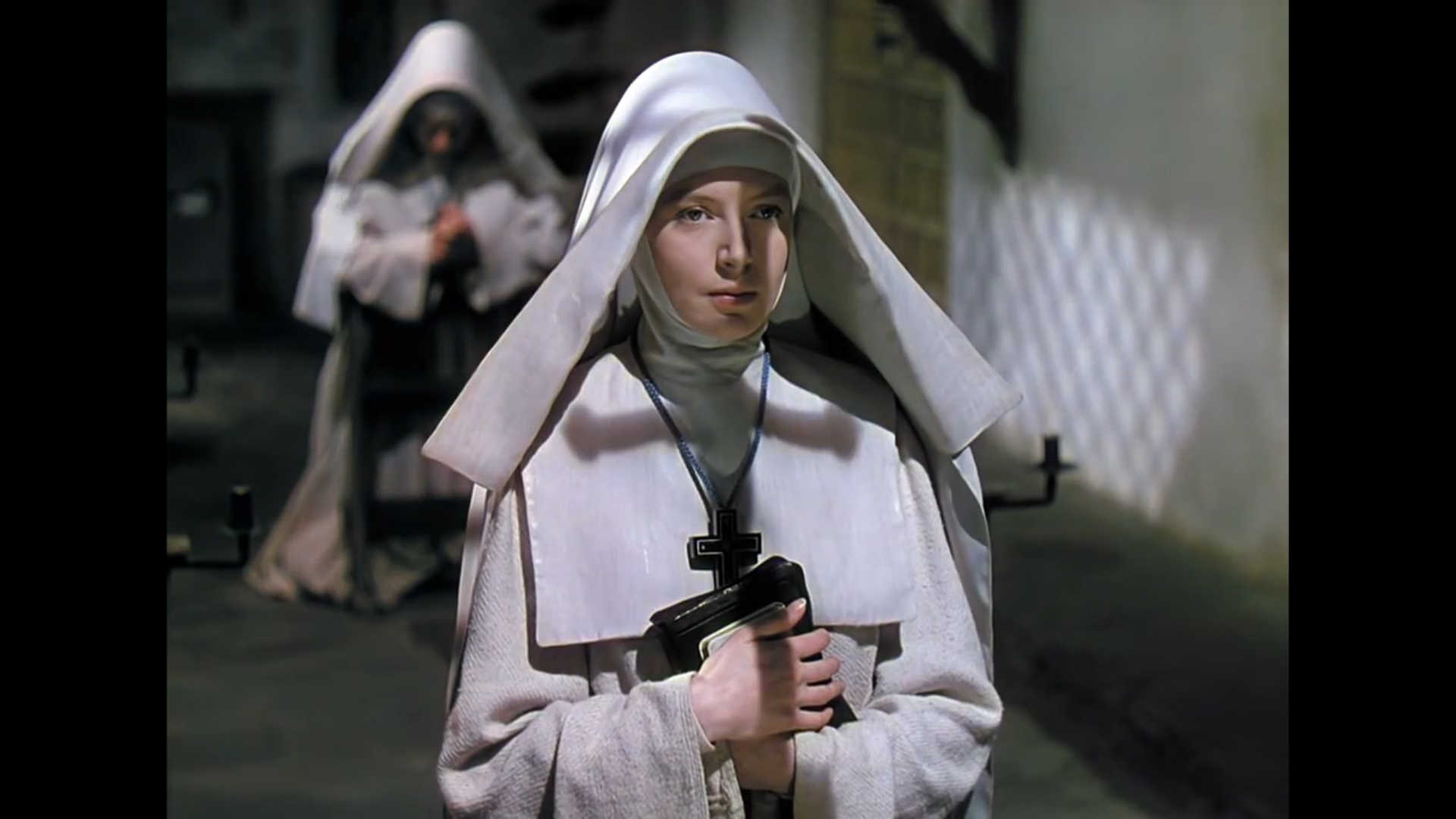
Her responsibilities are beginning to weigh on her. She’s threatened by the colorful world outside.
The shadows begin to get darker towards the last third of the film and the high key look is forgotten.
In this scene at sunset, one of the best lit interior scenes, the boy brings Ruth some milk, and she snarls at him:
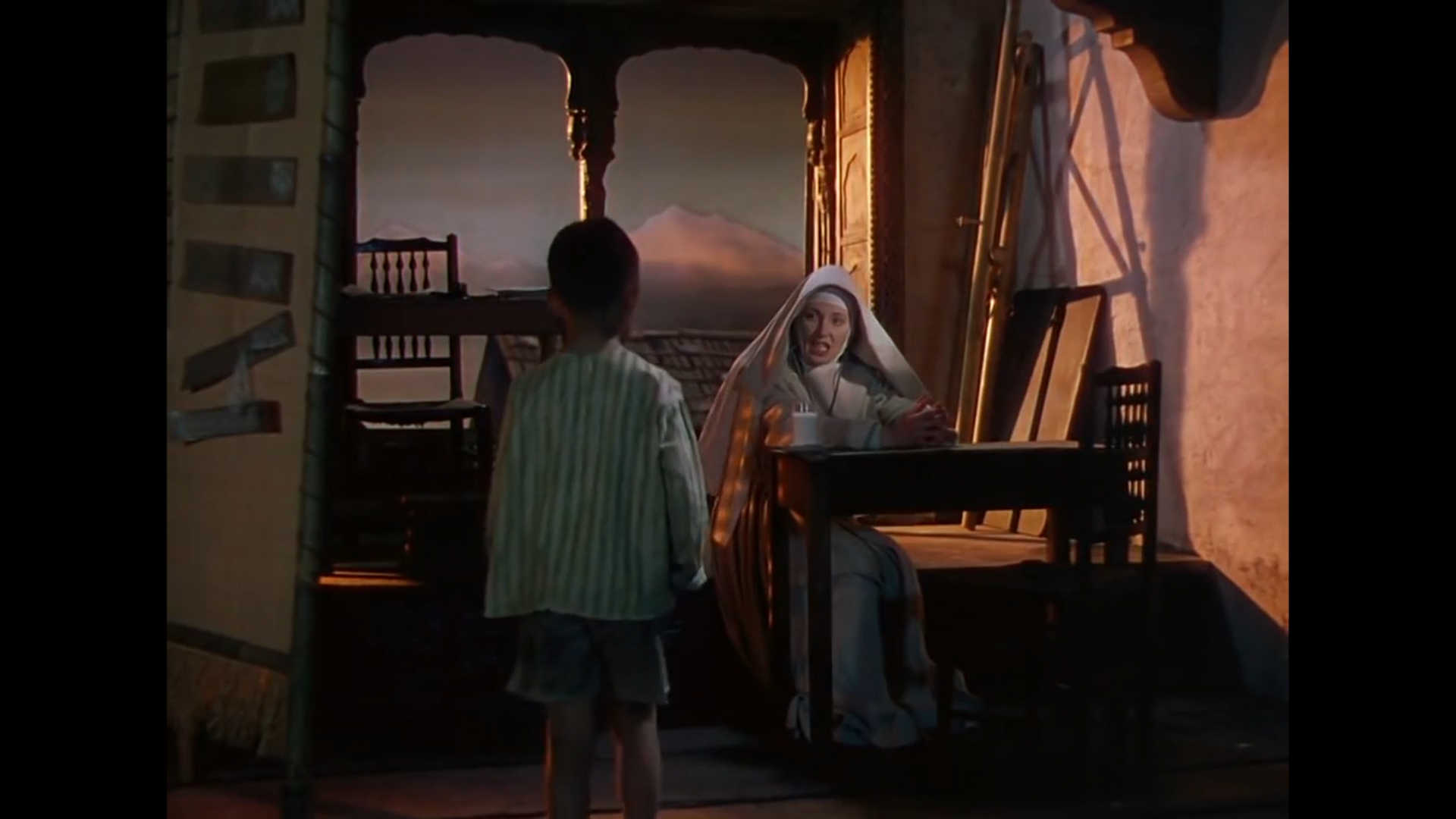

The range of shadow play adds tremendous depth and volume to these shots.
Even though the film is set in the Himalayas, they shot all this indoors on sound stages in Pinewood studios. The knowledge of light and shadow helps the cinematographer make everything look real and interesting.
By this moment in the film even the exteriors are no longer bright and cheerful, and the shadows are long. As sister Ruth races through the halls the orange sunlight from golden hour follows her. The sun tries to catch up, but she prefers to remain in shadow.
When she spies on sister Clodagh and Mr. Dean, we finally have direct sunlight in her eye. But is it telling her the truth, or deceiving her?
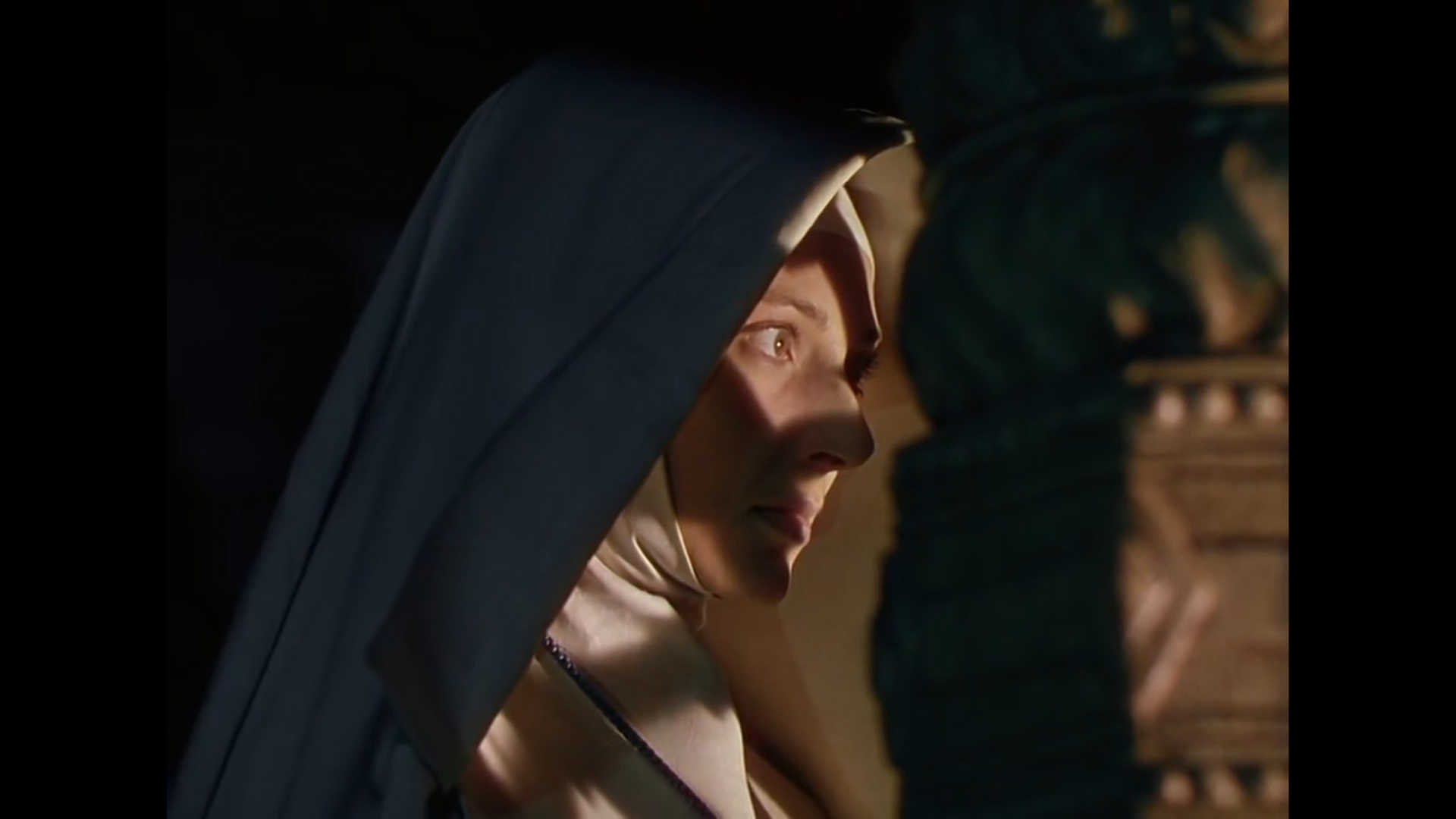
By the time the scene ends the sun has given up on her, and she is lit by the reflective glow of the warm artificial lights. Her path is now fixed, and no one can alter it:

The film descends into night here, and Ruth undergoes her transformation. Sister Clodagh walks down the hall to her room, and a light follows her, her shadow follows her as well:

This was done to keep the mood without having too much light destroy it. You have to remember this was 1947 – no LEDs or HMIs or color grading. It was all done on camera.
Clodagh sees a light under the door, and it gives her hope. But then the light is extinguished. As she enters she sees Ruth transformed:
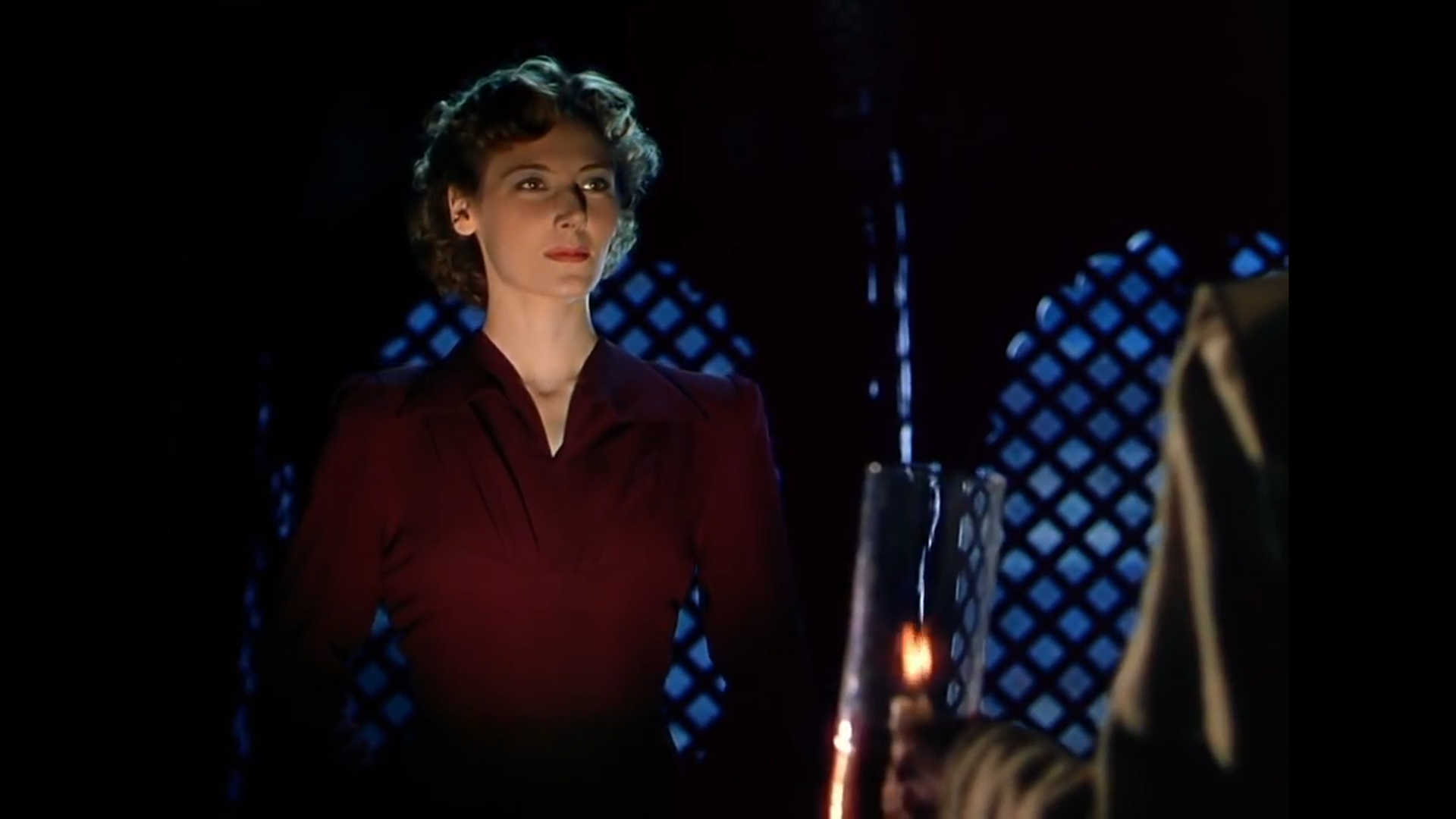
Notice the lighting. It’s from underneath, and gives Ruth a dark sinister feel. The backlight separates her from the dark background, but she’s enveloped in darkness.
As long as the light stays alive she’s confined to her room with Sister Clodagh. When the light is extinguished she can make her exit.
Now it’s mostly darkness and moonlight. The nuns have lost complete control over the situation. For a brief instant Ruth reaches Mr. Dean’s house, and this is lit romantically. She appears soft and beautiful, maybe there’s hope yet for her:

She confesses her love for him, but he rejects her, and that’s the final straw. When she wakes up she’s enveloped in darkness again. The romantic lighting is gone:
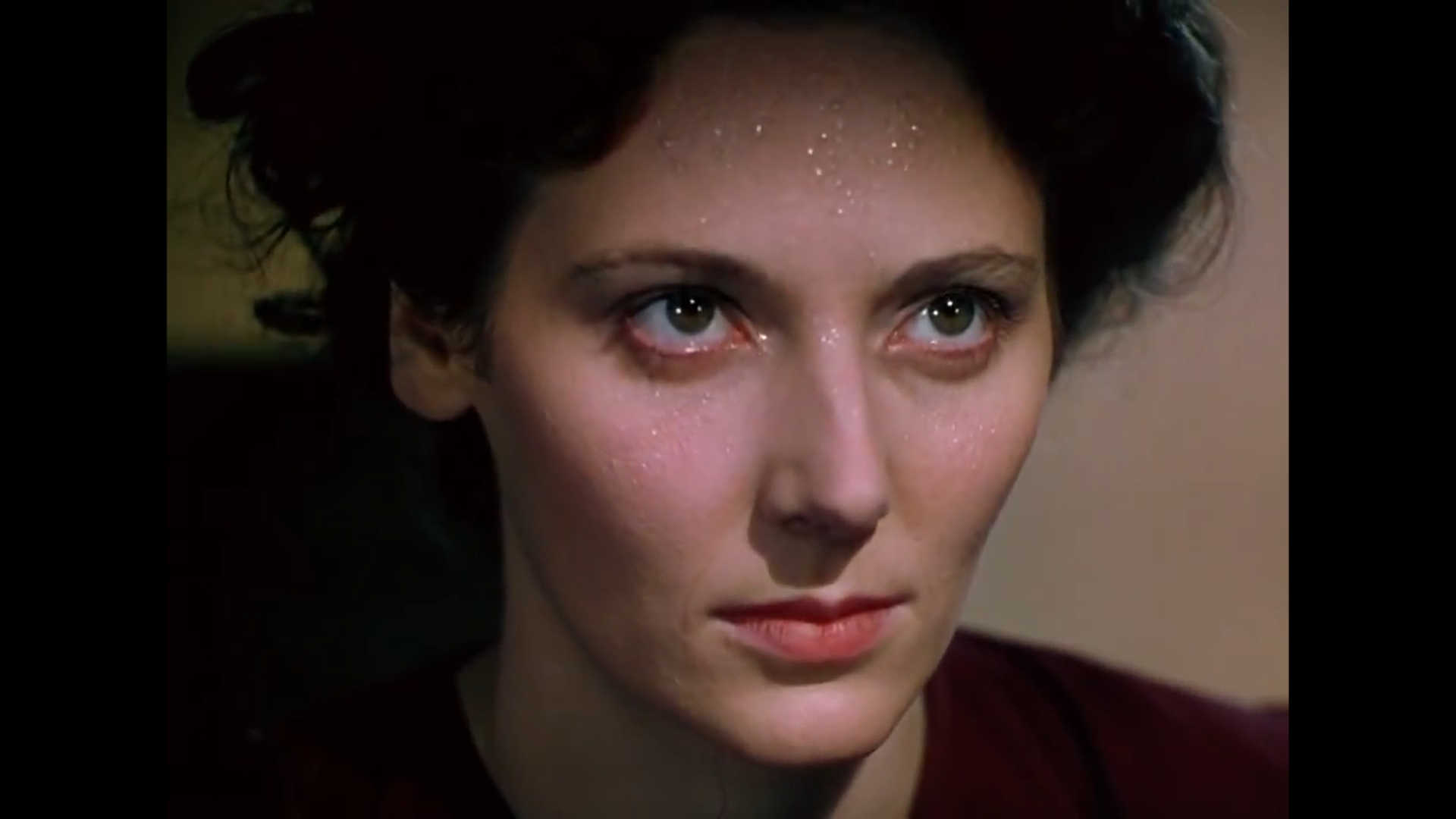
Sister Clodagh is also in silhouette. She’s not doing too well either:

Even as dawn approaches this lighting situation doesn’t change much. As she makes her way to the bell, Ruth sneaks up on her, still in shadows.
As she emerges outside she’s pale blue, there’s no warmth left:
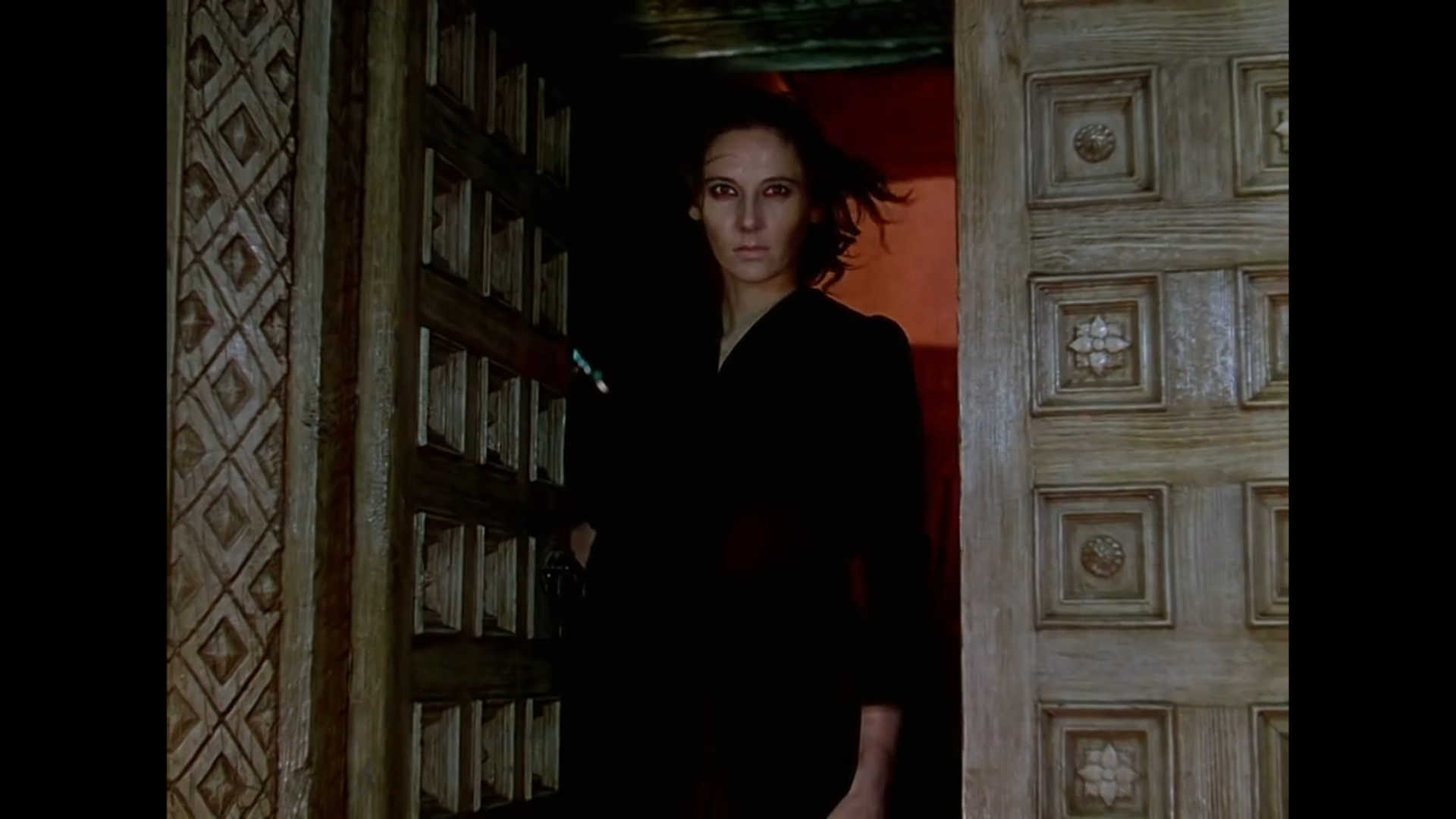
The film ends with natural high key lighting again. Leaving the monastery lifts the shadows and brings color back into their lives.
I like this shot of Mr. Dean. Suddenly he’s in shadow:
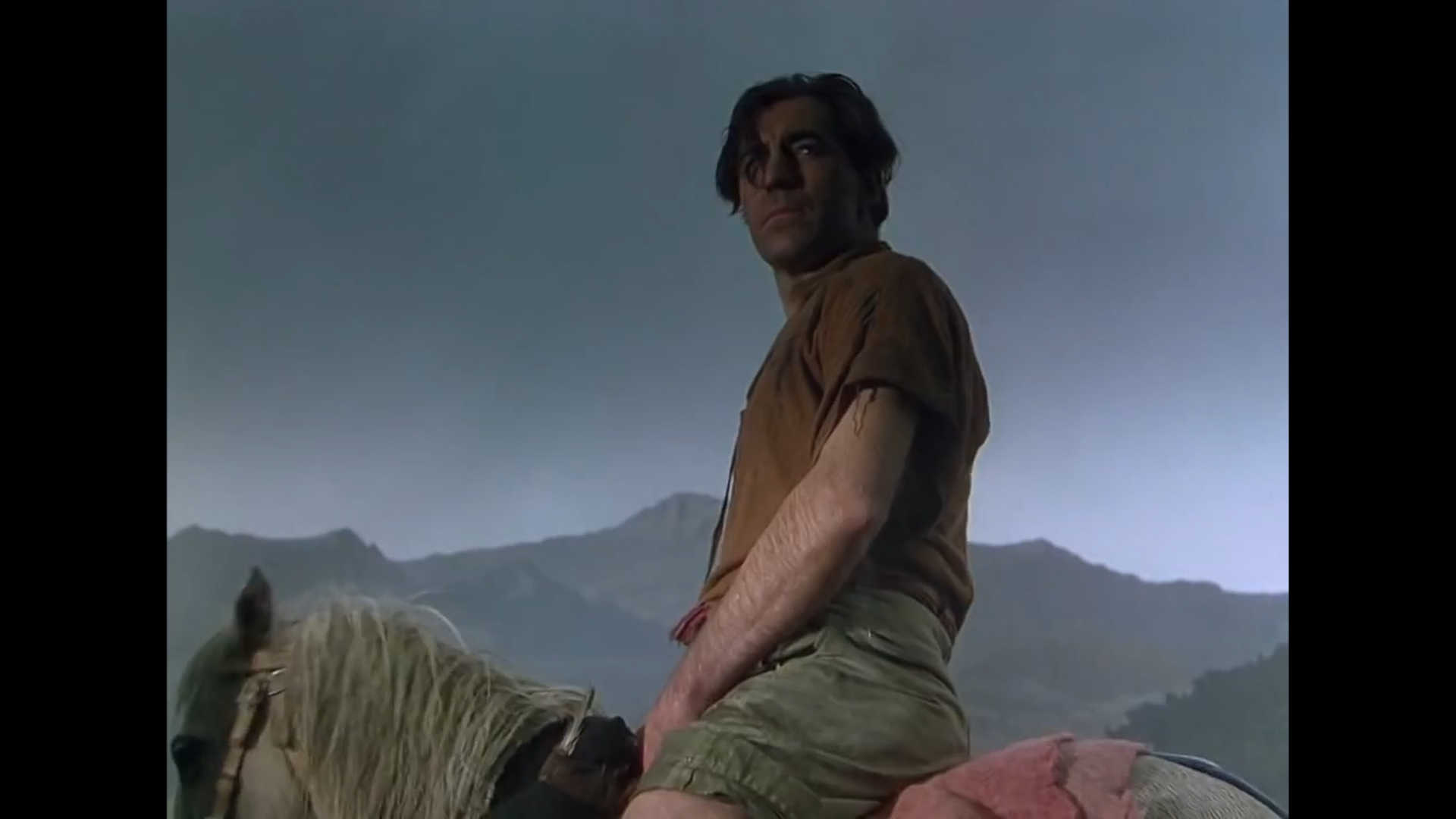
He, too, probably missed his last opportunity at having a normal life, and he realizes it.
That’s it! Shadows needn’t be just an afterthought, or something to be avoided. They can add tremendous depth and meaning to your cinematography.

Sareesh, excellent. I had not understood, nor gave much thought to the nuances and artistic value of shadows before. Suddenly, it’s like a veil has been lifted from my eyes
Having read several articles stressing powerful lighting, yours is quite a beautiful revelation. I recently purchased two Swatti LED lighting units, adjustable, on Amazon. Now I’m going to find me some subtle lighting units to use, Chinese lanterns, candles, small wattage stuff because as I now realize the beauty of a scene lied in its shadows. Thank you so much for demystifying a complex subject.
You’re welcome!
great study thanks !
You’re welcome!