
In this video let’s see how to make zoom lenses cool:

What is a zoom lens?
Zoom lenses allow you to change the focal length so if you’re standing in one place, you can get a long shot and a close up by just turning the zoom ring on a lens.
This is what a cinema zoom lens looks like:

Most directors of old hated the zoom lens. They thought it was too functional or boring, and had no life. Zoom lenses also had a bad rap because optically they weren’t as superior to prime lenses. Today zoom lenses are much better, but prime lenses are always going to be better still. So what happened was, film snobs would look for a zoom movement in a film, just so they could call it cheap and unprofessional.
But they were and are wrong. Like every other tool in filmmaking, a camera zoom can be made to look powerful, and even poetic.
Zoom lenses have been around as early as filmmaking, but they weren’t taken seriously until workable copies of the lens were invented for cinema use. It was used as early as 1927 in the film It, in the opening scene:
The use is purely functional, to get us closer to the action. This is probably why the snobs thought it was cheap. You can’t travel there because you can’t afford a dolly or a crane or a steadicam or a pair of extra feet, so you had to zoom.
What the snobs seem to miss is that in this opening scene from It, you would never get the same functional change in focal length with any other method. When you physically move the camera towards or away from the action, you change the perspective.
When you stand in one place and zoom in or out, you just get closer or farther, without changing the perspective.
The zoom lens is a very different kind of tool, which must be used to its strengths, and not as a replacement for another tool. When used as a replacement, the effect is immediately obvious. But when used right, you just know it’s right, and you never question it.
Zooming in or out for functional purposes has been used ever since the zoom was invented, but it took many decades for the zoom to be understood, and to be used artistically. Let’s look at three examples.
1. The slow zoom
Stanley Kubrick was the master of the slow zoom. His use of the zoom was uncomplicated mechanically speaking but extremely hard to get right aesthetically.
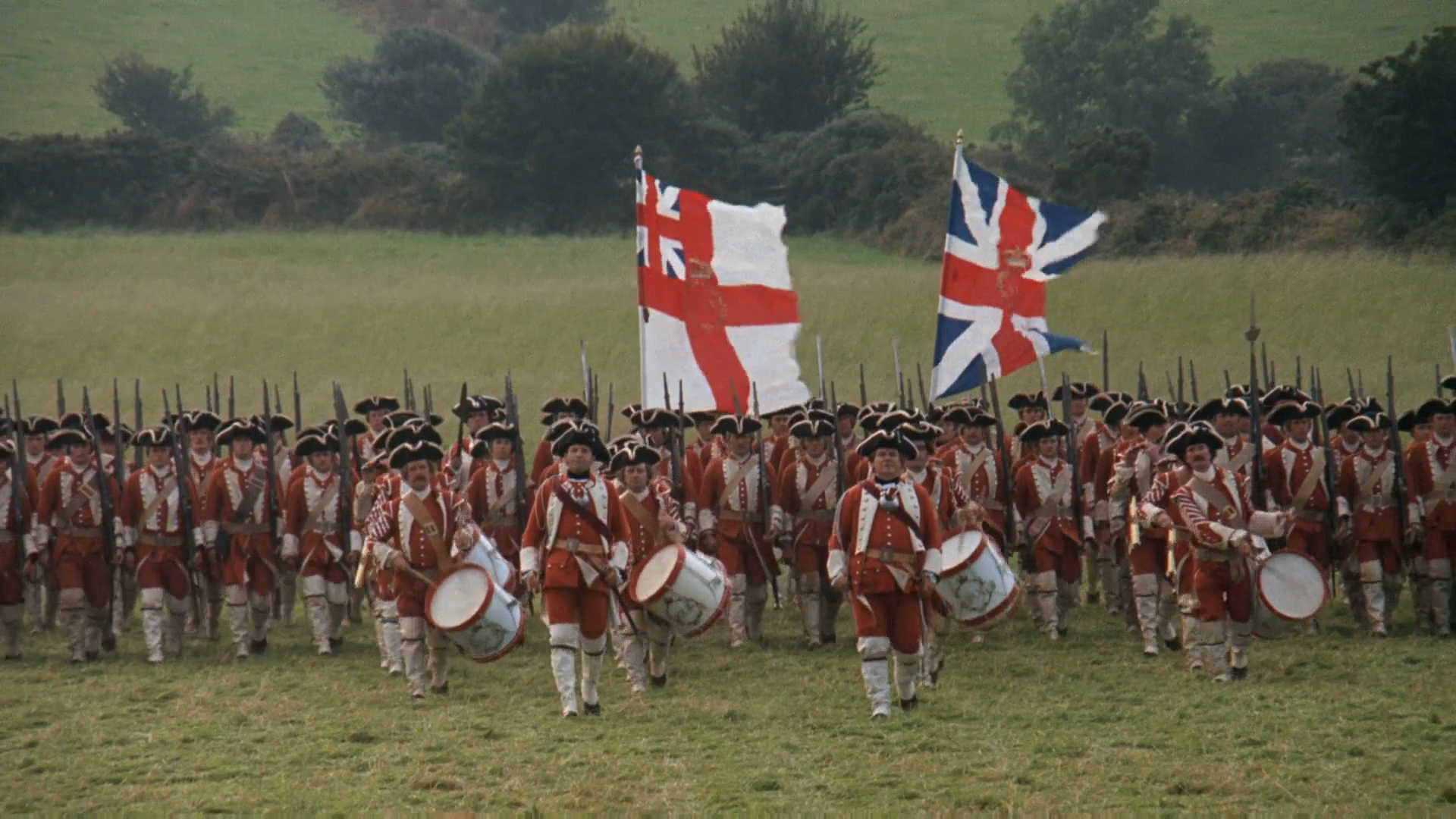
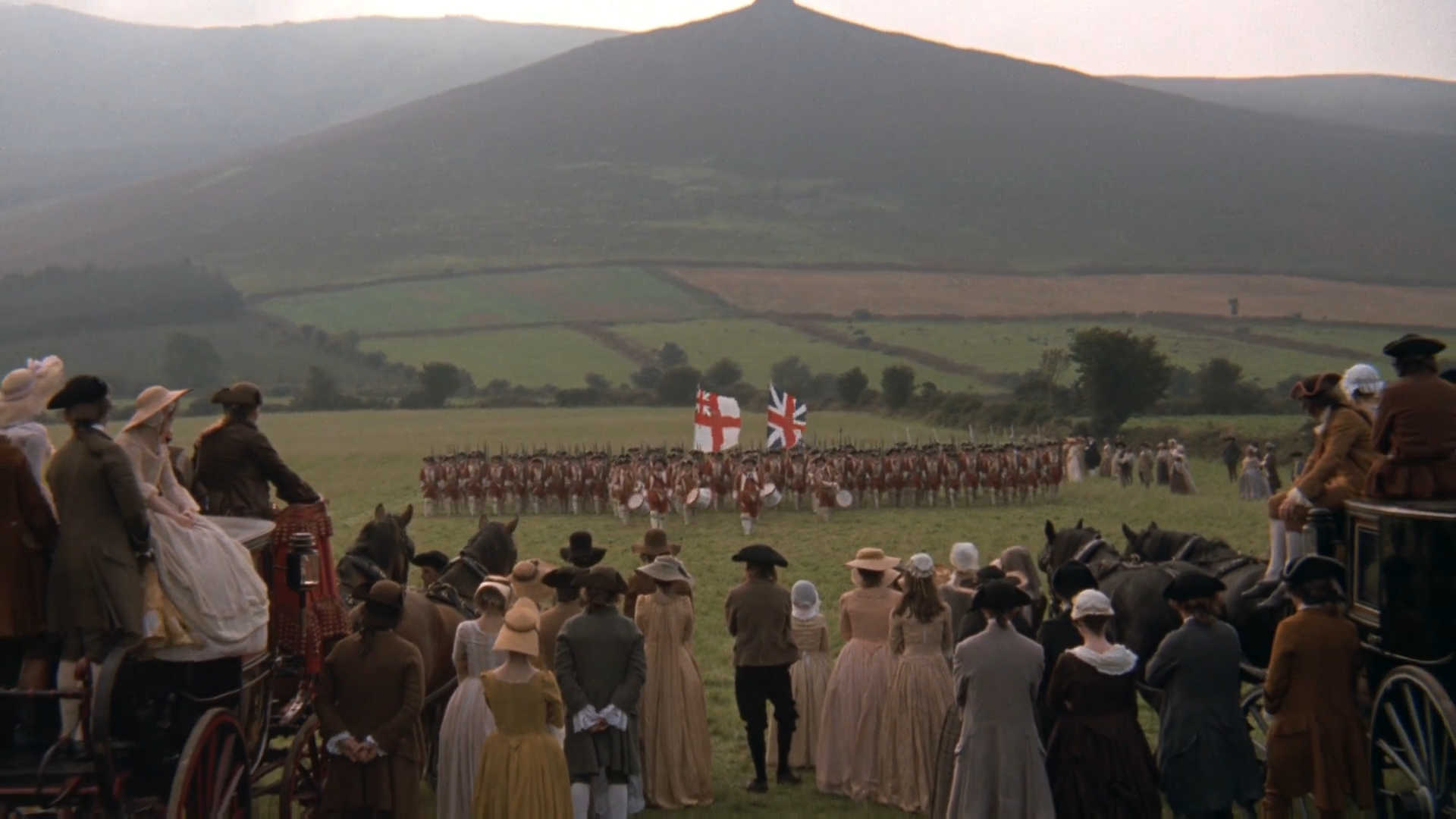
He had to not only compose the beginning and the ends of the frame, but also had to ensure the shot was interesting enough visually to sustain the slow movement. It takes incredible discipline to avoid the temptation to try something else, or speed it up, or do something silly that will ruin the shot.
By the way, when I mentioned this slow zoom was uncomplicated, I didn’t mean it was simple. Even simple things can be hard to perfect, like making coffee or fried eggs.
One important thing to note with this type of shot is, most zoom lenses, even the best lenses for mirrorless or DSLR cameras, are not strictly parfocal. This means, if you focus on one point and then zoom in or out, the focus changes. In a parfocal lens, the focus will not change. More about parfocal lenses:
Some photography lenses come close to being parfocal, but most aren’t. One of the reasons why cinema zoom lenses are expensive is because they are also parfocal. The focus stays the same no matter how much you zoom in or out.
The next way to use a zoom creatively is in the opposite direction, with the fast zoom.
2. The fast zoom
Today the fast zoom is popular because of Quentin Tarantino, who uses it quite often, like an exclamation mark at the end of a sentence. So, you could say, “Hey”, or you could say “Hey!” and that makes it different:

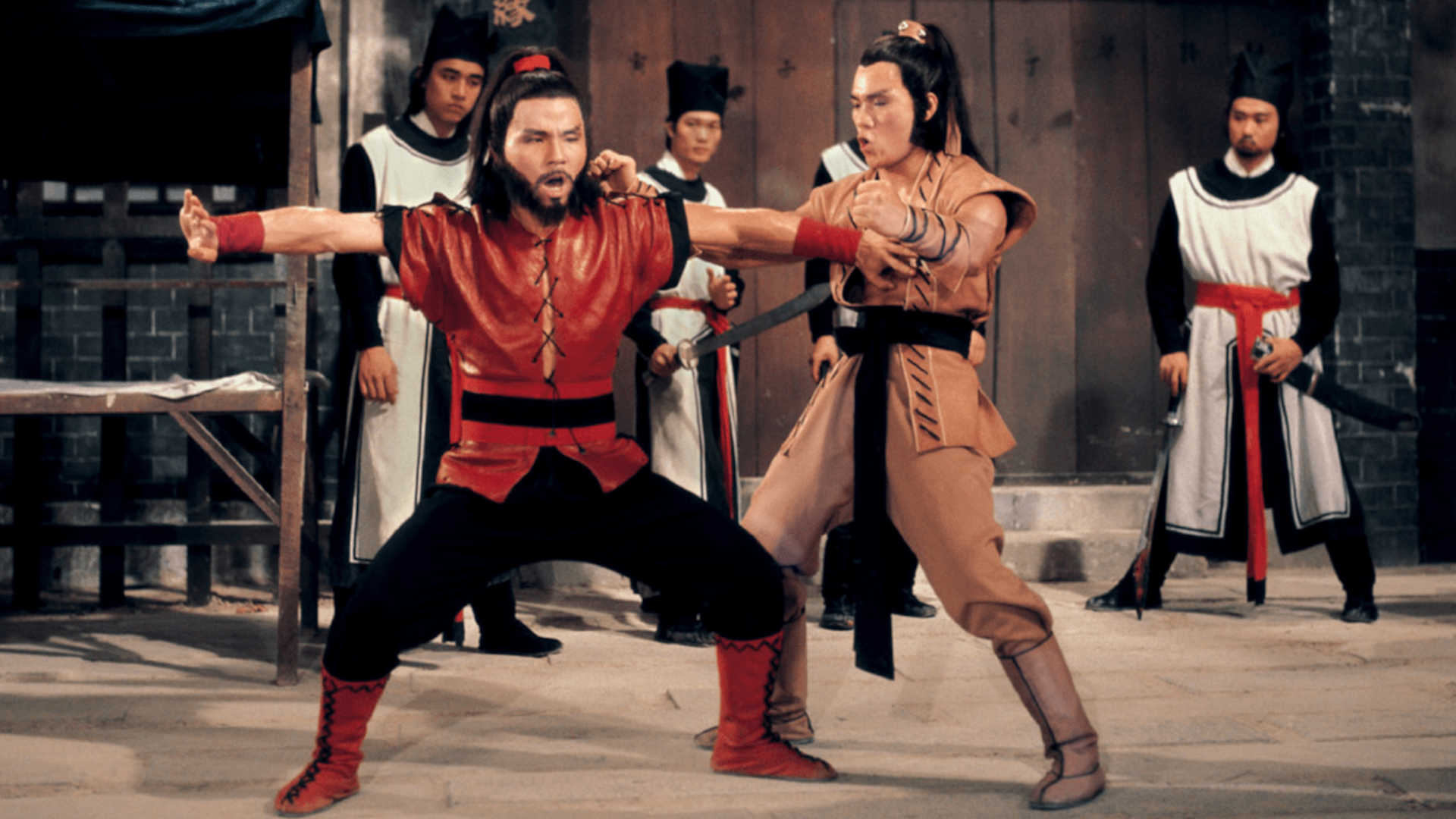
It’s obviously dramatic and in your face. It draws attention to itself, and that’s the point of it. It’s not supposed to be subtle. Tarantino does it on purpose, because a lot of what he does is inspired by the golden age of Kung Fu films from Hong Kong. That’s where the effect originally became popular.
But films from Hong Kong had more to offer than this.
The third way a zoom lens can be used is the hardest, and the greatest. And that’s the poetic way.
3. The poetic way to use zoom lenses
Kung Fu films of the 70s and 80s really set the tone for this entire style.
They were forced to use the zoom lens for budget concerns. Even a relatively big budget film like Enter the Dragon used zooms extensively. It was a stylistic choice as well.

Filmmakers in Hong Kong didn’t come with the pretensions weighing down filmmakers from other industries.
This allowed them to experiment and use the zoom in creative ways. They tried everything, just to get the kung fu fight scenes to look better. Most times it came off as tacky, which is what happens when people are experimenting. It’s normal.
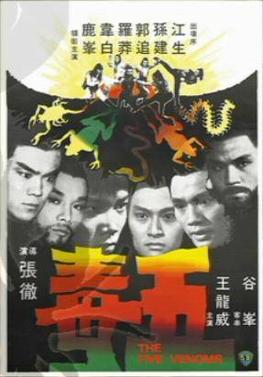
Every so often, though, you got some poetic brilliance of the likes never seen before. One such example is this early scene from the Five Deadly Venoms.
We are introduced to three new characters, in a market, and that’s all. No fights, just your typical establishing scene. But the way zooms are used is one of the best I’ve ever seen in cinema.
It’s not just not one or two times, too. The zoom effect is scattered through the entire scene in a rhythm, along with pans and strategic edits. It plays like cinematic visual poetry. You must watch it to understand the visual rhythm of this masterpiece. The shots flow so effortlessly, like music.
Every film snob would tell you it’s not supposed to. Zoom shots don’t blend this way, but it did. Never underestimate how any tool can be used cinematically. If it hasn’t been done right, it’s because the right person hasn’t done it yet.
How did they create this visual poetry with zooms? In this scene, the zoom is used to answer a question. A character looks, and we zoom in or out to see what he is looking at. Sometimes, it’s an answer to a question we have in our head, and the zoom quickly answers it. Timing is everything.
There’s more. The zooms in this scene happen when there’s a movement. Either the actor turns his head, or does something or it’s just a continuation to the camera or body movement. Basically, the person operating the zoom lens is a master of his game. The filmmakers really had it all planned out, or it wouldn’t edit well together. And editing is what ties all these zoom shots together to create the cinematic language.
Five Venoms isn’t littered with such zoom shots. Director Chang Cheh, one of the great kung fu and wuxia filmmakers, shows incredible restraint, of the Stanley Kubrick variety. In many of the fight scenes later in the film the zoom isn’t used in this way, because it wasn’t necessary. That’s what makes this scene and example special. They could have shot this scene normally, but they did it because they were artists. You could see they were not afraid to have fun.
Complicated zoom shots are rarely used in cinema. The most recent example I can think of that’s poetic visually are the zoom shots in Munich. The camera masterfully picks out individual characters while changing shot size. If Spielberg had watched Five Venoms prior to Munich, who knows what he might have achieved.
Hitchcock, too, found a way to use the zoom creatively, by combining it with a dolly move. Now called the “vertigo” shot:

You keep the shot size constant while zooming and moving at the same time. There’s a perspective change which is just as in-your-face as a fast zoom in or out. But take note. Hitchcock used it with restraint. Martin Scorcese used it with restraint. Spielberg, not so much. And he made the most money!
I hope you found this useful.

Always found your writings and videos deep and insightful, especially because you don’t gloss over the technical aspects like others. Thanks for learning deep and making it all consumable for us, can’t imagine how much effort you put into each material.
You’re welcome!
Thanks for this great commentary on the use of zoom. It made me think of ways to incorporate zoom – properly – in my next project.
You’re welcome!
Hi there, you really put out very nicely produced videos that are highly informative, and your taste in movies is wide. Thanks for you effort. I personally love the zoom, and always loved Kubrick’s work partly because of that, as well as kung fu movies. Thanks for putting some perspective on this.
You’re welcome! Thank you for the kind words.