

Why Alfred Hitchcock copied his own four-step formula in every great scene.
Let’s see how Alfred Hitchcock designed his most nail biting scenes, and why he hardly moved the camera during these scenes.

What? Hitchcock never moved the camera?
Wrong. Alfred Hitchcock moved the camera often. In the opening scene of Vertigo, the two protagonists meet for the first time in a pet shop, and the camera moves a lot. There isn’t any suspense or action, just flirtation and dialogue, but the camera moves nonetheless.
Spoilers ahead!
In this article and video, I’m referencing Psycho, Rear Window, Vertigo, The Birds and Shadow of a Doubt. Please watch them first. These films are some of the finest suspense thrillers ever made. Hitchcock is the master of suspense, and he paved the way for generations of filmmakers to copy him… or screw it up!
The Hitchcock suspense formula
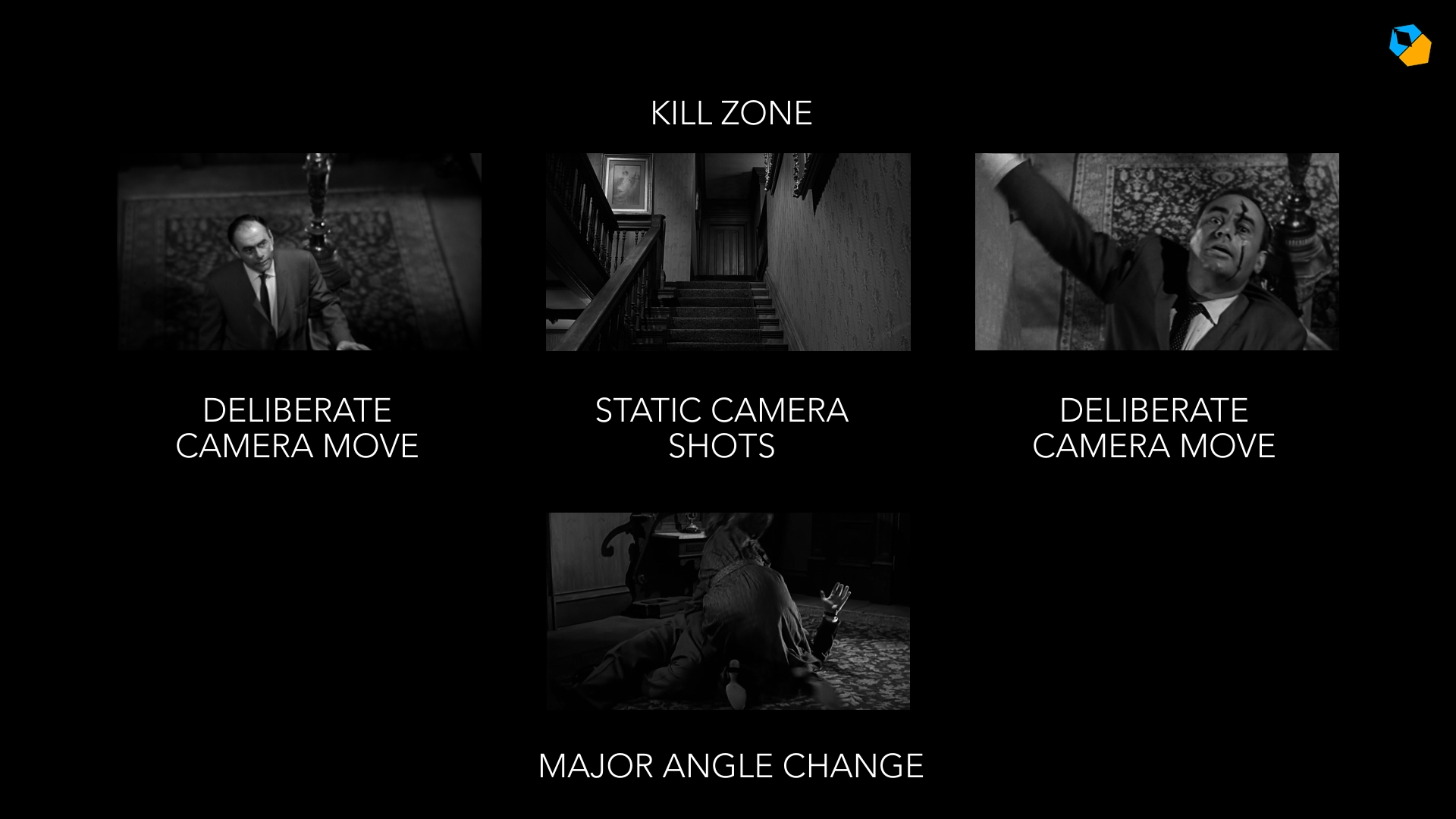
Let’s start with the “simplest” scene. The second murder in Psycho. Arbogast is the victim here. The murder happens in what I’m going to call the “kill zone”. It’s just a made up word, but the idea is, during the most suspenseful moments, the characters move to a special area, and after the crime has been committed, they, or someone else, leave it.
It’s very surprising there’s a formula here, and I’m not sure Hitchcock was even aware consciously. He’d made tons of films before his masterpieces. I’m pretty sure he could direct a great movie in his sleep. He was that good.
So what’s the formula?
1 The first and last camera move
The scene always, and I mean, always, starts with a dolly, pan or tracking move into the kill zone. It’s a deliberate camera move.
Arbogast enters the house. We already know mother is in the house, and this detective’s life is in grave danger.
The only question is, from where is mother going to come? Arbogast decides to go up the stairs, and the camera starts to dolly back. This is the beginning of the most suspenseful part of this scene. It’s like an arrow being drawn back in the bow.
As Arbogast reaches the top we cut to a higher vantage point, which is just genius. When mother attacks there is no movement of the camera. The quick scene ends when Arbogast falls down the stairs, and we dolly down back with him, leaving the kill zone. He falls, and the mother completes the job. The shot changes here. I’ll explain that later.
The dolly in and out of the kill zone is one of the strange formulas that dominate all of Hitchcock’s most suspenseful scenes. The same thing happens in the shower scene. Marion enters the shower, and we know Norman has been watching her. Audiences in those days weren’t expecting a shocker of a scene and the leading lady to die at this moment. Hitchcock lulls us into a false calm for a few seconds, and quickly changes to an angle where the door opens.
The bathroom has become the kill zone. The camera dollies in. The murder happens and there’s lots of cuts (pun intended), but no deliberate camera movement for the sake of extending shots. After the murder, Marion falls, and the camera pans past blood as it swirls down the drain. And the dolly continues and pans at the same time from her eye all the way to outside the kill zone. The exact same formula!
In Shadow of a Doubt, the last scene is an absolute shocker. Both Charlies are on the train, and she needs to get off. He holds her back, so urgency builds up. We all know what a rotten character he is.
At this time the camera dollies with them into the kill zone, which is the door of the compartment. They struggle there, but guess what doesn’t happen? The camera doesn’t move much, except for one tilt down to her leg. I’ll explain that a little later. They struggle, the bad guy slips, and he dies. And we leave the kill zone from outside the train, in a dolly kind of movement. The release shot is always a different angle. It’s like a signal.
What about Vertigo? The final scene is the most tense, because we are all dying to know (pun intended, do you see a pattern here?) what Scottie’s going to do to Judy. They climb up the tower, and the hyper abused dolly-zoom or vertigo zoom effect takes us into the kill zone. Once they are in the kill zone they talk, and there’s lots of action, but the camera hardly moves. She falls to her death, and we leave the kill zone from the other route. It’s almost like the train scene from Shadow of a Doubt. A release from the claustrophobia of the tower, and finally he’s cured of his vertigo.
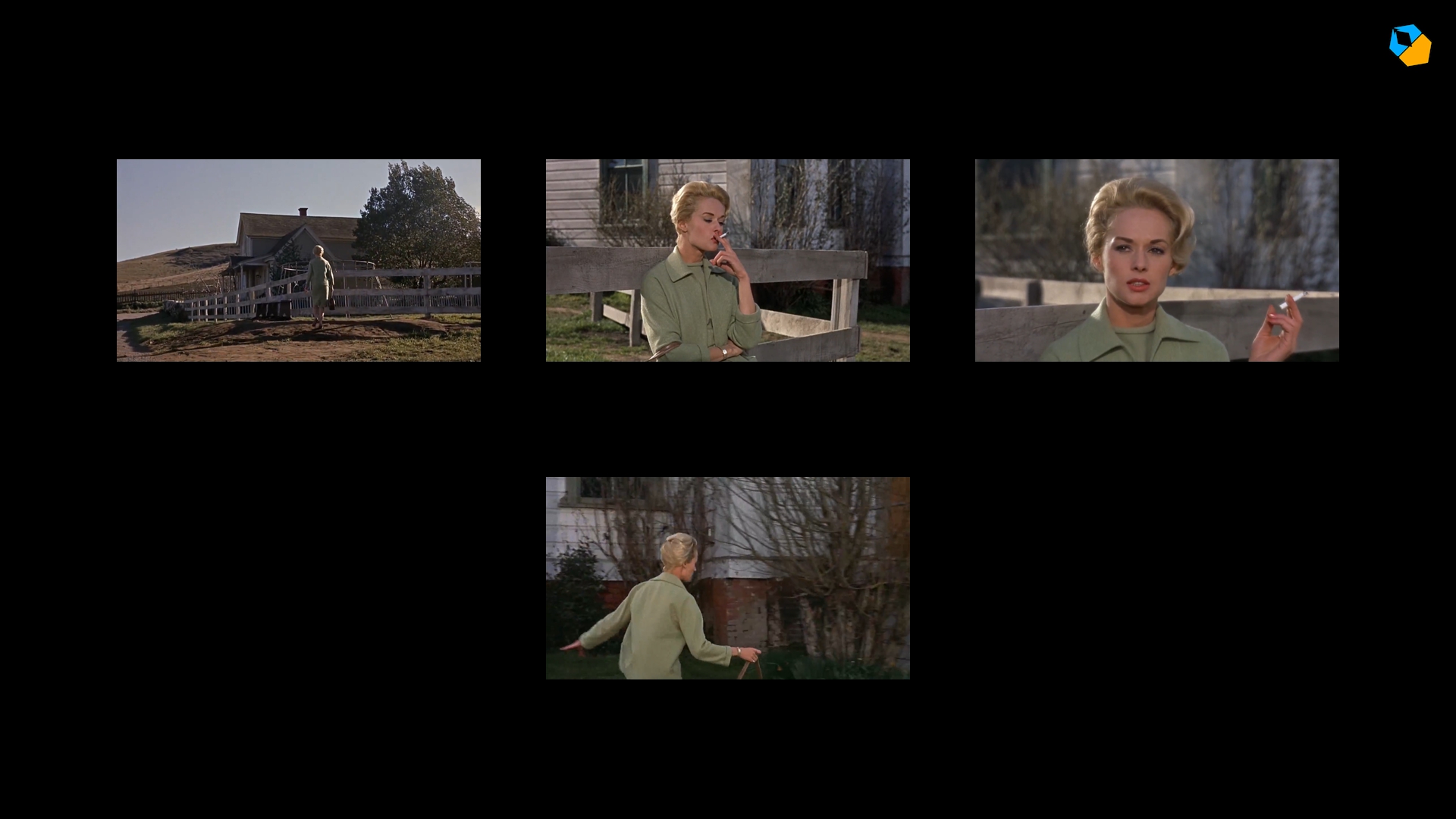
How about one of the finest suspense sequences in film history, from The Birds? Melanie walks to the bench outside the school, and that’s sort of the kill zone. No one dies in this scene, it’s not necessary that someone dies. Then it’s just static shots until she discovers birds have assembled behind her, ready to attack. The shot changes to signify the end. Then, as she leaves the kill zone and the sequence is over, we track back to the school.
And finally, Rear Window. Let’s look at the scene when Lisa enters the murderer’s apartment. This time all we get is a pan from left to right. She enters the kill zone, the bedroom where the handbag is. Jeff watches from afar, unable to do anything. All static shots, even when the murderer arrives. He enters the room and she runs into the bedroom to hide.
Notice how Hitchcock resists the temptation to use close ups or mid shots. We see everything from afar, helpless like Jeff. The murderer catches Lisa, and for a long moment we think something really bad is about to happen. Thankfully the police arrive, and we move back to the door and the lights come on. This one is just a simple pan right and left. But it follows the exact same formula.
The angle change
In the last example, the shot changes to a higher angle and wider at the end, to tell us the suspense is over…for now.
The exact same thing happens in every sequence, like a relief shot but from a completely different angle to tell us the suspense is over.
Here’s a summary:
Now that we know how Hitchcock enters and exits the kill zone, let’s see what he does inside.
2 What happens in the middle?
Why are the shots static, and not moving? The first reason is music.
a Music
It’s a traditional aspect of filmmaking that the most emotionally intense or most suspenseful scenes have the loudest music. All these scenes have extraordinary music. And it’s not always the loudest. Sometimes it’s just different.
In Shadow of Doubt the tilt down to the leg is possible because the music builds up during it. The shot worked, so he used it. In Rear Window the music is more subtle, so the shots are extended longer. They don’t cut as fast. When Hitchcock knows he’s got our attention he stretches the shots to build even more suspense. In Psycho the music is cinema lore. It only plays three times in the whole movie.
In Vertigo, the music is a bit too much, throughout the movie. It’s wall to wall music, and the climax is no different. The thing with music is, the sequence becomes a sort of montage or you’re at risk of drawing out the action and boring the audience. Every cut tells us something new, or stretches the moment.
b The shots themselves
If you study the shots in Shadow of a Doubt, each one tells a story, of him pushing, she holding on to the door, then slipping, and him pushing her again. Is she going to fall? No, she holds on to the other side, and he slips. No wasteful shots. No time to move the camera without ruining the montage.
My favorite is the scene from The Birds. It’s just kids singing a nursery rhyme. It’s such an odd choice, and you know Hitchcock took this scene very seriously because it’s designed to perfection. The kids sing, she smokes and gets irritated, waiting for the damn rhyme to finish so she can be done with what she came here to do. And Hitchcock shows us what’s happening behind her.
The rhythmic nature of the song lulls us in one direction but the birds make it a thrilling scene. Hitchcock can repeat shots and draw out the scene because he knows we’re desperate to find out what’s coming next.
But he also knew when to just have one shot, like the second murder in Psycho. He could play the audience like a violin. This was Hitchcock at his absolute best, a lifetime of mastery distilled into one scene.
3 Shot sizes
These scenes start with long shots, go into mid shots, then close ups. When it’s all over we’re back to long shots again. This is classic Hollywood technique, but when added together isn’t it amazing how much thought goes into designing each scene?
Here’s a quick summary:
4 Editing using the Kuleshov effect
Hitchcock also used the The Kuleshov effect. The actor looks. He sees something. He reacts to that:
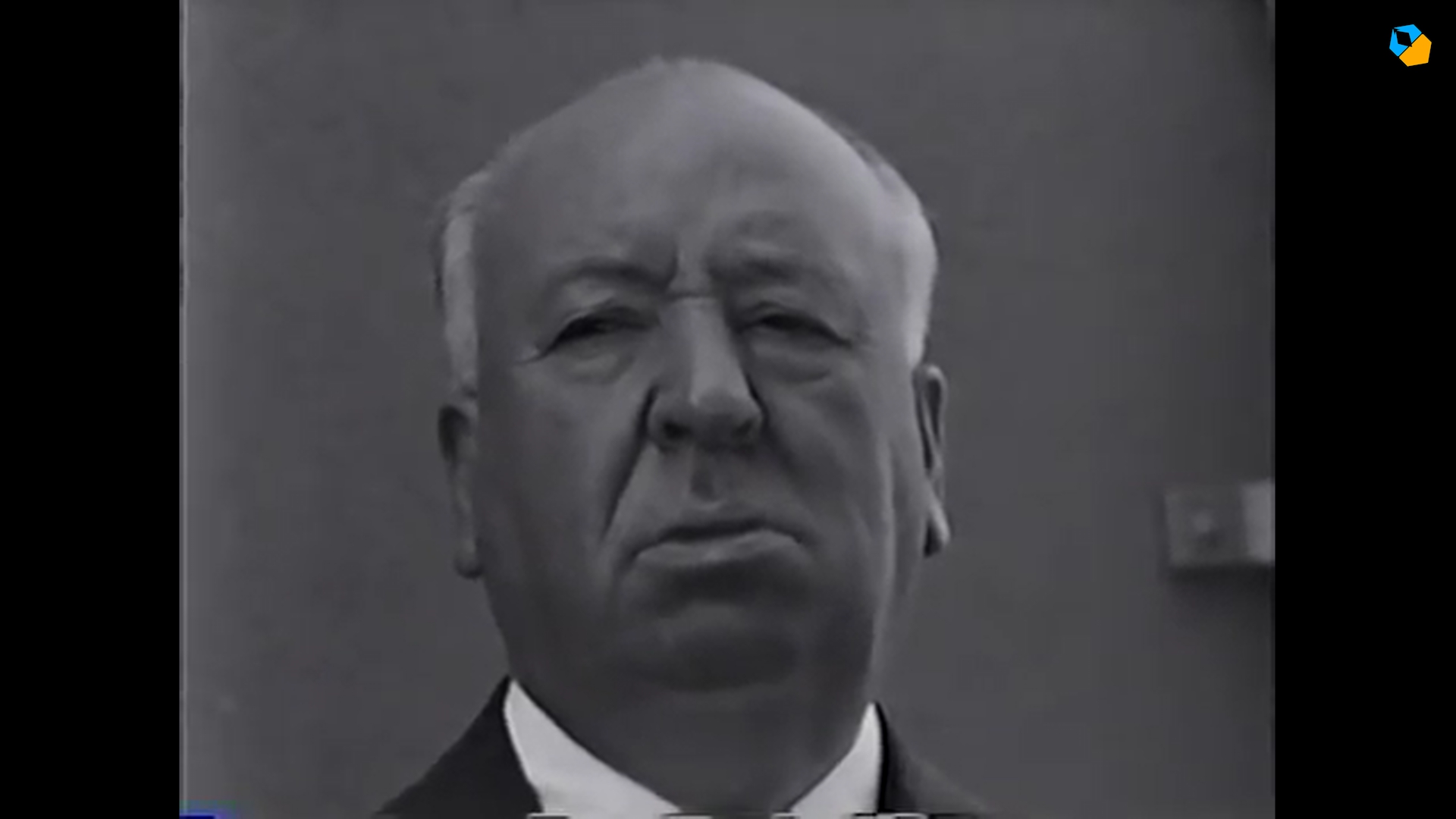
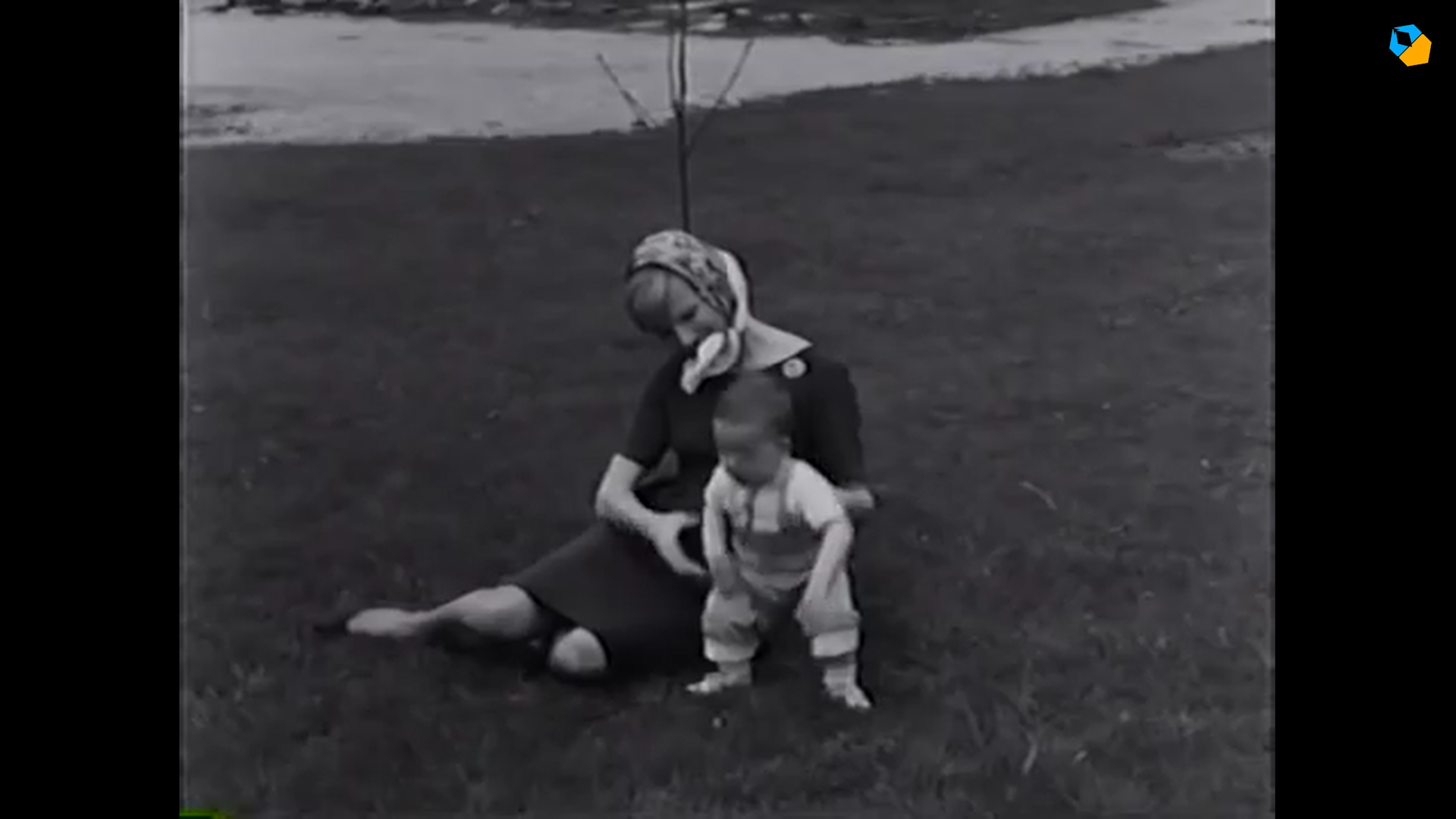

Hitchcock doesn’t stop there. He keeps watching, and as the thing gets worse, his reaction gets more extreme. These nail biting scenes are the climax of all the suspense building that happened prior. They always come towards the end, except in the case of Psycho where it was sort of a deliberate shock midway through the film. These scenes don’t work by themselves. They only work if you’ve watched everything else up to that point.
Alfred Hitchcock has just one or two of these nail biting moments in an entire film. He hardly ever moves the camera during them, and the result is gut wrenching, nail biting suspense for the ages.
I hope you found this useful.

I would posit you also consider “Rope” as another of Hitchcock’s best in creating suspense and guiding the viewer.
Rope is a lot of fun as well!