
Watch the video:

Humans fail right? Nobody’s perfect, but do chefs forget to make good omelets or do painters forget to paint? Can a violinist forget to play well?
Once you acquire a skill and get really good at it you almost can’t screw it up, except for really off days. Or if you have health issues. Not being mentally or physically able to accomplish a skill is something all of us will face at some point.
But still, a lot of film directors, almost all of them, in fact, will make a bad film in their lifetimes. And it’s not even their first film. They’ve probably made one or more really good films, even great films, and then along comes a film that makes you wonder what they were smoking. They had the magic lamp, but somehow they don’t have it anymore.
What went wrong? Let’s look at six reasons.
1 Could the great film have been a fluke?
This one’s the most obvious answer. The director fluked out. The first one was beginner’s luck, or someone else held the reins and the director just rode his or her luck all the way to the bank.
Now in the second film, the director’s on his or her own, and they just don’t know how they delivered a hit the first time around. There are tons of directors who made one great film and never recreated that success. I must attribute fluking out to be the second most important reason why a director makes a bad film after a good one.
The best way to know if a director fluked out is if they get to make even more films, and none of the films reach anywhere near the heights of their only hit. There is no better tell.
But what if they make decent or better than average films after their hit? Then maybe the reason could be:
2 They just made one bad choice after another
The skills of film directors that have been developed over years of work just don’t go away. It’s not like they forgot how to tell a story all of a sudden. That rarely happens.
You can recognize this when the bad film is definitely watchable. The film typically has the director’s signature all over it. There are flashes of brilliance but the film doesn’t work as a whole. What likely happened here is the director picked a poor script, and just ran with it in spite of their better judgment.
David Fincher’s The Girl with the Dragon Tattoo is a great example of a project that was taken from successful material, but just didn’t work in the way it was intended. Maybe there wasn’t anything there except for the hype.
You can see it was competently directed, and the acting was great as well. It’s clearly a wrong choice of film, and David Fincher bounced back with lovely work like Gone Girl, House of Cards, MindHunter and so on. So they just had a one-off bad project. Happens. But what if they don’t bounce back?
3 Does age play a role? Are the directors past their prime?
I don’t believe this is true. Just look at Clint Eastwood, still making thought-provoking films even after all these years.
It takes a tremendous amount of energy to make a film. You’re up on your feet all day, talking incessantly to people. It’s not something you do over the weekend.
You also lose quite a bit of time. A typical film eats up about two years of your life. The older you get, the less you can afford spending time on something you don’t care about. So I don’t agree with the assessment that directors are past their prime or they lose interest. You can’t sleepwalk through a film. Even if you mentally switched off, it takes a physical toll on your body.
It also takes an emotional toll, with relationships and your reputation. Just because you grow old doesn’t mean you lose your skills as a director. It’s not like sports, where your body dictates your playing age. So I’m not going to give this that much weight. But how about:
4 Audiences change
Yeah, but they don’t die. The people who watched a director’s good movies are still alive. If their tastes have changed it doesn’t mean the end of the world. We are currently in the midst of a franchise boom – Marvel, Star Wars, and so on.
But as history has shown, it doesn’t last. Better yet, other films still continue to get made. Having watched movies ever since I can remember, I’m still seeing the same kind of film. There was Superman and Batman when I was young. There were thrillers and science fiction and romcoms. What’s so different?
Let’s take the Matrix 4 or Matrix Resurrections. Were the filmmakers out of touch? I don’t think so. The material is timeless. As far as I’m concerned the film is just poorly made and mostly alienated its core audience who loved the action from the first three films. I’m sure there are many who loved it. But I enjoyed the The Animatrix over this one. So, audiences didn’t change. What else have we got?
5 They take fewer risks
Would you consider The Irishman a less risky film as compared to Casino? And is Casino a less risky film compared to Goodfellas?
By the way, when does a film have to be risky to be successful, or good? We shouldn’t be talking only about directors of art films. Not every film need be a masterpiece, so directors need not be taking risks every single time.
If the story’s good and it’s well directed and acted, it can’t help but be at least a watchable film. You take a worse sequel like The Lost World but it’s still competently directed. Anybody who has made films knows a lot of work and time went into the making of it. It doesn’t mean Spielberg didn’t take risks, maybe he risked too much.
Even a film like Ready Player One, though not as good as his other work, is still watchable. And you can’t say Spielberg didn’t take risks.
So I don’t think not taking risks is a factor why directors make a bad film after a good one. It mostly likely has to do with the last reason on our list, and that’s:
6 They get overconfident
If I were to pinpoint one reason why really good and even great directors turn out bad films is because they got cocky and attempted something too big for their shoes.
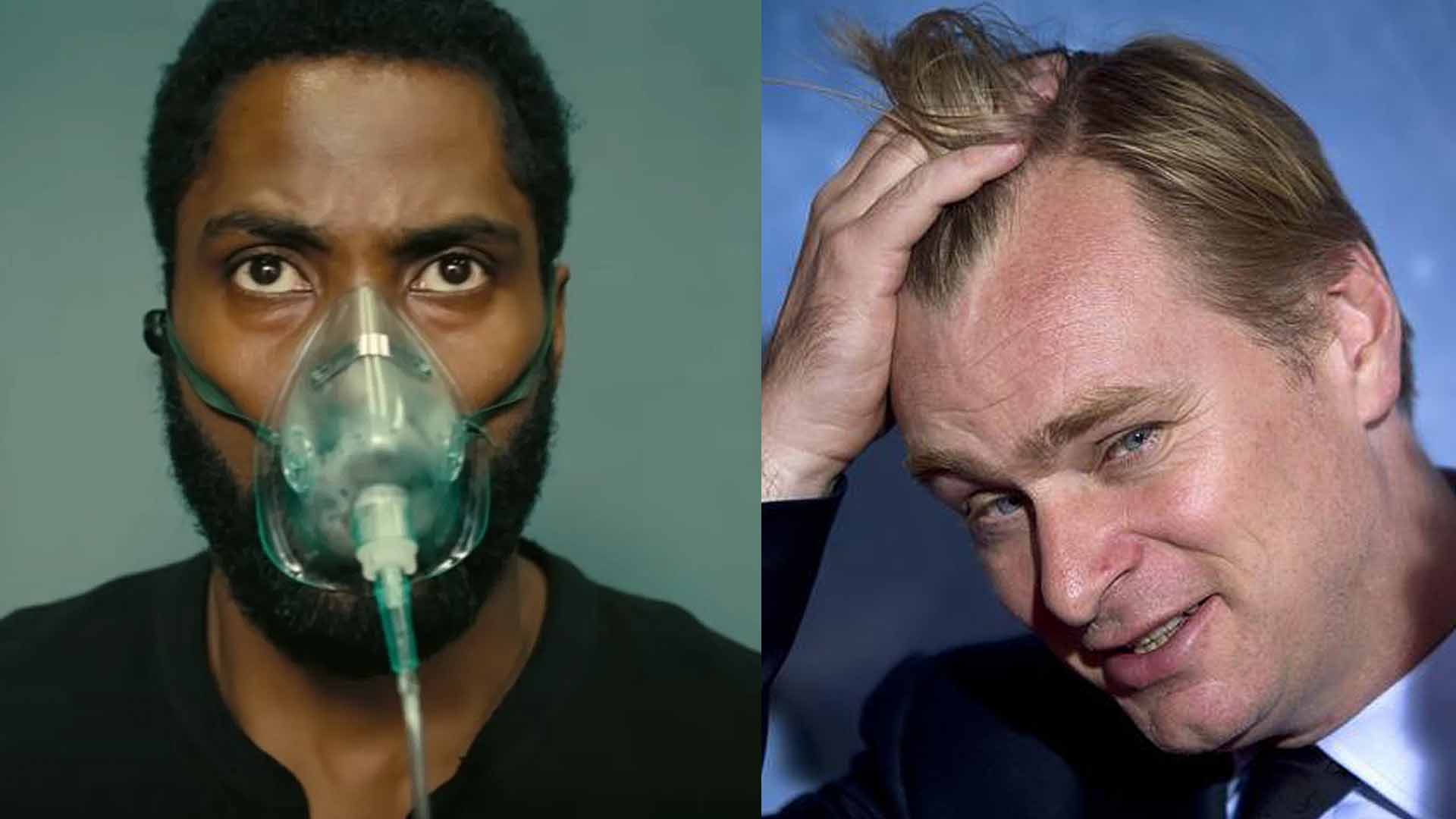
Take Tenet. Christopher Nolan boxed himself into a corner as the director who just has to make mind-bending films. Sooner or later he was bound to bend his own mind into a state of confusion. That’s what happened with Tenet. He overshot the runway.
M. Night Shyamalan is another director who has trouble ignoring his own hype. As the director who just had to deliver plot twists with every film, he boxed himself into a corner making films he had no business making. He even wanted to act in them, when clearly he’s a terrible actor.
You really need to connect deeply with your subject matter. When directors feel they are gods, they are just setting themselves up for failure, and pick projects when they’re blatantly bad. They believe they are so good they can turn any dud into gold, but that just doesn’t happen.
Just because a film director is good doesn’t mean he or she can direct anything. Take Tim Burton’s Alice in Wonderland. It’s an incredibly hard film to direct, and even someone with Burton’s imagination and expertise couldn’t make it work.
Film directors who believe in their own hype end up making films they have no business directing. They didn’t understand the subject matter fully, didn’t empathize with the characters and didn’t have anything fresh to say.
Even if you’re a great musician you might attempt to play a piece beyond your abilities or understanding. Of, if you’re a chef, you might try to make something that you don’t really have a taste for. It’s called hubris, and in filmmaking, it’s deadly.
What do you think? Do you know any more reasons why good directors make bad films? Let me know in the comments below.

I have to disagree with the reply above. I felt the question that was asked totally relevant (if not hypothetical). The possible answers that were provided made sense to me and I feel that I can learn from them to avoid the potential pitfalls they indicate. In that sense, this is as helpful as anything else I have seen here to improve my craft. Thank you Wolfcrow!
This is a really terrible and short sighted video. I’ve always enjoyed your videos, but for the first time your content as fallen very short as a proper analysis or anything that is additive or supportive to the filmmaking process and instead comes across as someone sharing an opinion based on no real world working experience or substantive insight. In my opinion your strength has always been helping filmmakers, from novice to veterans, with new perspectives and insights as to improving our own craft as filmmaker. I look forward to your future videos but hope that you will pull from your own video here and check your hubris at the door instead of standing on the shoulders of others to then talk down at their work or guess at what makes a film fall short of expectations, be them yours, the studios, the audiences, or the filmmaker themselves.