

Nikon has come out with the Nikon Z8 (Amazon, B&H) which is a baby version of its flagship model, the Z9. That means it can shoot 8K videos and competes directly with the Canon R5 (Amazon, B&H) and the Sony a7R V (Amazon, B&H).
All three full-frame mirrorless cameras are performance powerhouses. Their competitive and accessible pricing make them a worthy tool in any serious filmmaker’s arsenal. Here we will find out which one of these giants are giving the most bang for the buck.
So, sit back, relax and let the specs do the talking. There will be only one winner tonight.
Quick menu
- The basics
- Autofocus Comparison
- Comparison of sensors and video features
- Exposure, focus and ergonomics
- Image Stabilization
- The costs of media and batteries
- Which is cheapest to own?
- Recap
- Verdict. Who wins?

The Basics
Let’s start with the bare basics.
| Camera | Release Date | Price of Body | Sensor Size |
| Nikon Z8 | May, 2023 | $3,996 | 35.9 x 23.9 mm |
| Sony a7R V | December, 2022 | $3,898 | 35.7 x 23.8 mm |
| Canon R5 | July, 2020 | $3,399 | 36 x 24 mm |
Here, we notice a familiar pattern that the newer the model is, the pricier it is. Thus, the Canon R5 (Amazon, B&H) is the cheapest. But that difference might not matter much later. We’ll have to move ahead to find that out.
Autofocus comparison
The newly announced Nikon Z8 (Amazon, B&H) has a phase hybrid autofocus with 493 points while the Sony a7R V (Amazon, B&H) has 693 phase detection points.
The Canon R5 (Amazon, B&H) overshadows both of them by a margin with the widely renowned DPAF II with 4500 points. Thus, it is the clear winner here.
However in real-life situations, especially in low light, all of these cameras are not dependable for serious filmmaking work. You can get by with vlogs, but not actor movement.

Comparison of sensors and video features
Here’s how the camera sensors compare for video:
| Camera | Resolution | Maximum FPS | Video ISO Range | Log |
| Nikon Z8 | 8256 x 4644 | 60 fps | 64-25600 | N-Log |
| Sony a7R V | 7680 x 4320 | 25 fps | 100-32000 | S-Log3 |
| Canon R5 | 8192 x 4320 | 30 fps | 100-25600 | C-Log3 |
The Nikon Z8 (Amazon, B&H) takes the lead as it gives the most frame rate options for 8K and also has an impressive ISO range for video.
The Nikon Z8 has the same processor as the Nikon Z9, the flagship model of the Nikon Z series. To get a detailed idea about them you can check out this article on the similarities and differences between them.
What about 4K frame rates?
| Camera | Max fps at 4K | Max fps at 1080p |
| Nikon Z8 | 120 fps | 120 fps |
| Sony a7R V | 60 fps | 120 fps |
| Canon R5 | 120 fps | 120 fps |
The Nikon Z8 and the Canon R5 oversample 8K footage when recording 4K 50p/60p and 4K HQ respectively. The Sony a7R V oversamples 6.2K footage for 4K 60p video when shooting in the Super35 mode.
This seems to be a tie between the Nikon Z8 and the Canon R5.
Next, let’s check out the type of 4K footage you will be getting in these cameras:
| Camera | Codecs | Color Information | Data Rate (4K 30p) | Recording Limit (4K) |
| Nikon Z8 | N-RAW, ProRes RAW HQ*, H.265/H.264 | 10-bit 4:2:2 | 400 Mbps | 125 minutes |
| Sony a7R V | H.265/H.264 | 10-bit 4:2:2 | 300 Mbps | 13 Hours |
| Canon R5 | RAW, H.265/H.264 | 10-bit 4:2:2 | 470 Mbps | 29 minutes |
*It records RAW footage in 12 bit.
Nowadays 10-bit 4:2:2 in 4K is a given, and all three cameras give us that.
The Sony a7R V has no RAW but also practically unlimited recording.
But, the Nikon Z8 (Amazon, B&H) emerges as the winner here with a substantial recording time and most codec options for RAW.
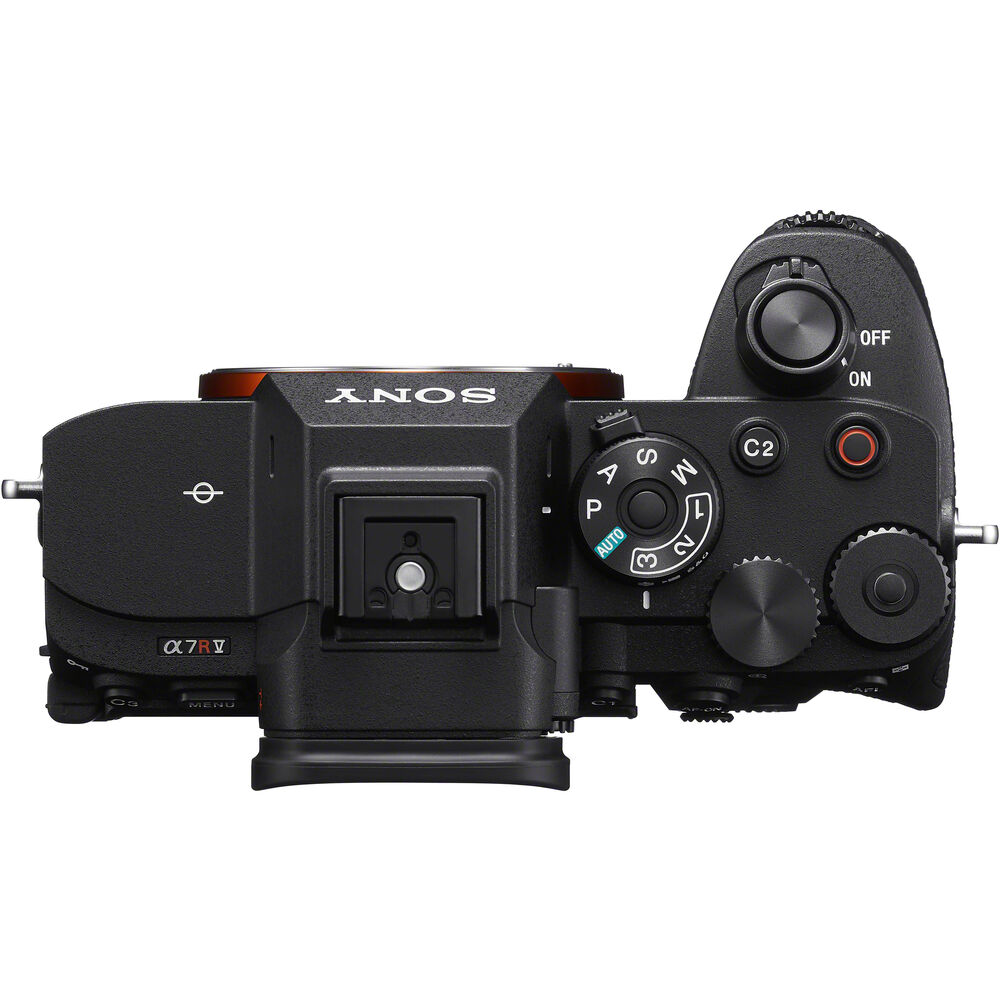
Focus and exposure aids and ergonomics
What’s the point of RAW if you can’t expose it correctly? The little things make all the difference:
| Camera | Exposure |
| Nikon Z8 | Zebras, Waveform, Histogram, Timecode, Focus Peaking, Meter |
| Sony a7R V | Zebras, Timecode, Focus Peaking, Histogram, Meter |
| Canon R5 | Zebras, Timecode, Histogram, Focus Peaking, Meter |
Here the Nikon Z8 (Amazon, B&H) wins with the waveform monitor.
All three have similar OLED viewfinders and LCDs and in real-world shoots I don’t think it will matter all that much.
Let’s see how their ergonomics compare:
| Camera | Dimensions | Weight (With card and battery) | Mount |
| Nikon Z8 | 144 x 118.5 x 83 mm | 910g | Z Mount |
| Sony a7R V | 131.3 x 96.9 x 82.4 mm | 723g | E Mount |
| Canon R5 | 138.5 x 97.5 x 88 mm | 738g | RF Mount |
These are their basic interfaces :
| Camera | HDMI Port | Headphone Jack | Microphone Jack | USB |
| Nikon Z8 | Type A | Yes | Yes | Type C |
| Sony a7R V | Type | Yes | Yes | Type C |
| Canon R5 | Type D | Yes | Yes | Type C |
The Nikon Z8 and the Sony a7R V record 48 kHz 24 bit and 48 kHz 16 bit linear PCM audio whereas the Canon R5 records only 16 bit 48 kHz linear PCM audio.
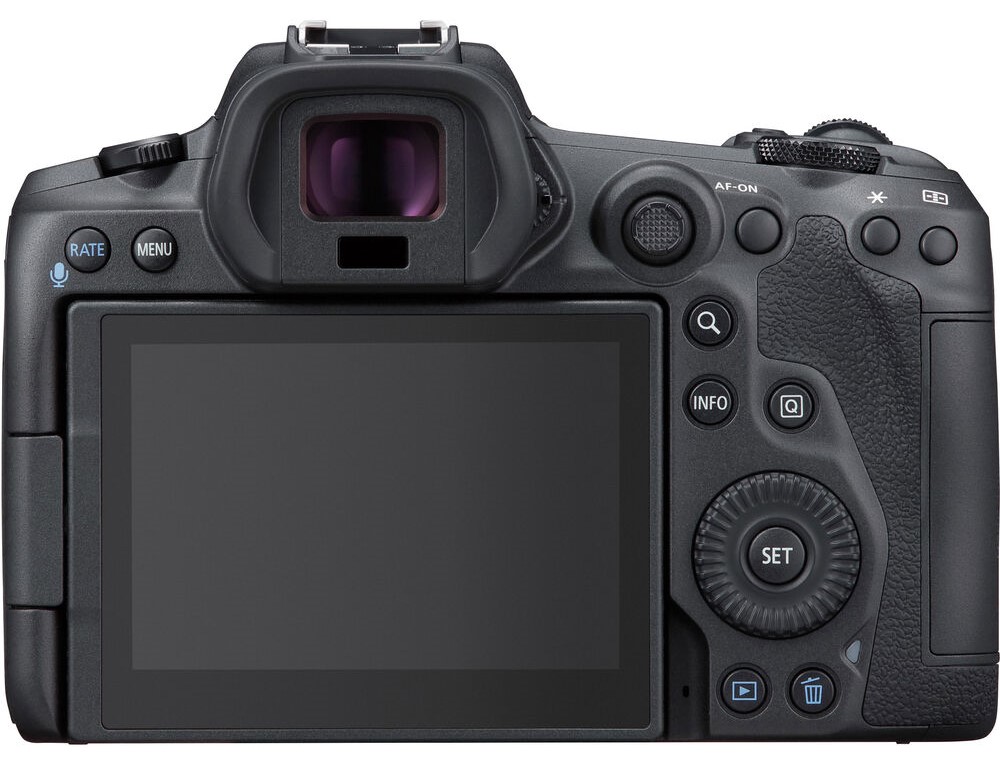
Image Stabilization
All three cameras have 5-axis image stabilization with the best performance coming from native lenses. Without a thorough test it’s hard to say which is better though.
Batteries and media cards
Here’s a look at the media:
| Camera | Dual card slots | Price per GB for 640 GB* |
| Nikon Z8 | Yes, 1 x SDHC/SDXC, UHS-II, 1 x CFexpress Type B | $1.95 |
| Sony a7R V | Yes, 2 x CFexpress Type A / UHS-II SD Card | $1.95 |
| Canon R5 | Yes, 1 x SDHC/SDXC, UHS-II, 1 x CFexpress Type B | $1.95 |
CFexpress cards are not cheap (comparing San Disk Extreme Pro to be fair). For practical shoots, you will need multiple cards. This could really add to your budget.
Even though all three cameras use the same cards, the cost per camera will change because the data rates are different.
Cost per 4 hours of data in 4K 30p:
| Camera | Total Data | Cost for 4 hours |
| Nikon Z8 (N RAW) | 703 GB | $1,371 |
| Sony a7R V (H.265) | 527 GB | $1,028 |
| Canon R5 (RAW) | 826 GB | $1,611 |

What about battery life?
| Camera | Battery life | Cost one one battery | Cost of 6 hours of operation^ |
| Nikon Z8 | 85 minutes | $69 | $292 |
| Sony a7R V | 90 minutes | $78 | $312 |
| Canon R5 | 92 minutes* | $79 | $309 |
*Canon gives battery life in number of shots, which is with the viewfinder/with the LCD. The battery life for actual shooting time is not specified anywhere.
Which is cheaper to own?
Let’s just add up the costs:
| Camera | Nikon Z8 | Sony a7R V | Canon R5 |
| Camera body | $3,996 | $3,898 | $3,399 |
| Media and Accessories | $1,371 | $1,028 | $1,611 |
| Batteries | $292 | $312 | $309 |
| Total | $5,659 | $5,238 | $5,319 |
The Canon R5 looks cheaper body only, but with added battery and higher cost of data usage the gap is narrower. Now you know why we’re comparing the three.
Recap
Who wins each feature?
| Feature | Winner |
| Sensor and ISO | Nikon Z8 |
| Video features | Nikon Z8 |
| DR and Color | Tie |
| Exposure Aids | Nikon Z8 |
| Media | Tie |
| Lenses | Nikon Z8 |
| Ergonomics | Sony a7R V |
| Ports and Monitoring | Tie |
| Audio | Tie |
| Autofocus | Canon R5 |
| Battery life | Canon R5 |
Before we take our final decision, we’ll let the cameras tell us what they offer that the others don’t:
| Camera | USP | Major Cons |
| Nikon Z8 | Video features, Lenses | Weight, Price |
| Sony a7R V | Weight, Low light performance | Less frame rate options |
| Canon R5 | Autofocus, Price | Recording Limit |
My Verdict
I said I’ll try to provide a balanced overview, even though it’s hard. Here’s what I think:
| Type of Filmmaking | Preferred Camera | Major Reasons |
|---|---|---|
| Documentaries and corporate videos | Sony a7R V | Recording Limit |
| Short or feature films | Nikon Z8 | Most options available at hand. |
| Music Videos | Nikon Z8 | Most video options. |
| Journalism | Canon R5 | Autofocus |
| Wildlife | Sony a7R V | Recording Limit |
| Weddings and Events | Sony a7R V | Recording Limit |
Thus, the specs tell a clear story.
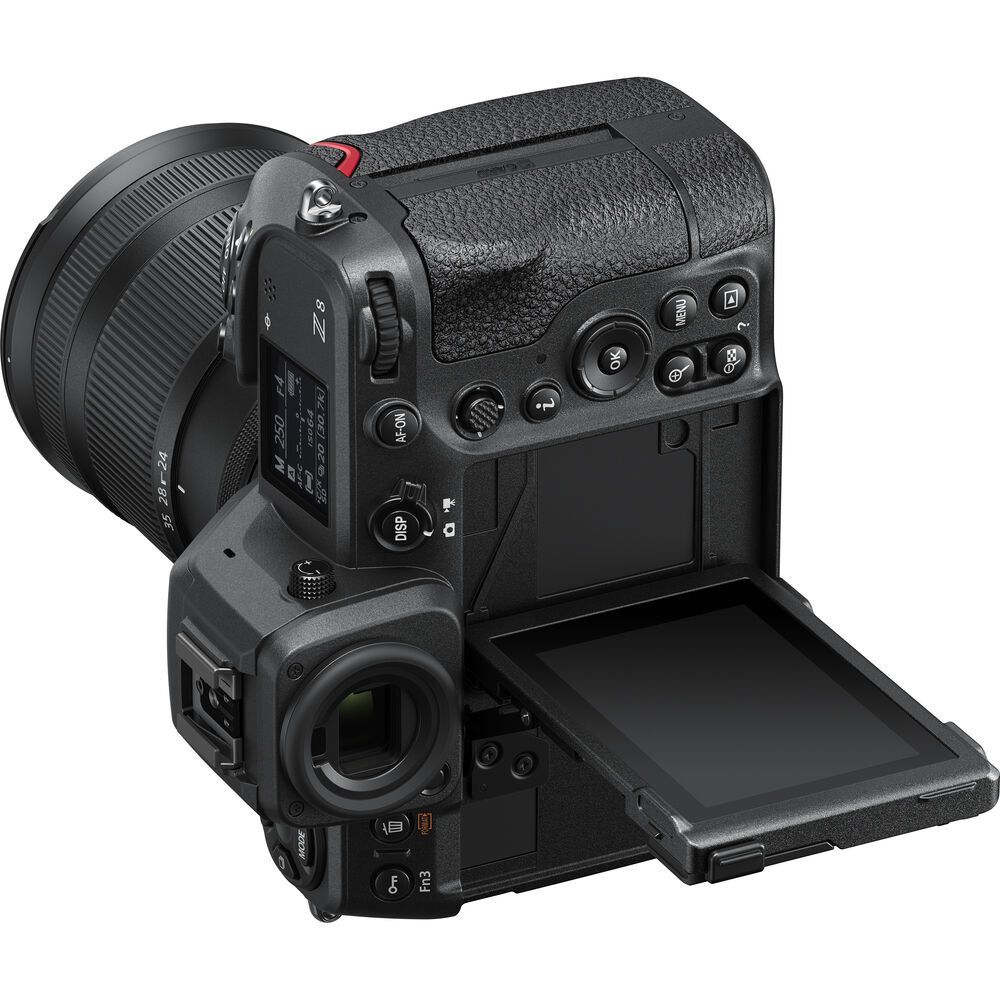
Nikon has come out with a winner with the Nikon Z8 (Amazon,B&H) where they have given us a Z9 in a cheaper, lighter body. All the more reasons for us to be happy and embark on our filmmaking journeys.
So do go on your own journey and let us know how does it go. Also, tell me your own opinions about these cameras in the comments below.
