

Movement and Stillness are the two contrasting elements that play significant roles in the language of cinema.
They are used by filmmakers to convey emotions, tell stories, create atmosphere and engage the audience with the narration. Whether it’s the adrenaline-pumping excitement of a chase scene or the thoughtful silence of a character’s introspection, the delicate balance between movement and stillness adds depth and richness in this art form of storytelling.
Through the controlled use of camera techniques, character movement, editing or the strategic placement of static shots, filmmakers can create an interplay between motion and tranquility on the screen.

The juxtaposition of movement and stillness is a powerful cinematic tool.
To know in detail about how stillness is used in filmmaking, check this link:
A sudden shift from chaotic action to a still, silent moment can evoke a sense of tension or highlight the significance of a scene. Conversely, a slow, deliberate camera movement or extended static shot can convey tranquility or emphasize the importance of that particular moment.
Their careful interweaving allows filmmakers to shape narratives, pace of the film, convey emotions and transport viewers to new realms.
Here’s a breakdown of how movements are employed in films:
Movement
Movement in films refers to the dynamic aspects of cinematography, character actions and the editing techniques. This involves the physical or apparent movement of the camera, characters or the objects within the frame.
It can be used to convey action, energy, tension or a sense of progression. Filmmakers guide the viewer’s gaze, create a sense of urgency and establish the flow of a scene.
These techniques allow the audience to immerse themselves in the film’s world, experiencing the action alongside the characters.
To know in detail about the major elements, that differentiates Movement from Stillness, read the book Illusions of Stillness and Movement by Dr. Lucia Ricciardelli
The two techniques for capturing movement include:
Camera Movement
Camera movement refers to the physical movement of the camera during the filming of a scene. It is a powerful tool used by filmmakers to convey specific emotions, perspectives and narrative elements.
To create a sense of movement within the frame, filmmakers use various camera techniques which I’ve noted in-detail below.
These techniques are used to follow characters, explore the environment or to create an interesting visual flow in the narrative by placement, motion and tracking of the camera to capture different perspectives in the shot.
Here are some common camera movements used in films:

a. Dolly shot / Tracking Shot
Dolly shot is when a camera moving alongside or following a subject, often on a dolly. Dolly shots can provide a sense of fluidity, as the camera physically moves through space.
Also known as a tracking shot, this shot creates a smooth and fluid visual experience, allowing the audience to feel connected to the action.
Dolly shots are often used in pursuit or tracking sequences and can add a sense of urgency or excitement.
To know more about dolly shot, their types such as an Arc shot, Double dolly shot and their uses in detail, check this out:
To know what a camera dolly is, read this detailed article:
Understanding a Studio and Location Dolly, and what they Offer that Sliders and DIY Dollies Don’t
b. Zoom Shot
The Zoom shot is when changing the focal length of the camera lens, which adjusts the magnification of the subject without physically moving the camera without changing the perspective of the shot.
A zoom shot can bring the audience closer to a subject or move further away to reveal details that were initially hidden.
When zoomed in, the shot conveys a character’s point of view or intensify emotions by emphasizing facial expressions and to create a sense of connection with the characters. This shot can cast a clearer view of an object and for dramatic effect to create a feeling of intensity or tension.
When zoomed out, the shot reveals a larger context where the director wants the audience to focus on the background as well as the foreground or the subject. The zoom out shot establish the frame and explore the relationship between different elements in a scene.
To know how to create cinematic poetry with a zoom lens, watch this video:
c. Steadicam Shot
The Steadicam shot is a cinematographic technique that is achieved with the use of a stabilizing device called a Steadicam. The Steadicam essentially isolates the camera from the operator’s movements, resulting in steady footage.
Steadicam device worn by the camera operator, which includes an articulated arm and a gimbal-mounted camera allows a smooth and stable movement while following characters or exploring the environment, even when the operator is in motion or traversing uneven terrain.
The primary purpose of Steadicam shots is to create a fluid and smooth visual experience for the audience by eliminating the camera shake and vibrations. These shots can convey a sense of smoothness and stability, enhancing the viewer’s immersion in the film.
Here are some common uses and benefits of Steadicam shots:
Steadicam shot can be used:
- to capture walking or running sequences, chase scenes, or any scenario where a sense of movement is desired while maintaining a steady frame.
- for cinematic flow to create a continuous flow in a scene or sequence, particularly in long takes by seamlessly transitioning between characters, objects and locations.
- for versatile filming locations where traditional tracking equipment, such as dollies or cranes, may be impractical or restrictive. Steadicam operators can navigate tight spaces, staircases, or rough terrains, they provide flexibility in capturing shots in challenging environments.
- for visual elegance, steadicam shots often possess a graceful and elegant quality due to the smoothness and stability they offer. These shots can add visual sophistication to a film, creating a polished and professional aesthetic.
Steadicam shots require a skilled operator who is trained in properly balancing and maneuvering the rig. They can be demanding physically, as operators need to maintain steady movement for extended periods.
However, when executed proficiently, Steadicam shots can significantly enhance the visual storytelling of a film, adding a layer of professionalism and artistry to the cinematography.
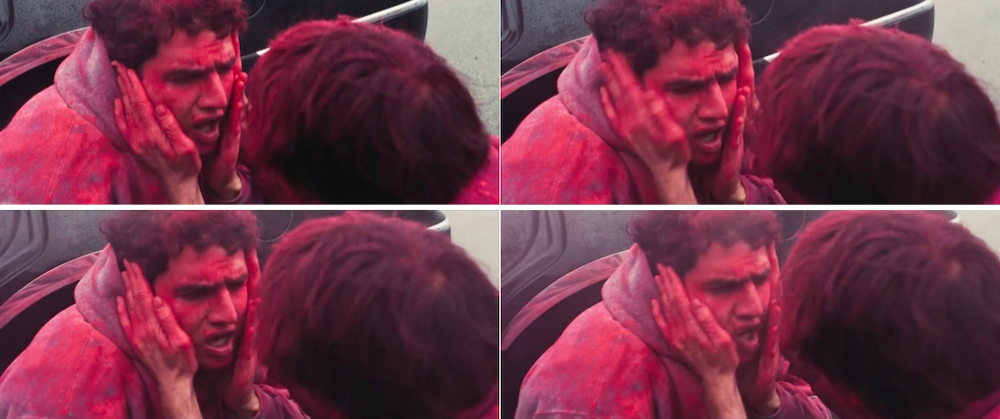
d. Handheld Shot
Handheld camera shots, as the name suggests, involve the use of a camera that is operated by hand rather than being mounted on a stabilizing device.
Handheld shots creates a sense of realism, immediacy and intimacy to the visuals and adds an organic and slightly unsteady quality to the shot. It adds a slight unsteadiness, mimicking the natural movement of a person which can be used in various ways to enhance the storytelling.
Here are some common uses and their effects of handheld camera shots:
Handheld shot can be used:
- for documentary style filmmaking. The unsteady and organic movement of the camera can create a sense of authenticity and realism, making the viewer feel like they are witnessing real events unfold.
- Effective in capturing interviews, behind-the-scenes moments, or observational footage.
- for intensity and energy, as the handheld shot can inject a heightened sense of intensity, urgency or chaos into a scene.
- This technique is commonly employed in action sequences, chase scenes or moments of heightened drama.
- for subjective perspective, because handheld camera shots can convey the subjective perspective of a character, putting the audience in their shoes.
- The unsteady movement can mirror their emotional state, providing a more immersive and empathetic connection with the character’s experience.
- This technique is often used to depict moments of fear, disorientation or psychological turmoil.
- for authenticity and naturalism as the handheld shots can help create a sense of naturalism and spontaneity in a film.
- The unpolished and imperfect camera movement can make the visuals feel more authentic and grounded.
- This technique is commonly employed in independent films, realistic dramas, or slice-of-life narratives.
- for intimacy and proximity as the handheld shots can bring the audience closer to the characters, emphasizing their emotions and interactions.
- The camera can follow characters closely, capturing their facial expressions, body language, and intimate moments.
- This technique is often used in romantic scenes, intimate conversations, or character-driven stories.
It’s important to note that the effectiveness of handheld shots relies on the skill and control of the camera operator.
It requires practice to achieve a balance between capturing the desired realism and avoiding excessive shakiness that could distract or disorient the audience.

e. Pan / Tilt shot
Pan shot is horizontal movement of the camera on a fixed axis, while tilt shot refers to vertical movement.
Pan and tilt shots can be employed to create a sense of grandeur, heighten tension or highlight a character’s perspective. These techniques can be used to follow characters, reveal details or establish the spatial relationships within a scene.
Panning
Panning is a camera movement technique where the camera rotates horizontally from a fixed position, scanning the scene from left to right or vice versa. The camera remains in a fixed position, but it moves along its horizontal axis.
Here are some of the key aspects of panning:
Pan shot can be used:
- to reveal the environment in which the scene takes place. By panning across a landscape, a cityscape or an interior space, the filmmaker allows the audience to explore the details and get a sense of the surroundings.
- for an establishment shot to introduce a new location or to provide a wider context for the subsequent action. For example, a panning shot from a high vantage point can establish the geography of a city or the layout of a building.
- to follow a moving subject when they move across the frame. For example, in a tracking shot where a character walks through a room, the camera pans to keep the character within the frame, allowing the audience to stay connected to the character’s journey.
- to reveal or conceal Information by panning away from one subject and then panning back to reveal another, the filmmaker can create suspense, surprise or build anticipation.
Tilting
Tilting is a camera movement technique where the camera rotates vertically, angling up or down from a fixed position. The camera remains in a fixed position, but it moves along its vertical axis.
Here are some of the key aspects of tilting:
Tilt shot can be used:
- to reveal vertical space or height of a subject or environment. For instance, a tilt shot can start at the feet of a character and slowly move up to reveal their entire body, emphasizing their presence or stature.
- for aesthetic framing to create visually interesting compositions or framing choices. By tilting the camera, the filmmaker can add a sense of dynamism or uniqueness to the shot, breaking away from static or conventional angles.
- to convey a subject’s point of view or perspective. For example, a tilt shot upward from the ground can convey a character’s awe or wonder at a towering structure or a sense of insignificance in the face of something grand.
- for enhancing dramatic moments. For example, a tilt shot can emphasize a character’s reaction by angling the camera down to focus on their facial expressions or capturing their gaze looking upward in astonishment or fear.
Both panning and tilting techniques add movement and visual interest to a scene, enabling filmmakers to guide the audience’s attention, establish the spatial relationships within the frame, and evoke specific emotional responses.
These camera movements are versatile tools that contribute to the overall storytelling and visual language of a film.
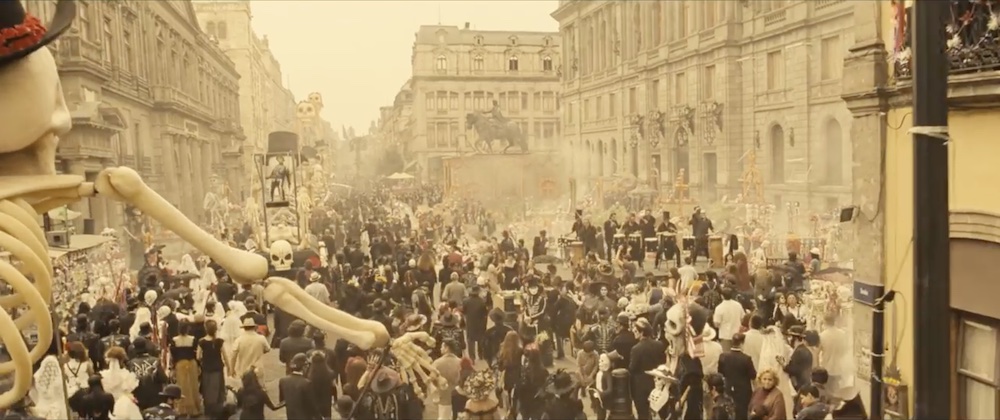
f. Crane Shot:
A crane shot is when mounting the camera on a crane or a jib arm, allowing it to move vertically or diagonally in a sweeping motion. The crane shot gets its name from the equipment used, as it resembles the long neck and arm of a crane.
Crane shots offer a high-angle or aerial perspective, capturing grand vistas, large-scale events, or showcasing the spatial relationships between characters and their environment.
It provides a dynamic and elevated perspective, capturing scenes from a higher vantage point.
Crane shots have various uses and can serve different purposes in filmmaking:
Crane shot can be used:
- for establishing shots to introduce a location, set the tone, or establish the scale of a scene.
- By lifting the camera above the ground, a crane shot can provide a bird’s-eye view of the surroundings, showcasing landscapes, cityscapes or large-scale events.
- for tracking shots, crane shots can be combined with tracking movements to follow characters or objects same like the dolly shot.
- This allows the camera to smoothly track their movements, create a sense of fluidity, and immerse the audience in the action.
- It is particularly effective for capturing dynamic scenes like chases or dance sequences.
- for dramatic effect, the grandeur and sweeping nature of a crane shot can add a dramatic impact to a scene.
- By lifting the camera high above the ground, it can create a sense of awe, emphasize the scale of a situation, or highlight the magnitude of a particular event.
- Crane shots are commonly used in epic or action-oriented films to amplify the visual spectacle.
- for transitions shots, seamlessly connecting different locations or moments in a film. The camera movement can smoothly shift from one scene to another, bridging the gap and maintaining a continuous visual flow.
- Crane shots can be particularly useful in montage sequences or in transitioning between different time periods.
- for symbolism and metaphor to convey deeper meanings. The elevated viewpoint can represent a character’s perspective or their emotional state.
- It can also serve as a visual metaphor for freedom, transcendence, or rising above challenges.
It’s important to note that crane shots require specialized equipment, experienced camera operators, and careful planning to ensure safety and achieve the desired effect. They can be technically challenging and require coordination with other elements of the production, such as actors, props and lighting.
Overall, crane shots provide filmmakers with a versatile tool to create visually striking and dynamic sequences, offering unique perspectives that engage and captivate the audience.
These camera movements are just a few examples of how filmmakers use the physical motion of the camera to enhance storytelling, evoke emotions in a scene and engage the audience.
The choice of camera movement is often deliberate and can significantly impact the mood, pace and visual language of a film.

Character Movement
The movement of characters within the frame can communicate their intentions, emotions and relationships in a scene. It can be used to depict action sequences, chase scenes, or simply to showcase the physicality of a character.
Furthermore, character movement conveys intentions, emotions and relationships. Be it exhilarating action sequences, graceful dance performances or the subtle gestures of a conflicted protagonist, character movement breathes life into the story, forging a visceral connection between the viewer and the narrative.
Here are some aspects of character movement in films explained in detail:
Physical Expression:
Physical expression refers to the non-verbal communication conveyed through a character’s body language, gestures and facial expressions in the context of filmmaking.
Characters’ body language, gestures and their movement patterns can provide valuable insights as they play a vital role in conveying the emotional state of a character, their thoughts and their intentions, enriching the portrayal of characters and enhancing the overall storytelling experience.
Here’s a more detailed explanation of physical expression:
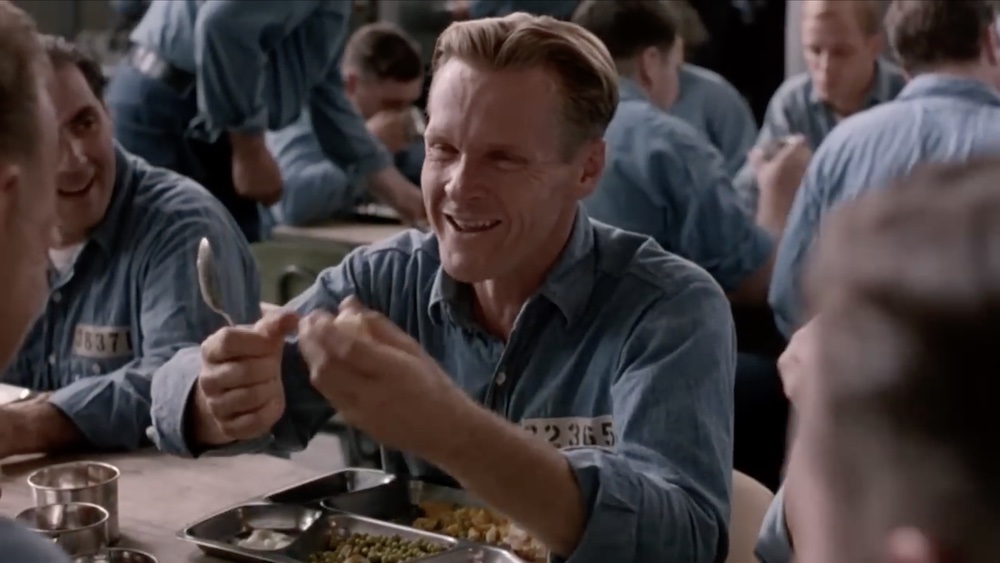
Facial Expressions
The face is a powerful tool for expressing a wide range of emotions. Expressions like joy, anger, fear, surprise, sadness, or disgust are conveyed through movements of the eyebrows, eyes, cheeks, lips and other facial features.
Micro-expressions, such as subtle movements of the face can convey a range of different emotions. A character’s smile, frown, raised eyebrow, or narrowed gaze can reveal their happiness, anger, surprise or suspicion.
These expressions help the audience to relatively sense and empathize with the character, understand their emotional journey and connect on a deeper level.

Posture and Body Language
The way characters carry themselves through posture and body language can communicate their personality, confidence, vulnerability or assertiveness.
For instance, a slouched posture may indicate a character’s sadness or defeat, while an upright and open posture can convey power, strength and determination.
The subtleties of body language help to portray characters’ emotions and intentions beyond what is explicitly communicated through dialogue.

Gestures
Characters use gestures to communicate or emphasize their thoughts, intentions or emotions. Hand movements, arm gestures, or pointing can add depth to their communication and convey meaning beyond words.
Pointing, waving, clenched fists and open palms can express various emotions or intentions, such as emphasizing a point, showing aggression or offering help. A character’s clenched fist might signify anger or determination, while a gentle touch can express compassion or connection.
Gestures can also vary across cultures, allowing filmmakers to highlight cultural diversity or differences between characters.
Action Sequences
Character movement is often highlighted during action sequences, such as fights, chases or dances.
These sequences involve complex and carefully choreographed movements that showcase the physicality and skill of the characters with dynamic camera work to capture the physicality and excitement of the moment.
Filmmakers use techniques like stunt work, wirework, or martial arts to create visually engaging action scenes.

Fight Choreography
Fight scenes require precise coordination between the actors’ movements and the camera work.
Choreographed punches, kicks, dodges and acrobatics add excitement and intensity to the action. Different fighting styles can also be used to reflect the characters’ personalities or cultural backgrounds.

Chase Sequences
Chase sequences involve characters pursuing or being pursued by others.
Filmmakers use various techniques, such as handheld shots, tracking shots and aerial shots, to capture the movement and speed of the chase. This creates a sense of urgency and suspense for the audience.
Blocking and Movement within Scenes
Blocking refers to the planned movement and positioning of actors within a scene. The way characters move and interact with each other and their environment can significantly impact the narrative and visual composition.
Spatial Relationships
Filmmakers strategically position characters within the frame to convey their relationships and dynamics.
For example, placing characters close together can suggest intimacy or conflict, while keeping them apart can indicate distance or tension.
Point of Focus
Characters’ movement within a scene can guide the audience’s attention and emphasize specific actions or details.
For instance, a character moving towards an object or person can draw attention to it and indicate its importance to the story.

Blocking and Staging
Choreographing the movement of characters within a scene helps create visually interesting compositions and can enhance the narrative.
For example, characters may enter or exit a scene at specific moments to reveal information, create surprises, or establish a sense of rhythm.
Character movement plays a crucial role in visual storytelling, allowing filmmakers to convey emotions, intentions, relationships, and other narrative elements.
Editing and montage also contribute to the perception of movement, as rapid cuts or skillful juxtaposition of shots can heighten tension, depict the passage of time or deliver a frenetic pace.
The combination of camera movement, character movement, and editing techniques allows filmmakers to craft engaging visual narratives, manipulate the audience’s emotions and guide their attention within the frame.
Each technique serves a specific purpose in conveying the story, establishes the film’s style and enhances the overall cinematic experience.
That’s it, Hope you’ve found these uses of movements in filmmaking valuable. I’ll be writing the importance of stillness as well, in the coming days. If there’s anything more to movements let me know in the comments.
