
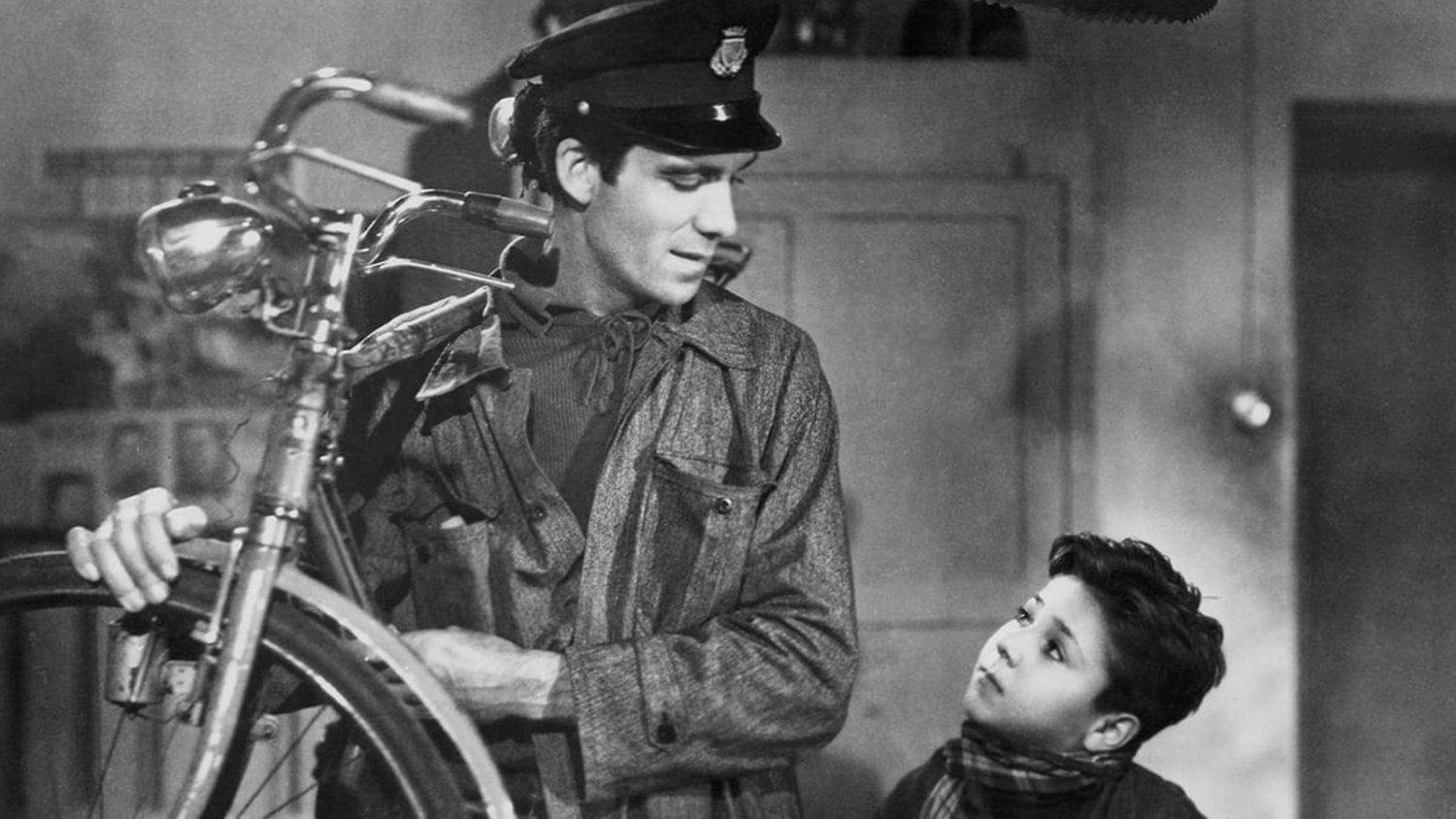
One of the most influential film movements of the 20th century was the Italian Neo Realism movement. This is a movement which arguably originated in 1943 and lasted till 1952 but its impact is much larger than that. We can say this with absolute certainty as it has inspired huge movements like the French New Wave in France and the Parallel Cinema Movement in India.

To know more about the French New Wave movement and its films, which were inspired by the Italian Neorealists, check this article out –
“Neorealism was the first time that ‘illusion’ took a back seat to ‘reality’ in films.”
– Martin Scorsese
My Voyage to Italy
What is Italian Neorealism?
A formal definition of Italian Neorealism can be summed up as follows –
Italian neorealism, also known as the Golden Age, was a national film movement characterized by stories set amongst the poor and the working class. They are filmed on location, frequently with non-professional actors. They primarily address the difficult economic and moral conditions of post-World War II Italy, representing changes in the Italian psyche and conditions of everyday life, including poverty, oppression, injustice and desperation.
Wikipedia
This was a time when filmmakers in Italy were ready to make a film about a woman buying bread, which they considered to be cinematic provided you went to the depths of her life and its intricacies. The idea was to make stories concerning the ‘real’ people, people from the working class and the rural spaces, where for them survival in itself was a dramatic act. They wanted to showcase the real plight of Italy and actually not make a cinema of representation but rather make a cinema of actuality.
They believed that the artist’s job was not to make the audience ponder over a metaphorical situation but rather make them reflect on the real things that they are doing and what the society is going through as a whole.

Context
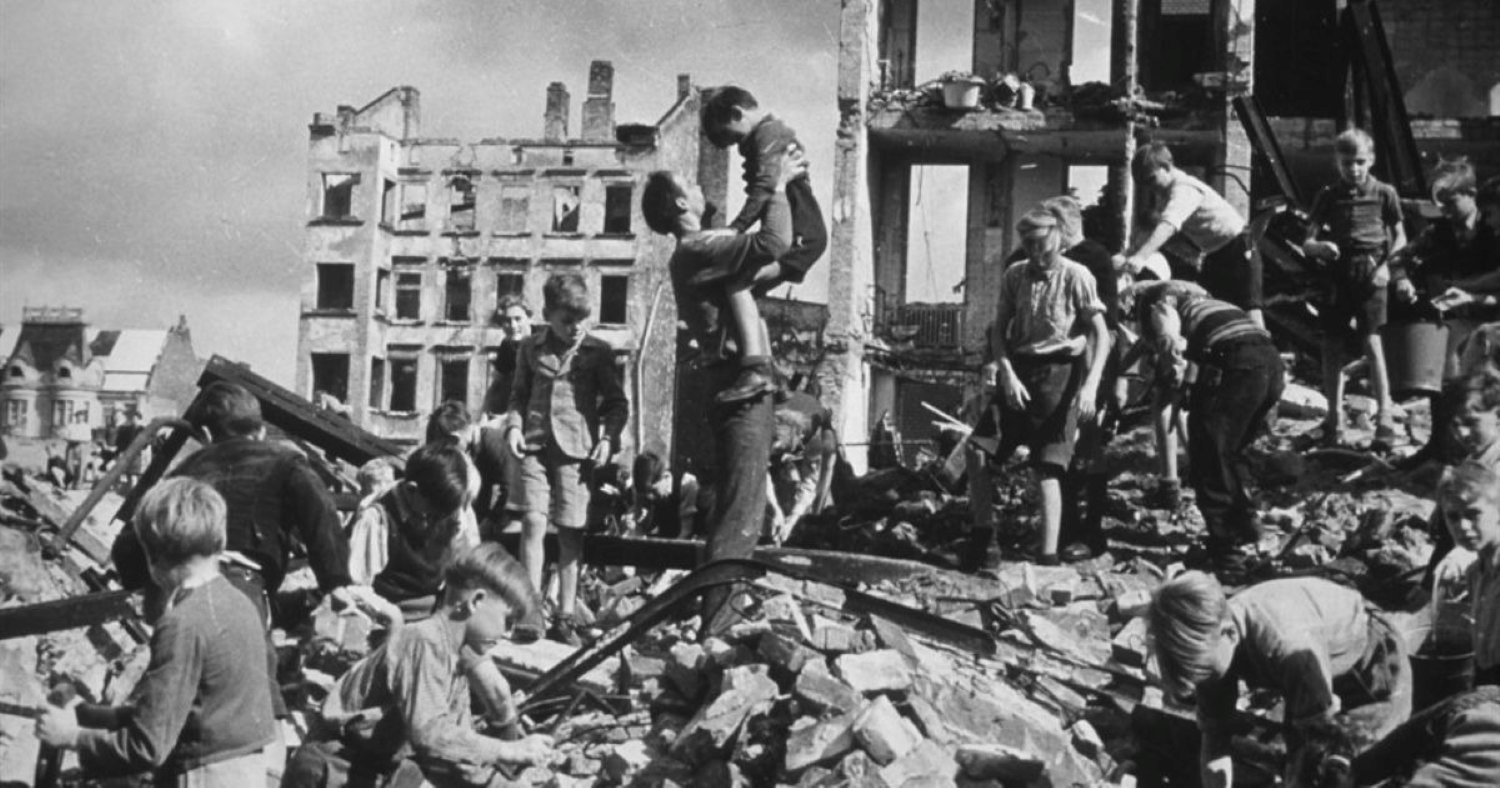
Neorealism developed in Italy after the end of World War II when the German occupation of Italy ended and the reign of Benito Mussolini’s government fell. The country was going through an economic crisis and everyday survival was a struggle in itself. The major studios of that time were being used as sites for refugee camps.
It was also the time when critics in Italy were criticizing the Telephoni Bianchi (White Telephone) films which were being made in Italy at that time. These were just imitations of American comedies devoid of any intellectualism and incapable of provoking any thoughts about the human and societal conditions of the reality of the time.
It was then that the Italian filmmakers turned to the streets to make their films, in every way imaginable.
Characteristics
The films and directors which were at the forefront of this movement had a set of rules, or rather the circumstances in which they were making films and the types of stories that they wanted to film, led them to follow a set of conventions. These were not extremely strict like the Dogma 95 movement, but films shot like this are said to be in the Neorealism zone. The characteristics of a Neorealist films are as follows (Not binding in any sense, but just for a general idea) –
- Non Professional Actors – Most Neorealist films were made with non professional actors even though in many instances, there is a well known actor who is surrounded by non professionals from the location rather than a bunch of extras.
- Shooting on Location – They were mostly shot on location, typically in run down cities or rural areas.
- Stories of the Working Class – The directors of these Neorealist films were concerned with showing real stories from the streets about the everyday struggles of the common working class human. The idea of a ‘hero’ was done away with and the world shown was of a simple order, where survival was the prime focus of the characters shown.
- Children as Observers – Many Neorealist films had a child as the protagonist’s sidekick, where we see the stuff happening in the society from their point of view, which makes it even more hard hitting for the audience and makes them reflect and introspect more.
- Documentary Style Filmmaking – The locations mostly were lit by natural light or were kept to a bare minimum. These films promoted minimalism in the technical aspect of the filmmaking such as lighting and editing and focused on portraying the mundane and quotidian activities of everyday life with as much humane realism and social realism as possible. The dialogues were also more conversational than literary.
Cesare Zavattini was an Italian Neorealist writer who was responsible for some of the greatest Neorealistic films such as Bicycle Thieves and Shoeshine. He gave an interview from which as essay called ‘Some Ideas on Cinema‘ was published. It was like an unofficial manifesto for the Neorealist movement.
Do check it out to get an idea about what the writers and makers in this movement were going through and to get a detailed idea about their thought processes while making these films.

Major Proponents
These were the major Italian filmmakers of this time and these are some of their major films –
| Director | Major Films |
| Roberto Rossellini | Rome, Open City, Paisan, Germany, Year Zero, Stromboli, Europe ’51, Journey to Italy |
| Vittorio De Sica | The Children Are Watching Us, Shoeshine, Bicycle Thieves, Miracle in Milan, Umberto D., |
| Federico Fellini | I Vitelloni, La Strada, La Dolce Vita, 8½ |
| Luchino Visconti | Ossessione, The Earth Trembles, Bellissima |
| Giuseppe De Santis | Bitter Rice, Rome 11:00 |
| Michelangelo Antonioni | Le Amiche, L’Avventura, La Notte, L’Eclisse |
Martin Scorsese and Italian Neorealism
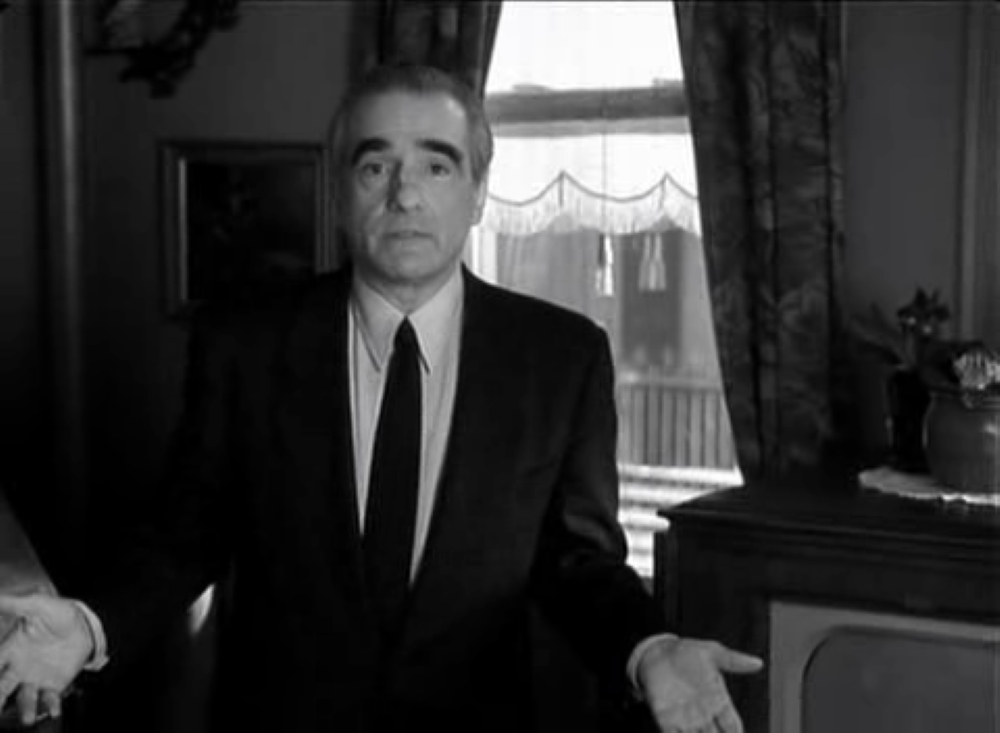
One of the greatest filmmakers of the present generation, Martin Scorsese was also a little boy once. The films that he saw while growing up in Little Italy in New York in the 1950’s on his 16-inch television had inspired him to take up filmmaking and has shaped a lot of his films since then. Many of them were these Neorealist films that he got enamored by and ended up getting influenced by, big time.
Now, we will go through a list of ten of these films that Martin Scorsese has himself gone through in his four hour documentary film, ‘My Voyage to Italy‘ and see who were these directors, their films and what influence did they have on Scorsese.
An attempt has been made to condense the information as practically as possible so that you can also go through these films and ignite the Scorsese who is also sitting deep within you.
Roberto Rossellini
Roberto Rossellini was an influential Italian filmmaker, renowned for his pioneering role in the neorealist movement. He made masterpieces like ‘Rome, Open City‘, ‘Paisan‘ and ‘Germany, Year Zero‘ which portrayed the harsh realities of war-torn Italy, setting a new standard for authentic storytelling using non-professional actors and real locations, capturing raw human emotions. Rossellini’s collaboration with actress Ingrid Bergman brought both of them further recognition. Later, he explored historical and philosophical subjects, leaving an enduring legacy of artistic innovation and a profound impact on the world of cinema.

Rome, Open City (1945)
A film which made Martin Scorsese aware of his Italian roots at a very young age, the moving images of this film was very impactful in his life as he saw his grandparents cry while they were watching this film. It was a film where history and cinema came together to create something uniquely powerful.
It can also be said that if Neorealism came from one film, it has to be ‘Open City‘.
– Martin Scorsese
My Voyage to Italy
Set during the Nazi occupation of Rome in World War II, the film follows a group of resistance fighters, including a priest, a pregnant woman, and a communist, as they strive to resist the oppressive regime. Shot on a shoestring budget with a mix of professional and non-professional actors, the film’s raw and gritty style captures the harsh realities of war and the indomitable human spirit.
“Rome, Open City” is considered a masterpiece of neorealism and a pivotal work in the history of cinema. Its greatness lies in the revolutionary approach it brought to filmmaking. Rossellini’s use of real locations and non-professional actors added a striking sense of authenticity to the narrative, making the audience feel like they were witnessing actual events. The film’s powerful storytelling, emotional depth, and social commentary set new standards for cinematic realism.
It remains a must-watch for any film student as it not only showcases the power of storytelling but also exemplifies the potential of filmmaking to mirror the human experience and shed light on important socio-political issues.
Paisan (1946)
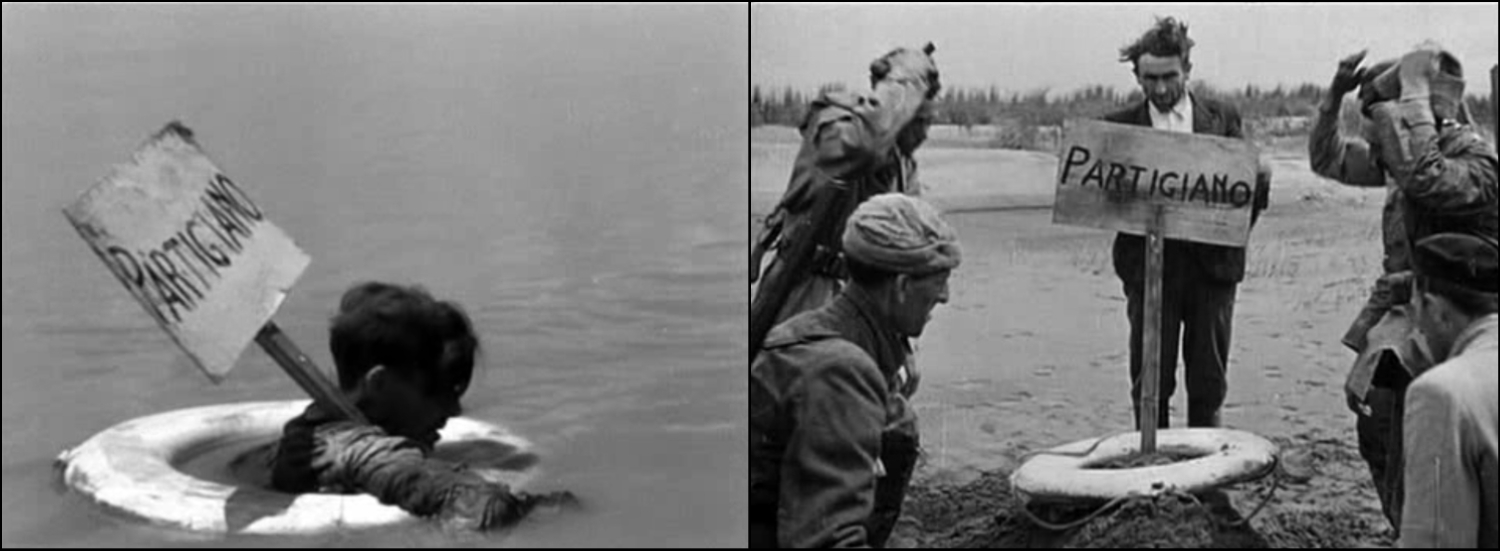
One of the earliest Italian films that Scorsese watched was this. He was highly impacted by it, especially of the stories about ‘sacrifice’ for their home land. He was also shocked by the state of kids his own age in his country and realized that if he would have still been living there, he would be one of them.
Comprising six interconnected episodes, the film chronicles various encounters between American and Italian characters during the liberation of Italy in World War II. The episodes are set in different regions of Italy, showcasing the diverse social and cultural backgrounds of the characters. “Paisan” weaves together powerful narratives of compassion, struggle, and human connection amidst the ravages of war.
The film’s episodic structure allows for a multifaceted exploration of the effects of war on individuals and communities, highlighting the universal themes of hope and resilience. Like many of Rossellini’s works, “Paisan” employed a mix of professional and non-professional actors, infusing the film with an extraordinary sense of realism. Its remarkable use of real locations and unscripted interactions with the locals further enhances the documentary-like feel of the movie.
For film students, ‘Paisan‘ serves as a compelling case study in neorealism, showcasing the power of cinema to reflect society’s struggles, emotions, and collective humanity. The film’s innovative storytelling and its profound portrayal of the human condition continue to make it a must-watch for aspiring filmmakers and cinema enthusiasts alike.

Germany, Year Zero (1948)
The third and final film in Rossellini’s war trilogy. This film showed the harsh and terrible reality of a kid in a manner which is as close to fact as possible. A courageous film of real compassion, it shows the ultimate sacrifice that an individual can achieve.
The film is set in the ruins of post-World War II Berlin and revolves around a young boy named Edmund, who struggles to survive in a devastated city. As Germany grapples with its shattered society, Edmund is faced with moral dilemmas and heartbreaking choices as he navigates through a world burdened by poverty, desperation, and the weight of guilt.
Considered a masterpiece of neorealism, ‘Germany, Year Zero‘ stands as a poignant and unflinching portrayal of the aftermath of war and the human toll it exacts. Rossellini’s use of non-professional actors, authentic locations, and stark black-and-white cinematography enhances the film’s raw and evocative nature, allowing the audience to feel deeply immersed in the boy’s haunting reality.
For film students, it is a compelling study in cinematic storytelling, character development, and social commentary. Its exploration of the complexities of human behavior and the portrayal of the devastating consequences of war make it a must-watch for aspiring filmmakers seeking to understand the power of cinema to reflect the human condition and confront challenging societal issues. The film’s timeless relevance and artistic brilliance continue to inspire and provoke contemplation on the impact of war on individuals and societies.

Stromboli (1950)
A film which was marred by controversy when it released, this was the first Italian film that Martin Scorsese saw in the theatres. So, you can imagine the impact that this film had on him. Rossellini was also criticized due to the critics believing that he had drifted away from Neorealism, a movement that he fathered sort of, but now we can see that it is just an evolution of the movement.
The film stars Ingrid Bergman as Karin, a Lithuanian refugee who marries an Italian fisherman to escape a displaced persons camp after World War II. She moves to the remote island of Stromboli with her new husband, only to find herself struggling to adapt to the harsh living conditions and the rigid customs of the conservative island community. As Karin grapples with loneliness, cultural clashes, and a longing for freedom, the film explores themes of isolation, identity, and the human spirit’s quest for belonging and meaning.
‘Stromboli‘ is celebrated for its innovative approach to blending neorealism with elements of psychological drama and poetic storytelling. Rossellini’s collaboration with the talented Ingrid Bergman during the making of this film led to significant personal and professional repercussions for both, adding an intriguing layer of authenticity to the on-screen emotions.
For film students, it offers a rich cinematic experience with its masterful cinematography, compelling character development, and profound exploration of human emotions. The film’s portrayal of a woman’s struggle for self-discovery and the clash between individual desires and societal norms makes it an essential watch for aspiring filmmakers seeking to grasp the complexities of storytelling and the nuances of human nature. It remains an enduring classic that exemplifies the art of capturing both external landscapes and internal emotional landscapes, resonating with audiences and inspiring filmmakers worldwide.
Vittorio De Sica
Vittorio De Sica was a prominent Italian filmmaker celebrated for his significant contributions to neorealism and his lasting impact on world cinema. He began his career as an actor before transitioning into directing. De Sica’s films often depicted the struggles of ordinary people, capturing their daily lives with a deep sense of authenticity. His iconic works include ‘Bicycle Thieves‘, ‘Umberto D.’, and ‘Yesterday, Today and Tomorrow‘. De Sica’s humanistic approach to storytelling and his exploration of societal issues have left an indelible mark on the art of filmmaking, making him a revered figure in film history.
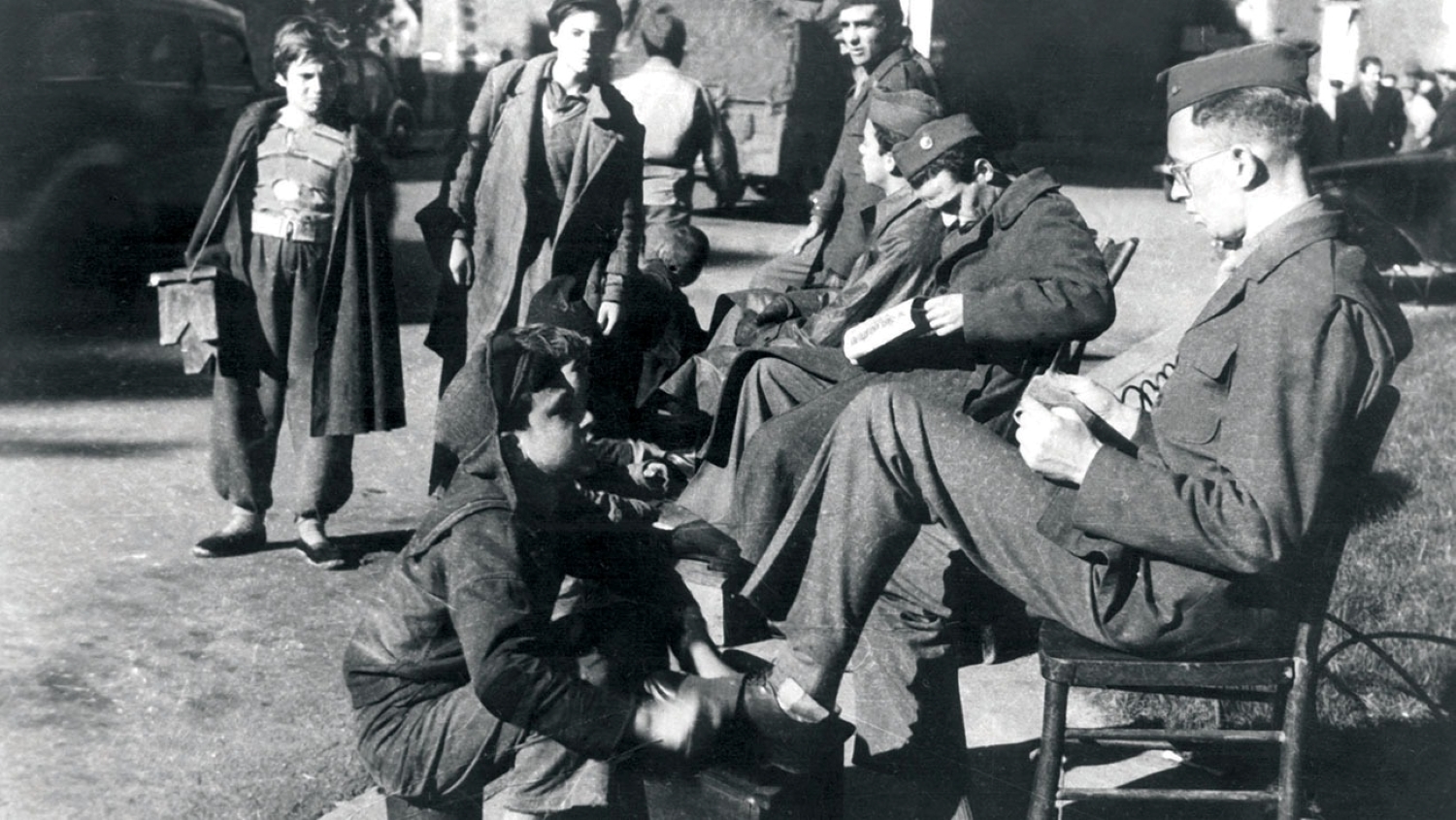
Shoeshine (1946)
Vittorio De Sica’s first great film, this project shows his affinity with children as can be noticed from his filmography afterwards. He beautifully portrays the struggles of the poor child in a nation ravaged by war and manages to induce empathy and a sense of dread together.
Set in post-World War II Rome, the film revolves around the friendship between two young shoeshine boys, Giuseppe and Pasquale. The boys dream of owning a horse together and work tirelessly to save money, but their lives take a tragic turn when they get involved in a stolen goods scheme, leading to devastating consequences that challenge their bond and innocence.
‘Shoeshine’ is a powerful example of Italian neorealism, touching upon themes of poverty, friendship, and the harsh realities faced by marginalized children. De Sica’s use of non-professional child actors adds authenticity to the characters and their struggles, immersing the audience in the hardships of post-war Italy. The film’s emotionally charged narrative and skillful direction evoke a profound sense of empathy, prompting viewers to reflect on the plight of disadvantaged youth.
For film students, it is a must-watch for its masterful storytelling, powerful social commentary, and its ability to capture the essence of human resilience amidst adversity. It remains an enduring classic that continues to resonate with audiences, exemplifying the transformative power of cinema in illuminating the human experience and advocating for compassion and understanding.

Bicycle Thieves (1948)
A defining film of Neorealism, this film has inspired countless directors into making movies such as Martin Scorsese and Satyajit Ray. This film perfectly captures the essence of the movement and seems to have been born out of the spiritual and moral necessity of telling the story of the struggles of the working class in Italy to the rest of the world.
Set in the aftermath of World War II in post-war Rome, the film follows Antonio Ricci, a struggling working-class man who finally finds employment but loses his bicycle, essential for his new job, to a thief on his first day of work. With his young son Bruno, Antonio embarks on a desperate search through the streets of Rome, depicting their harrowing journey through poverty and the human condition, highlighting themes of desperation, resilience, and the bonds between parent and child.
Considered one of the cornerstones of neorealism, ‘Bicycle Thieves‘ is revered for its unparalleled realism and emotional impact. De Sica’s use of non-professional actors, real locations, and a simple yet powerful narrative creates an intimate and unfiltered portrayal of post-war Italy.
The film’s ability to capture the struggles of ordinary people and its profound social commentary make it a must-watch for any film student. It serves as a timeless example of the power of cinema to reflect the human experience, transcending cultural and temporal barriers, and leaving an indelible mark on the hearts and minds of its audience. It remains a testament to the potential of filmmaking to tell universal stories and is an essential study in the art of cinematic storytelling and the evocation of empathy.
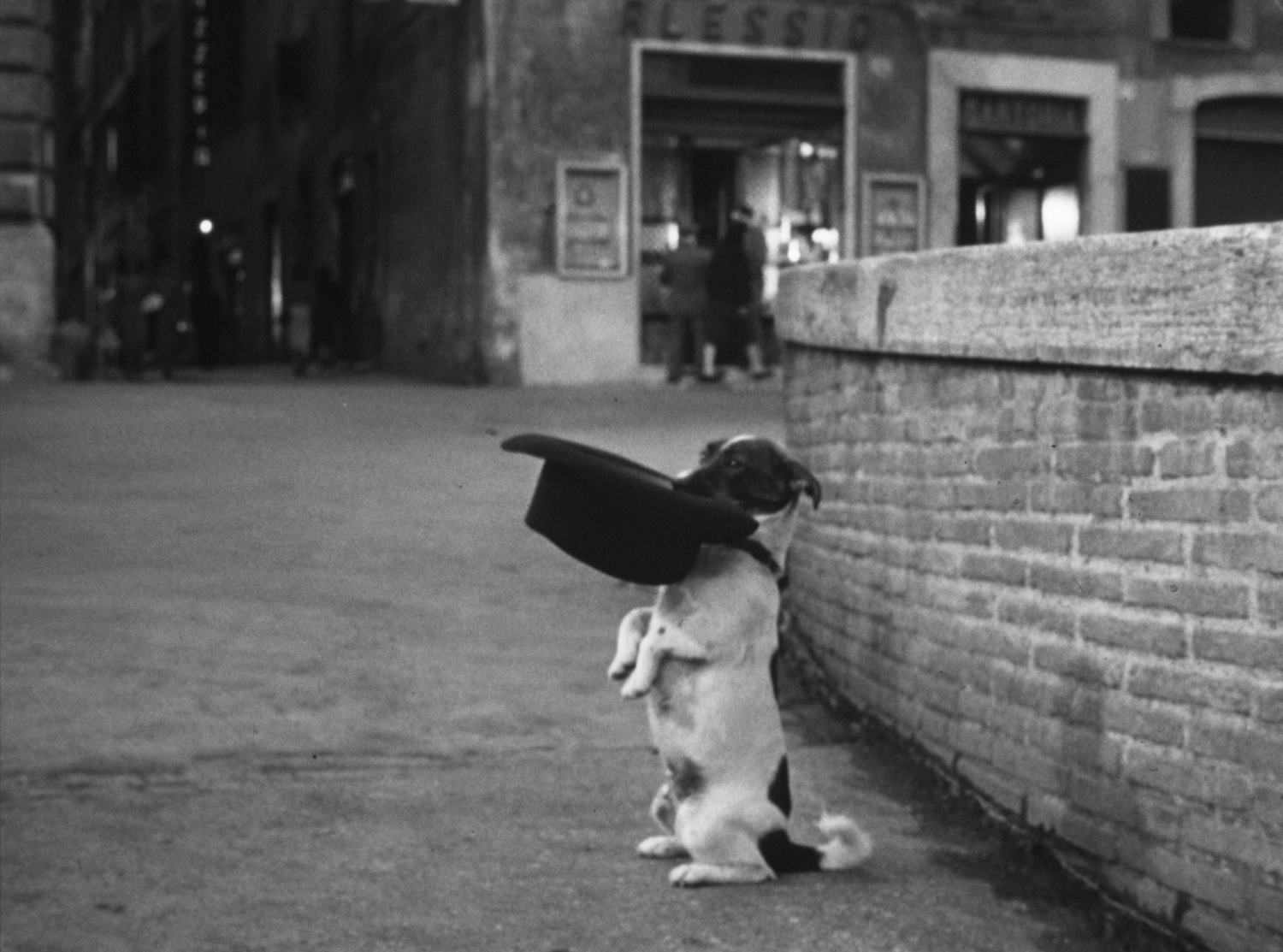
Umberto D. (1952)
The finest work of Vittorio De Sica according to Scorsese, this one is also a personal favorite. It has some very direct inspiration from the style of Charlie Chaplin (As can be seen from the scene above) and is a landmark film which is bound to touch the hearts of anyone who watches it.
The film revolves around the life of Umberto Domenico Ferrari, an elderly retired civil servant struggling to make ends meet on a meager pension. Facing eviction from his humble room, Umberto forms a deep bond with his loyal dog, Flike, as he tries to find a way to survive and maintain his dignity amidst the hardships of poverty and loneliness. The film offers a powerful portrayal of the challenges faced by the elderly in a rapidly changing post-war Italy, delving into themes of social isolation, compassion, and the resilience of the human spirit.
‘Umberto D.’ is a masterpiece of Italian neorealism and a testament to Vittorio De Sica’s artistry as a filmmaker. The film’s unflinching realism and authentic portrayal of the struggles of ordinary people elevate it to a deeply humanistic and emotionally resonant work of art. De Sica’s use of non-professional actors, particularly Carlo Battisti in the titular role, adds an unparalleled authenticity to the film, making it an intensely moving and relatable experience for viewers.
For film students, it serves as an essential study in the art of neorealism, showcasing the power of cinema to shed light on the human condition and to connect audiences with the universal struggles of the disenfranchised and marginalized. Its profound storytelling, evocative cinematography, and unforgettable performances make it a must-watch for aspiring filmmakers, as it exemplifies the potential of cinema to convey profound emotions and societal realities with honesty and compassion.
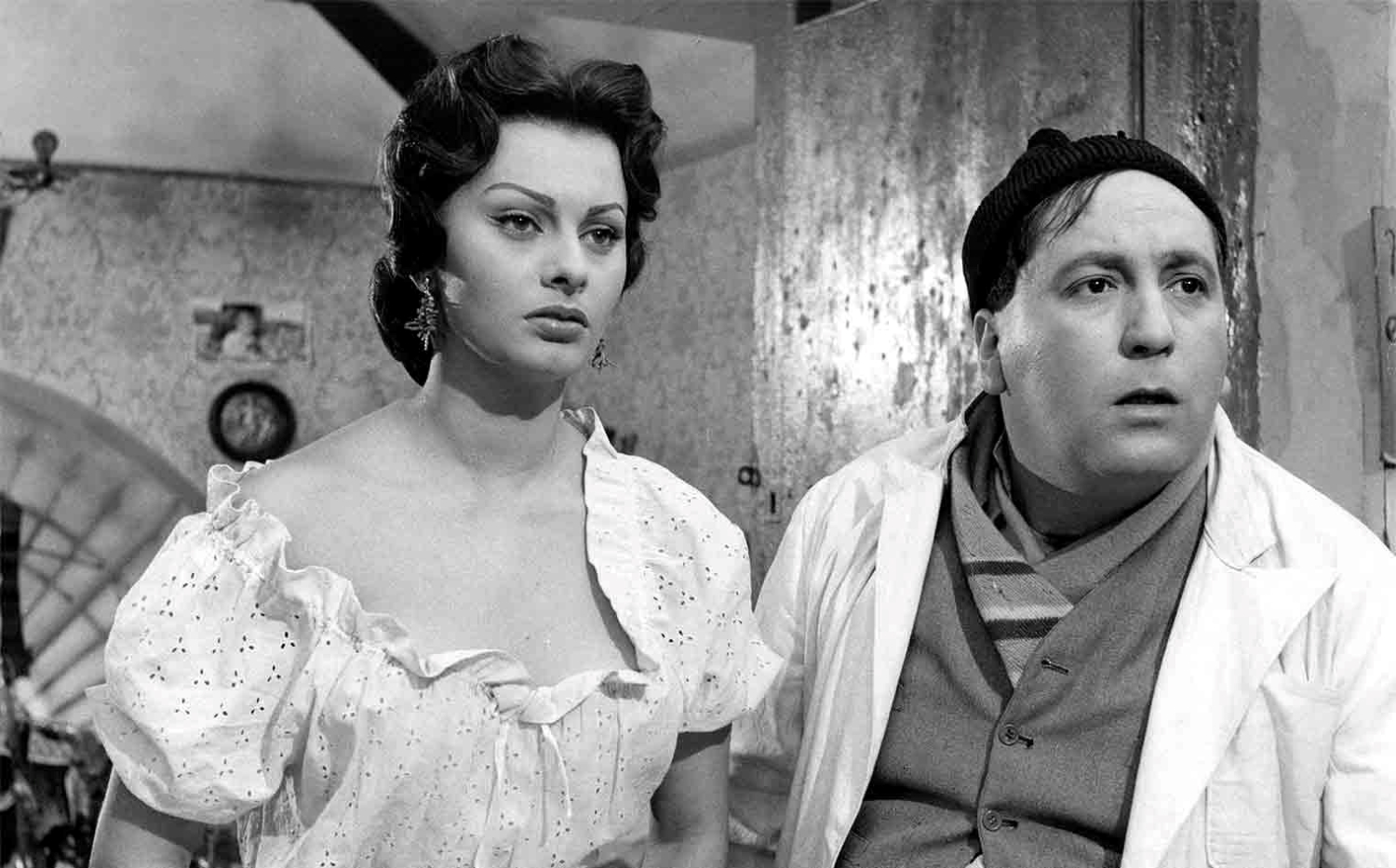
The Gold of Naples (1954)
One of the favorite De Sica films for Martin Scorsese for its ability to showcase comedy and tragedy at the same time, this was one of his later works, when De Sica had moved to another one of his comfort zones, which was Commedia dell’arte.
The film is an anthology comprising six heartwarming and humorous stories set in Naples, each portraying the daily lives of various characters from different walks of life. From a pizza vendor’s struggle to impress a beautiful woman to a prostitute’s unexpected act of kindness, ‘The Gold of Naples‘ weaves a tapestry of human emotions, dreams, and aspirations, capturing the essence of the vibrant city and its colorful inhabitants.
It is a gem of Italian cinema, showcasing Vittorio De Sica’s mastery in storytelling and his ability to capture the human spirit with authenticity and tenderness. The film’s episodic structure provides a rich tapestry of diverse characters and experiences, offering a touching and humorous exploration of the human condition. De Sica’s skilled direction and use of the Neapolitan backdrop create a vivid and immersive world that draws the audience into the lives of its characters.
For film students, it serves as a delightful study in the art of storytelling, character development, and the portrayal of cultural nuances. Its episodic format and nuanced exploration of everyday life present valuable lessons in crafting engaging narratives and creating memorable cinematic moments. The film’s charm, heartwarming stories, and brilliant performances make it a must-watch for any aspiring filmmaker seeking to understand the power of cinema in portraying the beauty and complexities of the human experience.
Luchino Visconti
Luchino Visconti was an influential Italian filmmaker renowned for his profound impact on world cinema. He was a prominent figure in the neorealist movement and later embraced a more opulent and lavish style in his works. Visconti’s films often delved into complex characters and explored themes of social and political turmoil, love, and decadence. He is celebrated for masterpieces like “La Terra Trema” (1948), “Rocco and His Brothers” (1960), and “The Leopard” (1963). His remarkable filmmaking legacy continues to inspire and captivate audiences worldwide.
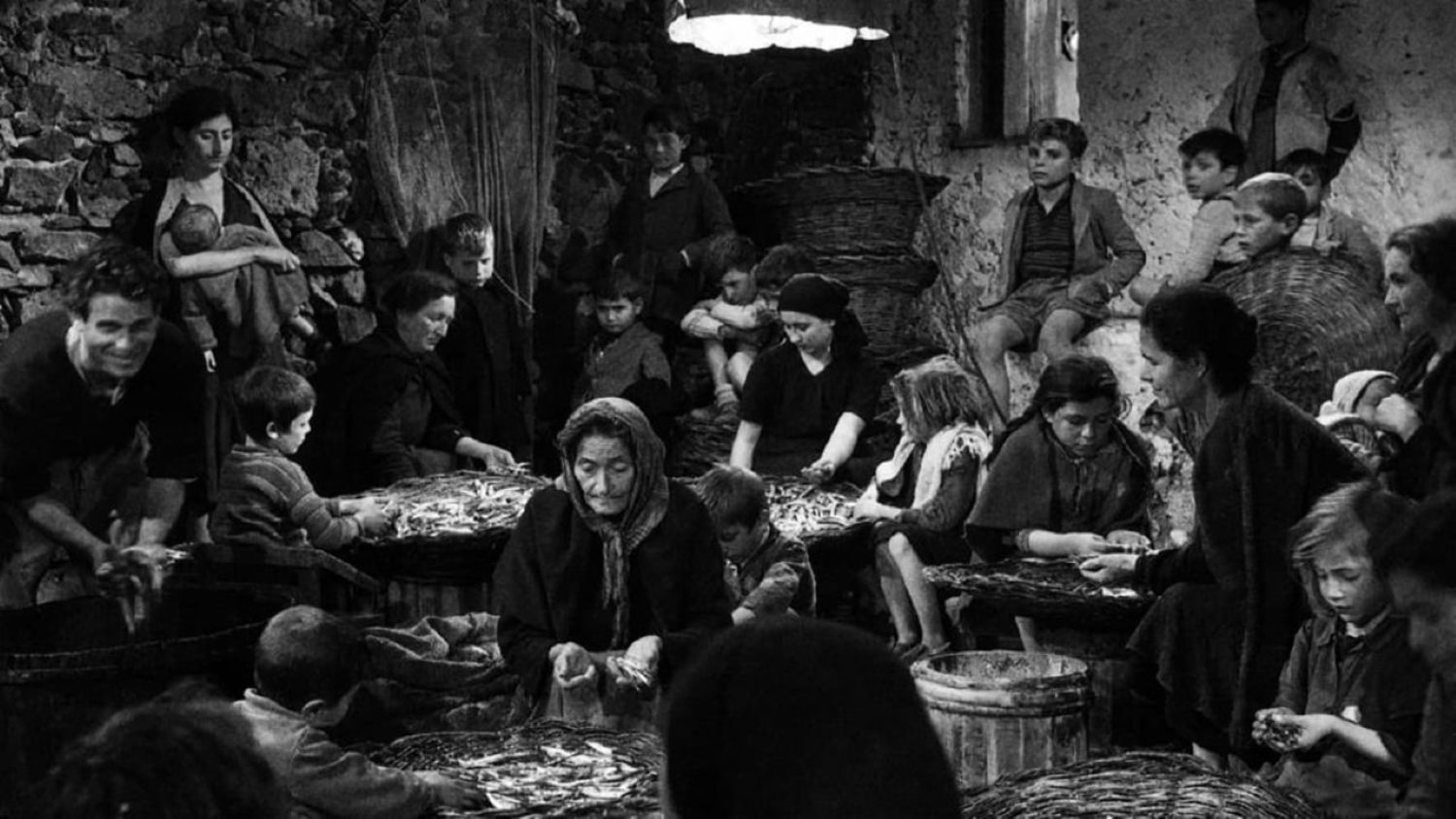
The Earth Trembles (1948)
A film which informed Scorsese of the responsibilities of a filmmaker as someone who has to tell the world what their society is going through or has gone through. This film showed him how to blend documentary filmmaking with fiction.
Set in a small fishing village in Sicily, the film portrays the struggles and exploitation of a poverty-stricken fishing family, the Valastros, as they attempt to break free from the oppressive local merchants. Shot with non-professional actors, most of whom were actual fishermen from the region, ‘The Earth Trembles‘ achieves a remarkable level of realism, capturing the harsh realities of life, labor, and social injustice faced by the working class.
Visconti’s immersive storytelling and use of authentic settings create an unparalleled sense of empathy and connection with the characters and their plight. The film’s unflinching portrayal of social issues and the human condition serves as a powerful reminder of the importance of cinema as a medium to shed light on marginalized communities and raise awareness about societal inequalities.
For film students, it is a must-watch for its influential role in shaping neorealism and its ability to inspire a deeper understanding of the art of filmmaking and its potential to drive social change. Its enduring relevance and artistic brilliance make it an essential part of any film education.
Federico Fellini
Federico Fellini was an influential Italian filmmaker renowned for his unique and imaginative approach to cinema who is also considered one of the greatest directors in the history of filmmaking. Fellini’s works often delved into the realm of dreams, memories, and fantasies, blurring the lines between reality and surrealism. His iconic films, such as ‘La Dolce Vita‘ and ‘8½‘, showcased his artistic brilliance and brought him international acclaim. With a career spanning over four decades, Fellini’s cinematic legacy continues to inspire and captivate audiences worldwide.
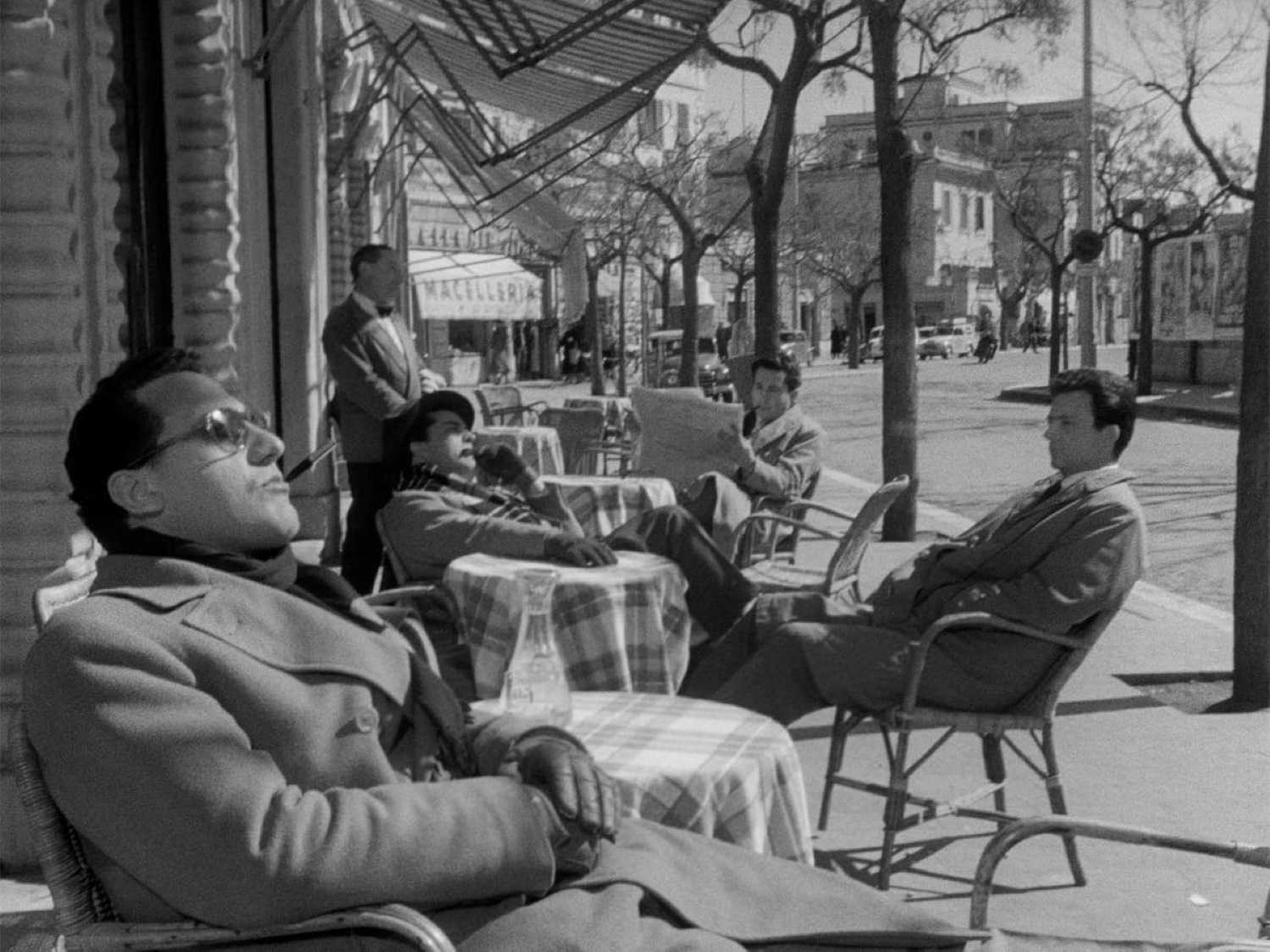
I Vitelloni (1953)
One of the most influential films of this time for Martin Scorsese, this is the film from which ‘Mean Streets‘ is mostly inspired from. And if you liked the energy and grit of that film, you should definitely check this one out.
The film follows the lives of a group of aimless young men in a small coastal town in Italy, collectively known as “I Vitelloni,” which translates to “The Young Calves.” Each character grapples with the transition from carefree adolescence to adulthood, as they confront their dreams, desires, and responsibilities. The film explores themes of friendship, identity, and the search for meaning, providing a poignant and introspective portrait of youth and the challenges of growing up.
‘I Vitelloni‘ is a masterpiece of Italian cinema and a defining work in Federico Fellini’s career. The film’s masterful direction and compelling storytelling offer a nuanced and deeply human examination of the complexities of early adulthood. Fellini’s portrayal of the characters’ struggles with societal expectations and personal aspirations resonates with audiences of all ages.
The film’s vivid characters, evocative visuals, and poignant moments of humor and pathos make it a must-watch for any film student. Aspiring filmmakers can learn from Fellini’s adept blending of realism and poetic imagery, creating a captivating narrative that captures the universal experience of coming of age.
So, this rounds up our list of ten Neorealistic films which have inspired Martin Scorsese and which can be a very good starter pack for your foray into Italian Neorealistic cinema.
Do take the time out to watch them and I am pretty sure you will not regret it but it will add another layer of humanism to your films. See you soon. Ciao!

I worked on this masterpiece documentary for several years. It’s one of the most thorough and truly great (and I do not use that word lightly) contributions to the celebration of Italian neo-realism. So very, very glad that IL MIO VIAGGIO IN ITALIA is being justly celebrated here.
Thank you for chiming in!