
Filmmakers often employ various techniques to manipulate the camera to achieve specific effects, evoke emotions and to enhance the narrative.
These techniques, known as “camera cheat” techniques, are clever and strategic methods used to deceive the audience subtly.
The art of camera cheating has been honed and perfected over the course of cinema’s history, evolving alongside technological advancements, and continuously pushing the boundaries of what is possible. These techniques are the magician’s bag of tricks, carefully crafted to mesmerize the audience, blur the lines between reality and fantasy and craft indelible moments that linger in our memories.

From the classic methods that laid the foundation of visual trickery to the cutting-edge innovations that redefine the very fabric of cinematic storytelling, we shall unravel the secrets behind these techniques’ efficacy and the spell they cast upon audiences worldwide.
In this article, we will explore some of the most commonly used camera cheat techniques in filmmaking and understand how they contribute to the art of visual storytelling.
So, let’s dive into the magic of camera cheat techniques and discover how filmmakers create the movie wonders we love!
1 Forced Perspective
Forced perspective is a camera cheat technique often used to create the illusion of characters interacting with an object or environment that doesn’t exist or are appearing much larger or smaller than they actually are.
It involves carefully positioning subjects at varying distances from the camera to distort the perceived size and distance relationships between them.
When we look at an object or a person, our brain automatically calculates their size based on their distance from us. Objects that are closer to us appear larger, while objects that are farther away appear smaller.
Filmmakers take advantage of this natural visual perception to create illusions that deceive the audience.
To achieve forced perspective, filmmakers arrange their subjects in a specific manner within the frame. They typically place one subject (let’s call it Subject A) closer to the camera, while another subject (Subject B) is positioned farther away. This creates a visual trick where Subject A appears much larger than Subject B, even though they may be of similar size in reality.
- For example, imagine a scene where a filmmaker wants to make a character appear as if they are holding a massive object, like a giant hammer.
- They would place the character (Subject A) closer to the camera and the giant hammer (Subject B) at a distance behind them. When the shot is framed with Subject A holding the hammer, the hammer will appear much larger than it actually is compared to the character, giving the illusion of a massive and heavy object.
By manipulating the audience’s perspective, filmmakers can achieve visual effects that would otherwise be impractical or impossible to capture in real life.

The Purpose of Forced Perspective
Filmmakers use forced perspective to achieve several goals, such as
- Visual Illusions:
- By using forced perspective, filmmakers can create surreal or fantastical scenes that defy the laws of physics, adding a sense of wonder and magic to the storytelling.
- A prime example can be seen in The Lord of the Rings: The Fellowship of the Ring when Gandalf appears much taller than the Hobbits during their journey through the picturesque landscapes of the Shire.
- Cost-Effective Set Design:
- One of the practical advantages of forced perspective is its ability to optimize set design. By using smaller-scale or partial elements in the foreground and strategically placed larger elements in the background, filmmakers can achieve the illusion of expansive and grand sets without the need for building costly, full-scale environments.
- A good example is from Harry Potter and the Sorcerer’s Stone, the Great Hall at Hogwarts was built with two different scales: a life-sized section for the foreground and a smaller-scale section for the background, resulting in a grand, expansive dining hall.
- Emphasizing Size Differences:
- In movies featuring giants or tiny creatures, forced perspective helps create the illusion of characters in contrast, coexisting believably.
- Example from The Hobbit: An Unexpected Journey, the filmmakers used forced perspective to depict the dwarf characters as shorter than the other characters, highlighting their challenges and resilience.
- Comedic Effect:
- In addition to its use in creating magical settings, forced perspective can inject humor into scenes. When characters interact with elements that seem dramatically different in size or proportion, it leads to comedic moments, adding an enjoyable and lighthearted dimension to the film.
- In Elf the title character, played by Will Ferrell, appears much larger than the other elves at the North Pole, generating hilarious interactions due to the apparent height difference.
- Enhancing Realism:
- Forced perspective serves as a bridge between separate filmed elements, enhancing the realism of scenes. Filmmakers can combine actors filmed in one location with distant landscapes or objects filmed elsewhere, creating a seamless and cohesive visual experience for the audience. This can make scenes appear more authentic and immersive.
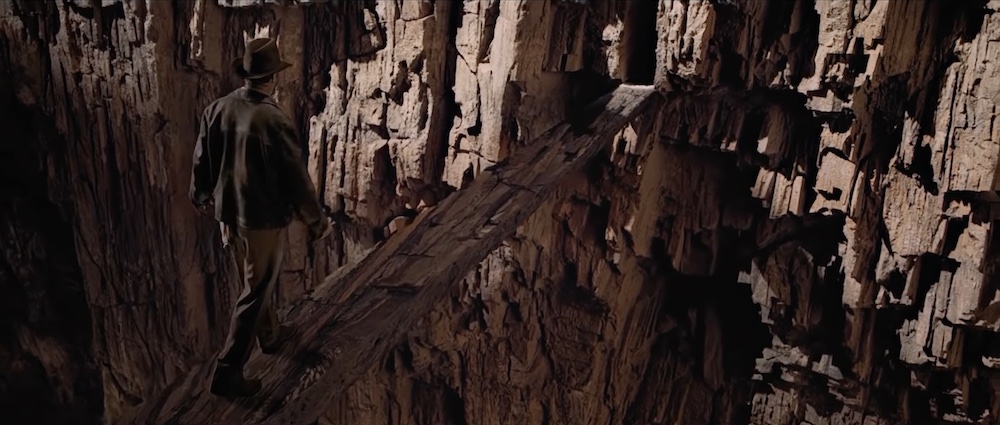
- An example is from Indiana Jones and the Last Crusade, forced perspective was employed to make it appear as though characters were walking across a perilous bridge spanning a vast chasm, despite the actual location being a smaller set piece.
Forced perspective remains a valuable tool in filmmaking, allowing filmmakers to achieve visually stunning effects while working within the constraints of their budgets and resources. Whether used to immerse audiences in magical realms, emphasize character dynamics, or evoke laughter, this camera cheat technique continues to captivate viewers worldwide.
When using forced perspective in filmmaking, there are several crucial considerations and potential pitfalls to be mindful of to achieve convincing and effective visual illusions.
Mastering in Forced Perspective
Here are some key things to be careful of when employing forced perspective:
- Proper Planning and Rehearsals: Forced perspective requires meticulous planning and thorough rehearsals. Filmmakers must precisely calculate the distance and angle between objects and actors to achieve the desired effect.
- Failing to plan and practice adequately can lead to inconsistent results and ruin the illusion.
- Ratio of Size: The ratio of the actual size of objects or characters in relation to their perceived size in the frame is critical.
- Even a slight miscalculation can break the illusion and make it obvious to the audience that forced perspective is being used.
- Camera Positioning and Angles: The position of the camera relative to the subjects is vital.
- Minor adjustments in camera angles can significantly affect the perceived size and distance, so careful attention must be paid to the camera’s placement and movements.
- Lighting and Shadows: Proper lighting is essential to maintain the illusion. Shadows must align correctly with the apparent size of the objects, ensuring consistency and realism throughout the scene.
- Interaction and Eye Lines: When characters or objects interact in a forced perspective shot, their eye lines must be carefully coordinated to appear as though they are genuinely interacting.
- Misaligned eye lines can instantly expose the illusion.
- Consistency Across Shots: In scenes with multiple shots or angles, it is crucial to maintain consistency in the forced perspective effect.
- Any discrepancies between shots can be jarring to the audience and break the illusion.
- Camera Lens Choice: The choice of camera lens can significantly impact the effectiveness of forced perspective. Wide-angle lenses tend to exaggerate the effect, while longer lenses might reduce the illusion.
- Post-Production Touch-Ups: In some cases, minor touch-ups may be required in post-production to refine the forced perspective effect and ensure seamless visual continuity.
- Audience Perception: While forced perspective can be a powerful tool, filmmakers should be cautious not to overuse it or implement it in a way that distracts the audience from the story.
- The illusion should serve the narrative, not overshadow it.
By paying close attention to these considerations and taking the time to execute forced perspective shots with precision, filmmakers can effectively utilize this camera cheat technique to create captivating visual illusions that enhance the storytelling and leave a lasting impact on the audience.
Overall, forced perspective is a powerful tool in the filmmaker’s arsenal, enhancing the storytelling experience and adding a touch of visual enchantment to the cinematic world while working within the constraints of their budgets and resources.
2 Rear Projection
Rear projection is a camera cheat technique used in filmmaking to create the illusion that actors are in a specific location or environment when, in reality, they are on a studio set.
It involves projecting pre-recorded footage or images onto a screen behind the actors during a live shoot. This technique is useful for creating the illusion that the characters are in a moving vehicle or in a different location without leaving the studio.
Rear projection is a classic camera cheat technique that was extensively used in the early days of filmmaking before green screens and digital visual effects became prevalent. While rear projection has been largely replaced by green screens, it still holds nostalgic value and can be used intentionally to achieve a vintage or retro aesthetic.
The Purpose of Rear Projection
The purpose of rear projection in filmmaking is multifaceted:
- Cost-Effective Alternative: Rear projection provided a cost-effective alternative to shooting on location, especially for scenes that required distant or challenging settings. Filmmakers could create the illusion of being in various locations without the need for expensive location scouting and costly set constructions.
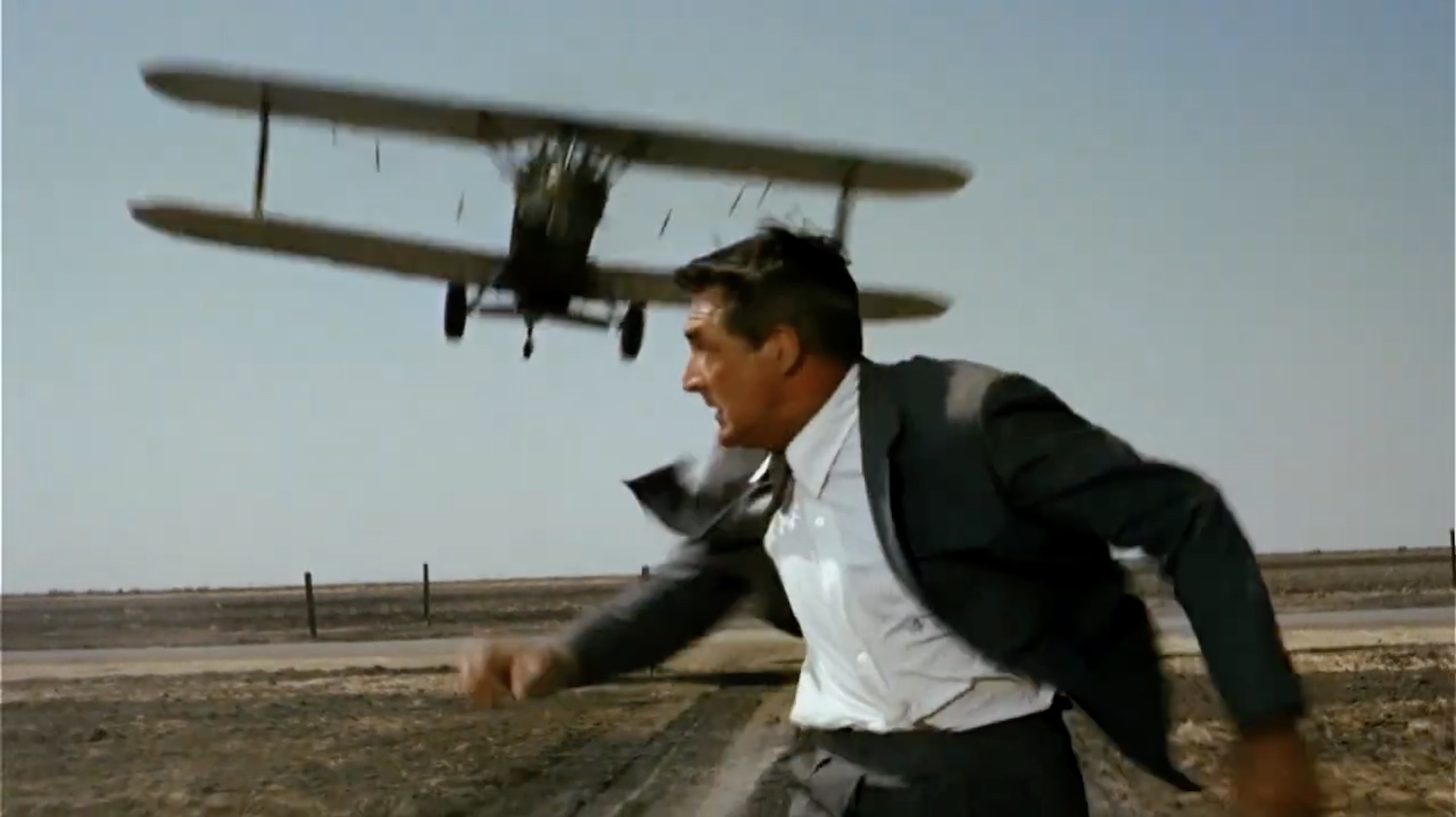
- In Alfred Hitchcock’s classic film North by Northwest, the famous crop-dusting scene was achieved using rear projection. The suspenseful sequence, set in a desolate open landscape, was shot on a studio set with the use of rear projection to create the illusion of a remote rural location. This approach saved production costs and time while delivering an iconic cinematic moment.
- Control over Visuals and Environment: Filmmakers had complete control over the projected background’s visual elements, such as lighting, weather conditions, and scenery. This level of control was especially useful for creating specific moods or atmospheres for a scene. This allowed them to tailor the environment precisely to fit the scene’s mood and narrative requirements.
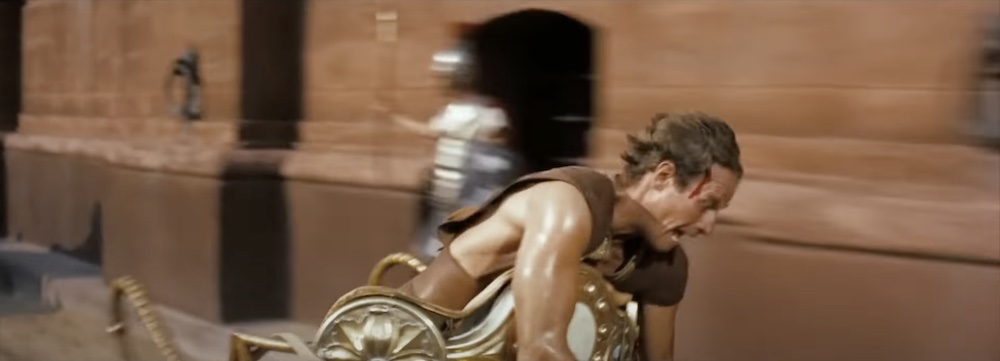
- The epic chariot race scene in Ben-Hur utilized rear projection to present the grandeur of the Roman Circus Maximus. The filmmakers were able to project images of a massive cheering crowd, which, combined with the foreground action and practical elements, created a visually stunning and realistic depiction of the ancient Roman spectacle.
- Realism in Limited Spaces: Rear projection was particularly valuable when filming in confined spaces or studio environments. It allowed filmmakers to create the illusion of vast exteriors or expansive locations without needing a vast physical set.
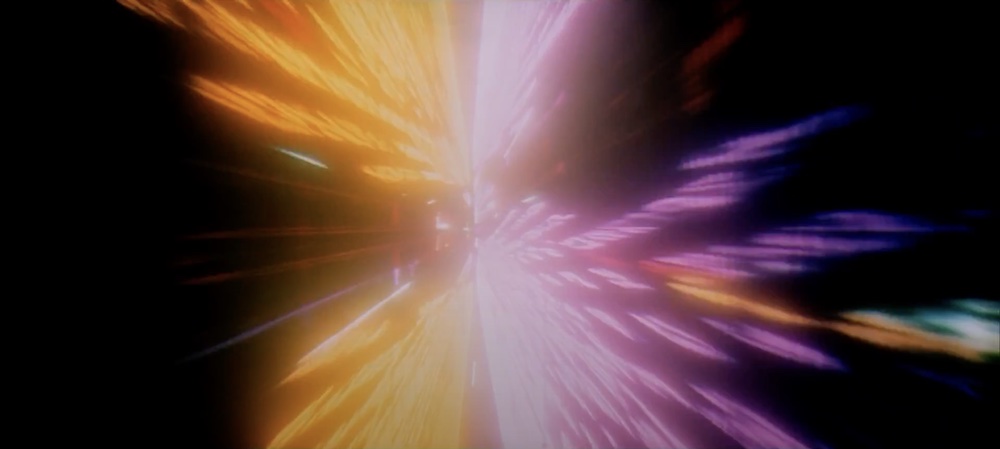
- Stanley Kubrick’s 2001: A Space Odyssey features several space travel sequences achieved through rear projection. The film’s iconic “Stargate” sequence, where the protagonist travels through a surreal and visually striking cosmic landscape, was realized using rear projection to create the illusion of vast space while filming in a controlled studio environment.
- Time Efficiency and Versatility: Rear projection reduced the time required for travel and on-location shoots, streamlining the production process and enabling filmmakers to shoot more efficiently. It allowed filmmakers to place actors in any location without the need to travel to distant places. It provided a practical solution to to focus on capturing performances and storytelling by creating scenes and focus on capturing performances and storytelling without being constrained.
- The musical film Singin’ in the Rain employed rear projection for several dance sequences set on the bustling streets of 1920s Hollywood. By using rear projection, the filmmakers achieved energetic and visually impressive dance routines without the complexities of coordinating large-scale outdoor shoots.
- Realism before CGI: Before the advent of computer-generated imagery (CGI), rear projection was one of the most advanced visual effects techniques available. It was instrumental in achieving realism in many classic films and remains a nostalgic reminder of the early days of cinema.
- King Kong is a landmark film in special effects history, using rear projection extensively to showcase the giant ape interacting with human characters in various scenes. The film’s innovative use of rear projection at the time contributed significantly to the awe and wonder it instilled in audiences, leaving a lasting impact on the history of visual storytelling.
The Process of Rear Projection
- Setting up the Studio: To use rear projection, filmmakers set up a studio space with a large screen or canvas positioned behind the actors. The screen is typically semi-transparent or made of a special material that allows projected images to pass through while still being visible from the front.
- Creating the Background Footage: Before the live shoot, filmmakers shoot the background footage that will be projected onto the screen during the scene. This footage can be anything from a moving car on a city street to a scenic landscape. The background footage needs to match the perspective and movements required for the scene.
- Actors’ Performance: During the live shoot, the actors perform their scenes in front of the rear projection screen. As they act, the previously recorded background footage is projected onto the screen behind them. This gives the illusion that they are in the location shown in the projection.
- Camera Positioning: The camera is positioned in such a way that it captures both the actors and the rear projection screen. The goal is to ensure that the projected background fits seamlessly with the actors’ movements and interactions.
- Syncing the Projection: Precise synchronization is crucial for a convincing rear projection effect. The projected footage must match the camera’s perspective and movements in real-time, so it aligns perfectly with the actors and the foreground elements.
- Lighting Considerations: Lighting plays a vital role in rear projection. Proper lighting is essential to create realistic shadows and reflections, making the actors appear as if they are genuinely part of the projected environment.
Limitations and Decline
While rear projection was widely used and innovative during its time, it did have some limitations, which contributed to its eventual decline:
- Limited Flexibility: Rear projection required careful planning and setup, making it less flexible for spontaneous changes during filming.
- Flat Look: In some cases, the projected background could appear flat and lack the depth and realism achievable through practical sets or modern CGI.
- Green Screen Advancements: The introduction of green screens and digital visual effects provided filmmakers with more versatile and realistic options for creating complex visual environments.
- Reflection and Lighting Challenges: Rear projection could sometimes cause unintended reflections or lighting issues, which required meticulous attention to detail during shooting.
In conclusion, rear projection is an important camera cheat technique in the history of filmmaking, allowing filmmakers to transport audiences to various locations and create visually compelling scenes.
When executed skillfully, rear projection could seamlessly integrate actors into the projected environment, making it difficult for the audience to distinguish between the real and projected elements.
While rear projection has declined by been largely replaced by green screen technology and advancements in digital visual effects such as CGI, rear projection remains an essential part of the evolution of visual effects in cinema and its legacy remains a testament to the resourcefulness of filmmakers throughout cinematic history.
3 Motion-Controlled Camera Movement
Motion-controlled camera movement is an advanced camera cheat technique that involves using computer-controlled robotic systems to precisely repeat camera movements for different takes.
It involves using computer-controlled robotic systems to automate the camera’s movement along a predetermined path, allowing filmmakers to recreate the same camera movement multiple times with utmost accuracy.
This level of precision is particularly valuable when dealing with complex shots that require seamless integration of live-action footage with computer-generated imagery (CGI) or other visual effects.

Applications of Motion-Controlled Camera Movement:
- Visual Effects Integration: Motion-controlled camera movement is commonly used in scenes that require complex visual effects integration. For example, in a science fiction film where actors interact with imaginary creatures or objects, motion-control allows the camera to follow precisely choreographed movements that align with the CGI elements added later.
- Example: In Avatar, motion-controlled camera movement played a crucial role in seamlessly integrating live-action footage with groundbreaking CGI. The film featured the Na’vi characters interacting with the human characters and various CGI creatures. The motion control technology allowed precise camera movements to match the CGI elements, creating a visually stunning and immersive world of Pandora.
- Seamless Match Cuts: When a scene requires a perfect match between two shots, such as seamlessly merging two different takes into one continuous shot, motion control ensures precise alignment of camera movements, resulting in a seamless match cut.
- Example: In Birdman, the film was famously shot to give the illusion of a single continuous take. Motion control camera movement was used to achieve perfect match cuts between different scenes and locations, creating a seamless flow of the narrative. The camera movements were carefully choreographed, and the cuts were concealed expertly, resulting in an impressive and immersive cinematic experience.
- Dynamic Action Sequences: Motion control is employed in action sequences where precise camera movements are essential to create dynamic and engaging visuals. It allows filmmakers to achieve intricate tracking shots and complex camera movements that add excitement and energy to the scene.
- Example: In Mad Max: Fury Road, motion-controlled camera movement was employed extensively in the film’s high-octane action sequences. The complex tracking shots during the intense car chases and action scenes were achieved using motion control technology. This allowed the filmmakers to capture the fast-paced and chaotic action with precision, creating a thrilling and visually exhilarating movie.
- Time-Lapse and Slow-Motion Shots: Motion control camera movement is instrumental in creating time-lapse and slow-motion shots. By programming the camera to move slowly and steadily over an extended period or move extremely slowly during shooting, filmmakers can capture scenes that appear to occur in fast-forward or slow-motion, enhancing the storytelling and adding visual interest to the film.
- In The Tree of Life, time-lapse shots depicting the birth of the universe. Motion control camera movement was used to capture the gradual movements of celestial bodies and cosmic events, resulting in breathtaking time-lapse sequences.
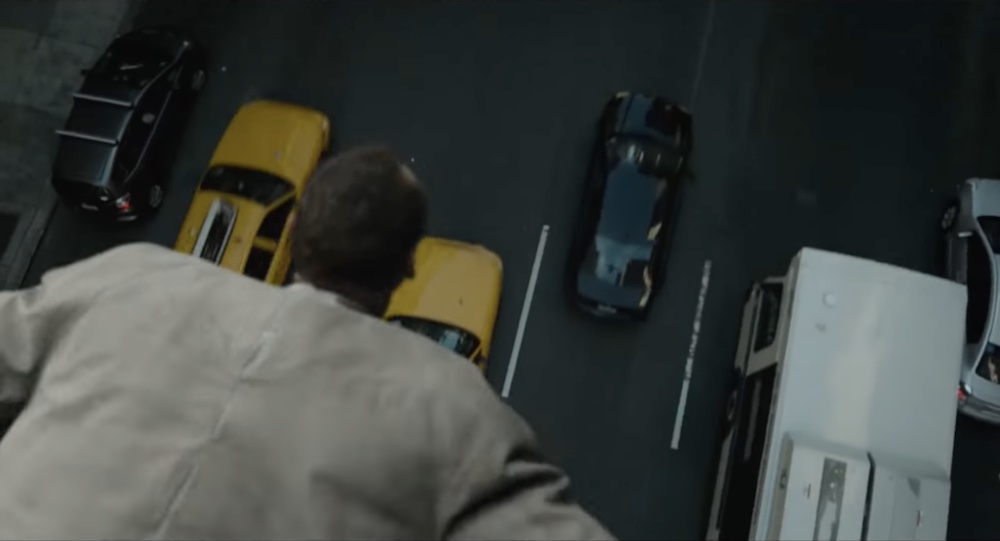
The Purpose of Motion-Controlled Camera Movement:
- Achieving Consistency: In scenes that require multiple takes, such as action sequences or complex visual effects shots, achieving consistent camera movements is crucial. Motion control camera movement ensures that each take maintains the same camera path and timing, reducing the need for extensive manual adjustments and enhancing the overall continuity of the scene.
- Recreating Realistic Camera Motion: Certain camera movements can be challenging to achieve manually repeatedly, especially when it comes to complex shots that involve coordinated camera pans, tilts and tracking movements. Motion control systems allow filmmakers to precisely recreate these camera motions without any variations between takes.
- Efficient Workflow: With motion control systems, filmmakers can save time during shooting and achieve complex shots efficiently. The ability to repeat camera movements eliminates the need for extensive retakes and allows filmmakers to focus on other aspects of the production, streamlining the overall workflow.
- Creating Impossible Camera Movements: In some cases, filmmakers may wish to achieve camera movements that are physically impossible or too dangerous for a camera operator to execute. Motion control systems offer a safe and controlled way to achieve these impossible shots, opening up new creative possibilities for storytelling.
How Motion-Controlled Camera Movement Works:
- Robotic Camera Rig: The motion control setup consists of a robotic camera rig that holds the camera securely. This rig is equipped with motors and gears that allow it to move the camera smoothly and precisely along different axes, such as pan (side-to-side), tilt (up-and-down) and zoom.
- Computer Programming: Before shooting, the camera movement is carefully planned and programmed into a computer. Filmmakers can use specialized software to create a motion path that specifies the camera’s exact movements, speed, and timing. This process ensures that the camera follows the same path and repeats the motion consistently for each take.
- Repeatability and Precision: The key advantage of motion control camera movement is its ability to replicate camera movements with incredible precision. This is especially crucial in visual effects-heavy scenes where live-action elements need to match seamlessly with CGI or other elements added in post-production.
- Time-Saving and Efficiency: By automating camera movements, motion control technology saves time and increases efficiency on set. Instead of manually repositioning the camera for each take, filmmakers can rely on the pre-programmed motion, which helps maintain continuity and reduces the risk of human error.
Advantages and Limitations:
Advantages
- Precise and repeatable camera movements.
- Seamless integration of live-action footage with visual effects.
- Time-saving and increased efficiency on set.
- Perfect match cuts for continuity.
Limitations
- High cost: Motion-control equipment can be expensive to rent or purchase.
- Technical expertise required: Operating motion control systems and programming camera movements requires skilled technicians.
- Restricted mobility: The size and complexity of motion control rigs may limit their use in certain shooting locations or setups.
Despite its limitations, motion-controlled camera movement remains a valuable tool in the filmmaker’s arsenal. When used judiciously, it enables filmmakers to push the boundaries of visual storytelling, creating captivating and immersive cinematic experiences for audiences worldwide.
By programming the camera’s movement path, speed and timing, filmmakers can achieve complex and seamless camera motions, such as elaborate pans, tilts and tracking shots. This level of control enables the integration of live-action footage with computer-generated imagery (CGI) more effectively, resulting in a more convincing and immersive visual experience.
The addition of motion-controlled camera movement to the repertoire of camera cheat techniques further expands the filmmaker’s toolkit for creating captivating visual stories.
Each technique discussed, whether it’s forced perspective, rear projection or motion-controlled camera movement are not merely shortcuts or deceits; they are creative tools that allow filmmakers to transcend the limitations of reality and craft compelling narratives that engage and captivate audiences worldwide.
As technology continues to advance, so too will the possibilities for innovative camera cheat techniques, enabling filmmakers to push the boundaries of visual storytelling and create cinematic experiences that leave a lasting impact on the audience.
Hope you found these camera cheat techniques interesting. If there’s anything more to it, let me know in the comments.
