
Multi-camera filmmaking is a production technique that involves using multiple cameras to simultaneously capture a scene or performance from different angles.
Unlike traditional single-camera setups, where scenes are shot one angle at a time and then edited together, multi-camera setups enable filmmakers to capture a dynamic and continuous performance with multiple viewpoints. This technique is widely used in filmmaking and various forms of media production such as television broadcasts, concerts, talk shows and scripted dramas.

Multi-camera filmmaking offers numerous benefits, but it also presents its fair share of challenges and considerations that filmmakers must address to ensure a successful production.
To know how to film a scene with one camera, check this link:
From technical intricacies to creative decision-making, here’s a detailed exploration of three challenges and considerations that can come with this technique of multi-camera setup:

1 Camera Placement and Setup
Achieving a coherent and visually engaging multi-camera production requires careful planning of camera placement and framing. Each camera needs to capture a distinct and complementary angle that contributes to the overall narrative.
However, the challenge lies in finding the right balance between capturing unique perspectives and maintaining visual consistency.
Camera placement affects the composition, coverage and the right impact of the shot. The director and cinematographers must work together to determine the most effective camera positions for each scene.
Considerations also include the distance from the subject, the angle of the shot and how each camera angle contributes to the narrative. Achieving a balance between variety and consistency is crucial to avoid jarring transitions between camera angles.
2 Lighting and Color Consistency
Maintaining consistent lighting and color across multiple cameras is essential for achieving a cohesive look in the final edit. Inconsistent lighting can lead to abrupt changes in color temperature and exposure when switching between angles, creating distractions for the audience.
Therefore, meticulous planning of lighting setups is imperative to ensure uniform illumination across all camera angles.
Achieving color consistency involves careful white balance adjustments and color grading during both filming and post-production.
Cinematographers and lighting technicians must work closely to ensure that lighting conditions are consistent and that color temperatures match across all cameras.
Post-production color grading further refines the color balance, helping to create a balanced overall visuals.
3 Sound Capture and Synchronization
Multi-camera productions often involve capturing sound from multiple sources simultaneously. Ensuring proper audio synchronization is crucial to avoid audio discrepancies when switching between camera angles.
Mismatched audio can lead to disorienting shifts in sound quality, damaging the overall viewing experience.
To address this challenge, filmmakers use techniques like clapperboards, timecode synchronization or audio cues to align audio tracks from different cameras.
During post-production, dedicated software tools are employed to precisely synchronize audio tracks, ensuring that dialogue and ambient sound remain consistent throughout the scene.
Directing a multi-camera shoot requires effective communication and coordination among various crew members. Unlike single-camera setups, where the director focuses on one camera’s viewpoint at a time, multi-camera directors need to manage multiple angles simultaneously. This involves making real-time decisions about which camera angle best captures the emotional beats and important moments of the scene.
To Overcome
To overcome these challenges, clear communication is essential to ensure that everyone is on the same page regarding camera movements, actor blocking and timing.
The entire crew, including camera operators, lighting technicians, sound engineers and actors, typically gather for briefings to ensure that everyone understands their roles and the shooting plan.
The director must communicate their vision and quick and decisive decision-making is crucial in capturing the right moments from multiple angles without disrupting the flow of the scene.
Overall, addressing these challenges and considerations demands a blend of technical expertise, creative vision and effective communication. Successfully navigating these aspects is essential to harness the benefits of multi-camera filmmaking and deliver a captivating and seamless viewing experience for audiences.
However, it’s important to remember that behind these challenges lie an array of remarkable advantages that have solidified multi-camera setups as a popular and enduring technique.
These advantages not only address the logistical hurdles but also offer an array of creative and practical benefits that contribute to the technique’s widespread use. In the following section, we will illuminate the rewards and opportunities that await filmmakers who harness the power of multi-camera setups.

The Advantages of Multi-Camera Filmmaking
Multi-camera setups, while presenting their own set of challenges, offer a treasure trove of creative and practical advantages in filmmaking.
Multi-camera approach offers several distinct advantages that set it apart from traditional single-camera setups.
In this section, we explore how multi-camera setups empower filmmakers to tap into their creative potential, enrich storytelling and elevate the impact of their productions, making it a versatile and valuable technique across a range of genres and formats.
1 Efficiency and Time Savings
One of the primary advantages of multi-camera filmmaking is its efficiency and time-saving nature.
In a traditional single-camera setup, scenes need to be shot multiple times from different angles, often requiring time-consuming resets and adjustments such as adjusting lighting, camera positioning and actor placement. This can be time-consuming and may lead to actors losing their momentum or forgetting their lines between takes.
Multi-camera setups eliminate the need for repeated takes and extensive resets. Since multiple cameras capture the scene simultaneously from various angles, actors can perform the scene continuously without interruptions.
This not only preserves the flow of the performance but also saves valuable production time. It’s particularly beneficial for capturing live events, where spontaneity and real-time reactions are essential.
2 Minimizing Retakes
By minimizing the need for retakes through a multi-camera setup, filmmakers can create a more comfortable and productive environment for their subjects, resulting in more genuine and relaxed performances
With animals and children, retakes can be challenging due to their unpredictable behavior. Multi-camera setups increase the likelihood of capturing the desired moments on the first take, reducing the need for repeated efforts.
The classic animal-centered film Babe relied on multiple cameras to capture the expressive interactions between the young pig and other animals.
By capturing multiple angles and perspectives in a single take, filmmakers can reduce the need for repetitive shooting, optimize the use of time and create a more conducive and less stressful environment for their subjects.
3 Continuity
With multiple cameras capturing a scene from various angles simultaneously, filmmakers can ensure that each camera records the same performance and action from different perspectives.
This minimizes the risk of discrepancies in the performances or the appearance of actors between shots.
Also, during conversations or dialogue scenes, multi-camera setups can capture both sides of the conversation without cutting. This ensures that reactions, facial expressions and delivery remain consistent throughout the scene, enhancing the overall believability.
In single-camera setups, if a particular shot has an issue, the entire scene might need to be retaken. With multi-camera setups, if one camera angle encounters a problem, the other angles can potentially still be used, reducing the need for complete retakes and maintaining the flow of the scene.
4 Capturing Complex Scenes
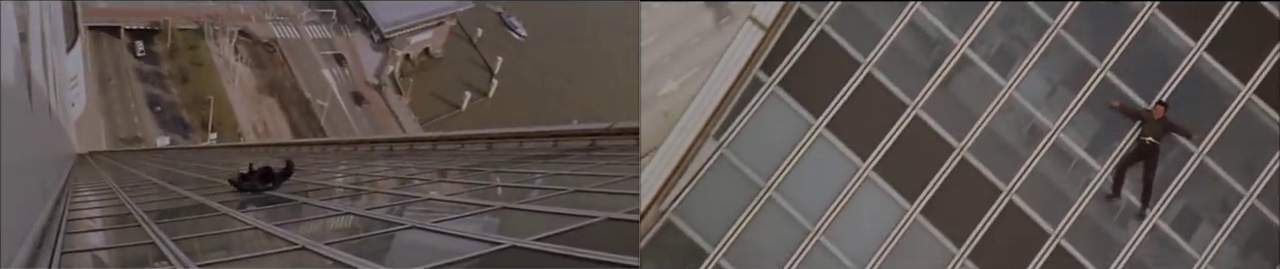
In scenes involving intricate choreography, stunts or action sequences, multi-camera setups ensure that no crucial moment is missed. The stunts performed by Jackie Chan in his films, renowned for their complexity and realism, are often captured using multiple cameras to preserve every detail.
Having multiple cameras provides a safety net. If something goes wrong in one take, other cameras might still capture the intended shot from different angles.
This approach enhances safety and reduces the need for actors or stunt performers to repeat risky actions excessively.
5 Enhancing Editing Flexibility
During post-production, multi-camera setups provide editors with a wealth of footage to work with as the versatility of multi-camera setups significantly enhances editing flexibility during post-production.
Traditional single-camera shoots involve carefully choreographed camera movements and precise shot selection. However, these setups limit the range of available shots during editing.
Having multiple camera angles to choose from can allow for a seamless editing. Editors can switch between angles, choose the best reactions and create a visually engaging final product with a wealth of footage from various camera angles.
Editors can seamlessly transit between different angles to maintain the rhythm and momentum of a scene. This is especially valuable in scenes dominated by dialogue-heavy scenes.
In conclusion, the advantages of multi-camera filmmaking lie in its efficiency, ability to capture complex performances and the flexibility it offers during the post-production editing process.
These benefits have made multi-camera setups a popular choice across various genres, from live events to scripted dramas, contributing to the creation of visually engaging and emotionally resonant content.
Let’s explore some of the disadvantages of multi-camera filmmaking.
The Disadvantages of Multi-Camera Filmmaking
While Multi-camera filmmaking offers numerous advantages, it’s important to acknowledge that this approach is not without its disadvantages.
These drawbacks can impact various aspects of the production process, from creative considerations to technical challenges.
1 Limited Control Over Visual Aesthetics
Multi-camera setups are often associated with television productions, live events and certain genres like sitcoms. While they excel in capturing dynamic performances, they might not always provide the same cinematic look and feel as traditional single-camera setups.
Directors and cinematographers have less control over the visual style and look of individual shots in a multi-camera setup.
Cinematographers might find their creative choices constrained by the need to capture all angles simultaneously, potentially limiting their ability to experiment with composition, lighting and camera movement.
Also the coordination required to ensure all cameras are capturing the right moments without obstructing each other’s views can be a logistical challenge. This complexity can slow down production and increase the risk of technical errors. This can lead to a more standardized visual style that might not be suitable for every narrative or artistic vision.
2 Budget Considerations
Budget considerations are a critical aspect of any filmmaking project and they become especially important in the context of multi-camera filmmaking, which often involves higher equipment and labor costs.
Here’s the two main budget considerations for multi-camera setup:
Equipment Costs and Crew Expenses
Multi-camera setups often require multiple cameras, lenses, tripods, lighting equipment switchers and audio gear. The cost of these items can add up significantly, especially when working with high-quality cameras and accessories.
A multi-camera shoot typically requires a larger crew, including camera operators, lighting technicians, sound engineers and more. This means increased labor costs compared to smaller, single-camera productions.
Storage and Data Management
Multi-camera setups generate a large volume of footage, so ample storage solutions, such as high-capacity hard drives or RAID arrays, are necessary, which can contribute to the overall budget. Efficient data management, including backup solutions, adds to these costs.
This includes items like memory cards, batteries, cables and more, which can add up.
In summary, multi-camera filmmaking can be costlier than single-camera setups due to the need for multiple cameras, equipment and a larger crew. Careful budget planning is essential to ensure that you have the resources to execute your multi-camera project effectively while managing costs within your means.
3 Setup Time
Setup time in the context of multi-camera filmmaking refers to the duration required to prepare the equipment, set up the shooting environment and ensure that all technical aspects are in place before actual filming begins. This phase is critical in ensuring a smooth and efficient multi-camera production
Cameras are often mounted on tripods or specialized rigs. Setting up and securely mounting each camera can be time-consuming, particularly if the equipment needs to be repositioned for various shots.
Setting up multiple cameras with consistent settings for resolution, frame rate, shutter speed and color balance can be time-consuming, especially if adjustments need to be made across different camera models.
Coordinating lighting setups for multiple camera angles to achieve consistent and high-quality illumination takes time and expertise.
Also, actors’ movements, camera positions and blocking need to be carefully planned and rehearsed to ensure smooth transitions between angles. This can extend pre-production and setup time.
Testing audio synchronization, camera feeds and switcher functionality requires time to ensure everything is working as intended.
The director and technical director often oversee this setup.
Multi-camera filmmaking comes with its own set of disadvantages that filmmakers need to carefully consider before opting for this approach. While it offers efficiency and dynamic performance capture, it might not align with the creative vision or technical requirements of every production.
While multi-camera setups are well-suited for certain genres like sitcoms, live events and talk shows, they might not be suitable for all types of content. Dramatic narratives that require intimate character exploration, intricate camera movements or a specific visual mood might not benefit from the standardized approach of multi-camera filming.
Ultimately, the decision to employ multi-camera setups should align with the project’s creative vision and budget constraints. When used judiciously and with careful planning, multi-camera setups can significantly elevate the quality of a production, delivering engaging and stunning results.
That’s it! Hope you found the world of multi-camera setups worth learning. If you’re hungry for more cinematic knowledge or have any burning questions, feel free to drop them in the comments.
