

Fight scenes have been a staple of storytelling since the dawn of cinema from the early silent film like the The Great Train Robbery which has set the stage for the future of action on the silver screen.
These early fights served as a form of entertainment, captivating audiences with intense choreography, dramatic tension and raw physicality, drawing the audiences to cinemas and paving the way for the development of the “Action” genre we know today.
Fight scenes are not merely about physical conflict; they are also powerful tools for building dramatic tension. Tension arises from the clash of characters’ motivations, the stakes of the fight and the uncertainty of the outcome.

Filmmakers use this tension to keep audiences on the edge of their seats, invested in the characters and their struggles. Whether it’s a hero facing an overwhelming adversary or a climactic showdown between rivals, the dramatic tension in fight scenes is what makes them so emotionally charged and memorable.
To know the types of shots used in Dialogue Scenes, check this link below:
To create memorable fight scenes, filmmakers employ a wide array of camera shots and techniques that heighten the excitement and immerse viewers in the action.. They’ve recognized that the success of a fight scene hinges not only on the performers but also on the way it is captured on camera.
Camera shots and techniques are the tools that allow directors and cinematographers to shape the narrative, intensify the action and convey the emotions of the characters.
We will delve into the various types of shots used in fight scenes, exploring their purposes, effects and the creative choices behind them.
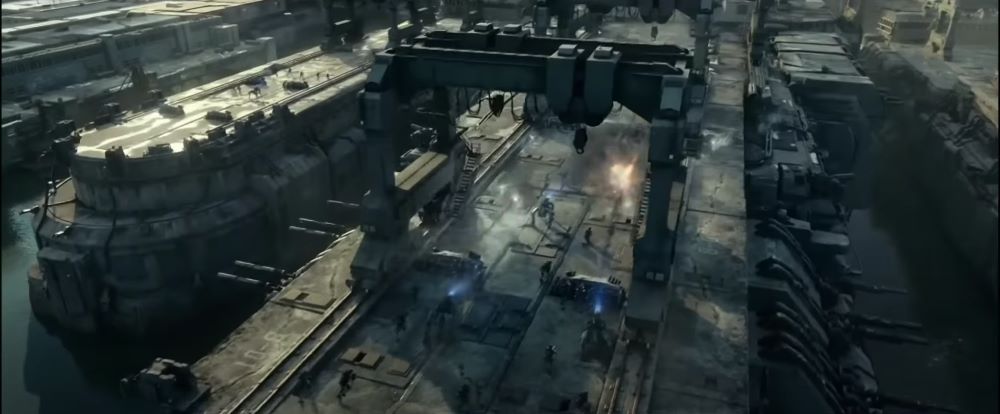
1 Establishing Shot
The establishing shot is a fundamental cinematic tool that serves as the foundation for any fight scene. As the initial visual entry point for the audience, it plays a pivotal role in introducing the viewer to the upcoming battle.
The establishing shot serves as a visual anchor, answering essential questions such as “Where are we?” and “Who is involved?”. Moreover, it sets the tone and anticipation for the impending conflict, creating a sense of excitement and intrigue.
a. Wide Angle Establishing Shot
The Wide Angle Establishing Shot is a classic choice for setting the stage in a fight scene. This shot employs a wide-angle lens to capture a broad view of the location and the characters involved.
Here’s why it’s a crucial element in fight scene cinematography:
Emphasizing Scope
By showcasing the entire battlefield and all the characters, the wide angle shot underscores the vastness of the impending conflict. This can be particularly effective in battles with multiple combatants or large-scale confrontations.
Visual Clarity
The wide angle allows for clear visibility of the surroundings, ensuring that the audience comprehends the spatial relationships between various elements in the scene. This clarity is vital for tracking the progress of the fight.
Creating Immersion
Wide angle establishing shots can make viewers feel like active observers, immersing them in the fight’s setting and enabling them to appreciate the choreography and tactics at play.
Building Suspense
The grandeur of the wide angle shot can also heighten anticipation. When viewers see the vastness of the battlefield, they may wonder how the fighters will navigate it and what strategies they will employ.
b. Aerial Establishing Shot
In some cases, filmmakers opt for an even more dramatic approach by utilizing an Aerial Establishing Shot. This technique involves the use of drones, helicopters or cranes to capture the entire battleground from an elevated perspective.
Here’s why filmmakers choose this technique:
Unique Perspective
An aerial shot provides a truly unique vantage point that is unattainable through traditional means. It offers viewers a bird’s-eye view, allowing them to see the entire fight scene layout from above.
Sense of Scale
Aerial establishing shots excel at conveying the grand scale of the confrontation. They emphasize the vastness of the terrain and the multitude of characters involved, instilling a sense of awe and spectacle.
Spatial Clarity
Similar to the wide angle shot, the aerial shot ensures that viewers have a clear understanding of the physical layout of the scene. This perspective can be particularly beneficial when the setting is complex or multifaceted.
Conclusion
Let’s delve into the purpose, effects and creative choices behind the establishing shot:
- Purpose: Establishing shots serve to orient the audience within the scene, providing context for where the fight is taking place. They set the stage and convey the overall environment.
- Effects: Establishing shots create a sense of scale and scope, helping the audience understand the geography of the fight. They can evoke anticipation and excitement by revealing the battleground.
- Creative Choices: Filmmakers can choose to use a wide-angle establishing shot to emphasize the grandeur of the location or an aerial shot for a unique perspective.
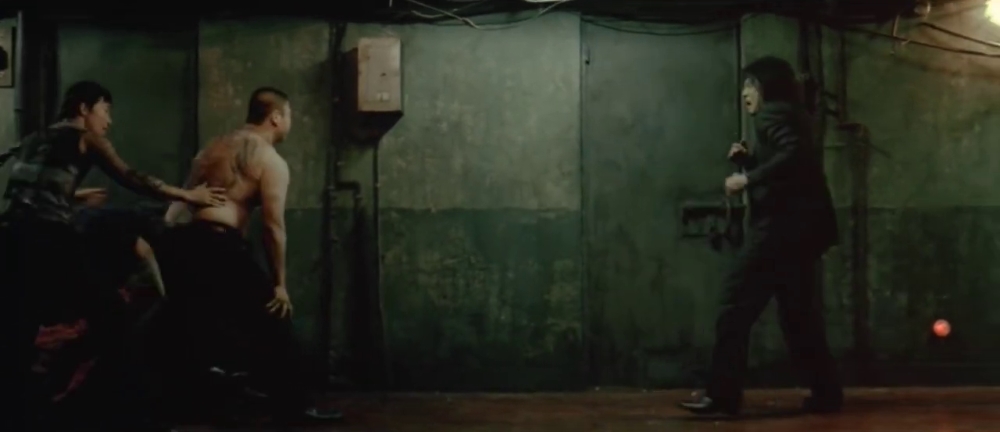
2 Long Shot
The long shot, also commonly referred to as a wide shot, is a cinematic technique that frames the entire body of the fighters within the frame. This shot is an essential tool in the filmmaker’s arsenal when it comes to capturing fight scenes, as it serves various crucial purposes in enhancing the viewer’s experience and understanding of the action on screen.
a. Full-Body Long Shot
The full-body long shot is a classic composition that captures the fighters from head to toe, providing a comprehensive view of their actions within the scene.
This particular type of long shot is often used to showcase the fighters’ techniques, their physical prowess and the spatial relationships between them.
Here’s why the full-body long shot is so effective in fight scenes:
Technique Display
By framing the entire bodies of the fighters, this shot allows the audience to witness the full range of techniques being employed. Whether it’s martial arts, hand-to-hand combat or any other fighting style, viewers can appreciate the skill and precision of the combatants.
Spatial Awareness
Fight scenes often involve intricate choreography and positioning. The full-body long shot provides a clear view of where each fighter is positioned in relation to the other, helping viewers understand the strategic elements of the battle.
Conclusion
Let’s delve into the purpose, effects and creative choices behind the long shot:
- Purpose: Long shots capture the entire body of the fighters, emphasizing their movements, tactics and interactions with the environment.
- Effects: Long shots allow the audience to appreciate the choreography and physicality of the fight. They provide a holistic view of the combatants’ positions.
- Creative Choices: Directors can opt for a full-body long shot for clarity to add dynamism and energy to the scene.

3 Medium Shot
The medium shot is a versatile camera framing technique that plays a significant role in fight scenes by providing viewers with a closer connection to the characters and their emotional states.
By framing the fighters from the waist up, it highlights their upper body movements, facial expressions and reactions, allowing the audience to better understand the characters’ emotions and intentions during the fight.
a. Basic Medium Shot
Fight scenes often involve fast-paced choreography and intricate movements. The medium shot ia wide enough to capture the action but also allows for a clear view of the characters’ upper body movements and reactions.
Here’s a deeper look into how it enhances the cinematic experience:
Highlighting Physicality and Techniques
In a medium shot, the fighters’ upper bodies are prominently displayed, making it an excellent choice for showcasing the physicality of the combatants. Viewers can see the fighters’ muscles tense, their fists fly and their bodies contort in response to the action.
Facial Expressions
One of the most compelling aspects of the medium shot is its ability to capture the fighters’ facial expressions. During a fight, emotions such as determination, fear, anger and pain are often etched onto the combatants’ faces.
These emotions humanize the characters and make the audience empathize with their struggles. Whether it’s a determined glare, a wince of pain or a triumphant grin, the medium shot puts these emotions front and center, deepening the audience’s connection to the characters.
b. Over-The-Shoulder Shot
An intriguing variation of the medium shot is the over-the-shoulder shot. In this setup, the camera is placed behind one of the fighters, offering a unique perspective that immerses viewers even further into the fight:
Viewer as the Fighter
Placing the camera over the shoulder of a fighter essentially puts the audience in their shoes. It provides a first-person perspective, allowing viewers to experience the fight as if they were one of the combatants.
This can be especially effective in conveying the intensity and immediacy of the battle, making the audience feel like an active participant in the action.
c. Two-Shot
In contrast to the over-the-shoulder shot’s focus on a single character, the two-shot frames both fighters together in the same frame:
Interpersonal Dynamics
The two-shot is an invaluable tool for showcasing the emotional intensity and interpersonal dynamics between the characters involved in the fight. By framing both fighters within the same shot, filmmakers emphasize their proximity and connection, whether it’s a rivalry, a bond or a conflict.
Balance of Power
The positioning and body language of the fighters in a two-shot can convey a lot about the balance of power in the fight. It might show one fighter dominating the frame, asserting control or it could depict a more balanced and evenly matched confrontation. These visual cues add depth to the storytelling, helping the audience understand the evolving dynamics of the fight.
Conclusion
Let’s delve into the purpose, effects and creative choices behind the medium shot:
- Purpose: Medium shots frame the fighters from the waist up, highlighting their upper body movements, expressions and reactions.
- Effects: Medium shots enable viewers to connect with the characters emotionally by showing their facial expressions. They also maintain focus on the characters while still providing a sense of the fight’s dynamics.
- Creative Choices: Over-the-shoulder shots can immerse the audience in a character’s perspective, while two-shots emphasize the relationship between the fighters.
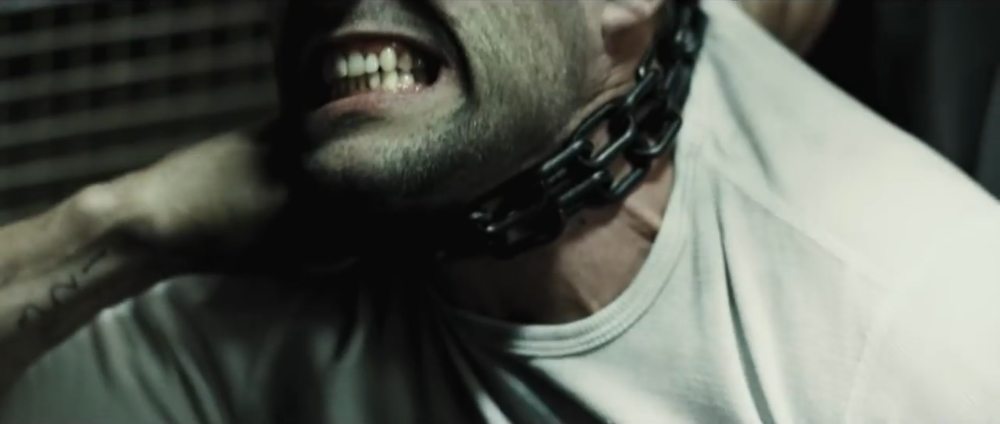
4 Close-Up Shot
The close-up shot is a powerful cinematic technique that immerses the audience in the emotional and physical intensity of a fight scene by zooming in on a specific part of the body, often the face or hands. In doing so, it serves to emphasize emotions, tension and critical moments that are crucial for understanding the dynamics of the combatants and the stakes of the conflict.
a. Face Close-Up
Capturing the fighters’ facial expressions through close-up shots is a fundamental tool in conveying their emotions and thoughts during a fight. Here’s how this technique contributes to the overall impact of a fight scene:
Emotional Depth
The face close-up allows the audience to see every nuance of the fighters’ emotions. Whether it’s a grimace of pain, a look of determination or a flicker of fear, these subtle expressions add depth to the characters and help the viewers connect with their struggles on a personal level.
Character Development
Face close-ups provide an opportunity to showcase character development within the context of the fight. For example, a character’s expression may evolve from fear to determination as they gain confidence or face adversity. These changes help to communicate the character’s journey and growth throughout the film.
Storytelling
Close-ups of the face can convey vital information about the story. For instance, a sly smile from a villain may indicate their confidence or reveal a hidden plan, while a tear in the eye of a hero can evoke sympathy and highlight their vulnerability.
Suspense and Foreshadowing
Close-ups can also be used to build suspense and foreshadow key moments in the fight. A close-up of a fighter’s focused eyes before a critical move can hint at their impending success or failure.
b. Hand Close-Up
Focusing on the hands of the combatants in a fight scene is an effective way to draw attention to the technical and physical aspects of the battle. Here’s why hand close-ups are essential in showcasing the intricacies of combat:
Skill and Technique
Combatants in a fight scene often have distinct fighting styles and techniques. By zooming in on their hands, the audience can witness the precision and skill with which they execute their moves. Whether it’s a martial artist’s precise strikes or a boxer’s nimble footwork, hand close-ups emphasize the artistry of combat.
Physicality
The physicality of a fight is vividly portrayed through hand close-ups. Sweating palms, clenched fists and the impact of blows are all magnified, allowing the audience to feel the intensity and physical strain of the battle.
Tension and Timing
Hand close-ups are crucial for highlighting the timing and choreography of the fight. Viewers can observe the split-second decisions made by the combatants as they block, parry or counter each other’s moves, creating a sense of tension and anticipation.
Weaponry
In fights involving weapons, hand close-ups are particularly important. They enable the audience to see the details of weapon handling, such as the grip, stance and the moment of impact, which enhances the realism and excitement of the battle.
Character Distinction
The hands can also reveal character traits and personality. A fighter’s hand trembling with fear, steady with confidence or scarred from past battles can provide insights into their backstory and motivations.
Conclusion
Let’s delve into the purpose, effects and creative choices behind the close-up shot:
- Purpose: Close-up shots zoom in on specific body parts (often the face or hands) to emphasize emotions, tension or key moments during the fight.
- Effects: Close-ups intensify the audience’s connection with the characters by showing their facial expressions and hand movements. They can heighten the emotional impact of pivotal moments.
- Creative Choices: A face close-up can reveal a character’s determination or fear, while a hand close-up can showcase the skill and physicality of the fight. Directors use close-ups strategically for maximum impact.
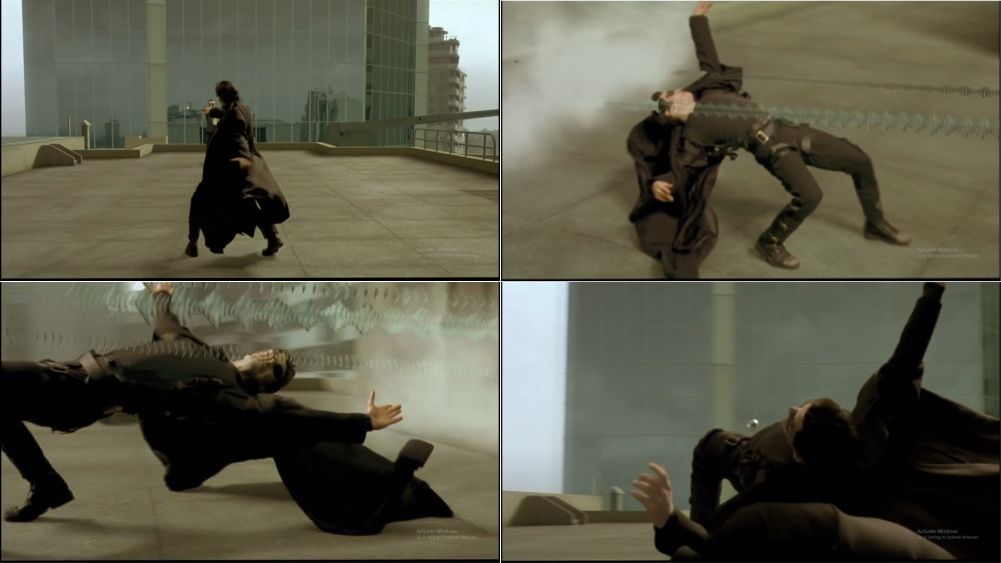
5 Slow-Motion Shot
The slow-motion shots are a powerful cinematic tool that can profoundly impact the way audiences perceive and engage with fight scenes. By reducing the speed of motion, filmmakers elongate specific moments, allowing viewers to delve deeper into the nuances of the action, the emotions of the characters and the underlying physics of the fight. This technique not only serves practical purposes but also contributes to the emotional dimensions of a scene.
a. Bullet-Time Effect
The Bullet-Time or Freeze effect is a technical marvel achieved through an array of cameras placed strategically around the action. These cameras capture the same moment from different angles and perspectives, often in a 360-degree arc around the characters, allowing the director to create a seamless, slow-motion sequence.
As a result, viewers can observe every detail, every ripple of clothing, every bead of sweat and every movement of the fighters with a level of clarity and precision that would be impossible in real-time. One of the most iconic uses of slow-motion in fight scenes is the “Bullet-Time” effect, famously popularized by The Matrix.
This technique serves several purposes:
Showcasing Skill
Slow-motion allows viewers to appreciate the skill and precision of the performers and the choreography. It highlights the effort and expertise that go into crafting convincing fight sequences.
Emotional Impact
By stretching out crucial moments, the Bullet-Time effect amplifies the emotional impact of the scene. Whether it’s the hero narrowly avoiding a fatal blow or the villain’s expression of shock and defeat, these emotions are magnified, intensifying the connection between the audience and the characters.
b. Dramatic Impact
In addition to the visually stunning Bullet-Time effect, slow-motion shots can be used more broadly to emphasize the gravity of a situation. This technique is not limited to complex multi-camera setups but can be achieved through simple camera settings and post-production editing.
When applied for dramatic impact:
Heightened Suspense
Slowing down a fight scene can build suspense and tension, making viewers acutely aware of each character’s choices and movements. This technique creates anticipation and draws the audience deeper into the narrative.
Intense Moments
Slow-motion is often used during pivotal moments in a fight, such as a climactic clash of swords, a critical decision or a decisive strike. By elongating these moments, filmmakers invite viewers to savor the intensity and significance of each action.
Artistic Expression
Directors frequently use slow-motion as a creative tool to evoke a particular mood or atmosphere. By manipulating time, they can imbue fight scenes with a dreamlike quality, enhance the emotional resonance or underscore the thematic elements of the story.
Conclusion
Let’s delve into the purpose, effects and creative choices behind the slow-motion shot:
- Purpose: Slow-motion shots elongate specific moments in the fight, emphasizing details, emotions and the physics of the action.
- Effects: Slow-motion shots allow viewers to savor critical moments, appreciate intricate movements and intensify the emotional impact of the fight.
- Creative Choices: Directors use slow motion for dramatic flair, such as showcasing a character’s heroic leap or the devastation of a blow. It’s a tool to heighten the visual and emotional impact of the scene.

6 Cutaway Shot
The cutaway shot is a brief, non-linear shot that temporarily diverts the viewer’s attention away from the main action to provide additional information or reactions.
This interruption serves to enrich the audience’s understanding of the unfolding fight and can be applied in various ways, two of which are:
a. Weapon Close-Up
Weapon-based fights are a common trope in action cinema. Whether it’s a sword fight, gun battle or hand-to-hand combat with improvised weapons, the choice and utilization of weaponry can be a significant aspect of the narrative. In such instances, the weapon close-up cutaway shot becomes a valuable cinematic technique.
Highlighting Significance
The weapon close-up shot is often used to emphasize the importance or symbolic value of a particular weapon. For instance, if a character wields a legendary sword, the weapon itself becomes a character in the story and the close-up shot reinforces its role.
Character Proficiency
Beyond emphasizing the weapon’s significance, these cutaways can also showcase the character’s proficiency with it. When viewers see the fighter’s hands expertly handling the weapon or their eyes locking onto a target, it conveys the character’s skill and experience.
Foreshadowing
A weapon close-up can serve as foreshadowing, hinting at its future role in the fight. This can create a sense of anticipation and suspense, as viewers wonder when and how the weapon will come into play.

b. Environmental Cutaway
Fight scenes don’t occur in a vacuum; they unfold in specific settings or environments that can influence the dynamics of the battle. Environmental cutaway shots momentarily shift the audience’s focus to elements in the surroundings that become essential to the fight.
Obstacles and Hazards
Environmental cutaways can draw attention to obstacles or hazards in the environment that will affect the fight. This could include a slippery floor, a staircase or a pile of debris. By highlighting these elements, filmmakers inform the audience of potential dangers and set up expectations for how they might come into play.
Spatial Awareness
In larger-scale fights or battles, environmental cutaways can provide a sense of the spatial layout. By briefly showing the layout of the area, viewers can better understand the positioning of the characters and anticipate how they will move within the space.
Atmosphere and Mood
Environmental cutaways can also contribute to the atmosphere and mood of the scene. For instance, a shot of rain pouring down during a fight can add a sense of urgency and drama, while a shot of a flickering light can create a more ominous tone.
Conclusion
Let’s delve into the purpose, effects and creative choices behind the cutaway shot:
- Purpose: Cutaway shots briefly interrupt the main fight sequence to provide additional context, reactions or details.
- Effects: Cutaway shots can offer insight into the environment, weapons or the reactions of other characters, enriching the storytelling and maintaining continuity.
- Creative Choices: Filmmakers decide when to insert cutaway shots strategically. A cutaway to a weapon close-up, for example, can foreshadow its use in the fight, adding suspense and depth.

7 Tracking Shot
Tracking shots involves moving the camera to follow the action within a scene. They allow viewers to feel as though they are right in the midst of the action, moving alongside the fighters as they engage in combat.
a. Sideways Tracking
Sideways tracking involves moving the camera parallel to the fighters as they engage in combat. This technique is often used to highlight the agility and movement of the characters within the scene. Here’s how it works:
Emphasizing Agility
When the camera tracks sideways, it can capture the fighters’ lateral movements, such as sidesteps, quick dodges and agile footwork. These movements are essential in martial arts and close combat and the sideways tracking shot allows the audience to believe the fighters’ skills and agility.
Highlighting Choreography
Fight choreography is a crucial aspect of any well-executed fight scene. Sideways tracking shots provide an excellent opportunity to showcase the intricate choreography and coordination between the fighters. Viewers can see how the combatants work together to create visually impressive sequences.
Audience Involvement
Sideways tracking shots can make the audience feel like they are right there with the fighters, moving alongside them. This immersive quality can enhance the emotional impact of the fight, making viewers more invested in the outcome.
b. Circular Tracking
Circular tracking involves moving the camera in a circular path around the fighters. This technique is particularly effective for emphasizing spatial awareness and the continuous nature of a fight. Here’s a closer look:
Spatial Awareness
Circular tracking shots allow the audience to see the entire fight from various angles. This not only showcases the combatants but also provides a clear view of their surroundings. It highlights their spatial awareness, as they adapt to their environment while engaging in combat.
Continuous Action
The circular tracking shot creates a sense of continuity within the fight. It can convey that the fight is a continuous struggle without breaks or pauses. This is especially effective in fights where the combatants are evenly matched and the action is relentless.
Intensity and Tension
Circular tracking shots can heighten the tension and intensity of a fight. The constant movement of the camera mirrors the dynamic nature of the combat and viewers may feel a heightened sense of anticipation as they watch the action unfold.
Conclusion
Let’s delve into the purpose, effects and creative choices behind the tracking shot:
- Purpose: Tracking shots involve a moving camera that follows the fighters, creating a dynamic and immersive experience.
- Effects: Tracking shots add energy and immersion to the fight, allowing the audience to feel like they’re in motion with the characters. They can showcase agility and movement within the scene.
- Creative Choices: Directors select the direction and speed of tracking shots based on the desired impact. Sideways tracking can emphasize lateral movement, while circular tracking can highlight spatial awareness.
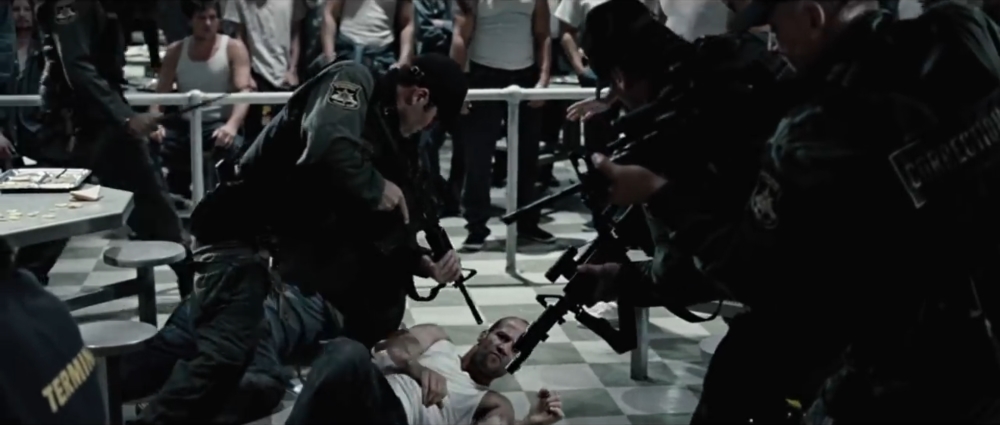
8 High-Angle and Low-Angle shots
High-angle and low-angle shots manipulate the perspective, adding depth and symbolism to convey specific emotions, themes and character dynamics in fight scenes.
a. High-angle Shot
A high-angle shot is captured from a vantage point above the subjects, looking down on them. In the context of fight scenes, this shot serves several important purposes:
Emphasizing Vulnerability
The high-angle shot makes the fighters appear smaller and more insignificant within the frame. It accentuates their vulnerability and highlights the physical and emotional challenges they face.
This is particularly effective when the characters are struggling against overwhelming odds, whether it’s a fight against a formidable opponent, a life-threatening situation or a moral dilemma.
The viewer is more likely to empathize with characters in distress when they are visually diminished by the high-angle shot.
Creating a Sense of Powerlessness
By placing the camera above the fighters, the audience is positioned as an observer with a position of power. This perspective can evoke a feeling of powerlessness in the characters, intensifying their internal and external conflicts.
High-angle shots are often used to underscore the helplessness of the protagonist before a climactic turning point in the fight.
Symbolizing Struggle
The high-angle shot can symbolize the uphill battle the characters are facing. Whether it’s a physical confrontation or a moral dilemma, the shot conveys the idea that the odds are stacked against them.
It reinforces the notion that the characters will need to summon all their strength and determination to overcome the challenges.
b. Low-Angle Shot
Conversely, a low-angle shot is captured from a vantage point below the subjects, looking up at them. In the context of fight scenes, the low-angle shot serves the following purposes:
Conveying Dominance and Power
The low-angle shot makes the fighters appear larger and more imposing. It exudes an aura of dominance, showcasing the strength, authority and prowess of the characters. When a character is shown in a low-angle shot, they are often depicted as the one in control, whether it’s in a physical confrontation, a leadership role or a moment of triumph.
Exaggerating Impact and Intensity
Low-angle shots are ideal for capturing the impact of blows, strikes or powerful moves in a fight. They enhance the drama and intensity of the action by emphasizing the force behind each action. When a character delivers a decisive blow or makes a crucial decision, a low-angle shot can magnify the significance of that moment.
Empowering Characters
Low-angle shots can be used to empower characters and instill a sense of heroism. When a character is portrayed from a low angle, they are often depicted as a symbol of inspiration and hope, standing tall against adversity.
Conclusion
Let’s delve into the purpose, effects and creative choices behind the high-angle and low-angle shots:
- Purpose: High-angle and low-angle shots manipulate perspective to add depth and symbolism to fight scenes.
- Effects: High-angle shots make characters appear smaller and more vulnerable, while low-angle shots make them seem larger and more imposing, influencing the audience’s perception of power dynamics.
- Creative Choices: These shots are chosen to convey a specific emotion or power dynamic. Directors use them strategically to enhance the mood of the scene.

9 Dutch Angle Shot
The Dutch angle, also known as a canted angle or oblique angle, is a cinematographic technique that involves tilting the camera to create a sense of disorientation and unease. It’s a stylistic choice frequently used by directors to add tension, drama and a unique visual flair to various scenes, including fight sequences.
a. Dramatic Flair
One of the primary reasons directors employ the Dutch angle in fight scenes is to infuse them with dramatic flair. By tilting the camera, the director intentionally disrupts the conventional horizontal and vertical lines that viewers are accustomed to in their perspective. This subtle alteration in the frame’s orientation serves to intensify the emotional impact of the fight.
Build Tension
The Dutch angle can generate a feeling of instability and unpredictability. When applied in the context of a fight, it conveys a sense of impending conflict and danger. Viewers can subconsciously sense that something significant is about to occur, which heightens their emotional engagement with the scene.
Uneasiness
The tilted angle can also provoke a sense of unease or discomfort in the audience. The disorienting effect can make viewers feel off-kilter, as if they’re sharing in the characters’ uncertainty and anxiety. This emotional connection enhances the immersion and empathy the audience feels for the characters in the midst of the fight.
Symbolism
Directors might use the Dutch angle to symbolize internal conflict or moral ambiguity within the characters involved in the fight. The tilted frame can represent the characters’ inner turmoil or the ethical dilemmas they face, adding depth and complexity to the scene.
b. Chaotic Battles
The Dutch angle is particularly effective in capturing the chaos and frenetic energy of battle scenes. It mirrors the disarray and instability that often characterize intense combat situations. Here’s how it achieves this:
Visual Chaos
In a chaotic battle, with multiple combatants moving rapidly and unpredictably, the Dutch angle can emphasize the confusion and disorder. The tilted frame can make it challenging for viewers to track the action smoothly, mirroring the characters’ own struggles to maintain control.
Subjective Chaos
The Dutch angle can also provide a subjective perspective, as if the camera is experiencing the battle from the characters’ point of view. It’s as if the characters themselves are experiencing the tumultuous nature of the fight and the audience is right there with them.
Intensity
The angle can accentuate the intensity of the battle, making it feel more visceral and immediate. It conveys a sense that anything can happen at any moment, adding an element of unpredictability that keeps the audience engaged.
Conclusion
Let’s delve into the purpose, effects and creative choices behind the Dutch angle shot:
- Purpose: The Dutch angle or canted angle tilts the camera to create a sense of disorientation and unease, adding tension to fight scenes.
- Effects: Dutch angles can make viewers feel off-kilter and anxious, mirroring the chaos or instability of the scene.
- Creative Choices: Directors use Dutch angles for dramatic effect, particularly in scenes where tension and uncertainty are paramount.
To know Fight scene cinematography lighting tips, check this link below:
That’s the end of the guide. But if you’ve got any fight scene making experience or tips to share, let’s hear them in the comments below. Your insights and experiences can be valuable to others in the filmmaking community.
