

Imagine watching a film where every frame is evenly lit, with no play of shadows or silhouettes. The scenes would likely feel flat and lifeless.
This article delves into the importance of shadows and silhouettes in film, exploring their impact as powerful tools that can transform ordinary scenes into visually striking and emotionally compelling moments.
Watch the video:

What is a Shadow?
A shadow is a dark area or shape produced by an object blocking the passage of light.
When light hits an object, it can’t pass through it, so the light is obstructed, creating a shadow on the surface behind the object.
Shadows can vary in intensity and sharpness depending on the light source and the object’s distance from the surface on which the shadow is cast.
The typical characteristics of a shadow are:
- Umbra and Penumbra
- Umbra: The darkest part of the shadow where all the light is blocked.
- Penumbra: The lighter, fuzzy edge around the umbra where only part of the light is blocked, creating a gradient effect.
- Light Source:
- The nature of the light source affects the shadow. A single, strong light source like the sun creates sharp, well-defined shadows. Diffused light like on a cloudy day results in softer, less distinct shadows.
- Angle of Light:
- The angle at which light hits an object changes the shape and length of the shadow. Lower angles like early morning or late afternoon sun create longer shadows, while higher angles like midday sun produce shorter shadows.
Understanding the technical aspects of shadows is crucial for filmmakers. The darkest part of a shadow, known as the umbra, and the lighter, more diffused part, the penumbra, work together to create a three-dimensional effect.
The angle, direction, and quality of light can drastically alter the appearance of a shadow, affecting the mood and perception of a scene.
For instance, hard light from a direct source creates sharp, well-defined shadows with a clear umbra and minimal penumbra. This type of lighting is often used in suspense and horror films to create a sense of tension and unease.
On the other hand, soft light from a diffused source produces gentle, less defined shadows with a broad penumbra. This lighting style is used in dramas and romances to create a softer, more intimate atmosphere.
The Role of Shadows in Film
Shadows are used extensively in filmmaking to add depth, dimension, and emotion to images and scenes. They can create a sense of mystery, highlight contrast, and enhance the storytelling by focusing attention and evoking specific moods.
A well-placed shadow can highlight the intensity of a moment, reveal the emotional state of a character, or even foreshadow events.

In Alfred Hitchcock’s Psycho, the infamous shower scene uses shadows to enhance suspense and horror, making the scene more terrifying than if it were brightly lit.
Shadows also play a significant role in establishing the mood and tone of a film. In film noir, shadows are used extensively to create a sense of mystery and danger. The dark, shadowy visuals reflect the genre’s themes of crime and moral ambiguity.
Films like The Maltese Falcon and Double Indemnity are famous for their use of shadows to define their gritty, suspenseful atmospheres.
What is a Silhouette?
A silhouette is a dark shape or outline of a person, animal, or object, visible against a lighter background, usually created by backlighting.
Silhouettes emphasize the overall shape and form without showing details, drawing attention to the outline and posture.
Key Attributes of a Silhouette:
- Backlighting: Silhouettes form when the subject is placed in front of a light source, making the subject appear dark against a brighter background.
- Outline and Form: Silhouettes highlight the outline and shape of the subject, directing the viewer’s focus to the essence of the shot.
- Contrast: High contrast between the dark subject and the light background is essential for creating a striking silhouette.
The Role of Silhouettes in Film
Silhouettes are powerful tools used to evoke emotion, create mystery, and highlight form without distraction.
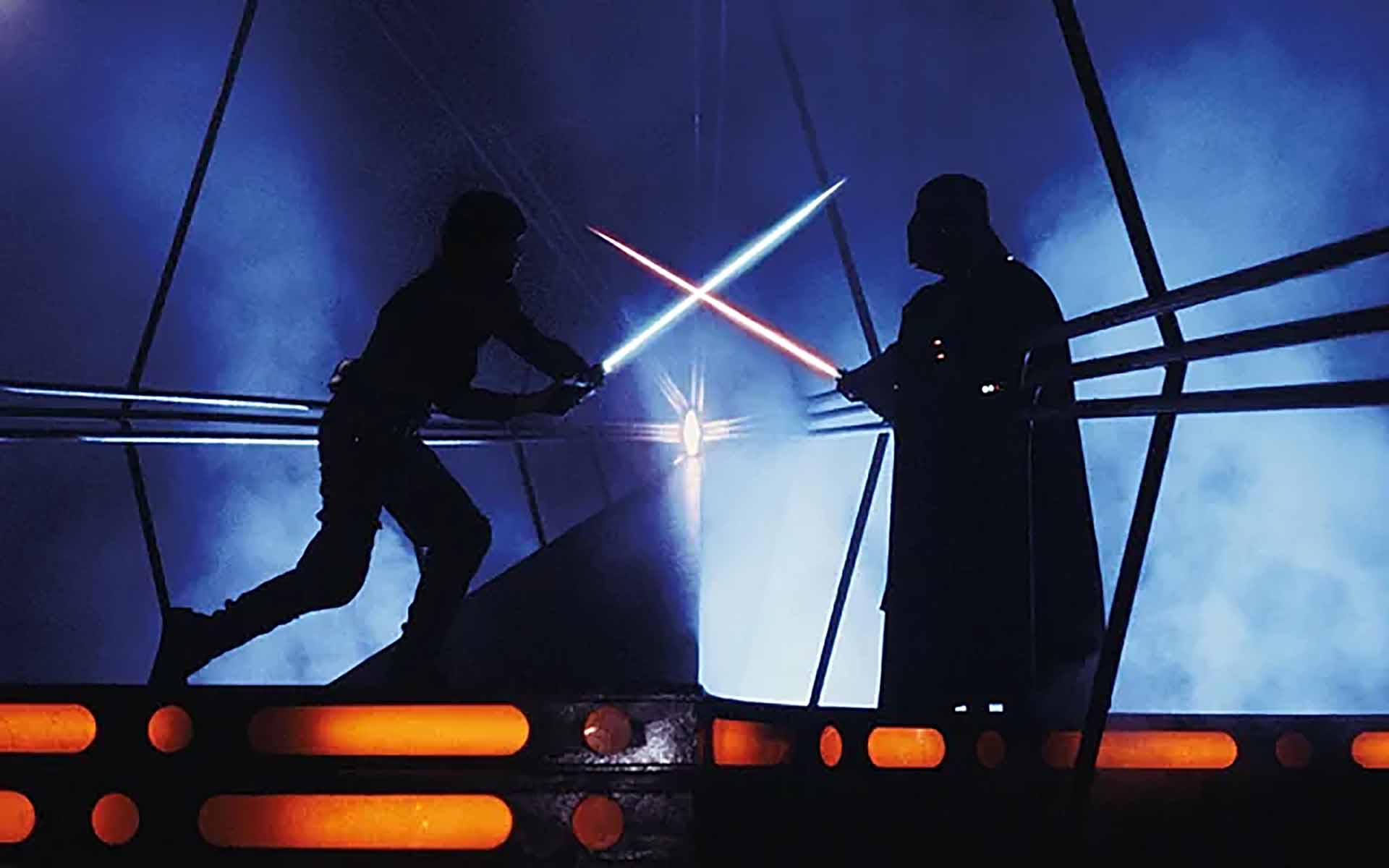
The silhouette of Luke Skywalker fighting against Darth Vader is one of the great all-time silhouettes. It foreshadows the revelation about to come. A silhouette can be more than just a visual representation of the outline and form of a subject against a contrasting background.
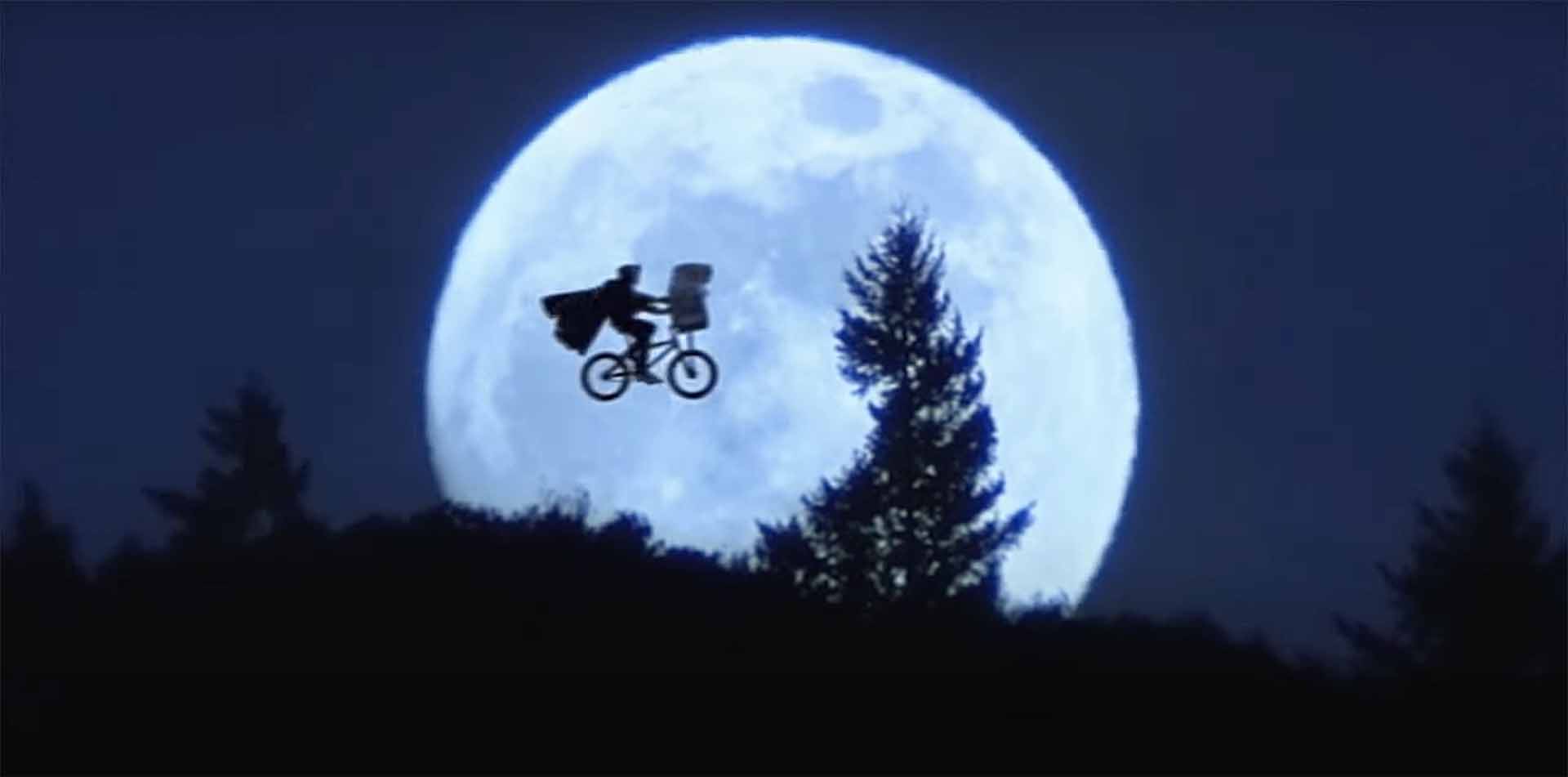
In E.T. the Extra-Terrestrial, the shot of E.T. and Elliott flying across the moon is one of the most iconic silhouettes in cinema. This silhouette encapsulates the magic and wonder of the film in one frame, creating an unforgettable visual moment.
When used together, shadows and silhouettes can create powerful and memorable imagery. These elements can represent duality, conflict, and inner turmoil, adding layers of meaning to a scene.
The Psychological Impact of Shadows and Silhouettes
Shadows and silhouettes do more than just create visual interest; they also have a psychological impact on the audience. Carl Jung, the renowned Swiss psychiatrist, introduced the concept of the “shadow” in our psyche. He described it as the parts of ourselves that we hide from others and even from ourselves, containing hidden desires, instincts, and traits deemed unacceptable by society.
Jung identified two types of shadows: the personal shadow, which contains our individual hidden traits, and the collective shadow, which encompasses the darker aspects of humanity, such as aggression and selfishness.
Films that utilize shadows and silhouettes effectively tap into these psychological concepts, adding depth to their characters and themes.
In The Dark Knight, Batman’s silhouette against the Gotham skyline is not only visually striking but also symbolizes his role as a guardian shrouded in mystery and fear.
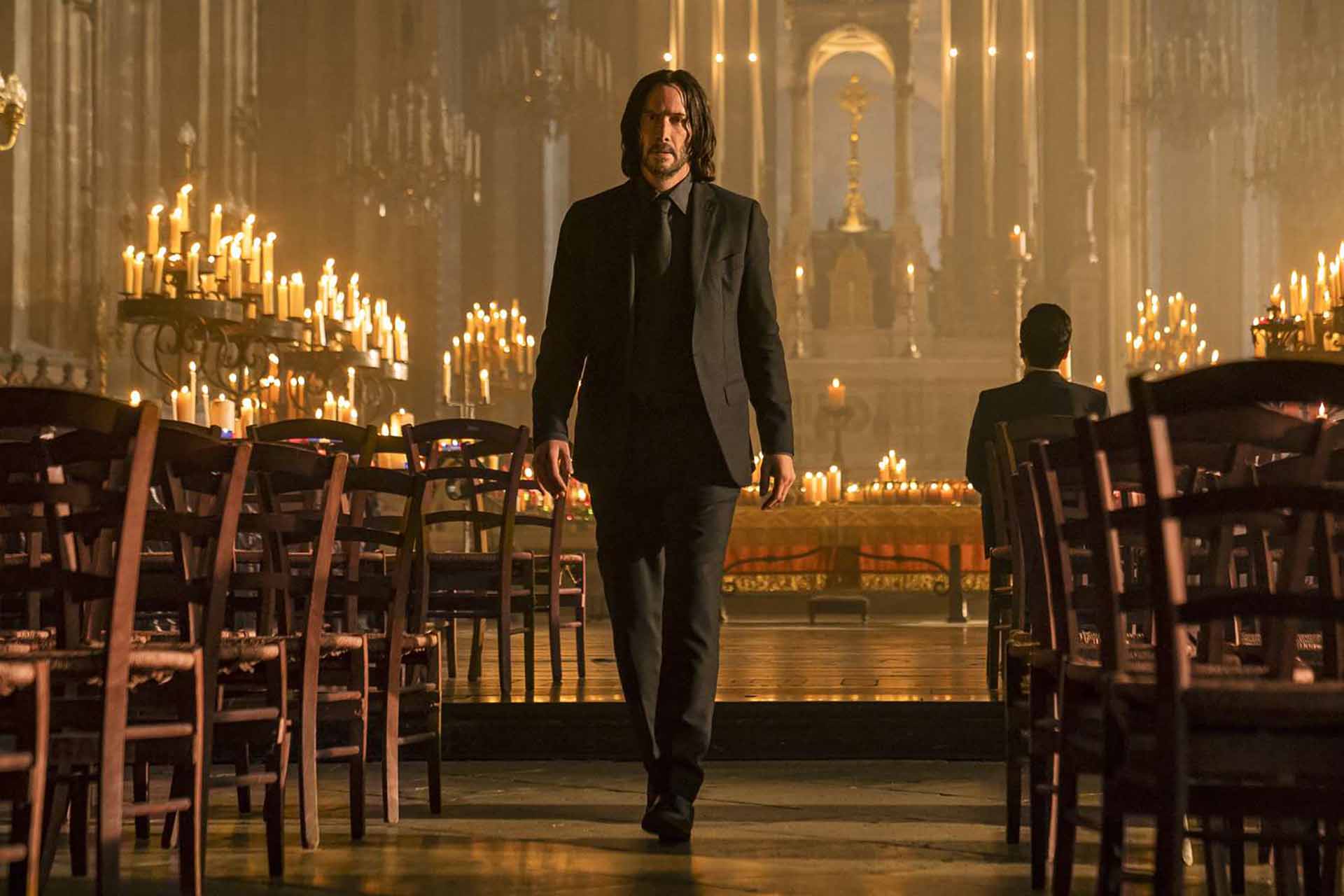
In John Wick: Chapter 4, shadows and silhouettes are used masterfully to depict the dark underworld in which John Wick operates. The film’s lighting design creates an oppressive, expressionistic, atmosphere that underscores themes of vengeance and survival.
The iconic silhouette of John Wick against dramatically lit backgrounds instantly communicates his presence and sets the tone for his character – mysterious, imposing, and heroic.
The Visual Mastery of John Wick: Chapter 4
John Wick: Chapter 4 is a masterpiece in the world of cinematography, renowned for its effective use of shadows and silhouettes.
In this installment, John Wick continues his relentless journey, dodging a growing bounty on his head. Determined to break free from the High Table, a powerful criminal organization, John faces off against formidable enemies from his past and present.
This film takes viewers on a journey through various international locales, each serving as a visually stunning backdrop filled with light and shadow. These settings are ideal for creating powerful silhouettes that convey strong emotions and mystery without revealing too much.
Silhouettes focus attention on the outline and posture of characters, leaving the details to the imagination. This technique engages viewers, making them more invested in the story and intensifying action sequences.
In keeping with the Jungian concept of shadows, in John Wick: Chapter 4, the shadows represent John Wick’s hidden, darker aspects, showing his inner struggles and secrets. The silhouettes, especially in fight scenes, symbolize the collective shadow, making the darkness universal and relatable to the audience.

Historical Context and Influences
The use of shadows and silhouettes in film has a rich history. In the silent film era, directors like F.W. Murnau used these techniques brilliantly. In Nosferatu, the shadow of the vampire creeping up the stairs is a classic horror image.
This use of shadows to create fear and tension influenced future filmmakers.
Film noir, a genre from the 1940s, is famous for its use of shadows and silhouettes. The genre’s visual style, with high contrast lighting and deep shadows, created a sense of unease and suspense.
Creating Effective Silhouettes
Creating effective silhouettes requires careful control of lighting. By lighting the background and keeping the subject unlit, filmmakers can achieve a striking silhouette.
The simplicity of a silhouette can make it a powerful storytelling tool, focusing the viewer’s attention on the shape and movement of the character.
Here is my example short, Palindrome, that showcases quite a bit of shadow and silhouette play:
Here’s the finished short,
It was show with the Arri Alexa Mini and Atlas Anamorphic Orion lenses.
I used shadows for several reasons. One is purely symbolic, as each sister is a shadow of herself (for reasons unexplained).
Shadows also hide any distractions from the low-budget location we had to work in. In this aspect, we could call it a neo-noir style (though I hate the term!). I prefer to call it expressionistic lighting.
The use of a silhouette while the apparition-like second sister creeps into view in the hallway is also deliberate. It represents her form, or essence, both literally and metaphorically.
And finally, the flickering flames of the candle can be said to create an anxious trepidation that borderlines on dread.
At least, that were some of the ideas!
What I wanted to stress is that shadows and silhouettes are not merely visual effects; they are powerful storytelling tools that build atmosphere, define characters, and convey complex themes without words.
To watch a different take on shadows, check out this video:
Mastering the use of shadows and silhouettes can elevate your filmmaking, creating a more immersive and compelling visual experience.
What do you think? Let me know in the comments below.

I own copies of all four John Wick movies. But by far, John Wick 4 is my favorite for the reasons you note herein.
Yes, it’s highly underrated.