
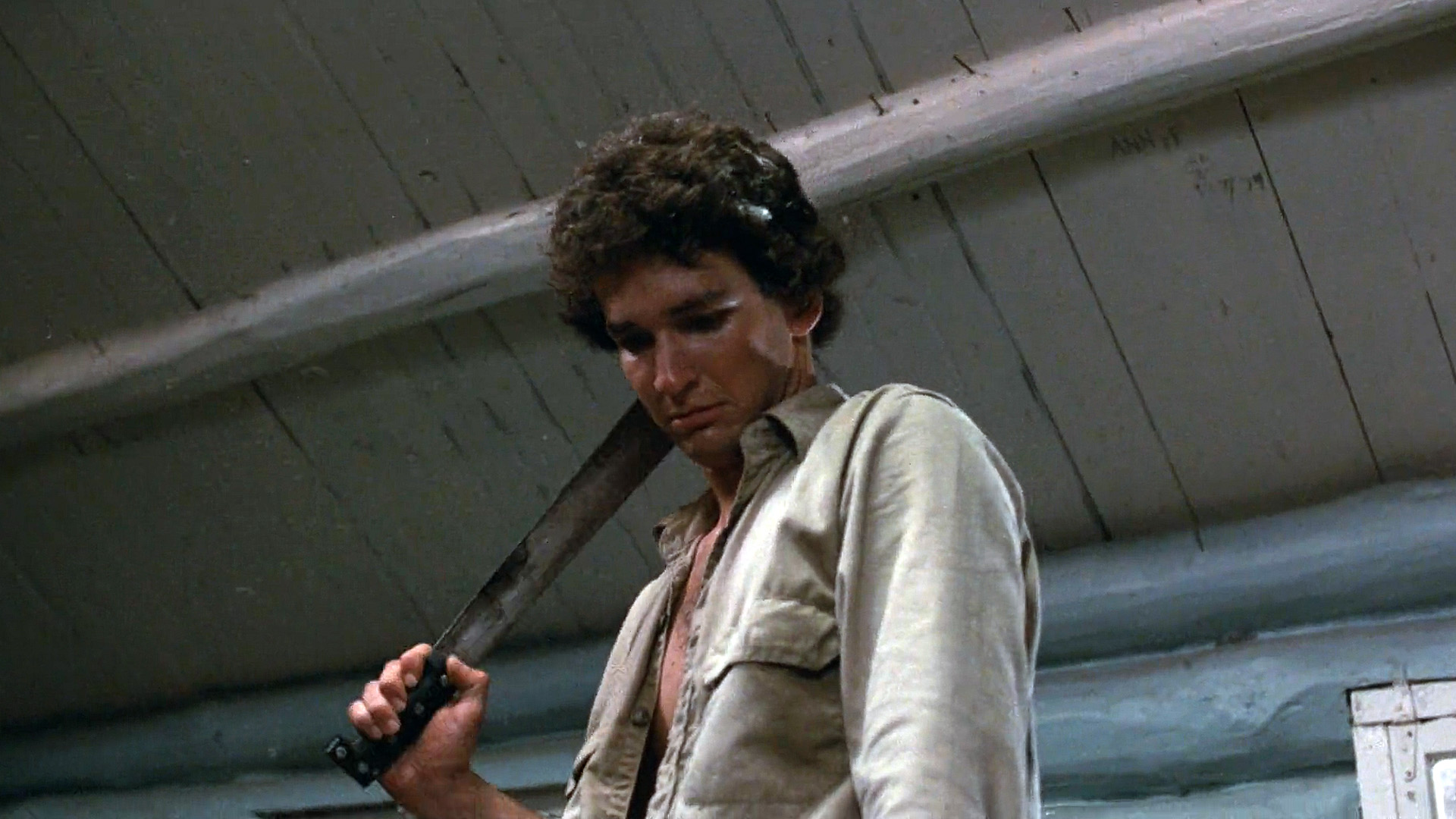
Watch the video:

What is it about Friday the 13th that makes it look so terrifying even after more than 40 years?
The film, released in 1980, has a low-budget, gritty feel that adds to its unsettling atmosphere. Although it wasn’t the first slasher movie, it defined the genre in many ways and influenced countless horror films that came after it.
Setting the Stage: Camp Crystal Lake and the Story
The story revolves around a group of teenagers who head to Camp Crystal Lake for a fun summer, only to be picked off by an unseen killer. It’s a plot that’s been copied a thousand times since, but at the time, it was groundbreaking. Even though some critics accused the film of being derivative, what made Friday the 13th unique was how it combined familiar elements to create something new.
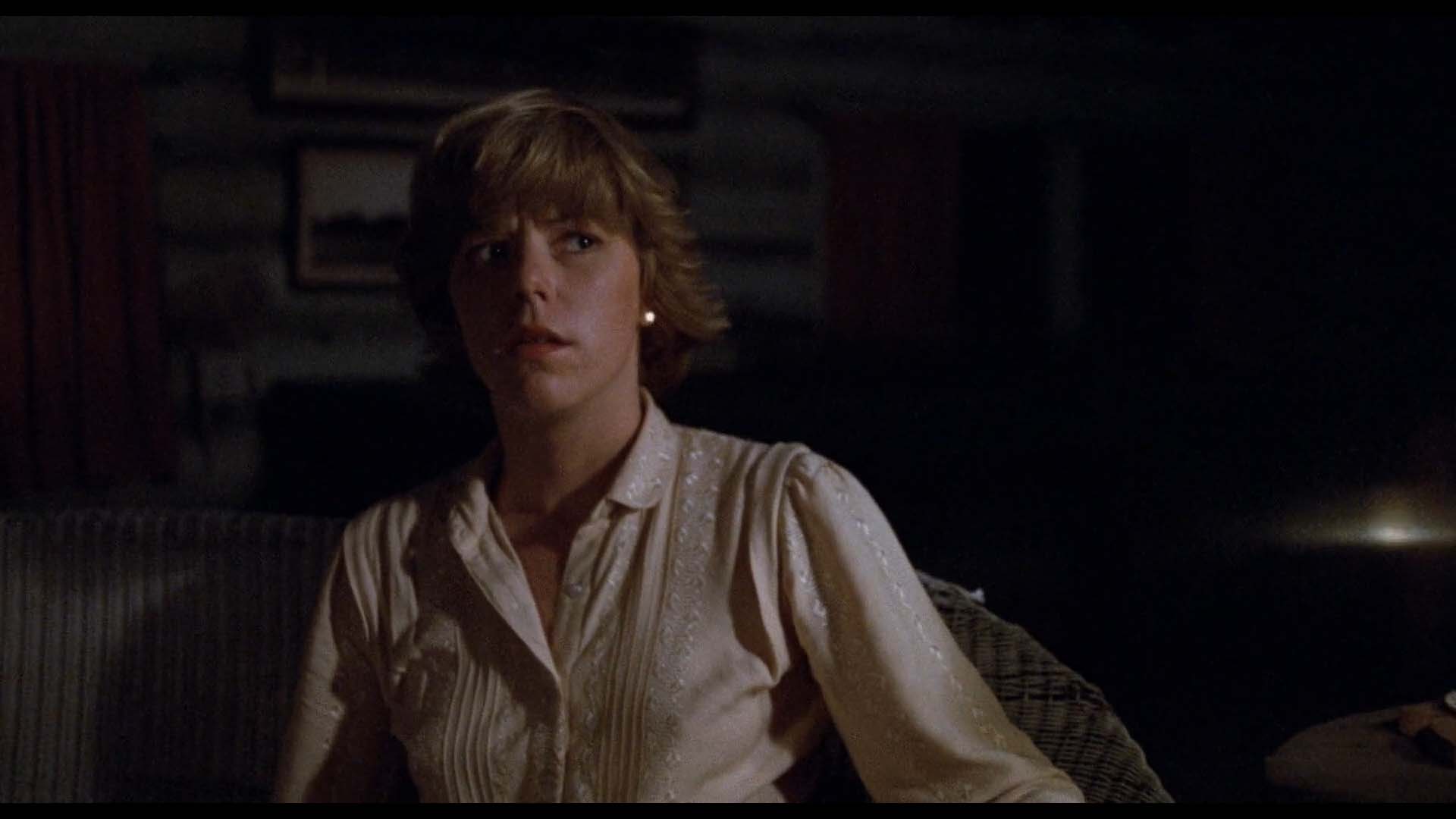
Its direction, particularly by Sean Cunningham, deserves special recognition. A standout scene is where Alice, the “final girl,” makes instant coffee while waiting for her friend Bill to return. The scene lasts for two minutes and is incredibly suspenseful despite its simplicity. The dark windows around her, the slow camera movements, and her nervous glances build the tension as we, the audience, know the killer is lurking somewhere outside.
The Art of the Jump Scare
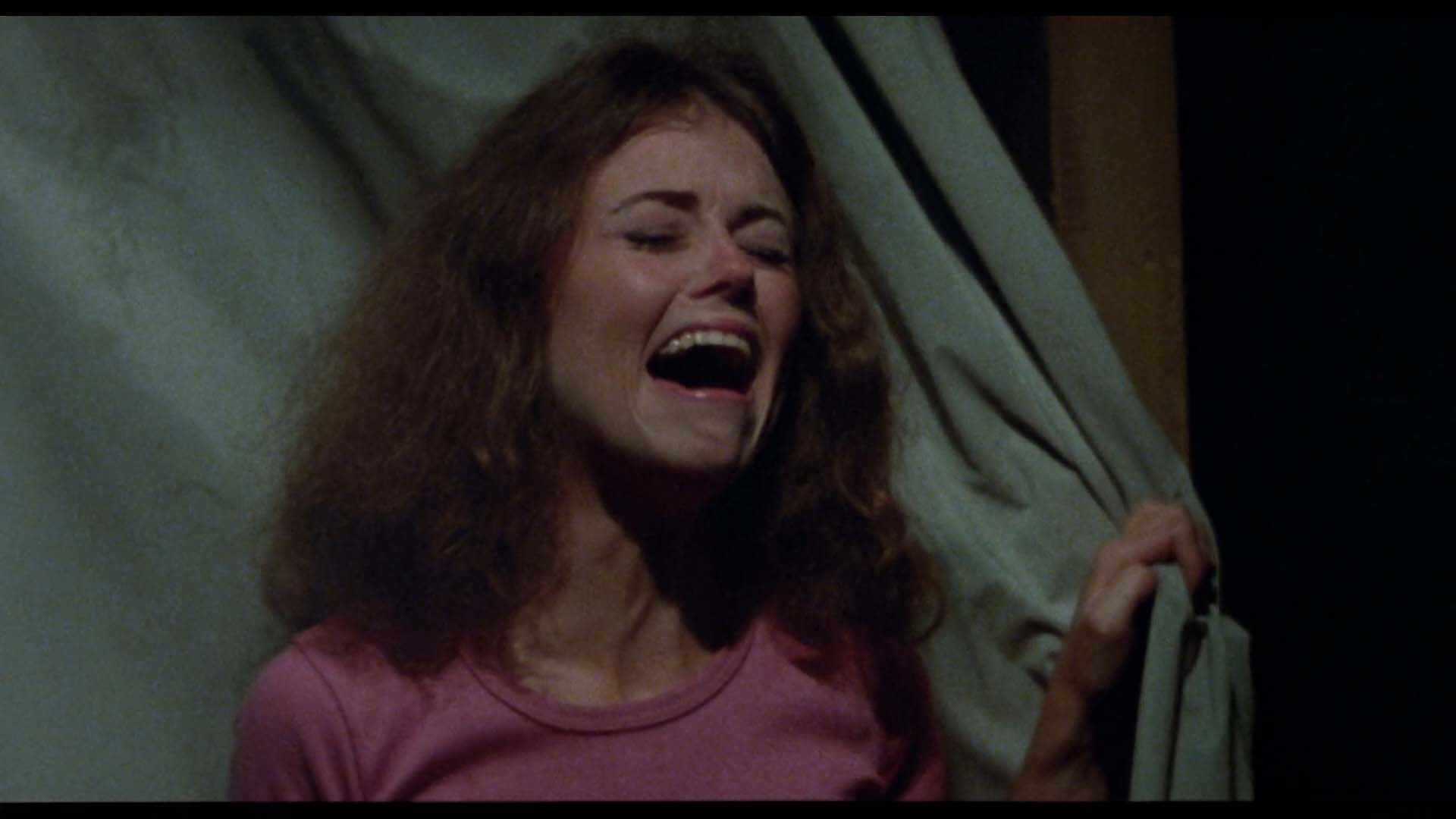
Who can forget the iconic jump scare at the lake near the film’s end? This wasn’t even in the original script, but it’s now considered one of the greatest jump scares in horror movie history. It’s a prime example of how Friday the 13th could take the audience by surprise and keep them on the edge of their seats.
Point-of-View Shots: Putting Us in the Killer’s Shoes
One of the film’s most effective tools is the use of point-of-view (POV) shots, where the camera takes on the killer’s perspective. These shots make the audience feel like they’re part of the horror, sneaking up behind the characters, watching them without them knowing. This voyeuristic perspective is what makes the experience so unsettling. Films like Black Christmas and Halloween used POV shots before, but Friday the 13th took it to another level. The constant switching between being part of the group and being the killer keeps viewers on edge, creating a sense of dread.
Cinematography and Naturalistic Lighting
Cinematographer Barry Abrams played a crucial role in the film’s eerie atmosphere. He used naturalistic lighting to give the movie a gritty, documentary-like feel. The daytime scenes, often overcast and dull, feel cold and distant. This contrasts with the deep, rich blackness of the night scenes, where shadows dominate and every corner could be hiding the killer.
This stark lighting wasn’t just a creative choice—it was also a necessity. The film’s budget meant the filmmakers couldn’t afford elaborate lighting setups. Instead, they worked with what they had, and the lack of detail in the shadows adds to the mystery. We never know exactly where the killer might be hiding, which keeps the tension high throughout the movie.
Gore and Practical Effects
Another key element that sets Friday the 13th apart is its use of gore, which was heavily influenced by Giallo films like Bay of Blood, directed by Mario Bava. At the time, most horror films didn’t show as much blood and violence on screen, but Friday the 13th didn’t hold back.
Tom Savini, the special effects wizard behind the film’s brutal deaths, used practical effects that still hold up today. The fact that the gore was created with practical effects, rather than CGI, gives it a more realistic, visceral feel. This is one of the reasons why the film remains so frightening. Even though the effects were done on a budget, Savini’s craftsmanship makes the kills feel real, which adds to the horror.
A Low-Budget Triumph
Speaking of budgets, Friday the 13th wasn’t made for much money by Hollywood standards. Adjusted for inflation, it would be about two million dollars today. But instead of letting that be a limitation, the filmmakers used it to their advantage. They couldn’t afford elaborate special effects or complex set designs, so they leaned heavily on atmosphere, suspense, and tension.
Most of the film’s shots are simple and straightforward—static cameras, handheld shots, nothing flashy. But this works in the film’s favor. The simplicity makes everything feel more intimate, more raw. It pulls the audience in and forces them to fill in the blanks with their own imagination, which is often scarier than anything you could put on screen.
Visual Storytelling and Open Framing
One of the more unsettling techniques in Friday the 13th is how it uses open framing. Characters are often placed in wide shots, with lots of empty space around them. This makes them feel small and vulnerable, as if they’re being swallowed by their surroundings. The forest, the cabins, the lake—everything feels vast and threatening, as if danger is lurking just outside the frame.
In contrast, the close-up shots, especially during moments of fear or tension, create a sense of claustrophobia. We feel trapped with the characters, unable to escape the killer’s reach. Even in moments of calm, the framing suggests that something terrible is always just out of sight, waiting to strike. This kind of visual storytelling is timeless, and it’s one of the reasons the film’s visuals still hold up today.
The Sound That Creeps Into Your Brain
No discussion of Friday the 13th would be complete without mentioning the sound design and score. Composer Harry Manfredini created an iconic, eerie sound—”ki-ki-ki, ma-ma-ma”—that instantly signals danger whenever it plays. It’s subtle, not in your face, but it creeps into your mind and heightens the tension.
The sound design works hand-in-hand with the visuals to create a truly immersive atmosphere. Long stretches of silence are broken only by the sound of footsteps, rustling leaves, and distant screams. This minimalist approach to sound makes every noise feel important, amplifying the characters’ isolation and fear.
A Lasting Legacy
The visuals in Friday the 13th are still terrifying today because they tap into our deepest fears. The combination of practical effects, creative camera work, unsettling compositions, and a minimalist score all come together to create an atmosphere of dread that lingers long after the movie ends.
Friday the 13th may have been made on a low budget, but it became one of the most influential horror films in history. Its legacy lives on in the countless slasher films that followed, and it remains a testament to how clever filmmaking techniques can create fear that lasts for decades.
So, the next time you rewatch Friday the 13th, take a moment to appreciate the ingenuity behind its scares. It’s not just about the gore or the jump scares—it’s about the atmosphere, the tension, and the feeling that something terrible is always just out of sight, waiting to strike.
