
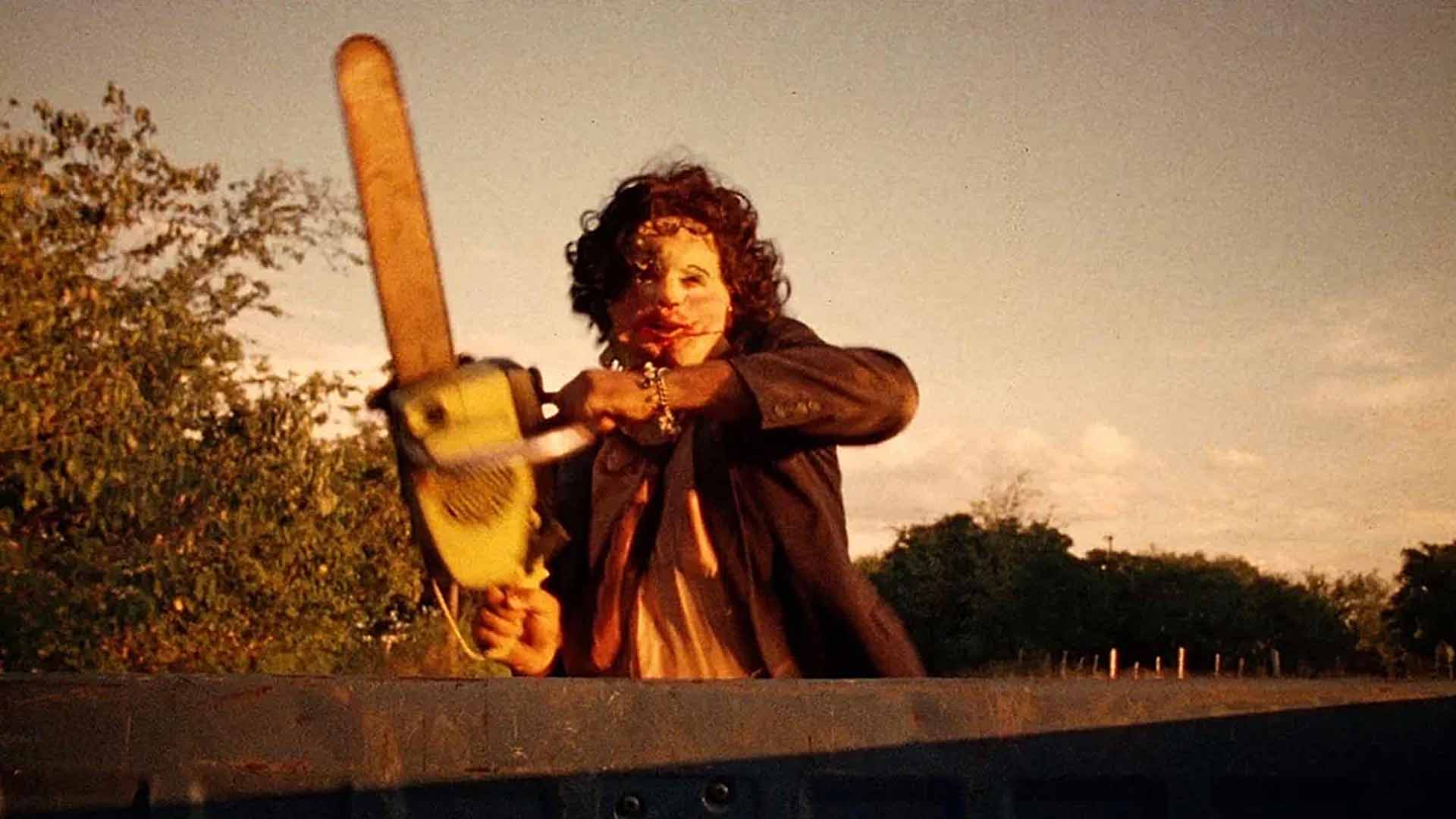
Tobe Hooper’s The Texas Chainsaw Massacre (1974) remains one of the most terrifying films in horror history. Its raw, gritty look and disturbing atmosphere have made it a benchmark in the genre, influencing countless films over the years.
However, while there have been attempts to remake this horror classic, no remake has ever been able to replicate the visceral impact of the original.
In this article and video, we’ll dive into the technical aspects of the original Texas Chainsaw Massacre and explore why it can’t be properly remade.
Watch the video:

The Importance of 16mm Film
One of the most distinctive features of The Texas Chainsaw Massacre is its use of 16mm film. It was shot on 16mm color reversal film, which is much smaller in size than the industry-standard 35mm film:

This smaller frame size is a huge reason for the grainy, raw texture that makes the film feel so disturbingly real.
The grain, often more visible in low-light conditions, amplifies the feeling that what you’re watching is somehow wrong, like a piece of found footage you’re not supposed to see.
Shooting in 16mm gave the film a documentary-like feel, adding to the sense of realism. Director Tobe Hooper and cinematographer Daniel Pearl intentionally embraced this format to emphasize the film’s gritty and brutal atmosphere.
In comparison, the 2003 remake, shot on 35mm, looks far cleaner and more polished, which detracts from the raw, visceral horror of the original.
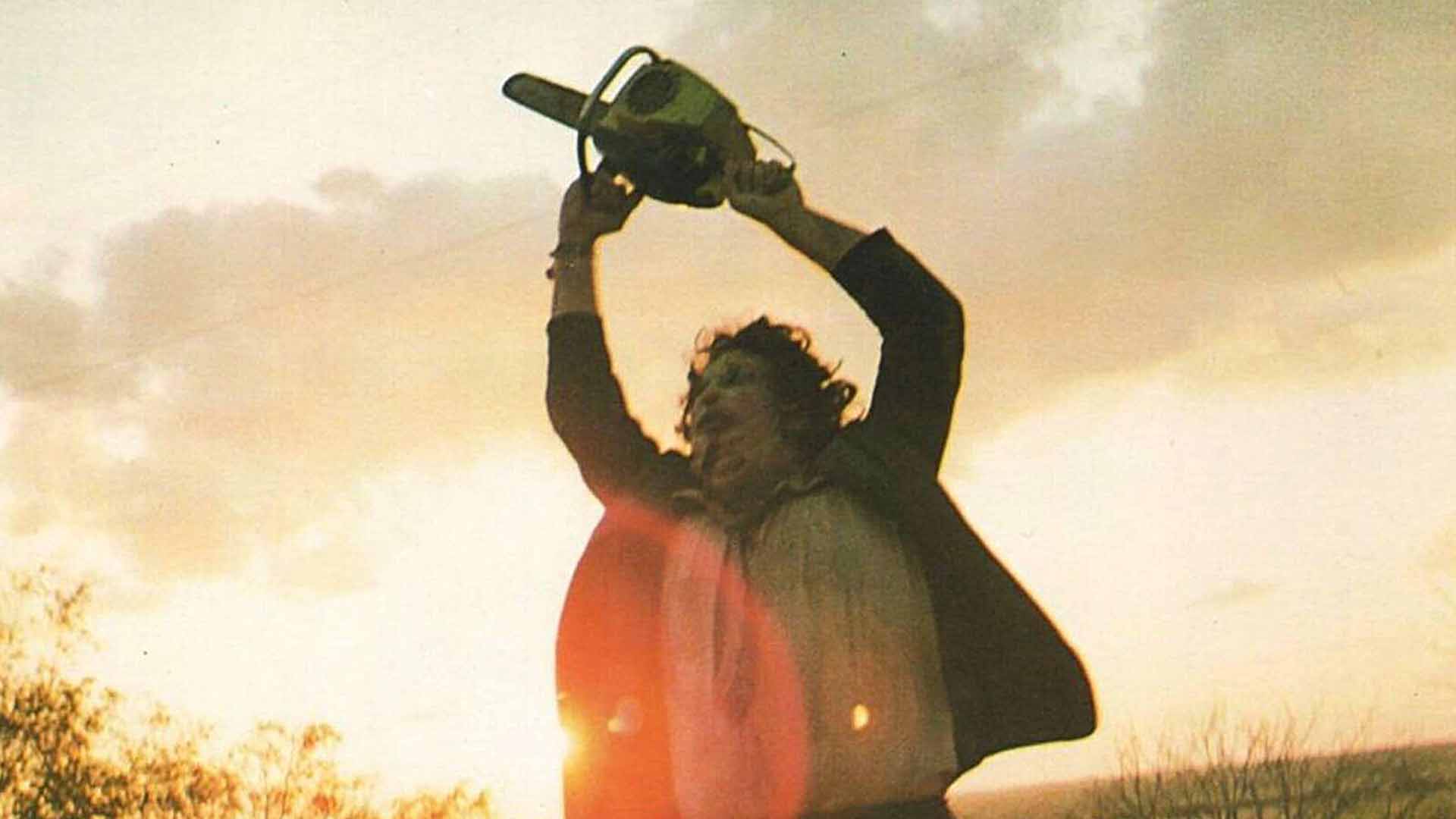
Why 16mm Grain is Irreplaceable
The graininess that 16mm has a texture that is difficult to get with 35mm.
The original film’s cinematography, with its rough, unpolished edges, complements the chaos unfolding on-screen. In contrast, when you switch to 35mm, as they did for the sequel released in 1986, you lose that gritty authenticity.
The polished, glossy look of the sequel distances the audience from the action, making it feel more like a “movie” and less like a horrifying event unfolding in real life.
The film stock’s small size also allowed for a looser, more dynamic camera movement, making the handheld shots in the original feel more chaotic and alive. The 35mm version, while technically sharper and cleaner, misses the raw, unfiltered energy that 16mm captured so effortlessly.
The 16mm film stock adds texture and imperfection, heightening the film’s sense of unpredictability.
Natural Lighting and Cinematography Choices
Another reason The Texas Chainsaw Massacre stands apart from its remake is the use of natural lighting. Due to the budget constraints, Daniel Pearl relied heavily on the harsh Texas sunlight, particularly for the outdoor scenes.
The bright, unforgiving sun gives the film a washed-out, almost blinding quality, which works to enhance the film’s unsettling atmosphere.
Indoors, the limited lighting made the house feel claustrophobic and oppressive. You feel the discomfort, the heat, the smells, the decay. And it all adds to the sense of disgust.
In the 2003 remake, the lighting is far more clean and “cinematic”. This change results in a loss of the original’s raw energy. It results in a glossy, polished aesthetic that feels too artificial for the chaotic horror that defines the Texas Chainsaw universe.
Sound Design and Score
The sound design of the original film is another aspect that sets it apart from modern horror. In 1974, Tobe Hooper and Wayne Bell created a soundscape that was rare in mainstream cinema at the time.
They used industrial noises, chainsaw revs, and animalistic screeches in place of a traditional musical score. The film is practically devoid of a melodic soundtrack.
In contrast, the remakes mostly have a more traditional horror score, it could be from any film!
In the original, the absence of a traditional score allows the audience to focus on the terrifying sounds of the environment itself, making the film feel even more immersive and real.
Practical Effects and Minimal Gore
One of the reasons the original Texas Chainsaw Massacre was so effective is because of its reliance on practical effects and minimal use of explicit gore. Tobe Hooper aimed for a PG rating initially (though it didn’t quite work out that way), so much of the horror is implied rather than shown.
For example, the infamous meat hook scene is disturbing not because of the amount of blood, but because of how it’s framed and edited.
By contrast, the 2003 remake took a more explicit approach to gore, which was the trend at the time. While this may have appealed to audiences looking for shock value, it took away the need for imagination that made the original so effective.
The remakes’ focus on gore makes it feel more like a typical slasher movie, while the original was all about creating dread through suggestion.
Tone and Atmosphere
The tone of the original film is one of unrelenting terror and tension. The film feels dirty, grimy, and dangerous in every way—qualities that are hard to replicate with modern, higher-budget filmmaking.
In contrast, The Texas Chainsaw Massacre 2 (1986) took the franchise in a completely different direction, opting for a campy, darkly comedic tone.
The 2003 remake tried to return to the roots of the original but fell short in recreating the atmosphere or tone. The polish and production value of the remake, combined with more conventional horror tropes, ruined it for me.
The original Texas Chainsaw Massacre was a product of its time, a reflection of the disillusionment in post-Vietnam America. Its rawness mirrored the anxieties of the 1970s. The film’s grim tone and relentless terror were direct reflections of a troubled decade.
By the time the 2003 remake rolled around, horror had changed. Audiences had seen the rise of the slasher genre, and films like Scream and The Blair Witch Project had reshaped how horror was viewed and made.
The remake, while technically well-executed, was more a product of its time, a high-budget slasher for an audience used to cleaner, more stylized violence. It doesn’t even look remotely like the original.
It didn’t feel anything like it either.
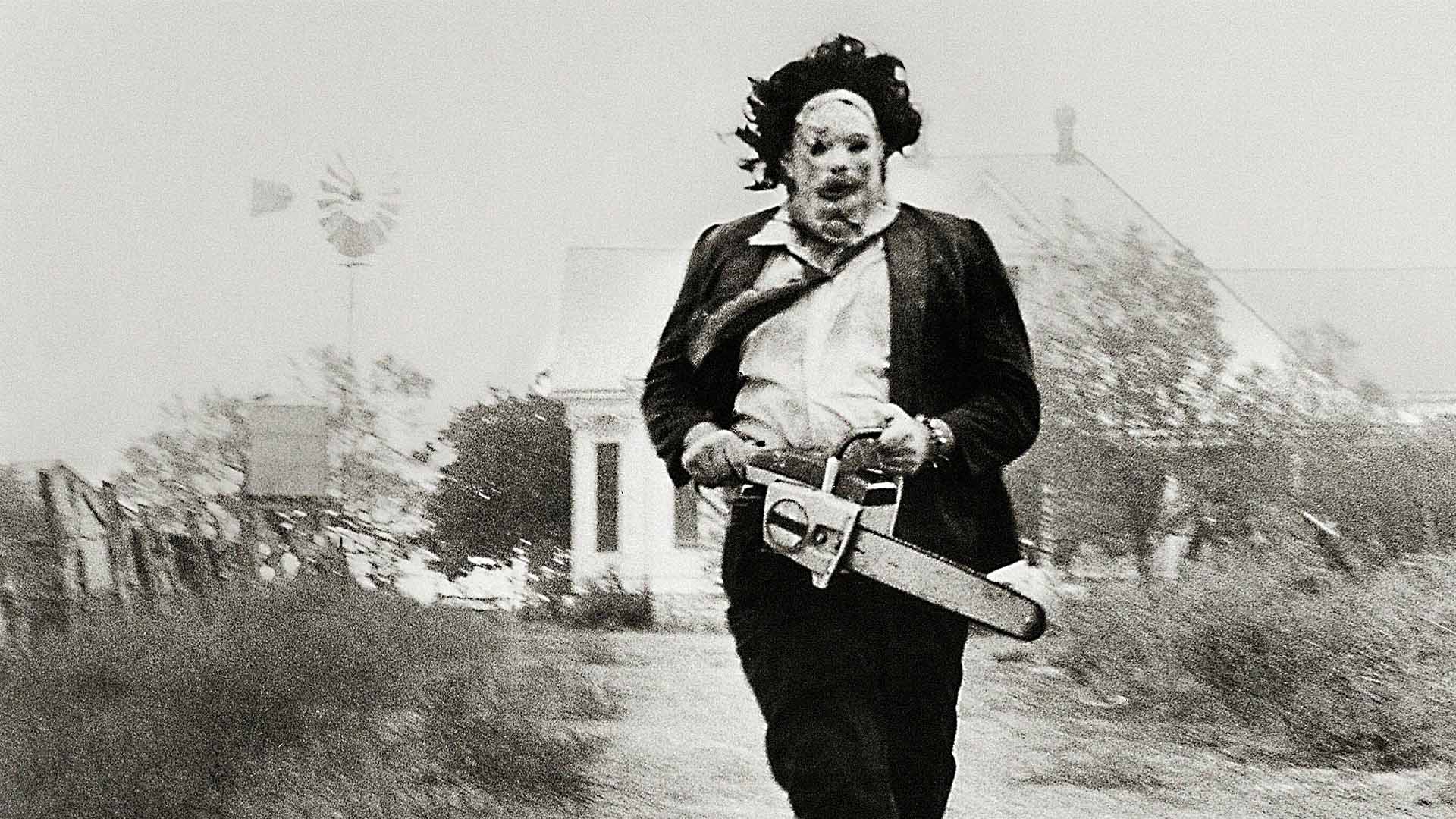
Ultimately, The Texas Chainsaw Massacre (1974) cannot be remade properly because it was a perfect storm of low-budget filmmaking, technical limitations, and cultural context.
The rawness of the 16mm film stock, the harsh natural lighting, the minimalistic sound design, and the implied horror all worked together to create a visceral experience that modern filmmaking simply cannot replicate.
It’s the kind of film that could only have been made in the 1970s!

As always, an excellent job at breaking down a movie! Thank you!
You’re welcome!
Same thing with “Blazing Saddles”, “History of the World Part 1” etc.. Too many weak-spined virtue signalers out there ready to castigate anything they consider “mean,” “toxic,” or “racist.”
They ALL need to STFU!
Great article and i agree with everything you said. It has an excellent intro sequence as well which I used to use when I taught a moving image course – perfectly sparse use of sound. The screaming at the end is something else as well. A well earned visceral outburst that helped to release the tension created up to that point. Great work as always Mr. Worcflow! ?
Thank you!