

The Wizard of Oz is more than a movie. It is a cultural icon. Even 85 years later, it remains a visual and storytelling masterpiece. Let’s see why that is.
Watch the video:

It’s all Technicolor
The bold use of Technicolor in The Wizard of Oz was groundbreaking. It wasn’t the first movie to use color, but it showcased what color could do for storytelling. From sepia-toned Kansas to the vibrant world of Oz, the shift was magical.
Technicolor’s three-strip process captured red, green, and blue on separate film strips. These strips were combined to create vibrant, saturated colors. The process had an effective ASA rating of 5, meaning it needed very bright lighting. To know more about the three-strip Technicolor process, click here.
The intense lights brought the colors to life but made filming difficult. Arc lamps heated the set to over 100°F. The cast worked long hours in heavy costumes under these conditions.

This effort was worth it. The Yellow Brick Road, ruby slippers, and Emerald City are unforgettable. The filmmakers took almost a week to decide on the perfect shade of yellow for the road.
The ruby slippers were designed to pop on screen. Originally silver in Baum’s book, The Wonderful Wizard of Oz, they were changed to ruby red for Technicolor. The sequins and reflective materials made them sparkle under the bright lights.
The sepia tone of Kansas was also carefully crafted. Black-and-white film stock was tinted sepia to create the effect. Many elements on set were painted brown to enhance the illusion.
Cinematography and Production Design
Harold Rosson’s cinematography was just as important. He used steady camera movements and deep focus to immerse the audience. Every detail, from the sets to the costumes, was crisp and vivid.
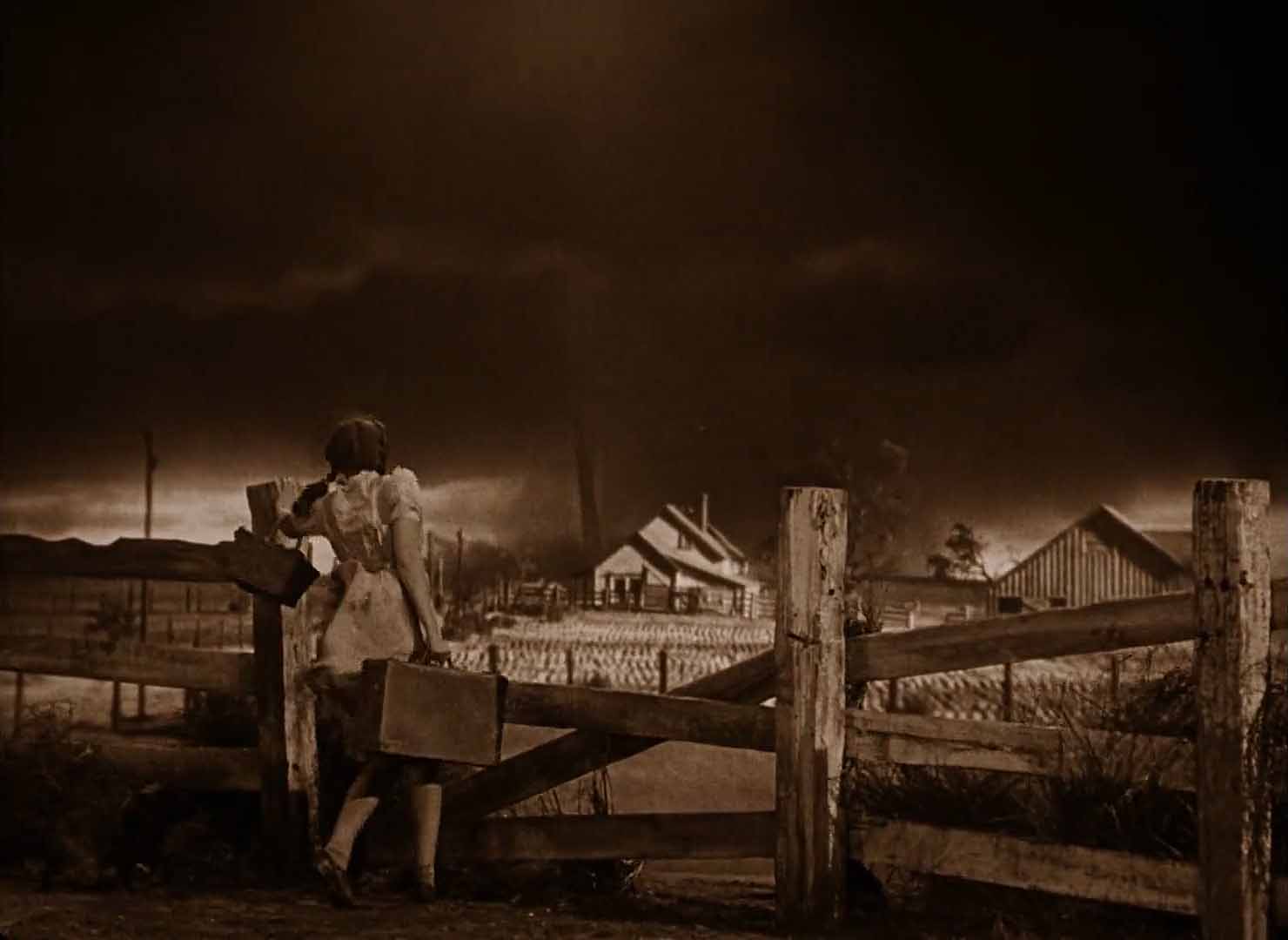
The iconic tornado scene showed the team’s creativity. They used a 35-foot muslin cloth suspended from a steel gantry. Compressed air sprayed dust to create the swirling effect.
The filmmakers also used miniatures for the farmhouse and landscape. This combined with careful camera work made the tornado feel real. It is still one of the most famous scenes in cinema.
The costumes and set design added to the magic. Munchkinland was colorful and whimsical. The Wicked Witch’s black cloak and green skin were sinister and striking.

The Acting!
The acting in The Wizard of Oz is timeless. Judy Garland as Dorothy brought vulnerability and sincerity to the role.
Ray Bolger as the Scarecrow was equally memorable. His loose-limbed dancing made the character come alive. Jack Haley’s earnestness as the Tin Man and Bert Lahr’s comedic timing as the Cowardly Lion were perfect.
Margaret Hamilton was unforgettable as the Wicked Witch of the West. Her menacing cackle still gives chills. The chemistry among the cast made the characters feel real and relatable.
Lightning in a bottle
The Wizard of Oz had multiple directors and script rewrites. Buddy Ebsen, the original Tin Man, had to leave due to an allergic reaction to aluminum makeup.
Despite these struggles, the film succeeded in creating a magical world. The attention to detail and creative problem-solving paid off. Every frame feels handcrafted and full of heart.
The music is another reason the film endures. “Over the Rainbow” won an Oscar and remains iconic. Each song blends whimsy and emotion, adding depth to the story.
The choreography is simple but effective. The actors’ movements feel natural, yet every step was carefully rehearsed. This balance adds charm to the film.
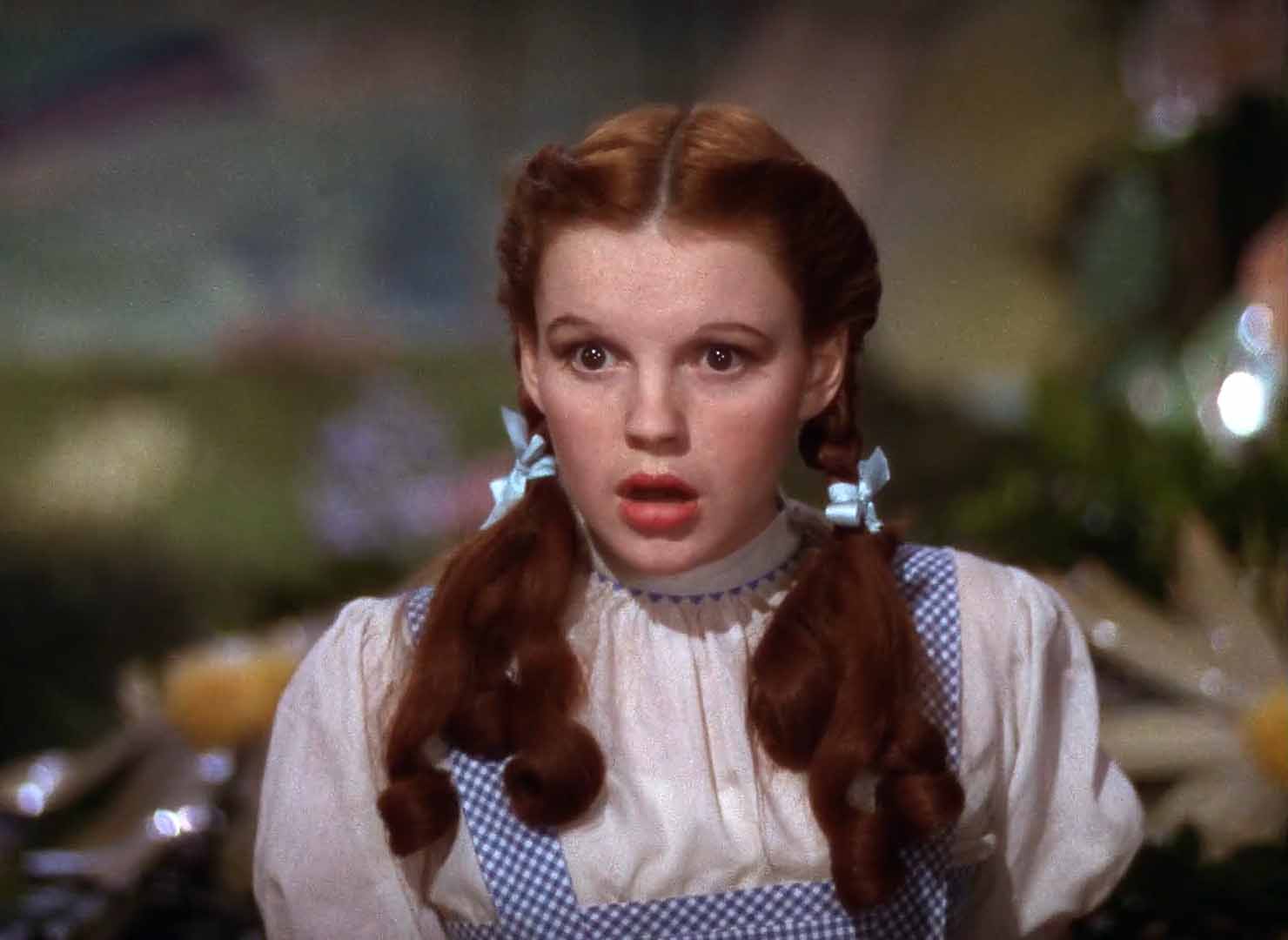
The Wizard of Oz is also a cultural touchstone. Its symbols, like the ruby slippers and the Yellow Brick Road, are part of American folklore. The phrase “There’s no place like home” is everlasting.
The film’s universal themes make it timeless. Dorothy’s journey is about self-discovery and courage. These messages are as relevant today as they were in 1939. The Wizard of Oz connects through simple storytelling and relatable characters.
The film was not an instant success. It didn’t make a profit until its 1949 re-release and 1956 television debut. Today, it is considered one of the most influential films ever made.
Its visuals, performances, and heart make it a masterpiece. Every detail, from the Technicolor process to the acting, contributes to its enduring appeal.
The Wizard of Oz teaches us the power of creativity and effort. It shows that great stories come from people who pour everything into their work.
If you haven’t seen it recently, it’s time to revisit this classic!

great read, as always. You make the technical aggrivations, the challenges, the extreme amount of time & energy we pour into production seem worth it.
Thank you!