

My feature film Gin Ke Dus (A Count Of Ten) is set in 1991, India. It is a slasher film with multiple layers of complexity – social issues, identity issues and a complex plot.
The look of Gin Ke Dus is an homage to:
- Giallo films like Deep Red (1975) – heavy on style and music,
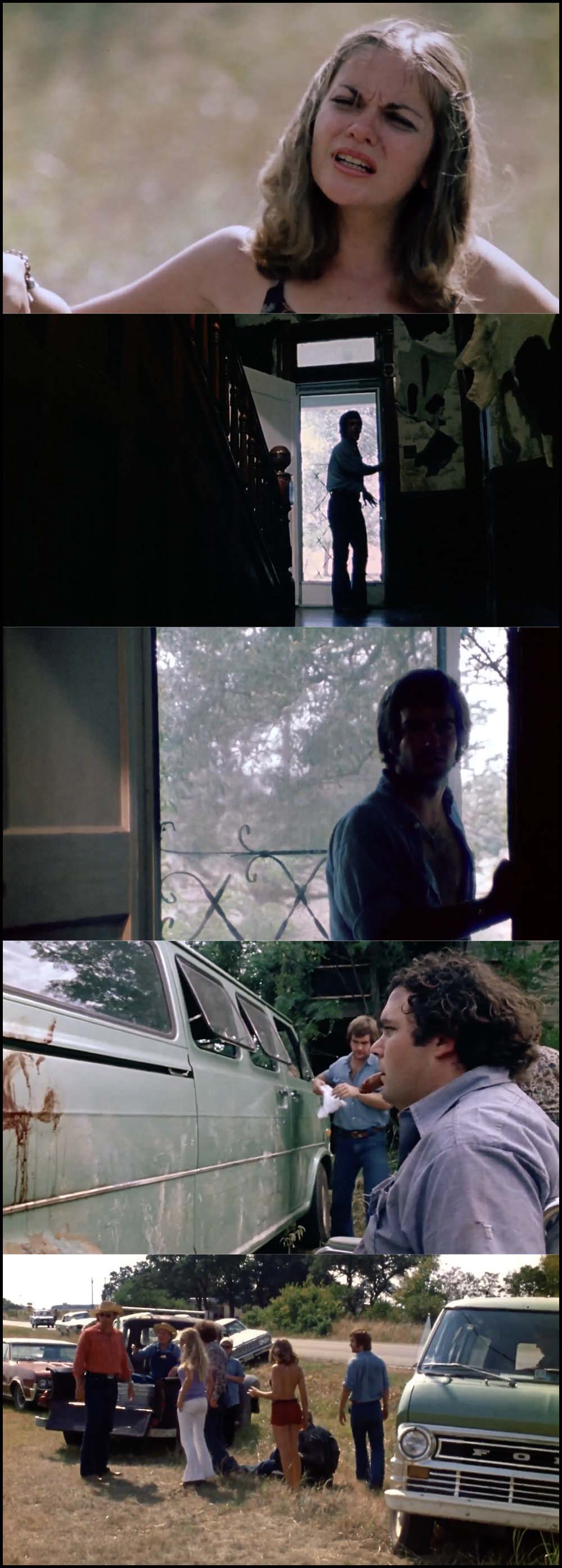
- 1970s Hollywood slasher films like Halloween (1978) and The Texas Chainsaw Massacre (1974), and
- Malayalam films like Kireedam (1989), Kilukkam (1991) and others that were from the early 90s.
What was very important to me was to craft a film look that felt like it was made in 1991.
That’s a hard thing to wrap your head around, because when a modern movie aims for a “vintage” look, they want it to feel old, but it never does. All you have to do is place the film alongside movies actually from that era and the difference will be obvious. I’m not saying that’s a wrong way to go about it, it was not my way.
I really wanted Gin Ke Dus to look like it was shot in that time period. I wanted to craft a look that felt authentic to the time, not just in costume and production design but in how the images themselves appeared on screen.
The goal wasn’t nostalgia – it was about immersing the audience in a world that genuinely felt like 1991.
In this article let me show you how I did just that.
Film vs. Digital: What I Chose
The movies I was referencing was mostly shot on 35mm film, approximately Super 35-ish if you want that as a reference. They were mostly filmed on Kodak film stock and probably printed on Kodak print film.
The Texas Chainsaw Massacre was filmed on 16mm, and it looked grainy and gritty. That was definitely the feel I wanted, but I knew I should shoot for something closer to the Halloween look. Halloween was filmed on anamorphic, and it got a more shallow depth of field look due to that format.
Malayalam films (films made in the state of Kerala, India) from the late 80s and early 90s were made on shoestring budgets, often lacking the advanced lighting setups and equipment available to Hollywood at the time. They relied on simpler setups due to budget constraints.
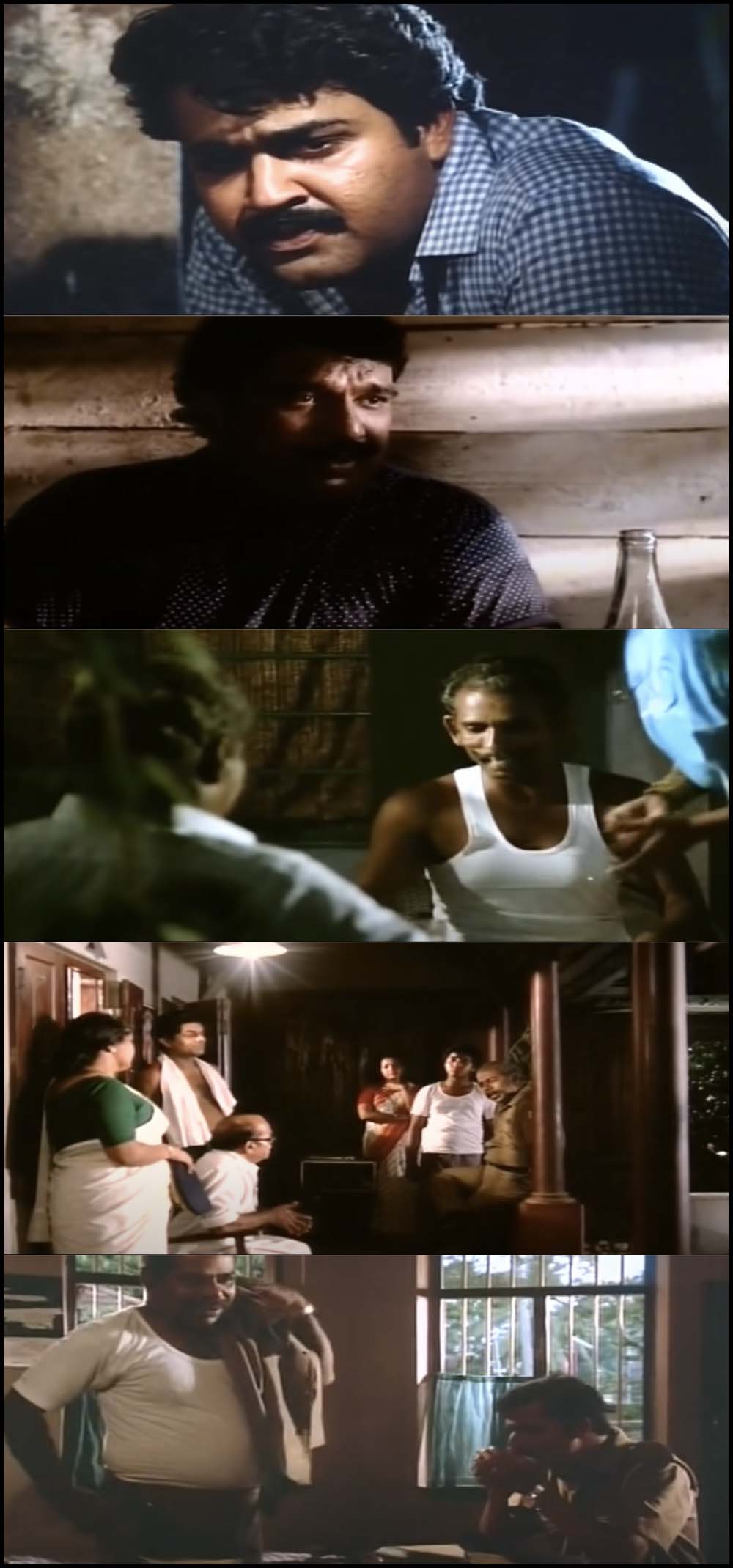
You could say, in terms of look, the films were about a decade behind their Hollywood counterparts due to equipment and budget issues. Telecine and post-production techniques were also behind, sometimes causing color shifts or contrast issues.
This is why many Malayalam films from that period look closer to the late-70s Hollywood low budget film than what you’d see from the 80s.

In any case, the one common denominator among all these films were that they were shot on film stock.
And I couldn’t afford to shoot a 30-day two-hour movie on film.
Gin Ke Dus was shot on a Canon R5 in 8K RAW, a full-frame digital camera with immense resolution and clarity. The challenge was making a high-resolution shallow depth of field image feel as textured and organic as the films I was trying to reference.
The first three steps was:
- To reduce the effect of a shallow depth of field. So I filmed in T4 and T5.6 for day scenes, and T2.8 and sometimes T2 for night scenes. This kept the bokeh relatively similar. My opening more the film would have looked too modern, and I hate shallow depth of field.
- I kept the base ISO at 800, which would somewhat mimic ASA 400 film. The grain needed to be added in post, though.
- I filmed in Canon Log3, and I knew I would have to expose carefully. I have already made a guide for the Canon R5, and I used exactly what I showed in the guide.

One of the biggest differences between film and digital is how they handle exposure:
- Film Blacks: are deep, and without grain when exposed and treated well.
- Digital Blacks: are less muddy, but grainier and show the worst color transitions.
- Film Midtones: are rich and textured due to grain structure.
- Digital Midtones: are smoother and you have to be careful with cheaper cameras due to color shifts. Skin tones are a critical weakness and I had to be very careful.
- Film Highlights: have a gradual highlight roll-off, lending a natural glow. Also, you see the most grain in the highlights.
- Digital Highlights: can clip suddenly, creating harsh-blocky whites. Also, they are smooth and noise-free.
As you can see, the grain structure is the total opposite!
By carefully tweaking gamma curves and highlight retention in camera and post-production, I ensured that Gin Ke Dus captured the nuanced contrast behavior of film – as much as possible. I would have loved to film with an Alexa for maximum skin tones, but it was beyond the budget.

Lens & Lighting Choices: Emulating the 1970s & 1990s Look
I didn’t want to film with shitty vintage lenses because in the 70s and 80s, cinematographers avoided that because they were dead giveaways. I wanted clean images and zero lens flare.
The only effects I really wanted were the effects of film stock and processing, not lenses. This is why I decided to film with Zeiss CP.3 lenses. They are not the sharpest, and not the worst – while giving enough separation at the T-stops I was filming in.
Also, we don’t have many choices here in India. When we do, they are often already rented out and in demand.
Gin Ke Dus carefully matched the films I was referencing by avoiding excessive digital sharpness and prioritizing a more textured visual style.
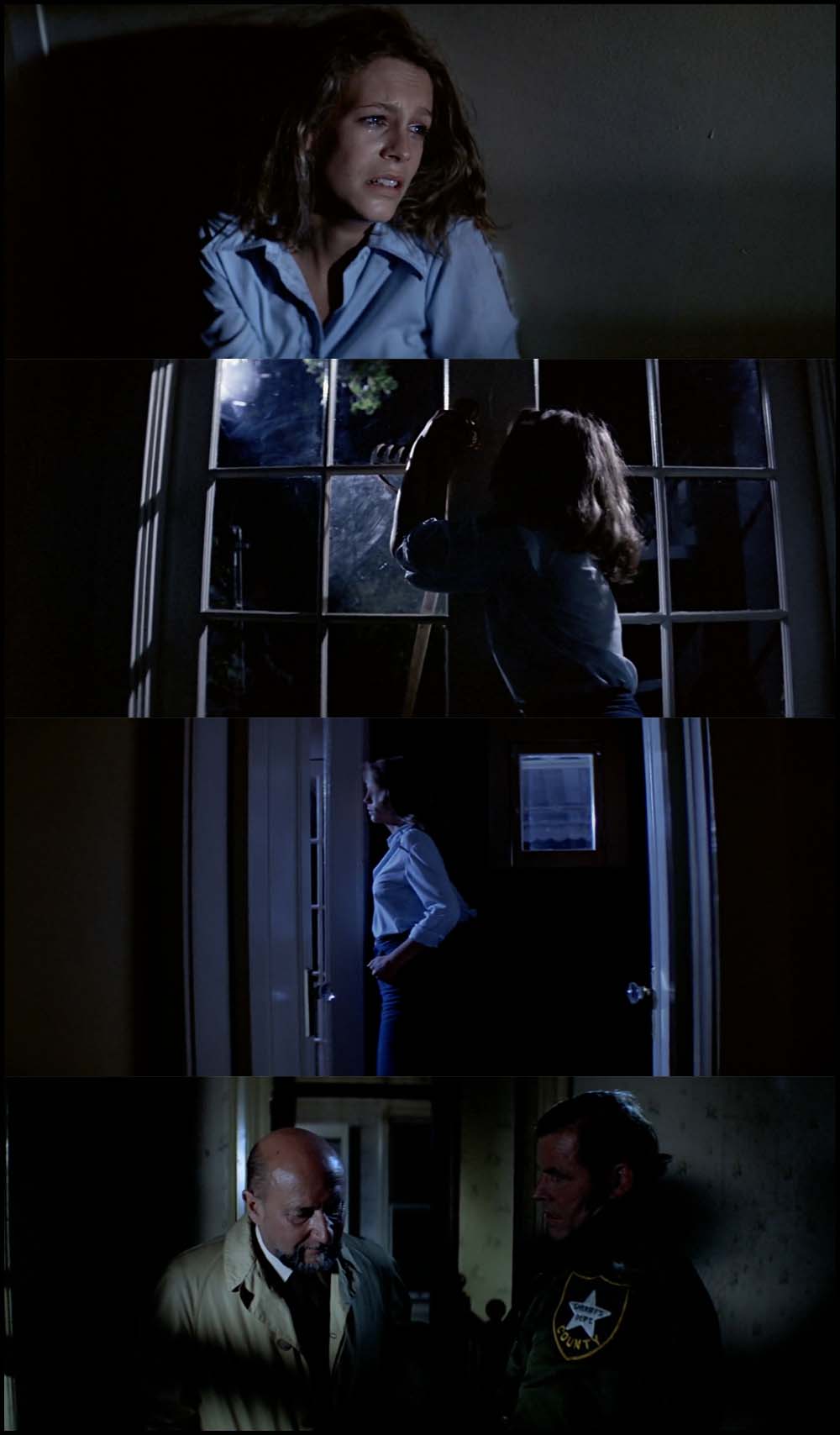
Lighting was crucial in defining the mood of the film. it was also the most difficult decision, because everyone wants soft glamorous lighting even for low budget horror.
I decided to stick to the Texas Chainsaw aesthetic. If you believe in something, you have to double down and not second guess yourself. Here are the key decisions in lighting:
- Low-key lighting for suspense.
- Hard lights with harsh shadows to increase tension.
- Natural light and practical sources to maintain realism and the low-budget aesthetic.

And finally, in post production, I used classic Film Emulation techniques as I’ve already explained here:

The Art of Making Digital Feel Like Film
Achieving a classic film look in the digital age requires deliberate choices in lenses, lighting, exposure, and post-processing. By taking cues from old films and applying modern tools thoughtfully, Gin Ke Dus achieves a look that pays true homage to the past:

For filmmakers today, the lesson is clear: technology may evolve, but the principles of great cinematography remain timeless.
I wanted to end up with a film that would take me back to the films of that era, and it does. I can’t say the same about many films and streaming shows that are supposedly set in the 80s and 90s but don’t really transport me to back then.
When people look at my film and say: “It looks like it shot in the 80s!”, or “The cinematography is so flat and amateurish that it looks like a local TV soap opera” – I take that as a compliment. That was exactly the look I was going for.
What would I have done differently?
The budget matters, sadly. Here’s a comparison so you get the idea:
| Film | Budget when produced | Budget adjusted for Inflation* |
|---|---|---|
| Halloween | $300,000 | $1,460,000 |
| The Texas Chainsaw Massacre | $140,000 | $901,000 |
| Kireedam | $145,000 | $302,000 |
| Kilukkam | $400,000 | $800,000 |
| Gin Ke Dus | n/a | $75,000 |
| Film | Production days | Adjusted Cost/Day |
|---|---|---|
| Halloween | 21 | $69,500 per day |
| The Texas Chainsaw Massacre | 32 | $29,000 per day |
| Gin Ke Dus | 30 | $2,500 per day |
In other words, it cost my film to make what they spent on a single day in Halloween!
Even if I had ten times the budget, I would only do three things differently:
- Film on an Arri Alexa (or 35mm film, but we have the problem of not having the same film stock or print stock) – for better skin tones and better gradability. You just can’t replicate the same skin tones and color with a camera costing about a hundred times less.
- Film for more days so I could be more careful in the lighting. We were filming at a breakneck pace, and half of it at night. That takes a toll. The greatest differences between my film and the references is the lack of fill light I had. At best we had three lighting fixtures, mostly it was just two LEDs.
- Spend on production design. We didn’t even have an art or prop department.
This would have helped me end up with a film closer to the films I was trying to emulate, but it would have been a whole different movie at that point.
I hope this comparison was helpful. If you have any insights to share, please do. A fresh perspective is always welcome!
