

Ben-Hur isn’t just a classic. It’s a massive, thundering, chariot-racing legend. Sixty six years later, it still stuns with its scale and beauty. There’s never been anything quite like it.
Watch the video to find out why:

Where are the Giant Screens?
Ben-Hur was made for 100-foot-wide screens with six-track stereo sound. Today, most folks watch movies on their phones or laptops. But this film was built for giant theaters with thousands of people. It’s the kind of thing that makes you wish drive-ins were still everywhere.

Bigger Than Life
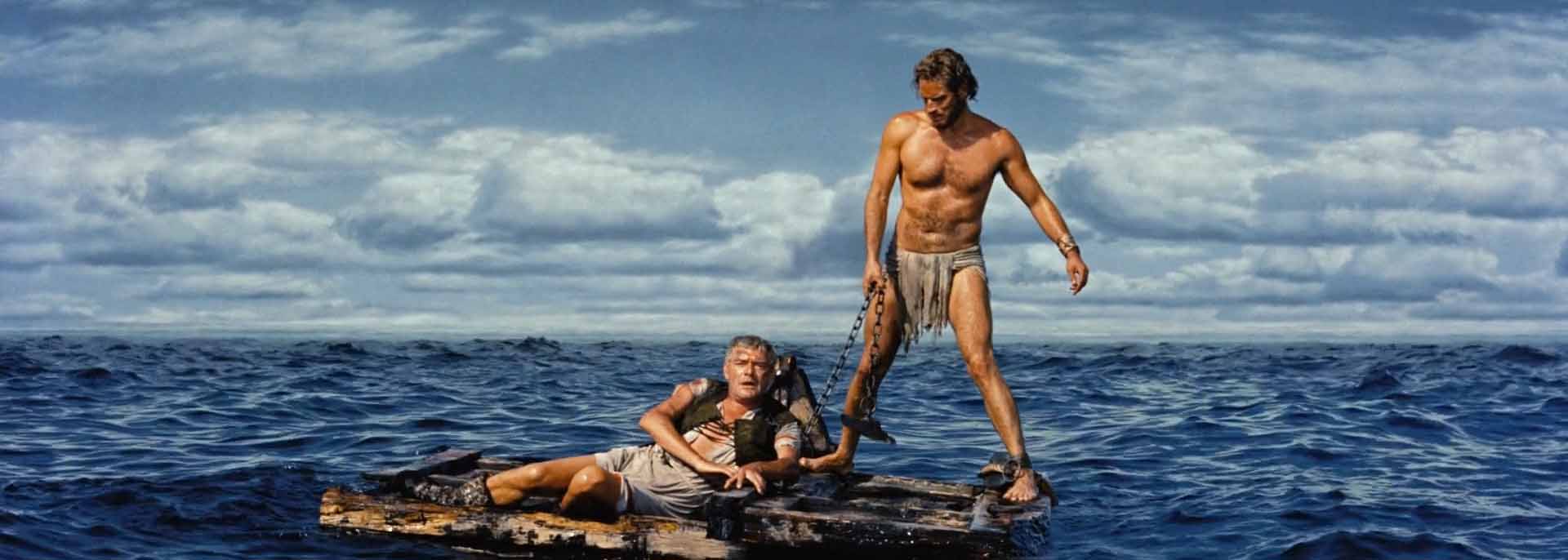
Ben-Hur was shot in MGM Camera 65, which later became Ultra Panavision 70. This format gave the film an ultra-wide aspect ratio of 2.76:1. It used 65mm film and an anamorphic lens squeeze of 1.25:1. It captured more detail, depth, and light than almost anything else in movie history.
The Cinematographer
Oscar-winning cinematographer Robert Surtees shot the film. He used soft lighting, deep focus, and carefully balanced contrast to make every image glow. Surtees had to deal with the challenges of shooting on massive sets with hundreds of extras.
He coordinated with second-unit teams to keep visual consistency across scenes. Shooting Ben-Hur was one of the hardest jobs of his career, but also the most rewarding.
The Director
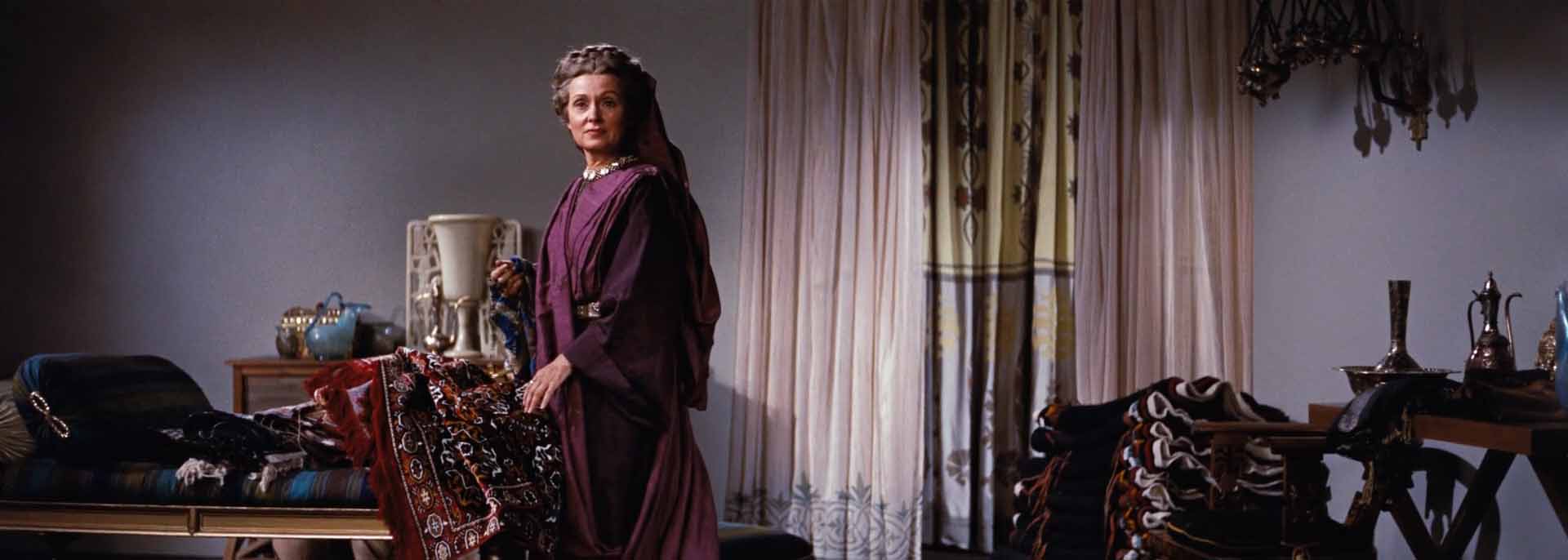
Director William Wyler didn’t want just another Bible movie. He wanted a timeless masterpiece.
Wyler was known for his perfectionism, sometimes shooting over 40 takes to get a single shot right. He guided actors with subtle direction and worked closely with Surtees to frame every moment with purpose.

Wyler didn’t even see the finished chariot sequence with music and effects until the press screening. That’s how much trust he had in the crew, especially producer Sam Zimbalist and Second Unit Director Andrew Marton.

A Chariot Race for the Ages
The chariot race in Ben-Hur still blows minds. No CGI. Just real horses, real crashes, and real danger.
The arena was built from scratch in Rome, measuring over 1,500 feet long and taking five months to construct. Over 78 horses were trained and rehearsed. Six units shot for weeks with six cameras. The editor had 340,000 feet of film to cut from – over 60 hours of footage!
The result is eight minutes of pure cinema history. You have to see it to believe it!
Ben-Hur used over 10,000 extras. That includes the crowd scenes in Jerusalem, the galleys, and the Circus Maximus. At Cinecittà Studios, 365 sets were built across 148 acres. The art department included over 1,000 workers. They recreated ancient Rome down to the smallest mosaic tile. The logistics alone were staggering.

Music That Moves Mountains
Composer Miklós Rózsa’s score is thunderous, emotional, and unforgettable. He wrote over two and a half hours of original music, recorded with an 85-piece orchestra in six-track stereo.
The music enhances every scene and becomes the voice of the film during its quietest moments. Especially in the second climax – the trial and crucifixion of Christ – where there are few words spoken, Rózsa’s music speaks volumes.

They Don’t Make ’Em Like This Anymore
Ben-Hur saved MGM from bankruptcy. It won 11 Oscars.
But studios didn’t learn the right lesson. They tore down majestic single-screen theaters and replaced them with shoebox multiplexes. Now, with streaming platforms taking over, audiences are shrinking.
But here’s the sad twist: they can’t make another Ben-Hur. They destroyed the very thing that made epics like it possible – the screen.
If you’re gonna watch Ben-Hur, do it right. Big screen, loud speakers, lights off. Let it wash over you.
