
If you’ve spent any time in photography forums, you’ve probably come across the term Exposing to the Right, or ETTR. It’s a technique that encourages pushing exposure to the right side of the histogram – just before clipping the highlights—to capture the most image data—especially in the shadows.
In digital photography, this method is effective. But in cinematography? Not so much.
In this article, I’ll explain why ETTR doesn’t quite work for cinematography—and what you can do instead to achieve a similar advantage.
What is Exposing to the Right (ETTR)?
Digital sensors record more tonal information in the brighter stops of exposure. So, by exposing brighter (without ever overexposing), and then correcting the image in post, photographers can reduce noise and preserve maximum detail – especially in the shadows.
More data = better image.
In photography, each image stands on its own. However, in cinematography, shots have to be matched in exposure, color and noise.
Therein lies the problem.
You don’t light a film scene to capture maximum dynamic range. You light it to express character, emotion, and tone. Things get a lot more complicated when you have lights, reflectors and motion in the shot.
This creates practical problems. Before I get into that, let’s see how ETTR works, because we can use the principles to our benefit.
How ETTR works
Here’s a test shot:
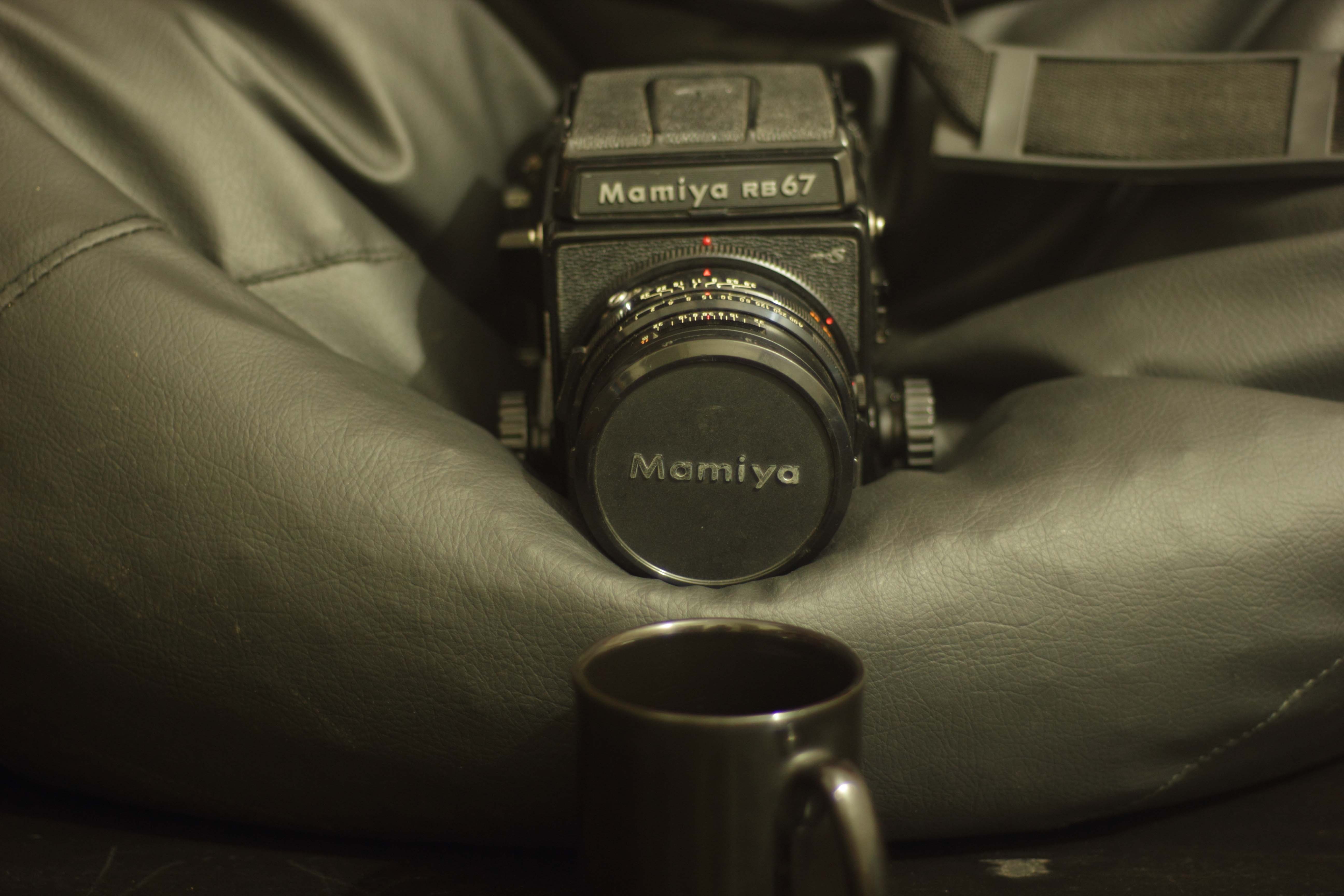

It was shot with a Canon camera, in Canon RAW, then processed in DPP with the Neutral Picture Style. White Balance was Shade.
Here’s the version exposed two stops higher, just below the clipping point for highlights, then corrected:
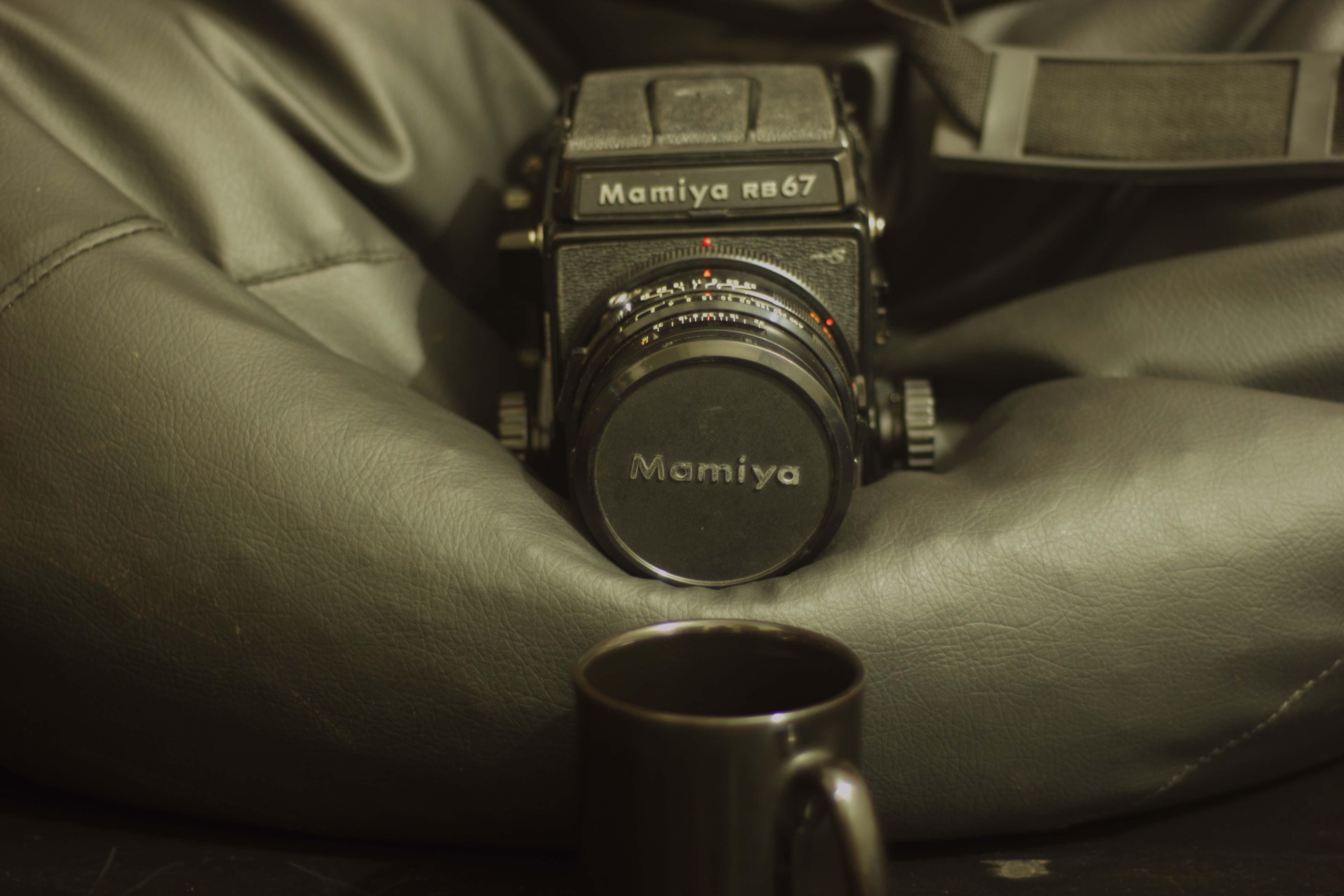
The exposure was reduced by two stops. So it is matched to the normally exposed version. No other changes were made. 16-bit TIFF files were exported and then crunched into 8-bit JPEGs at medium quality in Photoshop for this test.
It’s hard to see the difference, so let’s zoom in to 200%:
Crop 1. Two images. First Basic, followed by the ETTR version:

Crop 2. Two images from another part of the frame. First Basic, followed by the ETTR version:


It is obvious from the above exercise that there’s much less noise in the ETTR version.
There are a few things to watch out for when exposing to the right:
- It only works when shooting RAW.
- One must be extremely careful not to clip the highlights.
In short, what’s the big deal about ETTR? Two major benefits:
- Reduced noise in the shadows.
- More color information overall for manipulation or color grading later.
Let’s look at some specific issues related to cinema cameras and cinematography in general.
Color and Noise Shifts
Many modern cinema cameras – like the ARRI Alexa 35, Blackmagic PYXIS – are designed with different highlight and shadow roll-off characteristics than still photography cameras.
For example, the ARRI Alexa 35 offers over 17 stops of dynamic range, with a more balanced distribution between shadows and highlights – unlike previous models that had more stops available in the shadows.
Some cameras can do well with overexposure, others not so much.
The biggest issue is color shift. When you overexpose in log, the colors are compressed in the highlights. Cheaper cameras, even if they film in RAW, will record different colors at different exposure levels. High-end cameras do better.
The second biggest issue is noise characteristics. Digital noise shifts with exposure—largely due to filming in log (rather than linear), even when shooting in RAW.
If you have a scene with two shots, each exposed differently to conform to ETTR, they will have different color and noise characteristics. They might look great on their own, but won’t edit well together.
This means added cost and time to color grade the image to match – which defeats the purpose of ETTR in the first place! Either you’re changing colors, or adding noise to one to match the other.
The biggest problem in cinematography is shot matching
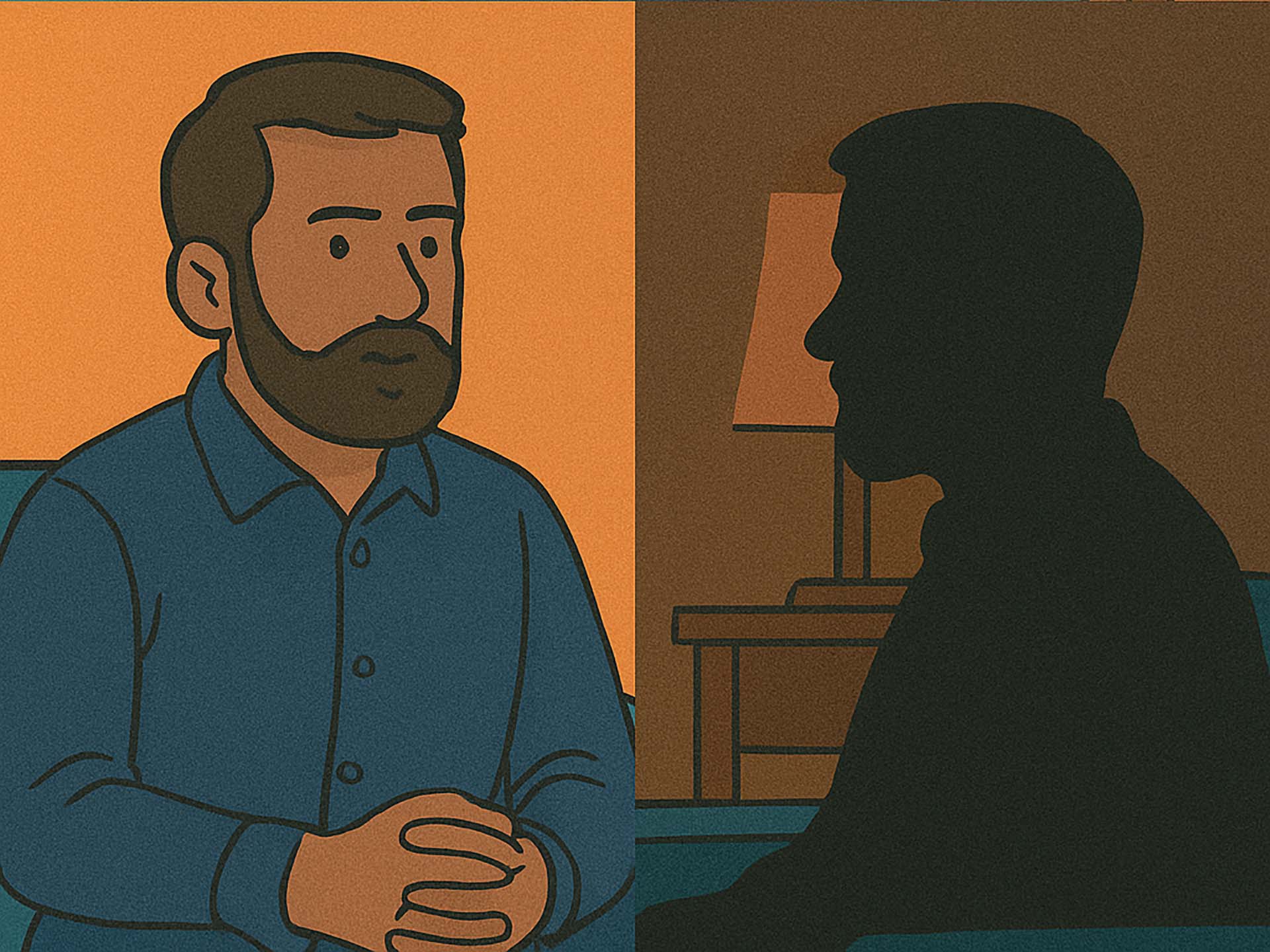
As the title says! Let’s look at the same scene filmed from three different angles:
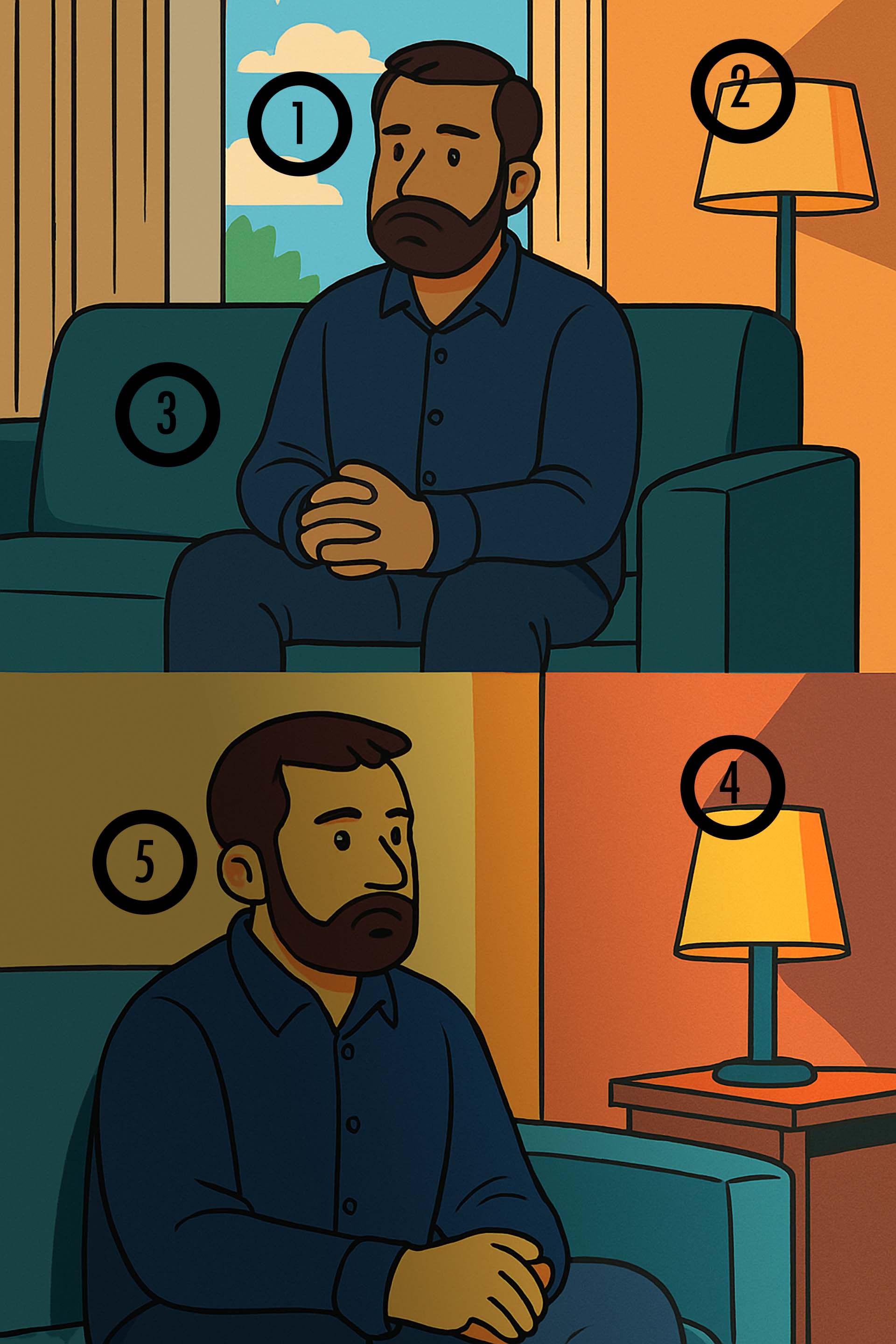
As you can see:
- If you expose for the skies and clouds, the foreground will naturally be underexposed.
- The lamp will not be as bright as the skies, but it will be somewhere in between depending on its intensity.
- The subject will be underexposed. The brighter the window, the greater the contrast. You could put the entire foreground in silhouette.
- From another angle, ETTR will mean exposing for the lamp, which will make it the brightest.
- This means the rest of the image will be underexposed accordingly, but not as much as the first image.
The noise and color characteristics can wildly vary when trying to match these shots. On a higher-end cinema camera it won’t be so bad.
But…
Cinematographers have to light to bring up levels, and use a lot more light just because they’re overexposing the image. It’s not really practical in the fast-paced environment of a film set. Also, when you add LUTs, things get even more crazy.
In the above example, to match the two shots with lighting, you have to light both differently, while trying to match them. There’s just not that much time for this extra step. And why bother with the extra calculations if there’s a simpler, more effective approach?
However, we can use the principles of ETTR to get cleaner, but matched shots.
What To Do Instead: Overexpose
Cinematographers don’t need to expose to the right. They could just overexpose the whole scene by whatever they deem practical.
This is a time-tested practice going all the way back to film cinematography. Kodak even advises to overexpose by about a stop over to get the cleanest shadows and blacks.
However, instead of exposing each shot differently, like ETTR does, you overexpose the scene as a whole.
This will allow you to light for that overexposure, and the contrast range between highlights, skin tones and shadows will be maintained scene-wise. In this way, cinematographers can focus more on mood and storytelling, and less on unnecessary lighting and exposure challenges.
Later, in post, the entire scene can be brought down and everything will match automatically. And, you get cleaner images with the best color information.
Learn to light and expose with intention. Use tools like false color, light meters, and LUTs to understand how your choices will look in the final grade.
ETTR definitely makes sense in photography – especially landscape photography. But filmmaking has unique challenges where opting for the ideal strategy is not really ideal.
And let’s not forget – sometimes in cinematography you want to clip the highlights, or crush the shadows! Modern cinema cameras have much more pleasing, film-like, highlight roll-offs. What’s there to be afraid of?
