

What makes a film look expensive? Is it the production value? The camera work? The editing? Or is it something you can’t quite put your finger on – an ineffable quality that keeps pulling you back into its world? Jaws is one of those films.
Nearly 50 years on, it still holds up better than most modern movies. And that’s not just nostalgia talking.
Watch the video:

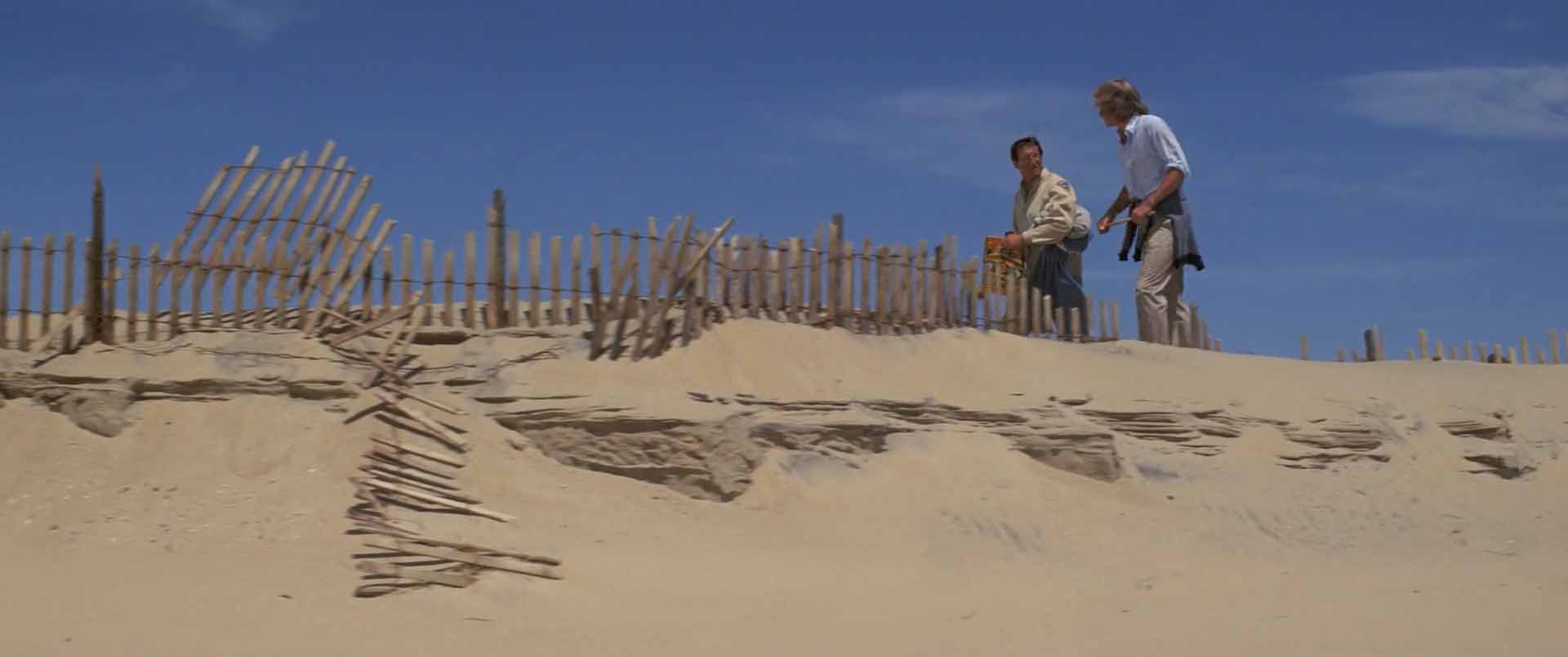
The opening alone tells you everything you need to know. You see a girl running into the ocean. It feels like something’s watching, waiting.
That opening cost almost nothing. It’s just mainly suggestion (and a few screams). But it grips you. That’s where Spielberg shines. He knows how to make your brain fill in the blanks.
The shark barely shows up. That wasn’t the plan. The mechanical shark was supposed to be the star.
But it broke. Often. And so Spielberg had to rely on everything else.
Clever camerawork. Tight editing. The music. The audience never sees the whole shark until they’re already terrified of it. To know more about axial cuts (like the kind used in Jaws), watch this video:

Verna Fields cut the film like she was threading a bomb. It’s not flashy. Each cut builds momentum. Fields understood rhythm in a way few editors ever do. And she knew how to let a scene breathe. It’s what makes the film feel organic.
Spielberg himself said she saved the movie. Hey, she won an Oscar!
Bill Butler shot the film with a mix of desperation and brilliance. Shooting on the open ocean is notoriously difficult. The light changes. The horizon shifts. Boats drift. Yet somehow, Butler made it all match. He used a single Tungsten stock – rated at 100 ASA – and heavy filtration.
They had no digital grading tools back then. You had to get it right on set or you didn’t get it at all.
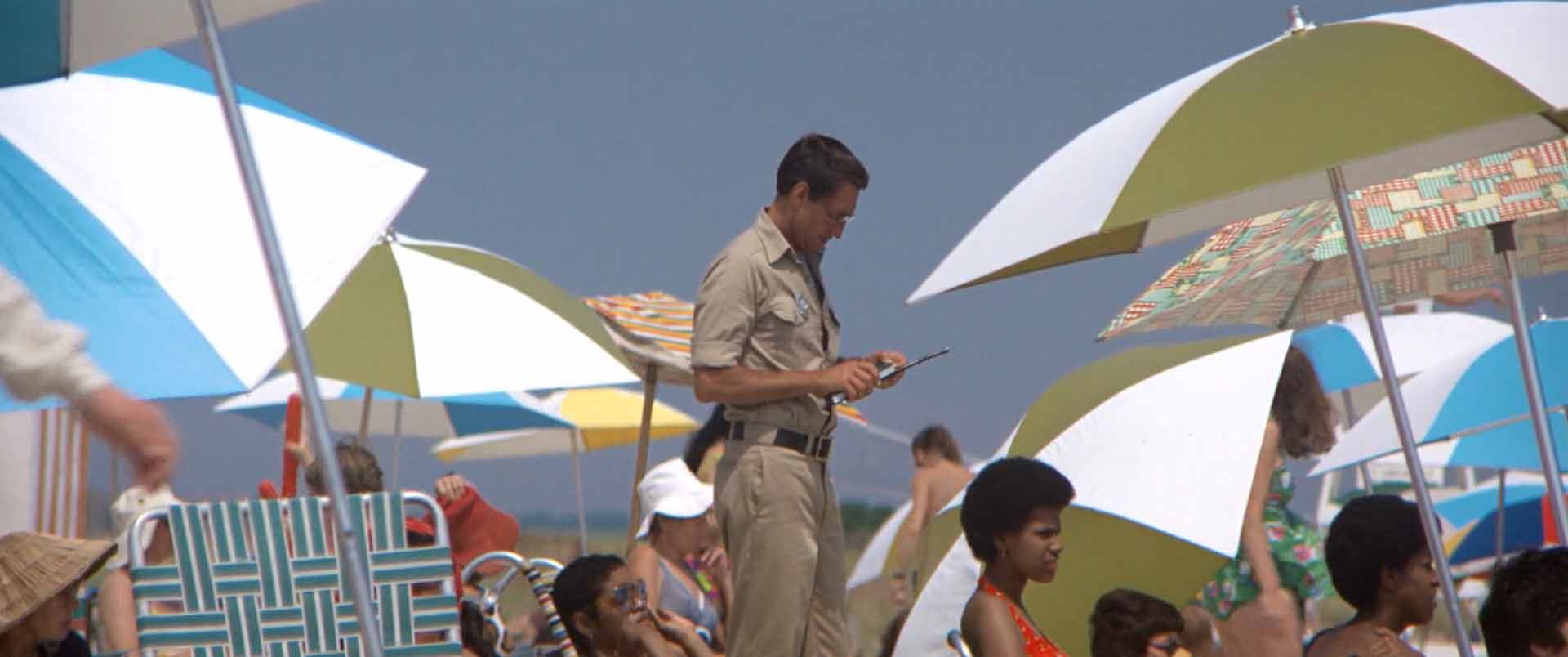
The ocean in Jaws never looks the same twice. Sometimes it’s inviting. Sometimes it’s sinister. It plays with your expectations. Spielberg and Butler used shadows, reflections, silhouettes. It’s subtle. And cost effective.
Jaws feels like a film made by someone who’s already failed and learned everything from it. But Spielberg hadn’t failed. He was just instinctively right.
A lot of filmmakers today think the camera should always be moving. Spielberg moves the camera with purpose. When Brody first spots the shark from the beach chair, the camera pushes in with a famous “dolly zoom”. It puts you inside Brody’s panic.
To know more about dolly zooms, read this:
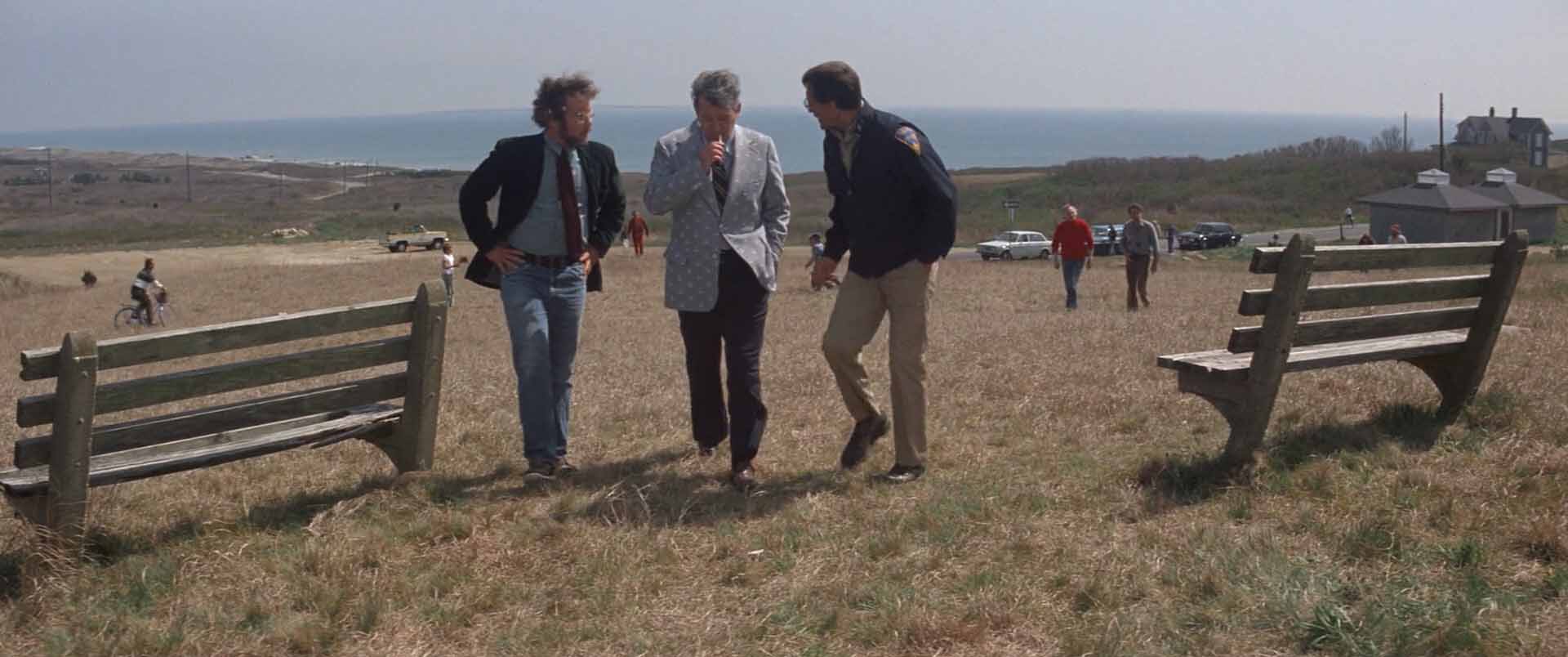
Blocking is another area where Spielberg is criminally underrated. In Jaws, every actor knows exactly where they need to be, and when. It looks effortless, which is why most people don’t notice it. But blocking like that takes rehearsal, and a supreme understanding of space and movement.
Then there’s the score. Spielberg withheld the score when audiences had already been trained to associate the theme with the shark. When the shark attacked without it, they were unprepared.
The less you show, the more the audience imagines. And imagination is always scarier. Spielberg had learned that from Duel, his first feature for television. A faceless truck chasing a lone driver. In many ways, Jaws is Duel with water.
Many of the greatest shots in the film are not expensive. They’re just well thought out. The raft shot, for example. Sea level, bobbing with the waves. You feel like you’re about to drown. The low angle makes the water feel massive.
The shooting conditions were brutal. Salt water damaged equipment. Actors got seasick. Continuity was a nightmare. But none of that shows up onscreen. That’s what separates good filmmakers from great ones. Everyone has problems. The best make it invisible.
Jaws changed the industry. It was the first summer blockbuster. Before that, summer was the graveyard shift. Studios dumped their worst films there. Jaws proved that a great movie, released wide and marketed well, could dominate. It created the modern release strategy.
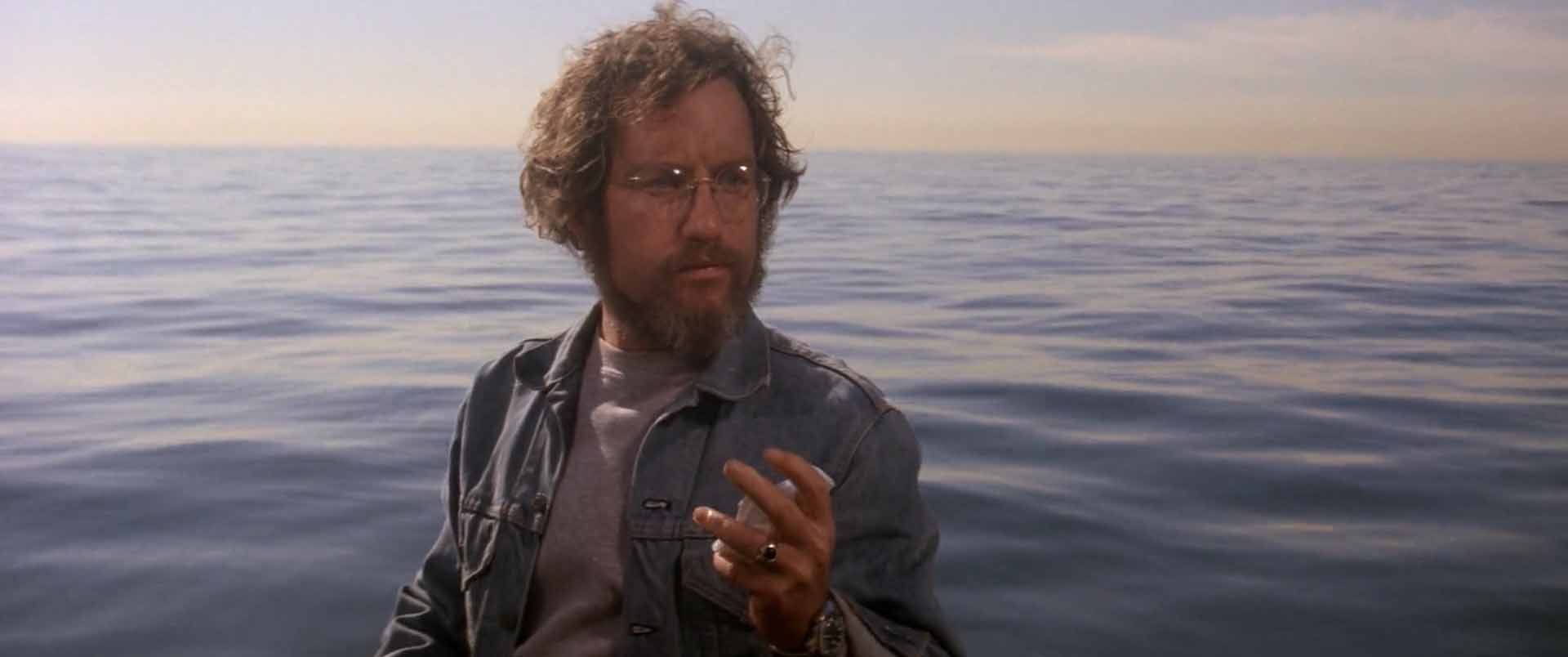
Jaws isn’t a perfect film. But it’s perfect in all the ways that count.
For filmmakers, there’s no better film to study. It shows what’s possible when talent meets constraint. Spielberg wasn’t trying to make history. He was just trying to survive the shoot. And in doing so, he made history anyway.
Fifty years on, we’re still talking about a broken shark that barely shows up. And somehow, it still looks like a billion bucks.
Now watch this:
