

Few films in cinema history carry the kind of legacy that Star Wars: Episode V – The Empire Strikes Back does. Released in 1980, it was the highly anticipated sequel to George Lucas’s 1977 blockbuster Star Wars: A New Hope.
Expectations were immense, but rather than simply replicate the formula of the first film, The Empire Strikes Back carved out its own identity. I consider it the strongest entry in the Star Wars saga, and one of the greatest sequels of all time.
But why does this particular film stand apart from the others in the series, and indeed from so many other sequels in cinematic history?
To answer that, let’s start with the video:

A Different Kind of Sequel
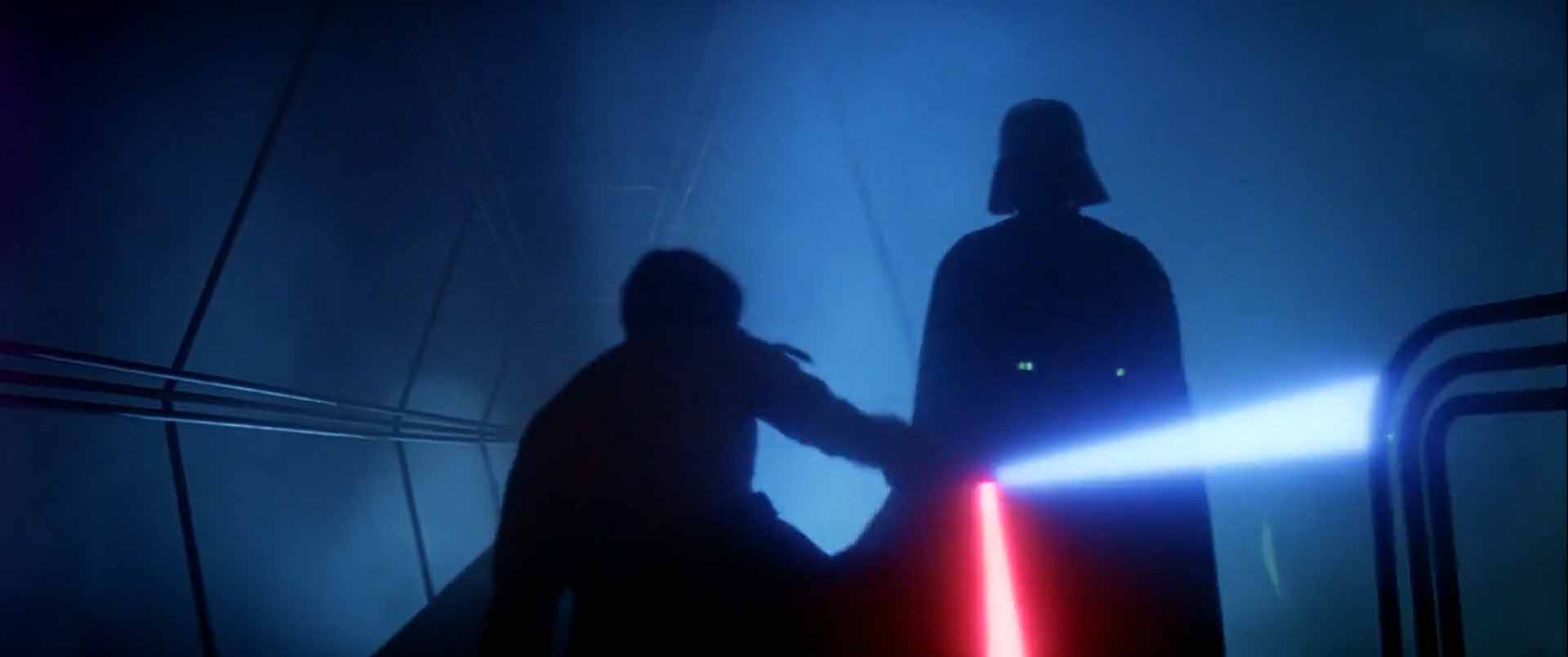
When The Empire Strikes Back was released, Hollywood was more interested in reproducing formulas than in deepening stories. Yet The Empire Strikes Back took a risk. It didn’t attempt to simply retell A New Hope in a new setting. Instead, it embraced a darker, more mature tone.
Episode V begins with the Rebels in retreat and only grows more dire from there.
This willingness to subvert audience expectations established the film as something more than just a continuation. It became its own story.
Raising the Stakes
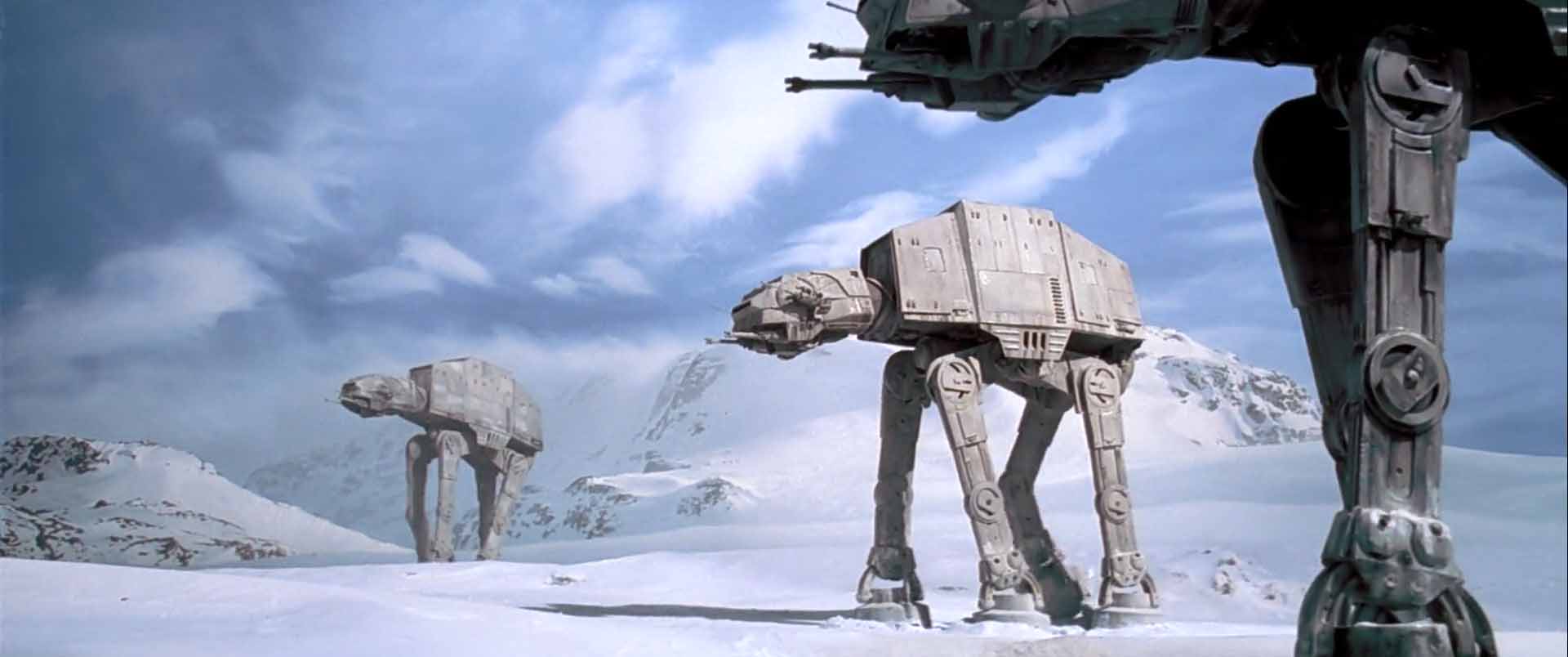
The opening battle on Hoth sets the stage for what the film is about: survival against overwhelming odds. The Rebels are pushed to their limits, barely escaping the Empire’s relentless assault. The heroes are vulnerable, and winning will not come easily.
Throughout the film, the characters endure significant setbacks. Han Solo is captured and frozen in carbonite. Luke Skywalker faces not just physical danger, but a spiritual and psychological crisis during his training with Yoda. By the end, the characters are scattered and broken. It is the rare blockbuster where the villains clearly win and the heroes are licking their wounds.
This bold storytelling choice changed the landscape for sequels, proving that a film could end on a cliffhanger and still feel satisfying.
Character Growth and Conflict
The most enduring strength of The Empire Strikes Back lies in its character work. A New Hope established archetypes: the farm boy hero, the rogue smuggler, the determined princess. Episode V deepens these archetypes, turning them into complex, flawed, and evolving people.
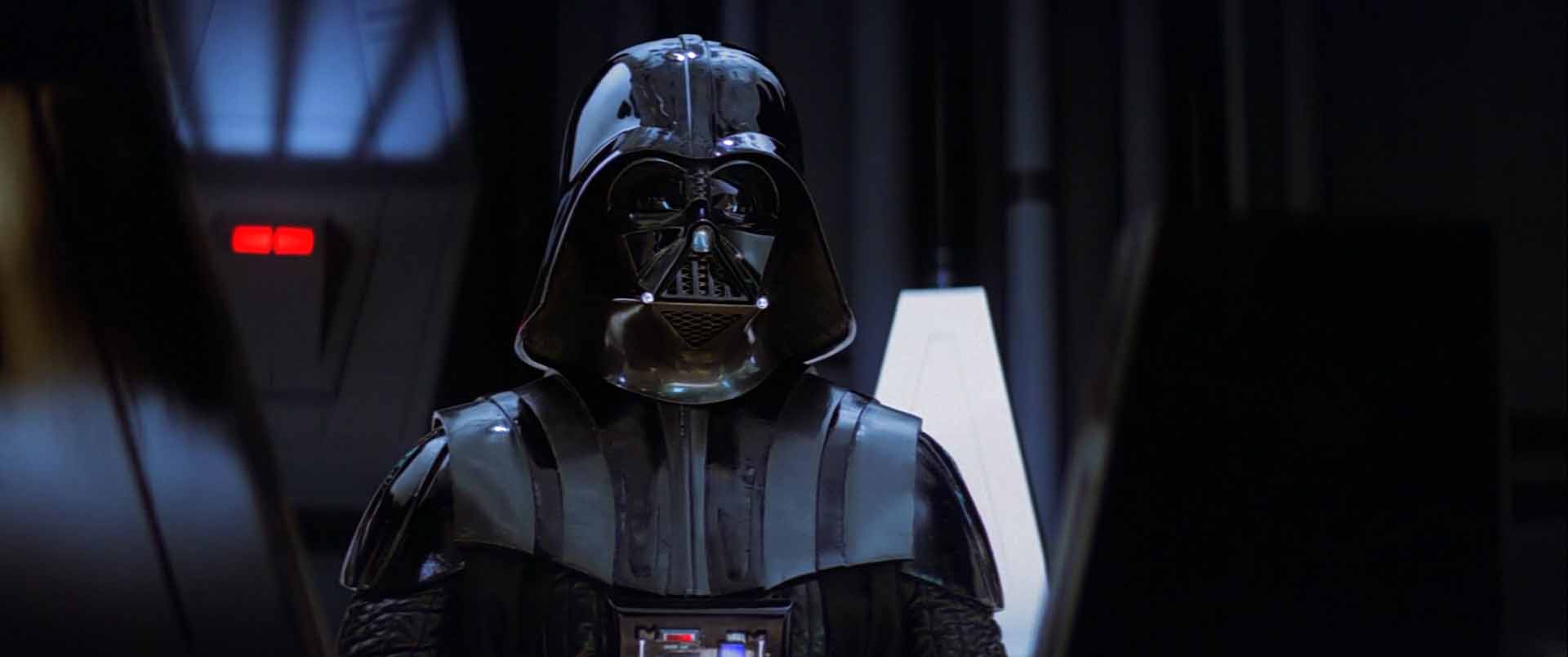
- Luke Skywalker is no longer the wide-eyed dreamer. His decision to leave Yoda before finishing his training reveals his impulsive nature, and his duel with Darth Vader culminates in a devastating revelation.
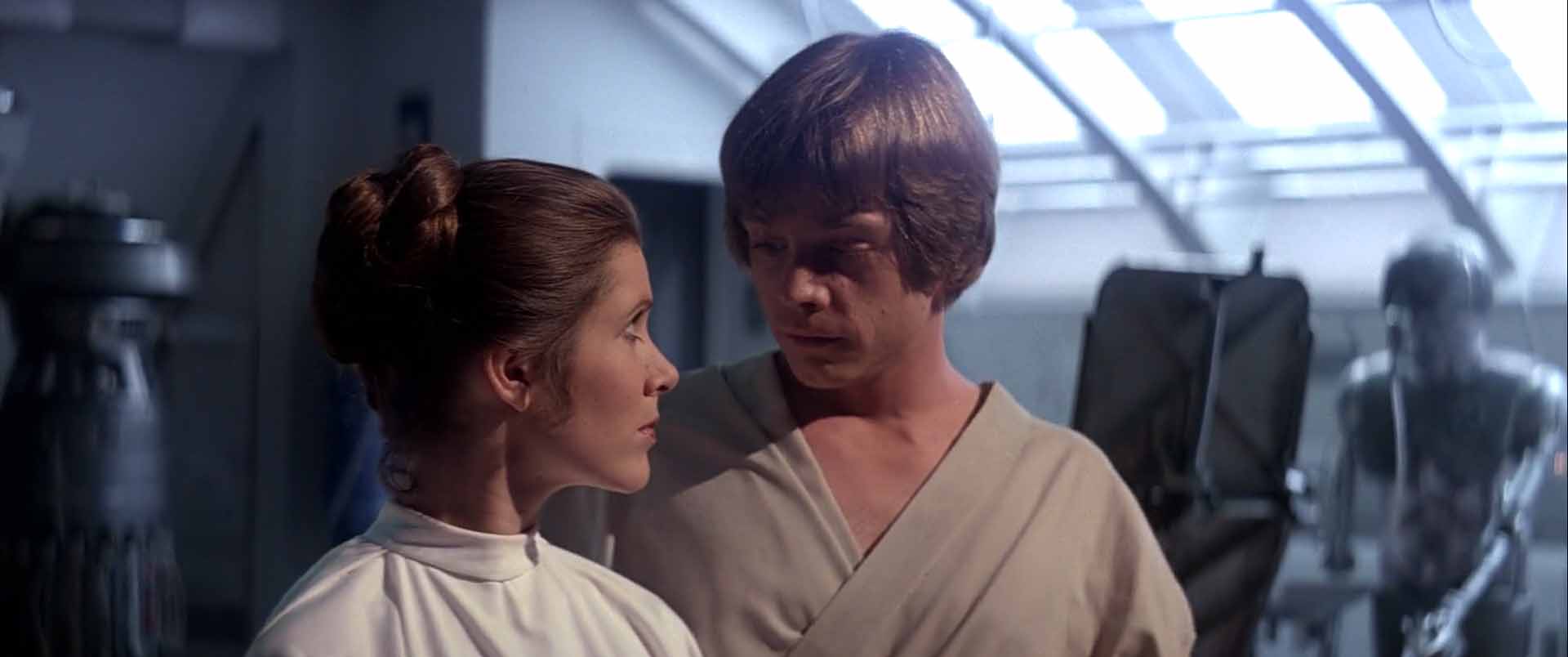
- Han Solo evolves from the self-interested smuggler into someone willing to sacrifice himself for his friends. His relationship with Leia is more than playful banter. His fate is left unresolved, because they didn’t know if Harrison Ford would sign on for the third film.
- Leia continues to prove her leadership, but the film also explores her vulnerability. Her growing connection with Han adds depth to her character, but she also sends mixed signals.
- Darth Vader transforms from an imposing goon into a tragic figure with hidden layers. Don’t want to spoil it here.
A Shift in Tone
While A New Hope was rooted in the optimism of a space fantasy adventure, Episode V adopts a darker, more mythic sensibility. This is partly due to director Irvin Kershner, who approached the material with an emphasis on character drama and emotional realism.
The cinematography by Peter Suschitzky enhances this tonal shift. The film starts white and cheerful, and ends black and dreary.
John Williams’s score also plays a crucial role. The now-iconic “Imperial March” gives Vader and the Empire a theme of overwhelming menace. Meanwhile, quieter motifs during Luke’s training lend a spiritual quality to his journey. The sound design by genius Bill Burtt is more expressionistic, and the mix is amazingly fresh.
Myth and Philosophy
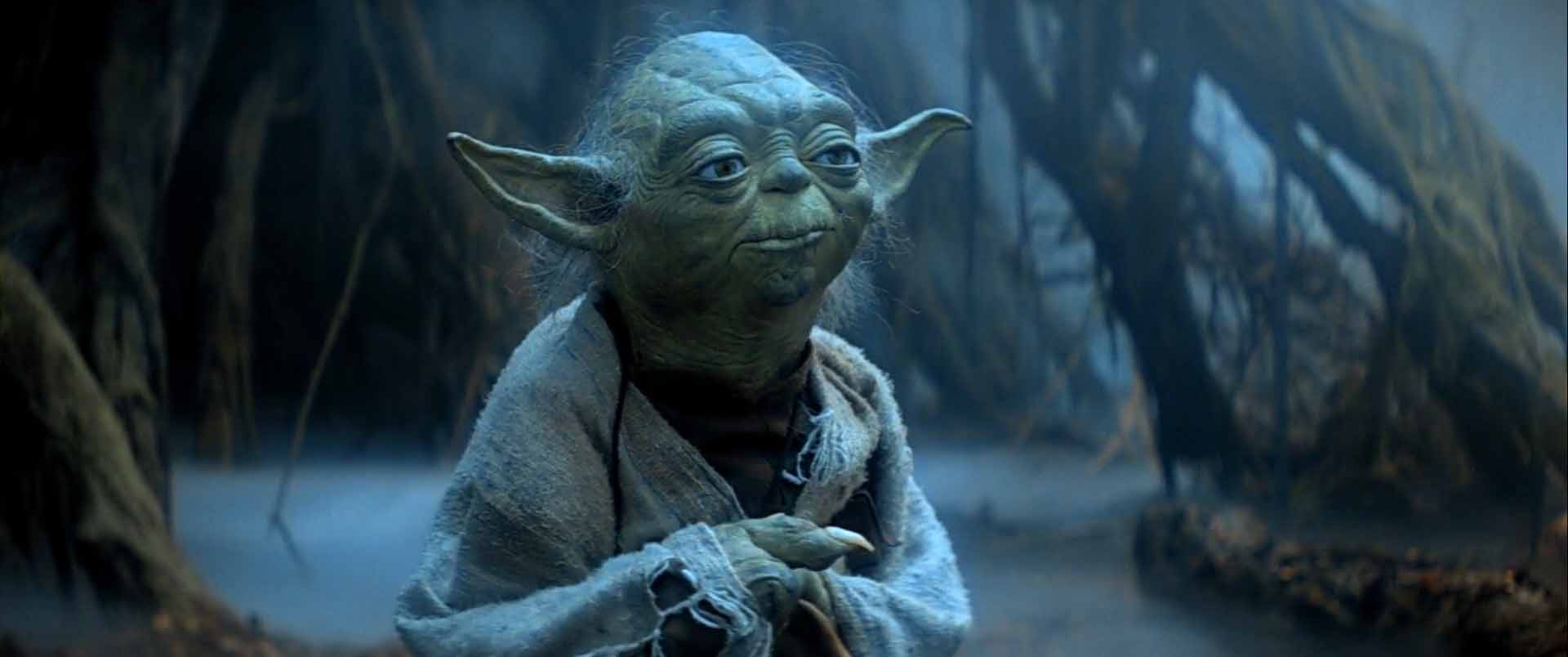
Beyond its plot, The Empire Strikes Back introduces deeper themes of myth and philosophy. Through Yoda, the film explores concepts of self-control, fear, and the nature of the Force. Luke’s failure in the cave sequence is one of the saga’s most profound symbolic moments. It raises questions about Luke, and sets up what’s going to happen later.
The film complicates the moral landscape established in the first film. Everyone’s not who they seem. Luke shows his weakness, Leia appears two-faced in her emotions, and surprisingly, Han Solo becomes a hero. This layer of complexity is a significant reason why Empire resonates so strongly decades later.
At the time of its release, The Empire Strikes Back was a massive financial and creative gamble. George Lucas financed it himself with a loan. It brought freedom but also immense pressure. If the film had failed, it could have ended Star Wars entirely – and Lucas’ career with it.
But, the risks paid off. The cliffhanger ending could have alienated audiences. Instead, it solidified the franchise’s reputation and made fans more hardcore.
Cultural Impact
The legacy of The Empire Strikes Back extends beyond Star Wars itself. From superhero franchises to fantasy epics, the idea of the “darker middle chapter” owes much to Episode V.
For fans, the film has become a cultural milestone. Generations of viewers return to it for nostalgia and its timeless themes: the struggle between light and dark, the cost of choices, and resilience in the face of loss.
Why It Stands Alone
So why does The Empire Strikes Back stand alone, even within the Star Wars saga?
Several reasons converge:
- It refused to repeat the formula.
- Its character development created enduring figures.
- Its visual and tonal shift expanded the scope of the Star Wars universe.
- Its themes of identity, failure, and destiny gave it philosophical depth uncommon in mainstream cinema.
- Its unresolved ending redefined what a sequel could be.
In many ways, The Empire Strikes Back is the film that ensured Star Wars would not just be remembered as a fun sci-fi adventure from the late 1970s. It cemented the saga as a mythic story with staying power, with enough legs to resonante across generations.
Without Episode V, Star Wars might not have endured as it has. What I love most about it is it trusted its audience completely.
More than forty years after its release, the film continues to inspire discussion, analysis, and admiration. It is not only a great Star Wars film but a landmark in cinema, showing that sequels can transcend expectations and that storytelling can grow deeper with each chapter.
What do you think?

Some very simple reasons why Empire Strikes Back stands sequoia-tree-taller than all the others in the Star Wars franchise(s) and spinoffs: George Lucas produced; he did not write nor direct. The actors thus could relax and show some real….. character. Secondly, the filmmaking is better; it asks more questions than it gives answers, so it feels much more like a film than a movie.
Thanks for sharing!