

Lenses are available in a wide range of focal lengths from 8mm to over 300mm. This variety often feels overwhelming for a newcomer. So, I understand choosing the correct focal length is a significant challenge for some starting their journey in films.
My experience in filmmaking spans over twenty years across many different genres. This background allows me to identify which lenses are truly necessary and which are redundant.
Many people spend a large portion of their budget on lenses they rarely use. By focusing on a core set of focal lengths, you can save money and improve the quality of your work. Mastery of focal lengths is a fundamental skill for any director or cinematographer. Understanding how glass impacts the story is more important than owning the most expensive equipment.
With that in mind, let’s get started.

The Concept of 35mm Equivalent
One important detail to remember is that the focal length number (focal number) changes depending on the camera format you use. This happens because of different sensor sizes.
For the purpose of this guide, I will refer to focal lengths in their 35mm equivalent. This is the focal length of the lens assuming the sensor is a full frame 36mm x 24mm sensor.
Smaller sensors, such as APS-C or Micro Four Thirds, capture a smaller portion of the image. This makes the field of view appear more zoomed in. If you use a 50mm lens on a smaller sensor, it will look tighter than it does on a full frame camera.
To avoid confusion, I consistently use the 35mm equivalent to describe how wide or narrow a shot will be regardless of the sensor size.
This standard is useful because it allows you to discuss shots in a consistent way. If a director asks for a wide shot, they might specify a 28mm equivalent. The cinematographer then does the math to find which physical lens achieves that look on their specific camera. This approach simplifies the planning process and ensures that everyone has the same vision for the frame.
Now that you know this, let’s start with the first focal length.
The 14mm “Landscape” Lens
| 1″ Sensor | Micro Four Thirds | Super 35 or APS-C | Full Frame 36mm x 24mm | Alexa 65 |
|---|---|---|---|---|
| 5mm | 7mm | 9mm | 14mm | 21mm |
The 14mm lens is a great choice for capturing expansive landscapes.
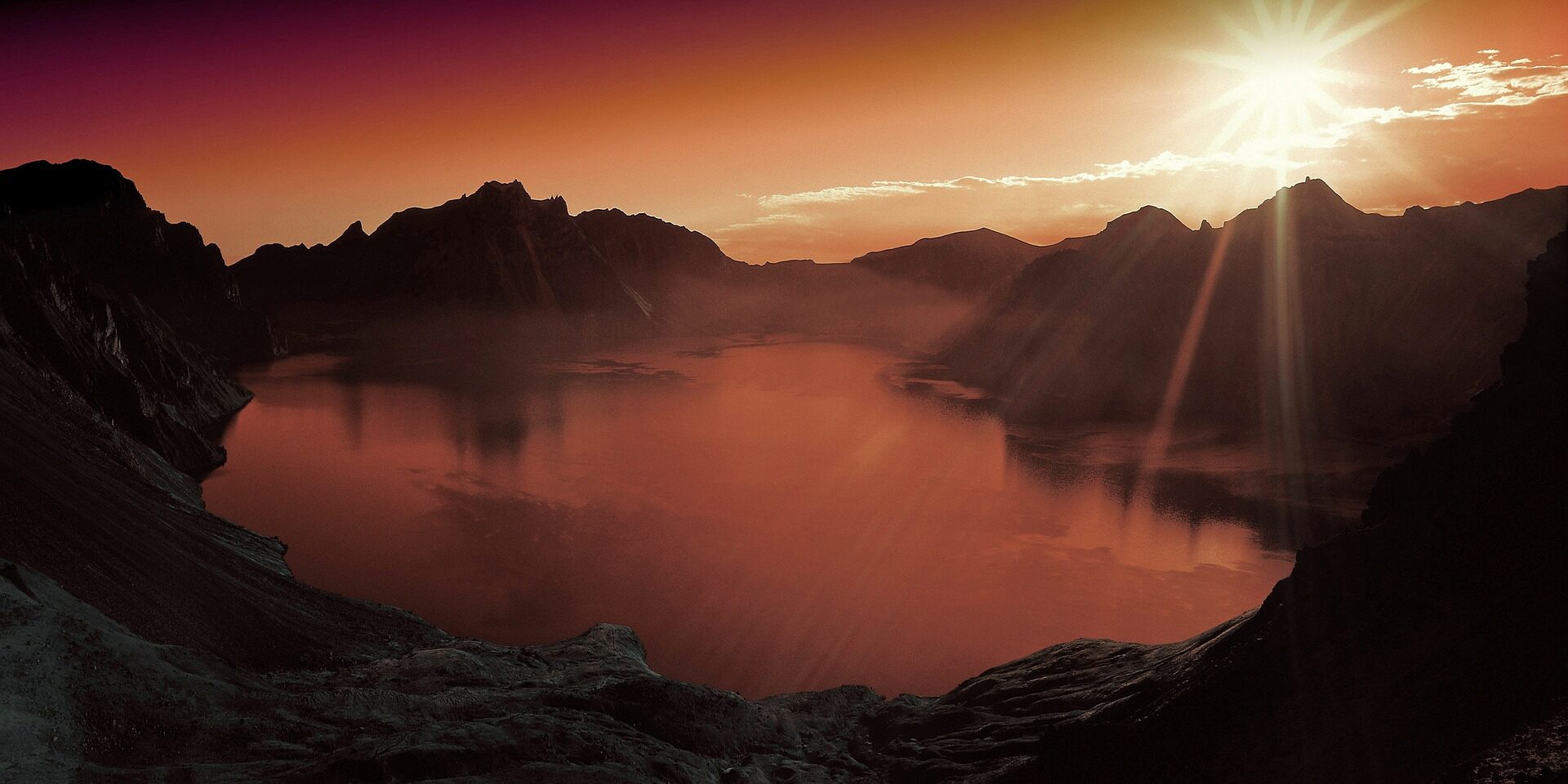
It offers an extremely wide field of view that is necessary for grand vistas and natural scenery. Filmmakers often use this focal length for timelapses of the night sky or rolling hills.
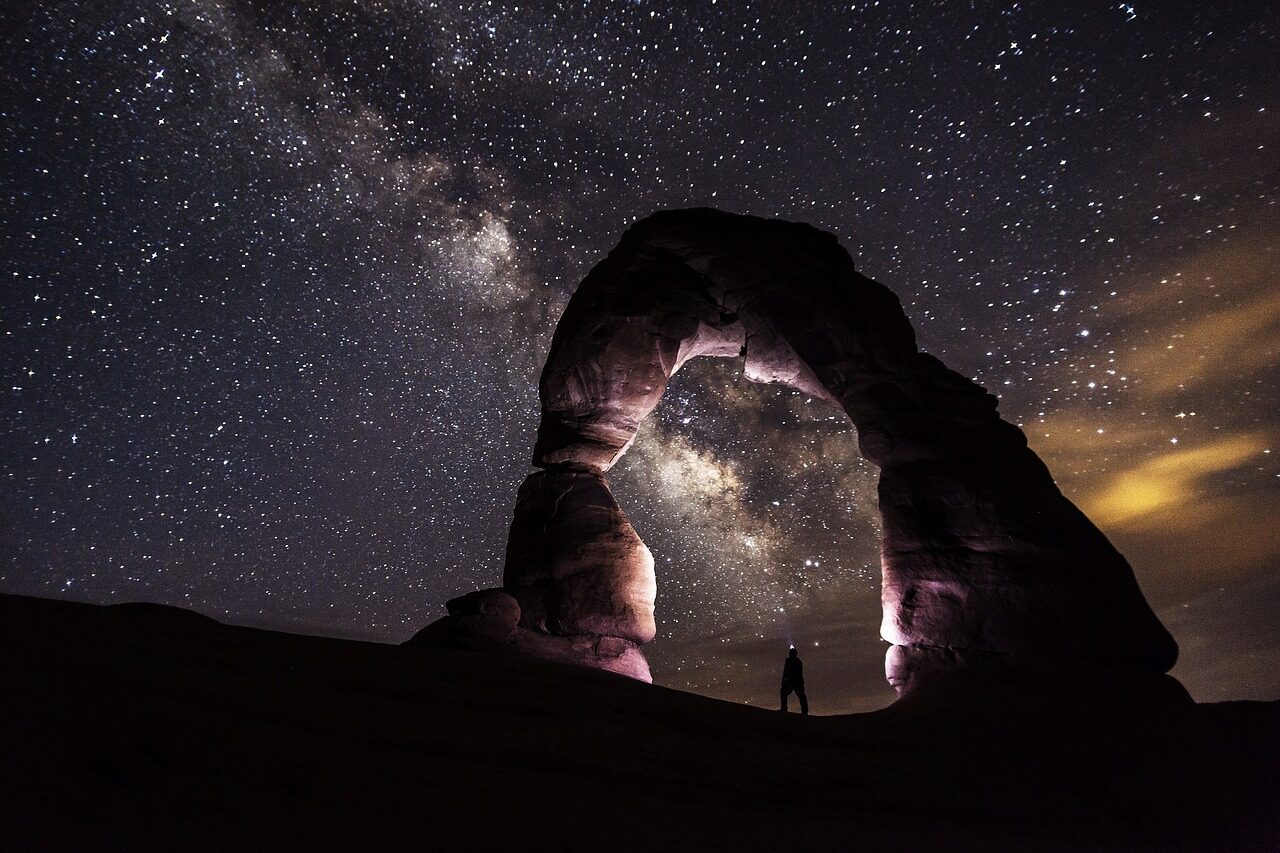
When you need to fit a large building or a massive structure into a single master shot, 14mm is a great focal length that checks most boxes:

It is also very effective for overhead shots in large indoor spaces like ballrooms or convention halls.
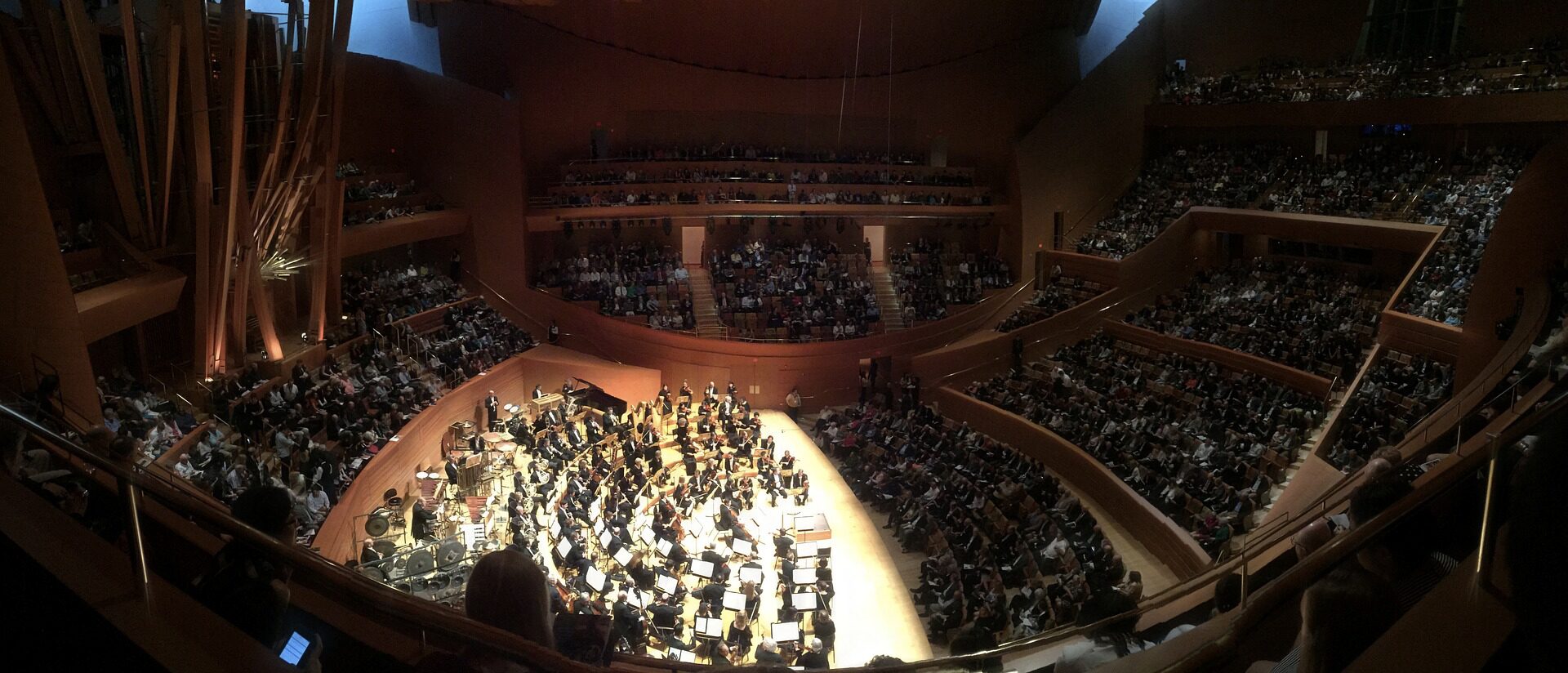
This lens allows you to capture the scale of a location in a way that narrower lenses cannot. It creates a sense of immersion by showing the audience the entire environment at once.
Important to note: This lens is a rectilinear lens rather than a fisheye lens.
A rectilinear lens ensures that straight lines in the physical world remain straight in the image. This prevents the heavy distortion and curving associated with fisheye glass. It is difficult to find lenses wider than 14mm that maintain this quality.
Regarding the aperture, an f/2.8 or T2.8 is perfectly suitable. Because the focal length is so wide, you will not achieve a shallow depth of field. This means you do not need to spend extra money on a lens with an extremely wide aperture.
Look for 14mm lenses on Amazon or B&H.
The 28mm Wide Angle
| 1″ Sensor | Micro Four Thirds | Super 35 or APS-C | Full Frame 36mm x 24mm | Alexa 65 |
|---|---|---|---|---|
| 10mm | 14mm | 19mm | 28mm | 40mm |
The 28mm lens is often considered the bread and butter wide angle lens for filmmakers. It is a highly versatile focal length that works well in tight spaces. When you are filming in a small room and require a wide shot, this lens is more practical than a 14mm.
It provides a wide field of view without making the environment look unnaturally distant. While some filmmakers might choose even wider or narrower options, 28mm is a reliable starting point for any kit. It is particularly useful for documentary work where you may not have control over the size of the filming location.

This lens captures enough of the background to provide context while keeping the subject prominent – and also maintain a realistic perspective. It is a great choice for dramatic low angle shots or overhead perspectives that need to show detail.

In sports photography or action scenes, this lens captures subjects as they move quickly past the camera.
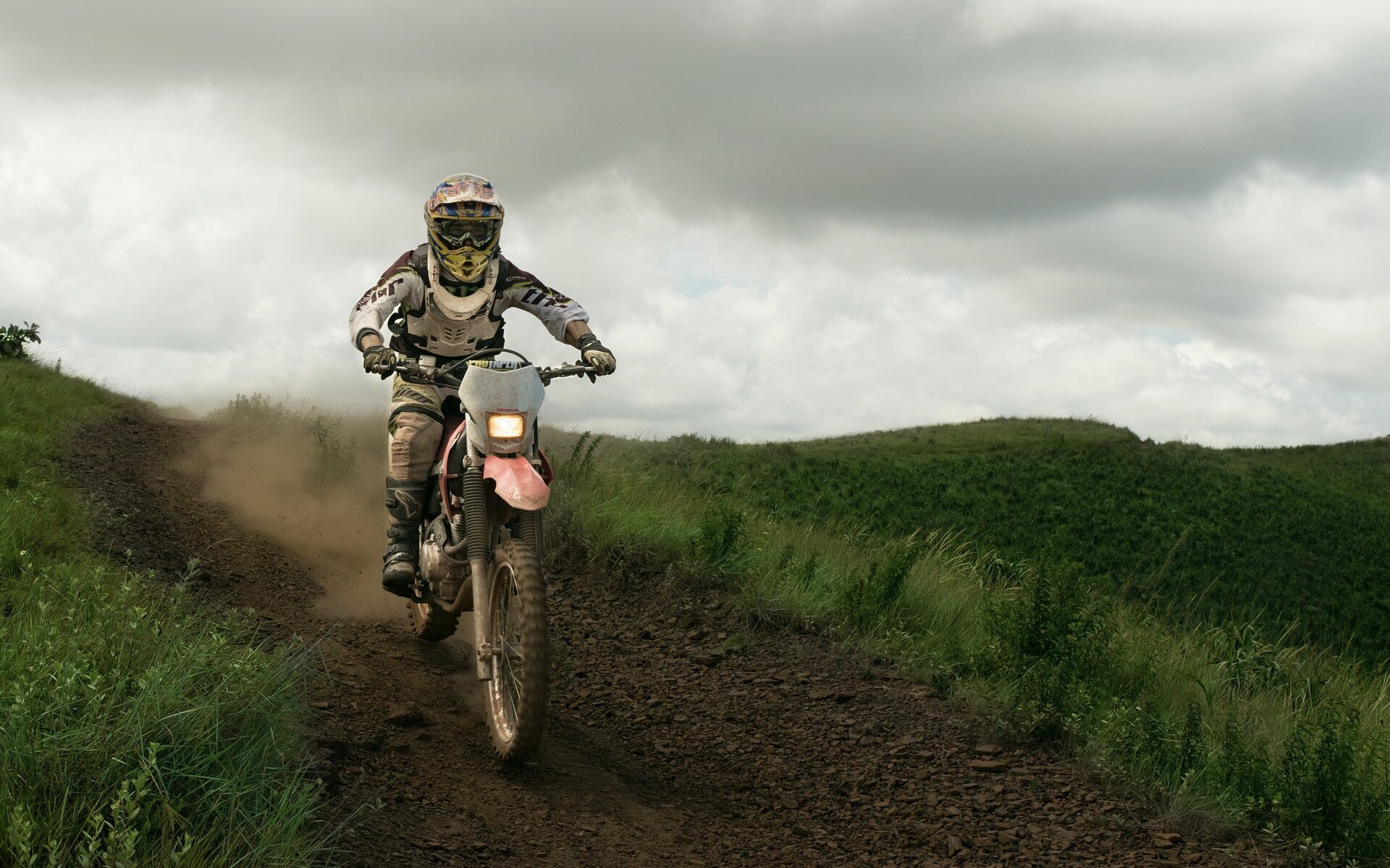
To handle low light environments, you should look for an aperture of f/2.8 or faster. This helps with exposure and can provide a small amount of foreground separation if the subject is close to the glass.
All in all, the 28mm is a workhorse lens that belongs in every filmmaker’s bag. Look for 28mm lenses on Amazon or B&H.
The 50mm Standard
| 1″ Sensor | Micro Four Thirds | Super 35 or APS-C | Full Frame 36mm x 24mm | Alexa 65 |
|---|---|---|---|---|
| 18mm | 25mm | 33mm | 50mm | 75mm |
The 50mm lens is perhaps the most popular focal length in the history of cinema. It is often called the “standard” lens because it provides a perspective that is very similar to the human eye.
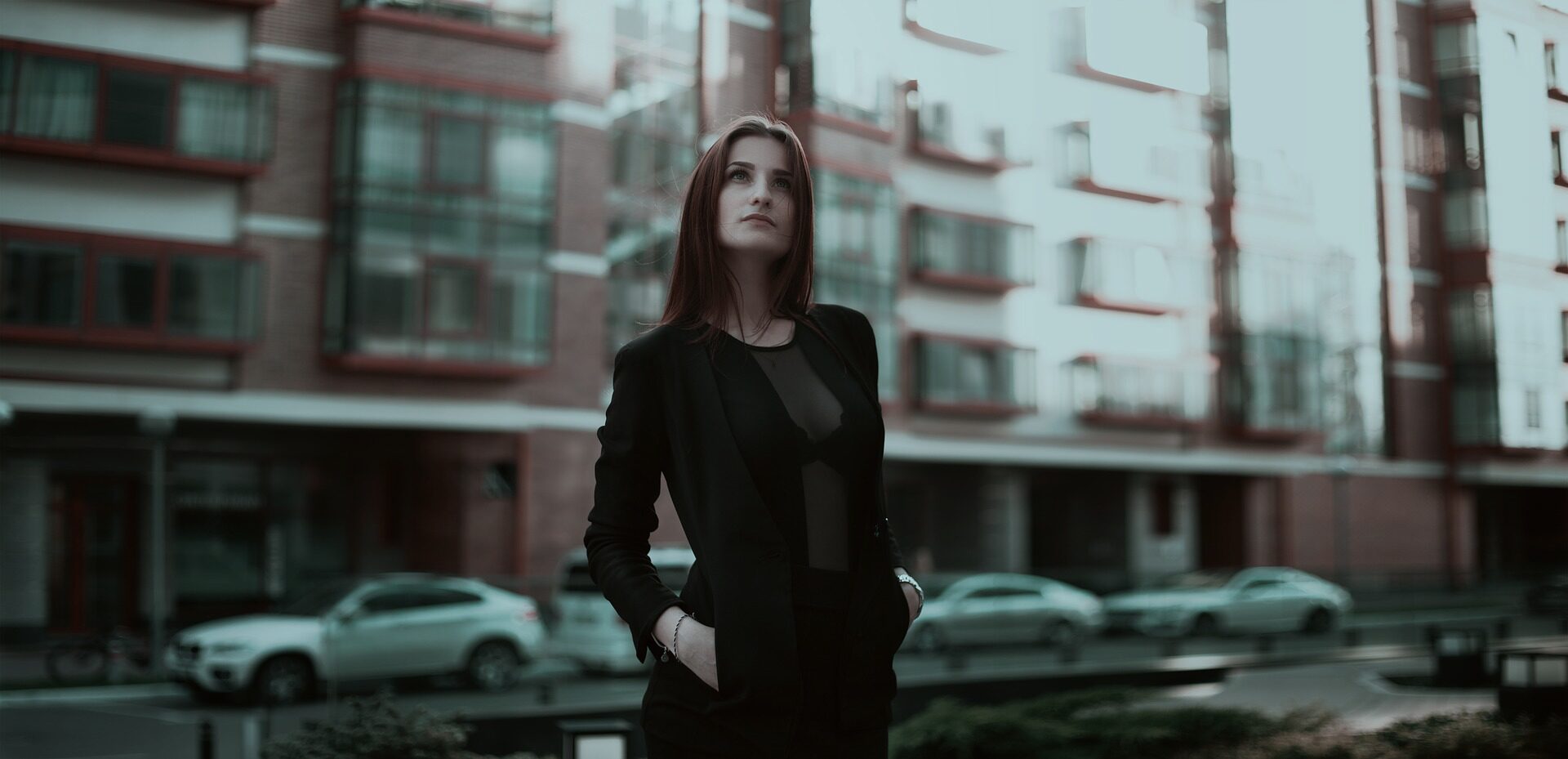
This focal length represents a sweet spot between distortion and field of view. It does not distort facial features like wider lenses do, yet it is not so tight that it becomes difficult to use in small rooms. It is an excellent choice for mid shots and close ups where you want a natural appearance.

Audiences often find shots taken with a 50mm lens to be more relatable because the magnification feels familiar to their own vision. Check this out if you care more about that:
If you are starting with only one lens, the 50mm is the best recommendation. Almost every lens manufacturer produces an affordable 50mm f/1.8 lens. These are frequently called nifty fifty lenses because of their utility and low cost.
For filmmakers who want more options in low light, an f/2 or f/1.4 aperture is a good investment. A larger aperture gives you more control over the depth of field and allows you to film in darker settings without increasing digital noise.
Look for 50mm lenses on Amazon or B&H.
The 85mm Beauty
| 1″ Sensor | Micro Four Thirds | Super 35 or APS-C | Full Frame 36mm x 24mm | Alexa 65 |
|---|---|---|---|---|
| 31mm | 42mm | 55mm | 85mm | 125mm |
The 85mm focal length is widely referred to as the beauty lens. It is designed specifically to make people look attractive on camera. This lens provides a flattering compression of facial features that portraits and close ups require.
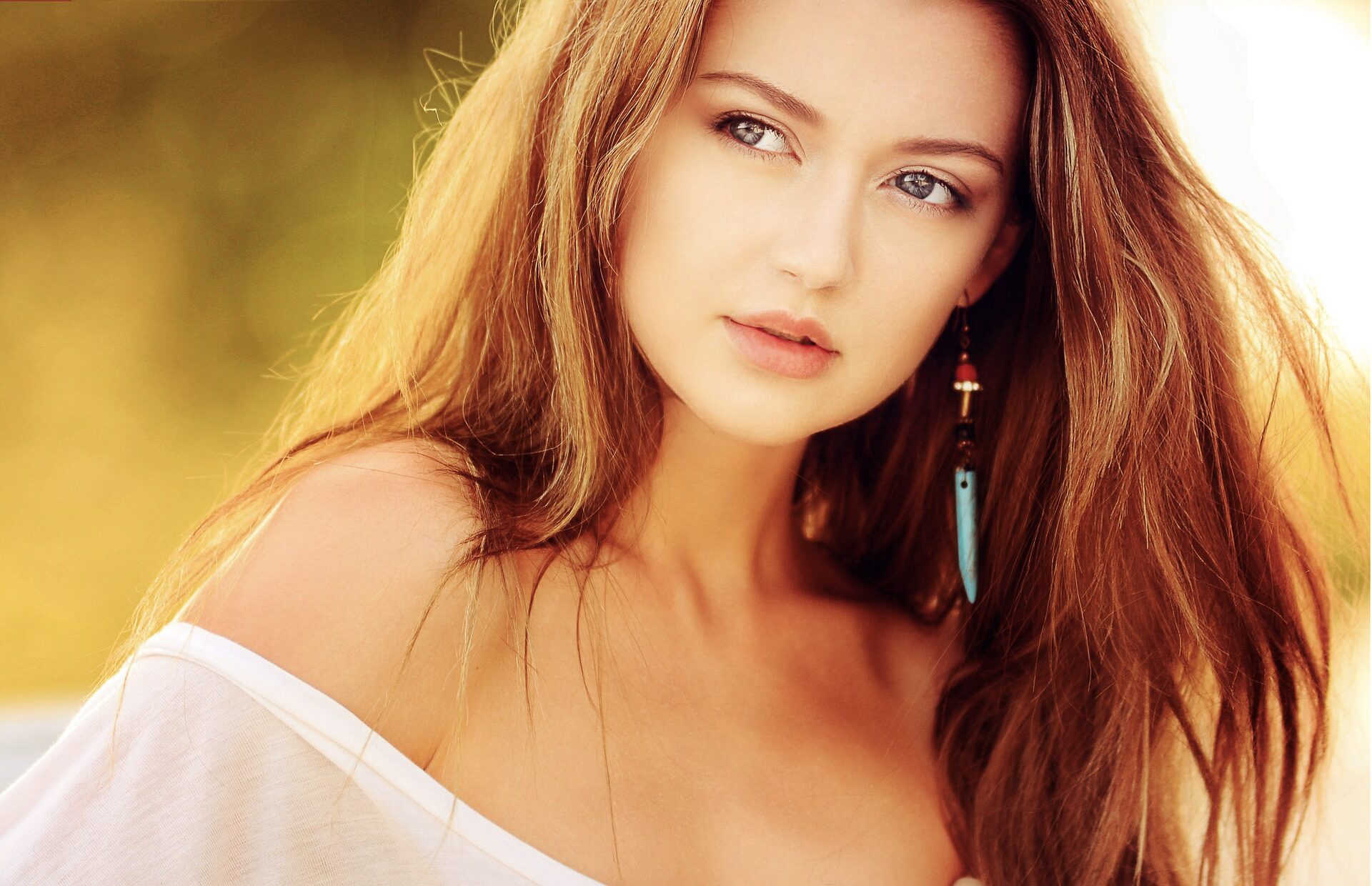
Anything longer than 85mm often becomes difficult to manage in indoor settings because you have to stand very far back from the actor. This lens allows for tight framing while maintaining a practical working distance.

It is the perfect choice for emotional scenes where the audience needs to see the subtle expressions on an actor’s face. The slight compression makes the features appear more symmetrical and pleasing.
The 85mm lens is famous for its ability to create smooth and blurry backgrounds. This effect helps to isolate the actor from any distractions in the environment.
To get the best results, you should use an aperture of f/2 or f/1.4. This wide aperture creates a very thin depth of field that makes the subject stand out. The separation it creates between the subject and the background is a hallmark of professional cinematography.
Most manufacturers offer an 85mm f/1.8 lens that is reasonably priced and delivers high quality images. Look for 85mm lenses on Amazon or B&H.
The 200mm “Savior”
| 1″ Sensor | Micro Four Thirds | Super 35 or APS-C | Full Frame 36mm x 24mm | Alexa 65 |
|---|---|---|---|---|
| 75mm | 100mm | 135mm | 200mm | 300mm |
The 200mm lens is a powerful focal length. While it is not always part of a basic kit, it is very important for specific situations. For example, if you need a clear shot of the moon or a distant mountain, you need the reach of a 200mm lens.
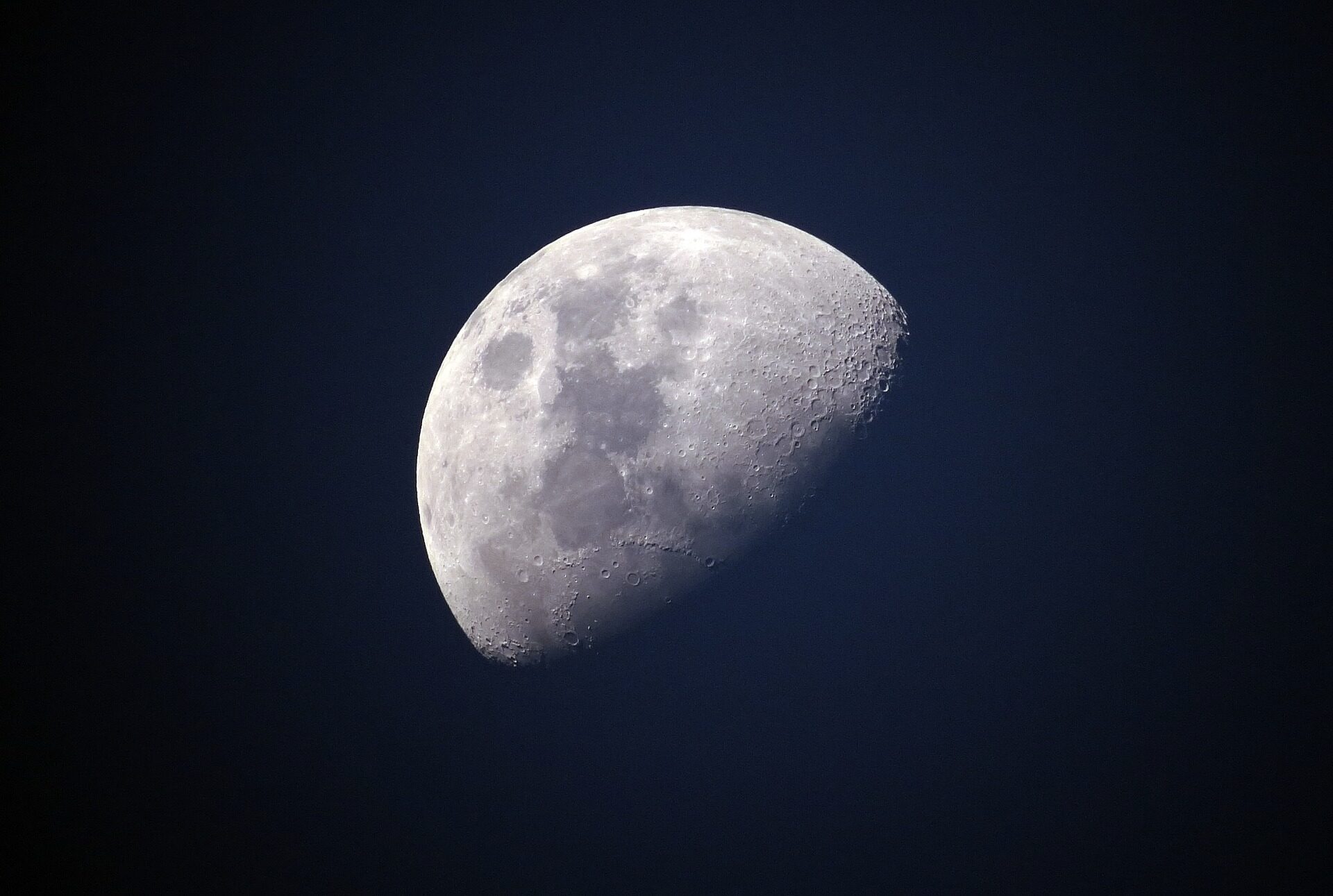
It is also useful when you want to film action from a great distance to avoid interfering with the scene.
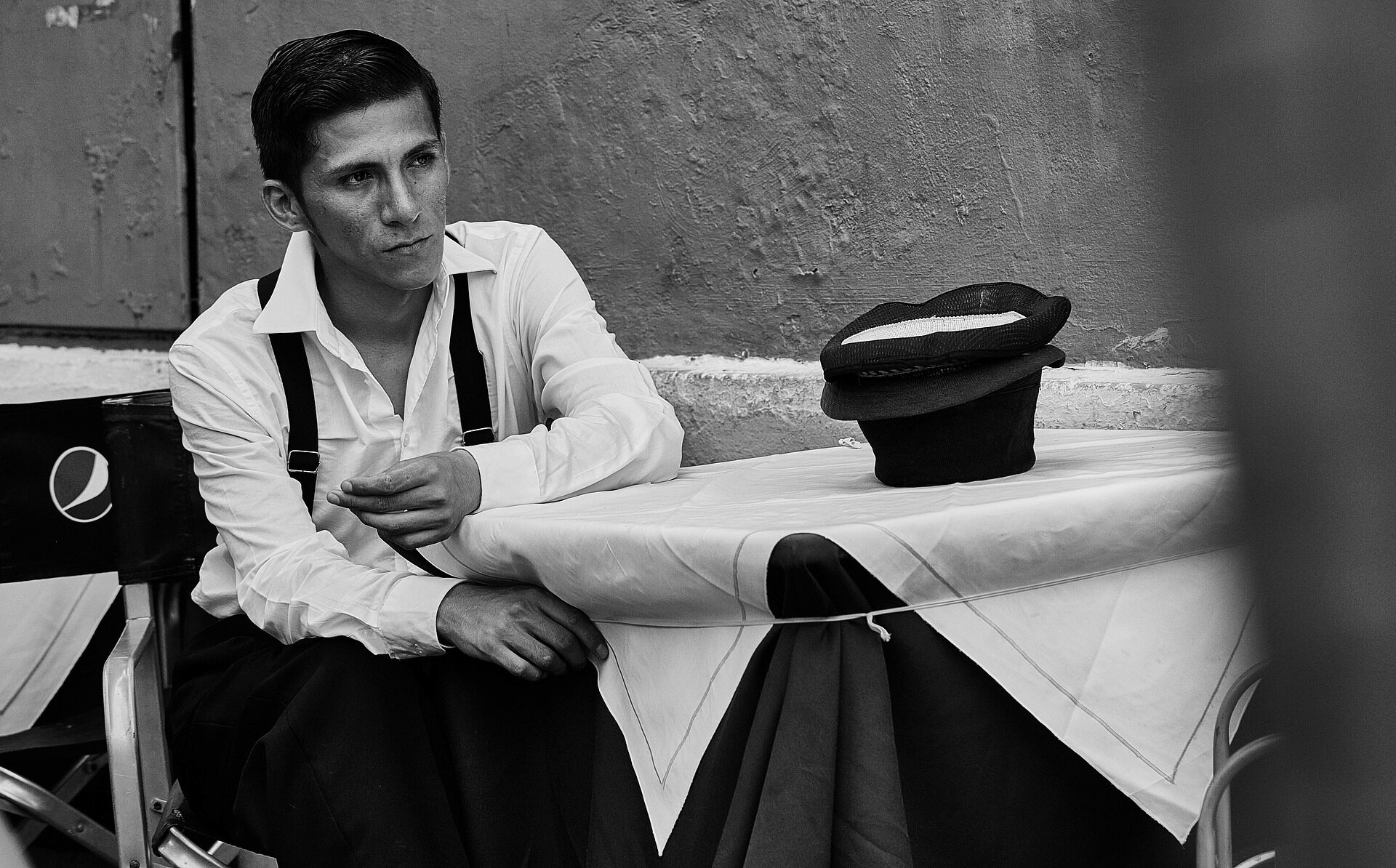
This lens allows you to capture details that are physically inaccessible to the camera operator. It is often used in wildlife documentaries or for filming scenes in public where the camera needs to be hidden from the subjects.
The 200mm lens creates a significant amount of background compression. This makes objects in the background look much larger and closer to the subject than they really are. This look is very common in high budget cinema and can elevate the visual style of a film.
Because these lenses can be expensive, an f/4 aperture or a zoom lens might be a better choice for those on a budget. When you use a 200mm lens, you must ensure the camera is stable. Even small vibrations can ruin a shot at this magnification, so a heavy tripod is a necessity.
Using a long lens like this requires careful planning and precise focus pulling because the depth of field is extremely shallow.
If you want to know why not 300mm or 400mm? That’s because you’ll always find a 200mm in a cinema lens kit. A 300mm or higher is harder depending on the cine lens kit you’re using. On a recent shoot I the last focal length I had access to was a 135mm. Even though a 200mm was sold in the kit, the rental company just didn’t have it. Just from many years of practice, I know a 200mm is good enough to be a must-have.
Look for 200mm lenses on Amazon or B&H.
The 60mm Macro Lens
| 1″ Sensor | Micro Four Thirds | Super 35 or APS-C | Full Frame 36mm x 24mm | Alexa 65 |
|---|---|---|---|---|
| 22mm | 30mm | 40mm | 60mm | 90mm |
Most standard lenses have a minimum focus distance of about one foot. Telephoto lenses often cannot focus on anything closer than three or four feet. A macro lens is designed to capture extreme close ups of small details.
You might use it to film a specific clue in a mystery or the texture of a fabric. It is also the standard choice for filming insects or flowers. A macro lens allows you to fill the entire frame with a small object, revealing details that are invisible to the naked eye. This adds a layer of visual interest to any project.
A 50mm or 60mm macro lens is more useful for general filmmaking than a longer 100mm macro. It provides a good balance of magnification and ease of use.
If you do not have the budget for a dedicated macro lens, you can purchase a macro extension tube. This device is placed between the camera and the lens to allow for closer focusing. While extension tubes are an affordable way to learn, a dedicated macro lens is more reliable for professional work.
When you film very close to an object, the depth of field becomes very shallow even at smaller apertures like f/8. Lighting also becomes a challenge because the lens is often very close to the subject, potentially blocking the light source.
Look for Macro lenses on Amazon or B&H.
Choosing Between Prime and Zoom Lenses
Beginners often wonder if they should invest in prime lenses or zoom lenses. Prime lenses have a fixed focal length, while zoom lenses allow you to change the focal length within a specific range.
There are several things to consider before making a choice. If you want to avoid changing lenses during a shoot, a zoom lens is the best option. It allows you to adjust your framing quickly without stopping the production. This is useful where moments happen quickly and cannot be repeated. A single zoom lens can replace several primes in your bag, which reduces weight and complexity.
Don’t discount zooms, some great directors swear by them! Watch this:
If your goal is to have a very shallow depth of field, primes are usually a better choice. They often feature wider apertures that are not available in most zoom lenses. Primes also tend to be sharper and have fewer optical distortions.
For someone with a limited budget, a kit zoom lens is a smart way to start. A 24-70mm zoom can cover the most common focal lengths between 28mm and 85mm. However, you will still need a prime lens for specialized shots like extreme wide angles or macro photography.
Primes often encourage more disciplined cinematography because they force you to move the camera rather than just zooming. Think about your specific needs and prioritize the lenses that will have the most impact on your work.
Final Thoughts
You do not need to buy every focal length at once. Starting with a standard 50mm or a versatile zoom lens allows you to learn the basics of composition and lighting. As you gain experience, you will discover which focal lengths you prefer for your stories.
Some filmmakers love the compressed look of telephoto lenses, while others prefer the immersive feel of wide angles. There is no single correct way to choose your glass. Read this:
Always consider the practical aspects of your shoots. Every lens has a unique character and a specific purpose. By following my suggestions, you can build a collection of lenses that serves your vision and respects your budget.
Hope this helps!

You have so many ads now it is literally impossible to scroll and read. This is when it’s time to realize the tail is wagging the dog and either scale back or find another source of revenue to bring value to others.
Please mind your business… We didn’t ask for your input
Thanks, Nick. I’ll look into reducing it. Google does its own thing.