

When you watch Conan the Barbarian, does it feel like a product of its era? It’s a weird movie that way. It feels heavier, as if it were dug out of the ground rather than produced on a studio lot.
The film’s lasting power comes from choices that seem reckless today. It trusted physical reality over polish, and atmosphere over speed. It treated fantasy as myth instead of entertainment. Those decisions shaped every part of the production, from casting to cinematography to music.
Watch the video:

A World That Takes Itself Seriously
One of the most striking things about Conan the Barbarian is how little it tries to entertain in a conventional sense. The film does not rush to explain its world or soften it with jokes. Characters accept brutality as normal.
This seriousness sets the tone immediately.
Fantasy films often struggle because they are embarrassed by their own premises. Conan never flinches. It presents its setting as ancient, harsh, and indifferent. The world does not care whether the characters survive. That attitude gives the film weight. You may not relate to the characters, but you believe in the environment they inhabit.
This approach reflects director John Milius’s worldview. He was fascinated by history, warrior cultures, and codes of honor. He believed myth should be forged through suffering. That philosophy guided the film more than market research or genre expectations.
Casting as World-Building
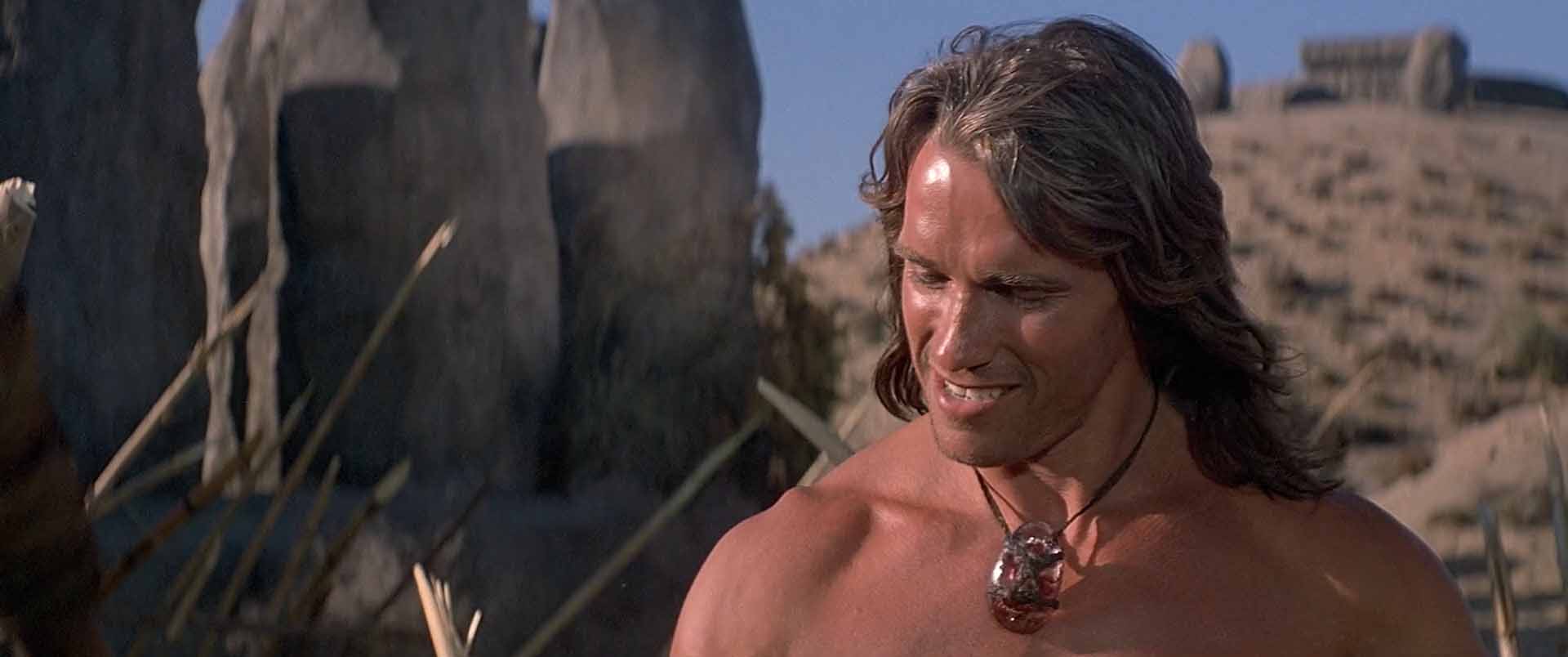
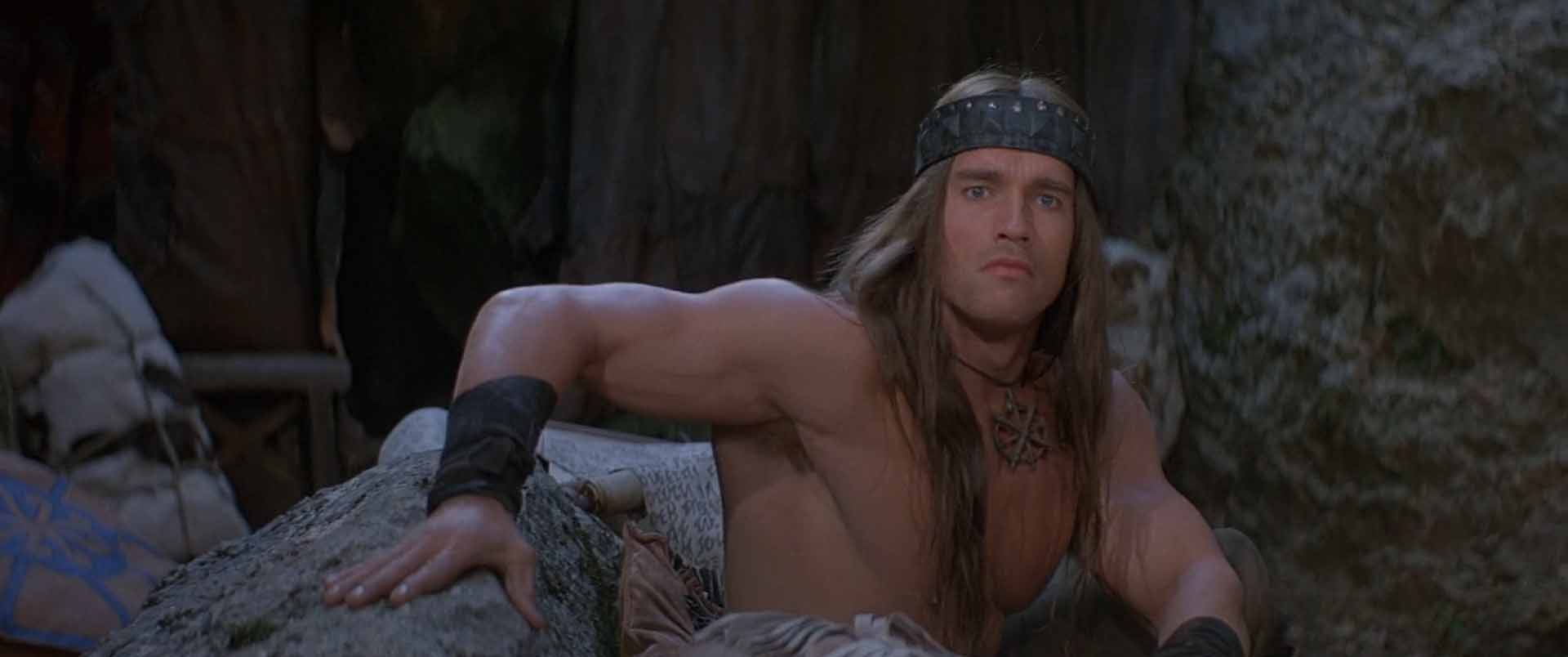
Arnold Schwarzenegger actually looked like he belonged to another age. His size, proportions, and movement made him feel closer to a statue or a force of nature than a modern actor playing dress-up. You really have to see a professional bodybuilder up close to understand it, and Arnold is one of the greatest.
His accent, often cited as a liability, worked in the film’s favor. Conan does not sound local or educated. He sounds – weird. That sense of otherness reinforces the idea that he comes from a forgotten people in a forgotten time. You have to remember not many people knew Arnold or his accent. Today, it’s passé.
Schwarzenegger also understood discipline better than most actors. Years of competitive bodybuilding taught him repetition, endurance, and patience. He trained extensively for sword fighting and horseback riding, not to show off technique but to move convincingly.
Supporting roles were cast with similar priorities. Sandahl Bergman brought athleticism and physical confidence. James Earl Jones brought calm authority. Neither performance relies on excess. Their presence feels grounded, which keeps the film from tipping into fantasy caricature.
A Story Built on Ideas, Not Plot Twists
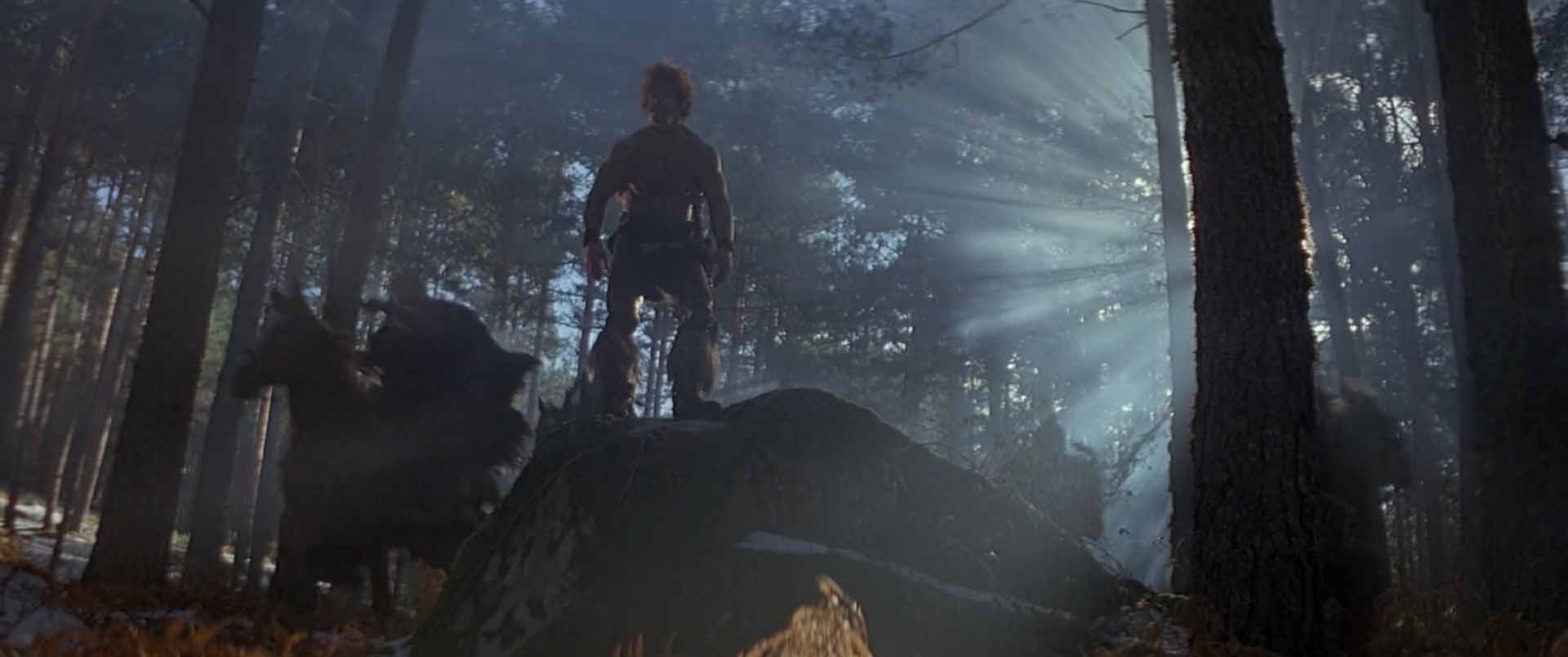
Conan the Barbarian is often remembered as a revenge story, but beneath it is a film concerned with belief systems and their limits. The idea of strength, represented by steel, runs through the narrative. Conan is taught that steel is the only truth.
As the story unfolds, that belief is tested. Conan survives through strength, but he does not achieve meaning through it alone. Victory requires others. Loyalty and sacrifice matter as much as force. The film never states these ideas outright.
This restraint is rare. Modern films often explain their themes directly, fearing the audience will miss them.
Myth Instead of Psychology
Conan is not written as a modern character shaped by emotional introspection. He does not analyze his pain.
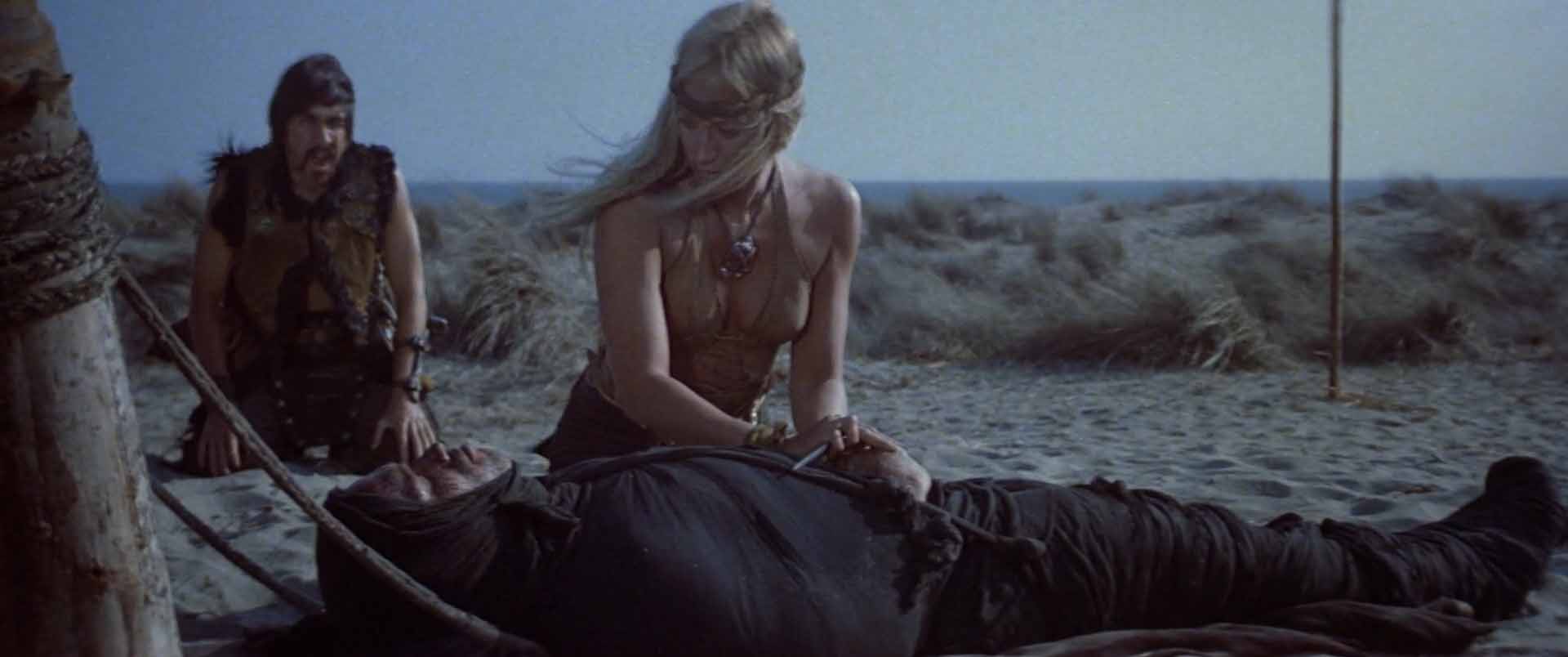
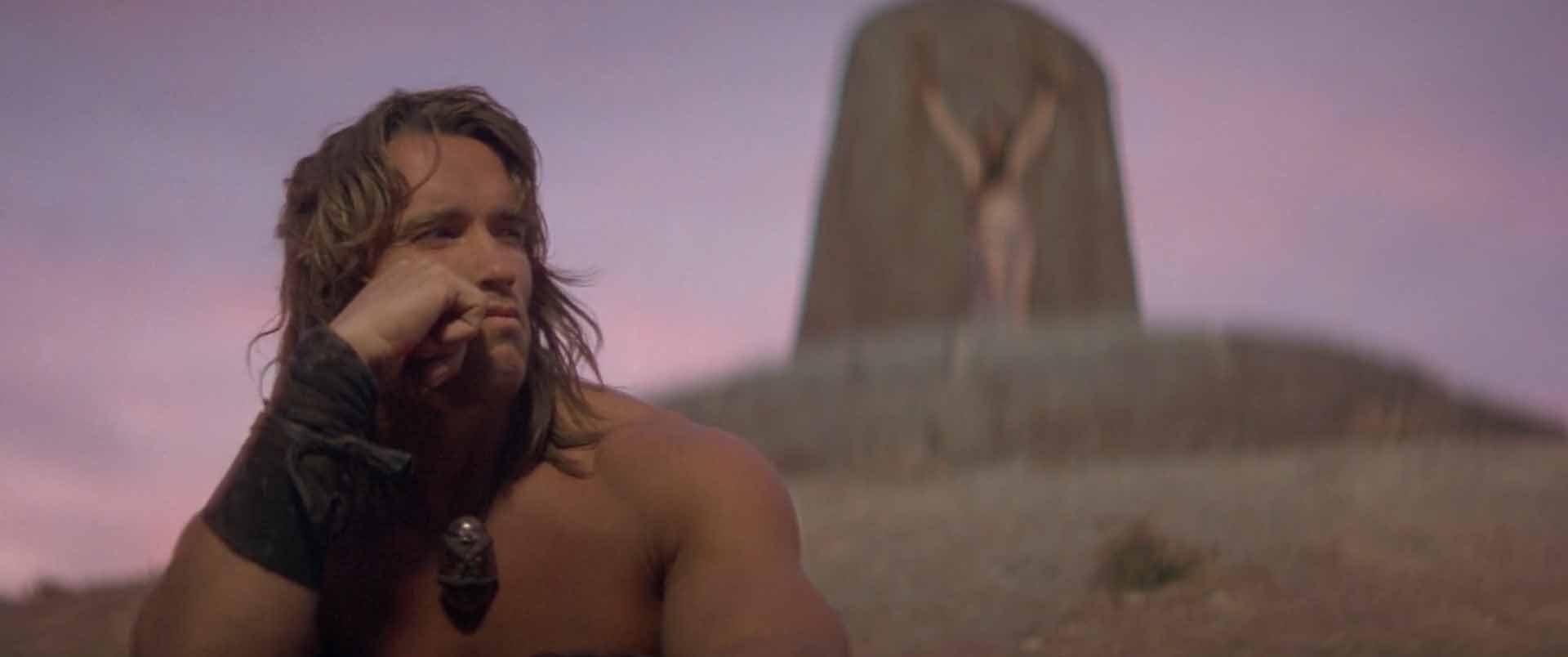
Myth operates on symbols and patterns. Conan represents endurance. Thulsa Doom represents corrupted belief. Valeria represents loyalty and courage. Their interactions feel ceremonial rather than casual.
This mythic approach explains why Conan does not aim for likability. He is not designed to be relatable in a contemporary sense. He is designed to be observed, like a legend passed down through images and fragments.
You just watch him. You create the myth.
A Visual Style Rooted in Paint and Landscape
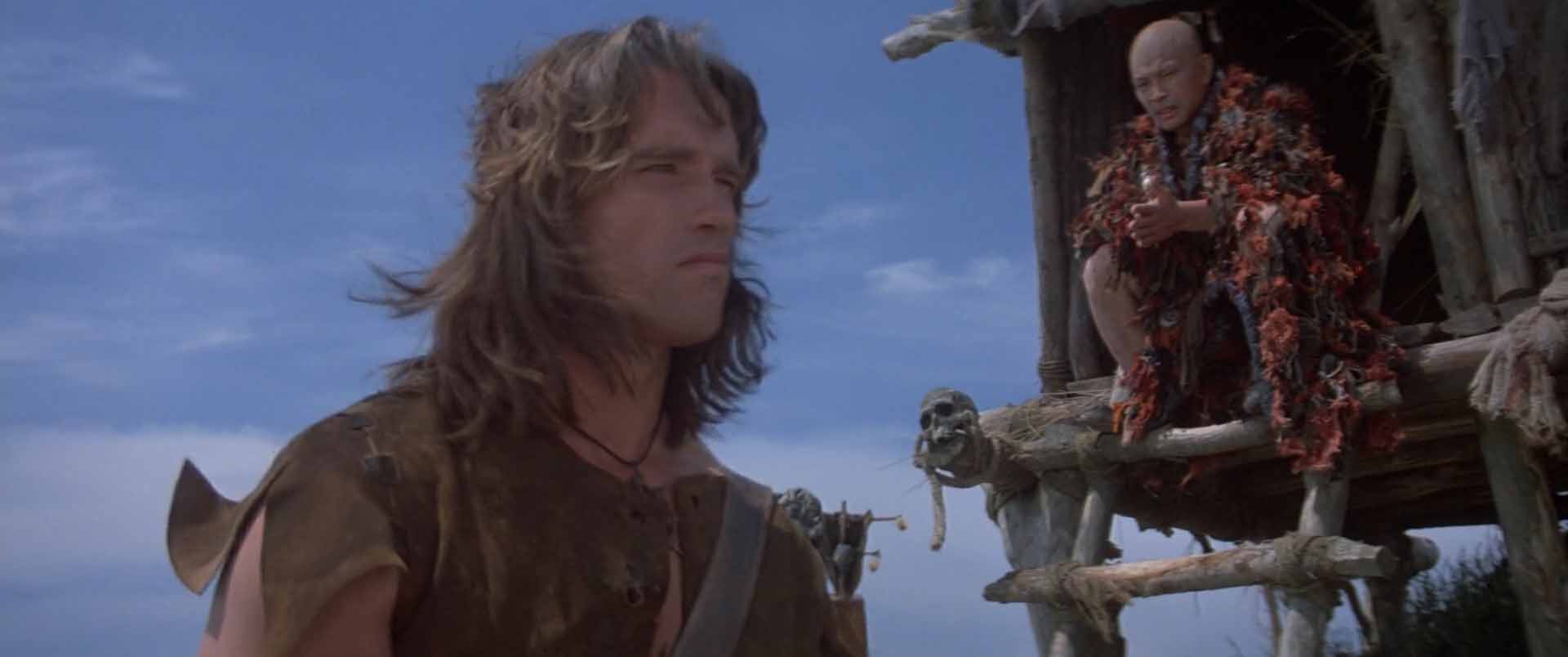
The film’s visual identity owes more to painting than to other movies. Frank Frazetta’s artwork looms large over the production. His images emphasized mass, shadow, and dramatic light. Figures were often isolated against vast, hostile environments.
Cinematographer Duke Callaghan translated that sensibility to film using Todd-AO anamorphic lenses on 35mm film stock. These lenses produce distortion at the edges, blooming highlights, and a softer contrast. The image feels imperfect and tactile. Dust, fire, and sweat interact with light in unpredictable ways.
Many fantasy films look artificial because their worlds feel sealed and controlled. Conan feels exposed. The imperfections make the world feel lived in rather than designed.
The Importance of Real Locations
Spain provided landscapes that could not be replicated on soundstages. These environments shaped how scenes were staged. Characters move slowly because the terrain demands it. The land itself feels ancient and indifferent.
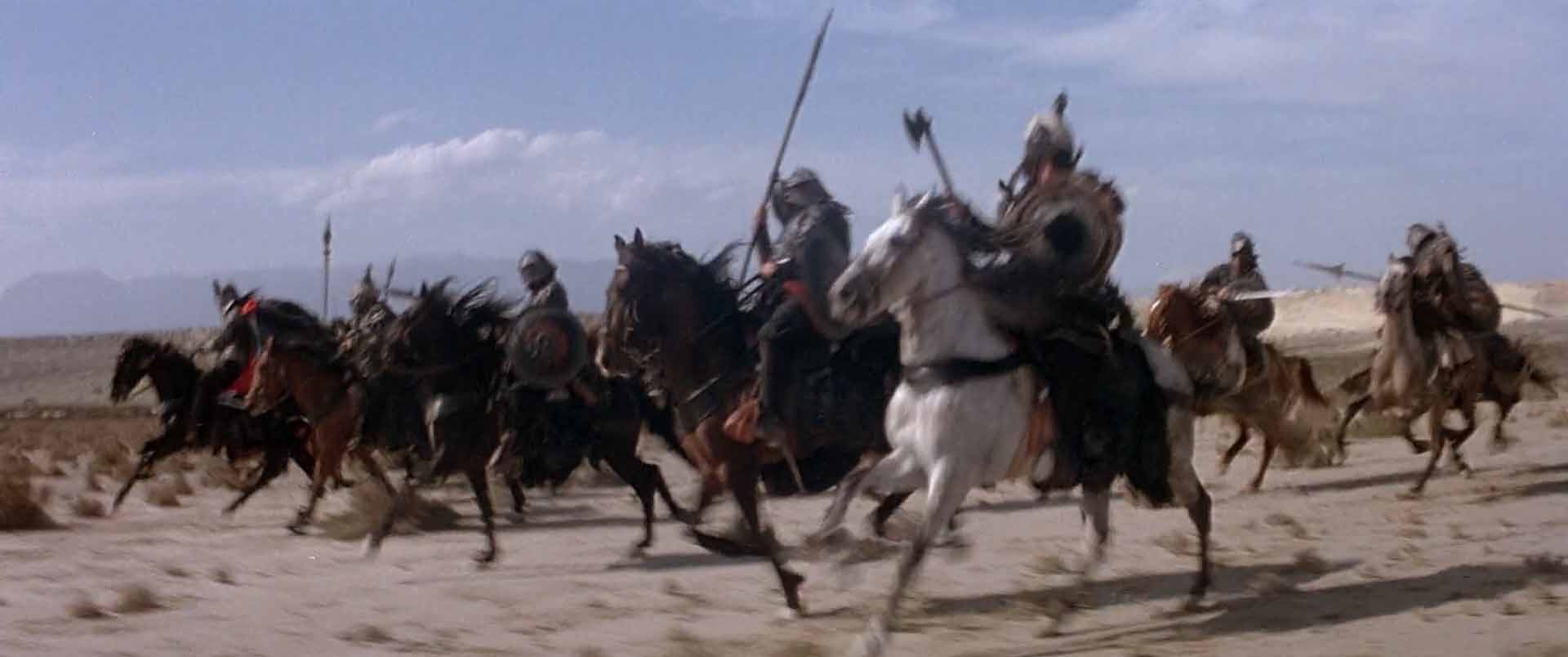
Real sets and practical effects reinforced that authenticity. When something was destroyed, it stayed destroyed. Hundreds of extras filled wide frames, giving battles a sense of mass and effort.
The physical toll on the cast was real. Injuries happened. Weather slowed production. Props were heavy and sometimes dangerous. That discomfort translated to performance. The actors look tired because they were tired.
Restraint in Effects and Editing
Conan the Barbarian uses visual effects sparingly. When they appear, they feel uncanny rather than flashy. Optical effects blend into the image instead of drawing attention to themselves.
Editing favors clarity over speed. Action is staged in wide shots where bodies move through space. The audience understands geography and consequence. There is no attempt to overwhelm through rapid cutting. This approach allows tension to build naturally.
The influence of Akira Kurosawa is clearly visible in the compositions.
Music as Narrative Foundation
Basil Poledouris’s score is crucial to the film’s identity. It does not simply accompany scenes. It defines them. The music gives emotional structure to long stretches of minimal dialogue. Themes recur and evolve, creating a sense of destiny and scale.
The score treats the story as epic rather than episodic. The music makes the world feel larger than the frame, as if the events on screen are part of something ongoing and ancient.
Without this score, the film would feel sparse. With it, even quiet moments carry weight.
Release, Impact, and Misunderstanding
When Conan the Barbarian was released in 1982, critical response was mixed. Some critics dismissed it as crude or simplistic. Audiences responded differently. Word of mouth spread. The film found viewers who sensed it was doing something unusual.
Its success launched Arnold Schwarzenegger into mainstream stardom and reshaped how physicality was viewed in action cinema. For a time, extreme physiques became part of Hollywood’s visual language. Eventually, that trend faded, but Arnold is the reference.
Conan the Barbarian survives because it was made without apology. It does not chase trends or soften its edges. It trusts silence and allows discomfort and ambiguity.
Films like this are rare because they require confidence and patience. They ask audiences to meet them on their own terms. When that happens, the reward is a world that feels complete and timeless.
Conan was never meant to be safe. That is why it still looks like a billion bucks. What do you think?
