

This article is a comparison of the specifications of the Canon EOS C70 (Amazon, B&H) and Canon EOS 1DX Mark III (Amazon, B&H) for cinema work with currently available information and/or firmware as of this writing.
Who are these cameras aimed at?
These are two different cameras aimed at completely different markets. One is a DSLR whose primary purpose is to take photographs, and video is secondary. The other is a pure video camera.
The problem is, the 1D X Mark III shoots 5.5K RAW internally, at 60p. The C70 does 4K 120 fps in 10-bit 4:2:2. And they are close enough price-wise to confuse the best of us.
I’m assuming the primary target group would comprise of:
- Solo filmmakers
- Wedding videographers
- Wildlife journalists
- Documentary filmmakers
- Event videographers
- B-Roll camera crew
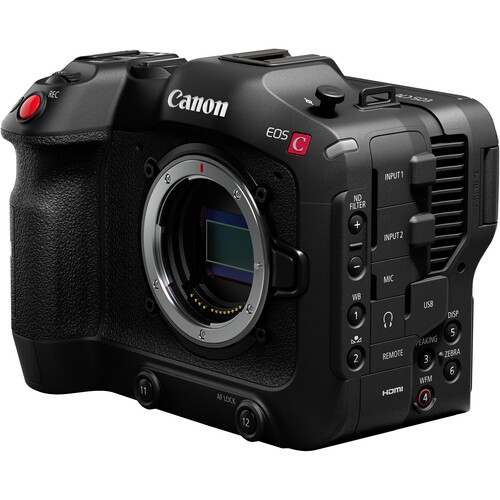
Comparison of sensors and video features
Here’s how the camera sensors compare for video:
| Camera | Resolution | Video ISO Range | Sensor Size |
| Canon EOS 1DX Mark III | 5496 × 2904 | 100-25,600 | 36 x 24 mm |
| Canon EOS C70 | 4096 × 2160 | 100-102,400 | 26.2 x 13.8 mm |
Canon claims to have the improved and revolutionary DGO sensor for their new Canon EOS C70 (Amazon, B&H). Once we do get our hands on the C70 we will know how that translates in real-world use. But we have extensive experience with the 1D X:
It’s an incredibly capable video camera, and is a joy to use.
What about 4K frame rates?
| Camera | Max fps at 4K | Dynamic Range | Max fps at 1080p |
| Canon EOS 1DX Mark III | 59.94 fps | 12 stops | 119.9 fps |
| Canon EOS C70 | 119.9 fps | 16+ stops (-6 to 54 dB Gain) | 180 fps |
Next, the codecs and color information:
| Camera | RAW and Code in 4K and Higher | Color Information |
| Canon EOS 1DX Mark III | Canon RAW Lite | H.264/H.265 ALL-I, IPB | RAW | 10-bit 4:2:2/8-bit 4:2:0 |
| Canon EOS C70 | XF-AVC Intraframe (H.264) | 10-bit 4:2:2 |
Here the Canon 1DX Mark III (Amazon, B&H) shines, with 5.5K internal RAW recording. On the other hand, if you don’t want RAW, then the C70 offers 10-bit 4:2:2 and a theoretically better sensor.
I would expect the Canon EOS 1DX Mark III (Amazon, B&H) to be better in low light. Having shot with it myself I can attest to its clean imagery in low light. I would be really surprised if the C70 can outclass it in that department.
This one’s too close to call, because there are features in both that, if critical, will seal the deal.
Focus and exposure aids, and ergonomics
The little things make all the difference:
| Camera | Exposure |
| Canon EOS 1DX Mark III | Zebras, Histogram |
| Canon EOS C70 | Waveform, Zebras, False Color |
The C70 has an in-built false color tool, something that will help professionals a lot. Both have focus peaking, however Canon EOS C70 (Amazon, B&H) has a system where you can have two focus peaking presets allowing you to have two different peaking presets for different situations which is always helpful.
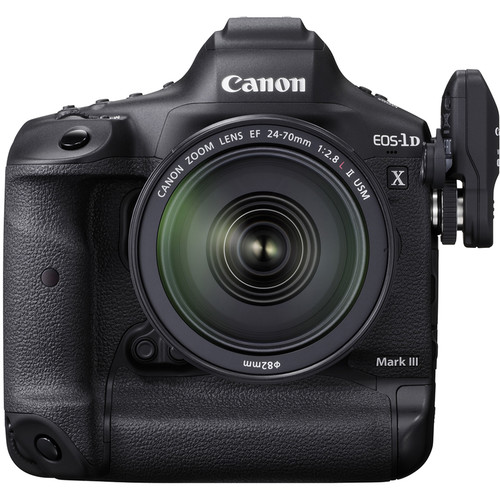
As far as size and weight are concerned:
| Camera | Ergonomics | Weight |
| Canon EOS 1DX Mark III | The 1DX Mark III has time-honored DSLR ergonomics. | 1250g |
| Canon EOS C70 | Has a fan, putting the mini XLR and HDMI inputs and the buttons on the left with the LCD swiveling to left makes it a tough camera to handle for a solo operator. | 1430g |
Both cameras claim to be weather resistant. Overall, I’ll give it to the C70 for these reasons:
- Swivel LCD screen
- Focus and exposure aids
- Video ports, XLR, Timecode, etc.
Lenses and Autofocus
Both the cameras have dual pixel autofocus, but with one major caveat:
The AF does not function with 5.5K RAW 60p/50p on the Canon 1D X Mark III. It only works till 30p.
However Canon EOS C70 (Amazon, B&H) claims it has a better autofocus with RF lenses. Now, this can be another empty line of jargon or it could be actually something substantial. We have to get a proper hands-on experience for us to figure that out.
Ultimately, though, the choice would boil down to your preference of EF or RF lenses.
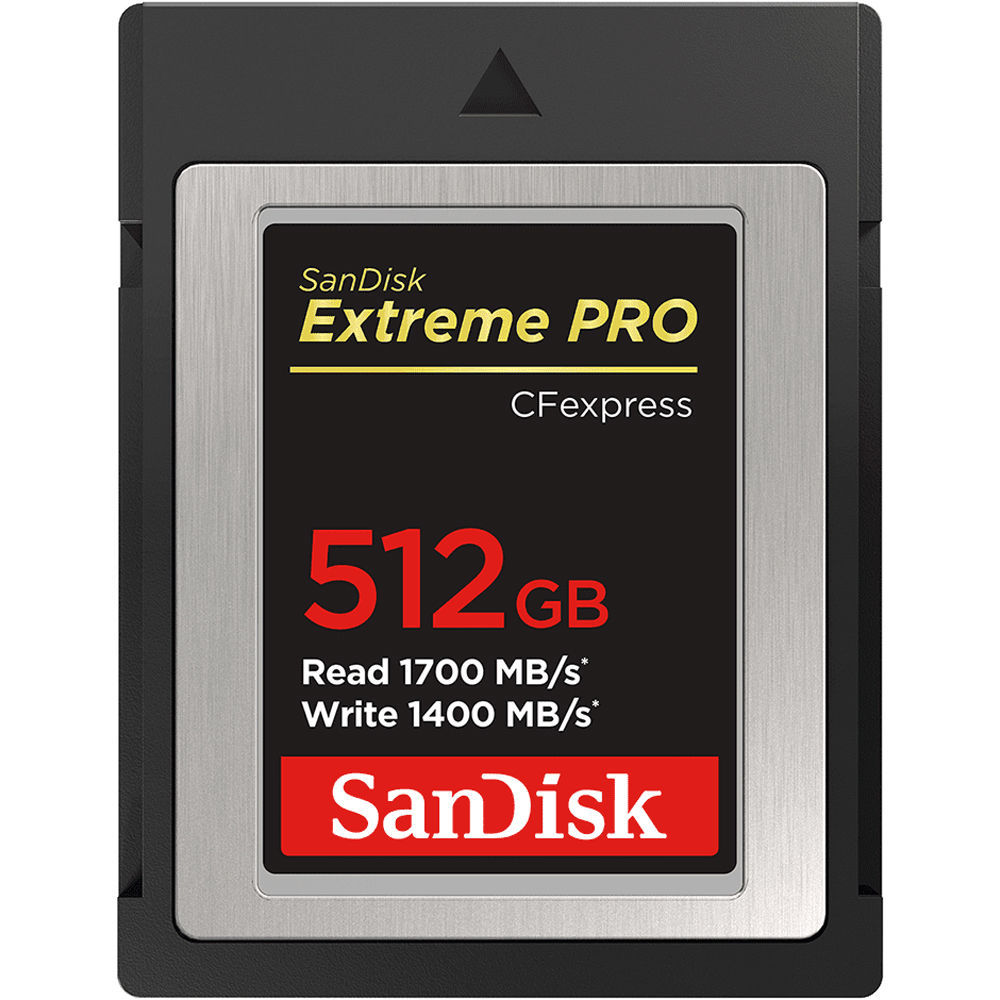
Batteries and media cards
Here’s a look at the media
| Camera | Dual card slots | Price per GB for 512 GB* | Data Rate |
| Canon EOS 1DX Mark III | Yes, CFexpress 1.0 Type B | $1.1/GB | 325 MB/s |
| Canon EOS C70 | Yes, SDXC | $0.35/GB | 51.25 MB/s |
CFexpress cards are not cheap (comparing Sandisk Extreme Pro to be fair). For practical shoots, you will need multiple cards. This could really add to your budget for RAW shooting.
That might make it out of reach for most people.
What about battery life?
| Camera | Battery life | Cost of one battery | Cost of 6 hours of operation |
| Canon EOS 1DX Mark III | 140 minutes | $163 | $420 |
| Canon EOS C70 | 180 minutes* | $239.95 | $480 |
The battery life isn’t that different to worry about.
Audio Inputs
Here we find one stark difference between these two cameras. The Canon EOS C70 (Amazon, B&H) has 2 in-built Mini XLR inputs, while you will need a XLR to Mini XLR adapter. Clearly, this is what a lot of professionals need.
Which is cheaper to own?
Let’s just add up the costs:
| Camera | Canon EOS C70 | Canon EOS 1DX Mark III |
| Camera body | $5,499 | $6,499 |
| Cost per hour of media | $63 | $1,256 |
| Batteries* | $480 | $420 |
| Total | $6,042 | $8,175 |
A difference of about $2,000. Is it worth it?
Recap
First, a recap:
| Feature | Winner |
| Sensor and ISO | Canon 1D X Mark III |
| Video features | Canon EOS C70 |
| DR and Color | Canon EOS C70 |
| Rolling Shutter | Canon EOS C70 |
| Exposure Aids | Canon EOS C70 |
| Media | Canon EOS C70 |
| Lenses | Tie |
| Ergonomics | Canon EOS C70 |
| Ports and Monitoring | Canon EOS C70 |
| Audio | Canon EOS C70 |
| Autofocus | Tie |
| Battery life | Tie |
Before we take our final decision, we’ll let the cameras tell us what they offer that the others don’t:
| Camera | USP | Major Cons |
| 1DX Mark III | Full frame and 1.3x crop modes, 5.5K RAW, Optical viewfinder | Poor video tools, fixed LCD, no AF in 60p RAW |
| Canon EOS C70 | 4k 120 fps, 180 fps in 1080p, Mini XLR, buttons, ND filter | No RAW, Poor Input placement |
My Verdict
I said I’ll try to provide a balanced overview, even though it’s hard. Here’s what I think:
| Type of Filmmaking | Preferred Camera | Major Reasons |
|---|---|---|
| Short documentaries and corporate videos | Canon EOS C70 | Exposure, ND filters, XLR |
| Major documentaries or B-cam to the same | Canon EOS C70 | Exposure, ND filters, XLR |
| Short or feature films | Canon EOS C70 | Exposure, ND filters, XLR |
| Music Videos | Canon EOS C70 | 120 fps in 4K and 180 fps in 1080p |
| Journalism | Canon EOS C70 | Autofocus, LCD |
| Wildlife | Canon EOS C70 | Autofocus |
| Weddings and Events | Canon EOS C70 | Autofocus, LCD |
I had great fun shooting with the Canon EOS 1DX Mark III (Amazon, B&H), but it simply cannot be a daily driver. It’s tremendous 5.5K RAW “advantage” comes with huge data rates and the lack of autofocus at 60p. The $2,000 extra for this will never be recouped through clients. Nobody working in this price bracket can afford to shoot 5.5K RAW, period.
In today’s economic climate, professionals need a camera that just gets any kind of job done. The Canon EOS C70 (Amazon, B&H) is that camera. If you want a photography camera, just get the Canon EOS R6 (Amazon, B&H) for that extra $2,000 you saved!

Thank you Sarresh, this is a very good look at the two cameras.
I have come to the conclusion that if a am going to shoot a video project I will use a cinema type camera. If doing a still shoot a DSLR does the job.
I would like to know what you think about Sonys new FS6.
Danny