
Cameras have gotten so much better these past ten years that these days you can do a lot with cameras that cost less than $1,000.
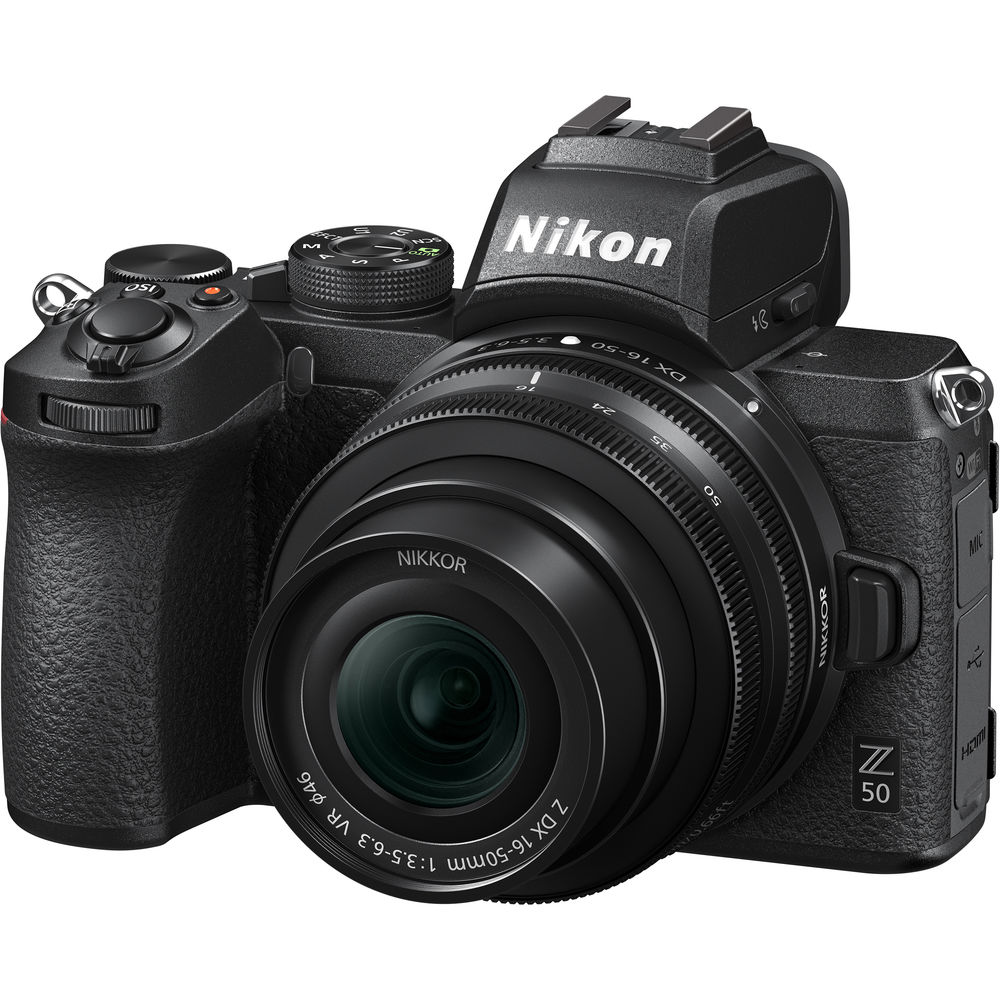
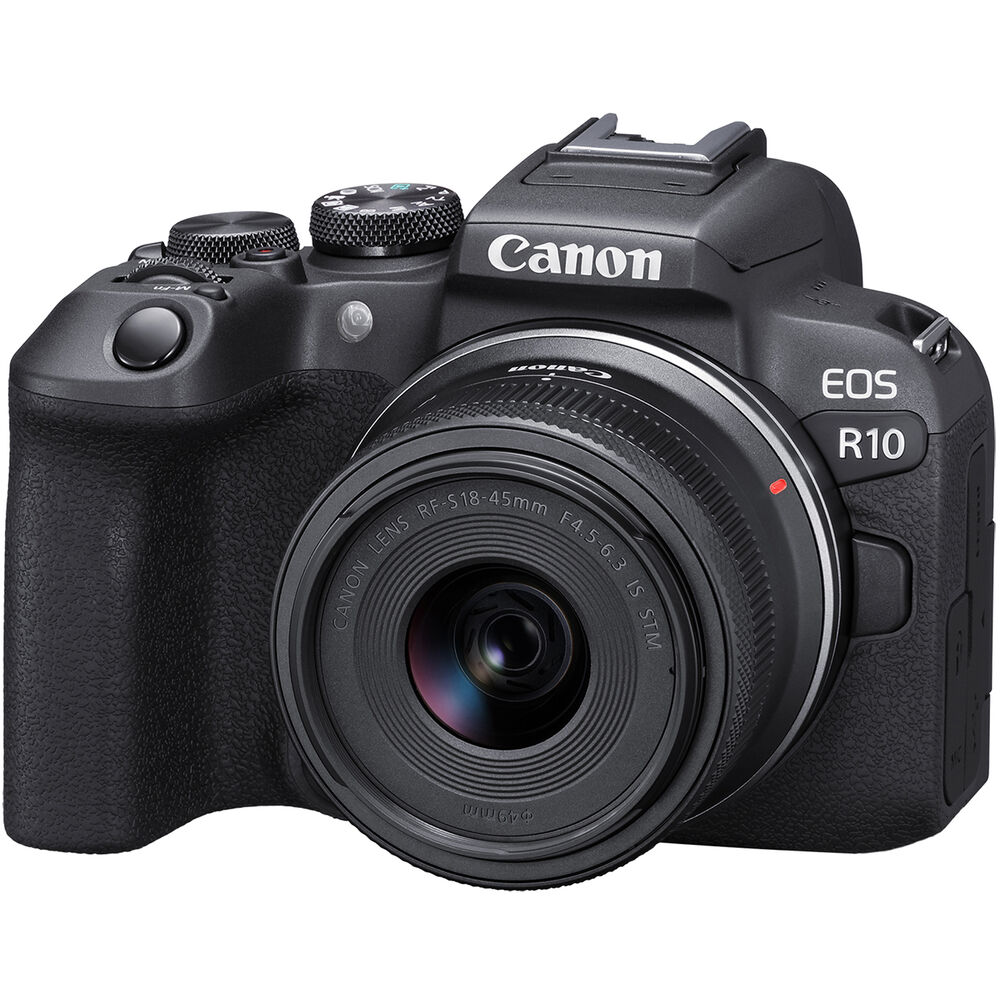
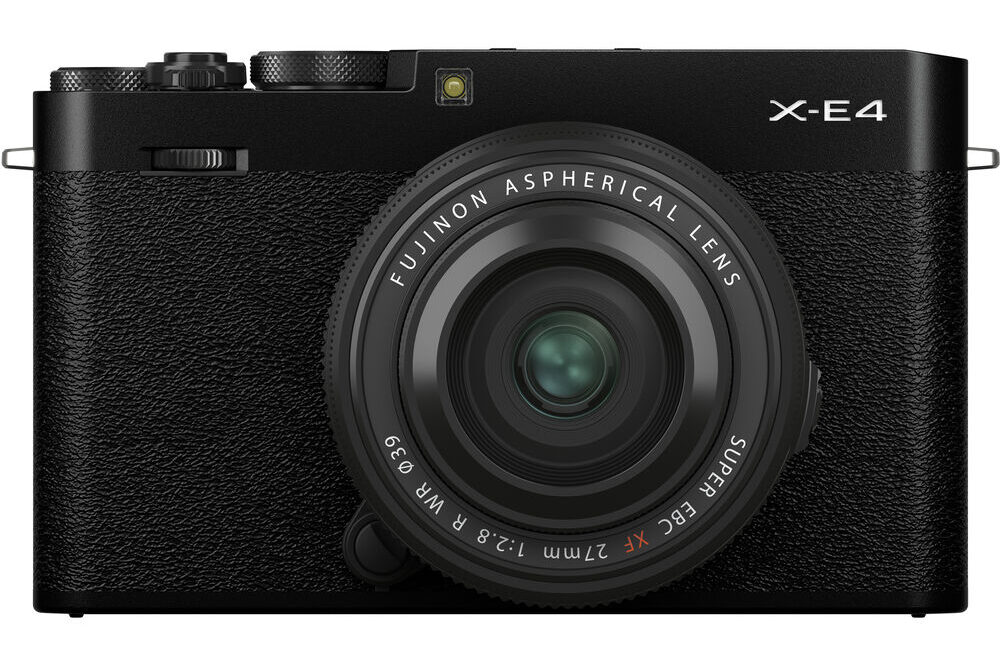
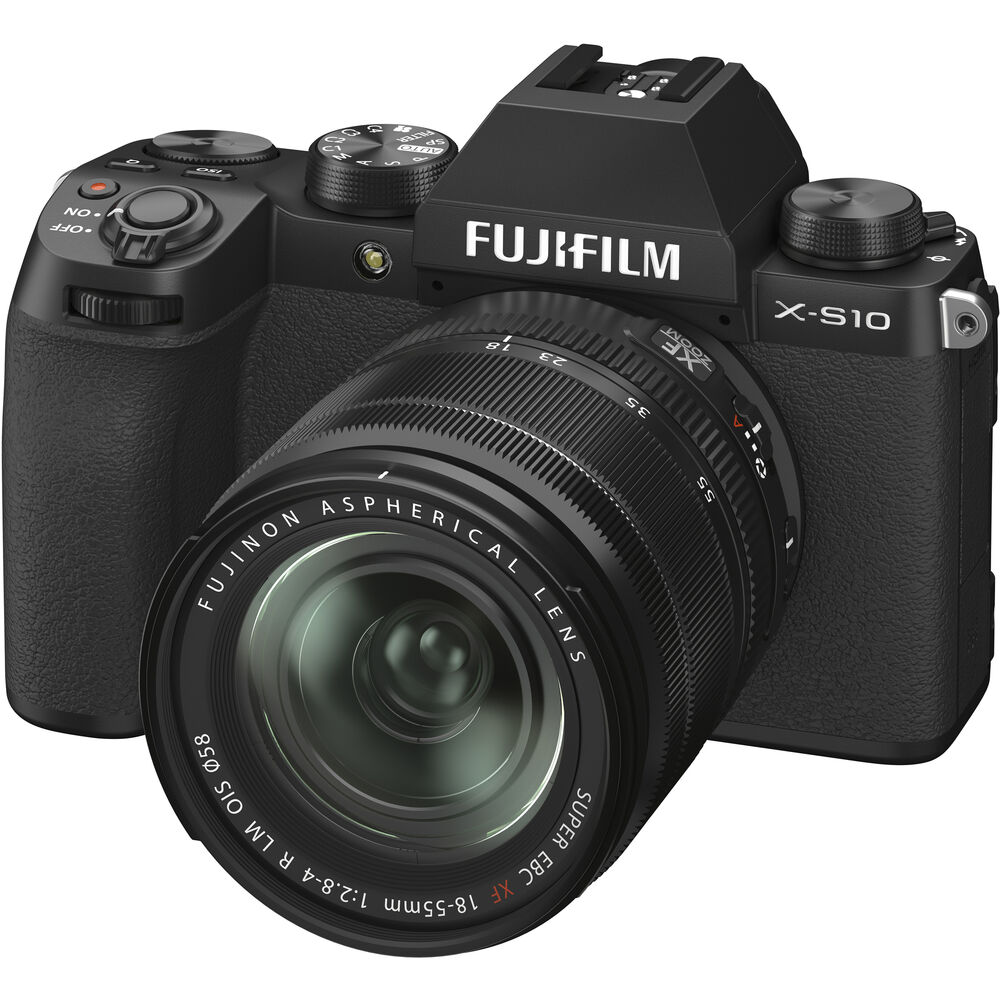
Here’s a showdown between the Canon R10 (Amazon, B&H), the Nikon Z50 (Amazon, B&H), the Fujifilm X-E4 (Amazon, B&H), the Fujifilm X-T30 II (Amazon, B&H) and the Fujifilm X-S10 (Amazon, B&H) for the title of the best filmmaking camera under $1,000. Let’s find out who’s the ultimate winner in this fun comparison.
A word about Fuji. I picked three cameras because the price points are so similar. What sets them apart? Long story short the X-S10 is the camera you want to be eyeing for video work. The other two cameras are primarily designed as stills cameras.
There’s also the issue of availability with some of the Fuji camera models. The waiting list is long.
Quick Menu
- The basics
- Comparison of sensors and video features
- Autofocus comparison
- Image Stabilization
- The little things
- Media and battery
- Which is cheaper to own?
- Conclusion
- My Verdict
The basics
Let’s start from the beginning:
| Camera | Price of body | Release Date | What’s in the box |
| Canon R10 | $879 | May 2022 | Battery, Charger, AC cable, Shoe cover, Shoulder strap |
| Nikon Z50 | $756 | October 2019 | Battery, Charger, USB cable, Shoulder strap |
| Fujifilm X-E4 | $849 | February 2021 | Battery, USB cable, Headphone adapter, Shoulder strap |
| Fujifilm X-T30 II | $899 | September 2021 | Battery, USB cable, Shoulder strap |
| Fujifilm X-S10 | $999 | October 2020 | Battery, USB cable, Headphone adapter, Shoulder strap |
The lack of a charger with the Fuji cameras is a head scratcher. For a company that packs in so many features into their cameras, one wonders what the problem is here.
The Nikon Z50 as well as the Canon R10 are missing out on a headphone jack. You know my thoughts on professional audio, so I don’t count this as a huge negative.
Comparison of sensors and video features
All the cameras in this comparison have APS-C sensors. Here’s how the camera sensors compare:
| Camera | Sensor Size | Max Resolution | ISO Range in Video |
| Canon R10 | 22.3 mm x 14.9 mm | 3840 x 2160 | 100-12800 |
| Nikon Z50 | 23.5 mm x 15.7 mm | 3840 x 2160 | 100-25600 |
| Fujifilm X-E4 | 23.5 mm x 15.6 mm | 4096 x 2160 | 160-12800 |
| Fujifilm X-T30 II | 23.5 mm x 15.6 mm | 4096 x 2160 | 160-12800 |
| Fujifilm X-S10 | 23.5 mm x 15.6 mm | 4096 x 2160 | 160-12800 |
The Canon R10 (Amazon, B&H) has a crop factor of 1.6 which is a standard for Canon cameras whereas all the other cameras have a crop factor of 1.5.
The Fuji cameras shoot in 4K DCI in F-Log, but then again, it’s no big deal with cameras in this price range. UHD is fine.
The camera that stands out to me is the Nikon Z50 (Amazon, B&H) for its low light performance.
Now let’s take a look at their frame rates:
| Camera | Max FPS at 4K | Max FPS at 1080p |
| Canon R50 | 60 fps / 30 fps* | 120 fps |
| Nikon Z 50 | 30 fps | 120 fps |
| Fujifilm X-E4 | 30 fps** | 240 fps^ |
| Fujifilm X-T30 II | 30 fps** | 240 fps^ |
| Fujifilm X-S10 | 30 fps** | 240 fps^ |
*60p at 4K UHD cropped to 64% of total horizontal area. 30p at 4K UHD fine is oversampled from 6K.
^240fps in 1080p for 3 minutes. Records 60fps at 2048 x 1080 for 30 minutes.
**Oversampled from 6K. All the cameras except the Nikon Z50 shoot 4K oversampled from 6K.
The Canon R10 (Amazon, B&H) stands out here with 60 fps, even though it’s heavily cropped.
Let’s have a look at what type of 4K footage you are getting:
| Camera | Internal Codec | Best Data Rate (4K 30p) | Color | Recording Limit |
| Canon R10 | H.265, H.264 | 120 Mbps (170 Mbps*) | 8-bit, 4:2:0 / 10-bit, 4:2:2* | 2 hours |
| Nikon Z50 | H.264 | 144 Mbps | 8-bit. 4:2:0 | 30 minutes |
| Fujifilm X-E4 | H.264 | 200 Mbps | 8-bit, 4:2:0 / 10-bit, 4:2:2^ | 30 minutes |
| Fujifilm X-T30 II | H.264 | 200 Mbps | 8-bit, 4:2:0 / 10-bit, 4:2:2^ | 30 minutes |
| Fujifilm X-S10 | H.264 | 200 Mbps | 8-bit, 4:2:0 / 10-bit, 4:2:2^ | 30 minutes |
*When HDR PQ is enabled.
^When connected to an external monitor through HDMI.
The Canon R10 (Amazon, B&H) emerges as the winner here due to the drastically better recording limit and the ability to shoot 10-bit 4:2:2 internally.
Autofocus comparison
Even though autofocus is not a filmmaker’s top priority and can’t be judged by numbers alone, it is a useful feature to have.
The Canon R10 (Amazon, B&H) has the legendary Dual Pixel AF II with 651 AF points, while the Nikon Z50 (Amazon, B&H) has Hybrid Phase/Contrast detection with 209 AF points. All the three Fuji cameras have Intelligent Hybrid AF, but they have not specified their AF points anywhere.
Though we can’t have a clear winner here the Canon R10 should win this one because DPAF has already proven itself many times over for video.
Image Stabilization
Only the Fujifilm X-S10 (Amazon, B&H) has in-body image stabilization (IBIS) which is an important advantage.
All other cameras use lens and digital stabilization, or you might just use a gimbal, because you’ll probably want one anyway, IBIS or not.
The little things
These are the dimensions and weights:
| Camera | Dimensions | Weight (Without card and battery) | Mount |
| Canon R10 | 122.5 x 87.8 x 83.4 mm | 382g | Canon RF Mount |
| Nikon Z50 | 126.5 x 93.5 x 60mm | 395g | Nikon Z Mount |
| Fujifilm X-E4 | 121.3 x 72.9 x 32.9 mm | 315g | Fujifilm X Mount |
| Fujifilm X-T30 II | 118.4 x 82.8 x 46.8 mm | 329g | Fujifilm X Mount |
| Fujifilm X-S10 | 126 x 85.1 x 65.4 mm | 415g | Fujifilm X Mount |
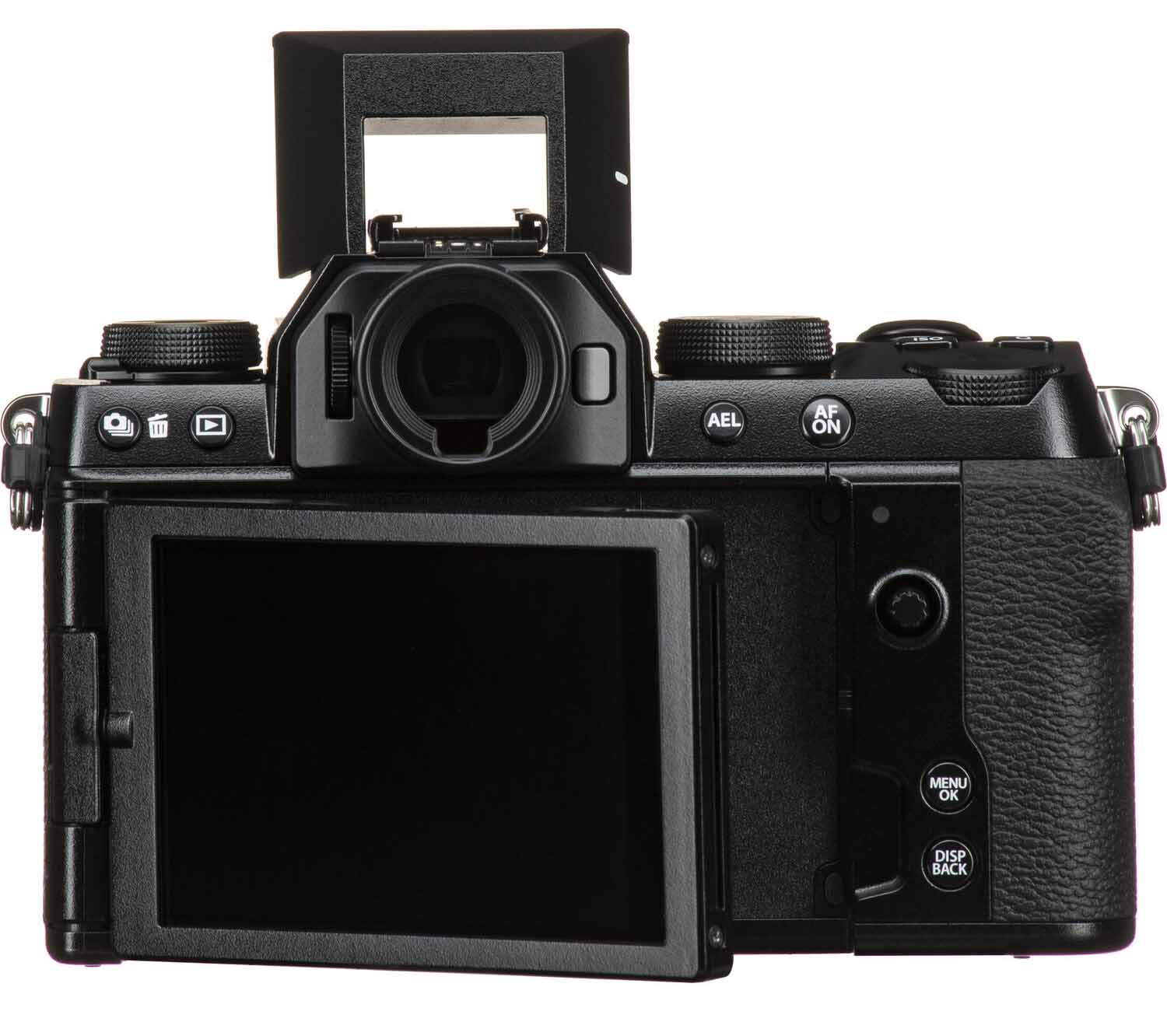
Ergonomically, the rangefinder-style Fujifilm X-E4 (Amazon, B&H) is the most compact of them all and has the least number of buttons. It also has an added shutter speed dial at the top of the camera.
The Fujifilm X-T30 II (Amazon, B&H) has the highest number of buttons for more manual control, something which photographers might appreciate more than cinematographers.
The Fujifilm X-S10 (Amazon, B&H) has a dedicated record button, a separate microphone port and a customizable dial at the top. I would give it the edge for video work.
Viewfinder and monitor features:
| Camera | Viewfinder | Monitor | External recording |
| Canon R10 | Yes | 2.95″, 1.04 million dots | 4K 60 fps | 10-bit, 4:2:2* / 8-bit, 4:2:0 |
| Nikon Z50 | Yes | 3.2″, 1.04 million dots | 4K 30fps | N/A |
| Fujifilm X-E4 | Yes | 3″, 1.62 million dots | 4K 30 fps | 10-bit, 4:2:2 |
| Fujifilm X-T30 II | Yes | 3″, 1.62 million dots | 4K 30 fps | 10-bit, 4:2:2 |
| Fujifilm X-S10 | Yes | 3″, 1.04 million dots | 4K 30 fps | 10-bit, 4:2:2 |
*Only when HDR PQ is enabled. Otherwise it’s all 8-bit 4:2:0.
The Fujifilm X-E4 and the Nikon Z50 have a 180-degree tilting screen. The Canon R10 and the Fujifilm X-S10 have a Vari-angle screen. The Fujifilm X-T30 II has a tilt-type screen.
Let’s take a look at the ports they have:
| Camera | HDMI Port | Headphone Jack | Microphone Jack | USB |
| Canon R10 | Type D | No | Yes | 2.0, Type-C |
| Nikon Z50 | Type D | No | Yes | 2.0, Type-B |
| Fujifilm X-E4 | Type D | Yes, with adapter* | Yes | 3.2, Type-C |
| Fujifilm X-T30 II | Type D | Yes, with adapter* | Yes | 3.2, Type-C |
| Fujifilm X-S10 | Type D | Yes, with adapter* | Yes | 3.2, Type-C |
*The adapter is given in the box by Fuji.
To me the Canon R10 (Amazon, B&H) and the Fujifilm X-S10 (Amazon, B&H) are pulling ahead at this point. But we’re not done.
Media and battery
Now let’s talk about media:
| Camera | Card Slot | Price per GB (For 32 GB) |
| Canon R10 | SDXC, UHS-1 and UHS-II | $0.23 |
| Nikon Z50 | SDXC, UHS-I | $0.23 |
| Fujifilm X-E4 | SDXC, UHS-I | $0.23 |
| Fujifilm X-T30 II | SDXC, UHS-I | $0.23 |
| Fujifilm X-S10 | SDXC, UHS-I | $0.23 |
The Canon R10 gives you the option to use the faster UHS-II SD card. This makes the camera more future proof, but not by much.
| Camera | Total Data (4K 30p, 8-bit 4:2:0) | Cost for 4 hours |
| Canon R10 | 211 GB | $49 |
| Nikon Z50 | 253 GB | $58 |
| Fujifilm X-E4 | 352 GB | $81 |
| Fujifilm X-T30 II | 352 GB | $81 |
| Fujifilm X-S10 | 352 GB | $81 |
In terms of data usage the Canon R10 (Amazon, B&H) is really efficient, though at the cost of you needing a computer with a CPU optimized to edit H.265 video.
What about battery life? Here are some numbers we could find:
| Camera | Battery Life (In minutes) | Battery Life (In shots) | Cost of one battery | Cost of 6 hours of operation |
| Canon R10 | N/A | 430/260* | $60 | — |
| Nikon Z50 | 75 minutes (60 minutes)^ | 300 | $57 | $274 |
| Fujifilm X-E4 | 45 minutes | 460 | $60 | $480 |
| Fujifilm X-T30 II | 45 minutes | 390 | $60 | $480 |
| Fujifilm X-S10 | 40 minutes | 325 | $60 | $540 |
*Canon gives battery life in number of shots, which is 430 with the LCD and 260 with the viewfinder. The battery life for actual shooting time is not specified anywhere.
^Nikon doesn’t specify if the data provided is for continuous recording or actual shooting. Based on the battery life in stills I assume it’s for continuous recording, which gives us about 60 minutes of actual usage.
We can’t make a direct comparison due to lack of data.
Which is cheaper to own?
Here’s how the cameras stack up:
| Camera | Price | Media Cost | Battery Cost | Charger^ | Total |
| Canon R10 | $879 | $49 | $300* | $0 | $1228 |
| Nikon Z50 | $756 | $58 | $274 | $0 | $1088 |
| Fujifilm X-E4 | $849 | $81 | $480 | $49 | $1459 |
| Fujifilm X-T30 II | $899 | $81 | $480 | $49 | $1509 |
| Fujifilm X-S10 | $999 | $81 | $540 | $49 | $1669 |
*An assumption, though I could be wrong. You can disregard this figure if you like.
^We need to add a charger to even out the playing field.
Clearly the Fujifilm X-S10 (Amazon, B&H) is the most expensive all said and done, but does that tell us the whole story?
Conclusion
Let’s take a quick recap of all that we have been through:
| Features | Winner |
| Sensor and ISO | Nikon Z50 |
| Video features | Canon R10 |
| Codecs and color | Canon R10 |
| Lenses | Fujifilm |
| IBIS | Fujifilm X-S10 |
| Media | Tie |
| Ergonomics | Canon R10 |
| Ports and Monitoring | Fujifilm |
| Autofocus | Canon R10 |
| Battery Life | Nikon Z50 |
| Value for Money | Canon R10 |
It’s a tough race between the Fujifilm X-S10 (Amazon, B&H) and the Canon R10 (Amazon, B&H).
We’ll let the cameras present their case before arriving at a final conclusion:
| Camera | Major Pros | Major Cons |
| Canon R10 | 10-bit 4:2:2, Dual Pixel AF, Ergonomics, Recording time | Lack of lenses designed for APS-C, no wide angle option |
| Nikon Z50 | Cheapest, Low light performance, battery life | Lack of lenses designed for APS-C, no wide angle option |
| Fujifilm X-E4 | Lenses designed for APS-C | Made for photographers |
| Fujifilm X-T30 II | Lenses designed for APS-C | Made for photographers |
| Fujifilm X-S10 | IBIS, Lenses designed for APS-C | No charger, Most expensive |
My Verdict
Here’s what I think:
| Type of filmmaking | Preferred Camera | Major Reasons |
| Documentaries, Journalism and Corporate Videos | Canon R10 | Recording time and AF |
| Short or Feature films | Canon R10 or Fujifilm X-S10 | Pick the colors you like and adapt lenses. See my final note below. |
| Music Videos | Canon R10 or Fujifilm X-S10 | Canon for 4K and Fuji for 1080p videos. See my final note below. |
| Wildlife | Canon R10 | Recording time and AF |
| Weddings and Events | Canon R10 | Recording time and AF |
Overall the Canon R10 (Amazon, B&H) pulls ahead delivering the most bang for your buck, except for one major problem.
Canon doesn’t have many lenses in the RF mount for wide angle. In fact, nothing that you can count as professional. Then you’re forced to use Canon EF glass with an adapter (an added cost). Here again, Canon doesn’t have anything close to what Fuji has in terms of their lens lineup.
So you’re stuck with using manual lenses for really wide angle shots. If this isn’t a concern for you then the Canon R10 (Amazon, B&H) offers you the best value for money.
But if lenses are important and the ecosystem in which you are investing your money is important – and if you like Fuji colors – on a practical note I’ll give this one to the Fujifilm X-S10 (Amazon, B&H).
As far as I’m concerned, the Fujifilm X-S10 (Amazon, B&H) wins. Check out the lenses you get:
- FUJIFILM XF 8-16mm f/2.8 R LM WR (Amazon, B&H)
- FUJIFILM XF 16-55mm f/2.8 R LM WR (Amazon, B&H)
- FUJIFILM XF 50-140mm f/2.8 R LM OIS WR (Amazon, B&H)
- FUJIFILM XF 16mm f/1.4 R WR (Amazon, B&H), in fact, the entire WR prime series at f/1.4.
- and last but not least, the FUJIFILM XF 50mm f/1.0 R WR (Amazon, B&H).
The value proposition is insane. What do you think?

Here, we are looking at the low end universe.
This universe will be destroyed by those Evil cell phones, soon.
Actually, the photo/video camera companies themselves will be in trouble.
Between Canon and Fuji, expect Canon to survive, keep producing lenses and bodies and be around for a longer time supporting you.
My grandchildren will look at these bodies and say WOW, SO primitive, so big, so heavy, so inflexible, so limited….
It’s possible, highly probable even. But we live in the now!
Very interesting. I’m finding I lose no quality with the EF adapter and the EOS R6 – everything’s just a half-inch longer. L glass is so wonderful, I can’t really be comfortable with less. I’m on a budget and hoping EF lenses will come down in price. Best bargains, for me, are the 24-105L and 135/2L, both absolutely wonderful lenses.
Ef lenses are great. RF lenses are designed specifically for the mirrorless design and the smaller flange focal distance. They are sharper corner to corner and have generally better optics. E.g., I’ve found the 24-105mm L RF to be much better optically than the EF L-series version.