
With RAW, you have the choice of compressed and uncompressed stills. The only reason to shoot compressed is to reduce file size (by about 50%). Here are the sizes of a typical 12MP image*:
- Compressed: 12.8 MB
- Uncompressed: 25.1 MB
*The sizes will vary by a bit depending on the kind of information you’re shooting.
What we need to determine is whether you lose quality by compressing RAW. Here’s a test of a frame shot both compressed and uncompressed, and then processed in ACR.
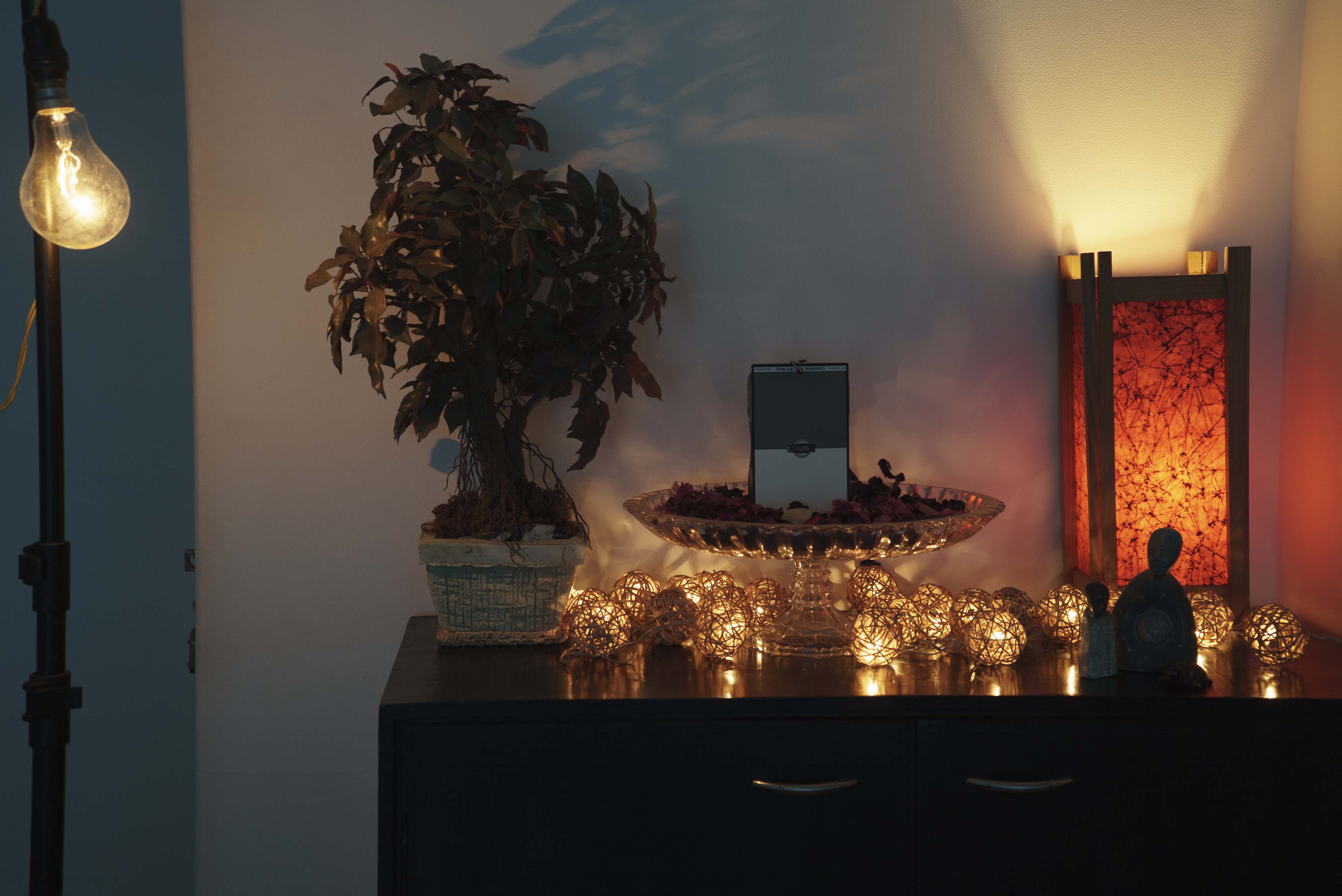
First, stills just exported from ACR with no correction (except choosing the profile, Neutral) (Click to enlarge):
Uncompressed:

Compressed:
Now, stills processed^ in ACR and exported as full size JPEGs (Click to enlarge):
Uncompressed:
Compressed:
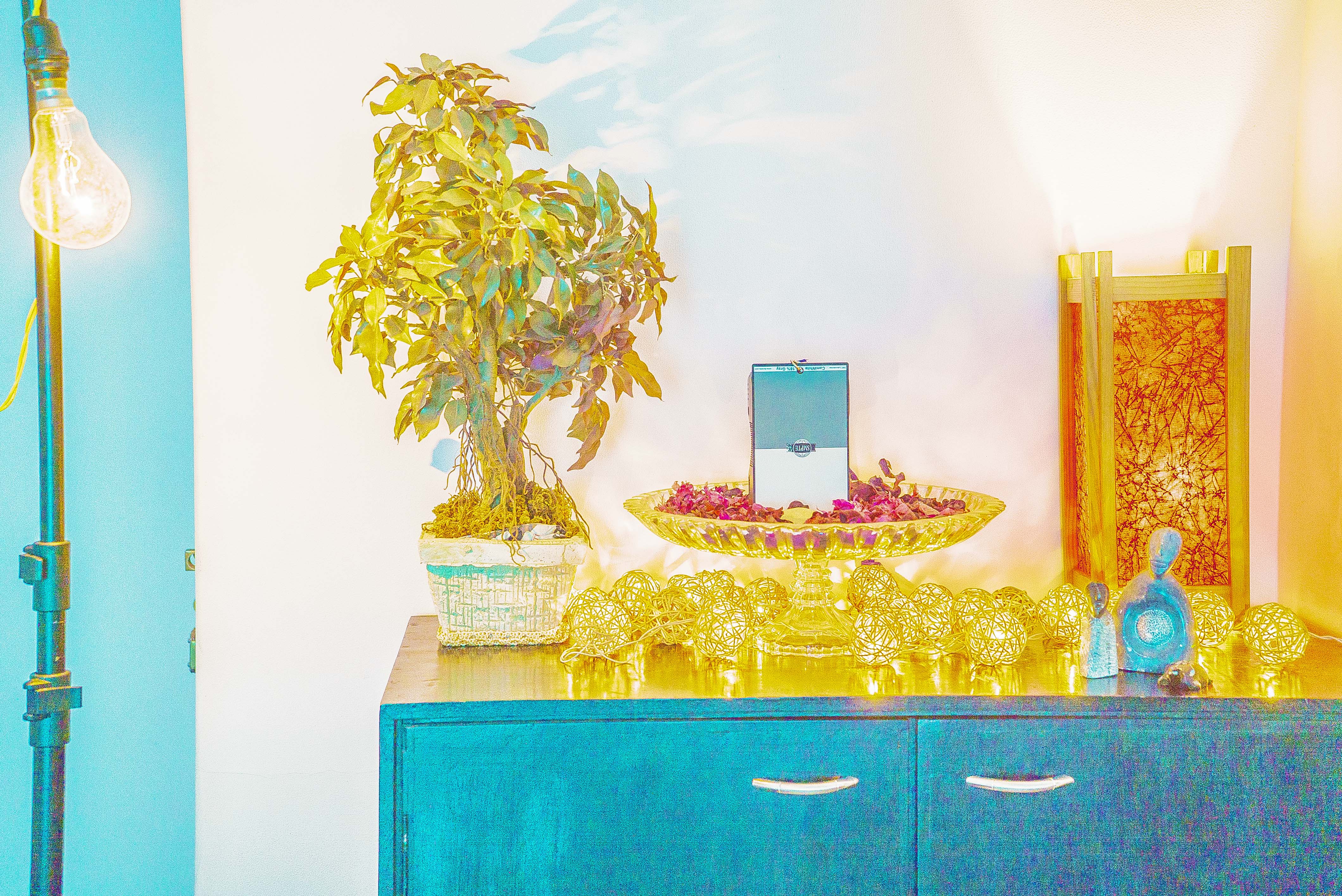
EXIF – ISO 800, 1/25th shutter, f/4.5 at 51mm on a 28-70mm f/3.5-5.6mm lens. Neutral picture profile. X.Fine JPEG quality. Multi-metering, underexposed by -0.7EV.
^Here’s the torture that was applied to the images:

I also studied the scene with different processing, raising the shadows, lowering the highlights, etc.
Takeaway
If your work is of the highest demanding kind, you’re shooting with the wrong camera. Because 12 MP won’t give you much (an 8×14″ print, or roughly A4/US Letter paper). Even at this print resolution, the differences are almost imperceptible.
If you’re shooting street, wedding, corporate, events, promos, news, sports, etc., by all means shoot compressed RAW. Sony has done a great job.
However, there is a very slight, and I mean very, imperceptibly slight, advantage to uncompressed RAW. If storage space isn’t a concern, and you are paranoid, you might want to shoot uncompressed.
But at 12 MP, I have no hesitation in recommending compressed RAW.
