

India is a diverse country. It cannot be defined by a singular commonality running throughout the region. You go from North to South and you will be surprised to see the variety that this place has to offer in terms of culture, language, geography, literature and other vitals that define a place. Similar, if you go across from the East to the West. Each place has its own distinct flavor.
Same can be said for Indian Cinema. The problem that has arisen with Indian Cinema and its image internationally is that it is thought to be synonymous with Bollywood, or the Hindi film industry based in Mumbai.
But if you have any slight idea about the demography and geography of the country, you would know that it is a very limiting definition.
Indian Cinema is much bigger than Bollywood, or the elaborate song and dance routines that it is identified with all over the world. The melodrama and the over-the-top action sequences do form a major part of commercial Bollywood films but Indian Cinema has got a lot more to offer to students of films.
The vast differences in the social and cultural milieu of the common Indian person gives rise to a similarly varied bank of stories and experiences. Also, the history of India informs us that it has always mingled with foreign cultures and that intermingling at the grassroot level has given birth of completely unique and hybrid forms of art and literature.
It has stories concerning the nitty-gritties of the most aristocratic families to the everyday struggles of the poorest individual.
Even the linguistic differences that are present here are so vast that there are entire industries running parallelly, making movies after movies day in and day out. Films are one of the most common mediums of mass entertainment in the country and they are loved by people of every region.
Thus, there are many industries running here on the basis on language and culture who make films concerning their own specific issues and also issues which are pan-Indian.
Some of the major industries based on language and region are as follows – Hindi (Parts of North and Central India), Gujarati (Gujarat), Marathi (Maharashtra), Malayalam (Kerala), Tamil (Tamil Nadu), Telugu (Andhra Pradesh and Telangana), Kannada (Karnataka) and Bengali (West Bengal) among others.
To know more about the Indian Films which made a mark at international film festivals, do check this article out –
We are bringing you the best and hidden gems of these regional film industries so that it can help you as well as us in recognizing the true scale and magnitude of Indian Cinema and to get to know the real cinematic beauty of the largest filmmaking industry of the world.
Tamil Cinema
The Tamil film industry, has long been recognized as one of the most influential and vibrant film industries in India.
Tamil cinema plays a pivotal role in maintaining the purity and vitality of the Tamil language. While it has gained global recognition for its commercial blockbusters, the Tamil film industry has also made significant contributions to the world of art cinema.
Tamil cinema dates back to the early 20th century when R. Nataraja Mudaliar directed the first silent film Keechaka Vadham in 1917.
Over the years, Tamil cinema has seen remarkable growth, with the establishment of iconic studios like AVM Productions and the emergence of talented filmmakers and actors. The industry has continuously evolved and adapted to changing times, making significant strides in both commercial and art cinema.
In the 1960s and 1970s, a wave of creativity swept through the Tamil film industry, giving rise to a new breed of filmmakers who aimed to produce thought-provoking and socially relevant films.
Directors like A. Bhimsingh, K. Balachander, Mahendran, Balu Mahendra and Bharathiraja spearheaded this movement by bringing a fresh perspective to storytelling and challenging conventional norms.
Tamil art films often revolve around realistic themes, shedding light on social issues, human emotions and cultural aspects. They explore topics like caste discrimination, poverty, women’s empowerment and political unrest, offering a more nuanced and introspective cinematic experience.
These films delve into the complexities of human relationships and often present morally ambiguous characters, blurring the lines between right and wrong.
Filmmakers like Mani Ratnam, Bala, Vetrimaaran, Selvaraghavan and Vasanth have experimented with unconventional narrative structures, non-linear storytelling and evocative imagery to enhance the cinematic experience. These films often feature subdued color palettes, realistic settings emphasizing the emotional depth of the narrative.
Tamil cinema’s global journey began with the migration of Tamil communities to various parts of the world. Countries like Sri Lanka, Malaysia, Singapore and parts of the Middle East have significant Tamil-speaking populations, creating a ready audience for Tamil films.
The digital age has provided Tamil cinema with a broader canvas to reach audiences worldwide. Filmmakers tailor their narratives to address global issues while retaining the essence of Tamil culture, creating a unique fusion of local and global perspectives.
The success of Tamil art films at international film festivals has also contributed to the recognition and appreciation of Indian cinema on the global stage.

1 Agraharathil Kazhuthai
- Director – John Abraham
- Year Released – 1977
- Major Awards / Nominations – National Award for the Best Feature Film in Tamil
- Other Films by this Director – Vidhyarthikale Ithile Ithile (Malayalam), Amma Ariyan (Malayalam), Cheriyachante Kroorakrithyangal (Malayalam)
Agraharathil Kazhuthai (translated as?Donkey in the Brahmin village) is a film loosely inspired by the French film Au Hasard Balthazar. The film revolves around a donkey that enters a village where some Brahmin live. One of these people, Prof. Narayanaswami, decides to take care of the donkey even though others make fun of him.
He asks a mute village girl, Uma, to look after the donkey. Unfortunately, when her baby is born dead and left near a temple, the villagers blame the donkey and kill it.
Agraharathil Oru Kaaluthu by John Abraham stands as a testament to the power of cinema to challenge norms, prompt conversations and provide a mirror to society.
Through its exploration of caste dynamics and moral conflicts, the film remains relevant even decades after its release. It remains a thought-provoking piece of art that continues to inspire filmmakers and audiences alike.

2 Thaneer Thaneer
- Director – K. Balachander
- Year Released – 1981
- Major Awards / Nominations – National Award for the Best Feature Film in Tamil
- Other Films by this Director – Apoorva Raagangal, Iru Kodugal, Aval Oru Thodar Kathai, Varumayin Niram Sivappu, Sindhu Bhairavi
Thaneer Thaneer (translated as Water Water) is based on the play of the same name by Komal Swaminathan. The film is set in a drought-ridden village where water scarcity has become a grave concern for the villagers. The story revolves around the struggles of the villagers as they grapple with the harsh reality of not having access to an essential resource like water.
Thaneer Thaneer is celebrated for its compelling storytelling, realistic portrayal of rural life and its bold exploration of social issues. The film’s portrayal of the water crisis and the challenges faced by the villagers strikes a chord with audiences, making it a powerful commentary on socio-political realities.
Director K. Balachander ventured into intricate character studies, delving into the complexities of human behavior. Films like Aval Oru Thodar Kathai are notable examples, as they focused on the internal struggles and aspirations of the characters, paving the way for psychological realism in Indian cinema.
Balachander’s cinematic creations are particularly celebrated for their portrayal of women as strong-willed individuals, often in the role of protagonists who steer the narrative forward.

3 Veedu
- Director – Balu Mahendra
- Year Released – 1988
- Major Awards / Nominations – National Award for the Best Feature Film in Tamil
- Other Films by this Director – Moondram Pirai, Sathi Leelavathi, Nireekshana (Telugu), Azhiyatha Kolangal, Vanna Vanna Pookkal
Veedu (translated as Home) revolves around the problems a middle-class family go through to build a new house. Sudha portrayed by Archana, a government clerk residing in Madras, who shares her home with her sister and their grandfather, Murugesan, a retired music teacher. As they embark on a quest to find a new residence, they are advised to consider constructing one themselves.
Assisted by her friend Gopi, Sudha confronts a series of challenges including harassment, corruption and hindrances at every turn. However, the culmination of her struggles arrives when the Water Authority takes possession of her newly built house.
Balu Mahendra’s filmmaking philosophy influenced many directors who followed, particularly those interested in creating meaningful and emotionally resonant cinema. His approach to storytelling, cinematography and character development set new standards for Indian filmmakers, encouraging them to experiment with narrative techniques.
Balu Mahendra asserted that the film was based on a true story, drawing inspiration from his mother’s personal experiences. Veedu stands as a timeless masterpiece, a cornerstone of Tamil art cinema and a work that will continue to inspire filmmakers and cinephiles alike for generations to come.
Balu Mahendra’s dedication to pushing the boundaries of cinematic art both as a Director and Cinematographer, his ability to capture the essence of human emotions and his innovative storytelling techniques make him an enduring figure in the history of Indian cinema, particularly in the realm of art films.
4 Marupakkam
- Director – K. S. Sethumadhavan
- Year Released – 1992
- Major Awards / Nominations – National Award for the Best Feature
- Other Films by this Director – Nammavar, Karakanakadal (Malayalam), Stri (Telugu)
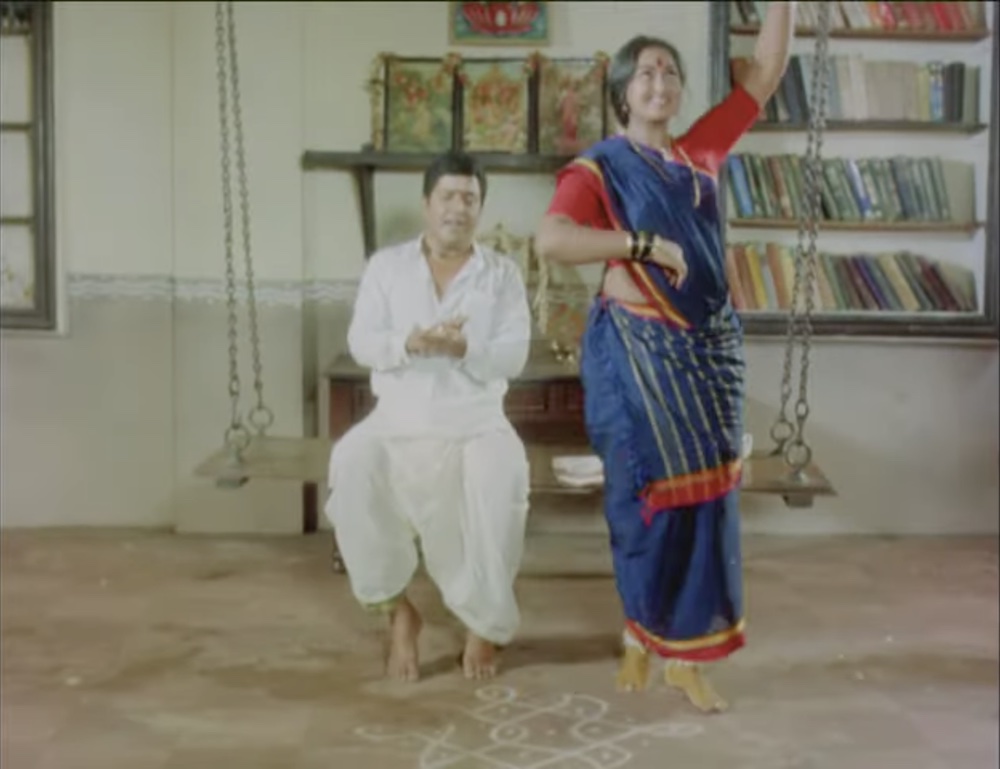
Marupakkam (translated as The Other Side) is based on the novel Uchi Veyyil by Indira Parthasarathy. The film revolves around Vembu Iyer, an orthodox Brahmin and his son Ambi living in Delhi with his wife Sweetie, a Christian. Ambi journeys to Kumbakonam due to his father’s paralyzing stroke caused by news of Ambi’s separation.
Flashing back, Ambi and Sweetie’ visit to Ambi’s conservative Brahmin parents turns turbulent when Vembu insults Sweetie, prompting their separation.
In the present, a perceptive doctor sees parallels between Vembu’s past and Ambi’s separation. Vembu’s tapping fingers signify his longing for his estranged wife, Avayam. The narrative delves into Vembu’s life, where his love for Avayam, a dancer, clashed with his mother’s disapproval. Accusations led to separation, guilt and longing.
Sethumadhavan’s work is characterized by its exploration of societal issues, human relationships and emotional depth. His films were known for their realistic portrayal of characters and situations. His works have left an indelible mark on both the Malayalam and Tamil film industries, earning him a place among the most respected directors in Indian cinema history.
5 Ooruku Nooruper
- Director – B. Lenin
- Year Released – 2003
- Major Awards / Nominations – National Award for the Best Feature Film in Tamil
- Other Films by this Director – Nathiyai Thedi Vandha Kadal, Pannaipurathu Pandavargal, Solla Thudikuthu Manasu
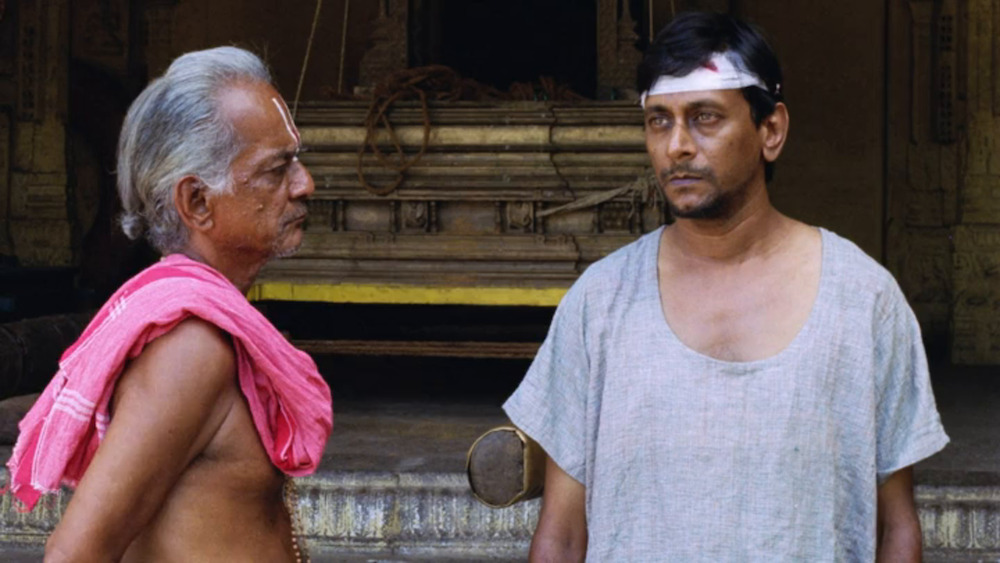
Ooruku Nooruper (translated as A Hundreds for a Village) is based on a novel of the same name by Jayakanthan. The film revolves around Balan, a young artist who joins a revolutionary organization called “Ooruku Nooruper” that wants big changes. To show what the group believes, he starts stealing from the rich, like Robin Hood. Anandan, a writer who supports Balan’s ideas, helps him campaign against killing people as punishment. Because he’s so focused on the group, Balan forgets about his family. His wife, Saroja, feels like he’s not there for her anymore.
Then, Balan accidentally kills a priest while trying to steal and he’s punished with death. But his organization ignores him and keeps doing their work, thinking their cause is more important than one person Balan.
B. Lenin gained prominence primarily as an editor and played a crucial role in shaping the narratives of numerous films. In addition to his editing career, B. Lenin ventured into directing films, often choosing subjects that addressed important social issues.
B. Lenin has received several National Film Awards for Best Editing for his exceptional work on various films and Tamil Nadu State Film Award. He is a multifaceted talent who has made significant contributions to the Indian film industry as both an editor and a director.
6 Kannathil Muthamittal
- Director – Mani Ratnam
- Year Released – 2002
- Major Awards / Nominations – National Award for the Best Feature Film in Tamil; Tamil Nadu State Film Award for Second Best Film
- Other Films by this Director – Iruvar, Bombay, Kadal, Roja, Nayakan, Guru (Hindi), Thalapathi, Mouna Ragam, Aayutha Ezhuthu, Anjali
Kannathil Muthamittal (translated as She Kissed on the Cheek) is based on a short story Amuthavum Avanum by Sujatha. It is a war-drama film with the core theme of love, family and the quest for identity.
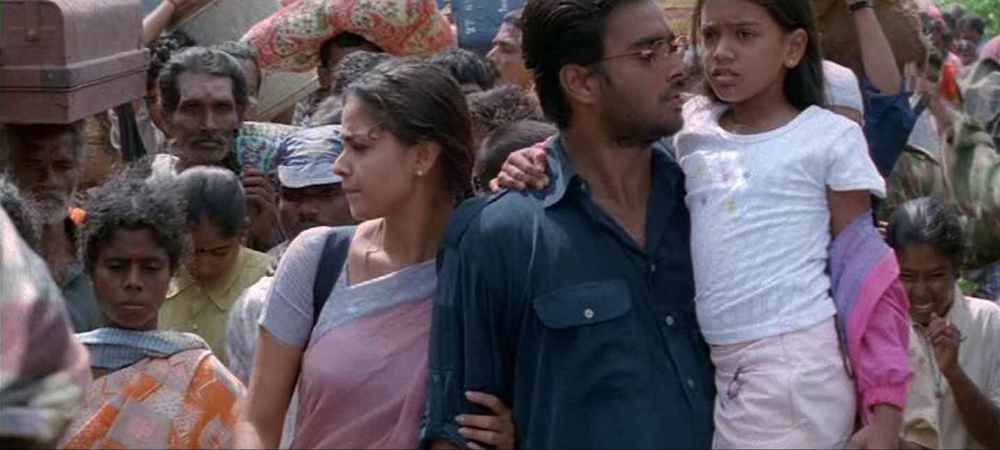
The film revolves around the journey of a young girl named Amudha, who learns that she was adopted. Troubled by this revelation, Amudha embarks on a mission to find her birth mother. Her adoptive parents are supportive of her quest and decide to accompany her to war-torn Sri Lanka, where they believe Amudha’s birth mother might be.
Amidst the backdrop of the Sri Lankan Civil War, the family navigates through the challenges of the conflict and the political turmoil. The film highlights the experiences of innocent civilians caught in the crossfire, shedding light on the human cost of war.
Kannathil Muthamittal remains a testament to the power of cinema in addressing complex social issues while evoking genuine emotional responses. Mani Ratnam’s directorial brilliance, combined with the performances of the cast and the film’s profound themes, has secured its place as a cinematic masterpiece.
The film’s exploration of love, family, identity and the impact of war in Sri Lanka continues to resonate with audiences, making it an enduring work of art in the realm of Indian cinema.

7 Nandha
- Director – Bala
- Year Released – 2001
- Major Awards / Nominations – Tamil Nadu State Film Award for Best Film
- Other Films by this Director – Paradesi, Naan Kadavul, Pithamagan, Sethu, Tharai Thappattai
Nandha revolves around the eponymous character, played by Suriya, who is a young man struggling with a traumatic past. He had been imprisoned as a boy for killing his father and upon his release, he attempts to reintegrate into society while dealing with his haunting memories and the stigma attached to his actions.
Nandha falls in love with Kalyani, essayed by Laila, a Sri Lankan Tamil refugee. The film sheds light on the Sri Lankan Civil war, primarily through the perspective of Kalyani and other refugees. The song Kalli Adi Kalli underscores this, featuring a chorus of refugees expressing their jealous wishes as Kalyani finally finds a place to call home.
Nandha portrays themes of trauma, redemption and familial bonds, showcasing the aftermath of conflict and the enduring impact it has on individuals and relationships.
The film’s success paved the way for more nuanced and emotionally charged narratives in Tamil cinema. Nandha also reaffirmed that Tamil audiences were receptive to films that delved into complex emotional territory beyond the boundaries of typical mainstream cinema.
Bala, a filmmaker known for his gritty and emotionally intense storyteller. His films often challenge the conventions of mainstream Tamil cinema. He is known for his unflinching portrayal of dark and intense subjects, pushing the boundaries of realism. His characters are flawed, complex and multi-dimensional, reflecting the intricacies of human nature. The use of raw language, gritty settings and stark emotions sets Bala’s films apart from the glossier productions often seen in the industry.
Bala’s films have inspired a new generation of filmmakers to embrace realism and delve into the complexities of human emotions. His impact on Tamil cinema can be seen in the works of directors who are unafraid to challenge norms and explore uncharted territories.
8. Kanchivaram
- Director – Priyadarshan
- Year Released – 2009
- Major Awards / Nominations – National Award for Best Feature Film
- Other Films by this Director – Thenmavin Kombath (Malayalam), Kaalapani (Malayalam), Virasat (Hindi), Opppam (Malayalam), Hera Pheri (Hindi)
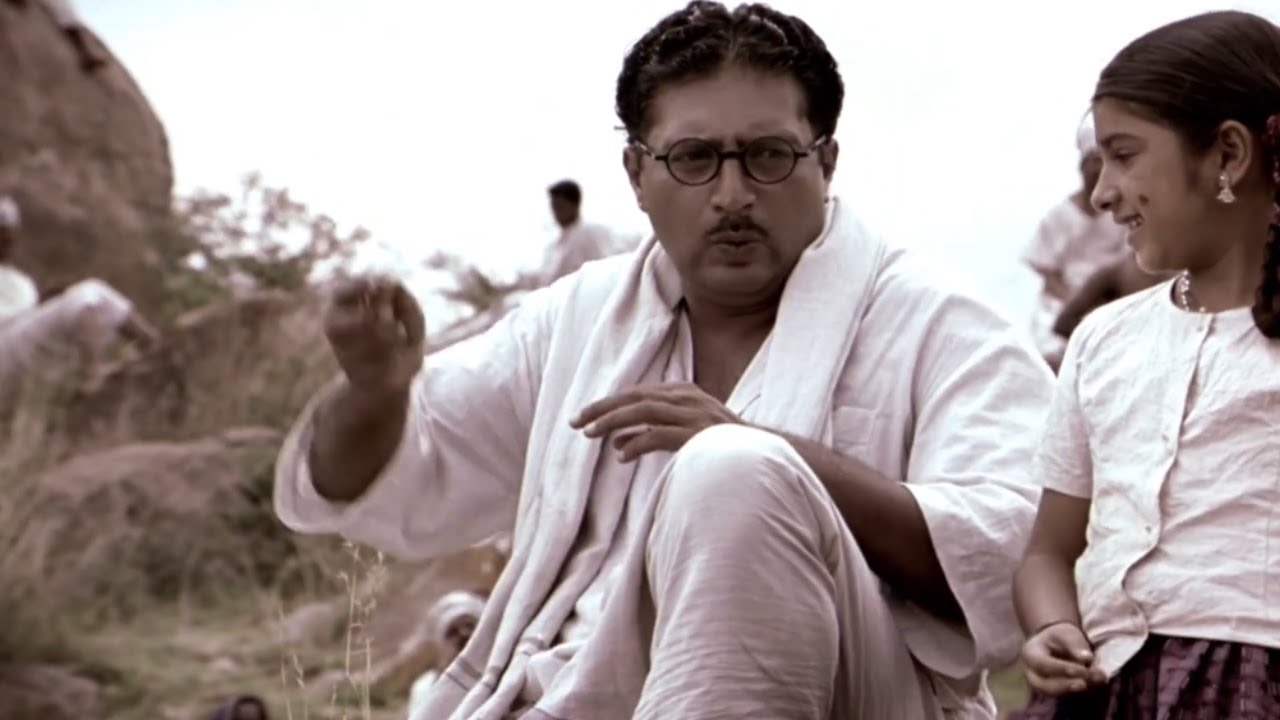
Kanchivaram revolves around Vengadam played by Prakash Raj, is released from jail and escorted back to Kanchipuram. During the bus journey, memories of his past resurface. Vengadam, a silk weaver, had married Annam (Sriya Reddy) but faced financial constraints. To save his sister’s honor, he gave away his savings, crushing his dream of owning a silk saree.
Events take a tragic turn when Annam dies in his arms and Vengadam’s life intersects with a communist writer who advocates for the silk weavers’ rights.
The narrative underscores the sacrifices and complexities of a weaver’s life, intertwining personal desires, social change and familial responsibilities.
Director Priyadarshan’s legacy lies in his ability to entertain audiences across languages and cultures. His films have often combined humor with social commentary and he has managed to create a lasting impact in both mainstream and regional cinema.

9 Vazhakku Enn 18/9
- Director – Balaji Sakthivel
- Year Released – 2012
- Major Awards / Nominations – National Award for the Best Feature Film in Tamil
- Other Films by this Director – Samurai, Kaadhal, Kalloori
Vazhakku Enn 18/9 (translated as Case No. 18/9) revolves around the lives of four interconnected characters whose fates are tragically intertwined due to an incident. Narrated through flashbacks, the Tamil film portrays Velu (Shri), a teen working in a shop, falling for Jyothi, a maidservant. Aarthy, living in an apartment, is targeted by spoiled student Dinesh, who captures her private moments and plots to harm her.
When Aarthy discovers his intentions, she escapes dangerous car incidents. Jyothi interferes when Dinesh plans an acid attack, suffering severe injuries. A corrupted police officer investigates the case.
The film starkly portrays the stark class divisions in society, highlighting the exploitation faced by the lower socioeconomic strata at the hands of the privileged. The lives of the characters are influenced and often ruined by the actions of those in positions of power.
The aspirations of the characters, especially Velu and Jyothi, highlight the universal desire for a better life and the lengths to which individuals might go to achieve their dreams, even in the face of adversity.
Balaji Sakthivel’s directorial approach in Vazhakku Enn 18/9 is characterized by its raw and realistic portrayal of characters and situations. The film masterfully integrates multiple perspectives, allowing viewers to understand the motivations and emotions of each character. The use of non-linear storytelling and flashbacks contributes to the depth of the narrative, gradually revealing the connections between the characters and the incident that changes their lives forever.
10 Kaaka Muttai
- Director – M. Manikandan
- Year Released – 2014
- Major Awards / Nominations – National Film Award for Best Children’s Film, Tamil Nadu State Film Special Jury Award for Best Film
- Other Films by this Director – Aandavan Kattalai, Kuttrame Thandanai, Kadaisi Vivasaayi
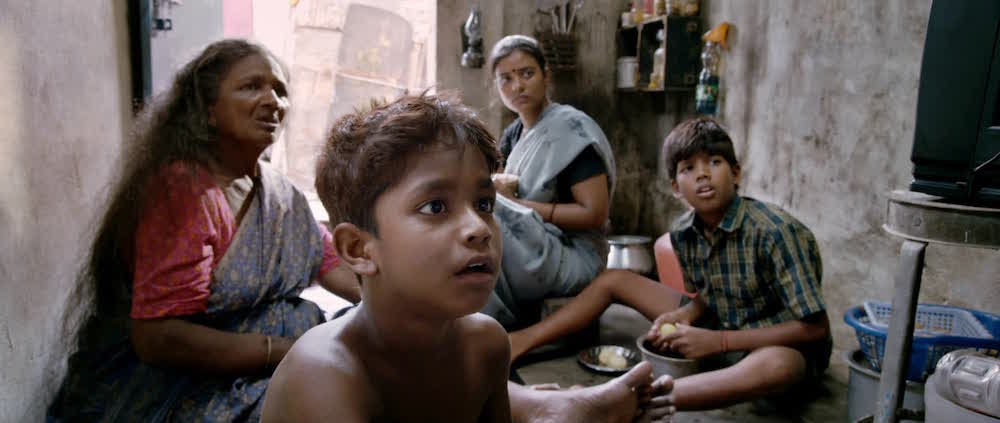
Kaaka Muttai (translated as The Crow’s Egg) revolves around the lives of two young brothers, Chinna Kaaka Muttai (translated as Small Crow’s Egg) and Periya Kaaka Muttai (translated as Big Crow’s Egg), who live in a slum area of Chennai. The boys come from an impoverished background and their day-to-day lives are a constant struggle to make ends meet. The film beautifully captures their innocent yet resilient spirits as they navigate the challenges of poverty with a childlike curiosity and imagination.
The story takes a turn when the boys become fascinated by the sight of a new pizza shop that opens near their slum. Despite their financial limitations, they become determined to taste this exotic dish that has captured their imagination. The film then follows their amusing and resourceful efforts to earn money to buy a pizza.
Kaaka Muttai is a heartwarming and socially conscious film that addresses several themes, including poverty, aspirations, innocence and the impact of globalization on marginalized communities. The film sheds light on the economic disparities in society while portraying the resilience and determination of children who are often forced to mature early due to their circumstances.
The juxtaposition of their modest lifestyles with the extravagant allure of a pizza serves as a poignant commentary on the effects of consumerism and the changing face of urban India.
Director M. Manikandan’s visual storytelling and narrative style are noteworthy in Kaaka Muttai. The film seamlessly blends realism with a touch of whimsy, capturing the daily lives of the characters with authenticity while also infusing the story with moments of humor and joy
The Tamil film industry’s contribution to art films has been monumental, showcasing the artistic capabilities and creative vision of filmmakers. These films have not only entertained but also challenged societal norms, stimulated critical thinking and provided a platform for thought-provoking narratives.
Tamil art films have left an indelible mark on Indian cinema, inspiring filmmakers across the country and contributing to the cultural fabric of the nation.
While Tamil art films have enjoyed critical success, they often face challenges regarding commercial viability and audience reception. The dominance of commercial cinema, limited distribution networks and the need for substantial funding remain obstacles for aspiring filmmakers.
However, with the advent of digital platforms and the growing demand for diverse content, the future looks promising for Tamil art films, providing more opportunities for filmmakers to create meaningful cinema.
While the impact of Tamil cinema on Tamil-speaking countries is significant, it’s not without its challenges. Cultural appropriation and the need for content that resonates with the younger generation while maintaining cultural authenticity are ongoing concerns. Moreover, as newer generations become more accustomed to their host country’s culture, sustaining interest in Tamil cinema requires innovation and adaptability.
As the industry continues to evolve, it is poised to produce more groundbreaking films, further cementing its place in the realm of art cinema.
Please do tell me in the comments below if you know of some brilliant but obscure films that I have missed. Until then keep reading and watching films.
