
India is a diverse country. It cannot be defined by a singular commonality running throughout the region. You go from North to South and you will be surprised to see the variety that this place has to offer in terms of culture, language, geography, literature and other vitals that define a place. Similar, if you go across from the East to the West. Each place has its own distinct flavor.
Same can be said for Indian Cinema. The problem that has arisen with Indian Cinema and its image internationally is that it is thought to be synonymous with Bollywood, or the Hindi film industry based in Mumbai. But if you have any slight idea about the demography and geography of the country, you would know that it is a very limiting definition.

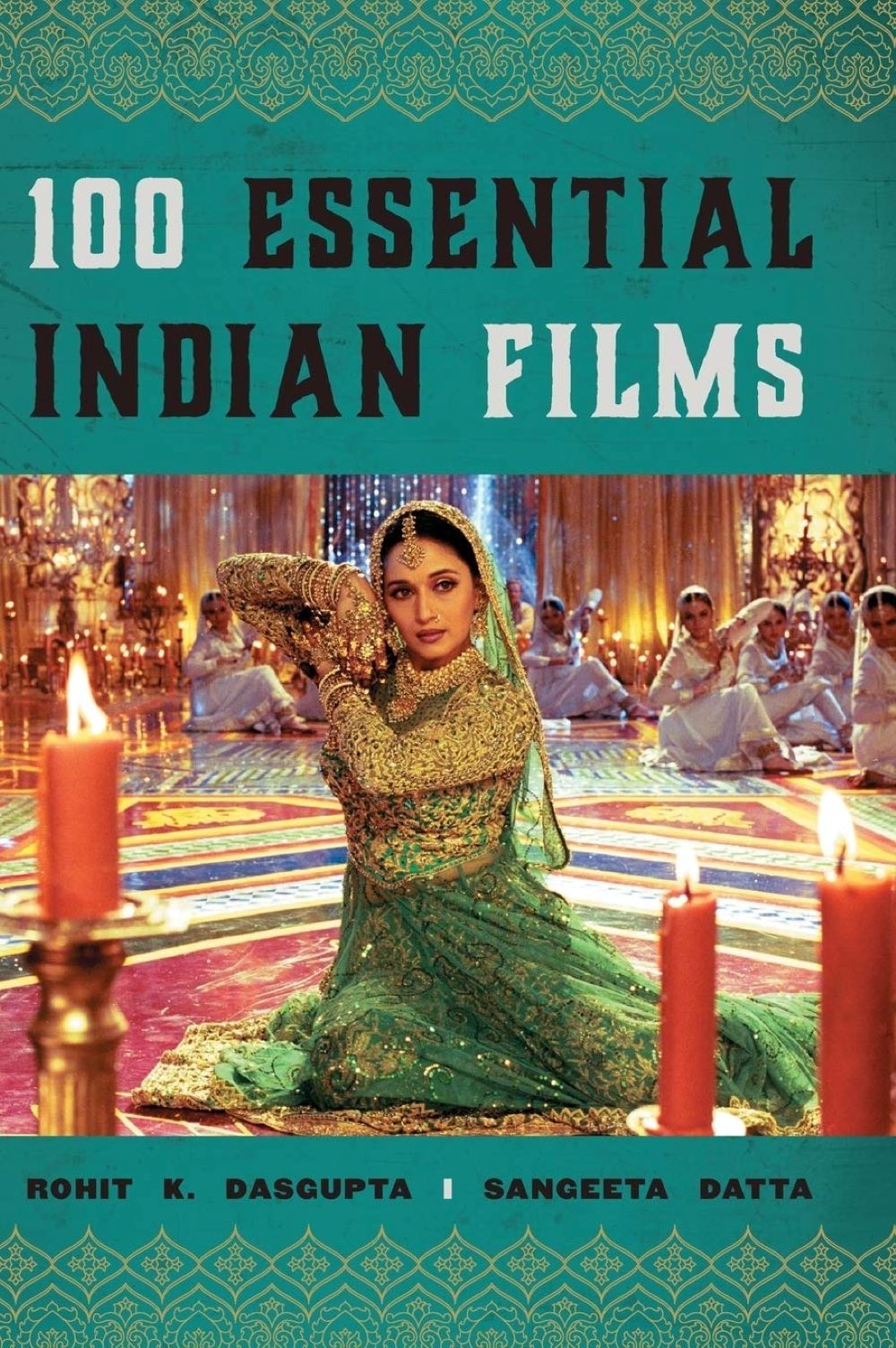
Indian Cinema is much bigger than Bollywood, or the elaborate song and dance routines that it is identified with all over the world. The melodrama and the over-the-top action sequences do form a major part of commercial Bollywood films but Indian Cinema has got a lot more to offer to students of films.
The vast differences in the social and cultural milieu of the common Indian person gives rise to a similarly varied bank of stories and experiences. Also, the history of India informs us that it has always mingled with foreign cultures and that intermingling at the grassroot level has given birth of completely unique and hybrid forms of art and literature. It has stories concerning the nitty-gritties of the most aristocratic families to the everyday struggles of the poorest individual.
Even the linguistic differences that are present here are so vast that there are entire industries running parallelly, making movies after movies day in and day out. Films are one of the most common mediums of mass entertainment in the country and they are loved by people of every region.
Thus, there are many industries running here on the basis of language and culture who make films concerning their own specific issues and also issues which are pan-Indian. Some of the major industries based on language and region are as follows – Hindi (Parts of North and Central India), Gujarati (Gujarat), Marathi (Maharashtra), Malayalam (Kerala), Tamil (Tamil Nadu), Telugu (Andhra Pradesh and Telangana), Kannada (Karnataka) and Bengali (West Bengal) among others.
To know more about the Indian Films which made a mark at international film festivals, do check this article out –
We are bringing you the best and hidden gems of these regional film industries so that it can help you as well as us in recognizing the true scale and magnitude of Indian Cinema and to get to know the real cinematic beauty of the largest filmmaking industry of the world.

Marathi Cinema
From Dadasaheb Phalke’s Shree Pundalik to Chaitanya Tamnahe’s Court, Marathi Cinema has blessed us with a varied repertoire of films. It was the birth language for films in India and also the mother tongue for the Father of Indian Cinema, Dadasaheb Phalke. Other than him it has also given us multi-faceted filmmakers like V Shantaram, Dr. Jabbar Patel, Sudhir Phadke and Mahesh Manjrekar among other notable names.
It has had its own share of great and bleak periods but the last decade has seen a tremendous rise in the quality of homegrown Marathi films and also the worldwide reception of them. One of the best attributes of Marathi films and filmmakers is that they are always very honest to their roots and showcase very culturally relevant stories about their everyday life.
Although not as widely known in the festival circuits like Bengali or Malayali Cinema, Marathi Cinema also has some obscure movies which can be life altering for the audiences and have taken the cinematic art form to higher levels.
This here is a list celebrating those unsung films of Marathi Cinema which deserve a place in any of the best films list coming out from the country. Also, these films will have a profound impact on the audience watching it and will be an immersive and educative experience for filmmaking students around the globe.
So without any further ado, let’s jump right into it.
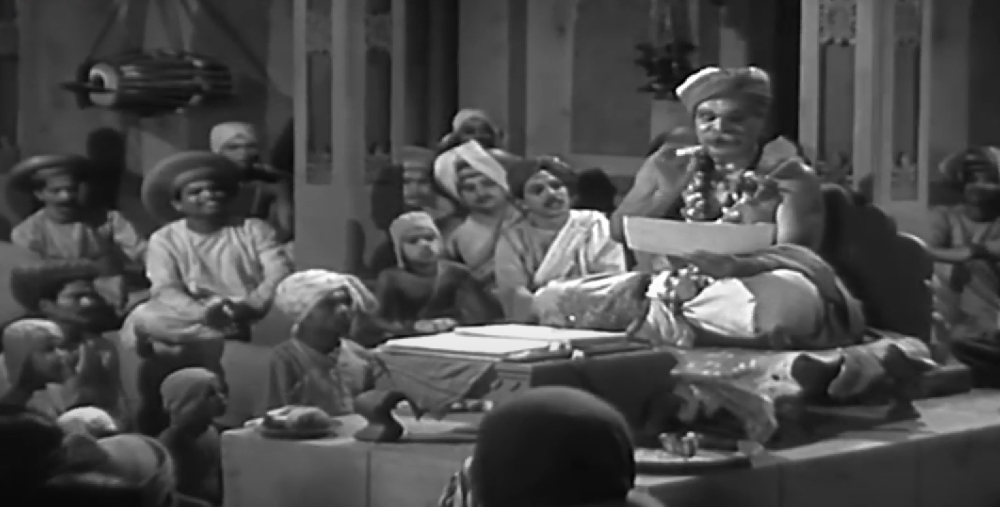
1 Amar Bhoopali
- Director – V. Shantaram
- Year Released – 1952
- Major Awards / Nominations – Nominee for Grand Prize of the Festival at Cannes Film Festival
- Other films by this director – Do Aankhen Bharah Haath, Jhanak Jhanak Payal Baaje, Duniya Na Maane
Set in the 19th century, “Amar Bhoopali” depicts the life of Honaji Bala, who hails from a lower-caste family. Despite facing societal prejudices, he becomes a trailblazer in Marathi music and earns immense fame for his mellifluous renditions. The film beautifully portrays his journey, showcasing his passion for music, his encounters with influential personalities, and his eventual rise to prominence. Alongside his musical journey, the film also delves into his personal relationships, providing an intimate glimpse into his love life and the challenges he faces due to his social status.
V. Shantaram was a visionary filmmaker who contributed significantly to Indian cinema. With his artistic sensibilities and innovative storytelling techniques, Shantaram left an indelible mark on the industry. Known for his ability to portray social issues and human emotions with authenticity, Shantaram infused all his films with profound depth and cinematic brilliance.
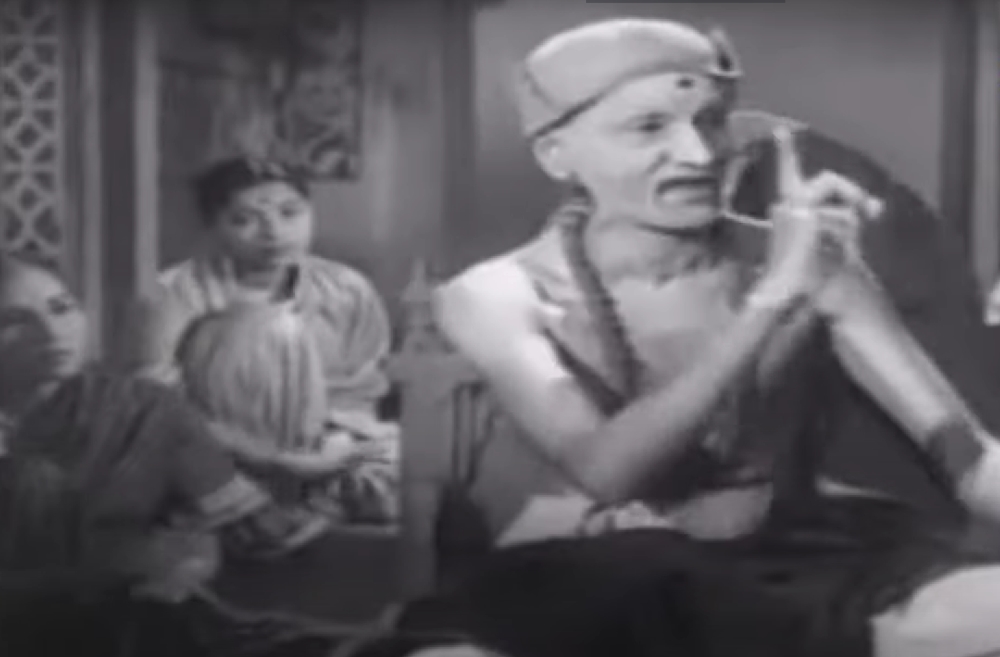
2 Shyamchi Aai
- Director – Prahlad Keshav Atre
- Year Released – 1953
- Major Awards / Nominations – National Film Award for Best Feature Film
- Other films by this director – Dil ki Baat, Mahatma Phule
Based on the autobiographical novel by Sane Guruji, the film narrates the heartwarming story of a young boy named Shyam and his unwavering bond with his mother, Aai. Set in a rural village in Maharashtra, the film beautifully captures the emotional journey of a mother-son relationship amidst poverty, sacrifice, and the timeless values of love and resilience. It takes us on a poignant journey as we witness the sacrifices made by Aai, her unwavering faith in her son’s abilities, and the profound impact she has on Shyam’s life.
Prahlad Keshav Atre was a multifaceted personality renowned for his contributions to Marathi literature, journalism, and the arts. Atre’s directorial brilliance is evident in his ability to extract heartfelt performances from the cast. Furthermore, Atre’s adeptness at capturing the rural landscapes of Maharashtra adds authenticity and visual beauty to his films.
3 Saamna
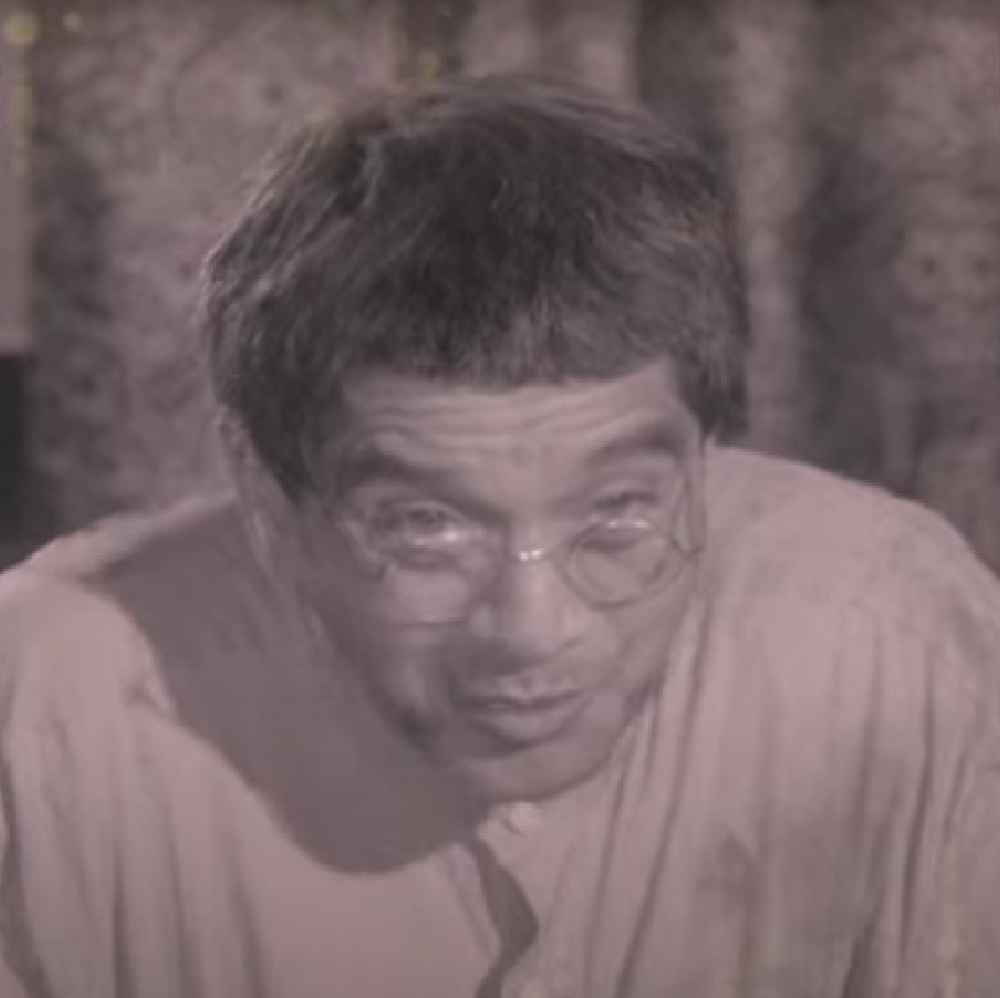
This is a thought-provoking film that tackles the complexities of politics and the power dynamics within society. It delves into the world of journalism and political corruption, providing a gripping narrative that reflects the socio-political climate of the time.
Jabbar Patel is renowned for his insightful storytelling and his ability to address pressing social and political issues. His skillful use of cinematography and editing techniques enhances the narrative in his films thus creating a visually engaging experience for the audience.

4 Bangerwadi
- Director – Amol Palekar
- Year Released – 1996
- Major Awards / Nominations – Nominee for Crystal Globe at Karlovy International Film Festival, National Film Award Winner for the Best Feature Film in Marathi
- Other films by this director –Samaantar, Kal ka Aadmi, Thodasa Rumani Ho Jaye
The film is based on a novel by Vyankatesh Madgulkar and is set in a remote village named Bangarwadi. This poignant film explores the themes of isolation, spirituality, and social transformation. It delves into the conflicts arising from the clash between rationality and deeply ingrained superstitions, ultimately leading to a transformative journey for everyone involved.
Amol Palekar is celebrated for his contributions to Indian cinema as an actor and a director. Known for his sensitive storytelling and nuanced approach, Palekar brings depth and authenticity to his films. Palekar’s greatness as a director lies in his ability to create an immersive cinematic experience while maintaining a strong social and humanistic perspective.

5 Doghi
- Director – Sumitra Bhave and Sunil Sukthanker
- Year Released – 1996
- Major Awards / Nominations – National Film Award for the Best Film on Social Issues
- Other films by this director – Vaastupusush, Kaasav
Doghi is an emotionally stirring Marathi film that explores the lives of two women from different social backgrounds who are brought together by fate. The film follows the transformation of their relationship, showcasing the challenges they face due to societal prejudices and the eventual bond they form through shared experiences and mutual understanding, delving into the themes of friendship, empathy, and societal barriers.
Sumitra Bhave and Sunil Sukthankar are celebrated filmmakers known for their insightful storytelling and their ability to shed light on pressing social issues. Their greatness lies in their commitment to creating cinema that reflects the complexities of human relationships and social dynamics, tackling a wide range of topics such as gender, caste, identity, and social justice. They often delve into the lives of marginalized individuals and communities, presenting their stories with empathy and compassion.
6 Shwaas
- Director – Sandeep Sawant
- Year Released – 2004
- Major Awards / Nominations – National Film Award for the Best Feature Film
- Other films by this director – Nadi Vahate, Hya Goshtila Navach Nahi
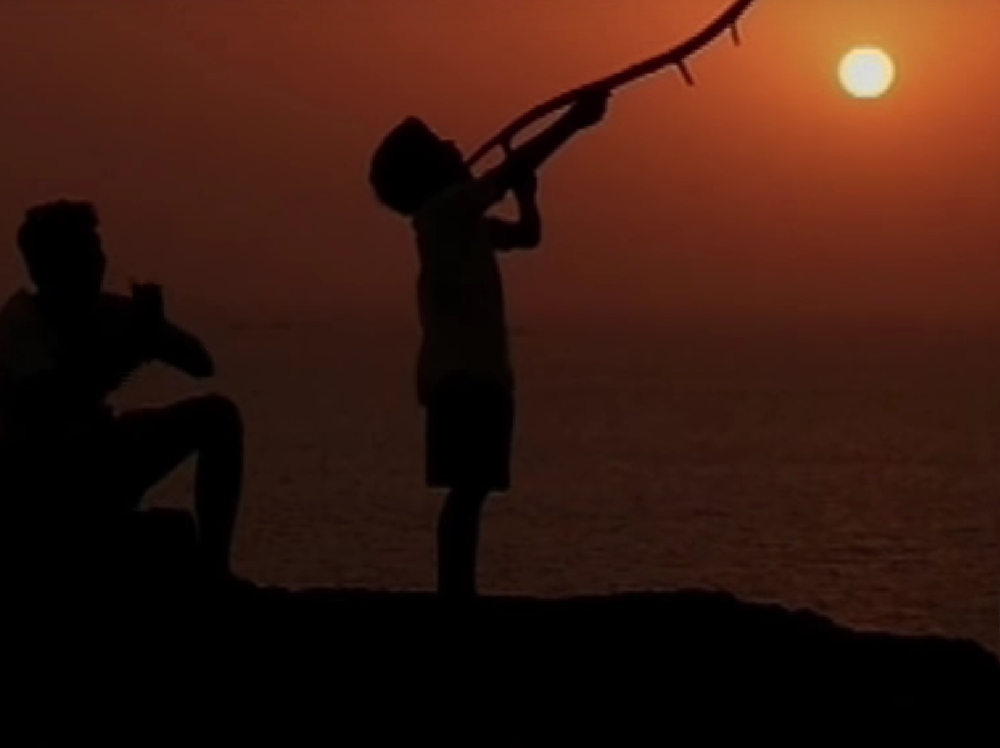
Shwaas is a critically acclaimed Marathi film that touches the depths of human emotions and explores the complexities of life and death. The film revolves around the heart-wrenching story of a young boy named Parashuram who is diagnosed with a retinal cancer that threatens his vision. It delves into the emotional journey of Parashuram, his family, and the people around them as they grapple with the reality of his condition and make life-altering decisions.
Sandeep Sawant’s greatness lies in his dedication to realism and authenticity. He is known for his social consciousness and his commitment to storytelling that illuminates the human condition and sheds light on pressing societal issues. His direction is marked by his ability to blend heart-wrenching moments with moments of tenderness, creating a deeply moving narrative that resonates with the audience.
7 Vihir
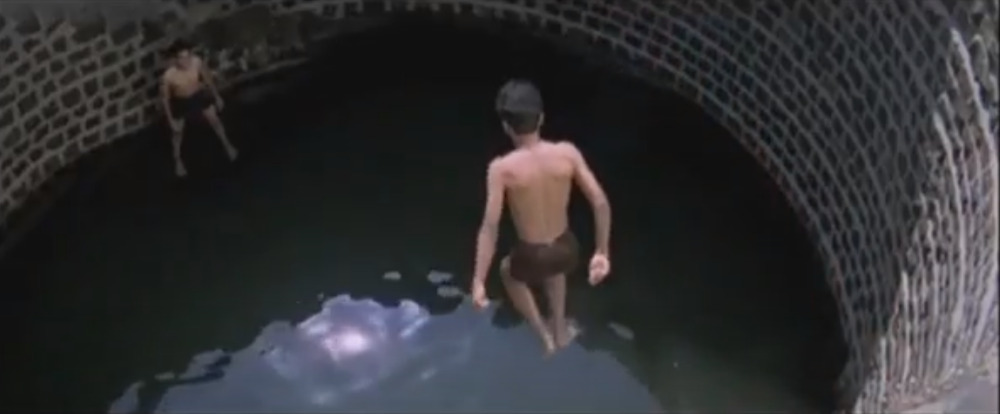
Vihir is an introspective Marathi film that delves into the complexities of adolescence, family dynamics, and existential questions. The film is a poetic journey which follows the story of two cousins, Sameer and Nachiket, who share a deep bond but belong to different worlds. During a family visit, Sameer mysteriously disappears, leaving Nachiket to grapple with his absence and embark on a journey of self-discovery. The film explores themes of identity, friendship, and the search for meaning, as Nachiket navigates the blurred lines between reality and imagination.
Known for his unconventional storytelling and artistic vision Umesh Kulkarni has made significant contributions to Marathi cinema. His films often delve into the human psyche, challenging societal norms and exploring existential dilemmas. His works are marked by a blend of realism and poetic sensibility, portraying the complexities of life and human relationships with authenticity and depth.
8 Fandry
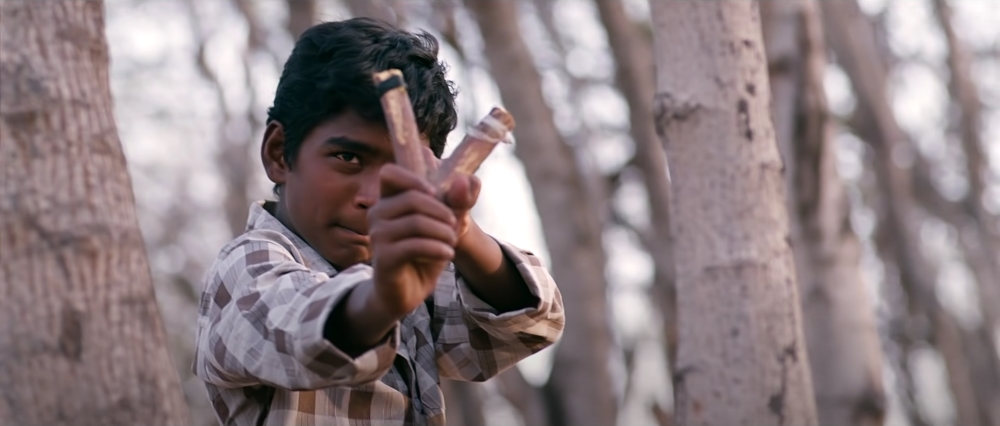
Fandry is a powerful Marathi film that delves into the harsh realities of caste discrimination and social hierarchies prevalent in rural India. The film follows the story of Jabya, a young Dalit boy who faces numerous hardships and societal barriers as he navigates his way through adolescence. It explores Jabya’s unrequited love for Shalu, an upper-caste girl, and the profound impact of caste discrimination on his dreams, self-esteem, and sense of identity.
Nagraj Manjule is hailed as one of the most talented and influential filmmakers in Marathi cinema. His greatness as a director lies in his fearless exploration of social issues and his ability to create deeply empathetic and emotionally resonant narratives. He successfully creates an immersive experience for the audience, eliciting empathy and a deeper understanding of the social injustices depicted in his films. . His films have not only received critical acclaim but have also made significant cultural and social impacts, sparking conversations and raising awareness about pertinent issues.

9 Killa
- Director – Avinash Arun
- Year Released – 2014
- Major Awards / Nominations – Winner of the Crystal Bear and Special Mention by the Kplus International Jury at Berlin International Film Festival, Winner of National Film Award for the Best Film in Marathi
- Other films by this director – Three of Us
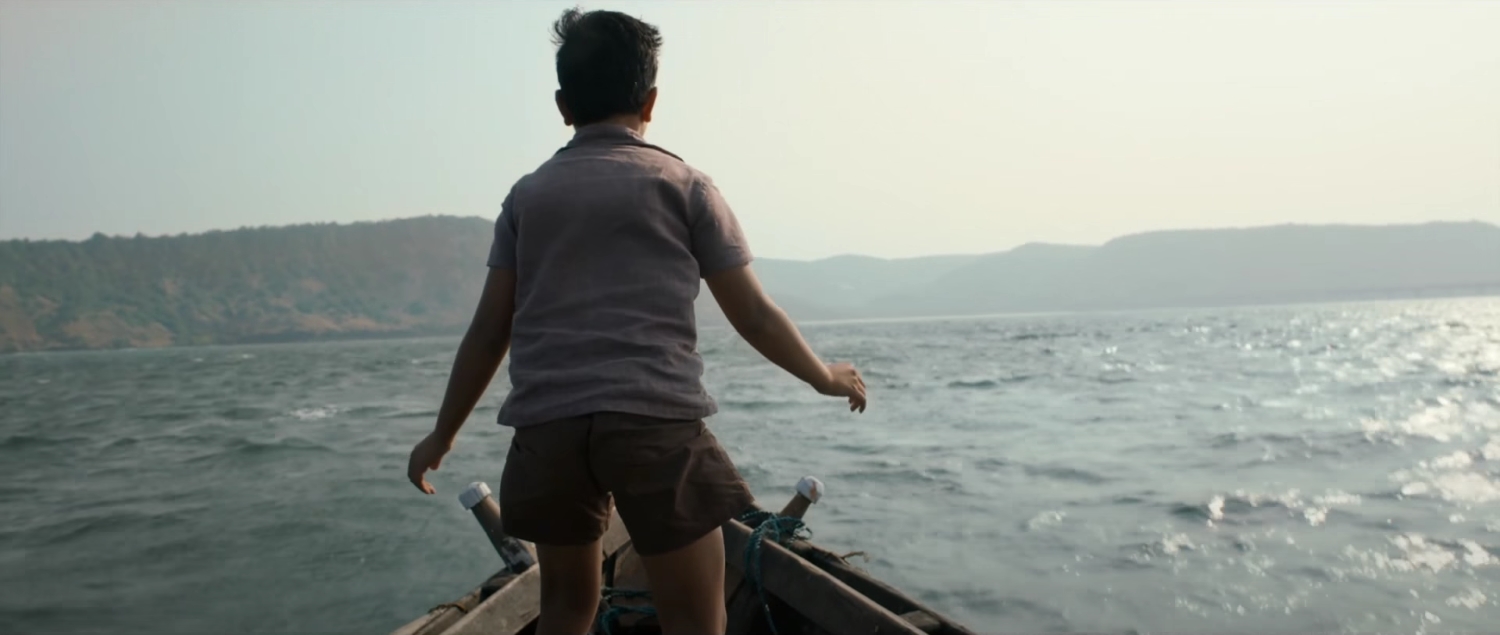
Killa is a heart touching Marathi film that explores the themes of loss, friendship, and childhood innocence. It follows the story of Chinmay, a young boy who moves to a new town after the sudden death of his father. Chinmay struggles to adapt to his new surroundings and finds solace in his friendships with his schoolmates. Set against the backdrop of a coastal village the film beautifully captures the bittersweet journey of Chinmay as he navigates the challenges of growing up and learns to embrace change.
Also a cinematographer of repute, Avinash Arun has also shot critically acclaimed films like Masaan, Drishyam and Madari. His unique directorial style combines nuanced character development with evocative visuals, creating a cinematic experience that stays with viewers long after the film ends. His work also reflects his deep understanding of human emotions and his commitment to exploring the complexities of relationships and personal growth.
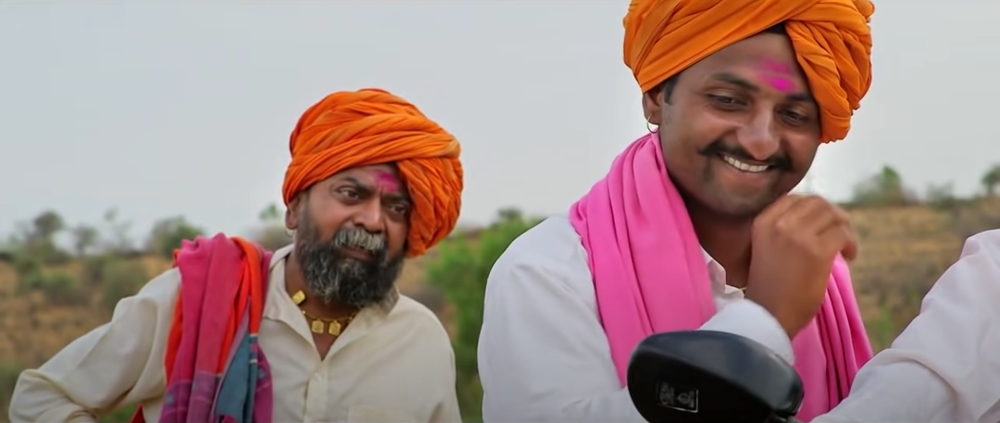
10 Khwada
Khwada is an evocative Marathi film that delves into the lives of a nomadic shepherd community known as the Dhangars. The film sheds light on the struggles and aspirations of the Dhangars as they face the threat of displacement from their ancestral grazing lands. The plot revolves around Pandurang, a shepherd, and his family as they navigate the harsh realities of poverty, societal prejudices, and the fight for survival. The film portrays the resilience and determination of the Dhangar community, their bond with their livestock, and their unwavering spirit to protect their way of life.
Bhaurao Nanasaheb Karhade’s commitment to social justice and his ability to create thought-provoking cinema make him a significant figure in Marathi cinema. His films not only entertain but also serve as catalysts for change, fostering understanding, empathy, and dialogue about the pressing issues faced by marginalized communities and also reflect his deep understanding of the social fabric of rural Maharashtra.
So, this ends up our list of some of the lesser known films of the Marathi film industry which I think deserve more recognition. If you are into regional Indian Cinema, do check out these articles to know more about some of the underrated films of the Bengali and Malayali film industries.
Do let me know if you know of any films in these lists that I might have missed. Indian Cinema is full of hidden gems, lets help each other in finding them and spread the joy!
