

War movies have changed. If you watch one made in the last thirty years, you can trace its tone, camera style, and emotional weight back to a single source: Oliver Stone’s Platoon.
Before Platoon, war films looked like pageants. You had clean uniforms, noble speeches, soldiers who stood tall and proud. The camera kept a respectful distance. The tone was heroic.. Films like Patton and The Green Berets showed war as about doing the right thing, with purpose and honor.
Platoon rejected that model. It introduced something more raw, more personal. Stone had been a soldier in Vietnam. He knew the jungle not as a metaphor but as a memory. That changed everything.
Watch the video:

A different kind of war story
Oliver Stone didn’t want to make a story about bravery. He wanted to show what it felt like to be dropped into the middle of Vietnam with no clue what was going on. No dramatic build-up. No rousing mission. Just fear and confusion.
Platoon doesn’t follow a clear structure. It plays like a memory – unpredictable and full of regret. Characters come and go. People die suddenly.
Instead of a hero, we get a young soldier watching it all crumble. He doesn’t lead. He barely speaks. Cries a lot!
It reinforces one point loud and clear – there are no heroes here.
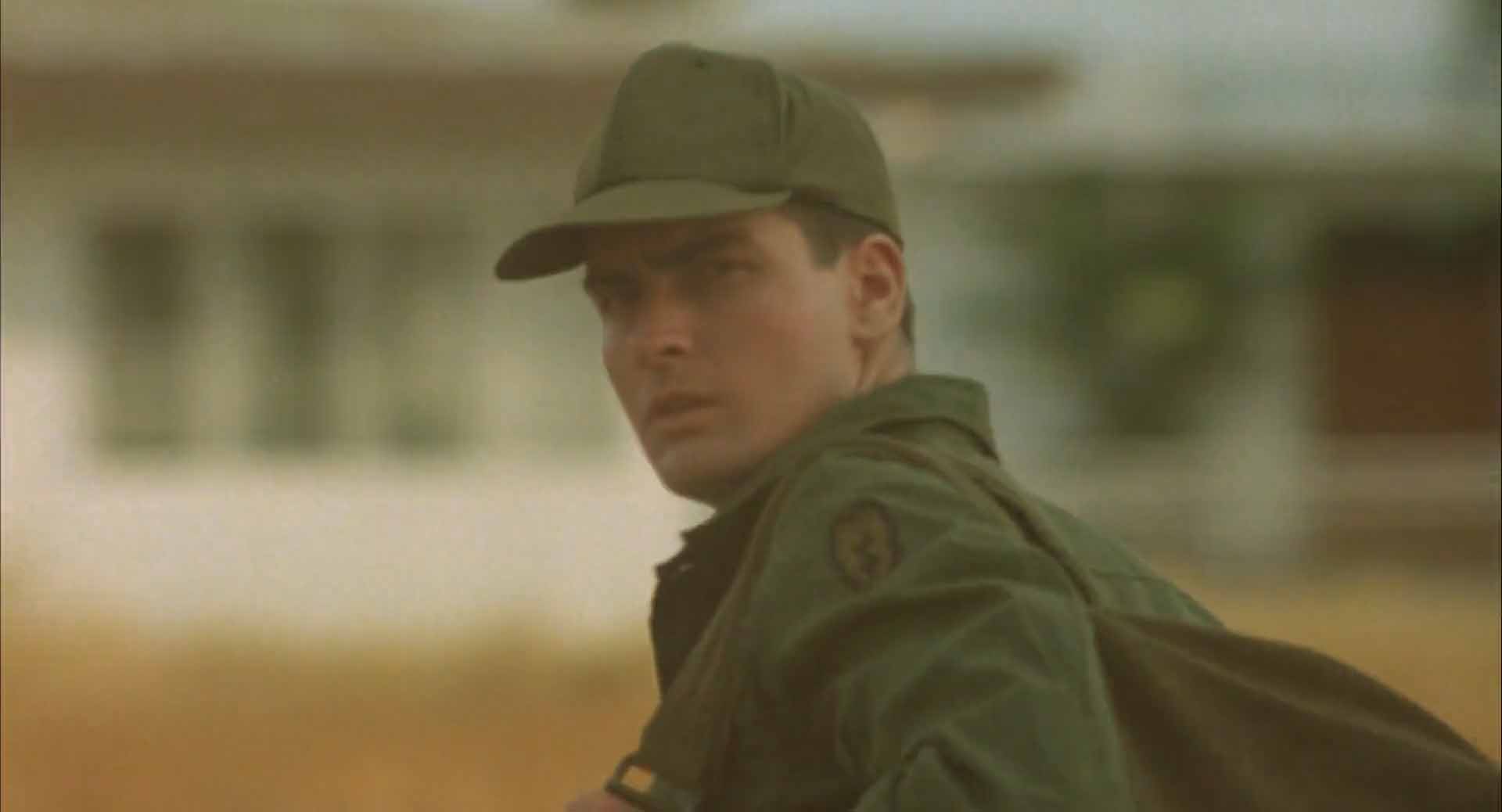
The story centers on Taylor, a volunteer from a well-to-do family, landing in Vietnam. He’s not exceptional in any way. He just exists, observes, and reacts. Like cannon fodder.
A new kind of realism
What sets Platoon apart from earlier films is its texture. It looks and sounds different.

The cinematography by Robert Richardson favors handheld movement. The jungle isn’t just a setting, it’s a trap. Close-ups are frequent, not to glorify but to isolate.
Sound design is stripped down. There are long stretches of quiet tension, punctuated by sharp bursts of violence. Keeps you on your toes. The effect is disorienting but deliberate.
You are not watching a war. You are in the middle of it.

Casting without weight
Most of the cast weren’t big names at the time. That worked in the film’s favor. You didn’t know who was safe. You didn’t know who to root for. Everyone looked like they belonged in the grave.
Oliver Stone also didn’t let his actors walk onto set cold. He dropped them into the jungle for 30 days. Real boot camp. No sleep. Minimal food. Constant drills. They didn’t need to pretend anything.
They look like they’re about to fall over. They don’t strike poses. That level of immersion is what was required, or the film would have been a joke.

What came after
You see Platoon’s fingerprints all over Saving Private Ryan. The shaky camera. The close-up introductions. The framing. Even the silence between gunshots. It’s not just that movie.
The Thin Red Line took it further. It asked bigger questions. Why are we in this war? What is violence? The jungle is a test and a judgment.
Jarhead, 1917, Fury – they all carry the weight of Platoon. Some push technical boundaries. Others explore the psychology.
But none of them ignore what Stone started: war is messy, scary, and deeply personal.
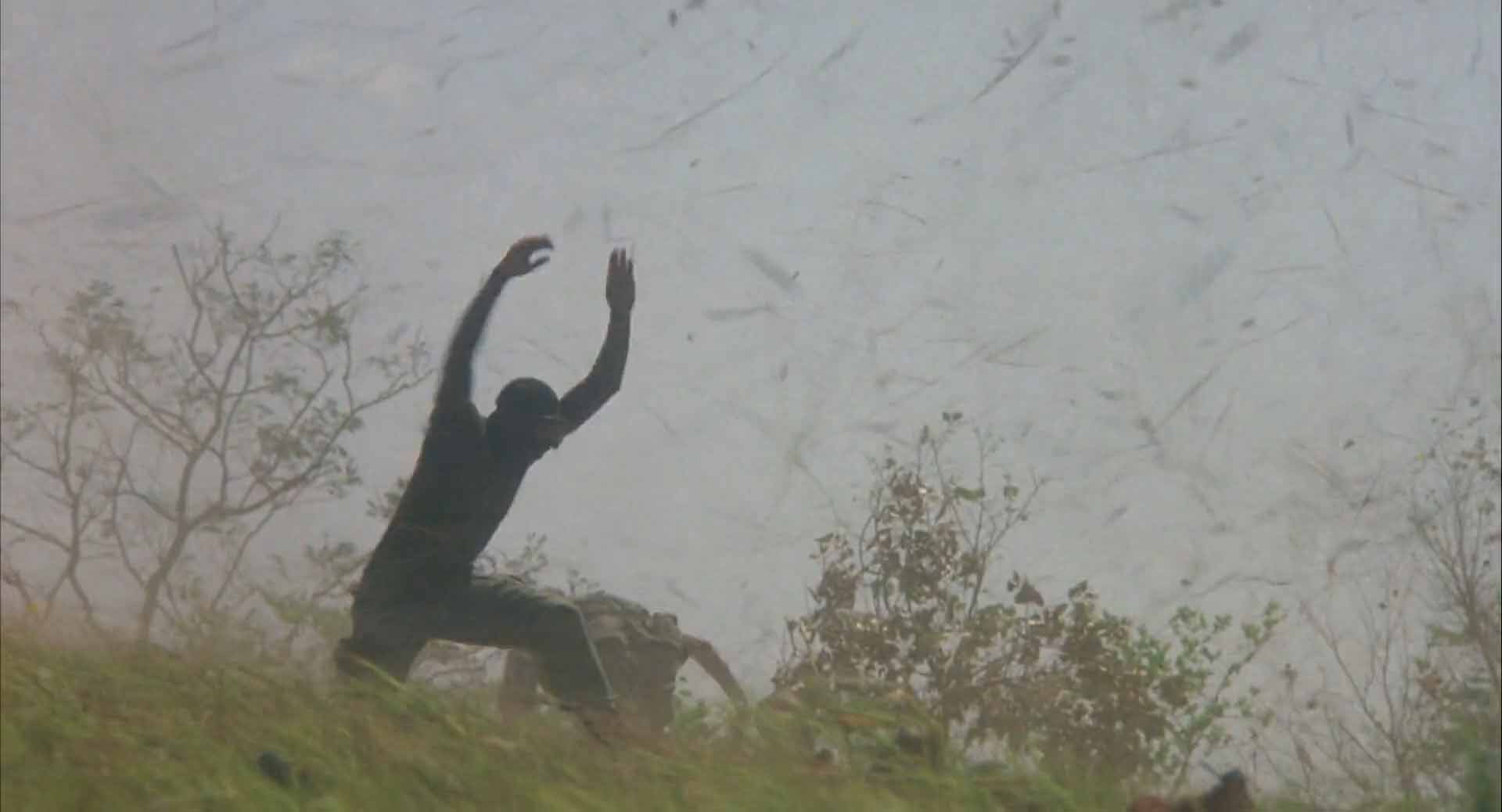
Sound and silence
One area where Platoon still stands out is sound design. The sound mixing isolates sounds for clarity. Gunfire has rhythm. Dialogues have space. That’s rare in sound mixing.
This isn’t an aspect future films have adopted. Some have, like Saving Private Ryan. Some just lose the entire balance.

A war film with no victory
Platoon never offers closure. It doesn’t hand out medals. It doesn’t even really end. It just stops – like trauma does.
After this film, war movies have had to work harder. Explosions aren’t enough anymore. They have to show what it felt like to live through them.
And that’s why Platoon’s influence cannot be understated. What do you think?
