

It’s easy to remember Die Hard for its quips, gunfights, and bare feet, but the real battleground isn’t just between John McClane and Hans Gruber – it’s the building itself.
At first glance, the Nakatomi Plaza is simply corporate modernism incarnate: mirrored glass, steel bones, and 35 stories of ambition. But it isn’t just a backdrop. It’s a character, an engine, a labyrinth that quietly decides who lives and who dies.
Watch the video to get started:

The 30th floor hosts the Christmas party. But above it – floors 31 to 35 – lies the skeleton of the future, scaffolding, dust, wires, and concrete. When McClane escapes the terrorist takeover, he doesn’t descend to safety – he climbs into chaos. That decision defines the rest of the movie.
Geography
The terrorists think they own the building. Theo hacks the systems, Karl secures the stairwells, and Eddie mans the front desk. On paper, they’ve conquered the structure. In truth, they’ve only caged themselves inside a machine designed to betray them.
They claim the 30th floor, the symbol of corporate control, but leave the unfinished top floors unguarded – space they underestimate. McClane turns that oversight into his hunting ground. Like a cockroach in the walls, he thrives in the gaps between the terrorists’ precision.
Gruber, a man who thrives on symmetry and control, can’t operate in the unfinished realm. McClane, the improviser, does. The building, in essence, takes sides -rewarding adaptability and punishing arrogance.
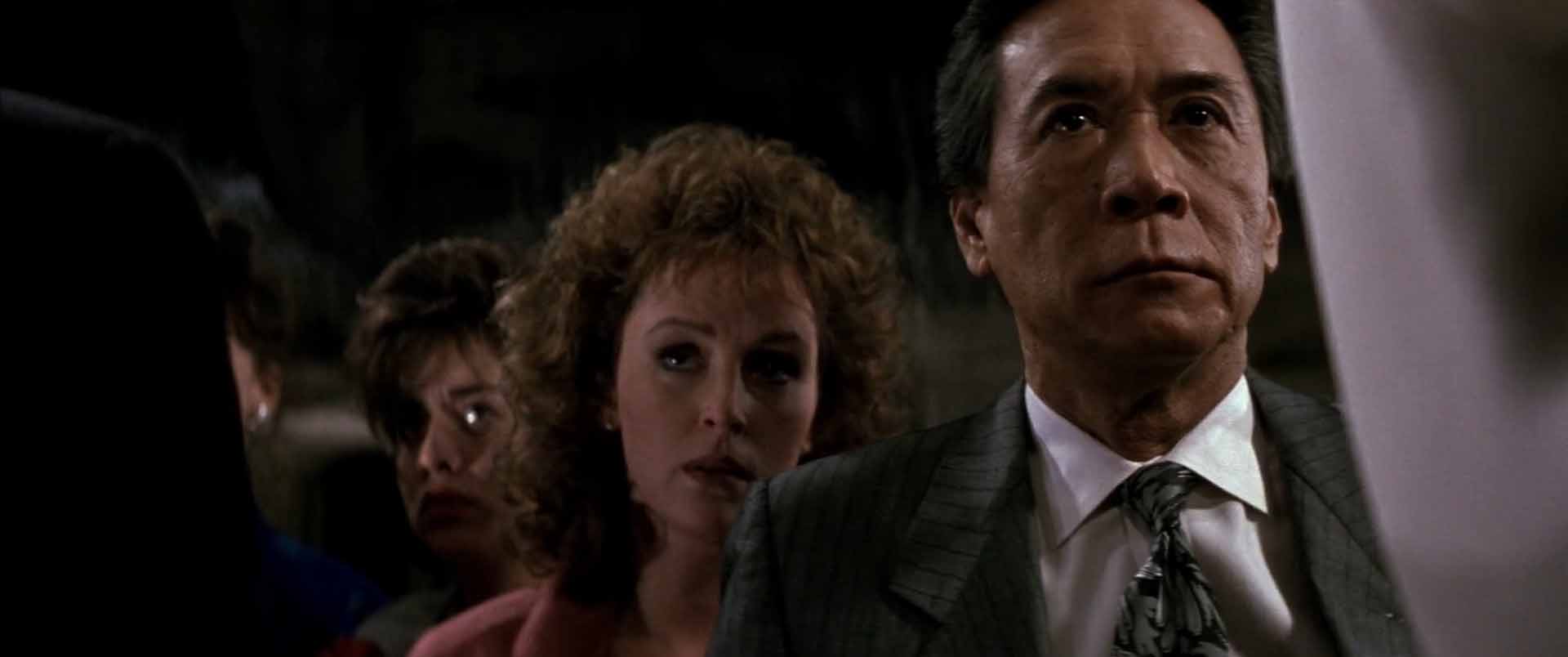
Each major floor embodies a philosophical state in miniature:
- 30th floor: The stage of illusion. It’s where the party turns to panic.
- 32nd floor: The first under-construction level. Exposed steel and drywall – McClane’s first refuge. Here, the skyscraper becomes his psychological jungle, and he learns to turn its unfinished chaos into strategy.
- 33rd floor: The stage of deception.
- 34th floor: The bridge model and Takagi’s blood mark it as the moral summit of corporate hubris. It’s also where Gruber proves himself not a revolutionary, but a thief.
- 35th floor and the roof: The literal and symbolic climax.
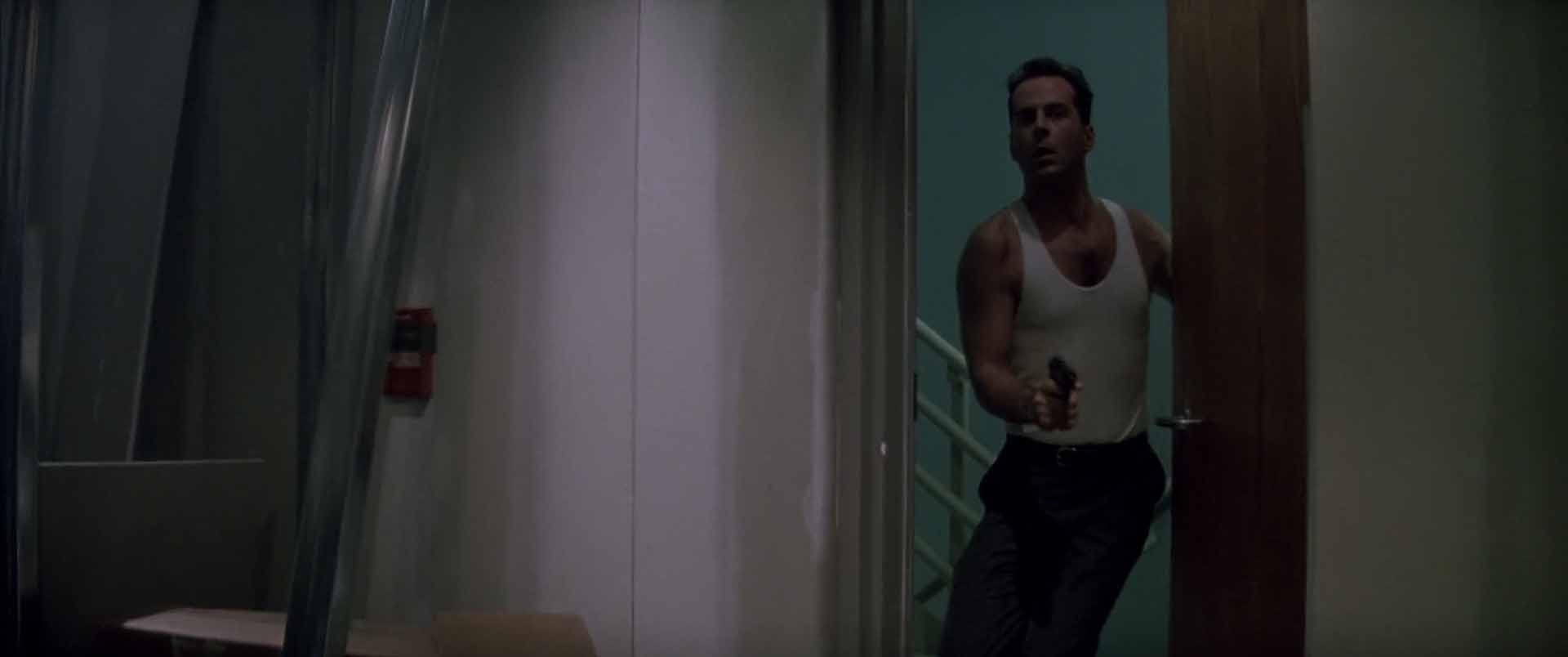
The Building as Character
Fox Plaza, the real Los Angeles skyscraper used for filming, stands 34 stories tall.
McClane’s journey through Nakatomi isn’t random. He begins as a dislocated husband in transit, fresh off a plane, out of his depth in his wife’s world of corporate gloss. The building mirrors that alienation By mastering its ducts, shafts, and mechanical guts, he reclaims physical and moral territory.
He conquers a tower not built for him.
Gruber, meanwhile, believes he’s already at the top. But in a structure still being built, perfection collapses. The building, indifferent yet intimate, becomes the great equalizer.
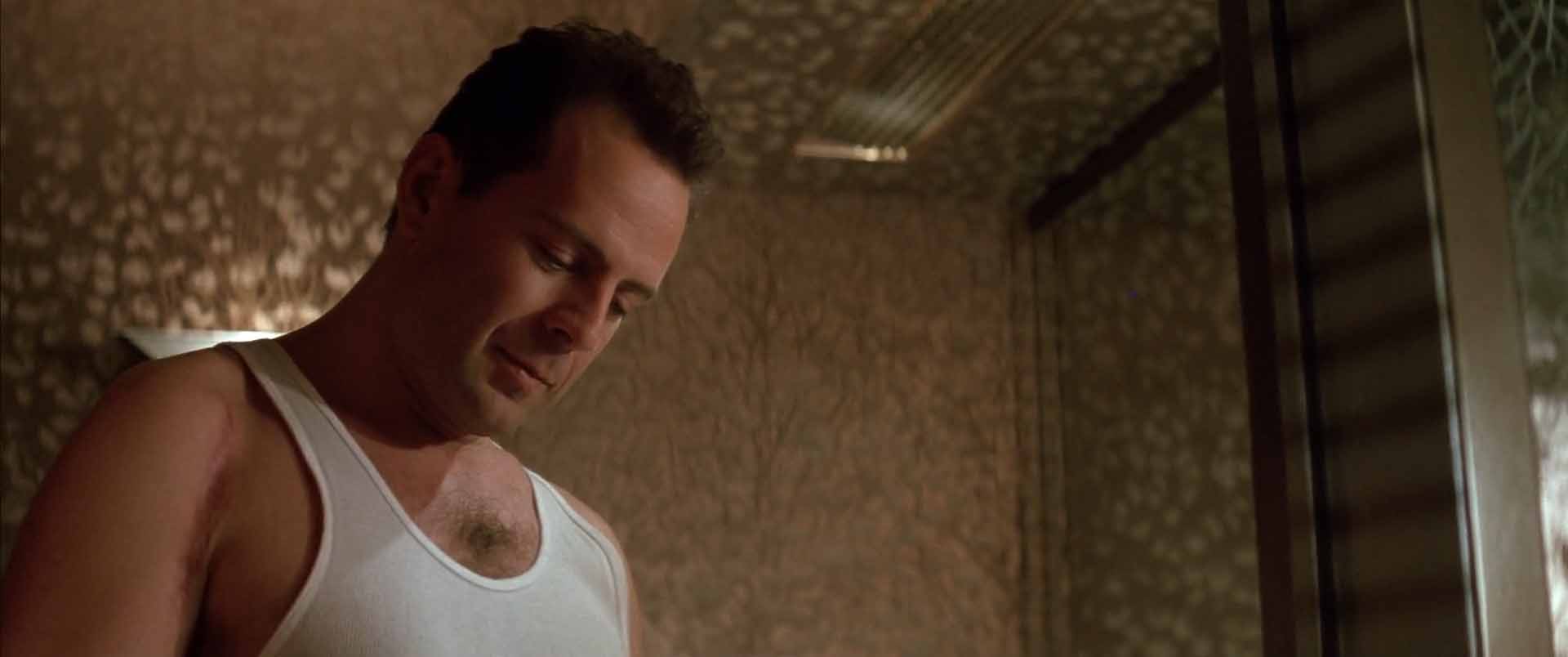
The Japanese Echo
There’s a subtle cultural undertone to Nakatomi’s name and design. “Nakatomi” references an ancient Japanese clan of ritualists – priests responsible for purification rites. Takagi’s name means “tall tree,” an image of strength and rootedness. Together they form a mythic picture of moral order.
But the skyscraper, it’s a shrine turned skyscraper, a place of purification turned into a vault for bearer bonds. The terrorists’ intrusion is almost karmic: desecration meeting desecration. The ritual must be cleansed – and McClane, unwittingly, becomes the high priest.
When the building finally burns, it’s less destruction than ritual purification. The false gods slain, the shrine emptied by fire. Only those who act with humanity – McClane, Holly, Argyle and Al Powell – walk away reborn.
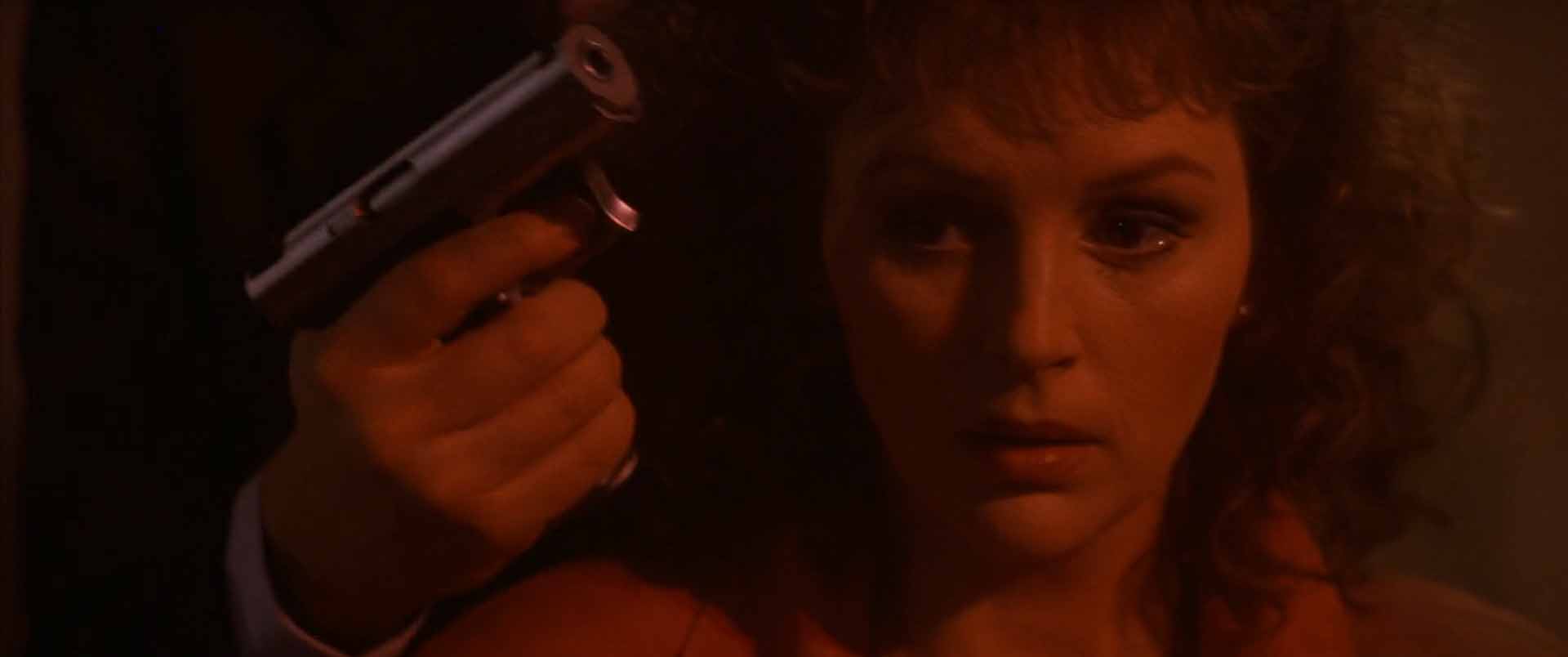
The Building Chooses
By the film’s end, it’s clear: Nakatomi Plaza sides with the improviser. It rewards those who adapt, punishes those who rely on control.
McClane uses every feature – ventilation ducts, elevator shafts, under-construction floors – to turn the structure against its invaders.
Gruber’s fall is as if the building released him, as if rejecting its false master.
When dawn breaks, smoke rising from the tower, Nakatomi stands scarred but upright. It’s insides now for the world to see. The building has done its work.
In Die Hard, bullets and bravado are just surface noise. The true battle is architectural, maybe spiritual.
The Nakatomi Plaza rewards motion, wit, and heart. It hands the win to the one man willing to bleed in its ducts. A reading of the film in these terms – of purification – is a fun and interesting one. But you don’t have to!
It’s still a fun movie any way you wish to view it.

What a great insight Sareesh. I never thought of it in this way before, it’s great when someone provides an alternative framework to unpack a film’s power.
Thank you!