
Watch the video:

Most people only spend a couple of hours to watch a movie. After that they get on with their lives and the film is forgotten.
For lovers of film, those who want more, the question beckons: Is there more to film than just the first casual viewing?
I believe so, and I have devoted my life to making films. But that’s not the only way to appreciate film. You can develop an appreciation for film in many ways. First, let’s ask ourselves: What is appreciation?
What is film appreciation?
From the dictionary, Appreciation is:
“Recognize the full worth of”
“to judge with heightened perception or understanding”
“to recognize with gratitude”
We can use all three definitions as a basis for film appreciation, because it’s such a complex entity. Here’s what I’ve come up with:
Film appreciation is to recognize the full personal worth of a film using a heightened perception or understanding of it, by spending time or money in its pursuit.
Sareesh Sudhakaran (2022)
For me, it’s important it’s personal. Every person must be able to pick the level of appreciation they want. They also get to pick how much time and effort or money they want to invest in the pursuit of film appreciation.
Let me give you an analogy.
A tennis match analogy
Imagine watching a tennis match for a few hours. You could watch the match for the following reasons:
- Entertainment – You switch on the TV, watch the match, and move on.
- Education – You want to learn or teach tennis. You pay attention to the technicalities.
- Personal – Someone you know or like is playing.
- Physical Experience – You can watch in the stadium/arena, on TV, etc.
- History, current events – You pay attention and follow what happened before this match, or between these two players. Sometimes it’s a tournament, and the match is a progression, like a semi-final or final, etc.
- Performance – You appreciate the value of the awards, or you are such a big fan you buy merchandise, etc.
- You like to indulge in criticism, analyzing games, having discussions, etc. Here you put your thoughts “out there” for others to critique.
- Social change – The tennis match might be a “battle of the sexes”, as happens once every decade or so. Here’s the most popular one.
- You might be or become a player yourself. This shows a level of understanding far beyond any fan or “expert”.
- The match has to pass the test of time. Will it still be relevant after 50 years, or a 100 years?
Based on this analogy, I’ve developed a 10-step scale. Every step higher leads to greater film appreciation, but it takes more time or money.
A warning. The system’s not precise. Nothing is. No definitive database of all films made can be found. There’s no accurate record of what happened in the making of those films, etc. Sadly, most films have been lost to posterity, so we might have lost masterpieces for ever.
The Wolfcrow 10-step system of film appreciation
Here are the ten steps:
1. Entertainment

You are not inclined to spend more than the time of the film. You appreciate the general entertainment, whatever the film is about, and that’s it.
After the film you move on with your life and forget it forever.
However, let’s not discount the importance of entertainment.
The entertainment value of a film serves as the primary draw that brings audiences to the theaters or keeps them engaged on streaming platforms. The film industry is built on entertainment. Regardless of the depth of message, aesthetic beauty, or technological prowess displayed, the goal is to keep the audience entertained, engaged, and emotionally invested.
The entertainment value directly impacts a film’s commercial success. Movies that captivate and entertain are more likely to attract larger audiences, generate positive word-of-mouth, and achieve higher box office returns or streaming numbers. This commercial success is crucial not just for recouping investments but also for securing funding for future projects. In the competitive landscape of cinema, a film that fails to entertain is often a film that fails to find its audience.
Moreover, a film that is engaging and enjoyable can introduce audiences to complex themes and new ideas in a way that is accessible and compelling. For example, a well-crafted science fiction movie might explore challenging scientific concepts or ethical dilemmas within a thrilling storyline. By entertaining the audience, filmmakers can open up opportunities for education, cultural reflection, and personal introspection, making the film more impactful.
This means films that are widely viewed have the power to shape cultural conversations, influence social attitudes, maybe even affect political outcomes. Entertaining films have the capacity to resonate with diverse audiences and leave a lasting imprint on society. People collectively remember the best entertainers.
2. Physical Experience

When you like a film more, you’ll spend more to watch it in a better cinema, or maybe you’ll drive farther for the experience. You probably don’t want to watch your favorite films on a mobile phone.
When you’re aware of the physical experience of the film – better screen, better sound, etc., you have a level of appreciation higher than the general audience.
The cinematic experience is deeply enhanced by a well-calibrated theater and sound system. In an immersive environment, every visual detail and sound cue delivers its maximum impact. It is an experience that is not replicable in other mediums or at home.
If a cinema’s projector is not finely calibrated, subtle details can be lost, colors can appear washed out or unnaturally vibrant, and darker scenes might lose their depth, all of which can detract from the storytelling. A well-calibrated screen respects the director’s artistic vision and delivers a visually stunning experience.
Similarly, a sophisticated and well-tuned sound system is vital for conveying the auditory elements of a film. Sound is not just about the dialogue. It includes music and sound effects, cues when taken together create a rich auditory tapestry. Good sound design can evoke emotions, build tension, and immerse the viewer in the environment of the film. A cinema with a high-quality sound system ensures that the audio is clear, balanced, and true to the original artistic intent.
Moreover, in today’s competitive entertainment landscape, the quality of a cinema’s audio-visual technology is a key factor in attracting audiences who have numerous viewing options available, including home theaters setups. A cinema that provides an impeccable auditory and visual experience offers an experience that cannot be replicated in a home setting.
3. Personal Experience
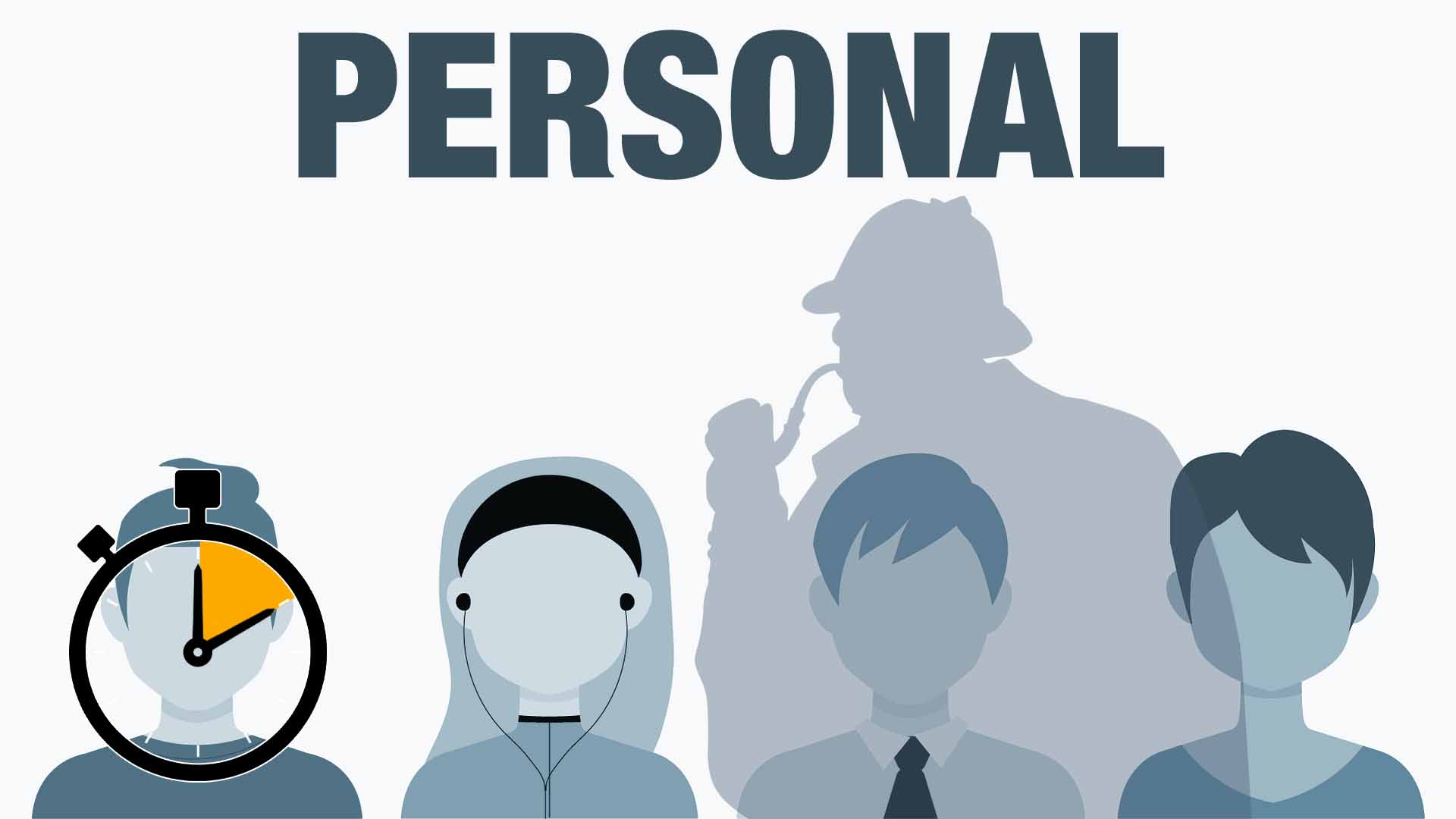
Your level of film appreciation is higher when somebody you like or love is in the film (in whatever capacity). These could be stars or someone you know personally.
Knowing someone involved in a film, whether as part of the crew, an actor, or even someone who inspired the story, introduces a personal connection that adds a layer of intimacy and investment, as viewers naturally become more curious and supportive of the work.
It transforms the film from a mere entertainment piece into a richer, more relatable experience. Audiences with such connections tend to watch with heightened attention to detail, appreciating the nuances of the performance or storytelling that might otherwise go unnoticed.
Film critics, influencers and reviewers who have personally met the actors and crew who have worked on a film can be influenced by the experience, too.
4. History

Your level of film appreciation is higher when you follow the history of the film. Maybe you know what has come before, or the stories surrounding the film. Maybe you’re comparing it with an earlier film, or it might be one of a series of films and you’re following the entire series, etc.
Film history is a complex, rich and unfathomable pursuit.
For instance, understanding the cinematic influences and antecedents that inform a director’s work can reveal layers of meaning and artistic nuance that might otherwise go unnoticed. This knowledge allows viewers to recognize homages, influences, and deviations from tradition, which are often key to fully grasping a film’s significance and innovation.
Additionally, knowing the stories surrounding a film’s production – such as challenges on set, inspirations behind certain scenes, or even controversies – can add a dimension of real-life drama and intrigue that complements the on-screen narrative. This background can transform your viewing into a more immersive experience, as you’re not just passively watching but actively engaging with the film’s broader narrative.
Comparing a film with its predecessors or other films in its genre can also enhance appreciation. Such comparisons can highlight a film’s unique contributions to its field, or show how it might have adopted or altered existing conventions. This is particularly true for films that are part of a series. Following the entire series allows you to understand character development, thematic evolution, and stylistic changes over time, which might be lost on someone watching one installment in isolation.
In effect, you are now involved in the intimate “world” of the movie. This makes for a more fulfilling viewing experience but also elevates your discussions with other cinema enthusiasts, enriching your participation in the film community.
5. Education

At this level you’re aware of the technical details of making a film. You look for good camera work, lighting, sound, music, editing, writing, etc. There are so many disciplines that make up a film you’re free to pick which area you want to focus on.
Knowledge of how various camera techniques, special effects, sound engineering, and editing processes contribute to storytelling allows you to recognize and value the creative decisions filmmakers make.
This insight helps you see beyond the surface of the narrative, appreciating the intricate layers of technical skill and artistic vision that blend to create the film. I personally experienced this when I watched Citizen Kane with the commentary track on. Knowing how the window was aligned from shot to shot in the opening sequence was a true eye opener. My filmmaking journey hasn’t been the same ever since.
6. Performance
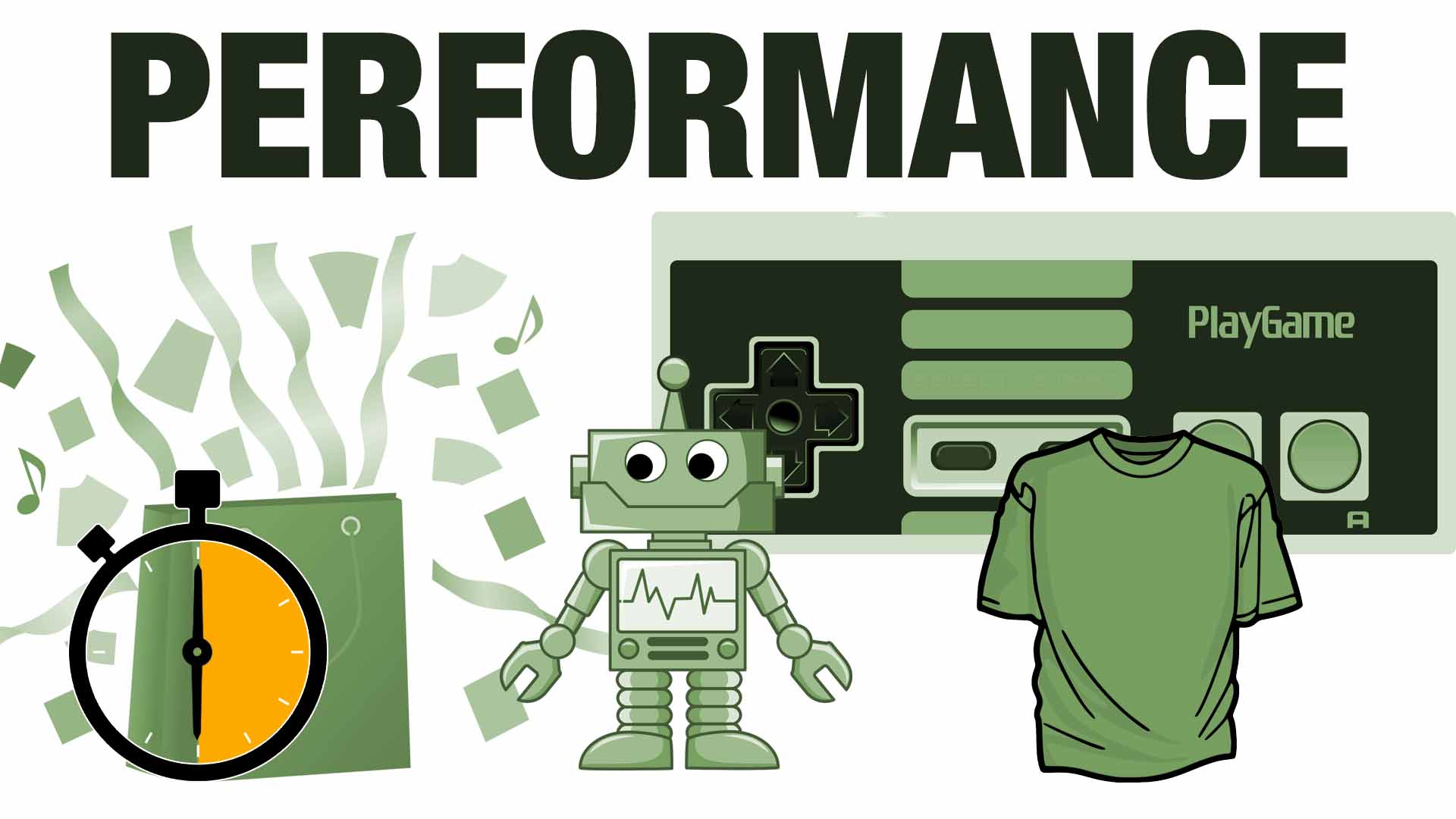
Performance is that level of film appreciation where you want to be tied to the film as a fan. You buy merchandise, or buy extra tickets to watch the film again and again, or just watch it many times on your favorite OTT platform.
Fans are crucial to a movie’s success; they drive box office revenues, fuel word-of-mouth promotion, and sustain engagement through fan theories and discussions. Their deep dedication often leads to multiple viewings and purchasing merchandise, which financially supports the film industry.
Fans tend to pick up on subtle nuances and hidden details that casual viewers might miss. Fans elevate the film’s cultural and economic impact by being the first, the most enthusiastic and consistent propagators of the “word of mouth”.
7. Film Analysis

When you reach this level you start to become a student of film. You engage in thought, research, analysis, criticism/critique and discussion on the film. You might even publish your results on video or in written form.
By critically examining various elements of a film, such as its narrative structure, character development, thematic depth, and cinematography, you can uncover the intricate layers and artistic nuances that contribute to the storytelling.
Film analysis also fosters discussions and debates that can offer diverse interpretations and insights. This enriches the film community’s understanding of the film. In the long term, analyzing films leads to a more engaged and informed audience, elevating the overall appreciation of cinema as both an art form and a medium of expression.
8. Social Change

A higher level of film appreciation is when the film is a medium of social change. This requires even more study, maybe leg work, and serious research and analysis over multiple years.
Here are ten steps to guide this process effectively:
- Determine which aspects of social change you want to explore. Is it related to gender, race, political movements, environmental concerns, or something else?
- Choose films that have themes related to your area of social change. These could be films that have sparked public dialogue or led to noticeable changes in society.
- Understand the historical context in which the films were released. Analyze the political, social, and economic conditions at the time to better gauge the film’s potential impact.
- Research who watched the films, if the data is available and reliable.
- Note down key themes, narratives, and character developments that relate to social issues. Consider how these elements might resonate with or challenge societal norms.
- Analyze contemporary and retrospective critiques and reviews of the film. This can provide insights into how film experts and general audiences perceived the movie’s message and impact.
- Explore surveys, polls, or studies that might indicate a shift in public opinion following the film’s release. This might require looking into sociological data collected post the release of a film.
- Review the media coverage before and after the film’s release. Media traditionally did play a crucial role in shaping public discourse about a film and amplify its social impact. However, in today’s post-truth world, it’s hard to take the media seriously in many countries.
- Investigate any real-world actions that were inspired by the film. This could include changes in laws, the formation of social movements, public demonstrations, or other societal responses.
- Finally, assess the long-term effects of the film. Has it continued to influence people or inspire other films? Has it become a part of educational curriculums or continued to be a reference point in discussions about social change?
At this point your investment in the film is as high as it can go, unless you’re an actual filmmaker.
9. Filmmaking

This is possibly the highest level anyone can attain in a lifetime as of this writing. Only those who make films can fully appreciate the worth of any film.
10. The Test of Time

Time is the great leveler. Over hundreds of years, if a film is good enough, it will stand the test of time. Film and cinema haven’t had that luxury yet, being only about just over a hundred years old. It hasn’t had the same level of scrutiny as music or literature.
That’s my 10-step system of film appreciation. Hope you enjoyed it. If you want an in-depth guide of my system, step by step, check out my film appreciation course available in the Online Film School:


Thanks for sharing this I found your information really helpful. your explanations were easy to follow, and I appreciated how you explain about How to appreciate film. A 10-step system, it was very informative and useful. keep the posts coming! very good talent.
A meaningful and insightful analysis. Worthwhile! Well said… and Nicely presented!
Thank you, Dennis!
I’m a Film editor/ DP/Director/Writer .So you already know!!!!!
I have spent a long time trying to analyze why some people can see a masterpiece and instantly forget it, without even remembering which actors were involved or the most emotional moments. This article is the conclusion I was reaching… but enhanced with 9 alternatives.
Glad it was useful, Alejandro.