

One of the most annoying things that stall a film set is hunting for the right base plate while the camera sits, the crew waits, and the clock burns.
It happens for one or more of the following reasons:
- Someone didn’t think through the entire workflow, and don’t have the right tools to begin with.
- The assistants or the operator didn’t train himself or herself in all the scenarios, and don’t know the tools well enough.
- Someone forgot something important.
- Someone can’t find the right hex key or screwdriver (or coin).
In this guide we will choose one secure quick-release system for your camera, map it across your gear, and practice a swap that feels calm even when the schedule is tight.
Let’s get started.

What a quick-release system really solves
A base plate lives on your camera or cage. A receiver lives on your tripod, head, slider, gimbal, or shoulder rig.
When they match, you set down the camera and it locks with a click. When they do not, you reach for hex keys and lose momentum.
Standardizing the system protects your energy on long days. It also protects the camera from slips, half locks, and tired hands.
When you can attach and detach your camera quickly, easily and with zero play and frustration, you have a good quick-release system.
Can you really live with one system, everywhere?
If I’m being honest, no – not on a complicated production with lots of different grip gear, because some situations need specific tools.
However, for most simple short and feature films, a single quick release system is all you need – and want.
The good news is you do not need to learn every plate on earth.
Pick one system for your cameras. Put the plate under your camera, and fix the equivalent receiver on all your supports. That is the whole plan. You can set this up in under an hour (or minutes) and reap the benefit for the rest of the shoot.

The three most important types of quick-release systems
Thankfully, many people before you have suffered, and there are three widely-used standards across the film industry:
- The Arca-type 38 mm dovetail.
- The Manfrotto 501 plate, and
- The Touch & Go (or Sideload) system.
You can work with all three without changing your base. The secret is to start with Arca on the camera, then bridge to Manfrotto or Touch and Go when you must. This keeps your builds light and your swaps fast.
Why start with Arca-Swiss?
The Arca-Swiss standard is a widely adopted quick-release system for attaching cameras to tripods and gimbals. It was developed developed by the Swiss company Arca-Swiss Phototechnik AG.
- The Arca-Swiss system is based on a dovetail design.
- It consists of a quick-release plate with a 45-degree dovetail rail on two sides, which is attached to the camera.
- The plate is then clamped into a receiver clamp on the tripod or gimbal head.
- The system is known for its security, stability, and ease of use, allowing photographers to quickly and securely attach and detach their equipment.
As far as I know, the specific design of the dovetail quick-release system was never patented as a whole in a way that would prevent other companies from creating compatible products. This is why the market is full of “Arca-Swiss compatible” or “Arca-type” products from numerous companies.
This is great news for you and me, because you have a great and reliable standard that can also be bought cheaply.
Arca plates are small, light, and easy to center under the lens mount. Many cages include anti-twist pockets that hug an Arca plate so the camera will not rotate.
Here are some sizes you can buy:
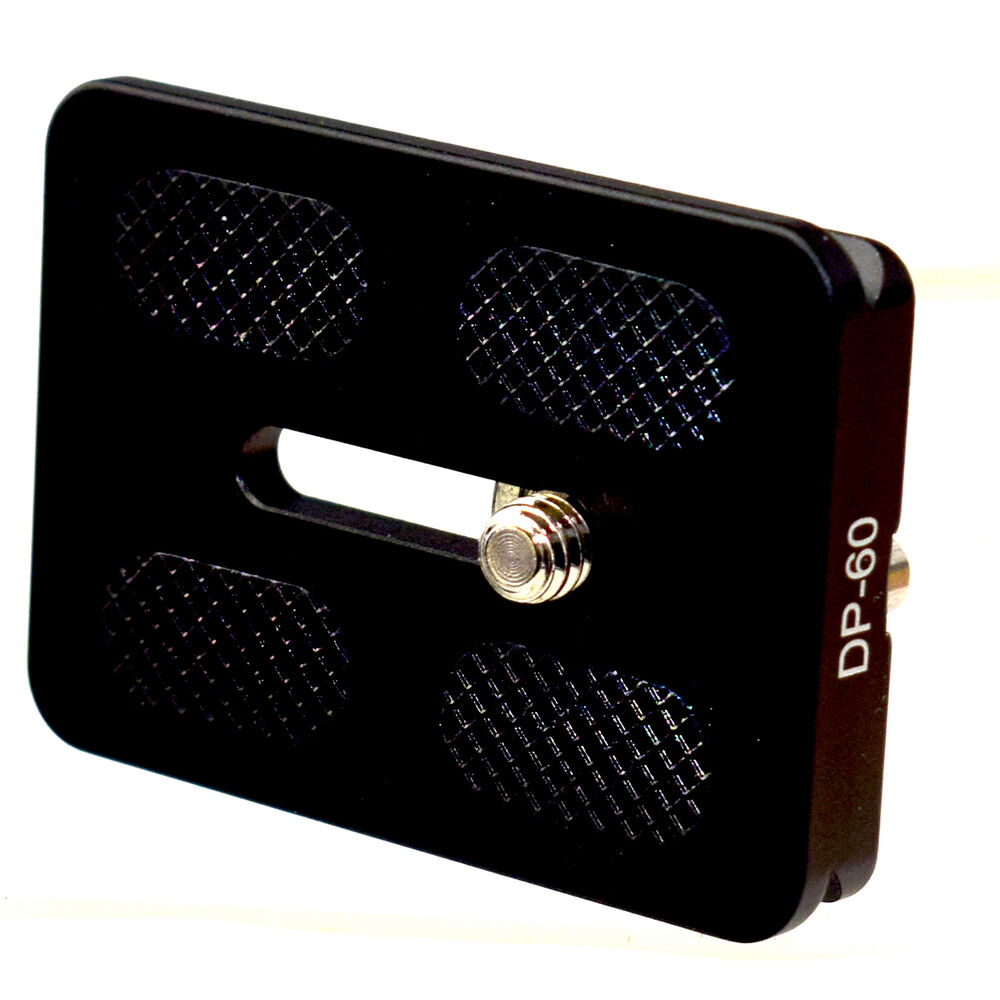
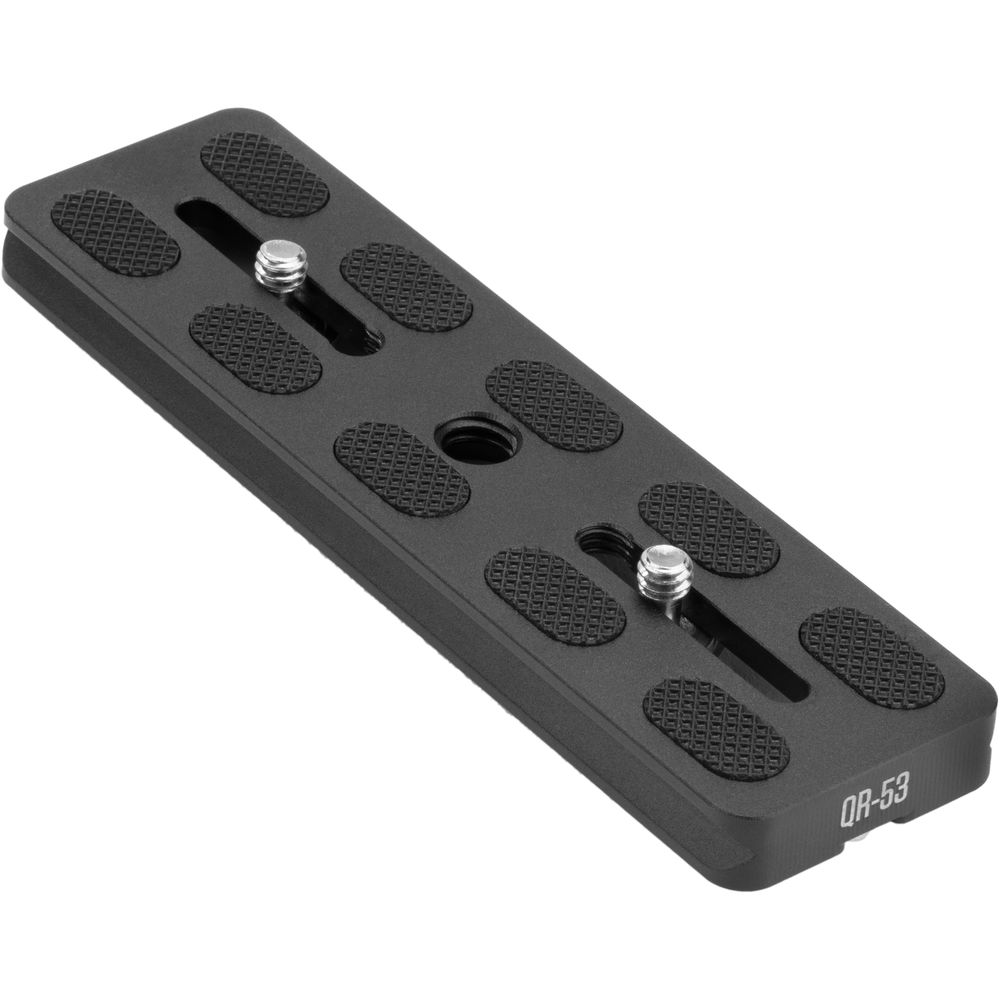
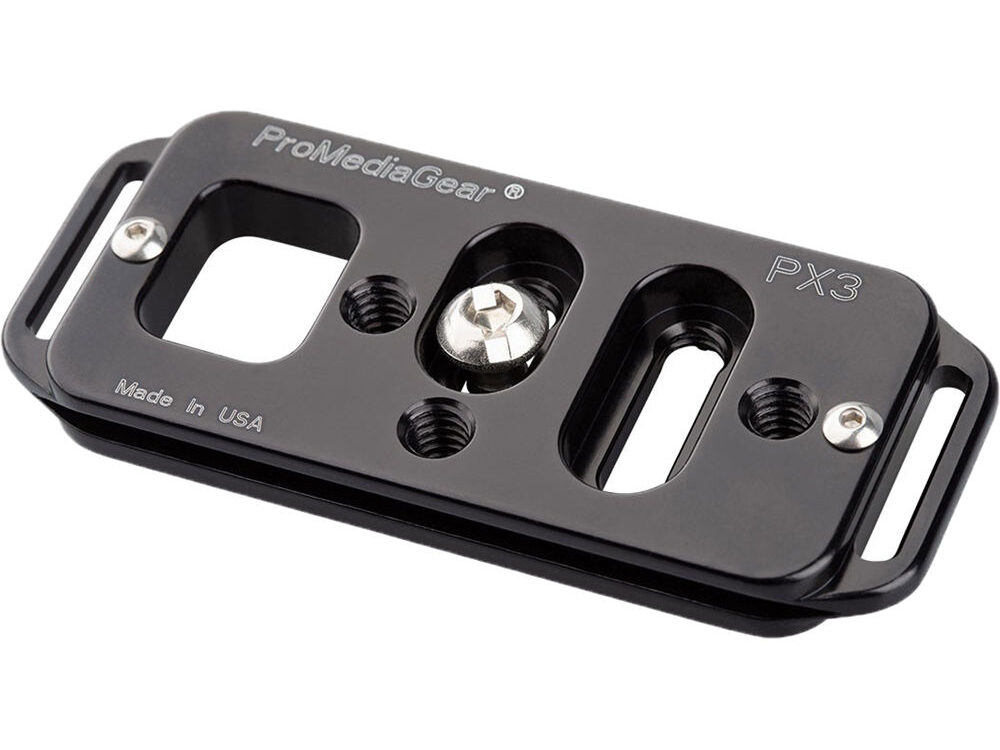
You can see that they all have the same width and dovetail angle, so they’ll all fit on the same receiver:
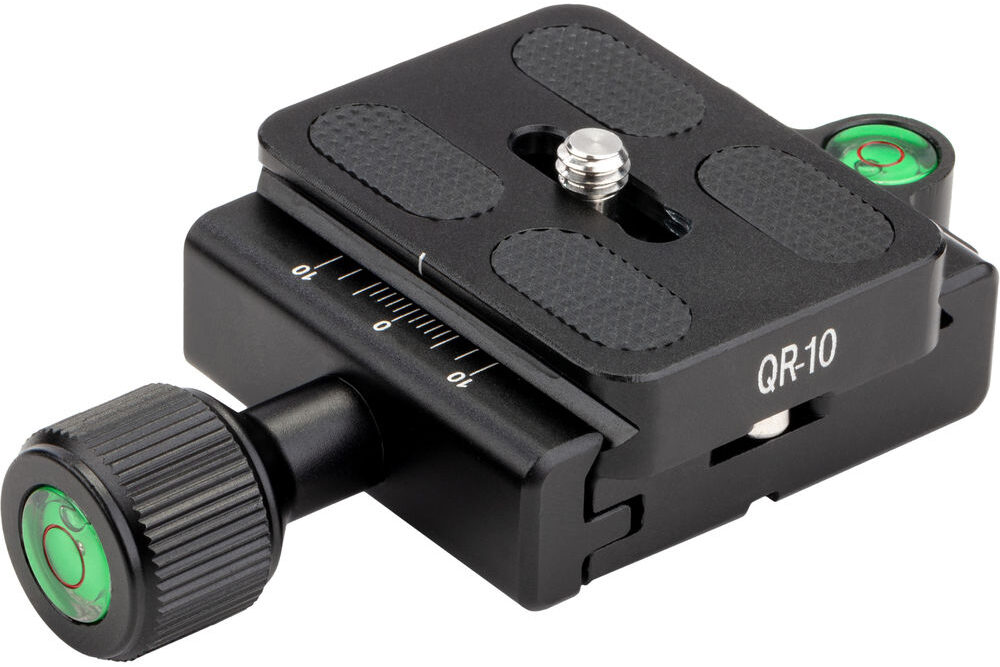
Arca-type receivers come in many sizes and prices, from tiny clamps to heavy studio blocks. Most important, the upper plate on many gimbals are Arca-Swiss-compatible. That means your camera can move from sticks to gimbal without a re-plate.
You’ll notice most plates have only one screw for the single tripod mount on a typical mirrorless or compact cinema camera body. Use camera-specific anti-twist plates (Amazon, B&H) where you can. They stop the camera rotating over one pin.
For bodies that change a lot, a well-made universal plate still helps, but check that it does not block the battery. E.g., you can typically get two kinds of receivers: The first tightens by turning a knob (see above). The problem with this design is, the knobs might be too large and placed higher than the plate – so it won’t let the battery door from opening or whatever.
For this reason, I recommend this second design:
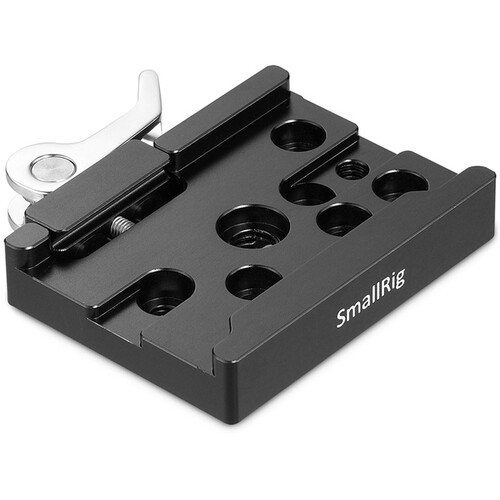
The lever locks stays flush under the top of the plate so it never interferes with the body. There are pros and cons. The knob ensures a tighter fit, and the lever gets loose over time. As long as you keep it tight, I recommend the lever. It’s faster.
Try to pair like to like plates and receivers. When you buy, ensure you can return them, and try every combination you can so you know the entire system fits each other. Over the years, I’ve collected all kinds of Arca-compatible plates and receivers. They’ve served me for about fifteen years now.
Why I’m not a fan of the Manfrotto system
The Manfrotto plate is also a standard longer plate for long body cameras and box cameras. However, the fundamental problem I have with it is, it’s a sliding plate system (most of the time).
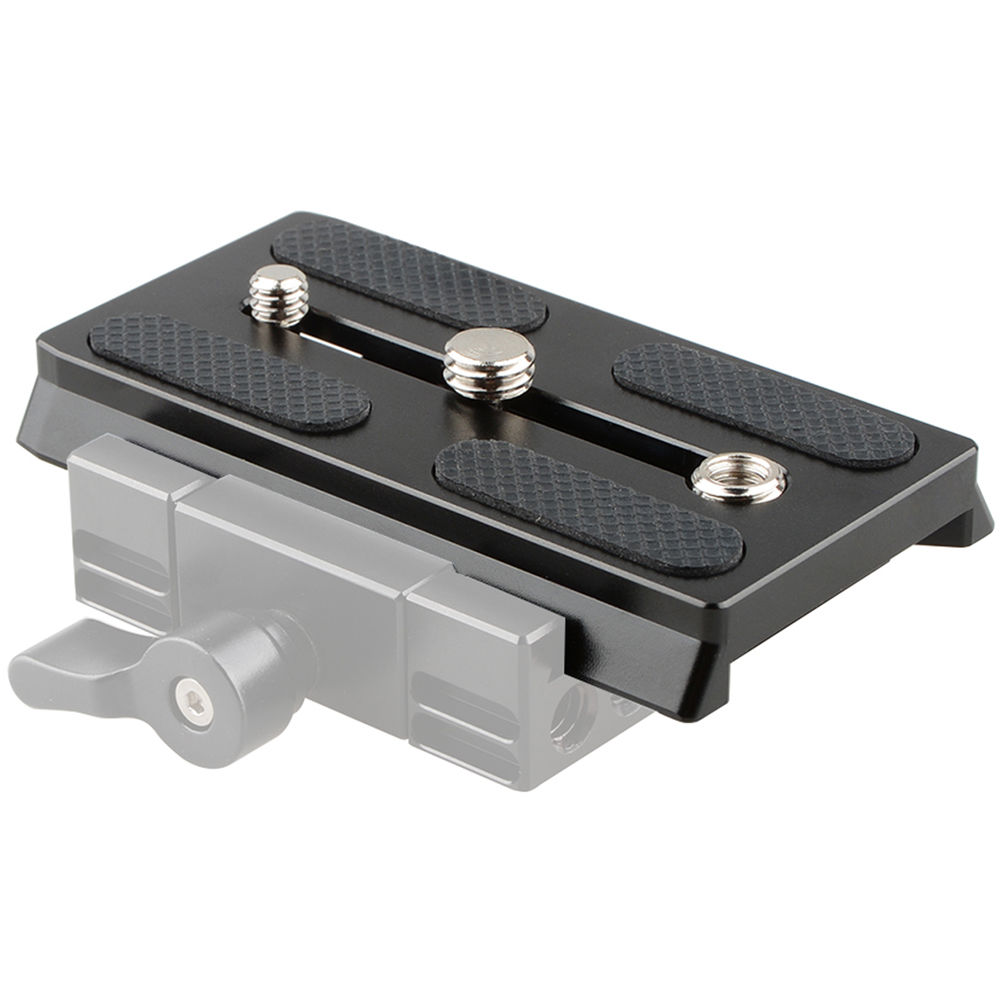
Like the Arca-system, it too, slides to lock. The problem is, the length.
I cannot tell you the number of times assistants have struggled getting the camera on or off the receiver with a sliding system. The Arca-type is also sliding, but it’s so short you never have to fiddle around with it. The longer sliding systems get stuck all the time, and you don’t want to be carrying a heavy camera rig in one hand trying to make it work.
The other major disadvatange of the sliding system is that if someone forgets to lock the plate, the camera and everything else might slide right off the receiver when in a tilted position! You’d be amazed how Murphy’s Law is followed here. If there’s a sliding system, it will slide. Some good designs do come with a safety pin.
For this reason, I’ve always preferred the third alternative (which the big companies agree with thankfully) – the Touch and Go system, specifically the Sideload Touch and Go System.
The Sideload Touch and Go System
This is the system you’ll find as de facto standard on most O’Connor, Sachtler and Cartoni fluid heads. It’s also why I recommended the SCG tripod and head in my review – it has a Manfrotto plate, but it’s sideload touch and go.

When the system is machined well, the camera rig just snaps into place like two magnets sticking to each other. The lock clicks and locks automatically, and we can get on with business in seconds.
Bridge Plates: What to do when you need both?
What if you’re built an Arca system for your lightweight cameras, but need to use it on a large fluid head?
Should you change the base plates often? No, you can use something called a bridge plate, or more simply, just attach the receiver of the Arca-type to the Touch and Go plate (“bridging”).
Check the top image, I’ve used an OConnor Universal Base Plate, and the camera sits on it through an Arca Swiss compatible plate. At the bottom is another plate that’s specific to my Cartoni fluid head. It’s a proprietary style, sideload and touch and go. That’s three things!
The Arri matte box attaches to the rods and provides another point of contact so things don’t rotate around.
What about Camera Accessories?
The Arca, Manfrotto and Sideload systems are designed for cameras. However, camera accesories come in all shapes and sizes – some with a smaller fooprint than the plate itself!
That’s why you need a smaller system. And thankfully, there are a few standard systems in place already.
1/4-20 and 3/8-16 Threads
These are the standard threads for all things camera on a film set.
1/4-20 is typically used for lighter gear – for camera bottoms and lighting gear. 3/8-16 is typically used for heavier gear – for heads, bigger baseplates, and heavier clamps. If you go this route, look for plates and clamps with the ARRI locating pattern: a center 3/8-16 with two anti-twist pins. Those pins resist rotation.
Tip: Keep a few 3/8-to-1/4 Reducer Bushings (Amazon, B&H) and spare 1/4-20 and 3/8-16 screws (Amazon, B&H). You never know when you might need them.
What are the downsides? You don’t always want to tighten and loosen them for every change. Sometimes you want to readjust a monitor, or whatever. Wouldn’t it be great to have a quick way to do that without having to fiddle around with screws?
Which brings us to a good quick-release system for accessories.

The Kondor Blue Mini Lock
The Kondor Blue Mini Lock Quick Release System (Amazon, B&H) is a tiny two-piece mount for monitors, audio receivers, transmitters, and timecode boxes.
It is not for the camera!
It mounts with 1/4-20 or 3/8-16 screws, and there are versions keyed for ARRI locating pins. Press, lift, and the accessory is free. No more unthreading ball heads during a reset. Add two spare Mini Lock plates so common accessories land on the same receivers.
What about RC2?
RC2 has fans in the photo world. It is small and quick for action cams and tiny stills setups. For a video rig with a cage, handle, and cables, RC2 is too small and lacks reliable anti-twist support.
What about NATO Clamps?
NATO Clamps and adapters are too big and cumbersome, and add unnecessary height to your rig. Some camera cages use them, but I’ve preferred to not use one unless I was forced to by the design. This is more typical of top and side handles on cages.

How this maps to popular cameras
For mirrorless cameras and compact cinema cameras, use a camera-specific anti-twist Arca plate that clears the battery door.
Heavier box cinema like RED KOMODO and V-RAPTOR need longer plates or short dovetails. E.g., a Wooden Camera ARCA Base system looks dependable. The extra length helps balance with heavier glass.
Large cinema cameras like Sony VENICE and ARRI Alexa LF are better off with base plates and bridge plates specific to the rig. I wouldn’t use Arca-Swiss for any cinema camera (trust me, I’ve tried!).
When you build a bridge, if necessary, take into account the height adjustment you’ll need to make for 15mm or 19mm rod systems like follow focus gears and matte boxes.
My go-to setup is the now discontinued O’Connor Universal Base Plate. It has been rock solid and has taken anything I could throw at it. It is a bit fiddly, so these setups don’t strictly quality as quick-release unless you’ve taken the trouble to set it up that way. Nowadays I just go with the plates made for the heads or gimbals, and don’t tend to overcomplicate things.
Common gotchas you can avoid
Arca is great, but is not a formal standard. Receivers from one brand may not hold plates from another when tolerances fight. Sometimes they’re too loose, or too tight.
If you mix brands, test!
Another problem is battery doors collide with plates more than you expect. Use shorter plates on small mirrorless bodies. The Arca-Swiss design is sweet because it allows for small sizes and even thin plates. Yet, they all hold firm equally.
And, don’t over-tighten anything. Arca-Swiss on 1/4-20″ is known to twist around itself without locking pins. What I’ve done in the past is use two plates and receivers to lock down cameras. One goes in the camera tripod mount, the other under the lens. Rock solid.

A day-of checklist that’s practical
Before call: Tighten every plate. Tug test every receiver. Pack both bridges. Mount Mini Lock plates on your monitor and audio. Coil and label the right-angle cables. Put hex keys, screwdrivers and spare screws in the side pocket.
On set: Keep the “next” support ready and unlocked. When you swap, hand on camera, eyes on lever, gentle tug after lock to ensure everything’s solid. If something feels weird, stop and reset. No shame in a second try. The only mistake is a rushed lock – you don’t want anything falling. Every hour or so touch and check every lever and screw.
After wrap: Dust off the dovetails. If a plate creeps, swap to the anti-twist version you packed. If a clamp runs stiff, one drop of dry lube should be enough. Wipe clamps and plates. Put the bridges back in their pouch. Log any parts that felt weak or chewed. Replace before the next job.
Finally, don’t overcomplicate things to look cool. If the rig starts to sprout adapters, simplify and try again. If a lever clamp and a plate hate each other, switch the clamp. Don’t force things.
What to own and what to rent?
Own the Arca plates for your cameras and the Arca receivers for your supports. Own the Manfrotto plate and receiver system because it’s always handy. For other systems, rent heads and sticks to match the job. Your base will still land securely on rental gear via bridges.
A secure quick-release system is not a luxury item. It is the calm center of your camera day. Practice the swap until your hands do it without thinking. That small habit frees your head for performance, timing, and light.
The work gets easier and your camera stays safe every single time.
