

The Sigma fp L (Amazon, B&H) is a confusing competitor to many other mirrorless full frame cameras in the market.
Let us see what’s the deal here and try to make some sense of this camera. Let’s go over some important quirks and features of the Sigma fp L for cinematography and video.

Director’s Viewfinder
This is the big advantage that Sigma has over other cameras in this price range. Sigma fp and fp L both have the ability to show you the different frame guide lines you will get while operating different cinema cameras.
Here is the official video by Sigma explaining the director’s viewfinder feature:
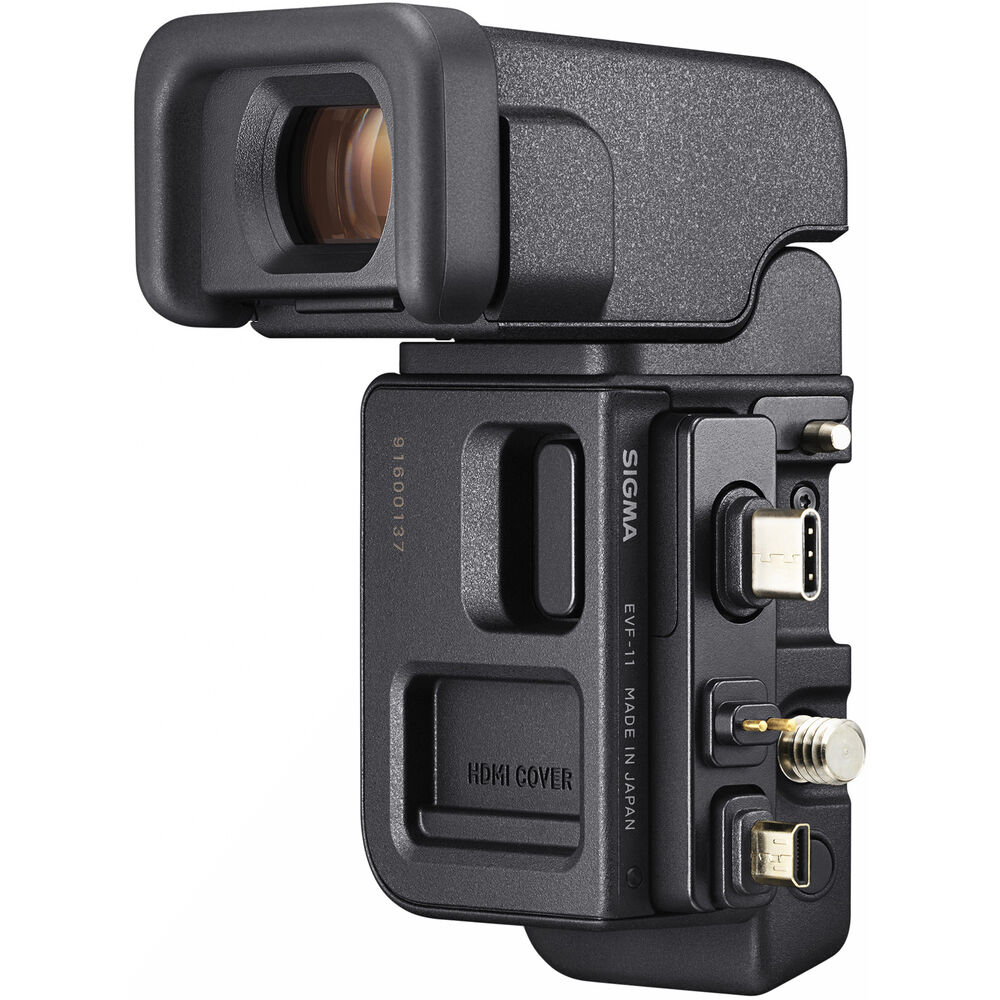
The Sigma fp L comes with an additional EVF. This EVF has the ability to tilt up till 90 degrees. You can also use the cheaper LCD viewfinder. The Director’s Viewfinder feature comes with the following options for frame guides:
- 1.33:1
- 1.85:1
- 2.39:1
- Custom 1
- Custom 2
You can set up your own frame guides and use that to frame the shots. This camera has frame guide lines for the biggest cinema cameras such Arri Alexa LF, Red Monstro, Sony Venice etc. This will give you a lot of freedom on the set.
With the Sigma fp L, you can also record these frames and share them with your DP or your crew. This will make it easier for you to communicate with your team and possibly create better art.
Smallest Full Frame Camera Ever?
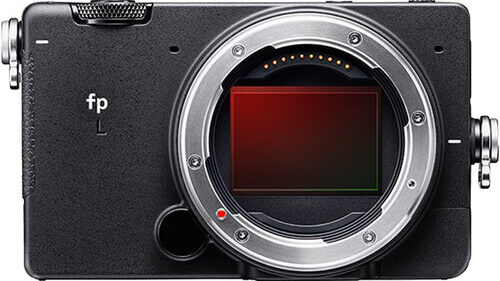
Sigma took a full frame (36.0mm x 24.0mm), 61 MP sensor and have managed to fit it into a miniscule body. The dimensions of the body are 112.6 x 69.9 x 45.3 mm (W x H x D). It weighs a mere 427 grams.
While this is impressive, this size does not come without a heavy sacrifice. For example, there are no ND filters, no IBIS, no SDI output, no proper HDMI output and no proper audio recording options.
4K up to 30p. What do you really get?
The most important points:
- You get 4K UHD (3840×2160) up to 30 fps.
- You get 1920×1080 up to 120fps.
- Best file format is CinemaDNG 12 bit.
- You get 12-bit 4:2:0 in CinemaDNG internally and12 bit RAW externally.
- The external recorders supported are Atomos Ninja V and Blackmagic Video Assist 12G.
- You also get 8-bit 4:2:2 externally.
- You get 4K DCI (4096×2160) RAW up to 24fps externally.
- There is a x1.67 crop in 120p and with RAW over HDMI.
Sigma should have, at the very least, given 4K at 60fps internally.

What is the crop factor in 4K?
There is no crop factor up to 60p. There is a x1.67 crop factor at 100p/120p and with RAW via micro HDMI.
What are the data rates for 4K?
The data rates for 12-bit CinemaDNG for the Sigma fp L (Amazon, B&H) have not been officially released by Sigma. But it is common knowledge that CinemaDNG files are usually massive.
If you are recording in 2.5K, a CinemaDNG file of a minute can turn out to be as big as 7 GB. This will fill up your memory cards so quickly that you will have to rely on SSDs to record anything.
If you want to grade your videos, you might want to stick to CinemaDNG file format as it will save every piece of info you will need.
What about 1080p or HD?
The maximum frame rate for FHD is 120 fps. And that is with a 1.67x crop at 120fps and 100fps.
What is the dynamic range of the Sigma fp L?
Sigma has made no official claims about the dynamic range of the Sigma fp L.
What is the recording time limit for 4K ?
The Sigma fp L can record continuously for 2 hours, which is more than enough for anyone.
Does it overheat?
No. Sigma claims that the heat sink within the camera body allows it to record without overheating at all.
What media card do you need?
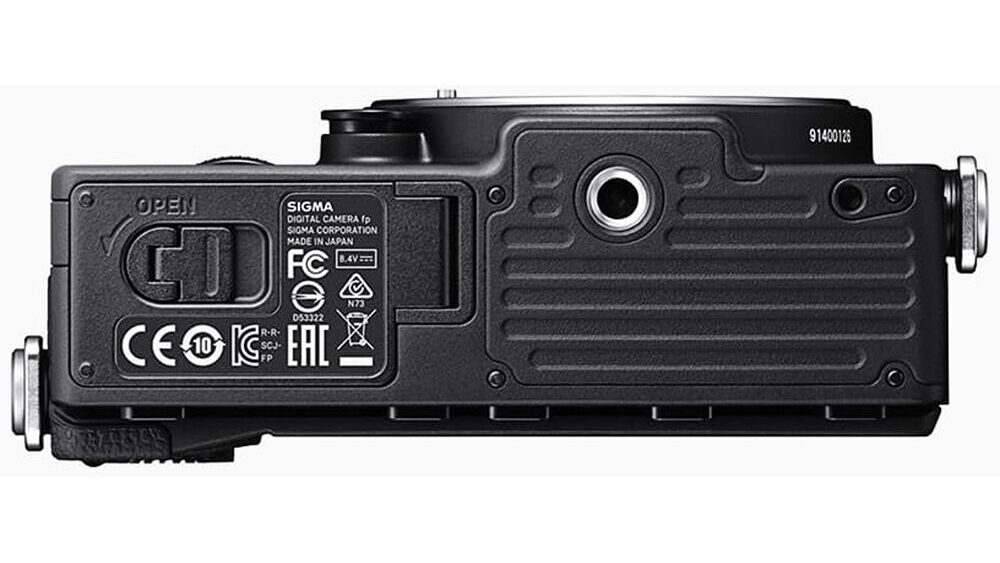
The Sigma fp L (Amazon, B&H) has a single SDXC slot supporting UHS-I and UHS-II speed classes and is also compatible with SD and SDHC. You can only record UHD 8 bit at only 25p and FHD 12 bit at 60p.
If you need sustained 4K in CinemaDNG at 12-bit, you are limited to recording to your SSD using the portable SSD connection. You also need to use the SSD connection if you want to shoot at 120 fps. The over-dependence on the SSD can really hamper the compact feature Sigma was going for with this camera.
What is the ISO range for 4K?
The ISO range for video is up to 25,600 in CinemaDNG. Sigma mentions that this range is expandable up to 102,400.
The Sigma fp L (Amazon, B&H) claims to come with Dual Base ISOs at ISO 100 and ISO 1250 RAW video. Probably the worst camera in this price range for low light video.
What type of stabilization is in the Sigma fp L?
The Sigma fp L has electronic image stabilization. This is in no shape or form a reliable substitute for IBIS. A major drawback in my opinion.

What video exposure tools are available in camera?
The Sigma fp L has a waveform to help you set your desired exposure. Waveforms are preferred by many cinematographers over histograms. One glaring omission of this camera is the absence of a Log profile.
It also comes with Zebras and Focus Peaking.
What about the LCD?
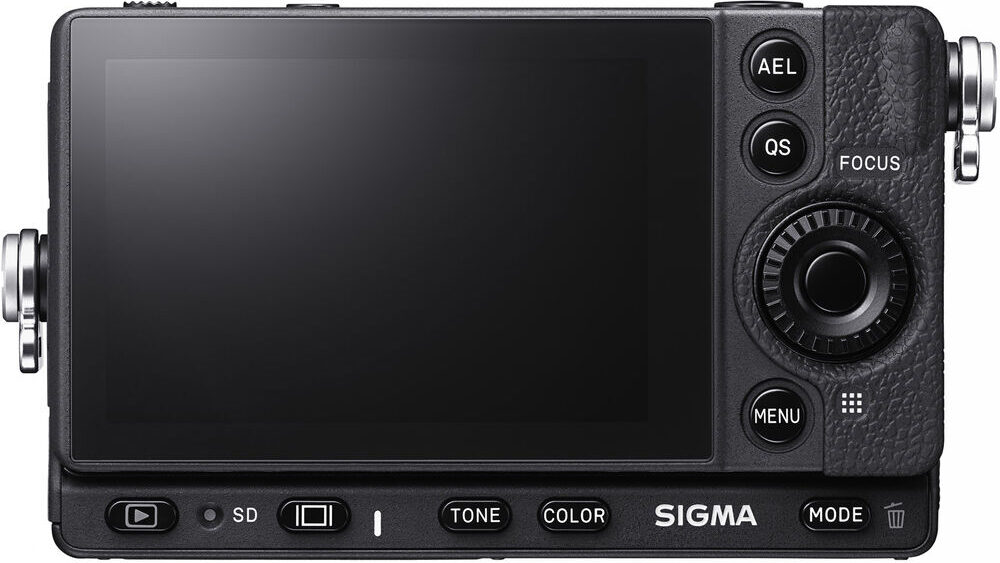
You get a 3.15-type, approximately 2.1 million-dot (720p) LCD touchscreen. It is static. It does not swivel out at all. But then again the Sigma fp L is not marketed as a Vlog camera.
What is the best format for external video recording?
The best video format that can be exported is 12-bit 4K RAW via micro HDMI Type D. The maximum frame rate is 119.88p. The micro HDMI will need an adapter.
Currently, the Atomos Ninja V (Amazon, B&H) and Blackmagic Video Assist 12G are the two monitors that support 12-Bit RAW recording in their respective formats. Atomos Ninja V supports Apple ProRes RAW and Blackmagic records in BRAW.
What format should I choose for the best video quality on the Sigma fp L?
I suggest shooting in CinemaDNG 12-bit. If you want to shoot in RAW, you will need an external recorder for that. Using the Atomos Ninja V will give your ProRes RAW, and if you choose Blackmagic Video Assist 12G you will get BRAW. This would give you the best dynamic range and the most flexible video for post production. But beware of the humongous file sizes when shooting in CinemaDNG.
What about timecode?
The Sigma fp L (Amazon, B&H) has omitted timecode input and output for multi camera sync. This seems like a wasted opportunity.
How good is the autofocus for video?
Sigma is not renowned for its autofocus performance. But you can expect it to be better than the other cameras in the L mount line of cameras. They have introduced Hybrid Phase Detect AF with the Sigma fp L.
While this is an improvement, I have no reason to believe that it can even come close to Canon or Sony’s Eye AF.
What are the audio specs?
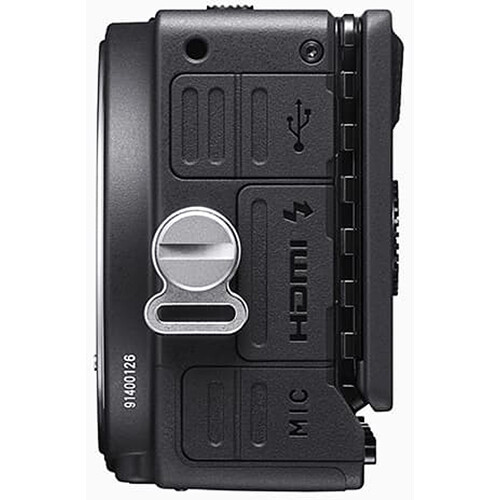
The audio is recorded as Linear PCM in 16-bit mode. All you get is a normal 3.5mm microphone terminal. It also has a 3.5mm Stereo mini headphone jack.
Any word on battery life for video for the Sigma fp L?
You get 60mins (1 hour) of actual recording with a Li-ion Battery Pack BP-51.
You can also power it with a USB type C power bank/charger.
Is the Sigma fp L weather sealed?
Not really. Sigma claims to have improved weather resistance, but they don’t guarantee any waterproofing.
What’s missing?
- Variable ND Filters
- SDI output
- Timecode and Genlock
- IBIS
- A proper HDMI port
- Proper audio recording
- Dual memory card slots
- Log profile
What’s great?
- Director’s Viewfinder feature
- 61MP sensor
- 4K output as up to 12-bit CinemaDNG to SSD, or RAW external recorder
- Its small size can make it a good crash cam or a viable action cam.
- You get a good EVF for an extra $500.
- Sigma also sells adapters from PL mount to L mount and from EF mount to L mount.
The Sigma fp L (Amazon, B&H) just has more megapixels than its ancestor and has Hybrid Phase Detection AF. In the end, it is a good director’s viewfinder and could potentially be a great photography camera. Apart from that, I don’t see the Sigma fp L beating the Sony Alpha 7C or the Alpha RIV.
If you are looking for cameras in the price range of Sigma fp L, here is an article about 5 cameras that are in the similar price range:
Bottom line. Great B-roll camera, has great potential to be an integral part of a full fledged production as a Director’s Viewfinder.
