
Is the CinemaScope widescreen format 2.4, 2.39, or 2.35 to 1? If you’ve ever wondered which ratio to use, you’re not alone. These numbers often cause a lot of confusion among filmmakers.
Each one refers to a slightly different aspect ratio used in widescreen cinema. But which one should you pick for your project? And why do the numbers keep changing?
In this article, we’ll simplify the differences, explain the rationale behind these ratios, and help you decide which is right for your project.
Let’s get to it.
What exactly is Scope or CinemaScope?
Look at the film frame below:

CinemaScope has a frame size of 21.95mm x 18.6mm. This is an aspect ratio of 1.18:1.
The image is squeezed by a factor of 2. Once it is “desqueezed”, the aspect ratio changes to 1.18 x 2: 1, which is 2.36:1. Is this right?
Actually, no.
How CinemaScope has evolved
The original motion picture aspect ratio was 4:3 or 1.33:1. Movies were shot this way, and television was designed to conform to this standard.
When television threatened cinema, many ideas floated around, one of which was the use of anamorphic lenses to double the size of the frame. 1.33:1 became 2.66:1.
Initially, CinemaScope allowed for an aspect ratio of 2.66:1 (1.33:1 x 2) because it used separate film for sound, giving more space for the image.
However, when magnetic sound stripes were added to the film, the aspect ratio was reduced to 2.55:1. Later, an optical soundtrack was included, further reducing the aspect ratio to 2.35:1, which was the standard for many years.
To fix issues with negative splices showing up in the final prints, filmmakers trimmed the image slightly, reducing the aspect ratio to 2.39:1. This adjustment helped hide the splices between scenes and made the image cleaner.
2.39:1 is now the standard for modern anamorphic filmmaking.
However, since it’s so hard for some people to remember 2.39:1, some started calling it 2.40:1!
Bottom line: Technically, you can film in Cinemascope from 2.35:1 to 2.66:1, but the standard is 2.39:1.

So what is it today, 2.40:1, 2.39:1 or 2.35:1?
Today, it is still 2.39:1. This is all you have to remember. 2.39:1 was ratified as the official widescreen format by the SMPTE in 1970.
To hammer the point home, DCI specifications (digital cinema) are pretty clear:
- DCI 2K Scope: 2048 x 858 (2.39:1)
- DCI 4K Scope: 4096 x 1716 (2.39:1)
The other DCI profile, called ‘Flat’, has an aspect ratio of 1.85:1.
If you’re having trouble remembering 2.39, like many before you, then remember that it is NOT 2.40 or 2.35. Just remember that it’s the hardest-to-remember number of three!
Modern digital cameras allow you to film in 2.35:1 or 2.40:1. You can also crop off whatever you want from the top and bottom to create any custom aspect ratio. Let’s see how to deal with that.
What should you do if you have a non-standard format?
Modern DCI specs allow you to have black bars within the standard format. E.g., if you want to film in 2.66:1, you still have to distribute your film in either DCI Flat or Scope. This is how it would look in both versions:
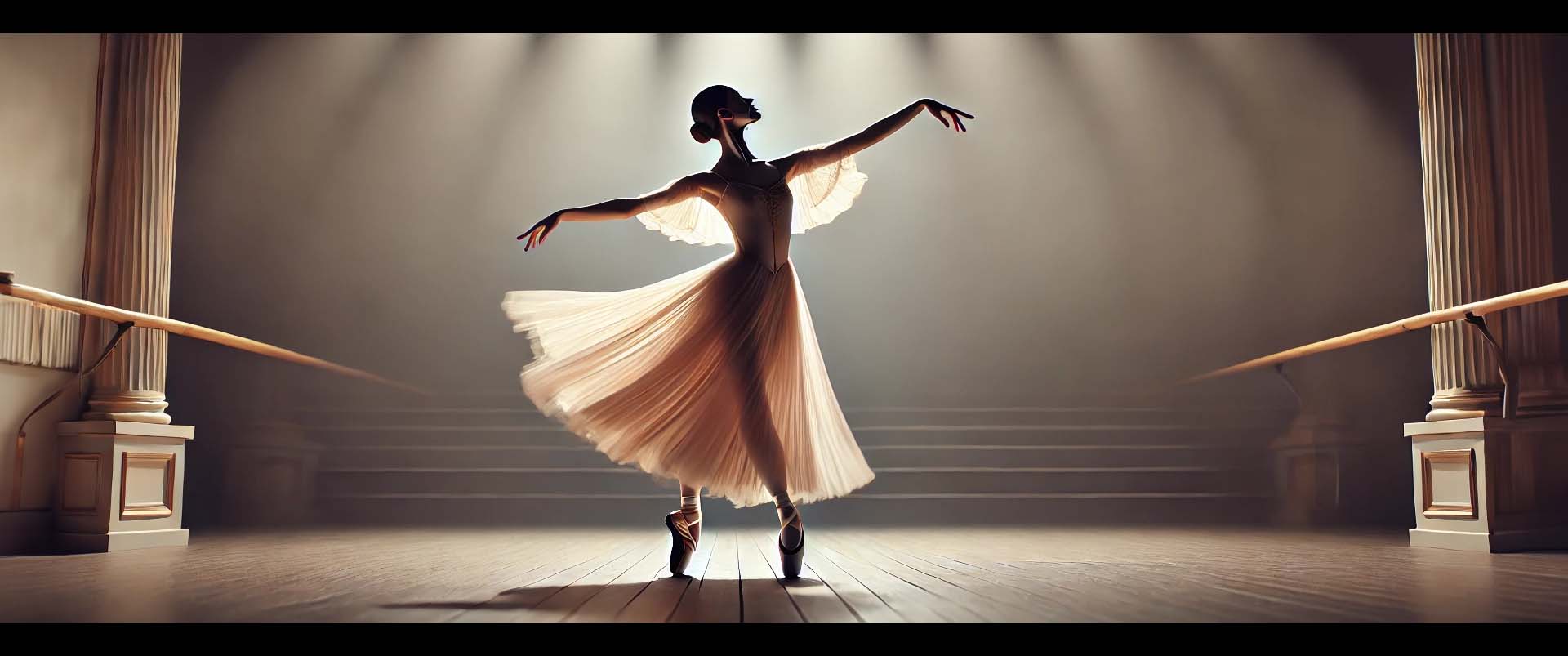

Which one do you pick? It depends on how theaters in your area are designed.
For example, many theaters in India are designed for 2.39:1, and they are prematted that way. So if you make a Flat image it will look like this:

You don’t want this at all. You want your image to really fill the screen, so if that’s the case, you pick 2.39:1. This is what I did for my film Gin Ke Dus.
How does it work with 16:9 UHDTV?
If your movie is for HDTV television or the web, it has to conform to 16:9 or 1.78:1.
In that case, it would be best if you shot on 16:9 (assuming the camera doesn’t have 2.39:1), and just masked off the portions you don’t want. Here’s what it would look like:
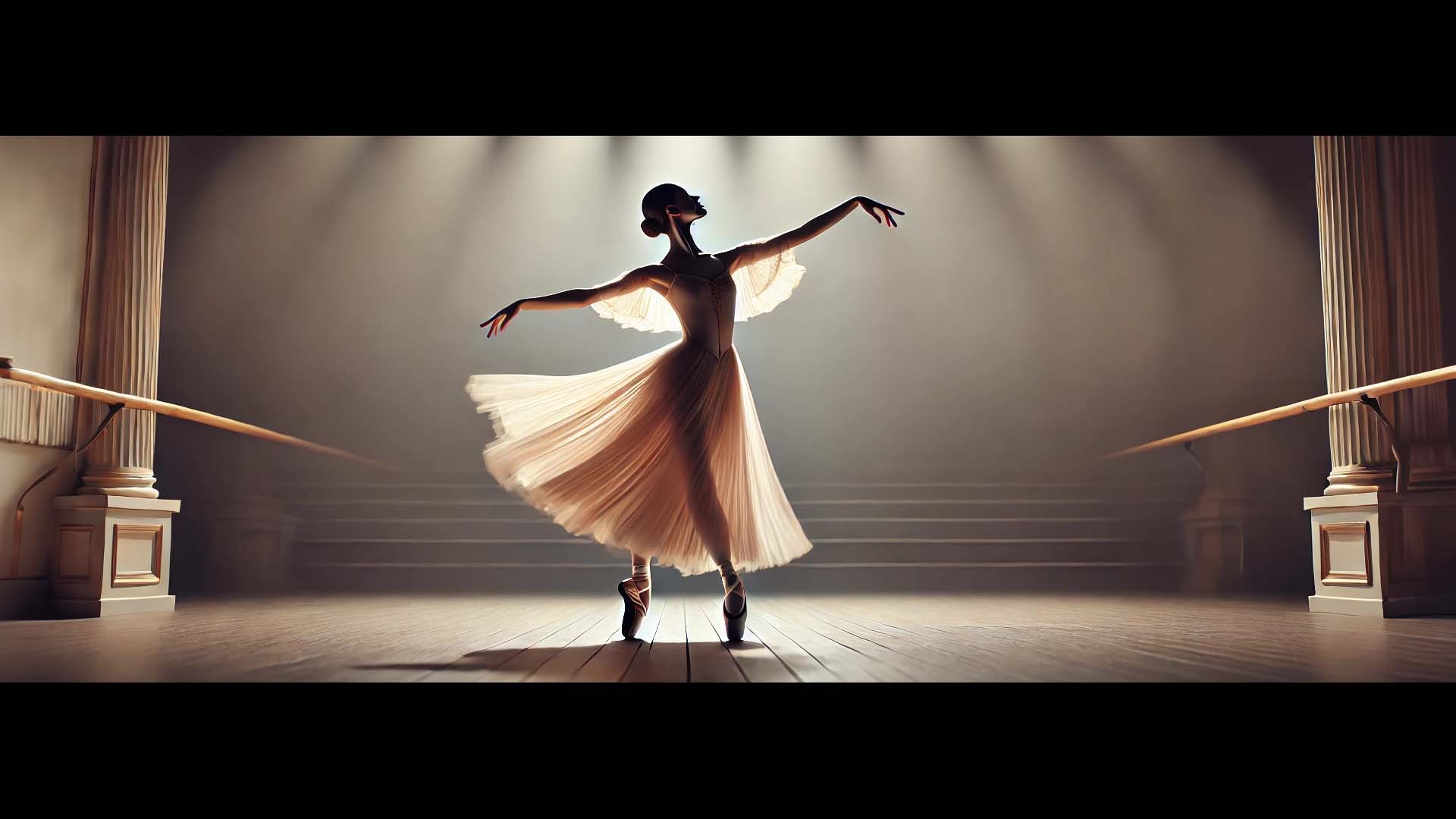
With digital and online video you can pick whatever you want. There are many shows on non-standard aspect ratios like 2:1, 1.9:1 and so on.
I hope you found this useful. If you have any questions let me know in the comments below.

Perfectly explained and straight to the point.
Thank you!
Hey Sareesh!
Love this article! It helped me clear up some confusion I was having when trying to search for ways of shooting Scope. That said, I would love if you could write something specifically about how to approach shooting in Scope. I’m specifically interested in framing subjects, close-ups, mediums, wides, twos and threes, etc.
Hi Sareesh,
Thanks for your helpful articles. If I wanted to use letter boxing in post afterwards to create the 2.39:1 look from 16:9 footage, are there any practical considerations to keep in mind while shooting? For example, should I leave more headroom so the image, with the black bars put in afterwards, doesn’t look too squished? Or do you shoot and compose as normal with the 16:9 aspect ratio, and then reframe after in post for the widescreen look? I’d appreciate your help on this. Thank you!
Thanks for the write-up. I get so frustrated with half of the filmmaker world thinking 2.35 is 2.39 and vice-versa. I even had a friend try to correct me when I said 2.39! Even Sony can’t figure out that 2.35 is a more than 40-year-old standard, as they include 2.35 frame guides on their mirrorless cameras. On that note, do you happen to know whether the 2.35 frame guides on Sony cameras are indeed 2.35, or rather a mislabeling of 2.39? Thanks for all you do!
Thanks a lot for this useful recap ! There is just one thing that I don’t fully understand (that may be because I’m french) : what is theatrical distribution ? Well, I suppose I see what it means but what is then the difference with widescreen ?
Thanks !
Theatrical distribution means viewing the movie in cinema theaters.
Awesome article, thanks! But following the previous question, when it supposed you have to make the difference between Widescreen and TD? I know the TD is the Academy standard but when we should attend one over the other? Thanks again!
SkipFilmSchoolThanks!
Great post on aspect ratios.