
In this lesson we’ll quickly compare Cine1 between the a7R II and a7S II.
Notes on test:
- All shots were custom white balanced. 3000K on the a7R II and 2900K on the a7S II (Measured under Standard Creative Style).
- The middle grey patch on the chart was exposed to 0.0, +1.0 and -1.0 for these tests.
- Footage was shot at 4K 100 Mbps XAVC-S in full frame mode.
- Base ISO was 800, and for over and under exposure I went to ISO 1600 and ISO 400 respectively.
- Shutter speed was constant at 1/50. Aperture was at f/4.5 and sometimes f/6.3 for underexposure. Focus on the chart.
- Lens used: 28-70mm OSS at 50mm.
What are we looking for? Three things:
- Dynamic Range
- Noise
- Artifacts due to compression, posterization, etc.
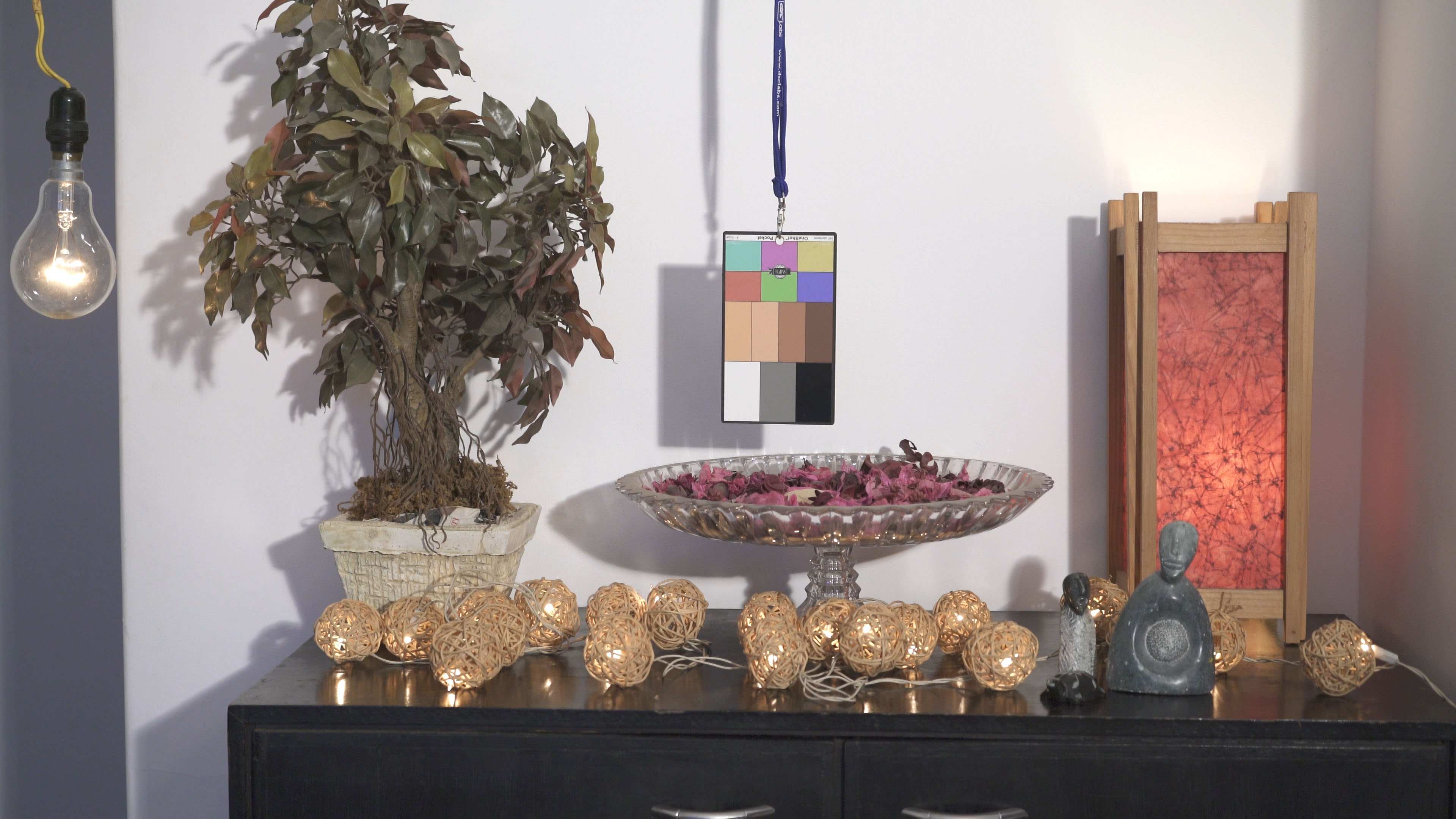
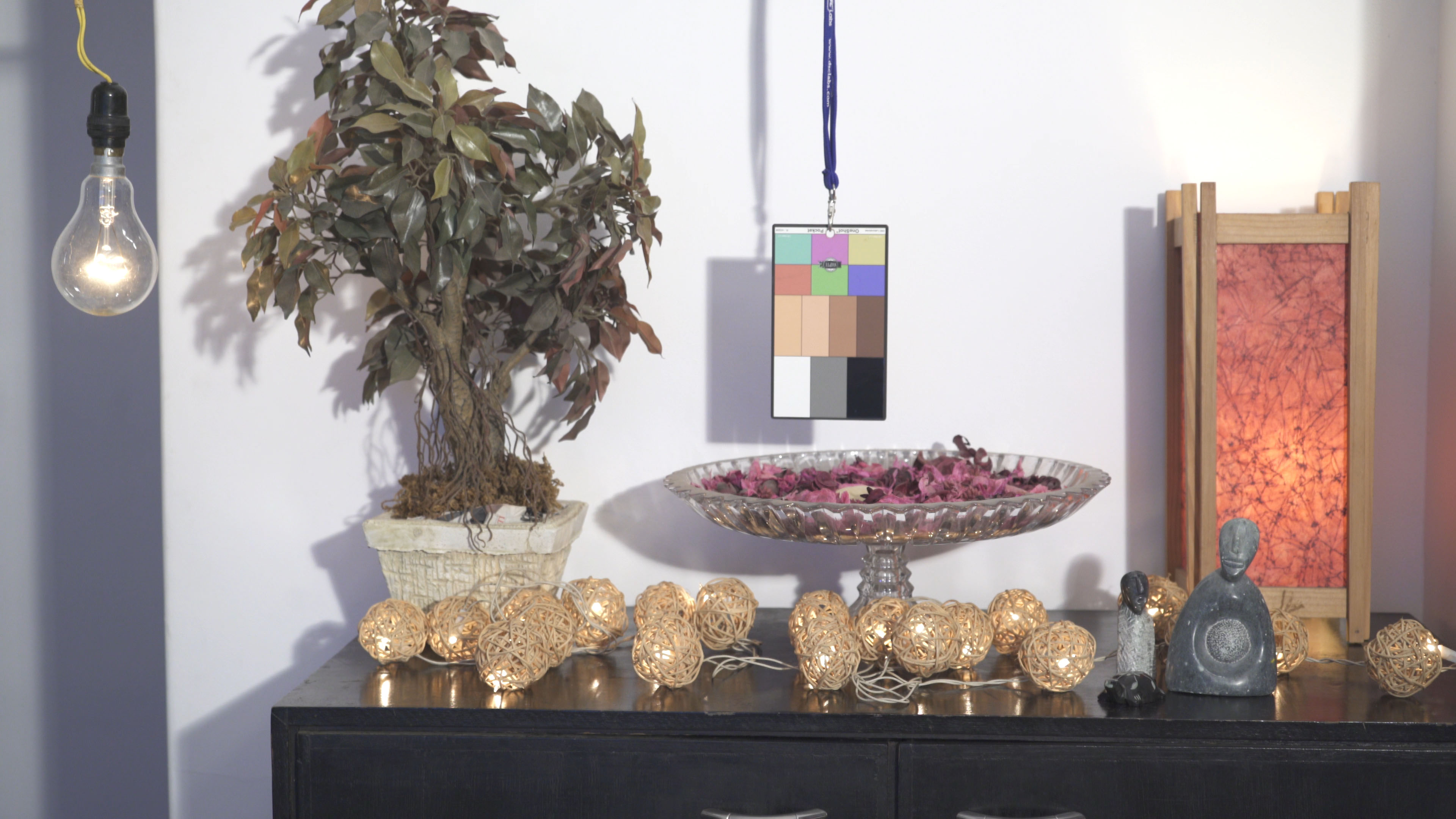
Cine1 at normal exposure
Sony a7R II (click to enlarge):
Sony a7S II (click to enlarge):
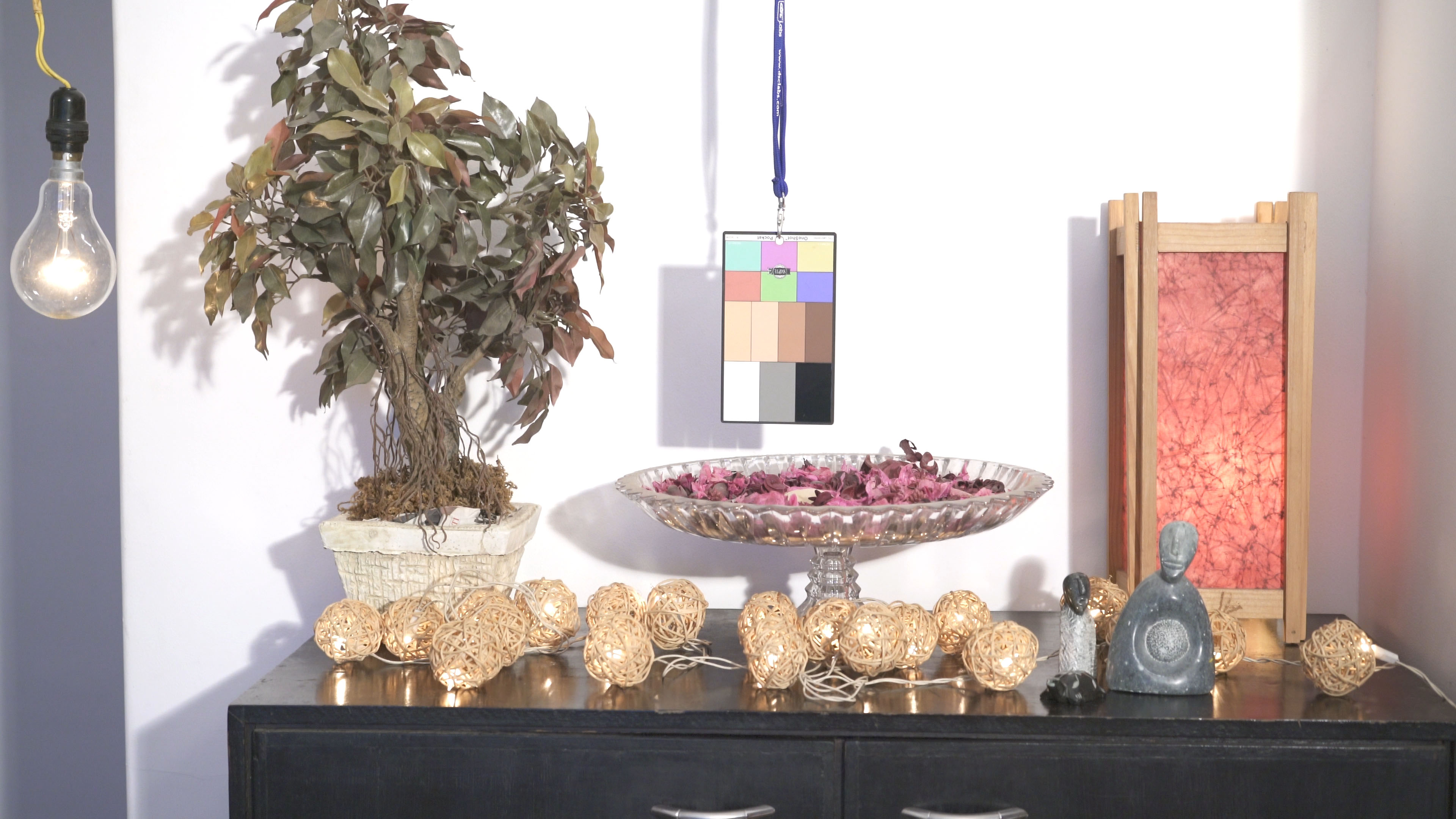
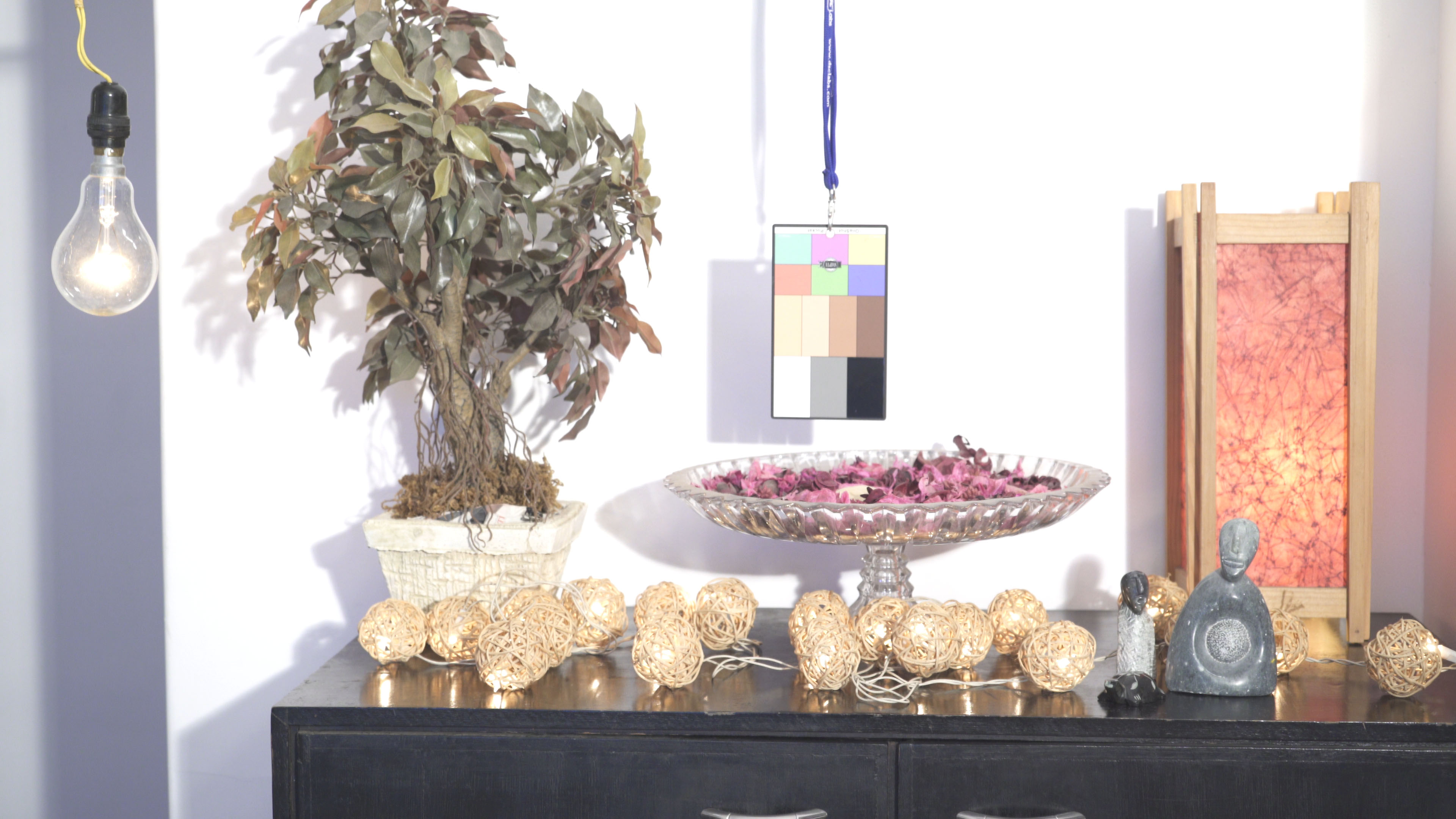
Cine1 one stop over
Sony a7R II (click to enlarge):
Sony a7S II (click to enlarge):
Cine1 one stop under
Sony a7R II (click to enlarge):
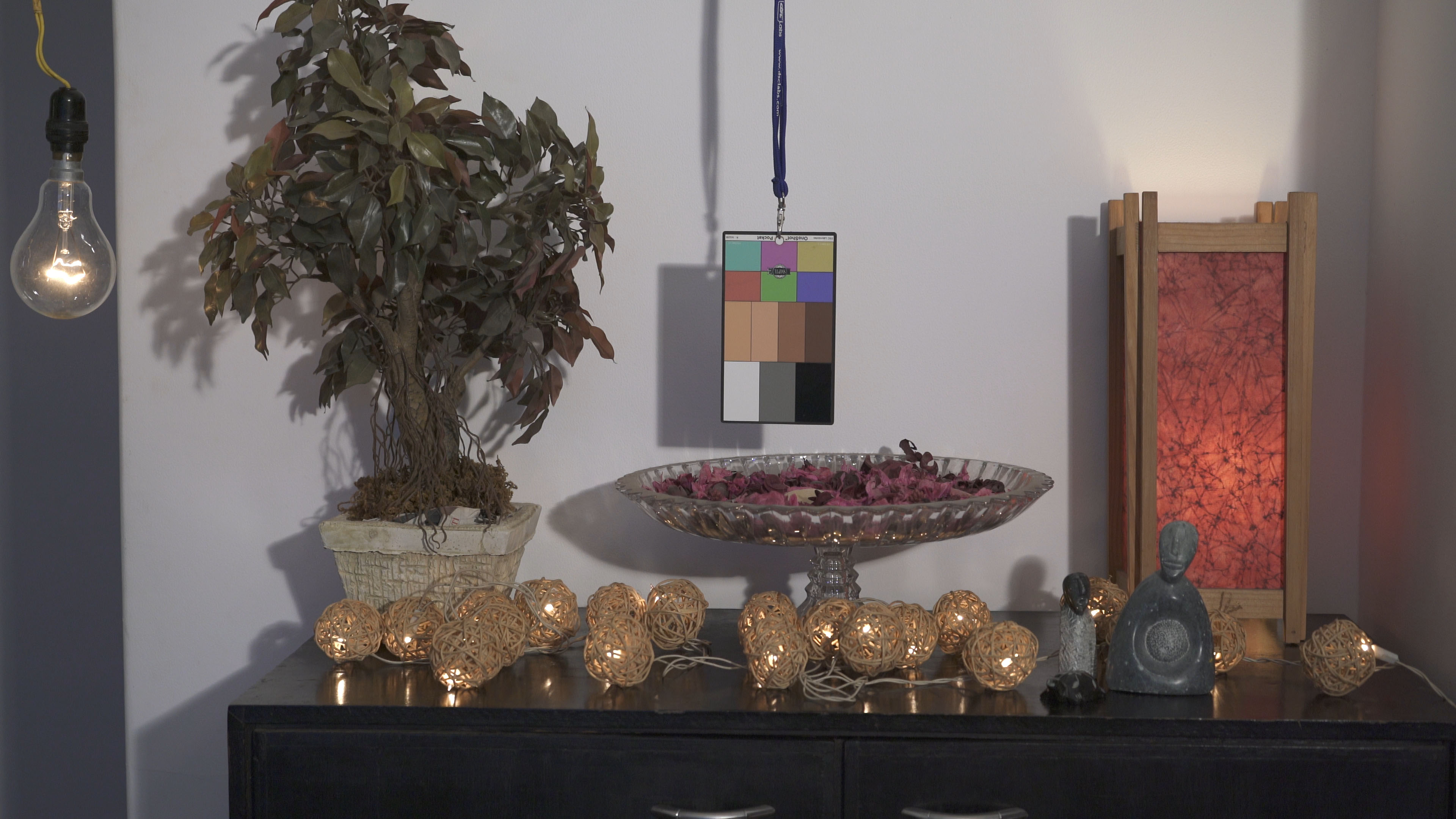
Sony a7S II (click to enlarge):
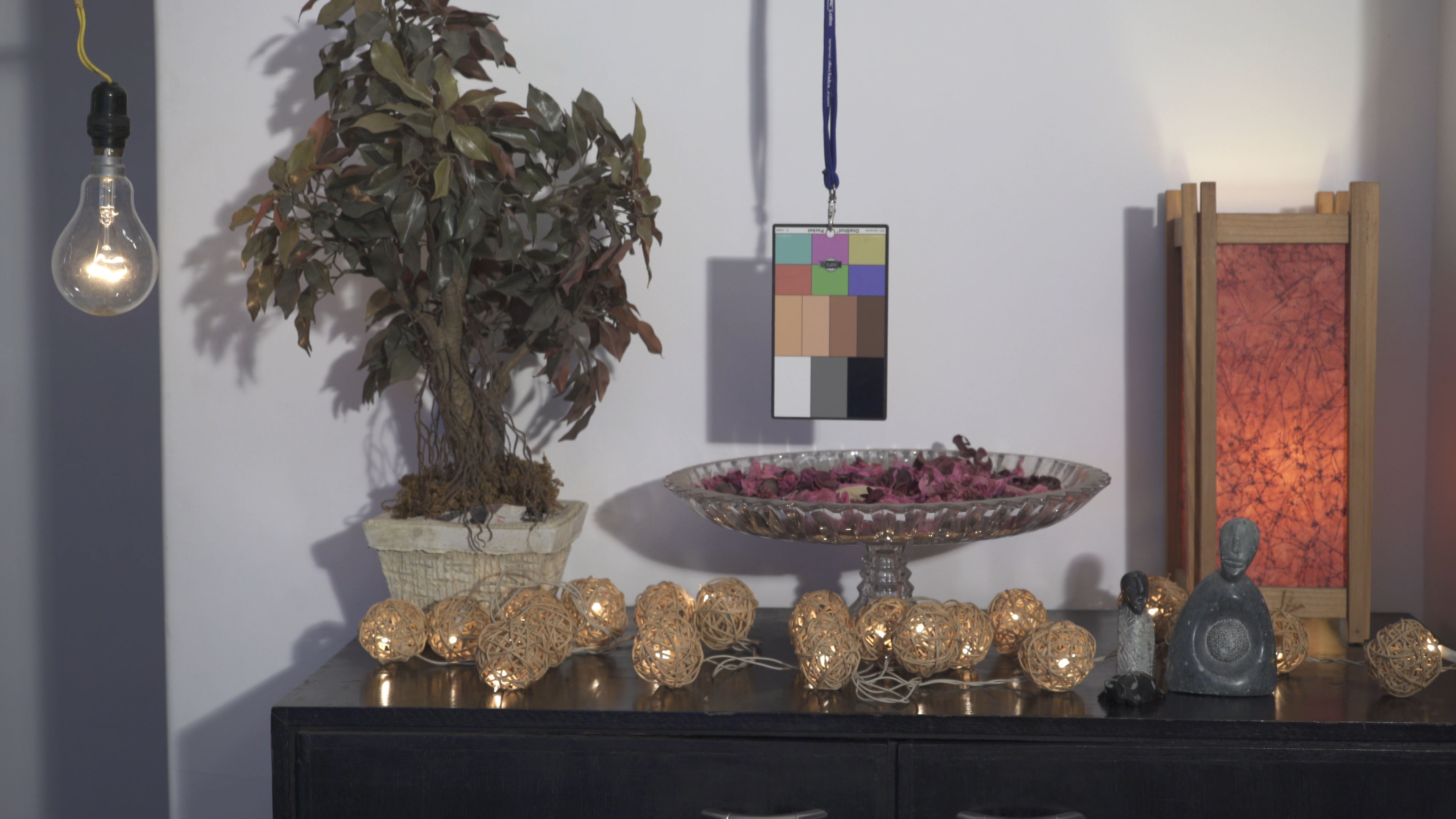
Which camera does Cine1 better?
Important: Even though they had the exact same exposure, clearly the a7S II is overexposed by about a third of a stop.
Here are things I’ve noticed:
- At normal exposure, a7R II does better overall, and has better highlights by a mile. The a7S II does better in the shadows. This could be due to the exposure variance.
- At one stop over, a7R II does better overall. This could be due to the exposure variance.
- At one stop under, a7R II does better overall. This could be due to the exposure variance.
- As far as dynamic range is concerned, they are too close to call. Neither has an advantage.
So which is better? As far as dynamic range, artifacts and noise is concerned, both are a good match. As long as you get them exposed equally.
Can we match Cine1 from the two cameras?
Absolutely. If there is a slight mismatch in the exposure between the two cameras, it can be easily corrected. There could be a variance between camera to camera, or meter to meter. So it’s best to test your own cameras side by side before assuming they are different.
A third of a stop is not really that big of a deal in the real world. Especially because we need to underexpose Cine1 by a stop for best results.
