
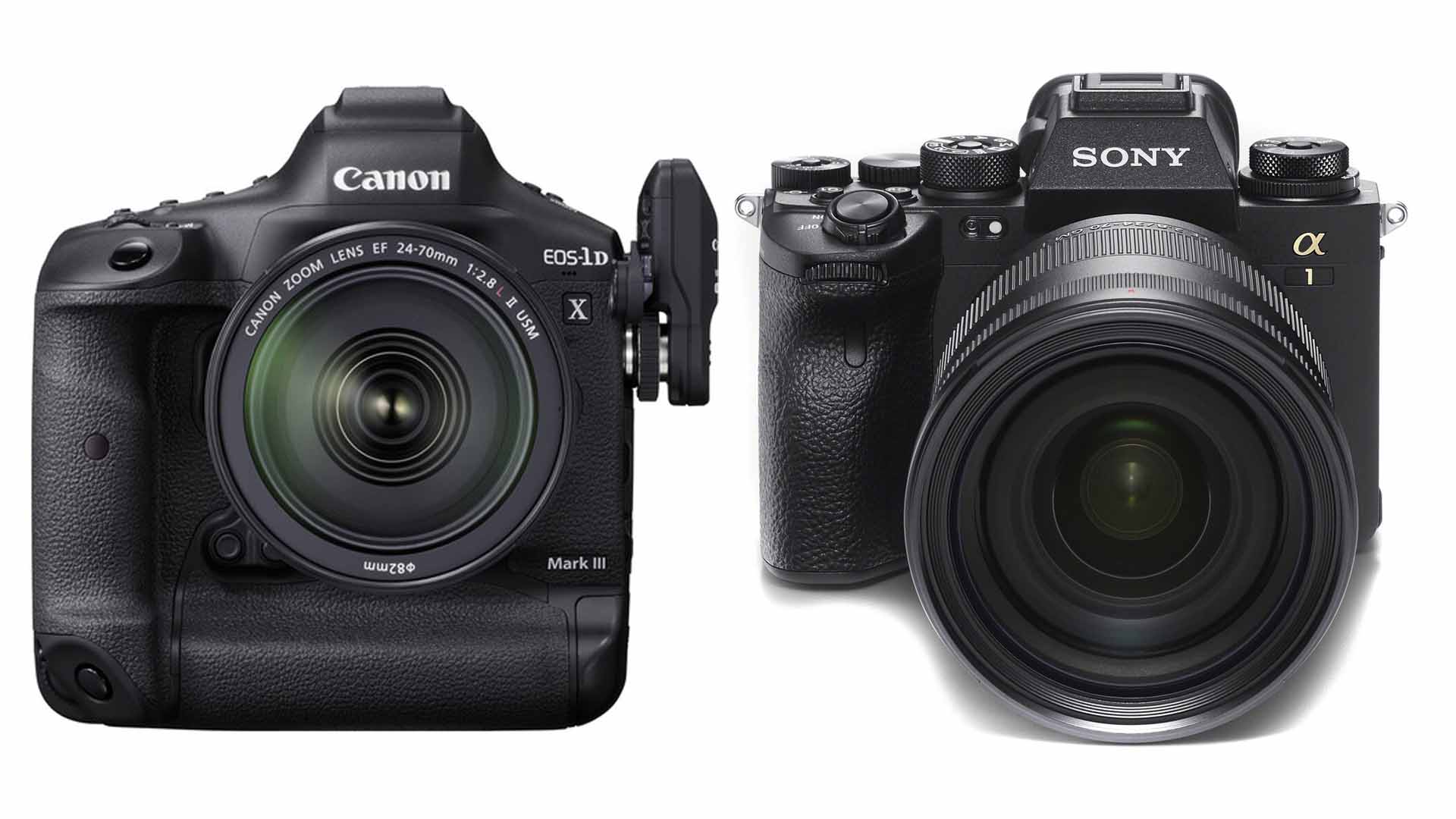
This article is a comparison of the specifications of the Sony Alpha 1 (Amazon, B&H) and Canon EOS 1DX Mark III (Amazon, B&H) for cinema work with currently available information and/or firmware as of this writing.
Who are these cameras aimed at?
Both cameras are rivals for the same market. The primary purpose of both cameras is to take photographs and to please photographers. Video is the second priority. Yet, the video features of both cameras is not something to scoff at.
The Canon 1D X Mark III shoots 5.5K RAW internally at 60p. The Sony Alpha 1 shoots 8K 30 fps internally in 10-bit 4:2:0. These remarkable video features are enough to confuse the best of us.
I’m assuming the primary target group would be professional photographers for whom video is important as well. Sports, wildlife, documentary and journalism. That’s the market.

Comparison of sensors and video features
Here’s how the camera sensors compare for video:
| Camera | Resolution | Video ISO Range | Color Information |
| Canon EOS 1DX Mark III | 5.5K RAW (5496 × 2904) | 100-25600 | 12-bit RAW |. 10-bit 4:2:2 |
| Sony Alpha 1 | 8K UHD (7680 x 4320) | 100-32000 | 10-bit 4:2:0 |
I think it is important to mention that the Sony Alpha 1 (Amazon, B&H) boasts a 50.1 megapixel Exmor RS image sensor which supposedly triumphs over Canon EOS 1DX Mark III’s 20.1 megapixel CMOS image sensor.
While 8K is an obvious plus point for the Alpha 1, it gets negated by the 10-bit 4:2:0 color sampling.
Alpha 1 comes out above by a minor difference over the 1DX Mark III in the theoretical lowlight performance.
Once we do get our hands on the Sony Alpha 1 we will know how all that translates in real-world use. But we have extensive experience with the 1D X:
It’s an incredibly capable video camera, and is a joy to use.
What about 4K frame rates?
| Camera | Max fps at 4K | Dynamic Range | Max fps at 1080p |
| Canon EOS 1DX Mark III | 59.94 fps | 12 stops | 119.9 fps |
| Sony Alpha 1 | 119.9 fps | 15+ stops | 240 fps |
Next, the codecs and color information:
| Camera | RAW and Codec in 4K and Higher | Color Information |
| Canon EOS 1DX Mark III | Canon RAW Lite | H.264/H.265 ALL-I, IPB | 12-bit RAW | 10-bit 4:2:2/8-bit 4:2:0 |
| Sony Alpha 1 | 16-bit RAW* | XAVC S-I 4K, XAVC HS 4K | 10-bit 4:2:2/8-bit 4:2:0 |
Here the Canon 1DX Mark III (Amazon, B&H) shines, with 5.5K internal RAW recording. On the other hand, if you don’t want RAW internally, then the Sony Alpha 1 (Amazon, B&H) offers 4K in 120 fps.
I would expect the Canon EOS 1DX Mark III (Amazon, B&H) to be better in low light. Having shot with it myself I can attest to its clean imagery in low light. I would be surprised if the Sony Alpha 1 can outclass it in that department. Then again Sony has been the leading champion of low light shooting for quite a while now with the a7S III.
This one’s too close to call, because there are features in both that, if critical, will seal the deal.

Overheating limitations
Sony Alpha 1 (Amazon, B&H) does have overheating limitations in 60p and 120p.
In a nutshell:
- Up to 60 fps: Sony Alpha 1 overheats in half an hour of recording in XAVC S-I 4K
- At 120 fps: Sony Alpha 1 is lesser than half an hour but they have chosen to not reveal any specific figures.
- Up to 30 fps: However, the Sony Alpha 1 records 8K UHD up to 30fps continuously for half an hour.
We have recorded extensively with the Canon EOS 1DX Mark III (Amazon, B&H) for an hour continuously in 5.5K RAW and it did not overheat once. Canon wins this one by a landslide.
Focus and exposure aids, and ergonomics
The little things make all the difference:
| Camera | Exposure |
| Canon EOS 1DX Mark III | Zebras, Histogram |
| Sony Alpha 1 | Zebras, Histogram, In-camera meter |
The Sony Alpha 1 is ahead by a whisker because you the customizable focus spot meter tool that’s really handy. Unfortunately, the S-Cinetone look is underwhelming, to say the least:
As far as size and weight are concerned:
| Camera | Ergonomics | Weight |
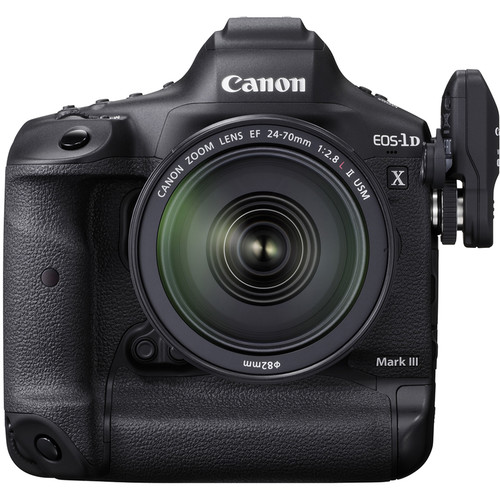
| Canon EOS 1DX Mark III | The 1DX Mark III is large, with an optical viewfinder | 1250g |
| Sony Alpha 1 | Small grip makes the camera front heavy, EVF without blanking | 737g |
While the 1DX Mark III claims to be weather resistant, the Sony Alpha 1 isn’t. However, having used Sony cameras in the past I’m pretty sure it’ll not be a problem for most professionals.
Sony Alpha 1 is a lot lighter than the 1DX Mark III. For. the professional photographer, though, the ability to balance the camera with heavy lenses is important.
Lenses and Autofocus
1DX Mark III has dual pixel autofocus, but with one major caveat:
The AF does not function with 5.5K RAW 60p/50p on the Canon 1D X Mark III. It only works till 30p.
However the Sony Alpha 1 (Amazon, B&H) claims it has a better autofocus with their 759 phase point Eye AF. Sony’s AF is on par with Canon’s for all practical purposes, so I’ll give this to Sony for supported higher frame rates.
Batteries and media cards
Here’s a look at the media
| Camera | Dual card slots | Price per GB for 512 GB* | Data Rate |
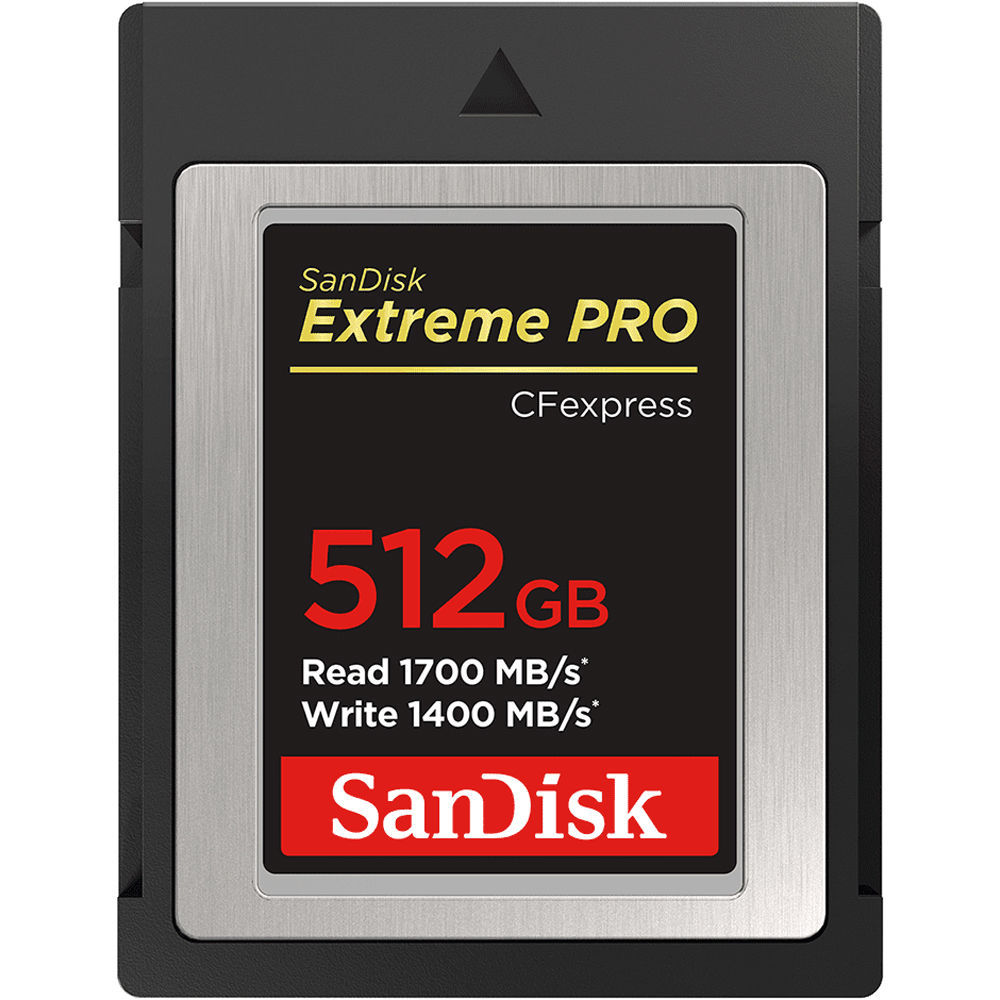
| Canon EOS 1DX Mark III | Yes, CFexpress 1.0 Type B | $1.1/GB | 325 MB/s |
| Sony Alpha 1 | Yes, CFexpress Type A or UHS-II SD Cards | $2.49/GB and $1.5/GB | 700 MB/s |
CFexpress cards are not cheap. For practical shoots, you will need multiple cards. This could really add to your budget for RAW shooting for the 1DX Mark III.
What about battery life?
| Camera | Battery life | Cost of one battery | Cost of 6 hours of operation |
| Canon EOS 1DX Mark III | 140 minutes | $163 | $420 |
| Sony Alpha 1 | 90 minutes | $78 | $312 |
I don’t think this would make a huge difference in the long run.
Photography Comparision
This comparison will be unfair if we do not take the still photograph ability of both the cameras. Because this is exactly where the Sony Alpha 1 outshines Canon EOS 1DX Mark III. Some major advantages of the Alpha 1 are:
- The sensor in the Alpha 1 supposedly has a faster readout speed. This improves rolling shutter performance for video.
- The Sony Alpha 1 can capture 155 full frame compressed RAW images continuously at 30 fps and uncompressed RAW images at 20 fps. This is at 50MP!
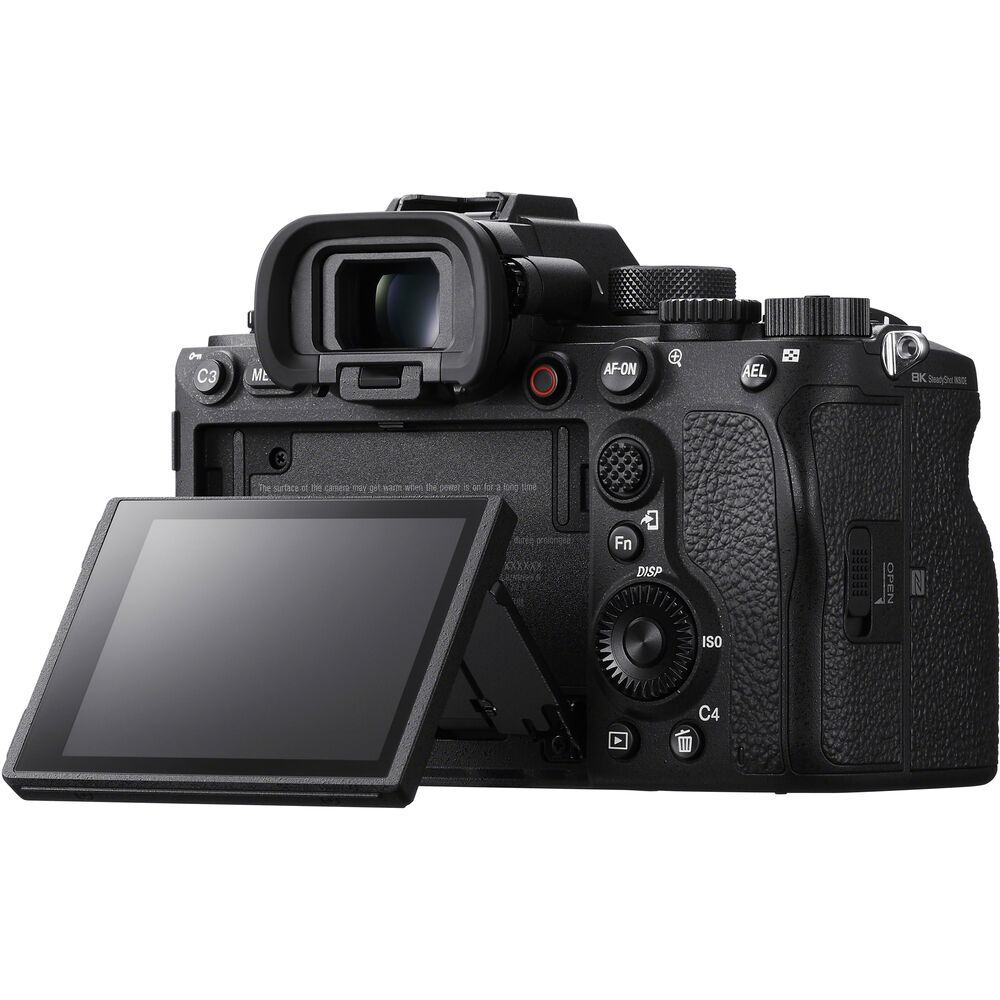
- The Sony Alpha 1 has blackout free shooting even at continuous shooting modes. High readout speed from the new image sensor makes it possible to refresh the live-view EVF display 240 times per second while shooting continuous bursts, overcoming the distracting time lag that is usually associated with EVF viewing. Is it as good as the optical viewfinder on a DSLR? Only photographers who test both cameras can know.
- The Sony Alpha 1 has included recognition of animals and even birds into its autofocus with their Real-time Eye AF bird mode.
Which is cheaper to own?
Let’s just add up the costs:
| Camera | Sony Alpha 1 | Canon EOS 1DX Mark III |
| Camera body | $6,499 | $6,499 |
| Media and Reader^ | $1,194 + $118 | $650 + $100 |
| Batteries* | $312 | $420 |
| Total | $8,123 | $7,669 |
^With Sony CFexpress Type A and B cards, for 512 GB total, including one reader.
A difference of about $450. To be honest, that’s not substantial enough at this price point.
Recap
First, a recap:
| Feature | Winner |
| Sensor and ISO | Sony Alpha 1 |
| Low Light | Canon EOS 1 DX Mark III |
| Video features | Sony Alpha 1 |
| DR and Color | Sony Alpha 1 |
| Rolling Shutter | Sony Alpha 1 |
| Exposure Aids | Sony Alpha 1 |
| Media | Canon EOS 1 DX Mark III |
| Lenses | Tie |
| Ergonomics | Tie |
| Ports and Monitoring | Tie |
| Audio | Sony Alpha 1 |
| Autofocus | Tie |
| Battery life | Canon EOS 1 DX Mark III |
Before we take our final decision, we’ll let the cameras tell us what they offer that the others don’t:
| Camera | USP | Major Cons |
| 1DX Mark III | 5.5K RAW, Optical viewfinder, no overheating | Fixed LCD, no AF in 60p RAW |
| Sony Alpha 1 | 8K 30p, 50MP at 30fps, lighter, AF at 4K 120fps | No internal RAW, Overheating |
My Verdict
I said I’ll try to provide a balanced overview, even though it’s hard. Here’s what I think:
| Type of Filmmaking | Preferred Camera | Major Reasons |
|---|---|---|
| Short documentaries and corporate videos | Canon EOS 1 DX Mark III | 5.5K RAW, no overheating, low light |
| Major documentaries or B-cam to the same | Canon EOS 1 DX Mark III | 5.5K RAW, no overheating, low light |
| Short or feature films | Canon EOS 1 DX Mark III | 5.5K RAW, no overheating, low light |
| Music Videos | Sony Alpha 1 | 120 fps in XAVC HS 4K and 240 fps in 1080p |
| Journalism | Sony Alpha 1 | Autofocus, LCD, Lighter |
| Wildlife | Sony Alpha 1 | Autofocus, Lighter, LCD |
| Weddings and Events | Canon EOS 1 DX Mark III | Low light |
I had great fun shooting with the Canon EOS 1DX Mark III (Amazon, B&H). Its tremendous 5.5K RAW “advantage” comes with huge data rates and the lack of autofocus at 60p. If 20 MP is all you need, the Canon EOS 1DX Mark III (Amazon, B&H) wins.
Let’s also return to the original target group. If you’re a busy, overworked and seasoned professional photographer with a bunch of Canon lenses, you’ll be stupid to switch to Sony in this economic climate.
The Sony Alpha 1 (Amazon, B&H) is a great stills camera. But combined with video, the Canon EOS 1DX Mark III (Amazon, B&H) is ahead, and it will get more jobs done at a higher quality.

A comparison without testing the A1? This is the problem with the internet… Have both Canon and Sony so not really a fanboy, both make great products. Numerous reviews on youtube and DPReview state these facts:
– low light is as good as the A7S III until around iso 12.800, it’s still very good at even higher iso but not as superb as the A7S III
– overheating numbers are on the cautious side. Gerald Undone, Potato Jet, Matteo, … all state 8K recording can be used over an hour. There is even a test at 40 degrees Celsius!
– EVF feels like an OVF
– best video colors at the moment, comparable to the Sony Venice camera, this is pretty insane.
– you can record Proxies while recording 8k or lower for easy editing. You can send the proxy file to your editor and give them the full res later on.
– the LCD screen is just bad, they should have gone with a flip screen and higher resolution.
Great camera and in a league of it’s own! Can’t wait till Canonwill release an even better device!
Thank you for the comment. None of it changes the outcome of this comparison.