
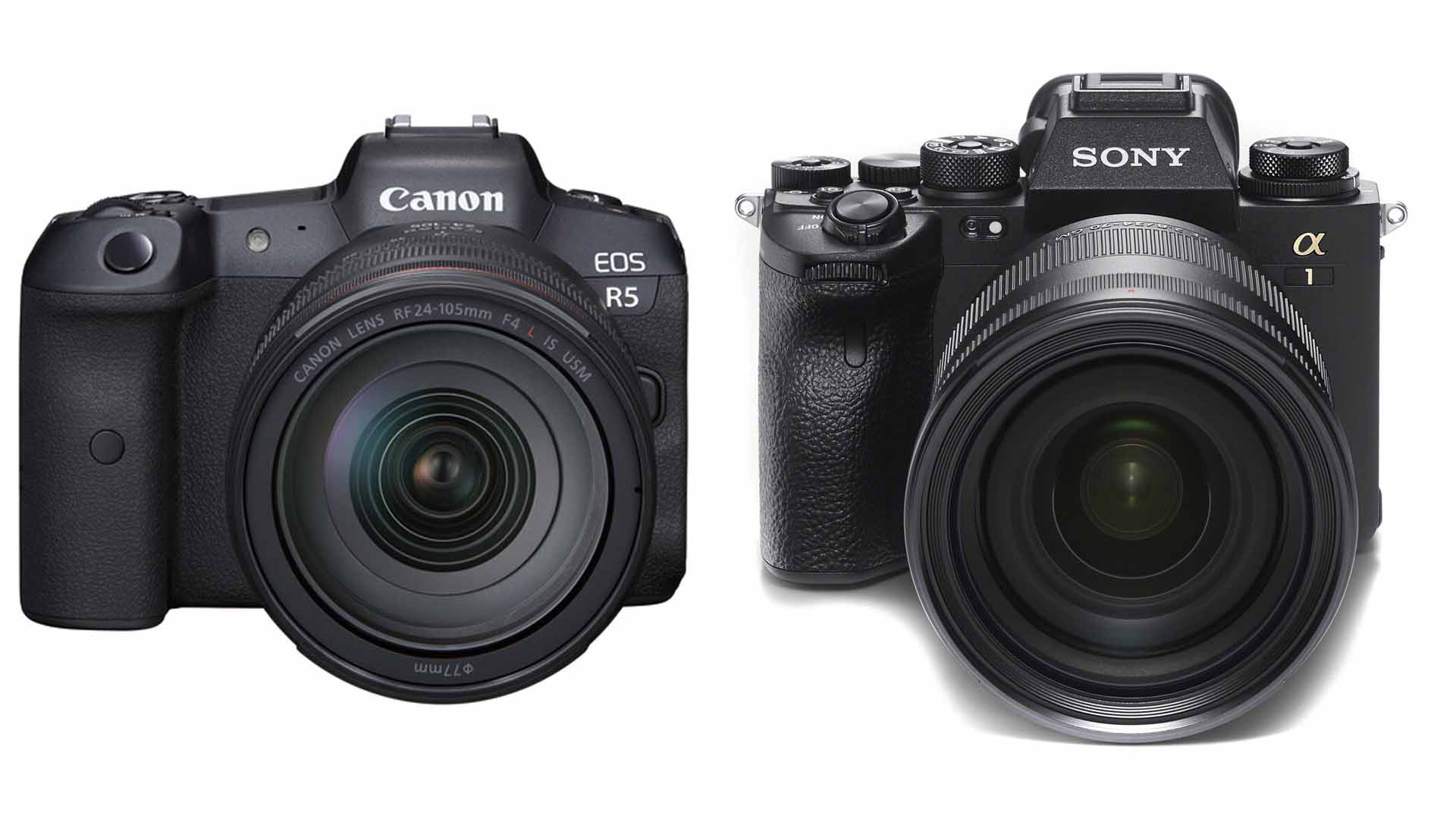
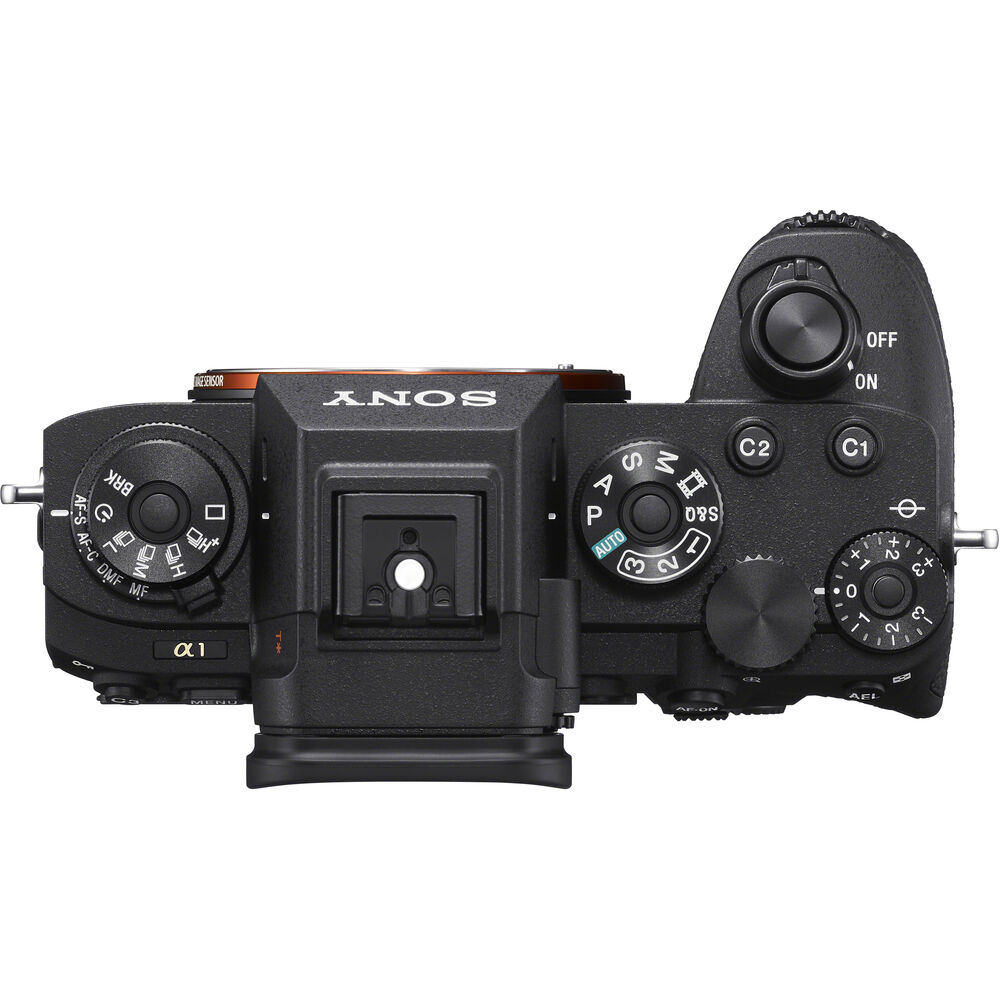
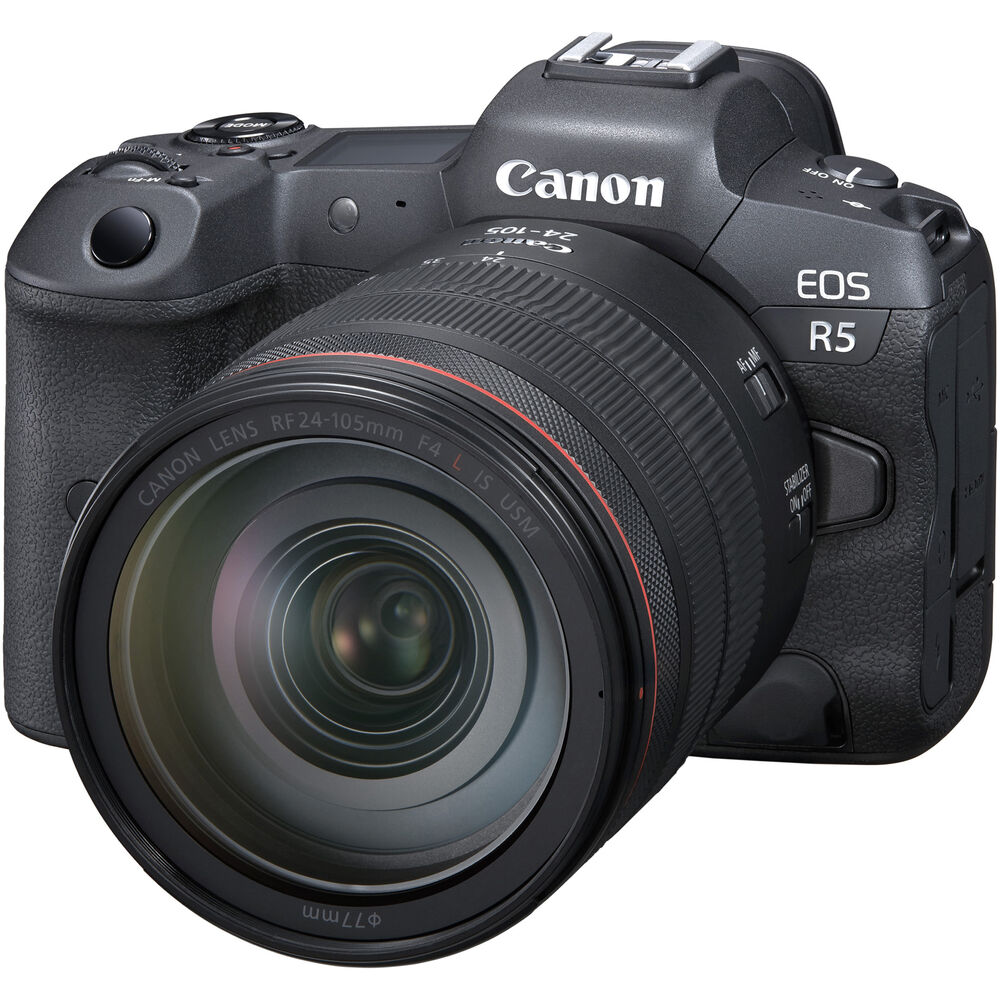
Two cameras both potentially suitable for Netflix – the Sony Alpha 1 (Amazon, B&H) and the Canon EOS R5 (Amazon, B&H). Which one is a better investment for serious filmmakers?
Here’a fun comparison.
Important!
I haven’t reviewed the Sony Alpha 1 yet. Treat this as a fun comparison, or a placeholder article, with currently available information.
In many ways, I’m writing this article to understand the distinction myself. Do these cameras serve an overlapping market, or will they appeal to different sets of filmmakers?
Check out my comprehensive real world review of the Canon EOS R5:

What kind of filmmaker needs autofocus?
For the solo filmmaker, having AF is a tremendous advantage. But it has to be reliable. The importance of good autofocus for corporate videos, interview situations, gimbals and weddings cannot be stressed enough. It just saves you a lot of time and money.
I think as far as autofocus is concerned, the differences won’t make that much of an impact for most video shooters’ work. Both Canon and Sony are class leaders.
However, I’m giving this to the Canon EOS R5 (Amazon, B&H). It is the gold standard, and it has more lenses you can autofocus with (with the Canon EF to RF adapter). The RF mount has manual focus rings that are not focus by wire. The Canon adapters are also great options.
Who are these cameras aimed at?
Sony has aimed the Sony Alpha 1 (Amazon, B&H) at majorly sports, wildlife photographers and maybe high end photojournalists, considering the Tokyo Olympics is around the corner. However, the ability to shoot 8K internally might make it a viable asset for video production too.
Canon has clearly aimed the R5 as a B-cam for Canon’s video flagships, the Canon C300 Mark III and the Canon C500 Mark II.
Ruggedness is critical. It is assumed you are not pulling out your camera in air-conditioned halls all the time.
Reliability is key. Both cameras are expected to do well. However, the Sony LCD screen has a bad rep for good reason. All three of my alpha cameras had issues with the LCD.
And finally, we come to the price – which is where image quality is also important. Even if you have indie filmmakers pining for 8K RAW or whatever, the reality is their films don’t really warrant it. There is little or zero ROI on independent projects or low budget films.
Even if they can buy these cameras, they are not really the market these cameras are aimed at. If you’re not earning good money already it is hopeless to spend money on expensive gear.
I’m personally only interested in both cameras as A-cams, but I’m not the main market for them! They are both primarily photographers’ cameras. Those photographers who also need video.
This article is about the video part.

Comparison of sensors and video features
Here’s how the camera sensors compare for video:
| Camera | Resolution | Maximum FPS* | Video ISO Range | Color Information in 8K |
| Canon EOS R5 | 8K DCI (8192 × 4320) and 8K UHD | 29.97p | 100-25600 | 10-bit 4:2:2 |
| Sony Alpha 1 | 8K UHD (7680 x 4320) | 29.97p | 100–32000 | 10-bit 4:2:0 |
Even though both cameras seem to go to impressive ISOs, that’s only in stills mode. The ISO range for video is limited. The Sony Alpha 1 (Amazon, B&H) scrapes through by a hair’s breadth over the Canon EOS R5. The R5 is no slouch though. I think both cameras will be equally good for most practical shooting needs, but are not low light cameras.
Both cameras do 4K at 120 fps. The Alpha 1 records 8K UHD in XAVC HS 8K but the Canon R5 does 8K RAW internally.
I’ll give this to the Canon EOS R5 (Amazon, B&H), because it also has DCI and internal 12-bit RAW and 10-bit 4:2:2 color sampling for compressed codecs.
What about 4K frame rates?
| Camera | Max fps at 4K | Dynamic Range | Max fps at 1080p |
| Canon EOS R5 | 119.88 fps | 12 stops | 59.94 fps |
| Sony Alpha 1 | 119.88 fps | 15 stops | 240 fps |
The Sony Alpha 1 (Amazon, B&H) is a step ahead here, with better frame rates in HD, and supposedly more dynamic range. I would take that with a grain of salt, because in my. Sony a7S III review I. compared the camera to the. R5, and I preferred the i mage quality of the R5. And, nowhere do you see a 3-stop advantage in dynamic range. Here’s my review of the a7S III:
Even if we account for discrepancies in dynamic range measurement between the two companies, I fully expect image quality to be on par with each other, practically speaking.
The Alpha 1 has overheating limitations in 60p and 120p and 8K 30p. It isn’t as bad as the Canon EOS R5, though. The R5 can only record up to 20 minutes in 8K until it needs to cool down. It has similar restrictions for 4K as well (in its best modes). Sony claims that Alpha 1 can record 8K 30p for 30 minutes straight, same goes for 4K 60p.
This goes to the Alpha 1.
Next, the codecs and color information:
| Camera | 4K and Higher | Color Information |
| Canon EOS R5 | Canon RAW Lite | H.264/H.265 ALL-I, IPB | RAW | 10-bit 4:2:2/8-bit 4:2:0 |
| Sony Alpha 1* | XAVC S-I 4K, XAVC HS 4K | RAW* | 10-bit 4:2:2/8-bit 4:2:0 |
Sony claims the output via HDMI in Sony Alpha 1 is 16-bit RAW 4332 x 2448 but the camera in stills mode is only capable of 14-bit RAW. The RAW isn’t truly 16-bit, and neither is the sensor.
If you’re restricting yourself to 10-bit 4:2:2 4K, you should be happy with either camera. But if you want internal 8K (RAW or 10-bit 4:2:2) recording, the R5 is your camera.
This goes to the Canon EOS R5 (Amazon, B&H).
| Camera | Expected Rolling Shutter Performance |
| Canon EOS R5 | Rolling Shutter is Average |
| Sony Alpha 1 | Rolling Shutter is supposedly 3x better than the Alpha 9 |
The rolling shutter in the Sony Alpha 1 (Amazon, B&H) seems to be better but it needs to be tested.
I’ll not talk about the audio features since that needs to be tested in the real world. They have similar features and ports.
Focus and exposure aids, and ergonomics
What’s the point of RAW if you can’t expose it correctly? The little things make all the difference:
| Camera | Exposure |
| Canon EOS R5 | Histogram, Meter, Zebras |
| Sony Alpha 1 | Histogram, Meter, Zebras |
Both are passable. Both have focus peaking.
As far as size and weight are concerned:
| Camera | Ergonomics | Weight |
| Canon EOS R5 | Better grip and feel. | 650g |
| Sony Alpha 1 | Small grip makes the camera front heavy. | 737g |
Weather sealing is promised on both cameras, though I expect the Canon EOS R5 (Amazon, B&H) to be tougher. To be fair though, I’ve dropped my a7R II, a7S II and a7S many times. Sony still goes strong.
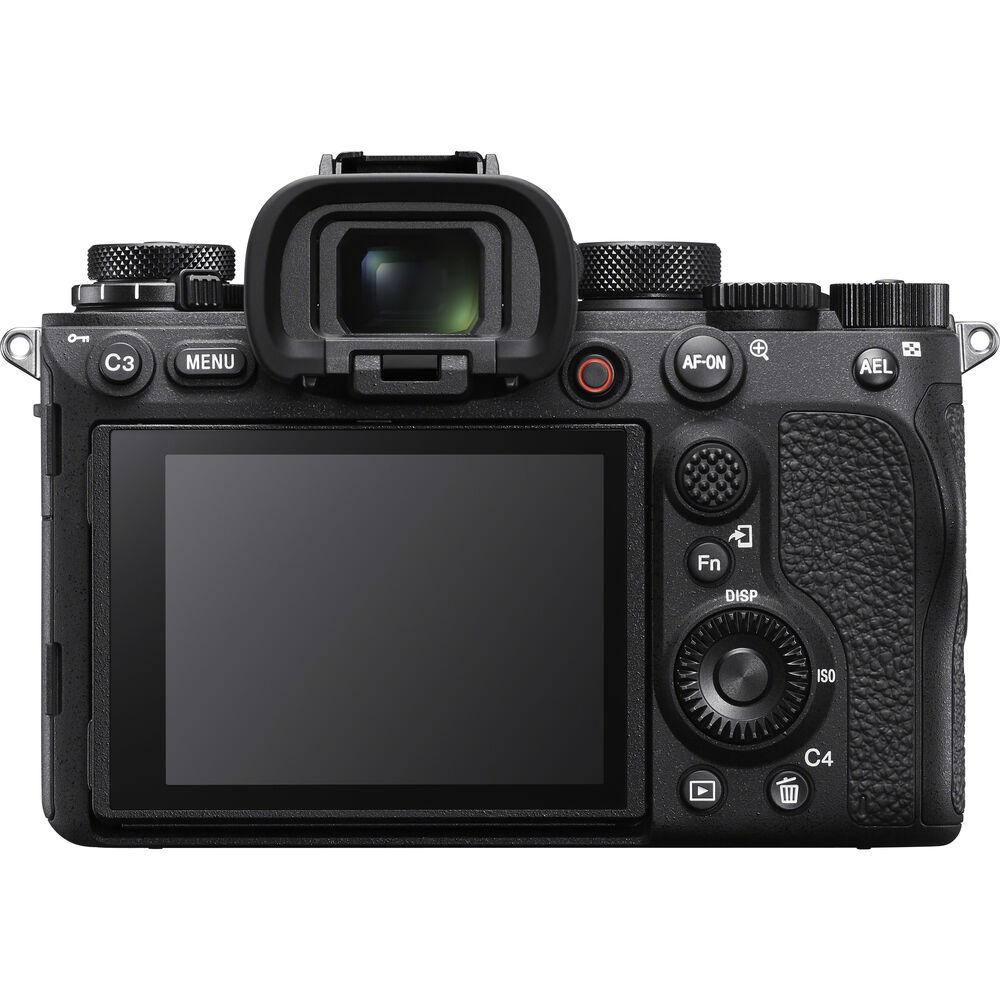
Overall, for ergonomics this is a tie. Especially because Sony has improved their menu, and both cameras are customizable. The R5 has a swivel LCD though, and this is very useful for many scenarios.
I give this to the Canon EOS R5 (Amazon, B&H) by a whisker.

Image Stabilization
Both the Sony Alpha 1 (Amazon, B&H) and Canon EOS R5 (Amazon, B&H) have internal image stabilization (IBIS). Alpha 1 claims to have 5.5 stops of image stabilization. For the R5, if the lens doesn’t have IS, then I think it’s limited to about 3-5 stops.
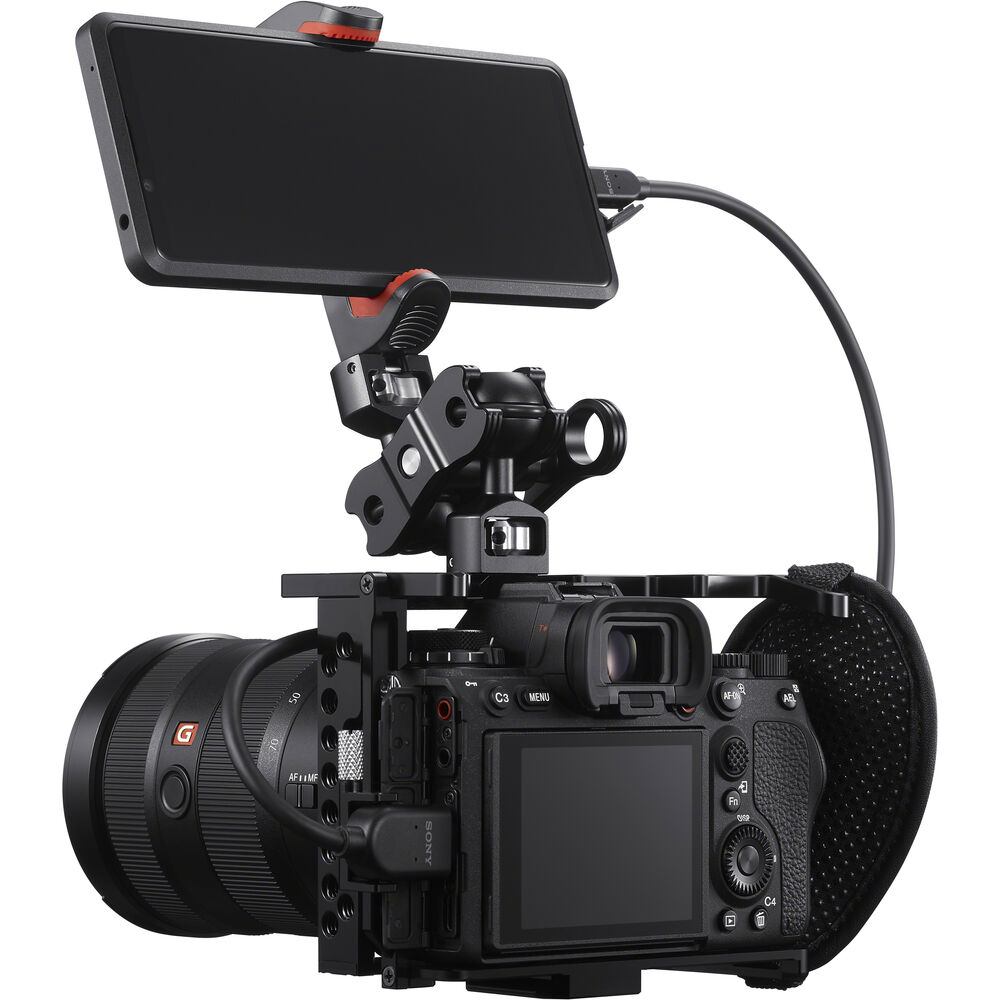
I don’t place too much importance on the new “Active Mode” in the. Alpha 1. It has a gyro information built-in, but to stabilize the footage you will have to use the Sony Catalyst software (extra expense).
But the Canon R5 is no slouch either with image stabilization. I think people will be happy with both for practical situations.
Batteries and media cards
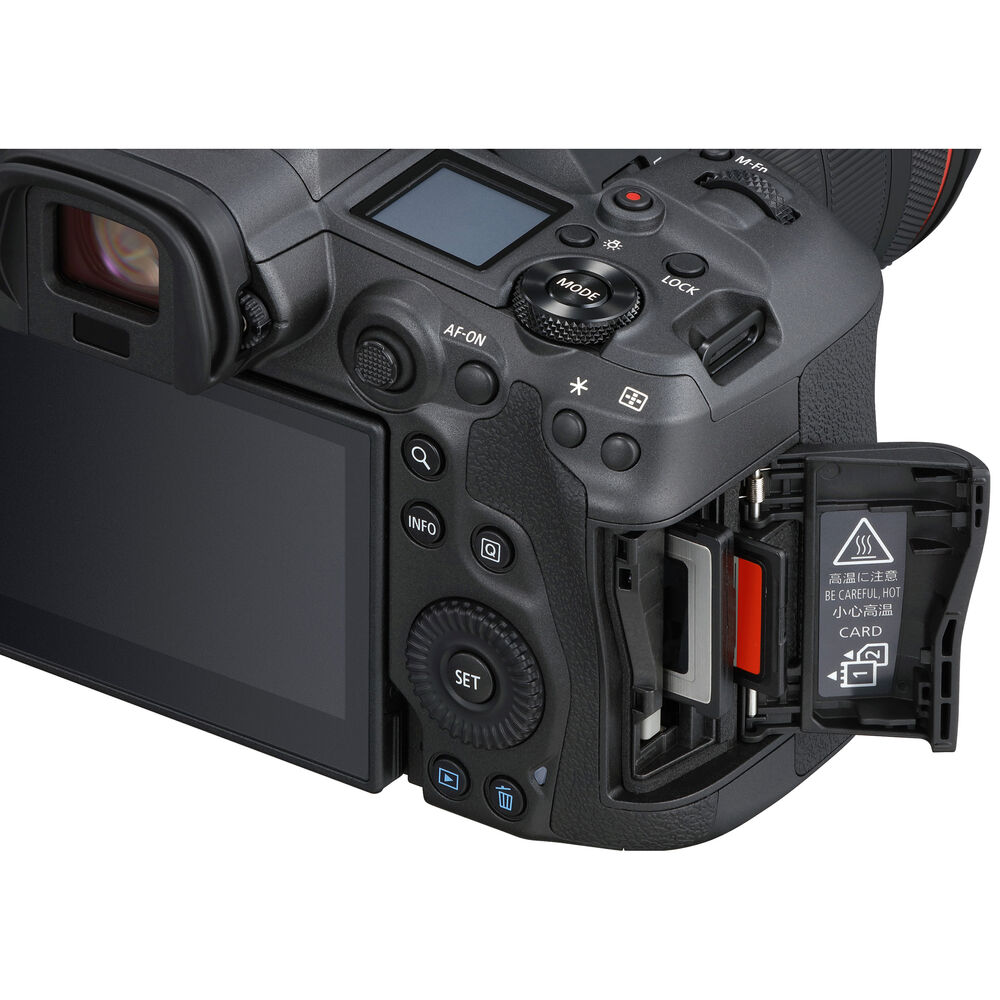
Here’s a look at the media
| Camera | Dual card slots | Price per GB for 512 GB* |
| Canon EOS R5 | Yes, CFexpress Type B and UHS-II SD Card | $1.13/GB and $0.33/GB |
| Sony Alpha 1 | Yes, CFexpress Type A or UHS-II SD Card | $2.49/GB and $1.5/GB |
CFexpress cards are not cheap. For practical shoots, you will need multiple cards. Also, you need to buy card readers as well. It gets expensive, fast!
For the Alpha 1, you need CFexpress Type A cards for 4K 120 fps and 8K 30p. CFexpress Type B are easier to find right now in different sizes.
I’ll give this to Sony, because you can use two cards of the same kind together. With Canon, it’s one of both.
What about battery life?
| Camera | Battery life | Cost one one battery | Cost of 6 hours of operation |
| Canon EOS R5 | 180 minutes | $80 | $160 |
| Sony Alpha 1 | 90 minutes* | $78 | $312 |
Canon wins here.
Which is cheaper to own?
Let’s just add up the costs:
| Camera | Sony Alpha 1 | Canon EOS R5 |
| Camera body | $6,499 | $3,899 |
| Media and Reader^ | $1,194 + $118 | $650 + $100 |
| Batteries* | $312 | $160 |
| Total | $8,123 | $4,809 |
*Guesswork, for 6 hours of operation.
The prices are drastically different. $3,300 worth of drastic. The external recorder will add costs to the Alpha 1 if you need RAW.
Recap
First, a recap:
| Feature | Winner |
| Resolution | Canon EOS R5 |
| Video features | Sony Alpha 1 |
| DR and Color | Sony Alpha 1 |
| RAW and Codecs | Canon EOS R5 |
| Low Light Performance | Sony Alpha 1 |
| Rolling Shutter | Sony Alpha 1 |
| Exposure Aids | Tie |
| Media | Canon EOS R5 |
| Lenses | Canon EOS R5 |
| Ergonomics | Canon EOS R5 |
| IBIS | Tie |
| Ports and Monitoring | Tie |
| Audio | Tie |
| Autofocus and Manual Focus | Canon EOS R5 |
| Battery life | Canon EOS R5 |
| Longer shooting | Sony Alpha 1 |
Before we take our final decision, we’ll let the cameras tell us what they offer that the others don’t:
| Camera | USP | Major Cons |
| Canon EOS R5 | 8K RAW and 10-bit 4:2:2, Swivel LCD, Battery Life | Overheating |
| Sony Alpha 1 | 240 fps in HD, lag-free EVF | Overheating, too expensive just for video |
My Verdict
I said I’ll try to provide a balanced overview, even though it’s hard. Here’s what I think:
| Type of Filmmaking | Preferred Camera | Major Reasons |
|---|---|---|
| Short documentaries and corporate videos | Tie | Both get the job done. |
| Major documentaries or B-cam to the same | Canon EOS R5 | 10-bit 4:2:2, swivel LCD are more useful |
| Short or feature films | Tie | Both are good enough. It really depends on the shoot. |
| Music Videos | Sony Alpha 1 | 120 fps and 240 fps |
| Journalism | Neither | There are cheaper, better cameras from both companies. |
| Wildlife | Sony Alpha 1 | Low light performance |
| Weddings and Events | Sony Alpha 1 | Low light performance. Longer recording times. |
All said and done, unless you need the stills features of the Sony Alpha 1 (Amazon, B&H), the video features are good.
If you don’t, it is a waste of money, especially when you. can buy about two Sony a7S IIIs (Amazon, B&H) for the price of one Alpha 1.
For me, the Canon EOS R5 (Amazon, B&H) wins.
What do you think?
