
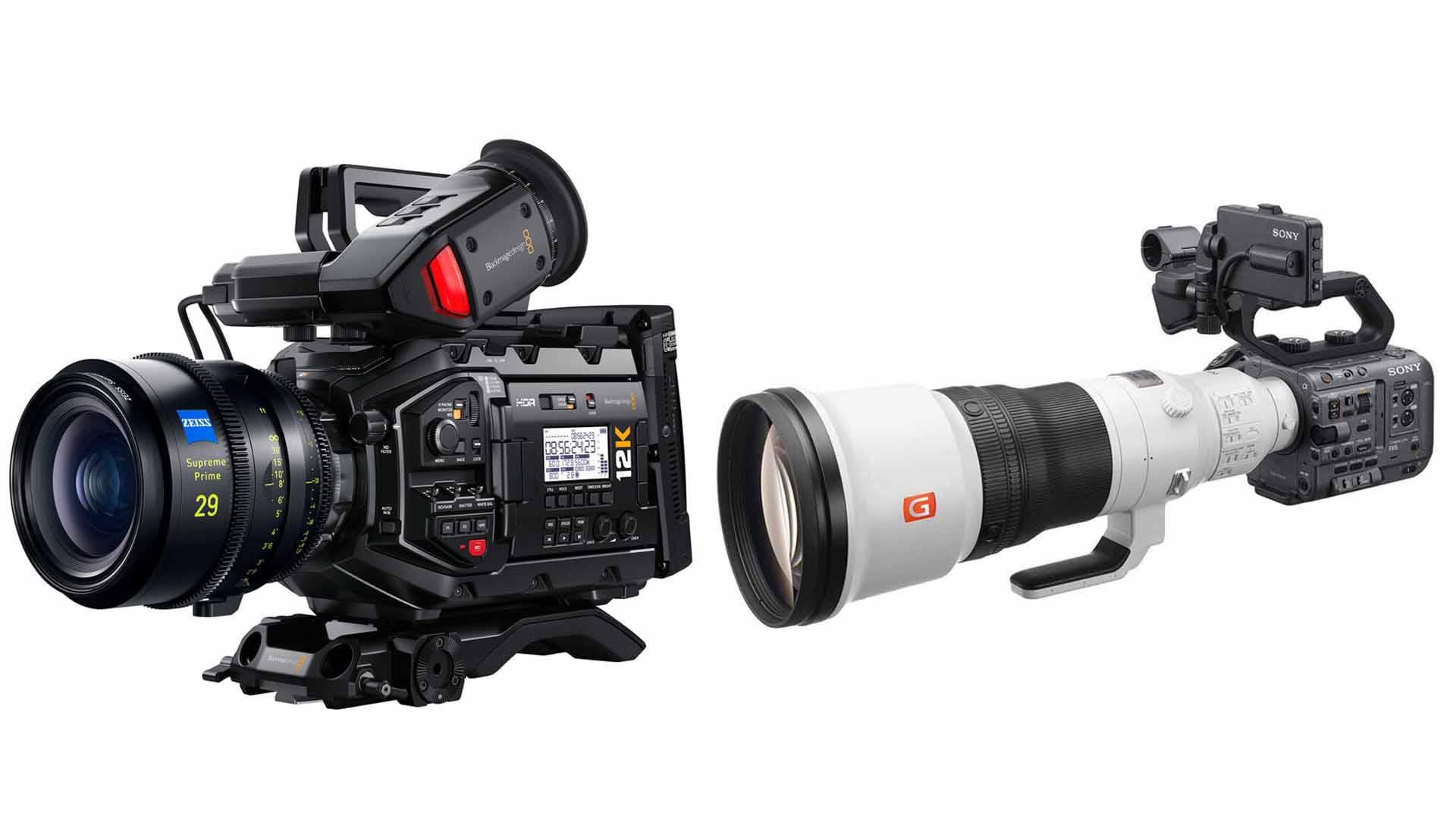
Which is the better investment?
Cameras have become a lot better over the last three years, and this means you can now own an amazing cinema camera for about $6,000.
You could produce a solid documentary, commercial, corporate video or short film with half of what it used to cost just a few years ago.
Which brings me to this article. I wanted to compare two cameras from the ‘rebels’ who contributed to this massive price reduction.
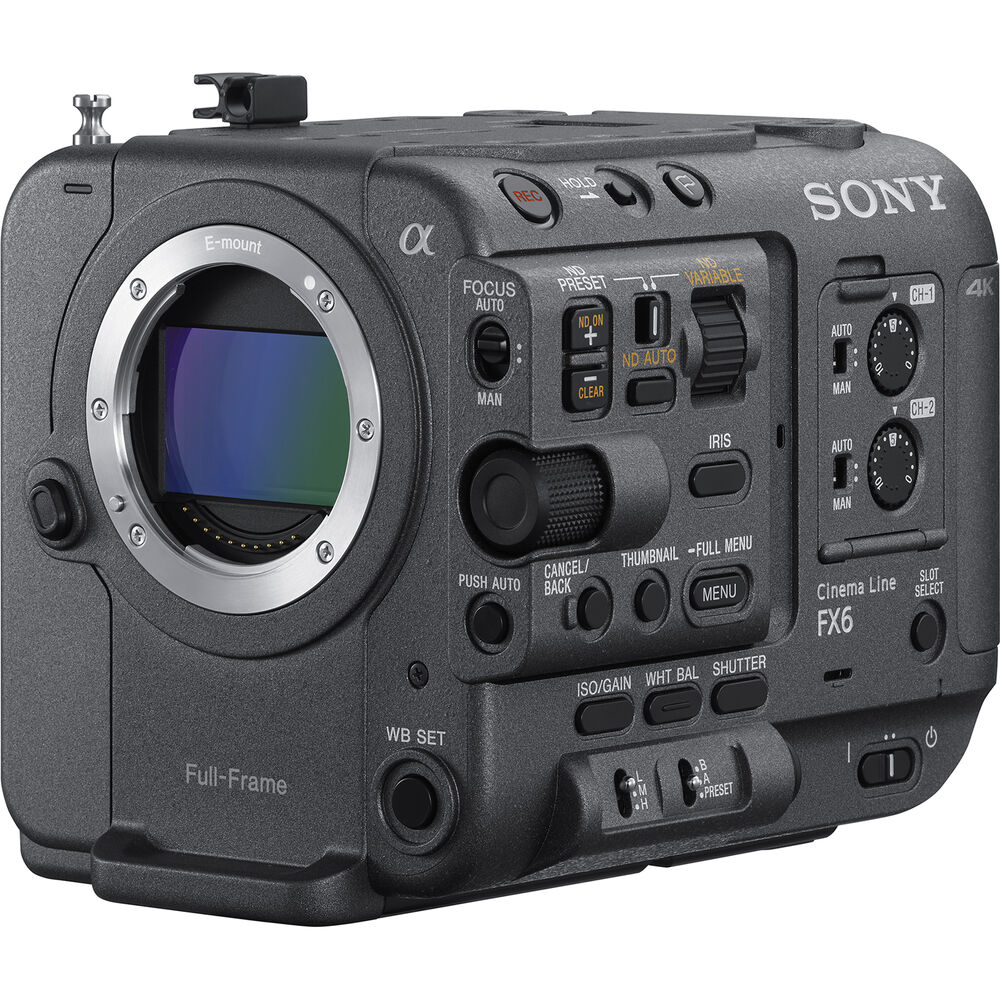
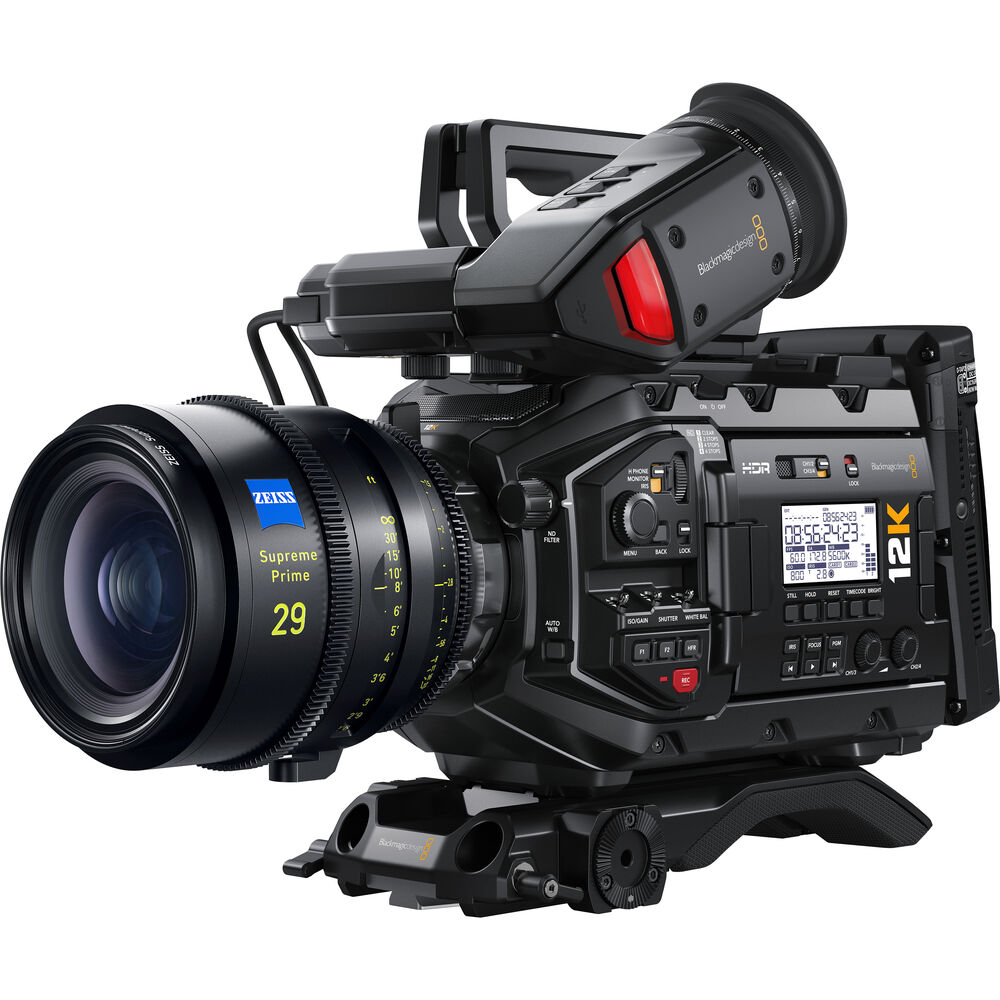
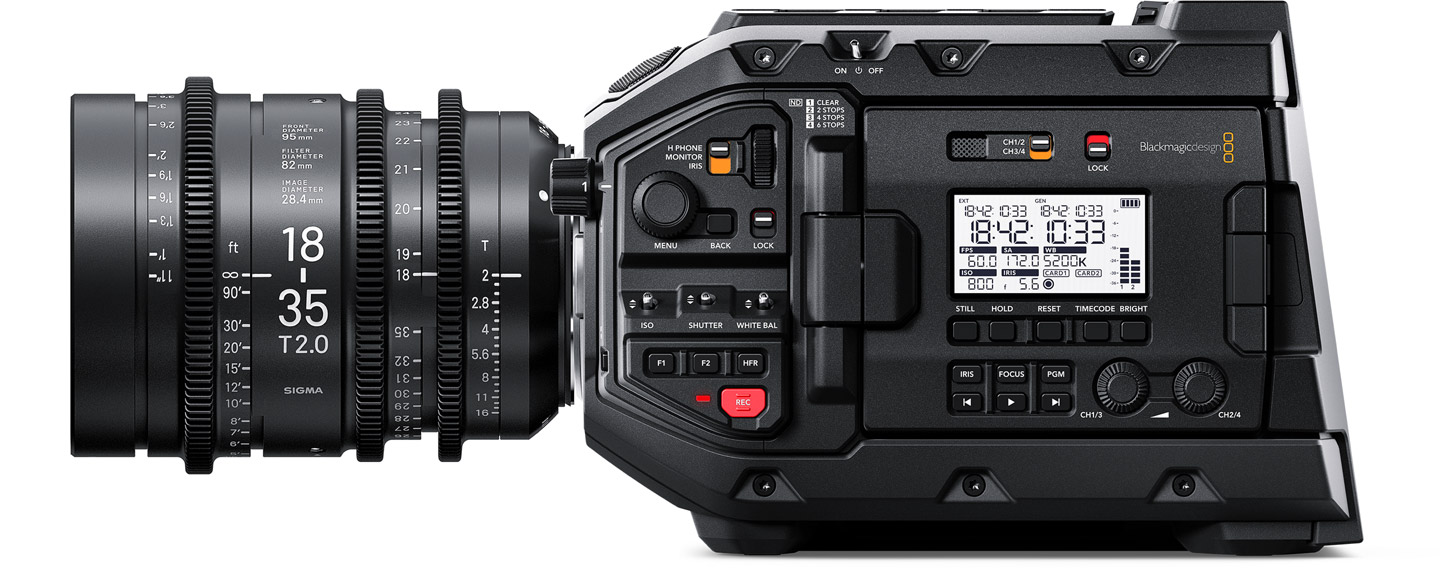
Blackmagic Design already has the solid URSA Mini Pro G2 (Amazon, B&H) in their lineup. Now Sony arrives with guns blazing with their new ridiculously compact and lightweight Sony FX6 (Amazon, B&H).
I’ll compare the two, with available information and specifications, to see which one makes the most sense for professional use. If this isn’t your cup of tea, exit now.
Comparison of sensors and video features
Here’s how the camera sensors compare:
| Camera | Resolution | Sensor Size |
| URSA Mini Pro G2 | 4608 × 2592 | 25.34 x 14.25mm |
| Sony FX6 | 4096 x 2160 | 35.7 x 18.8mm |
The URSA Mini Pro G2 is a Super 35mm-sized sensor, while the FX6 is a full frame sensor. What about low light and dynamic range? Here’s the information:
| Camera | Dynamic Range | ISO Range | Built-in ND |
| URSA Mini Pro G2 | 15 | 200-3200 | 2, 4, 6 |
| Sony FX6 | 15+ | 320-409600 | 2-7 stops |
It is not like Blackmagic is putting up a real fight when it comes to low light. Their Pocket cameras have made great strides in this area, but the URSA range still lags behind.
Sony has a full frame sensor whereas Ursa Mini Pro G2 doesn’t. However Ursa has a higher resolution than the FX6. The Sony FX6 (Amazon, B&H) has greater reach with the internal ND filter over the G2.
What about frame rates?
| Camera | Max fps at 4K | Max fps at 1080p |
| URSA Mini Pro G2 | 120 fps @ 4K, 150 fps @UHD | 300 fps @ 1080p |
| Sony FX6 | 120 fps @ 4K | 240 fps @ 1080p |
Here the Ursa Mini Pro G2 (Amazon, B&H) fares better. If you want HFR, the choice is fairly obvious. To be honest, Ursa mini is the only competition that Sony has when it comes to high frame rates. The question is, is the difference between 120 and 150 fps that great for practical reasons? I don’t think so, but your opinion might be otherwise.
Let’s not forget Sony has continuous autofocus even at 120fps (although not at 24p for some strange reason). Reliable AF tracking lets you handle more types of projects.
On the whole I’ll give this round to the FX6.

Codecs:
| Camera | RAW | Bit depth | Internal Codec |
| URSA Mini Pro G2 | Compressed BRAW | 12-bit | Apple Prores XQ and down |
| Sony FX6 | ProRes RAW* | 16-bit | XAVC-I/L |
The URSA Mini Pro G2 (Amazon, B&H) has the Sony FX6 beat here. There is one caveat though: BRAW isn’t truly RAW. But, the question is: How many people in this price bracket care? I’ve worked with Blackmagic RAW and it works a treat, especially with DaVinci Resolve.
The FX6 is at a bit of a disadvantage here considering you will need an Atomos Ninja V to record RAW.
As far as XAVC-I is concerned, it’s a mature codec by this point, though Prores is recognized by everybody by this point.
Finally, what you get externally:
| Camera | Connection | Best external resolution and fps | Audio |
| URSA Mini Pro G2 | 12G SDI x2 | 2160p @ 60fps | 2x XLR |
| Sony FX6 | 12G SDI x1 | 4K DCI @ 120fps | 2x XLR |
The Sony FX6 (Amazon, B&H) can record 4K DCI at 120fps with an external recorder. That’s a great added advantage, though no RAW at this frame rate.
Lenses
| Camera | Mount | Price |
| URSA Mini Pro G2 | Canon EF, PL, F, B4 | $175-385^ |
| Sony FX6 | Sony E mount | $0 |
Both lineups have their positives and negatives. The Sony FX6 edges out the G2 purely based on the added advantage of realtime AF and face and eye. detection.
| Camera | Continuous Autofocus |
| URSA Mini Pro G2 | None |
| Sony FX6 | Phase Detection AF with Real Eye Tracking |
Focus, monitoring and ergonomics
URSA Mini Pro G2 (Amazon, B&H) is larger and heavier and by a lot. Even after adding a whole lot of accessories the Sony FX6 (Amazon, B&H) is still lighter than the URSA Mini’s body by about 300g.
| Camera | Volume | Weight |
| URSA Mini Pro G2 | 281.6 cubic inches | 2300g |
| Sony FX6 | 123 cubic inches | 890g |
The FX6 can do more, it is small enough to be used on drones and gimbals. The G2 won’t be most people’s first choice.
What about the LCD monitor?
| Camera | Monitor |
| URSA Mini Pro G2 | 4” touchscreen |
| Sony FX6 | 3.5” touchscreen |
The LCD on the FX6 can be repositioned.
Sony wins and by a wide margin. Be it autofocus, or size and weight, or ergonomics, Sony wins this battle through and through.

Batteries and media cards
Here’s a look at the media options:
| Camera | Dual card slots | Price per GB for 480/512 GB* | Card Reader* |
| URSA Mini Pro G2 | CFast 2.0 + SD + USB-C | $1.37/GB | CFast 2.0 Reader ($49.5) |
| Sony FX6 | Yes, CFexpress Type A and SD | $2.5/GB for CFexpress Type A $1.5/GB for SD | CFexpress Card reader ($118) |
Clearly the FX6 uses more expensive media. Blackmagic takes this one. The price differential is not unsubstantial:
| Camera | Price per 2 hours of footage | Card Reader | Max Data Rate in 4K |
| Sony FX6 | $660 | $118 | 75 MB/s |
| URSA Mini Pro G2 | $880 | $49.5 | 183 MB/s * |
If you like SSDs it goes even lower with the G2. One positive about the FX6 is you can transfer video directly from the camera to a computer via USB-C.
What about battery life?
| Camera | Battery life with 2 batteries | Cost of a battery | Cost of 6 hours of operation |
| URSA Mini Pro G2 | 4 hours | $275 | $874 |
| Sony FX6 | 7 hours | $640 | $640 |
The Sony FX6 (Amazon, B&H) rules when you want to shoot continuously, two batteries should be enough for a day of shooting. Less changes per day.
The URSA Mini Pro G2 (Amazon, B&H) has XLR for DC input. The Sony FX6 has DC 19.5V input.
The URSA Mini Pro G2 would need a top handle, but you do get one with the Sony FX6. This is an another added cost that Sony has so gifted to the consumers for “free”.
Which is cheaper to own?
Shall we?
| Camera | Sony FX6 | URSA Mini Pro G2 |
| Camera body | $5,998 | $5,995 |
| Cost of two hours of footage | $660+$118 | $880+$49.5 |
| Batteries (Cost of 6 hours of operation) | $640 | $874 |
| Top Handle | $0 | $85 |
| Total | $7,416 | $7,883 |
The price difference of about $465 isn’t that great. The choice will come down to usability and exactly what kind of work you’re doing.
Verdict
First, a recap:
| Feature | Winner |
| Dynamic Range and colors | URSA Mini G2 |
| ISO and Low Light | Sony FX6 |
| Frame Rates | URSA Mini G2 |
| Variety of Lenses | Tie |
| Media | Tie |
| Ergonomics | Sony FX6 |
| Battery life | Sony FX6 |
| AF | Sony FX6 |
I interact with thousands of filmmakers every year, and I can tell you: We all like to think we’re the next Roger Deakins, but the actual work doesn’t really warrant anything better than what either of these cameras are capable of producing.
Before we take our final decision, we’ll let each camera tell us what it offers that the other doesn’t:
| Camera | USP | Major Cons |
| URSA Mini Pro G2 | Davinci Resolve Studio, more media choices, internal RAW | Large and heavy, poor low light |
| Sony FX6 | Small and lightweight, low light performance, AF, full frame sensor | No RAW internally |
The choice is not that obvious, but to my mind, the Sony FX6 (Amazon, B&H) wins. It allows you to tackle more projects than the URSA Mini Pro G2 can. The G2 is quite “old”, and I expect a newer iteration sometime soon.
