
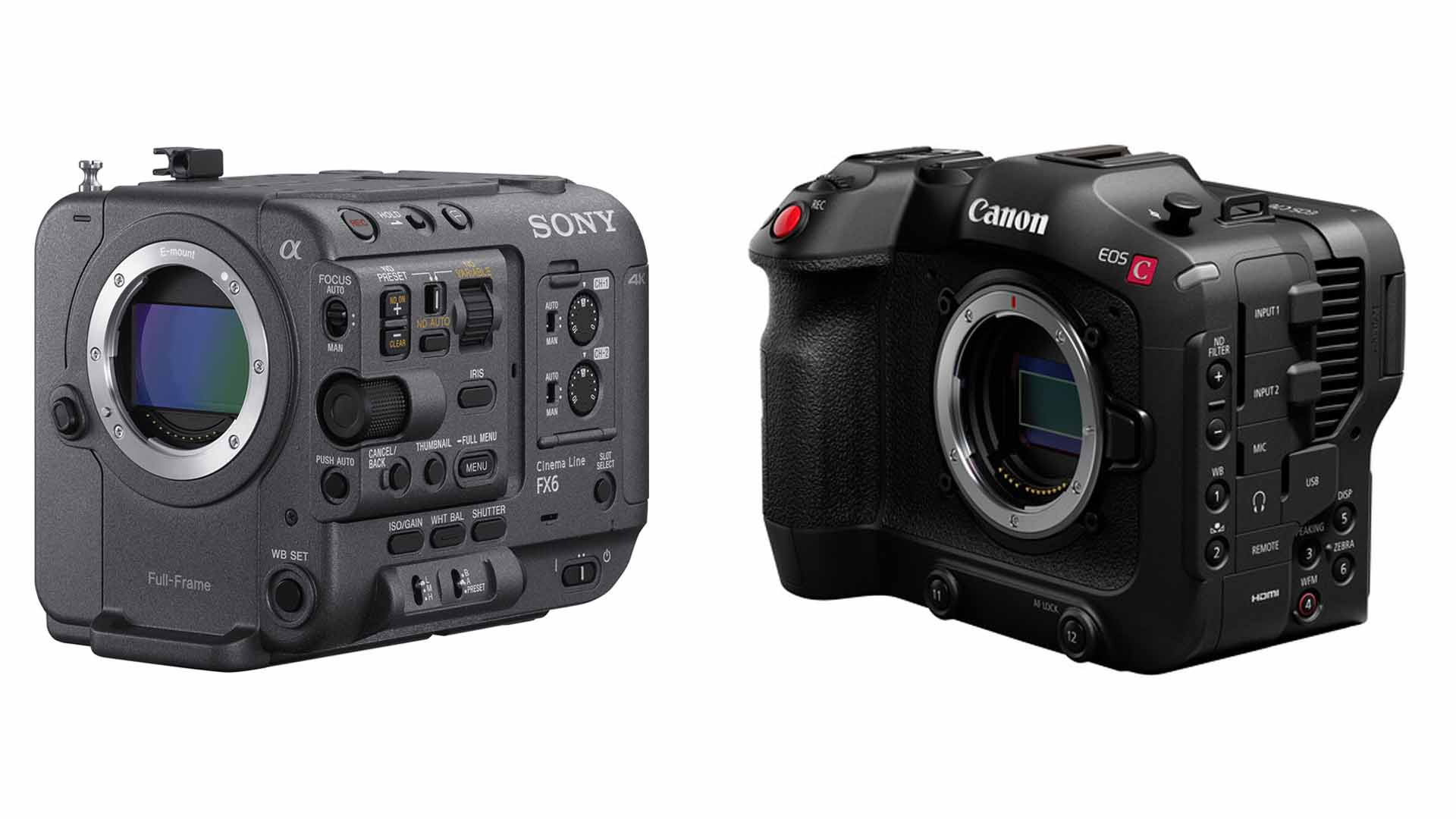
This article is a comparison of the specifications of the Canon EOS C70 (Amazon, B&H) and Sony FX6 (Amazon, B&H) for professional work with currently available information and/or firmware as of this writing.
If comparing specs isn’t your cup of tea, then stop reading.
Both the FX6 and C70 are aimed at the same target audience. Solo videographers, filmmakers and cinematographers who need to put food on the table with their cameras. They work multiple kinds of projects, and versatility is important.
Which is the most versatile camera? Let’s find out.
Comparison of sensors and video features
Here’s how the camera sensors compare for video:
| Camera | Resolution | Video ISO Range | Sensor Size |
| Sony FX6 | 4096 x 2160 | 320-409,600 | 35.7 x 18.8mm |
| Canon EOS C70 | 4096 x 2160 | 100-102,400 | 26.2 x 13.8 mm |
Canon claims to have the improved and revolutionary DGO sensor (same as the C300 Mark III) in the Canon EOS C70 (Amazon, B&H). We haven’t tested it yet, but going by the images they should make most people happy.
The FX6, on the other hand, is more like the a7S III (is it the same sensor?), with very similar features. One area the FX6 is clearly ahead is in low light performance.
The Sony FX6 (Amazon, B&H) has two native ISOs (800 and 12800). It has a full-frame sensor, which is attractive to some people.
What about frame rates?
| Camera | Max fps at 4K | Dynamic Range | Max fps at 1080p |
| Sony FX6 | 119.9 fps | 15+ stops | 240 fps |
| Canon EOS C70 | 119.9 fps | 16+ stops (-6 to 54 dB Gain) | 180 fps |
The FX6 has a slight edge in fps at 1080p (though it’s debatable how useful it really is). The dynamic range cannot be directly compared because of the way manufacturers test their cameras.
Let’s look at the codecs and color information:
| Camera | RAW and Code in 4K and Higher | Color Information |
| Sony FX6 | ProRes RAW 4K*, XAVC-I/L | 10-bit 4:2:2 |
| Canon EOS C70 | XF-AVC Intraframe | 10-bit 4:2:2 |
The Sony FX6 can record RAW externally with an Atomos Ninja V recorder. The Canon EOS C70 can’t.
Going by this information alone, I’d give this to the FX6 by a slight margin.


Focus, exposure aids and ergonomics
The little things make all the difference:
| Camera | Exposure |
| Sony FX6 | Waveform, Exposure Index, Zebras, LUTs |
| Canon EOS C70 | Waveform, Zebras, False Color |
The C70 has an in-built false color tool, something that will help professionals a lot. Both have focus peaking, though the Canon EOS C70 (Amazon, B&H) has two focus peaking presets for different situations.
The Sony FX6 (Amazon, B&H) comes with pre-loaded LUTs and S-Cinetone. I don’t think both cameras will disappoint most shooters.
As far as size and weight are concerned:
| Camera | Ergonomics | Weight |
| Sony FX6 | Compact and lightweight, Comes with a top handle with a multi interface shoe. | 890g |
| Canon EOS C70 | Mini XLR, HDMI and buttons on the left along with the LCD makes it inconvenient for a solo operator. | 1430g |
It is very apparent that the Sony FX6 (Amazon, B&H) is marvelously compact. The form factor of the C70 might seem impressive on first glance, but the ports and buttons on the same side as the LCD makes it a very questionable design decision. I can tell you it will irritate the hell out of me in real world shooting situations.
The C70 also has a mirrorless form factor even though it doesn’t have an EVF. Overall, the size and ergonomics of the FX6 is what most video cameras have always had.
The FX6 is the better camera for run and gun shoots. Both cameras claim to be weather resistant, but neither are guaranteed to be weather sealed. Both cameras have fans for continuous recording, and the fans are silent enough for audio recording.
ND Filters
When it comes to ND filters, both cameras are pretty similar. The motorized optical ND filter system of the C70 appeals to me more, and it gives a very useful 10 stop range when in a pinch:
| Camera | Module | Type |
| Sony FX6 | 2 to 7 stops | Electronic Optical |
| Canon EOS C70 | 2, 4, 6, (8 & 10)* | Motorized Optical |

Autofocus
While Canon EOS C70 (Amazon, B&H) boasts an improved autofocus with the Dual Pixel CMOS EOS iTR AF X, Sony claims the Sony FX6 (Amazon, B&H) with Real Eye AF and Face only detection is revolutionary, and their best yet. Canon has had the best autofocus in the industry and the only tough competition they have is Sony. I would be surprised if either camera disappoints its owner.

Audio Inputs
Here we find a big difference between the two cameras. The Canon EOS C70 (Amazon, B&H) has two mini XLR inputs. You will need an XLR to mini XLR adapter. The Sony FX6 (Amazon, B&H) has two XLR inputs in the top handle that you get with the camera. Clearly, Sony considered the need of professional audio recording and gave the proper provisions.
The other advantage with the FX6 is you can control audio levels easily right from the operator side. We have to do a real world test to check preamp quality, but I expect them to be similar enough for this market segment.
Lenses
When it comes to lenses I expect both cameras to perform equally well. Both Canon and Sony have fleshed out lenses (Canon with an adapter) and they work great. If you want to know more, check out these articles:
Batteries and media cards
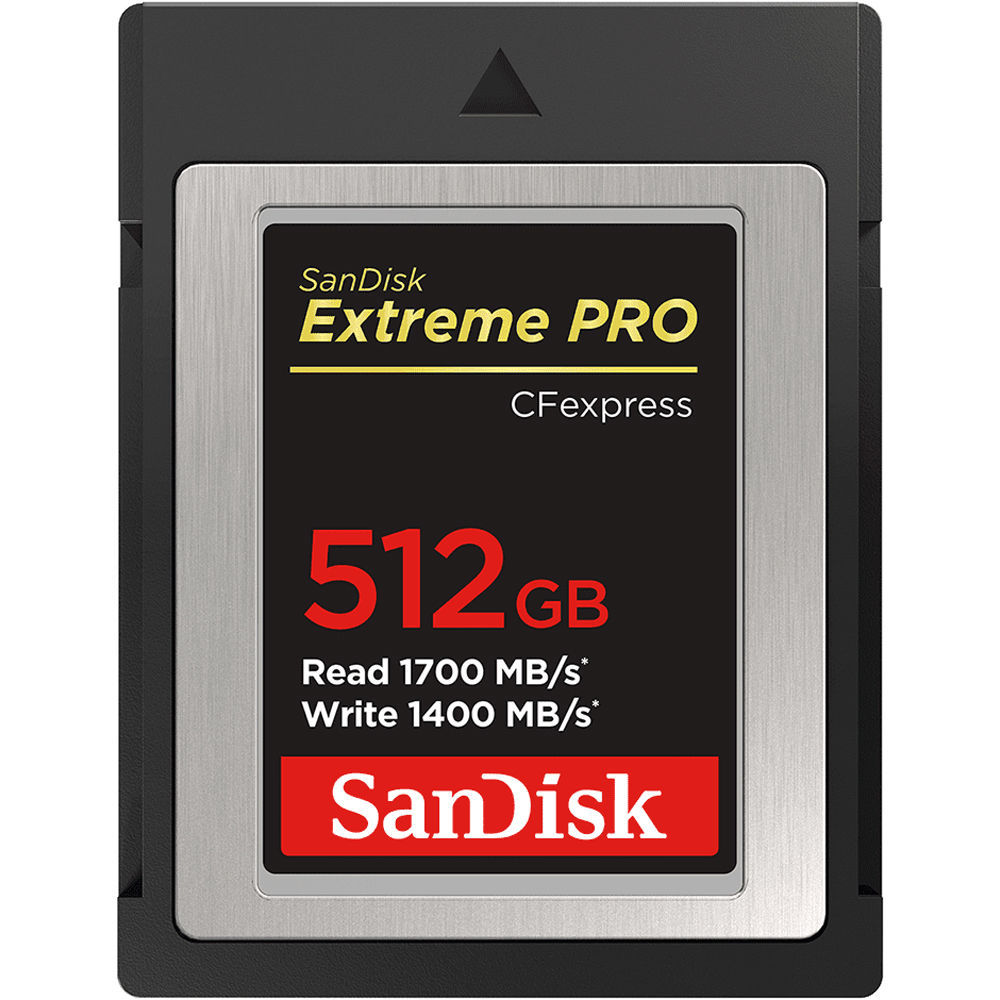
Here’s a look at the media
| Camera | Dual card slots | Price per GB* | Max Data Rate in 6K/4K | Card Reader |
| Sony FX6 | Yes, Cfexpress Type A and SD | $2.5/GB for CFexpress $1.5/GB for SD | 75 MB/s | $118 |
| Canon EOS C70 | Yes, SDXC | $1.5/GB | 51.25 MB/s | $0 |
CFexpress Type A cards are not cheap. For practical shoots, you will need multiple cards. This really adds to your budget for the best quality 4K.
The price differential is not unsubstantial:
| Camera | Price per 2 hours of footage* |
| Sony FX6 | $778 |
| Canon EOS C70 | $270 |
If you like SSDs it goes even lower with the G2. One positive about the FX6 is you can transfer video directly from the camera to a computer via USB-C.
What about battery life?
| Camera | Battery life* | Cost of one battery | Cost of 6 hours of operation |
| Sony FX6 | 215 minutes | $320 | $640 |
| Canon EOS C70 | 180 minutes | $240 | $480 |
The FX6 is clearly more expensive in the media and battery departments.
Which is cheaper to own?
Let’s just add up the costs:
| Camera | Canon EOS C70 | Sony FX6 |
| Camera body | $5,499 | $5,998 |
| Media (2 hours) | $270 | $778 |
| Batteries (6 hours) | $480 | $640 |
| Total | $6,249 | $7,416 |
There is a difference of about $1,167. This is money you will have to recover somehow. You can buy a new lens with it, or just put it in the bank for a rainy day.
Recap
First, a recap:
| Feature | Winner |
| Sensor and ISO | Sony FX6 |
| Video features | Sony FX6 |
| DR and Color | Tie |
| Exposure Aids | Tie |
| Media | Canon C70 |
| Lenses | Tie |
| Ergonomics | Sony FX6 |
| Ports and Monitoring | Sony FX6 |
| Audio | Sony FX6 |
| Autofocus | Tie |
| Battery life | Canon C70 |
Before we take our final decision, we’ll let the cameras tell us what they offer that the others don’t:
| Camera | USP | Major Cons |
| Sony FX6 | 1080p 240 fps, XLR, better ergonomics, low light performance | Expensive media and battery |
| Canon EOS C70 | False Color tool, cheaper | Mini XLR, Bad input placement |

My Verdict
I said I’ll try to provide a balanced overview, even though it’s hard.
The big question is:
Will the extra $1,167 spent on the FX6 make you more money?
My answer? Yes, I think so. In the long run, these important features of the Sony FX6 (Amazon, B&H) will help you do more kinds of projects and save you more time:
- Low light performance
- Full-size XLR inputs
- Better ergonomics
- Simple gimbal balance
- You can use SD cards and third-party batteries to bring down the cost differential
I know people won’t care if they can afford the camera they want, regardless of what might be best for them.
For me, the Sony FX6 (Amazon, B&H) wins. It has a better chance of putting more food on the table in this coming economic climate. If you’re under a budget and seriously considering which camera is best, I hope this comparison helps you some.
What do you think?

where do you get your opinion from the fx6 may work better on a gimbal? the c70 has ports on the left side which is perfekt for gimbals (usually motor is right side) and its shorter than the fx6 so you can attach longer lenses.