

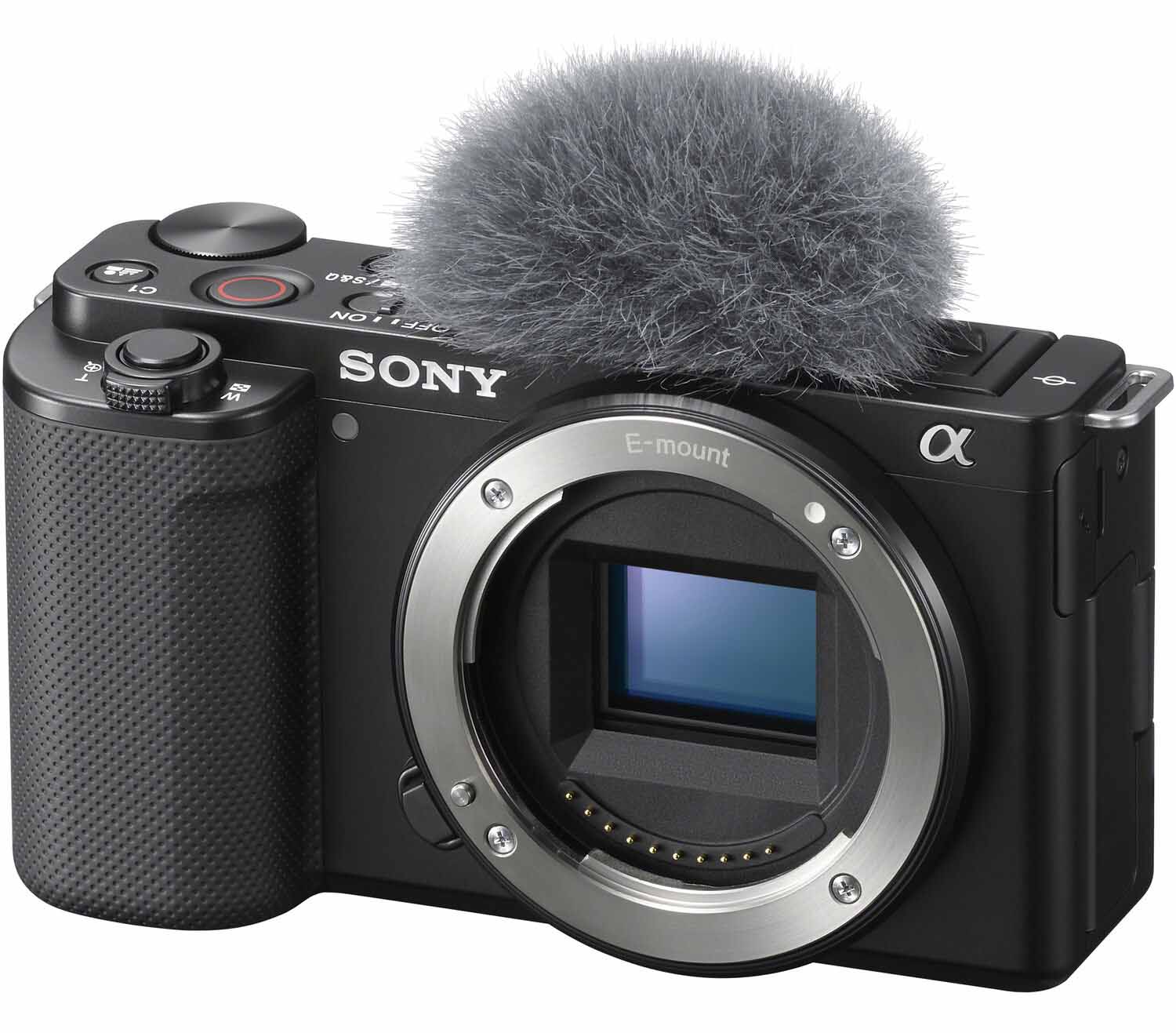
Sony has come out all guns blazing in the vlogging sector with the Sony ZV-E1 (Amazon, B&H). It supposedly has the same sensor and image quality as the Sony a7S III, which I reviewed here:
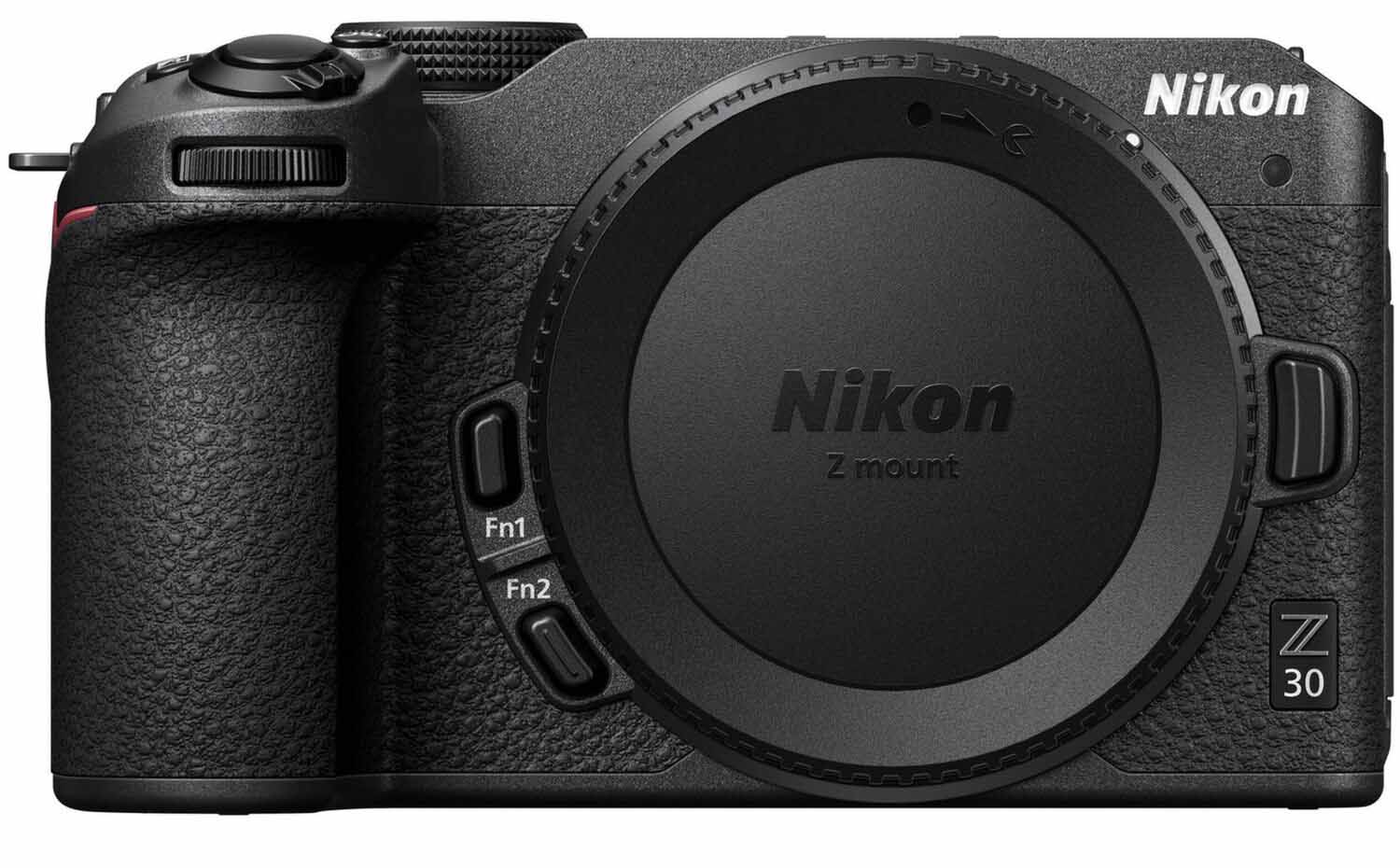
This segment has some serious competition going on with the Canon R50 (Amazon, B&H), the Nikon Z30 (Amazon, B&H) and the the Sony ZV-E10 (Amazon, B&H), all of which come in a lot cheaper. In fact, you could buy all the other three cameras together for less than the price of the ZV-E1!
The vlogging segment shows no signs of slowing down, so it makes sense for Sony to cater to this mushrooming market.
Has Sony come out with a game changer? Let’s find out with this fun comparison.
Quick menu
- Comparison of sensors and video features
- Exposure, focus and ergonomics
- Audio
- Image Stabilization
- Autofocus
- The costs of media and batteries
- Which is cheapest to own?
- Recap
- Verdict. Who wins?
Comparison of sensors and video features
The biggest difference among all the cameras is that the Sony ZV-E1 (Amazon, B&H) has a full frame sensor.
All the other cameras have APS-C sensors; which is more than enough for vloggers, being close to the Super35mm sensor size.
Here’s how the camera sensors compare:
| Camera | Sensor Size | Crop Factor |
| Sony ZV-E1 | 35.6 x 23.8 mm | 1.0 |
| Canon R50 | 22.3 x 14.9 mm | 1.6 |
| Nikon Z30 | 23.5 x 15.7 mm | 1.5 |
| Sony ZV-E10 | 23.5 x 15.6 mm | 1.5 |
The Canon R50 has a slightly smaller sensor but that’s par for the course for Canon. Their APS-C cameras have almost always had a crop factor of 1.6.
On to video specs:
| Camera | Resolution | Max FPS (4K/1080p) | Video ISO Range |
| Sony ZV-E1 | 3840 x 2160 | 120/240^ fps | 80-102400 |
| Canon R50 | 3840 x 2160* | 30/120 fps | 100-12800 |
| Nikon Z30 | 3840 x 2160 | 30/120 fps | 100-25600 |
| Sony ZV-E10 | 3840 x 2160* | 30/120 fps | 100-32000 |
^It’s 60/120 fps right now. Upgradable by a firmware update to 120 fps in 4K and 240 fps in 1080p with a 10% image crop. Expected after June 2023. Click here for details.
*6K oversampled to UHD in the Canon R50 and the Sony ZV-E10.
Only the Sony ZV-E1 and the Sony ZV-E10 can shoot in log (S-log3).
Next, the codecs and color information:
| Camera | Codec in 4K | Color Information |
| Sony ZV-E1 | H.264, H.265 | 10-bit 4:2:2 and 10-bit 4:2:0^ |
| Canon R50 | H.264, H.265 | 10-bit 4:2:2* / 8-bit 4:2:0 |
| Nikon Z30 | H.264 | 8-bit 4:2:0 |
| Sony ZV-E10 | H.264 | 8-bit 4:2:0 |
^Depends on the frame rate and codec chosen.
*When HDR PQ is enabled.
All four cameras have an HDMI Type D (Micro) port.
All four cameras can be charged with a USB type C cable. It can also be used for data transfers. The Sony ZV-E1 has USB 3.2 while the Nikon Z30 (Amazon, B&H) has USB 3.0. The Canon R50 and Sony ZV-E10 which has only – wait for it – USB 2.0.
Exposure aids and ergonomics
The Sony ZV-E1 has a 3″ TFT screen, which is supposed to be slightly better than LCD screens, which is what the other three cameras have.
The Canon R50 (Amazon, B&H) is the only camera which has an electronic viewfinder with 2.36 million dots. An EVF isn’t that important for vlogging, though.
Regarding size and weight:
| Camera | Dimensions | Weight (with card and battery) |
| Sony ZV-E1 | 121 x 71.9 x 54.3 mm | 483g |
| Canon R50 | 116 x 86 x 69 mm | 375g |
| Nikon Z30 | 128 x 74 x 60 mm | 405g |
| Sony ZV-E10 | 115 x 64 x 45 mm | 343g |
The Sony ZV-E10 (Amazon, B&H) is a lighter camera compared to the other four. Weight depends on the size and capacity of the battery and media cards used. Let’s not forget, the Canon R50 has an EVF and is still close enough you won’t feel the weight difference.
Regarding exposure aids, they’re all the same:
| Camera | Exposure Aids |
| Sony ZV-E1 | Zebra, Histogram, Meter |
| Canon R50 | Zebra, Histogram, Meter |
| Nikon Z30 | Zebra, Histogram, Meter |
| Sony ZV-E10 | Zebra, Histogram, Meter |
Audio
As far as audio is concerned, the specs should be good enough for vlogging:
| Camera | Headphone Jack | Microphone Jack | Audio Specs |
| Sony ZV-E1 | Yes | Yes | 16-bit 48 kHz |
| Canon R50 | No | Yes | 16-bit 48 kHz |
| Nikon Z30 | No | Yes | 16-bit 48 kHz |
| Sony ZV-E10 | Yes | Yes | 16-bit 48 kHz |
The Sony ZV-E1 (Amazon, B&H) and Sony ZV-E10 (Amazon, B&H) have an advantage because they are the only cameras in this comparison that have a headphone jack.
Image Stabilization
The Sony ZV-E1 (Amazon, B&H) has IBIS. The others don’t. They have digital image stabilization, though the ZV-E1 does, too.
Autofocus comparison
The Sony ZV-E1 (Amazon, B&H) has an AI-based fast hybrid autofocus with 627 points. I wouldn’t read too much into it, because face and eye detection have been around for a few years now, and Sony, along with Canon, are class-leaders on this front.
The Canon R50 (Amazon, B&H) has Dual Pixel CMOS AF II, with 527 AF points. The Nikon Z30 (Amazon, B&H) has a hybrid phase detection AF with 209 (single-point AF) points and the Sony ZV-E10 (Amazon, B&H) had a hybrid autofocus with 425 AF points respectively.
These numbers only mean something in the stills world. As far as video is concerned I’d have to give this one to the Sony and Canon, and both these cameras would satisfy most vloggers.
We’ll be sure to test it out once we get our hands on the camera. Stay tuned!
None of the other cameras in this comparison have IBIS. All of them are limited to digital image stabilization. This means you might want a gimbal for handheld shots.

Batteries and media cards
Here’s a look at the media costs:
| Camera | Card slots | Price per GB for 64 GB* |
| Sony ZV-E1 | SD/SDHC/SDXC slot (UHS-II compatible) | $0.23/GB |
| Canon R50 | SD/SDHC/SDXC slot (UHS-I compatible) | $0.23/GB |
| Nikon Z30 | SD/SDHC/SDXC slot (UHS-I compatible) | $0.23/GB |
| Sony ZV-E10 | SD/SDHC/SDXC + Memory Stick Pro Duo | $0.23/GB |
And data rates:
| Camera | Data rate in 4K 24 fps | Recording Limit in 4K* |
| Sony ZV-E1 | 240 Mbps | N/A |
| Canon R50 | 120 Mbps | 1 hour |
| Nikon Z30 | 144 Mbps | 35 minutes |
| Sony ZV-E10 | 100 Mbps | 13 hours |
*Overheating and battery limits apply.
Cost per four hours of data in 4K 30p:
| Camera | Total Data | Cost for 4 hours |
| Sony ZV-E1 | 422 GB | $97 |
| Canon R50 | 211 GB | $48 |
| Nikon Z30 | 253 GB | $58 |
| Sony ZV-E10 | 176 GB | $40 |
What about battery life?
| Camera | Battery life | Cost one one battery | Cost of 6 hours of operation |
| Sony ZV-E1 | 95 minutes | $78 | $296 |
| Canon R50 | 80 minutes | $60 | $270 |
| Nikon Z30 | 60 minutes | $57 | $342 |
| Sony ZV-E10 | 80 minutes | $54 | $243 |
Battery cost differences are negligible all things said and done.
Which is cheaper to own?
Let’s just add up the costs:
| Camera | Sony ZV-E1 | Canon R50 | Nikon Z30 | Sony ZV-E10 |
| Camera body | $2,198 | $679 | $656 | $698 |
| Media and Accessories | $97 | $49 | $58 | $40 |
| Batteries | $296 | $270 | $342 | $243 |
| Total | $2,591 | $998 | $1,056 | $981 |
We knew at the beginning the Sony ZV-E1 (Amazon, B&H) is more than twice the price of the other cameras. Is it 2.5x better than any of the other cameras in this comparison?
Recap
Who wins each feature?
| Feature | Winner |
| Sensor and ISO | Sony ZV-E1 |
| Video features | Sony ZV-E1 |
| Dynamic Range | Sony ZV-E1 |
| Color and Codec | Sony ZV-E1 |
| IBIS | Sony ZV-E1 |
| Exposure Aids | Tie |
| Media | Sony ZV-E10 |
| Ergonomics | Both the Sony cameras |
| Articulating Screen | Tie |
| Audio | Both the Sony cameras |
| Lenses | Sony ZV-E10 |
| Autofocus | Sony ZV-E1 and Canon R50 |
| Battery life | Tie |
Before we take our final decision, we’ll let the cameras tell us what they offer that the others don’t:
| Camera | USP | Major Cons |
| Sony ZV-E1 | IBIS, Full Frame, Dynamic Range, 120 fps in 4K, headphone, Low Light | Price, Weight |
| Canon R50 | 6K oversampling, 10-bit 4:2:2, EVF | Recording limit, No IBIS, Low light |
| Nikon Z30 | Can’t think of any! | Recording limit, 8-bit 4:2:0, AF |
| Sony ZV-E10 | 6K oversampling, headphone jack, Recording limit | 8-bit 4:2:0 |

My Verdict
Let’s say you don’t want to vlog, but also would like to shoot some cinematic films and short films. In this case, this is how things would stack up:
| Type of Filmmaking | Preferred Camera | Major Reasons |
|---|---|---|
| Documentaries, journalism and corporate videos | Sony ZV-E1 | Low light, headphone jack, colors, etc. |
| Short or feature films | Sony ZV-E1 | Dynamic range, colors |
| Music Videos | Sony ZV-E1 | High Frame Rate |
| Wildlife | Sony ZV-E1 | Low light, HFR |
| Weddings and Events | Sony ZV-E1 | Long recording times, low light, color |
| Vlogging | Sony ZV-E10 | Cheap and does everything you need |
If I had to pick one camera as the best, it’s obviously the Sony ZV-E1 (Amazon, B&H).
However, this comparison is for vlogging cameras. And the Sony ZV-E10 (Amazon, B&H) wins. You could buy two of these camera bodies and lenses and still be less than what you’d spend for an E1 body.
And, as a filmmaker if you need a cinema camera, go for the Sony FX3 (Amazon, B&H).
What do you think?
