

Modern cameras are typically modular, which means you’ll need a few accessories to get the most out of them.
It’s extremely useful to know which accessories are important and why they’re used. In this article and video I’ll go over the ten most important camera accessories you will probably need in filmmaking.

Watch the video:
1. External Monitor
The external monitor is the most versatile accessory you can have on your camera.
What is an external monitor?
An external monitor is an LCD or OLED screen, typically larger than the screen on your camera. It is attached to your camera via a monitor mount, and connected to it via HDMI or some form of SDI. A few cameras also have proprietary ports for external monitors.
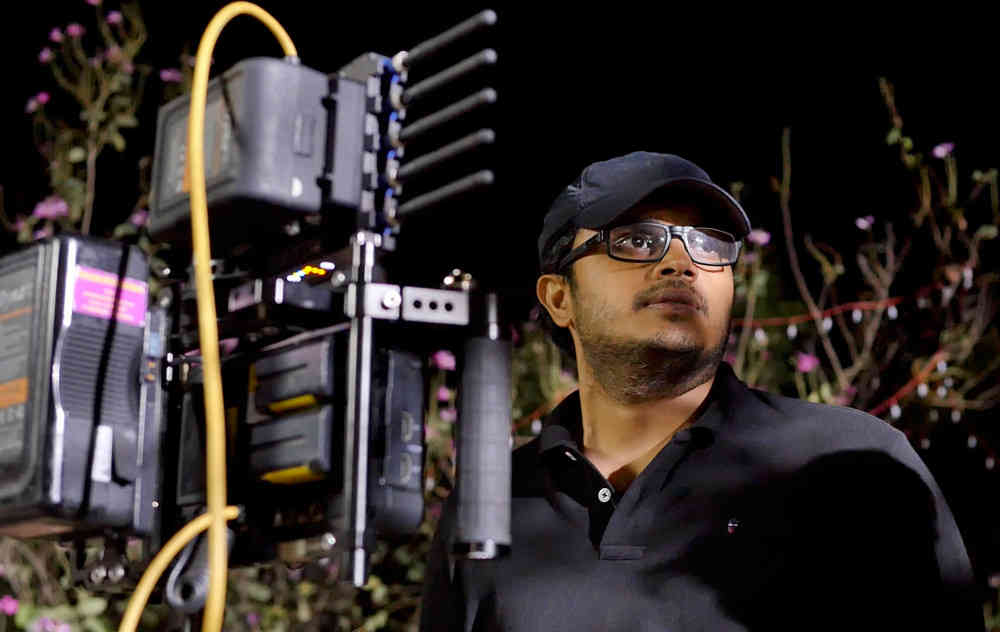
Good external monitors give you additional exposure tools, frame marker tools, and important inputs and outputs that allow you to interface to even more equipment. In the image above I’m watching my footage on an external monitor that’s connected to a wireless system so I can be away from the camera. You have large batteries powering everything.
Most external monitors also have their own power supply, so your camera battery doesn’t drain faster. The larger monitor can be viewed by others on set, like the focus puller or director, and it makes life easier for everyone. With wireless video systems anyone can have an external monitor for their work.
Some external monitors also do double duty as external recorders. I’m not a big fan of external recording, though if you could have that too at the same time it’s not a bad thing.
The biggest advantage of an external monitor is you don’t need to change it whenever you change your camera. I’m still rocking my seven year-old Atomos Shogun, the first one. Never needed to change that, even for my feature film that I released in 2024. That’s almost ten years old.
At the time of this writing, here are my favorite external monitors for different budgets:
- Low budget: Atomos Shinobi (Amazon, B&H)
- Mid and High budget: SmallHD (Amazon, B&H) is my favorite brand of external monitor. They are tough and compact, and offer the fullest range of features one could hope for. I’m a big fan of their OS, custom markers and exposure tools.
- Industry standard: Sony OLED (B&H) monitors.
2. Variable ND Filter
ND stands for Neutral Density.
Some mid and high-end cameras have built-in ND filters. They’re great, and are a must-have. Many low budget cameras don’t have them, though. If you could pick only one kind of filter, I recommend ND filters.
What is an ND Filter?
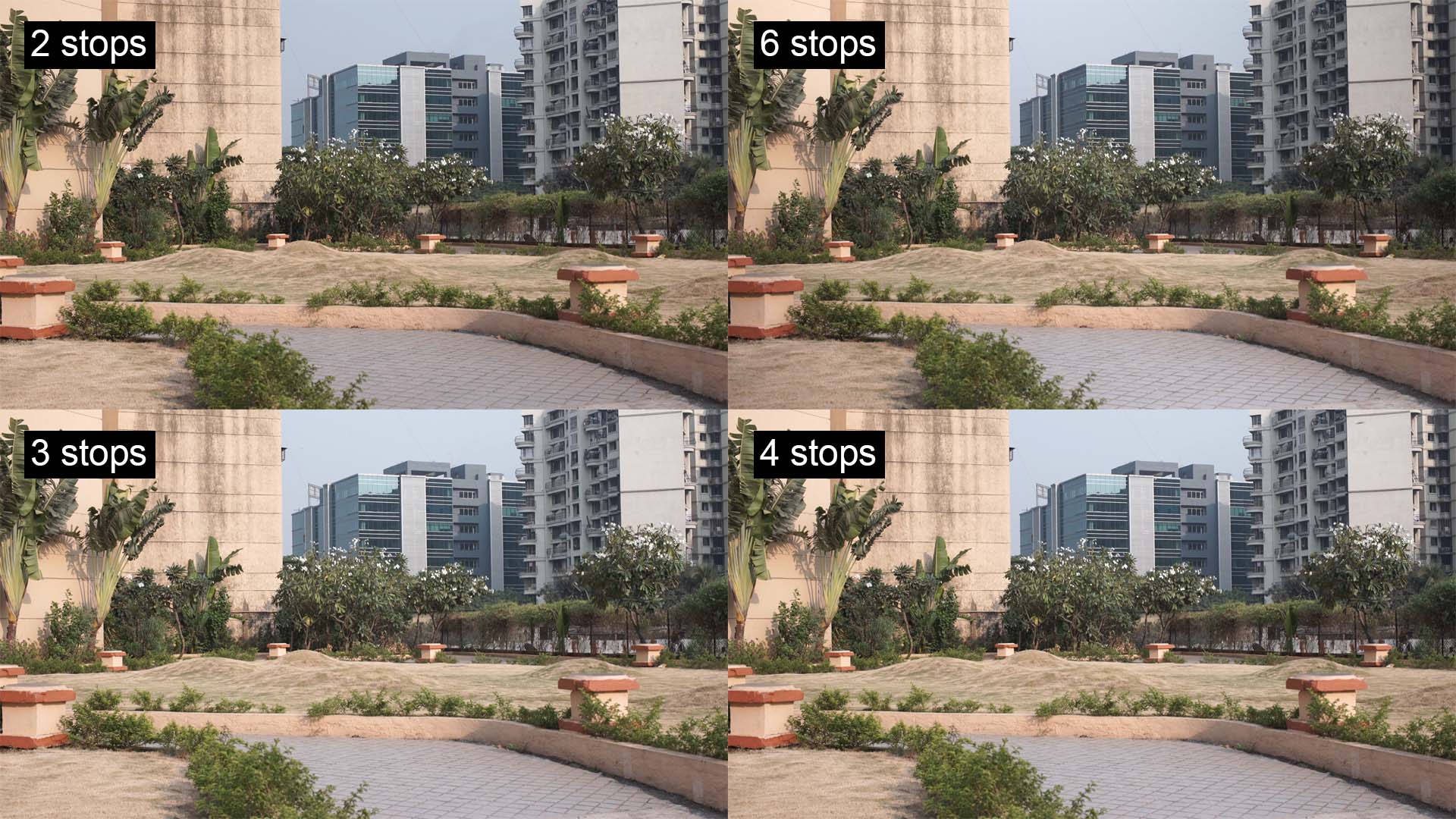
An ND filter is an accessory made of glass or plastic that reduces the amount of light entering the lens. Here are some important uses of an ND filter:
- Controlling Exposure: In bright environments, an ND filter helps manage the amount of light that reaches the camera sensor. Why would you ever want to cut light out? Imagine being in a bright outdoors and even after going to the lowest ISO, which is about 400 to 800 on most cameras if you’re shooting log, you’re still overexposed – especially if you want to open up your aperture and get shallow depth of field. The only way to get it down is with an ND filter.
- Maintaining Depth of Field: Cinematographers use ND filters to keep the aperture constant regardless of changes in lighting conditions. This allows a consistent depth of field.
- Maintaining Image Consistency: Maintaining a constant aperture also ensures you’re using the same sweet spot of the lens for all your shots. This makes them matching each other easier.
ND filters come in various densities, typically ranging from one to ten stops of light reduction. They can be screw-on filters that attach directly to the lens or square/rectangular filters that fit into a holder system. The bigger the piece of glass, the more expensive the filter is, typically.
Buying one ND for every stop of light cut is probably too expensive, so for low budget filmmakers I highly recommend a good variable ND filter (Amazon, B&H). A variable ND filter is just one filter that allows you to change the ND strength by rotating an element.
I’ve used all kinds of ND filters. Here’s my advice: Get the most expensive one you can afford. You’ll thank me later.
If you absolutely must have a brand name recommendation, I don’t think you’ll go wrong with Tiffen Variable ND filters (Amazon, B&H)

3. Extension Tubes
An extension tube (Amazon, B&H) is used for close up shots.
What are extension tubes?
An extension tube is essentially a hollow, light-tight cylinder that fits between the camera body and the lens. It extends the distance between the lens and the sensor.
This extension shifts the focus range of the lens closer, enabling it to focus on much nearer subjects than it normally could. This makes it very useful for close up and macro cinematography. Here are its advantages:
- Increased Magnification: The closer focusing capability increases the magnification of the subject, making it possible to fill the frame with finer details that are typically too small to capture with a standard lens setup.
- Cost-Effective: Compared to dedicated macro lenses, extension tubes are a more affordable option because they do not contain any optical elements. They maintain the inherent optical quality of the lens while transforming it into a tool for macro work.
- Versatility: Extension tubes can be used with practically any lens.
Your “ordinary” lens can become a macro lens with the addition of a few pieces of plastic that’s not that expensive. Seriously, even if you buy a cheap one you can still patch them together to get variable lengths to get as close as you want to any product or subject.
There’s really no reason to invest in a macro lens if you don’t have the budget. Go for extension tubes (Amazon, B&H) when you need those rare macro shots.
4. Audio Adapter or Preamp
The one thing that will improve the audio of any camera is a good sound mixer, audio adapter or preamp (they all have preamps). The microphone in your camera is crap, and I guess you already know that.
What you need is a good microphone, but before you go out and buy one, you must have a good audio adapter first, because it’s the thing that will take all that delicious sound and actually preserve its quality. A poor adapter will ruin the audio quality, at best degrade it so you’re not getting its full potential. Which is why it’s more important than your microphone.
A good adapter has XLR inputs, phantom power so the microphone can be powered through the adapter. It’s important to go for a good brand because you want to reduce audio noise and the curse of poor electronics. Again, if you skimp here, you’re just going to regret it later. No point lying to yourself just to save a buck.
One more tip, get recorders that record in 32-bit float. You never clip, and you never need to adjust your levels with this feature.
Here are three options for different budgets, all have 32-bit float:
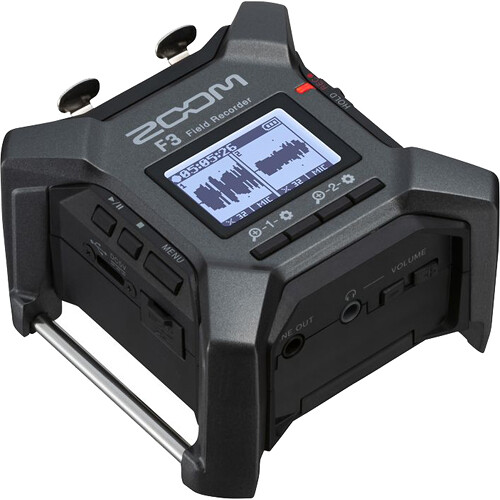
- Low budget: Zoom F3 (Amazon, B&H)
- Medium budget: Zoom H6essential (Amazon, B&H)
- Cinema: I love Sound Devices (Amazon, B&H). They have great mixers and recorders at a decent price range for all kinds of productions.

5. XLR microphone
XLR is a great standard because it preserves audio quality, the cable can go long and is usually shielded from interference, and the connection is robust so you can expect the best audio quality. That’s why it exists.
You should get both shotgun and lavalier microphones, and my brand of choice is Sennheiser (Amazon, B&H). I’ve been using them for more than a decade and they have yet to fail me.
6. Fluid Head
The tripod has both legs and head. I’ve tried all kinds of legs. Photography legs, video legs, gas cylinders and so on. Name something and I’ve used it as a tripod – including fellow human beings. If you only want static shots you can get by almost anything.
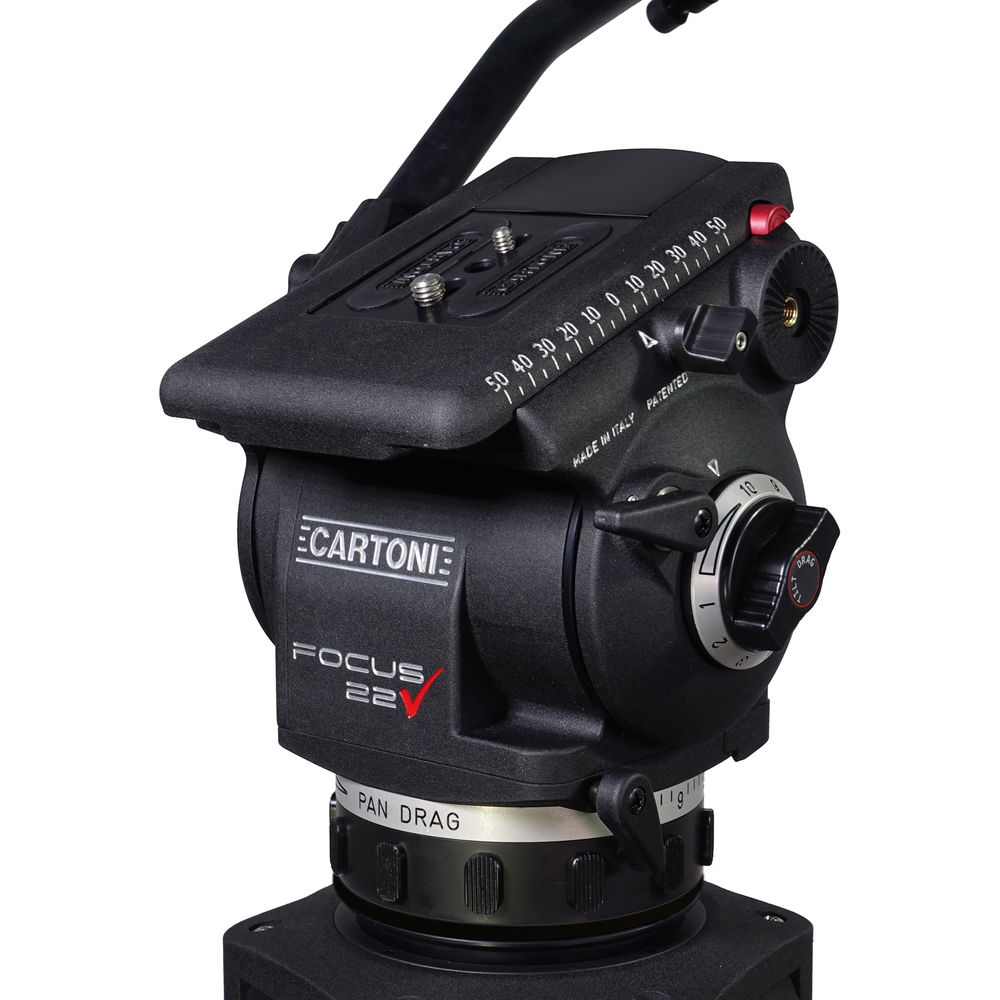
What you can’t replace, is a fluid head. There are some great low budget fluid head options on the market. I’ve reviewed a few and here are some recommendations:
A good fluid head has actual fluid in it. It’s the only thing that works, which is why the most expensive tripod and fluid head systems have real fluid in them. Don’t go for cheaper friction-based heads, even if they call them video heads.
I’d rather buy a used fluid head than a new friction head. It’s that important and it makes a difference.
7. Matte Box
Most people think if all they need is a variable ND filter why bother with a matte box?
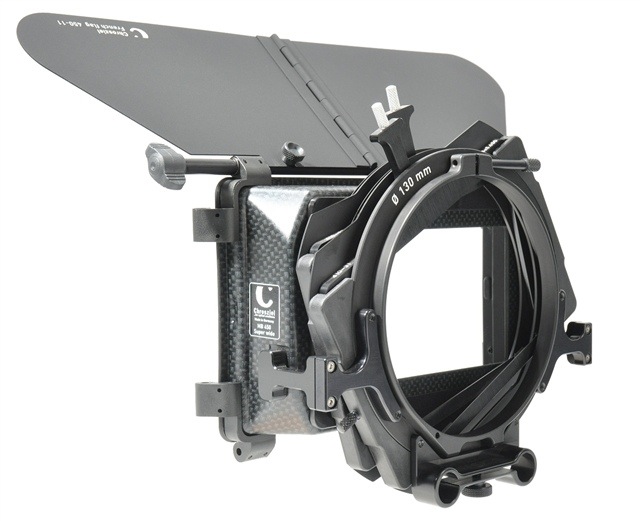
Let me tell you what a matte box is. It’s a kind of box made out of plastic and metal that sits in front of your lens. It is designed to hold multiple filters. And has flaps to cut out light.
I own an expensive Arri mattebox, and I’ve used it on all my shoots. When I’ve rented out gear, I get Arri matteboxes with cinema lenses.
A good mattebox can get the flaps to be precisely positioned wherever you leave them, even if its windy. They have frames, called mattex, hence the name matte box, that also precisely cut out light so you don’t get unwanted flare in your lens.
Matte boxes also protect your lens from impact if it happens to fall or get hit by a car while you’re doing a stunt. You don’t get dirt on your front element, and you can attach accessories to it. Once you’ve used a matte box correctly, there’s no turning back.
If you’re really on a budget, check out the small Tilta Mirage Matte Box (Amazon, B&H)

8. Follow Focus
The follow focus system is so important to cinematography there’s a whole job description around it, called the focus puller. The focus puller controls the focus of the lens during the shot, and the reason you need a dedicated individual is because actors move, the camera moves, and the director wants everything at T0.95. It’s the stuff cinematography nightmares are made of.
A good follow focus system has no backlash, is precise, is well made and can be maintained easily. Arri follow focus systems have been around for ages and stand the test of time.
On a low budget, check out the SmallRig F40 (Amazon, B&H)
9. Wireless Video System
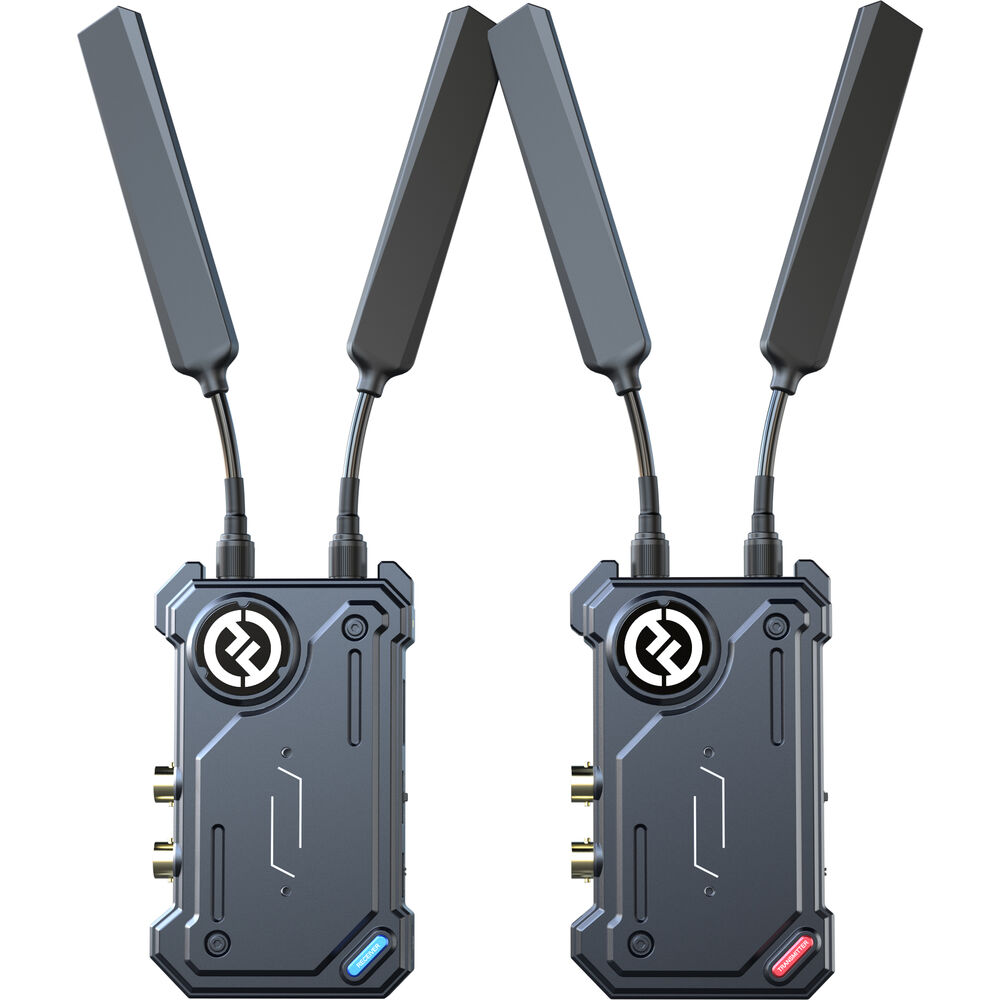
Wireless video systems have become mandatory nowadays on most film sets. It’s also useful for low budget filmmaking.
A wireless system takes a video signal from your camera and broadcasts it to every device that has permission to watch it. You could stream it to other monitors like a video village, directors monitor and even the focus puller, or you could stream it to an iPad, for clients. Nowadays you get cheaper HDMI wireless systems so there’s no excuse not going wireless.
The cool thing about cheap mirrorless cameras is that most of them have an app that is free. This app allows you to watch the video without any extra expense. I’ve found this indispensable in bright sunlight, where my iPhone is legible, but my monitor is not. Works on a beach. Go for it.
If you’re looking for a reliable low budget wireless video system brand, check out Hollyland (Amazon, B&H).

10. Camera Cage
I’ve already reviewed a universal cage that’s great for any camera combination:
A cage doesn’t protect your camera, it’s designed to take on accessories and solidify your entire setup. A good cage is an investment, and must be versatile. However, they’re not always necessary. You could have a good system without a cage, seriously. Even mirrorless cameras and DLSRs are tough. You’ll get by if you want to save the money.
If you’re looking for a good camera cage, find them here: (Amazon, B&H).
I hope you’ll find these 10 accessories useful for your next shoot. Please let us know in the comments below of any additional accessories you use.

Great ideas as always.
Many thanks for you contribution and great articles.
I would recommend TVLogic monitors as well to your list, particularly those 2 models (F-7H MK2 & F-5A), which we are using along with SmallHD Ultra Bright MON-503U.
One tip for all readers, always power up your devices then connect cables !
Also, I would like to recommend Schneider Filters.
Thanks
Sam
Thank you for the tips!
Thanks for been a blessing
I have all but the XLR mic and pre-amp; thanks for the catch-up list!