
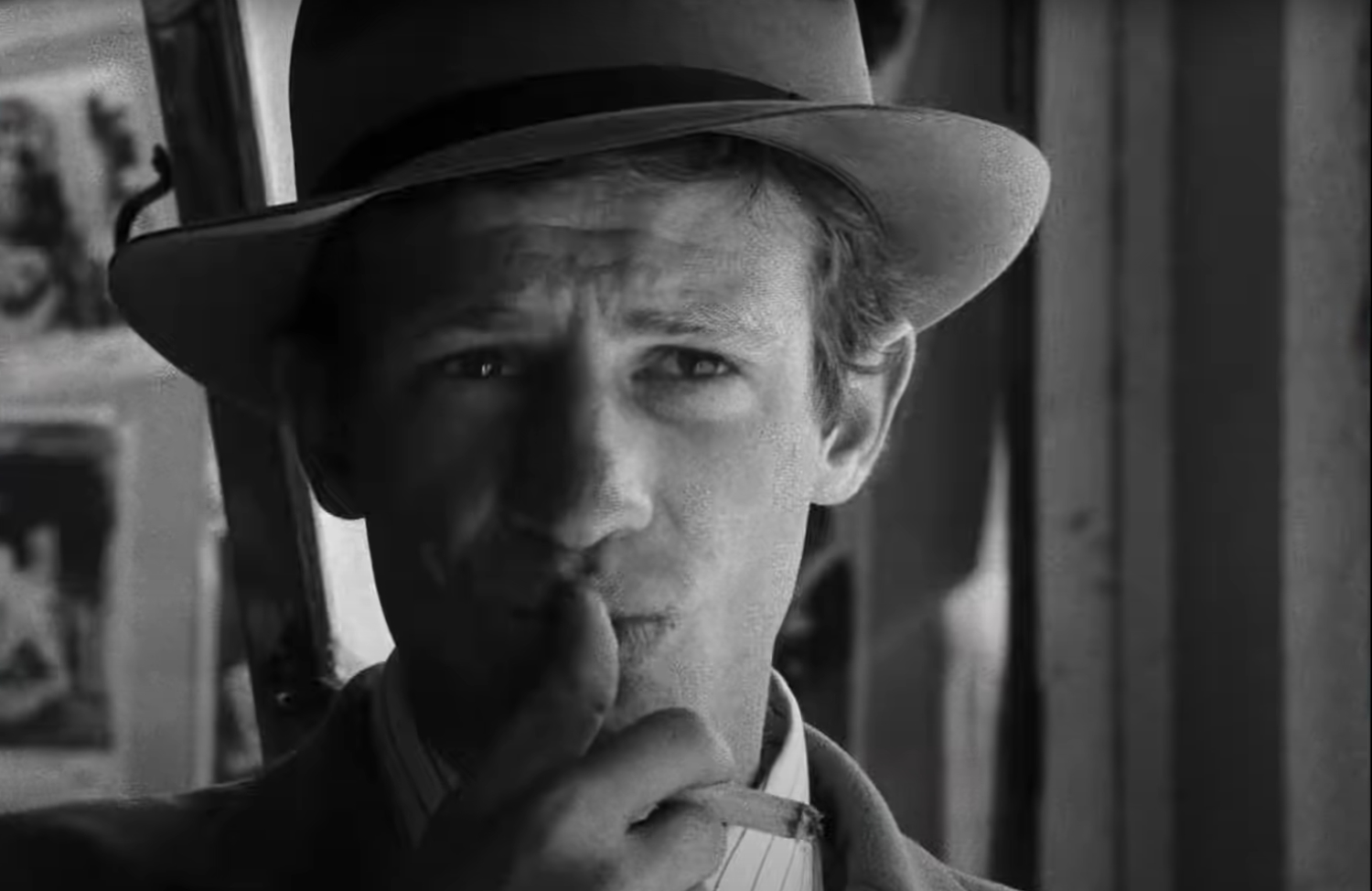
If you are a filmmaking student or a film buff, chances are that you have already come across this term called the ‘French New Wave’ in cinema. If not, then just to put you up to speed, very speedily, it is one of the most influential film movements that ever existed and something which still impacts cinema deeply today and is a massive influence of some of the biggest directors of modern times such as Woody Allen, Quentin Tarantino and Martin Scorsese.
“The beginning of Jules and Jim, the first three or four minutes influence the style of Goodfellas and Casino and Wolf of Wall Street and so many.”
– Martin Scorsese
“Godard was so influential to me at the beginning of my aesthetic as a director, of, like, wanting to be a director.”
– Quentin Tarantino

So, what was this movement exactly? Why did it happen? Who was behind it? And what has it left us with that we can use even today?
If you are as curious as the iconic Catherine from the film Jules and Jim, or if any of the names like Catherine, Jules or Jim have aroused your curiosity and want to know who they were, let’s embark on a learning journey from the French New Wave.
What is the French New Wave?
French New Wave is a French art film movement that emerged in the late 1950s. The movement was characterized by its rejection of traditional filmmaking conventions in favor of experimentation and a spirit of iconoclasm. New Wave filmmakers explored new approaches to editing, visual style, and narrative, as well as engagement with the social and political upheavals of the era, often making use of irony or exploring existential themes. The New Wave is often considered one of the most influential movements in the history of cinema.
Wikipedia
To make the above definition simpler, the French New Wave was an art movement specific for films, where a group of people decided that they were done with the existing approach towards films and filmmaking. They decided to step away from the big production studios and take matters in their own hands (quite literally at times), go out in the streets and shoot a film however they wanted to shoot it.
This led to a very happening and interesting time in French Cinema, where a lot of ‘rules’ were getting thrown out of the park and new developments were consistently happening to the filmmaking medium. This can also be called as the ‘Cradle of Modern Cinema’.
But who were these people who did this and what was their motivation behind it?
Origins of the French New Wave
The origin of this movement can be traced back to two essays, a hopeful one talking about the power of cinema and the other talking about the desolate state of French Cinema. Yes, literal essays about cinema which were so powerful that they could start a whole revolution. Such is the power of the pen.
The first essay was by a man named Alexandre Astruc named “The Birth of a New Avant-Garde : La Camera-Stylo“, where he talks about the power of cinema as a medium of expression for the artist that is making it. He compares cinema to art forms like novels and paintings and the camera to a pen. He was of the opinion that films have become a language now, and it is the right time for people to use it for expression of thoughts and complex ideas.
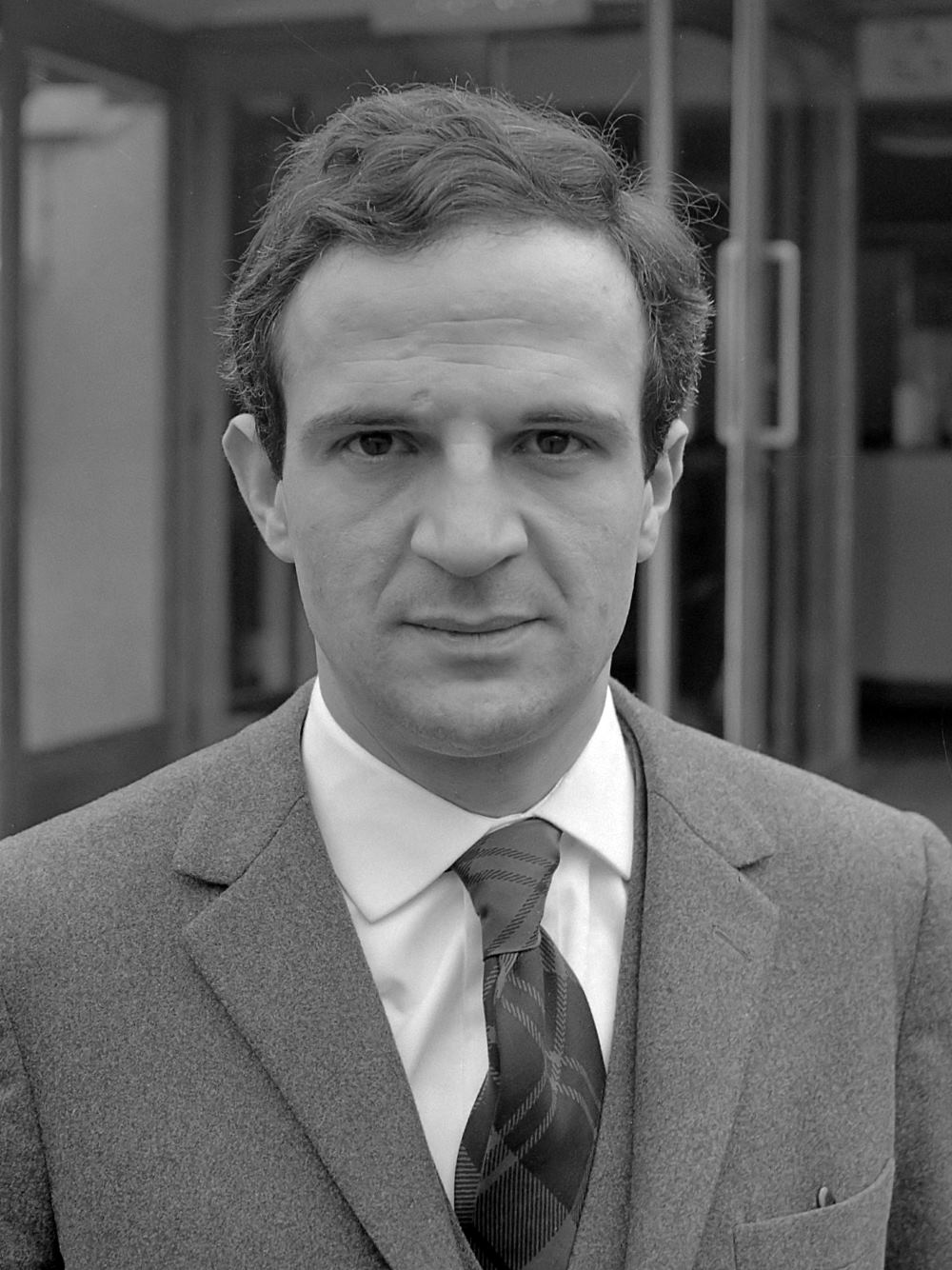
The second essay was by a man whose name might be much more familiar, called Francois Truffaut. He was a film critic who wrote an essay called “A Certain Tendency of the French Cinema” which talked about the stale state of French Cinema at that time, when nothing new or imaginative was being produced.
The American independent film that Francois Truffaut actually believes gave them the courage to embark on this journey was “Little Fugitive” (1953) by Ruth Orkin, Ray Ashley and Morris Engel in showing them that even independently, one can produce quality and meaningful cinema.
But what exactly was happening in the world and in the world of films to them to feel this way?
Context of French New Wave
It was just post WWII, and there was an influx of Hollywood films in France as they had just signed the Blum-Byrnes agreement with USA. It was a recent phenomenon then because there was a ban of foreign films in Nazi-occupied France.
French Cinema at that time was suffering at that time due to uninspired productions which were repeating the same subjects and formulas for movies again and again.
At this time a man called Andre Bazin, who was a great film critique in himself started a magazine called “Cahier’s du Cinema“. It was here that Fracois Truffaut wrote his famous article and it was here that he met Jean Luc Godard and his other contemporaries who would go on to be the crux of New Wave Filmmakers.
They were also very impressed by some Hollywood directors who had wrestled the authority and control of their films from the big production studios like Orson Welles and Alfred Hitchcock. They believed that these directors had made their own style of cinema and were constantly developing the art form and the medium of films. This was something that they saw lacking in France and wanted to achieve there.
Now the question arises, who were they?
Proponents of French Revolution
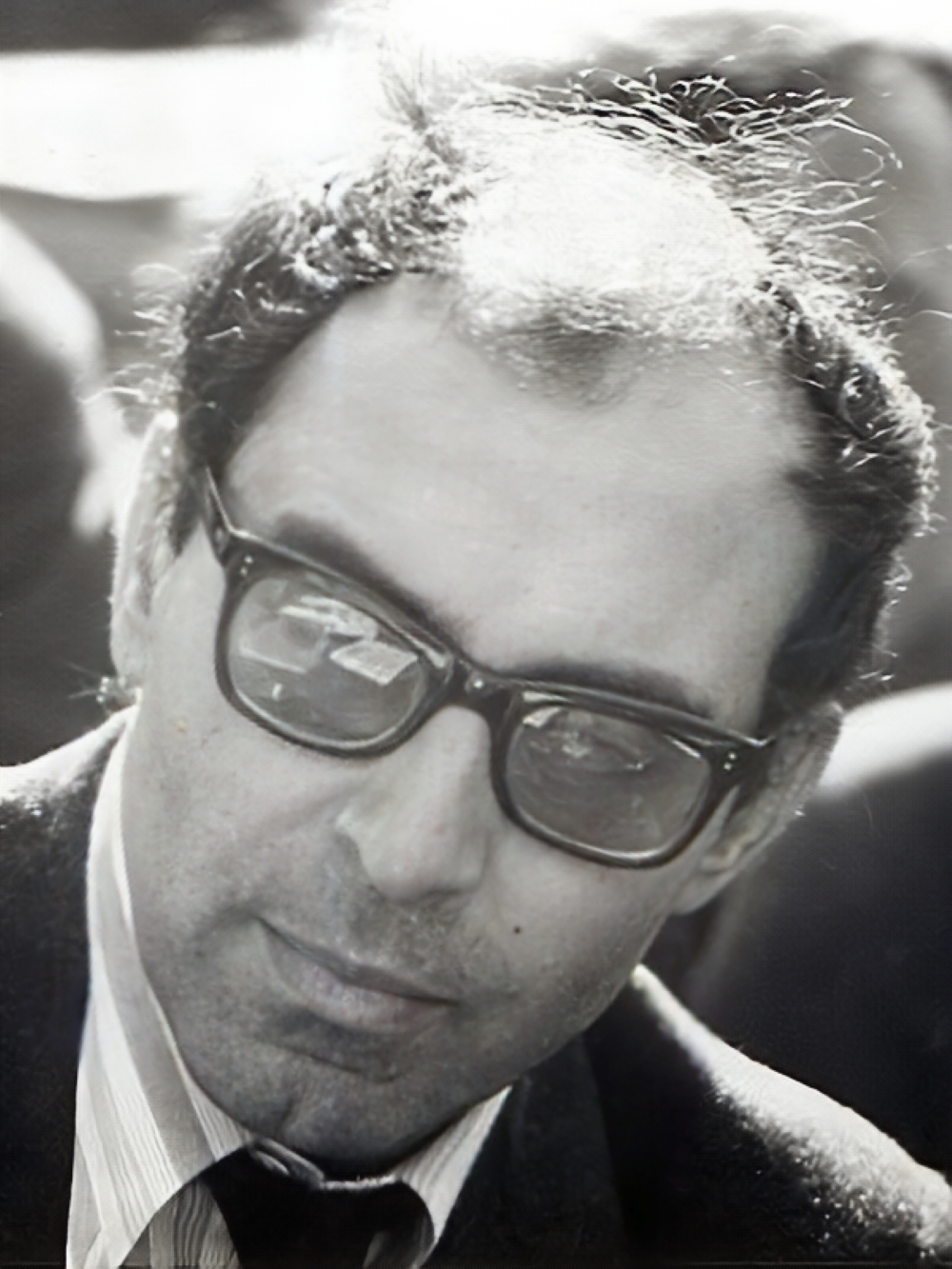
There were two main groups of filmmakers who were very actively making films with the New Wave energy and spirit in them. One was the group of film critics from Cahier’s du Cinema namely Francois Truffaut, Jean Luc Godard and Claude Chabrol among others.
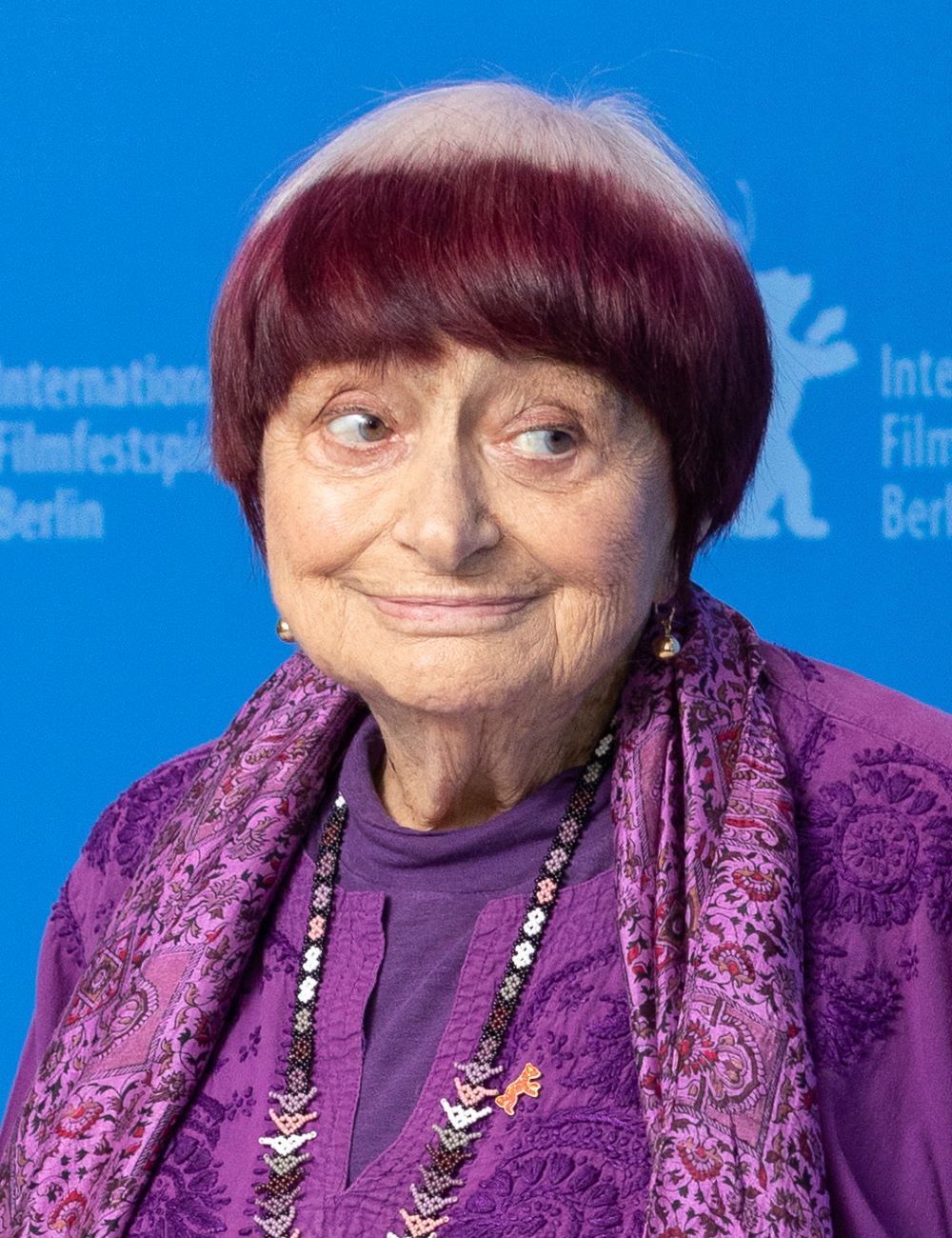
The other was a slightly more relaxed and older group who did not want to deconstruct everything related to cinema as much as Godard or the others did. They were called the ‘Left Bank’ supposedly for their left leaning tendencies and included filmmakers like Chris Marker, Alain Resnais, and Agnès Varda.
Some of the major works of the French New Wave including those of these directors and other reputed ones, are as follows –
| Filmmaker | Films |
| Francois Truffaut | Shoot the Piano Player, Jules et Jim, The 400 Blows |
| Jean Luc Godard | Breathless, Le Mépris, Bande à part, Vivre sa vie, Pierrot le fou |
| Claude Chabrol | Les Bonnes Femmes, Les Cousins, Le Beau Serge |
| Chris Marker | La jetée |
| Alain Resnais | Hiroshima Mon Amour, Last Year at Marienbad |
| Agnès Varda | Cléo from 5 to 7, Le bonheur |
| Jacques Demy | Lola, The Umbrellas of Cherbourg, Les Demoiselles de Rochefort |
| Jacques Rozier | Adieu Philippine |
| Eric Rohmer | Claire’s Knee, La collectionneuse, My Night at Maud’s |
| Jacques Rivette | Céline and Julie Go Boating, Paris nous appartient, The Nun (La réligieuse) |
Things to learn from the French New Wave
There are a lot of things that you can learn from the French New Wave. The best way to do it is to watch all the films in the above list and make your own list of what you would like to implement in your filmmaking style.
But because you are here, I would help you and condense the broader lessons into 10 simple and practical tips. Five from an artistical point of view and five from a technical perspective. It all goes hand in hand, but this is just an overview to help you find your hook into this glorious movement and then research more to inculcate it in your practices as a filmmaker.
Five artistic lessons from the French New Wave
1 Break All Rules
This was the seed for the French New Wave. The critics were tired and bored of the same old formula films being repeated to the extreme and they wanted to see something new.
Filmmakers like Jean Luc Godard in his film ‘Breathless’ which is extravagant on the style quotient made it a point to break all the filmmaking rules like continuity and a narrative structure, to come up with a film which revolutionized filmmaking forever.
So, go out there and make your film however you want to and don’t care about the rules. If you think it justifies for your vision and is serving a purpose in the film, you can make your own rules and come out on top like Godard.
2 Auteur Theory
Another gift of the French New Wave was this word, ‘Auteur’, which you might have heard to describe directors of repute. It means a film director who influences their films so much that they rank as their author.
They had the idea that the director was the author of a film and they should have a certain visual and storytelling style for themselves, which is unique to them and is consistent throughout their filmography.
The whole idea was that a film is a director’s brainchild and no production studio or actor should be above them. The director should express themselves as freely as possible and have all the control on the final output so that their vision can come out in the best possible way. This was done to ensure that film remains a living and growing art form due to individualistic ideas and does not get into formulaic traps of the market.
Let no one stop you from doing whatever you want to do with your film. If you are the director, you should care about each aspect of filmmaking and ensure that everything unites holistically so as to serve your vision to the audience. The sooner you start doing this, the closer you will be on your way to become an auteur.
3 Independent Filmmaking
The spirit of the French New Wave was about making your ‘own’ film. When starting out, these directors did not have a lot of money in the bank and any outside support. They just collaborated with friends and made sure that everyone aligns in the best possible way to produce a masterpiece, where the money put into a film matters much less than the honest efforts of all the people involved.
For all us young filmmakers out here, this is the mantra for making our films. There won’t be an angel swooping down from heaven and showering money over you to make your film. Get your story right, spend time on it and then look around for ways that you could make it as cheaply as possible because complication and roadblocks are the key to experimentation and innovation. Quit stalling right now, and make your film on your own.
4 Get Out on the Streets
Without a big production house to back them, the filmmakers of the French New Wave had no substantial access to studios and huge production budgets and crews. So they just went to the streets with their cameras and minimal crews, spent hours scouring locations, planned the lighting as much as they could naturally and made their films.
Hence, there is no need to wait friends. Just go out with your own cameras, even mobile phones can give you 4K footage nowadays, and just make your film. Shoot on real locations, which will give the required feel by itself and also might land you up with a good spontaneous idea or two. It might take a bit more effort and time, but as those masters have shown us, it is every bit worth the effort.
5 Stories from everyday life
The directors of the French New Wave were also very bored with the same plots repeating again and again in films. Films usually were thrillers or crime stories, horror, from famous novels or about famous people or incidents. Thus, no was talking about the everyday struggle of the common man, the audience.
The realization that film has become a language of its own led them to believe that they could talk about any common occurrence in a human’s life and make detailed films around these ‘smaller’ subjects. Even a mundane conversation between two people, if done right, can be profound and cinematic. This led to the birth of ‘film realism’ which is as real to real life as any art form can get.
Pick up your stories from your everyday life, reimagine them or keep it as it is. But don’t keep waiting for that one great universal idea, you have an idea from your life for a film, make it. If it is an honest and genuine effort, you will find resonance in the audience.
Five Technical Lessons from the French New Wave

1 Editing
They say filmmaking’s biggest strength as an art from, is editing. This is what the New Wave filmmakers played with a lot. They made some practices so commonplace that a major part of the world believes that it was these directors who invented these techniques.
We are not going to get into the origins of these techniques, but these are some of the techniques that the French New Wave popularized.
- Jump Cuts – The most famous gift of the French New Wave, the jump cut was made famous and acceptable into a normal feature film by Jean Luc Godard in Breathless. He had to cut the duration of his film, so he just edited out the parts which were not working from his long takes. Thus, necessity and a vision led to an invention.
- Non Linear Storytelling – The storytelling structure before the New Wave was mostly linear but these directors flipped it completely to include more excitement and anticipation in their films. They used it to keep the audience guessing and on their feet always. Shoot the Piano Player by Francois Truffaut and Hiroshima Mon Amor by Alain Resnais are good examples of this.
- Freeze Frames – The classic Tarantino or Scorsese move was also made popular during this movement. Jules and Jim by Francois Truffaut uses this effect beautifully in its opening montage and other scenes.
- Fast Paced Cuts – This was also a hallmark of the French New Wave, something which if we don’t see in films now we immediately start getting bored. Again, Breathless by Godard showcases this perfectly.
- Voice Over Narration – The age old practice of using voice-overs was not always age old. It was these filmmakers which made it a common practice, and some of the best filmmakers of our generation still use it as well. La jetée by Chris Marker executes this to the T.
2 Direction
These French New Wave directors had two unifying goals : To play around with the medium of films and of films being a directors medium. They did introduce a lot of freshness to the role of the director and made it more imaginative and powerful than it once was, showcasing the unexplored powers of cinema.
- Improvisations – As they were shooting on locations, the idea of improvisations and new ideas building up on set became a thing. They were also shooting long takes which made the action much more real and again gave space to improvisations on the part of actors.
- Homages – As they were film critics first, who were very inspired by the cinema that they had seen before, they paid a lot of homages and tributes to older classics in their films. That started a trend which has continued till this day and is also the basis of some TV shows and films altogether.
- Meta-Medium – The process of films becoming a meta art form, where the filmmaker and the audience both realize that they are in a different medium which can address itself became a lot faster due to this movement. Breaking the fourth wall or reacting to the camera, or even in the camera becoming the character, all of these things were explored in the French New Wave.
3 Cinematography
As they were shooting in real locations with minimal budgets, the French New Wave directors could not use a lot of artificial lights. So, they made the most use of natural and available lights. Even then, we can see that it does not look a tad bad compared to a lot of well-lit productions.
Also, the lack of budgets, shooting in real and packed locations and the invention of better and smaller cameras made them use more of hand-held cameras and shots in their films. It also helped in keeping up with the feel of the films and making it seem more realistic.
To learn about the cinematography of Raoul Coutard, the most sought after cinematographer of this era, do check this video out –
4 Writing
During the French New Wave, the directors made sure that the subjects of their films were as close to home as possible. They were writing about the life that they were observing in their immediate surroundings and talking about the youth. The writing became very much about what was happening in the political and social climate of the time and how it was affecting them.
Existentialism was also a major subject for them. They were also using the medium of films, to answers questions about their lives like Francois Truffaut in 400 Blows. They were making films that were personal to them.
To know what a personal film is, and to check out this article about a film which these French New Wave directors would be proud of –
5 Sound
The soundtrack of films being a music album in itself became a trend during this time. As films were made by the youth, for the youth and about the youth, the audio aspect of a film also became about what the youth was listening. Music was also used a lot in these films as opposed to only a theme and sound effects in the earlier films. Godard’s Breathless has a smooth jazz music playing in the background throughout.
Also, as they were shooting on location, they recorded sound on set rather than dubbing. This gave birth to a now common practice called the sync sound, where the sound is recorded on set. This gave way to more naturalistic and believable dialogue delivery.
This rounds up our small list of lessons that you can learn from the French New Wave. If you are interested in learning about another film movement which inspires directors even now, check this article out –
Hope we could pique your curiosity and you would dive deeper into it and inculcate these master’s techniques in your own work and pay a fitting homage to them. Do share it when you do that. Ciao!

Absolutely great article! Very informative, inspiring and motivating! Thank you kindly!
You’re welcome!