
Bumping up the ISO has its drawbacks:
- It increases visible noise.
- It reduces dynamic range.
Here’s a test from ISO 102,400 to ISO 100 (click to enlarge images):
EXIF – 1/3 to 1/3200 shutter, f/4.5 at 51mm on a 28-70mm f/3.5-5.6mm lens. Standard picture profile. X.Fine JPEG quality 12MP. Multi-metering, underexposed by -0.7EV. Compressed to a small size and Medium quality JPEGs:
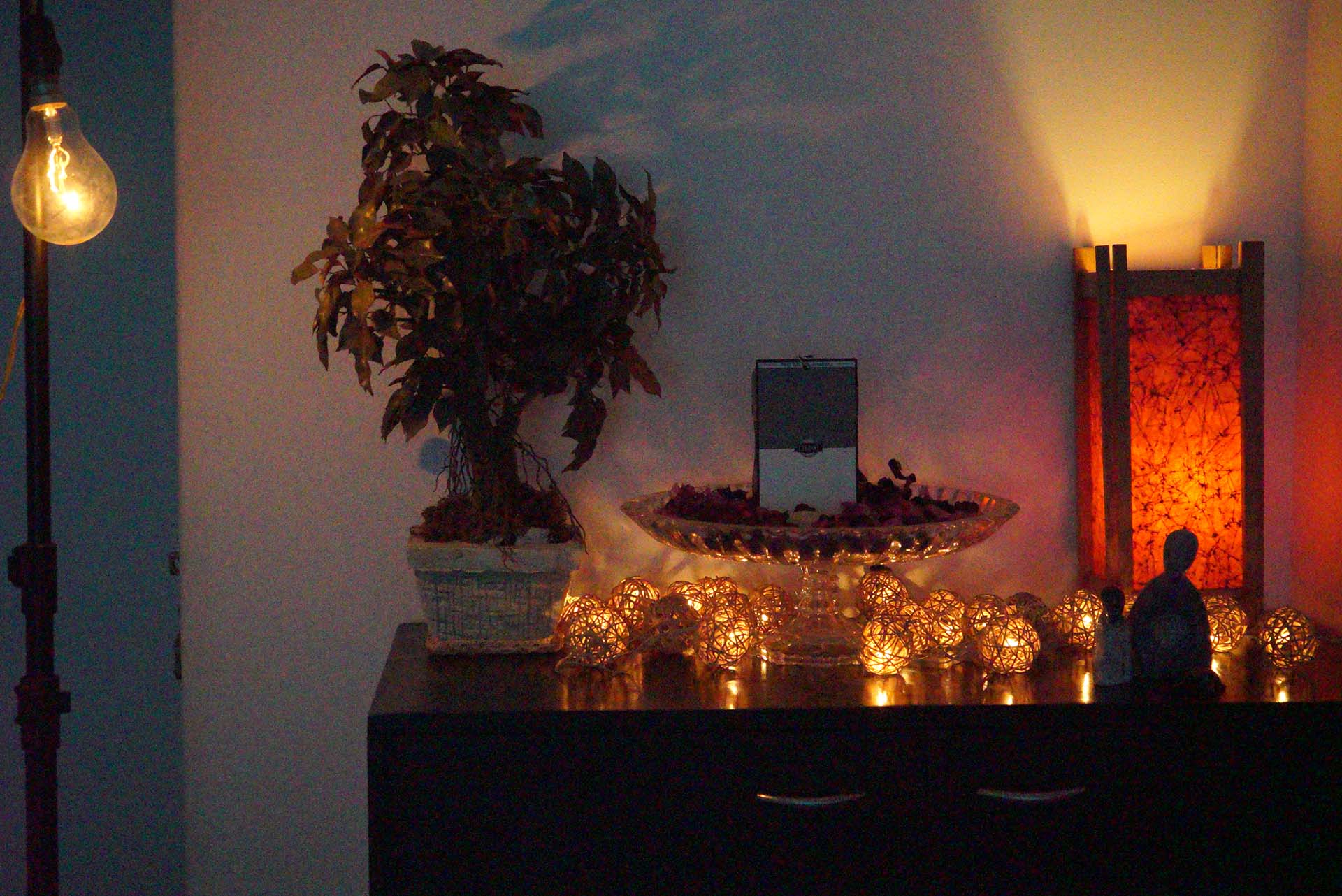
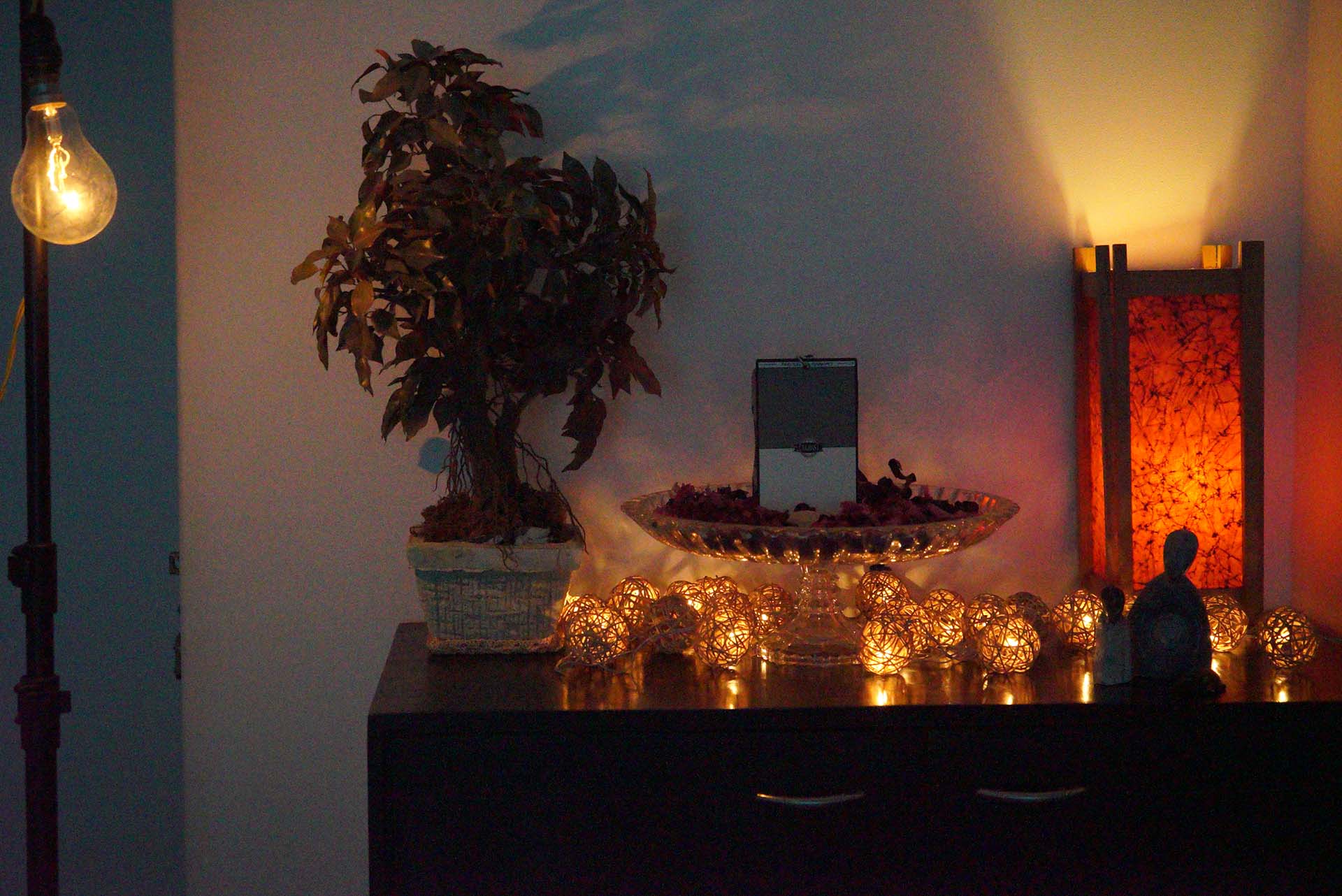
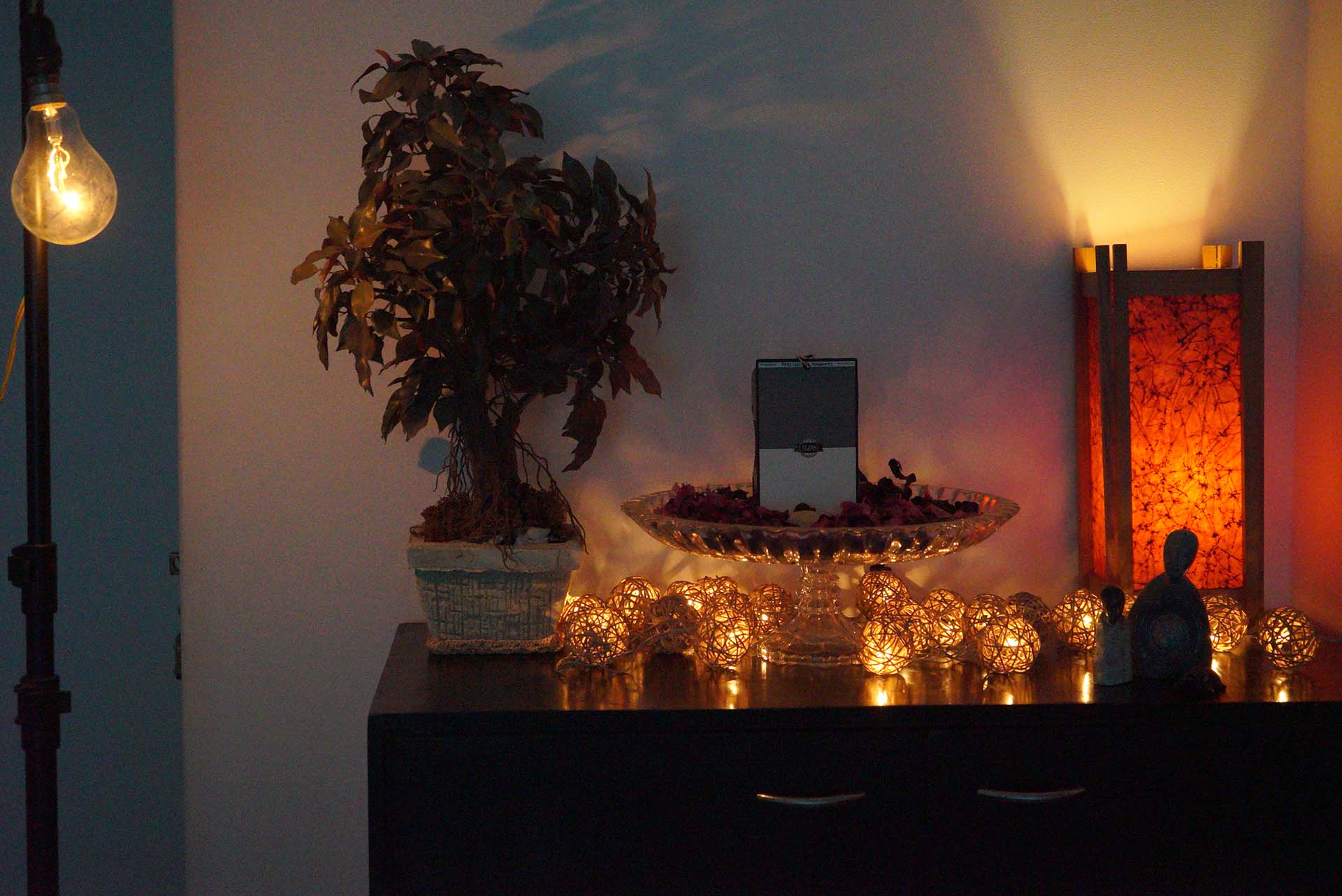
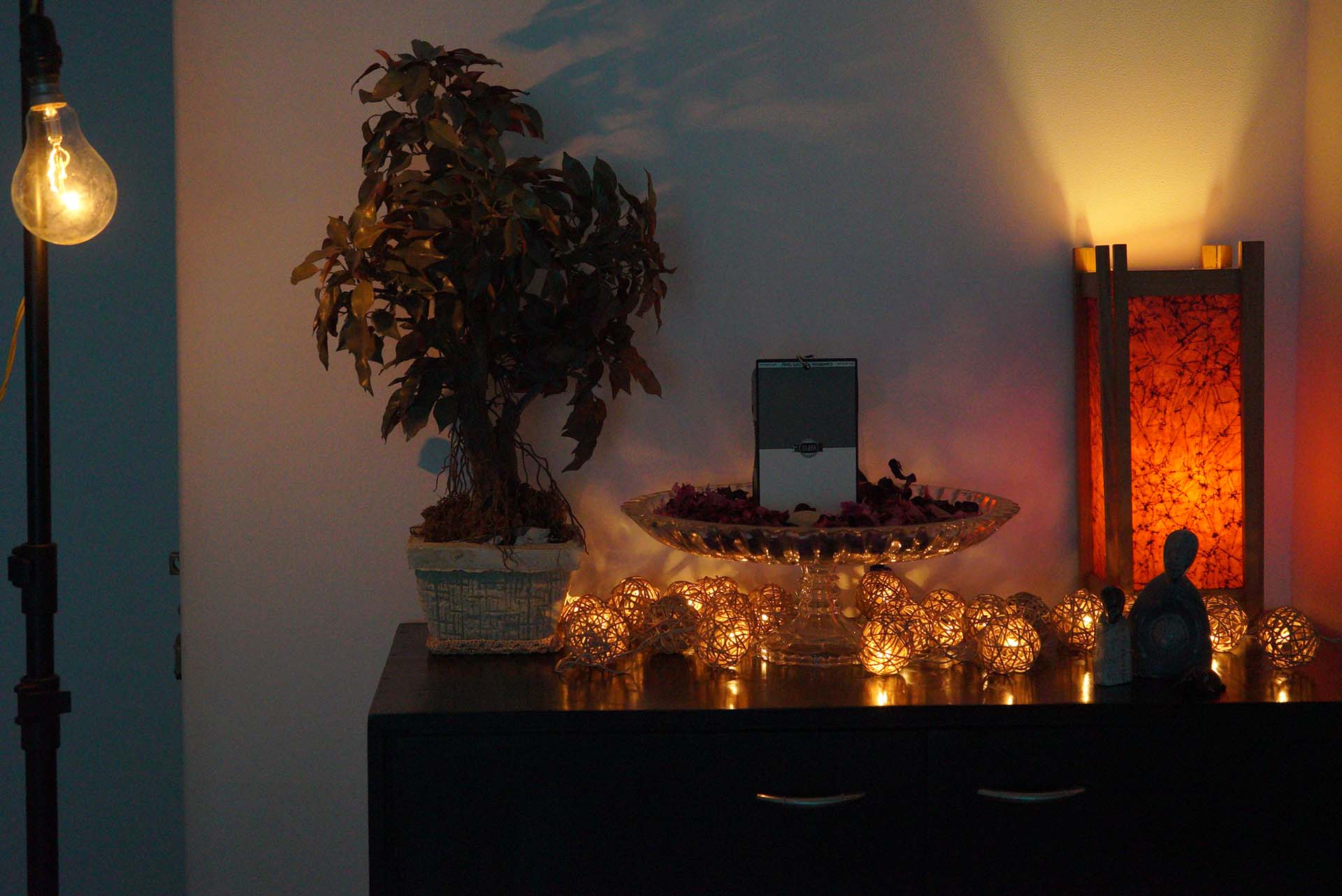
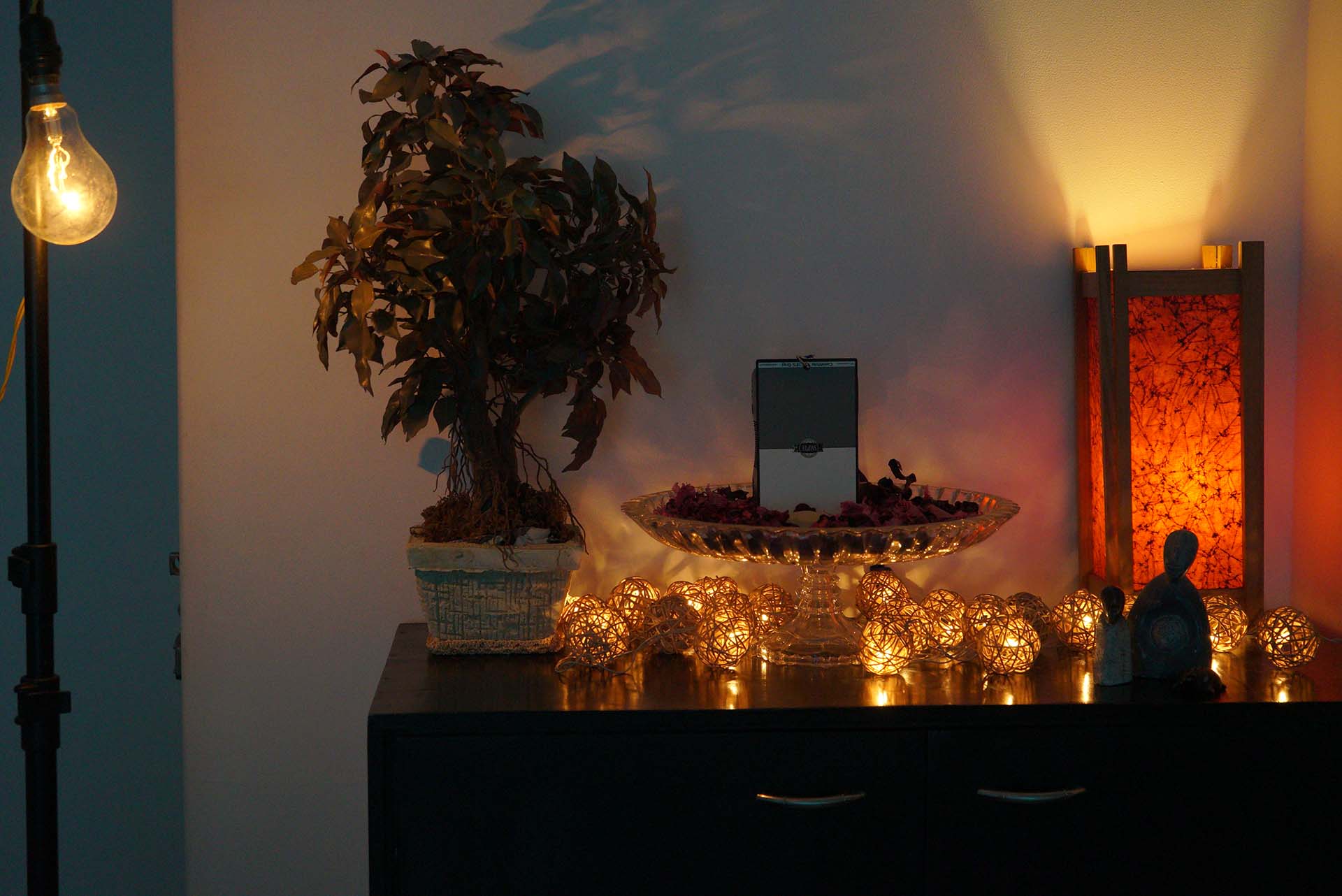
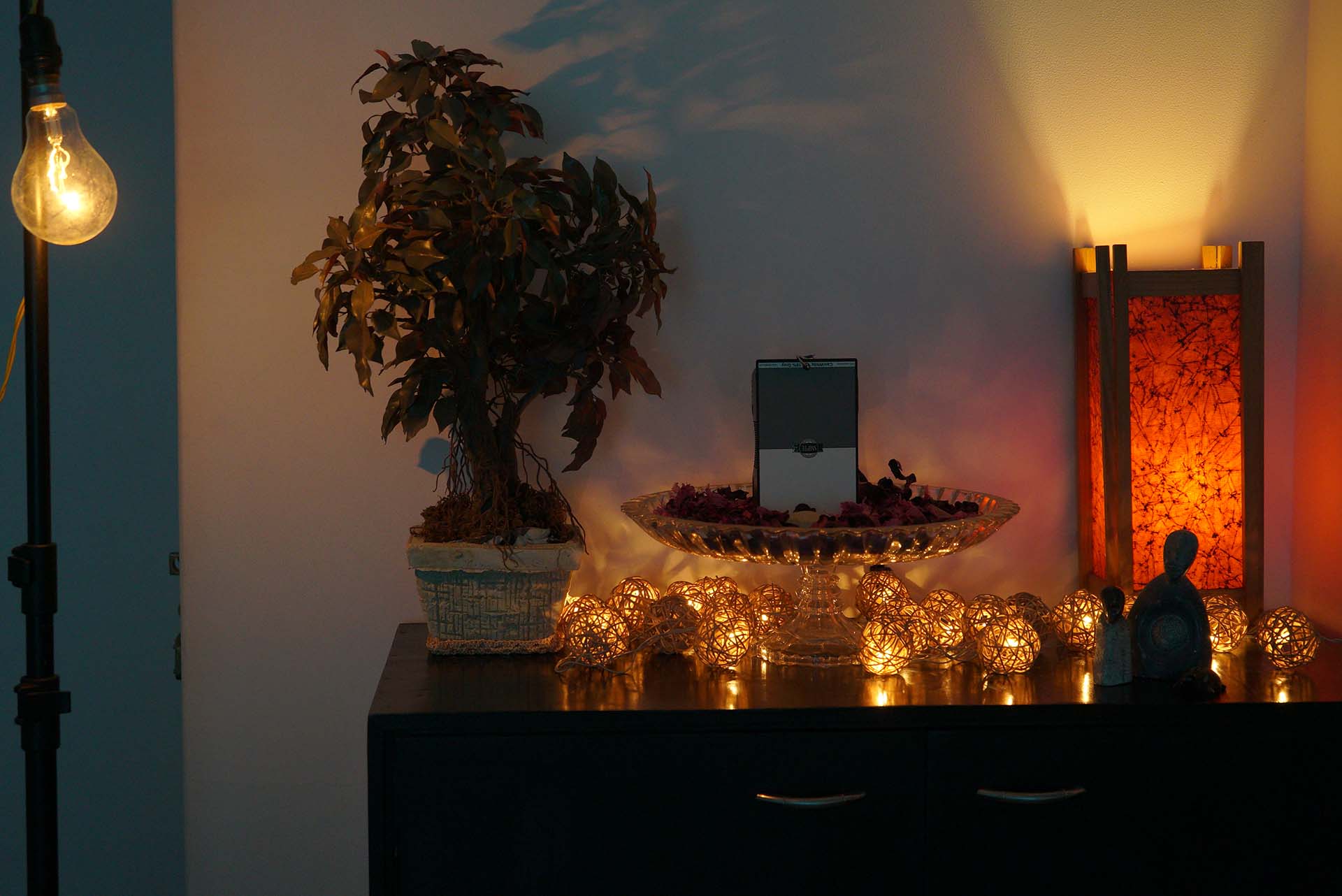
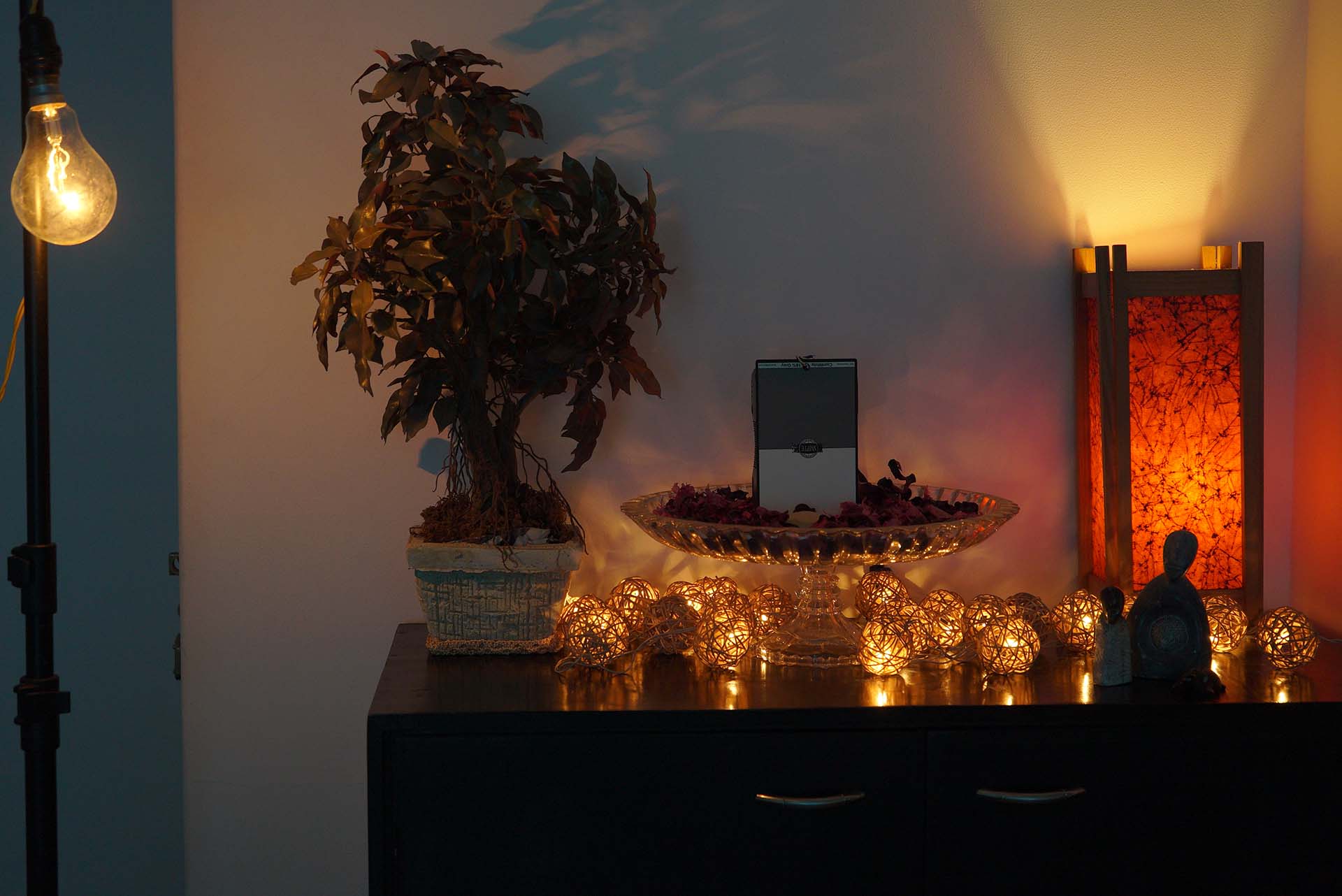
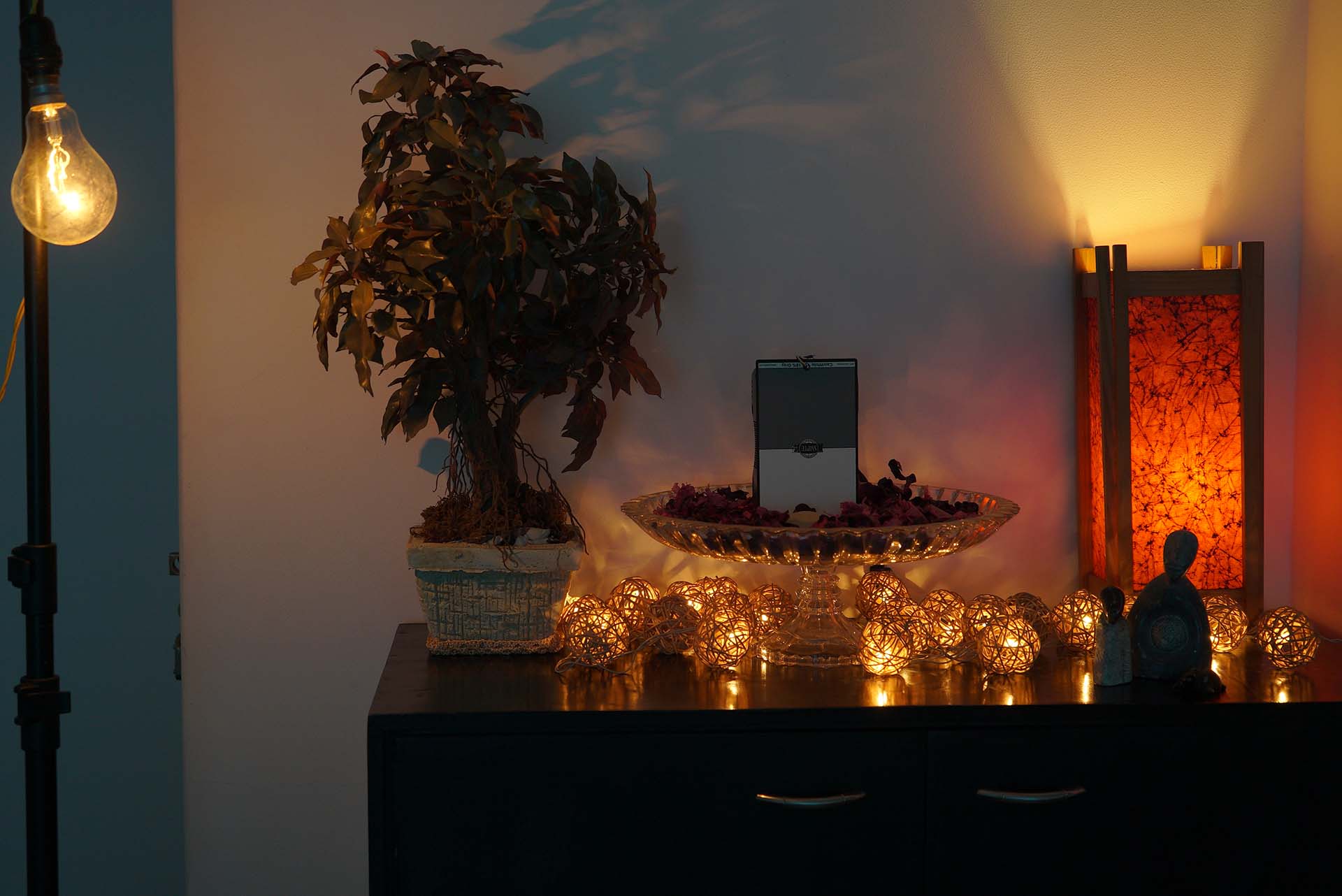
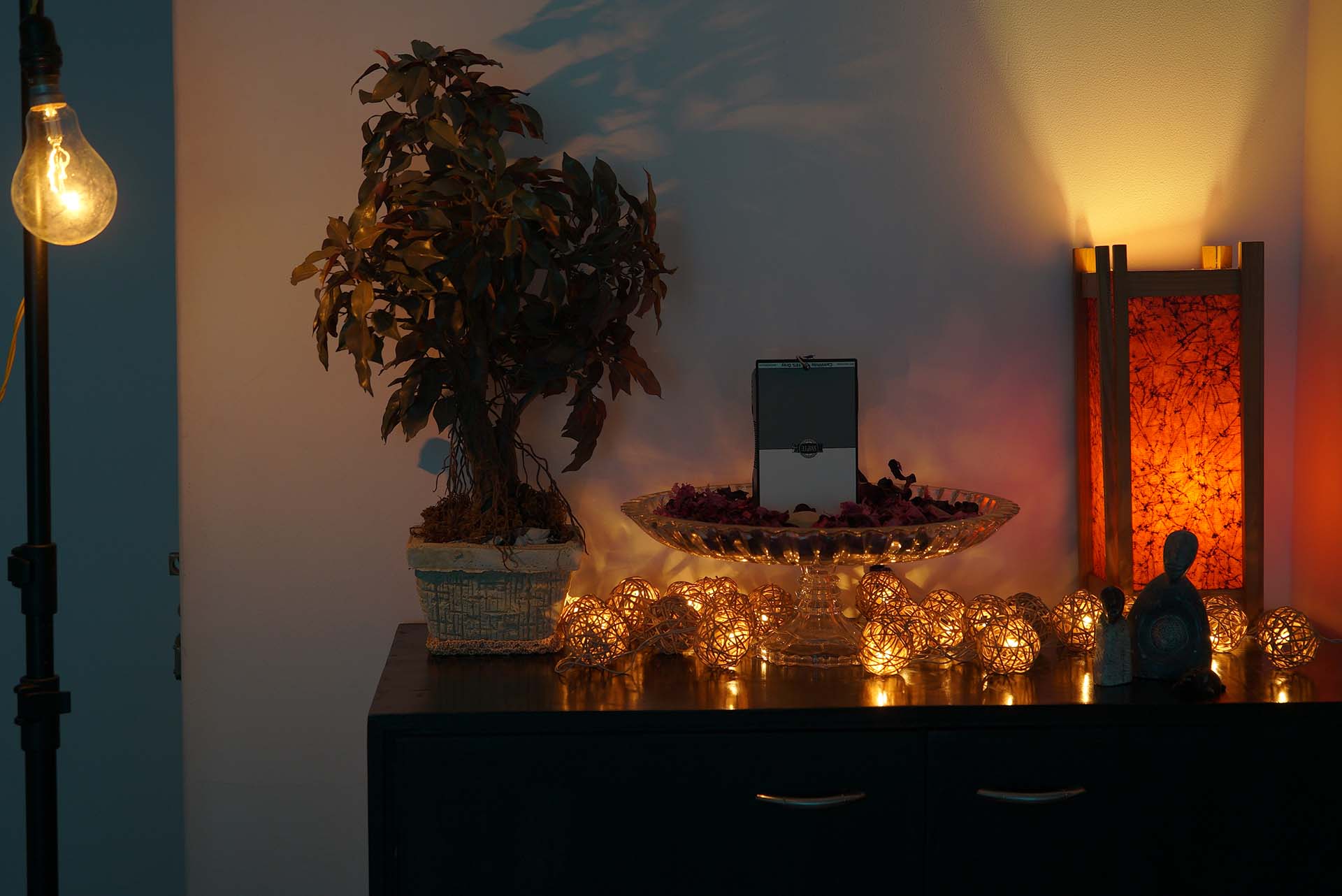
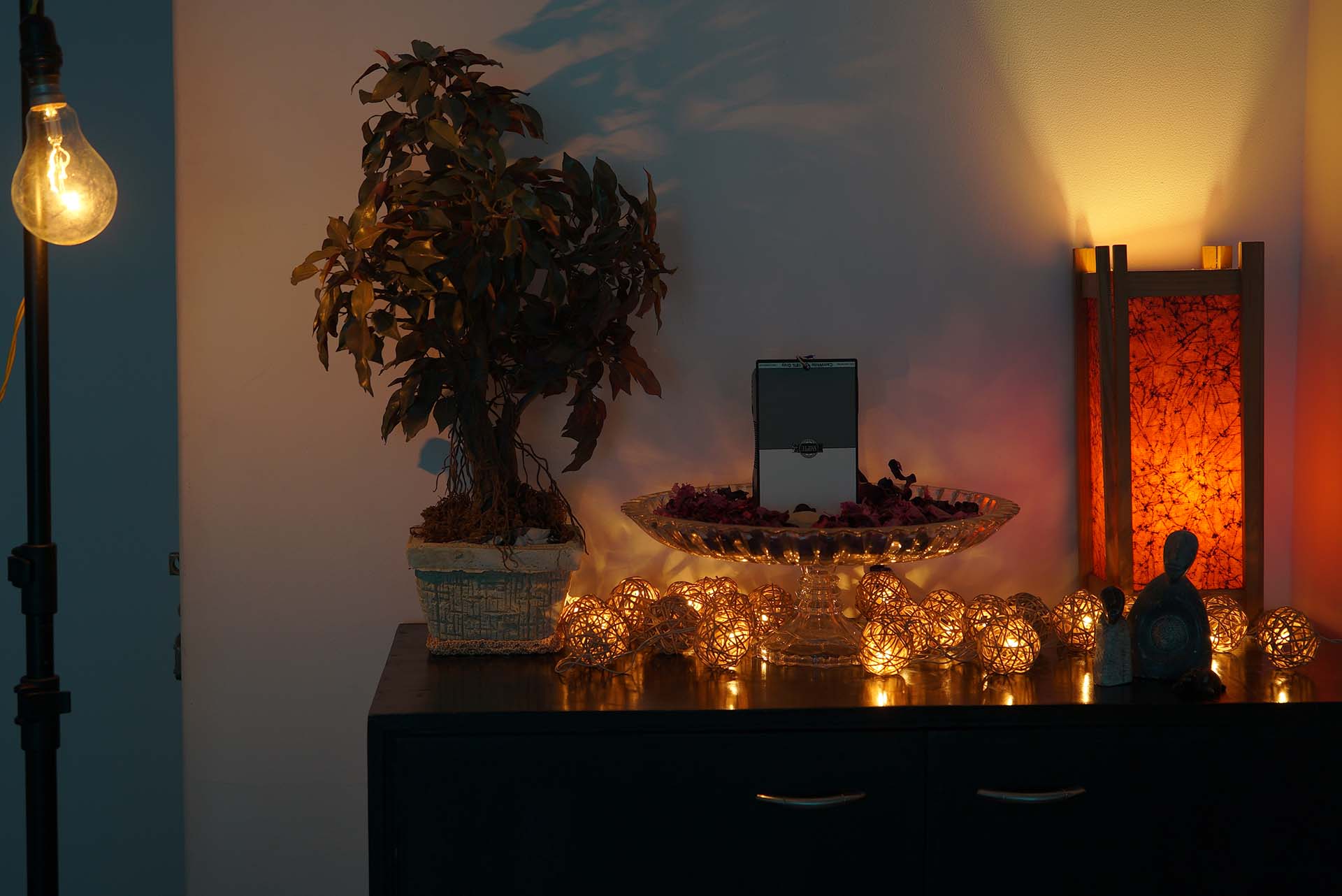
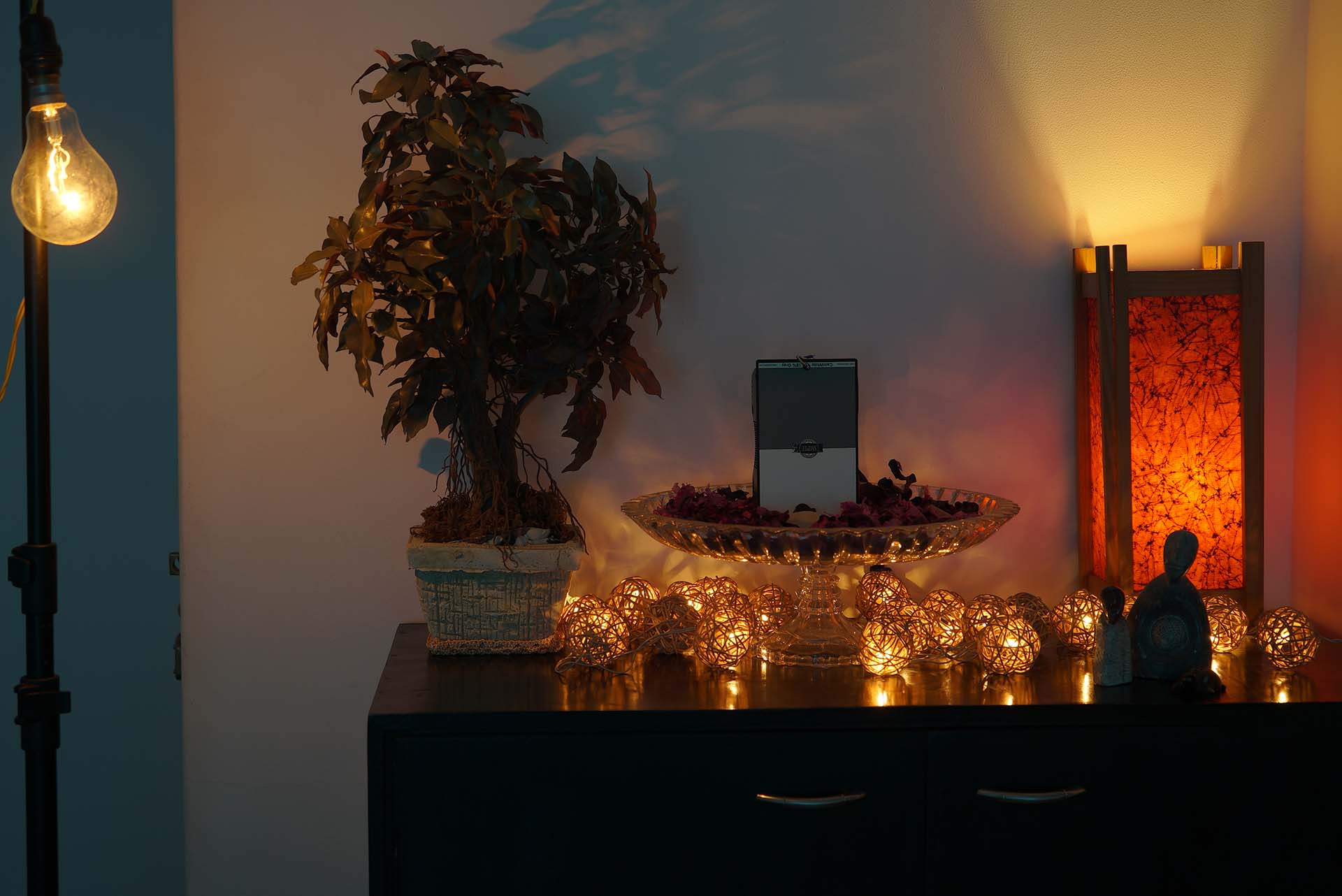
Disregard all artifacts. They are caused by JPEG compression.
Takeaway
You can group ISOs like this:
- ISO 100-800 – Best quality. Obviously, for the most demanding professional, ISO 100 is best.
- ISO 1600 – Acceptable for professional work, with compromises in noise.
- ISO 3200 – Acceptable for professional work, with compromises in noise.
- ISO 6400 – Borderline, still usable but with some noise.
- ISO 12800 – Not for professional work, but you could get away with it in certain cases.
- ISO 25600 – The limit as far as I’m concerned. Color noise is visible, but again, you could get away with it in certain cases.
- ISO 51200 – Unacceptable, unless it’s for web use^.
- ISO 102400 – Unacceptable, unless it’s for web use^.
^One might be able to salvage an image with noise reduction. But let’s not be under the mistaken impression that it’s professional quality.
The idea of ISO grouping is, if you’re shooting a project, you can try to stay within the ISO group so you don’t have to treat them separately for noise.
Some tips for shooting at night
Here are some tips for shooting at night when light is at a premium:
- If you’re shooting JPEGs at night, you might want to turn DRO (Lv3 or Auto) on, as discussed elsewhere. If you’re shooting RAW, don’t.
- Shoot RAW when possible. Noise reduction works much better in RAW.
- This one is obvious, if you’re handholding, use fast lenses. For tripod users it doesn’t matter – if your subject is still. Otherwise, you too!
- High ISO NR isn’t worth it unless you’re shooting JPEGs and are desperate.
- Long Exposure NR isn’t worth it unless you’re shooting JPEGs and are desperate.
- Multi NR is useful if you’re shooting on a tripod and shooting JPEGs. In this case, make sure you select the exact ISO of your scene (as per exposure).
- Don’t use AWB at night. It has inconsistent results.
