
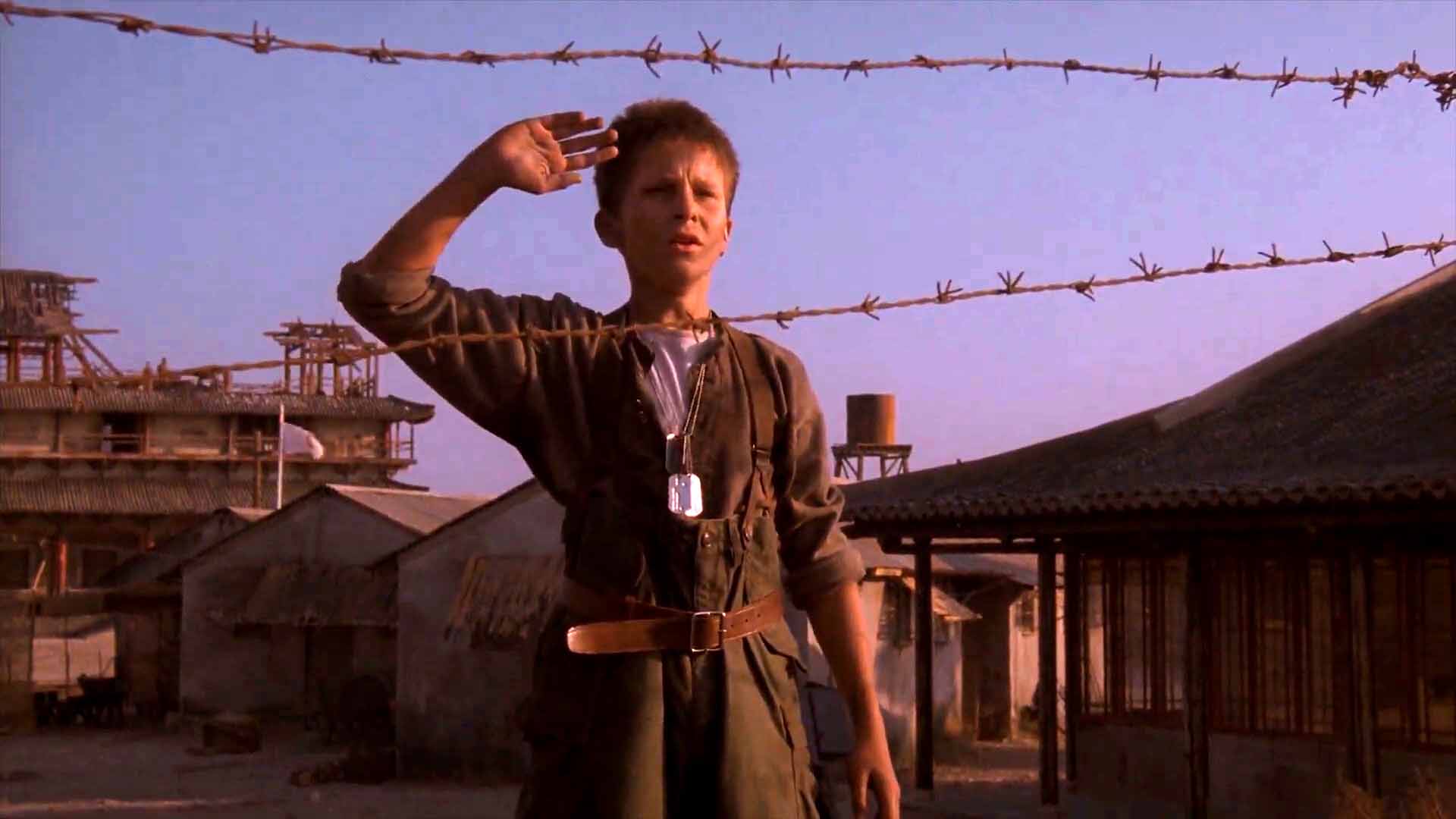
The aspect ratio of a camera sensor or format is simple to understand, though confusing at first.
Here’s a quick video for beginners that will help you understand what it is, and how to choose the right aspect ratio for your work:

For more information on the Univisium format, click here. A lot of shows, especially on Netflix, use the 2:1 aspect ratio.
What is Aspect Ratio?
Aspect ratio is simply the horizontal length divided by the vertical height:
Aspect Ratio = Length (of format) / Height (of format)
Why sensor/format? What does that mean?
The sensor is a fixed rectangle. It has a fixed length and breadth. Let’s take the Arri Alexa for example:
| Arri Alexa XT/SXT Formats | Length | Breadth | Aspect Ratio | Or |
| Sensor Image Size | 23.76 | 17.8 | 1.33 | 4:3 |
| Sensor Max Resolution 16:9 | 2880 | 1620 | 1.78 | 16:9 |
| 4K | 3200 | 1800 | 1.78 | 16:9 |
| 3.2K | 3200 | 1800 | 1.78 | 16:9 |
| 2K | 2868 | 1612 | 1.78 | 16:9 |
| 1080p | 1920 | 1080 | 1.78 | 16:9 |
| 4:3 Anamorphic Mode | 2880 | 2160 | 1.33 | 2.67:1 |
| 6:5 Anamorphic Mode | 2880 | 2410 | 1.20 | 2.39:1 |
As you can see, a high-end cinema sensor can offer multiple formats. In addition, those who want 1.85:1 or 2.39:1 can crop their 16:9 image.
Some cameras might only offer 1920×1080 or 3840×2160, or 16:9. Check the specifications of your preferred camera thoroughly. Modern cameras offer a lot more options.
Aspect Ratios for common scenarios
Here are the most widely used aspect ratios for your reference:
| Format | Aspect Ratio |
|---|---|
| Youtube, Internet Video, Vimeo | 16:9 |
| Cinema Flat | 1.85:1 |
| Cinema Scope | 2.39:1 |
| Academy | 1.375:1 |
| Another version of Academy | 4:3 |
| Still Cameras | 3:2 |
| Anamorphic frame* | 6:5 |
| 65mm (70mm) frame | 2.20:1 |
| 4×5 and 8×10 Large format | 1.25:1 |
*You can also film in 4:3 or whatever, but this is the standard aspect ratio for the film anamorphic format.
How to choose the right aspect ratio
Simple! Pick the aspect ratio that matches your delivery format. Where do you want to show it?
Sometimes it’s not so simple. What if you want to shoot a movie to project in a theater, have Blu-rays made, stream it on Netflix and maybe show it on television?
In this case, pick the most important delivery format first. For most movies it’s the theater. Many movies go “straight to DVD” or is “made for television”. You’ll have to take your best educated guess before you commit to one aspect ratio.
Picking the right aspect ratio is crucial, as it will save you a lot of time and hassle later on.
Do most films pick the wrong aspect ratio? Watch this next to find out:

You are doing an incredible job in educating the enthusiasts.