

In this quick video I explain in simple terms:
- What is Depth of Field?
- What is Shallow Depth of Field and Deep Depth of Field
Watch the video:
What is Depth of Field?
Whenever you turn the focus knob on your lens to focus on something, there’s always some portion before and after it that’s also “acceptably in focus”.
This distance, from the nearest point to the farthest point, is the Depth of Field.
What it does is it gives you a reasonable guess as to what exactly will be in focus and what is bound to be blurry. The best example of it is a human face. If the depth of field is too small, maybe the eyes are in focus, but the ears and nose are out of focus.
On the other hand, if you want to single out one plant or flower from a bunch, having too much in focus will just make the shot “busy” and cluttered.
For a cinematographer, depth of field is even more important for two reasons:
- A talent might improvise and move around during a shot. If you don’t know the depth of field, you’ll have no control over the final outcome.
- If you use a small depth of field, it’ll be hard for the focus puller to keep the actor in focus as he/she moves.
What is Shallow Depth of Field and Deep Depth of Field?
When the depth of field is small enough to substantially blur the background and foreground, and only keep a small area in focus, we say the shot has shallow depth of field.
When the depth of field is large enough to keep most of the objects in the shot in reasonable focus, we say the shot is a deep focus shot.
Here’s a comparison from Raiders of the Lost Ark:
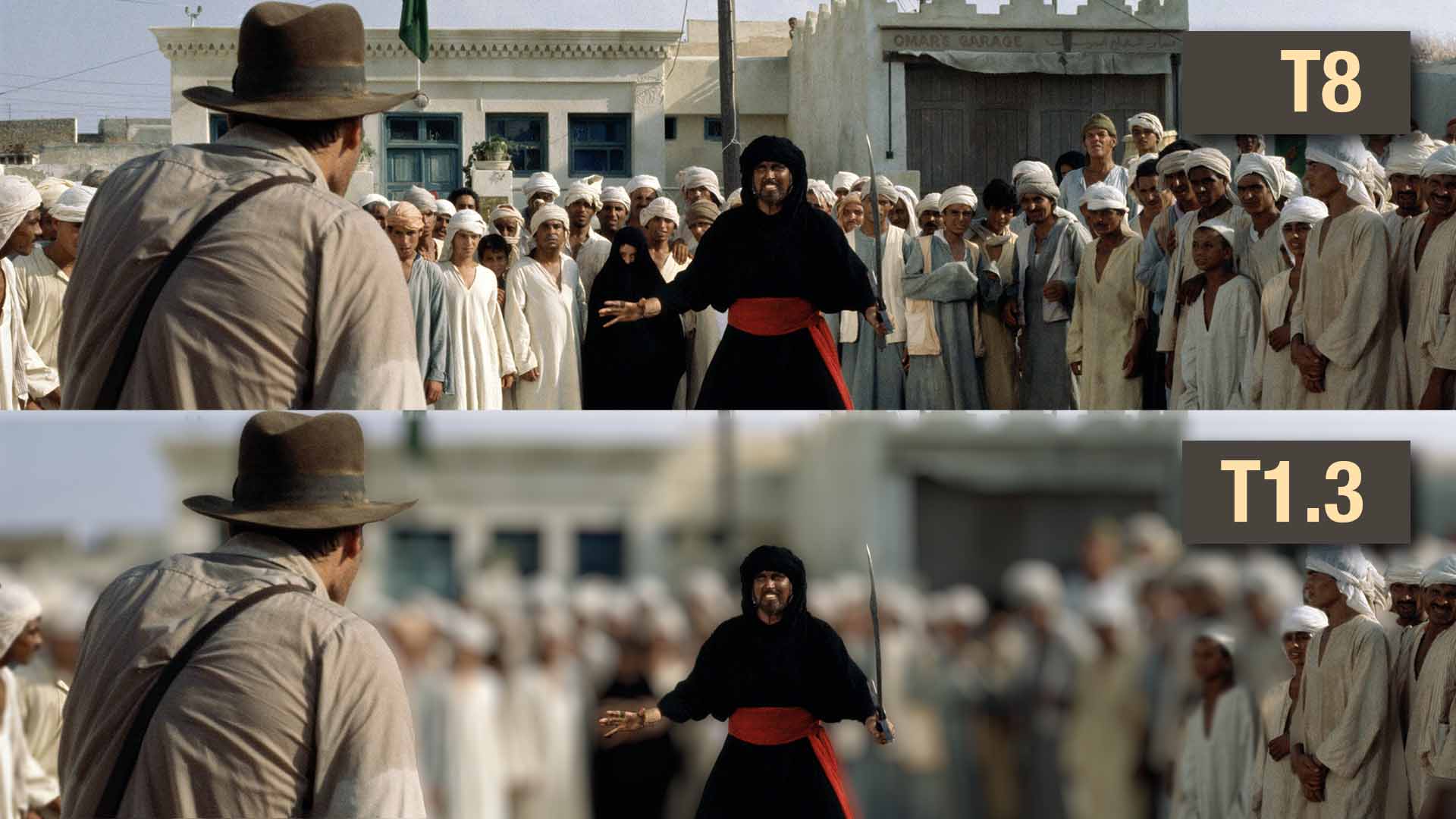
These are just loose terms used generally. Practically things are a bit more complicated.
When to use shallow depth of field or deep focus?
The real truth about depth of field is that it’s not so cut and dried, and there are a lot of grey areas. There is no clear demarcation between shallow and deep focus.
For example, check out this image from The Lighthouse:
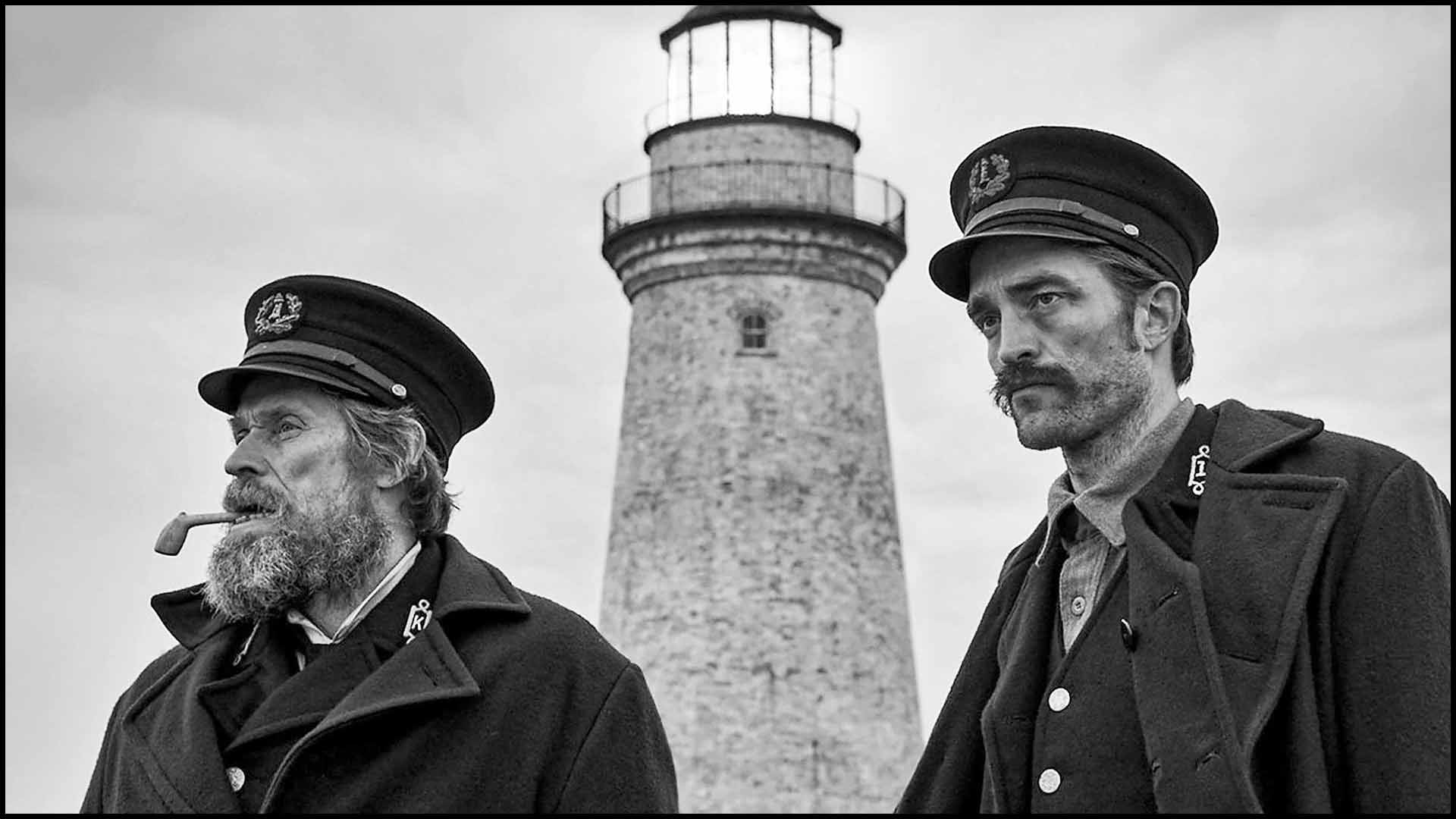
Is it deep focus or not? To some people it is, to others it’s not. The question you have ask yourself is: If the lighthouse were as sharp as the foreground, would it change the intention of the filmmakers? On the other hand, if the lighthouse were blurred completely, with just a hint of it, would that change the intention of the filmmakers?
It’s the kind of question directors and cinematographers ask themselves (and each other) when they decide what works for their film.
Many filmmakers resort to shallow depth of field for the following reasons:
- It isolates the subject from a distracting or busy background. This might help create a sense of intimacy with the actor.
- It can help draw attention to a particular object or feature in the frame.
- It hides an inadequate background or set or location.
- It helps filmmakers get a decent exposure in low light situations.
- Some just like the look!
On the other hand, deep focus offers a completely different aesthetic. Here’s a great video that goes into the details:
The good news is, as a cinematographer, all you need to do is keep things simple. Over a period of time you’ll develop a simple intuition for depth of field, and your ally is the lens aperture.
The most important takeaway regarding depth of field is that it is a creative tool:
Use the Aperture to control Depth of Field
I hope you’ve found this useful.
