The Blackmagic Pocket Cinema Camera 4K is marketed as a dual native ISO camera. However, if you’re thinking of dual native as how Panasonic defined it with the Varicam, then this is something different.
Typically dual native ISO means you get similar image quality (color, noise and dynamic range) at two ISOs. One is low for studio/daylight scenes, and the other is high for night/lowlight. In the case of the Varicam, the two native ISOs are 800 and 5000.
With the Pocket Cinema Camera 4K, the two native ISOs are defined as 400 and 3200. Yet, in my tests, the images from the two ISOs don’t really match. If you’re looking for some kind of a match, then ISOs 400 and 1250 are closer. For better reference, here is the published chart from BMD:

What you can see:
- Highest DR is between ISO 100 and 1000 – 13 stops.
- Next best is between ISO 1250 and 8000 – 12.3 stops.
- Beyond that the DR falls rapidly.
Which are the best ISOs to use?
- For daylight and studio settings, between ISOs 100 to 400 is fine.
- For low light, between ISOs 1250 to 3200 is fine.
- ISO 640 to 1000 is average, not unusable, but should be avoided if possible.
- ISO 6400 is only to be used if you don’t have other footage you want to edit with it, because noise reduction will also smoothen out details, and the differences will be obvious. This is a “last-resort” ISO.
- ISOs 8000, 12800 and 25600 are to be avoided. No exceptions.
Bottom line: ISOs 100 to 400 and ISO 1250 are best.
ISO Tests
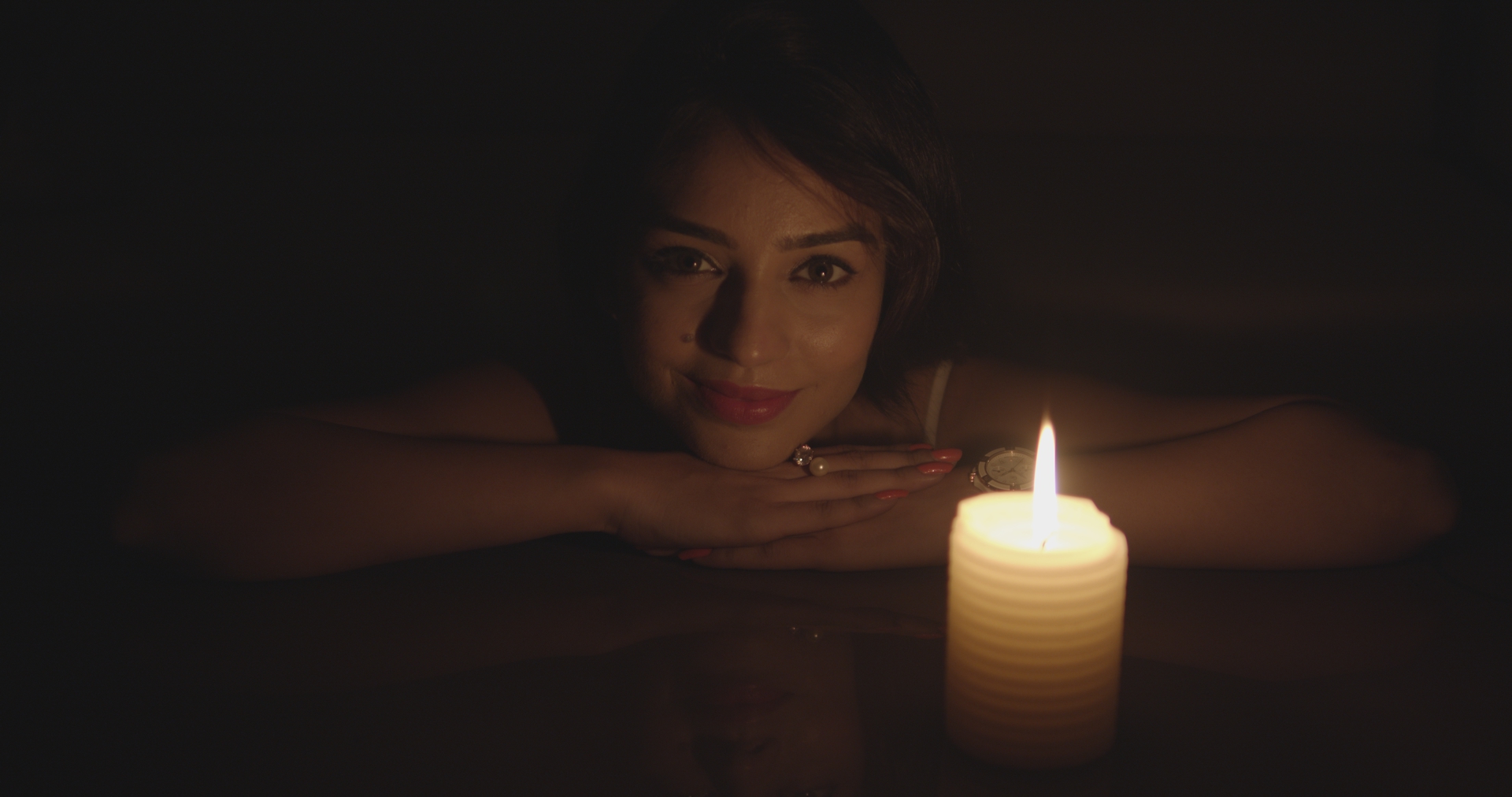
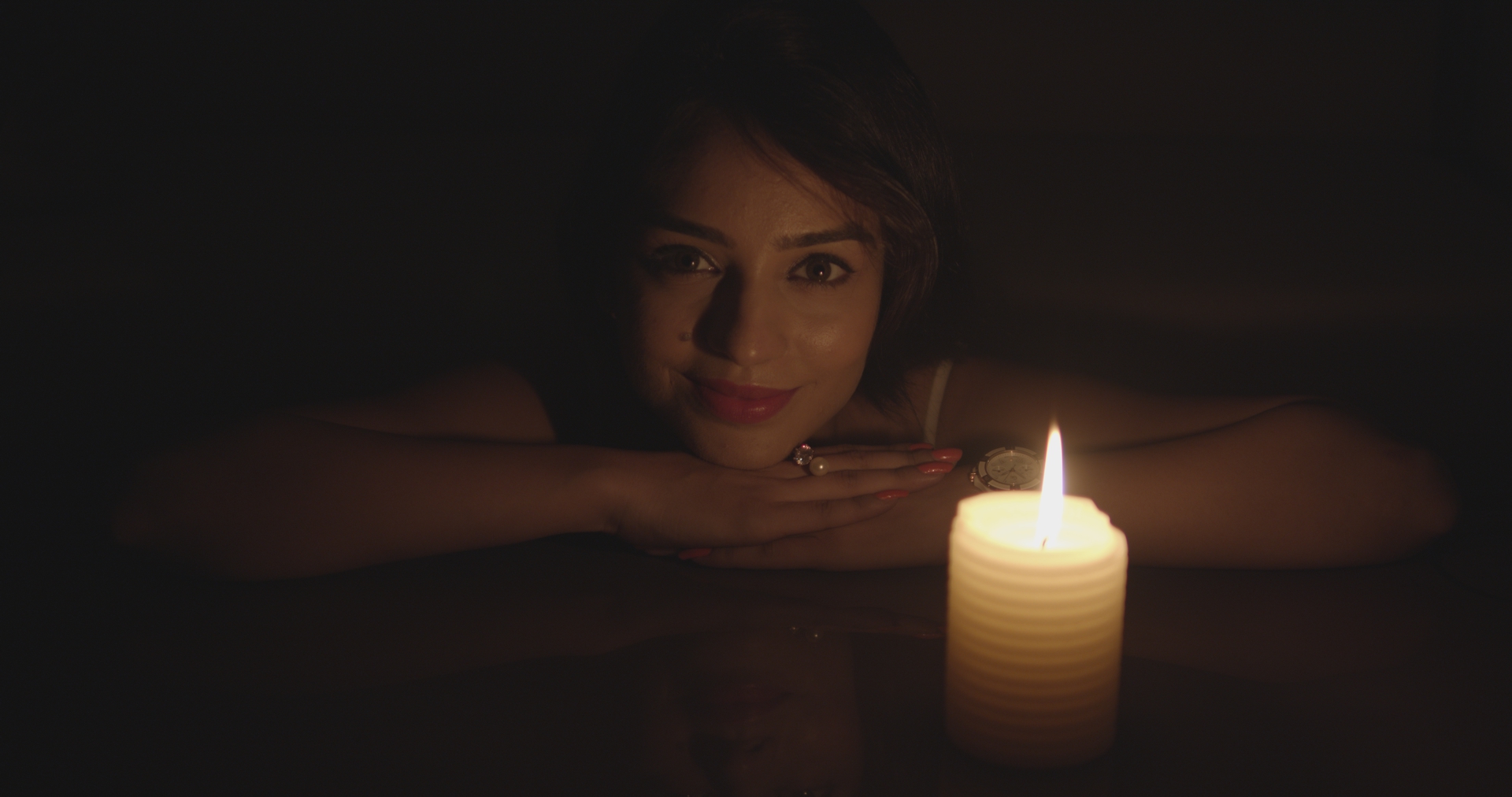
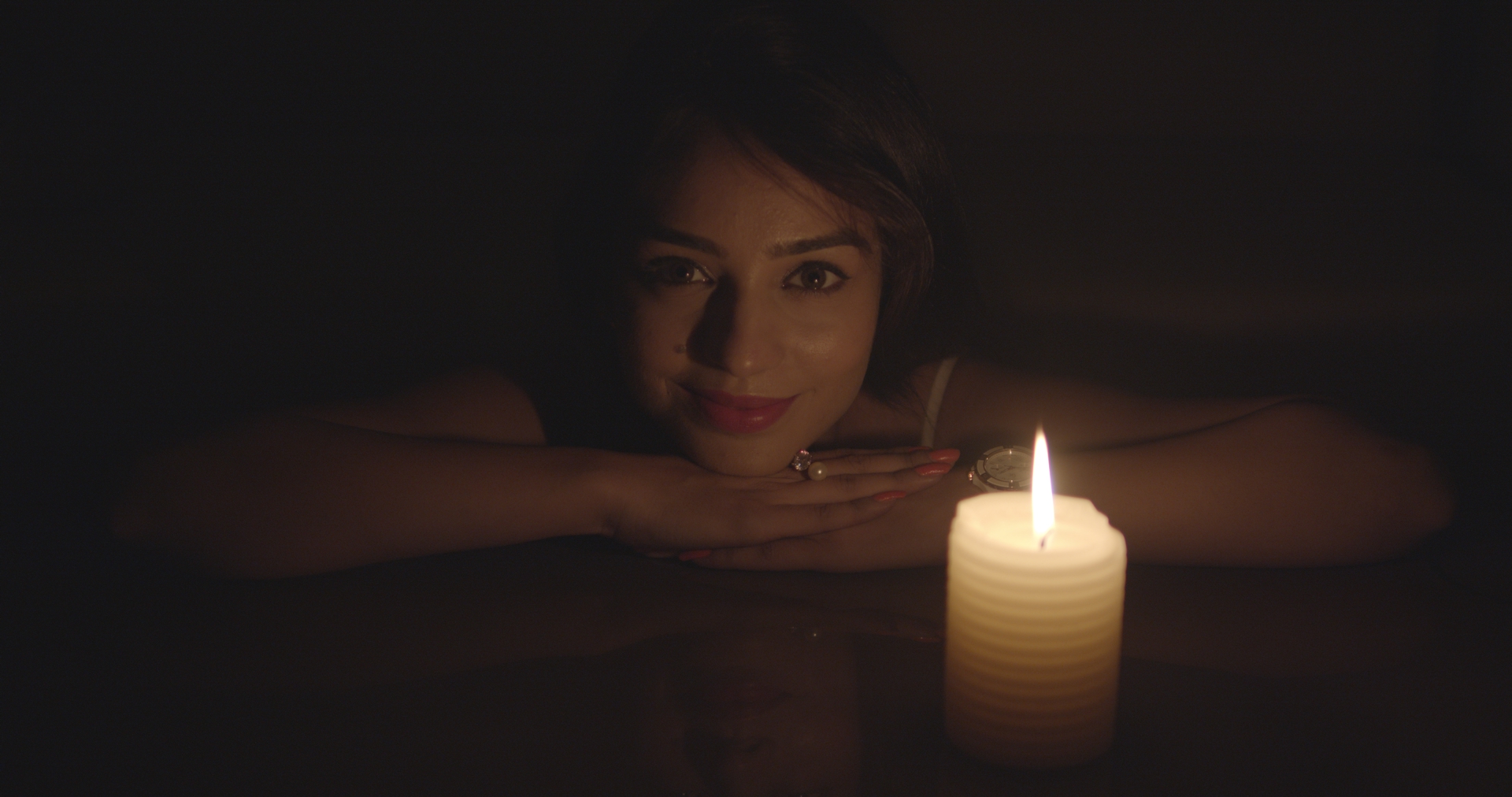
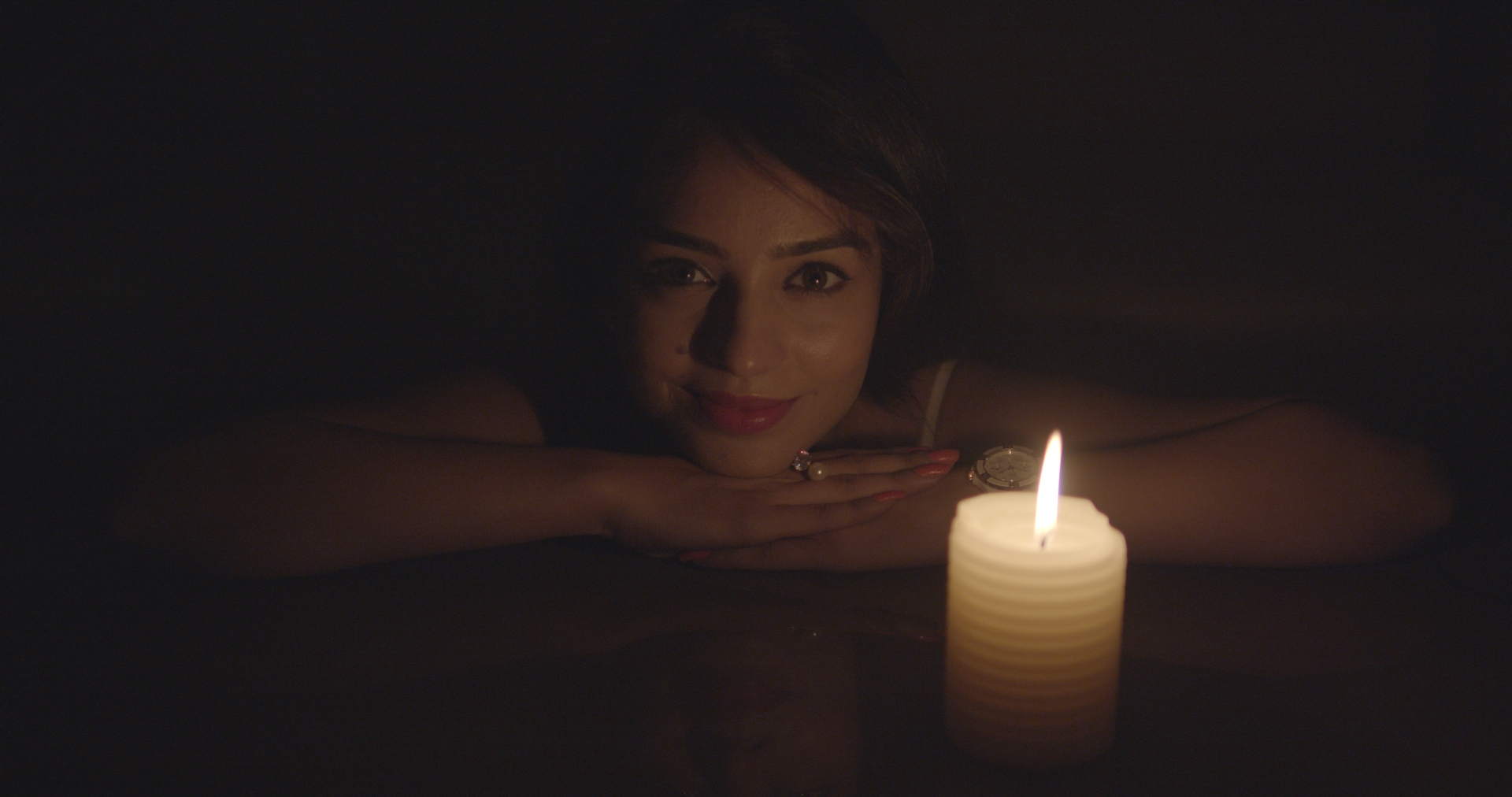
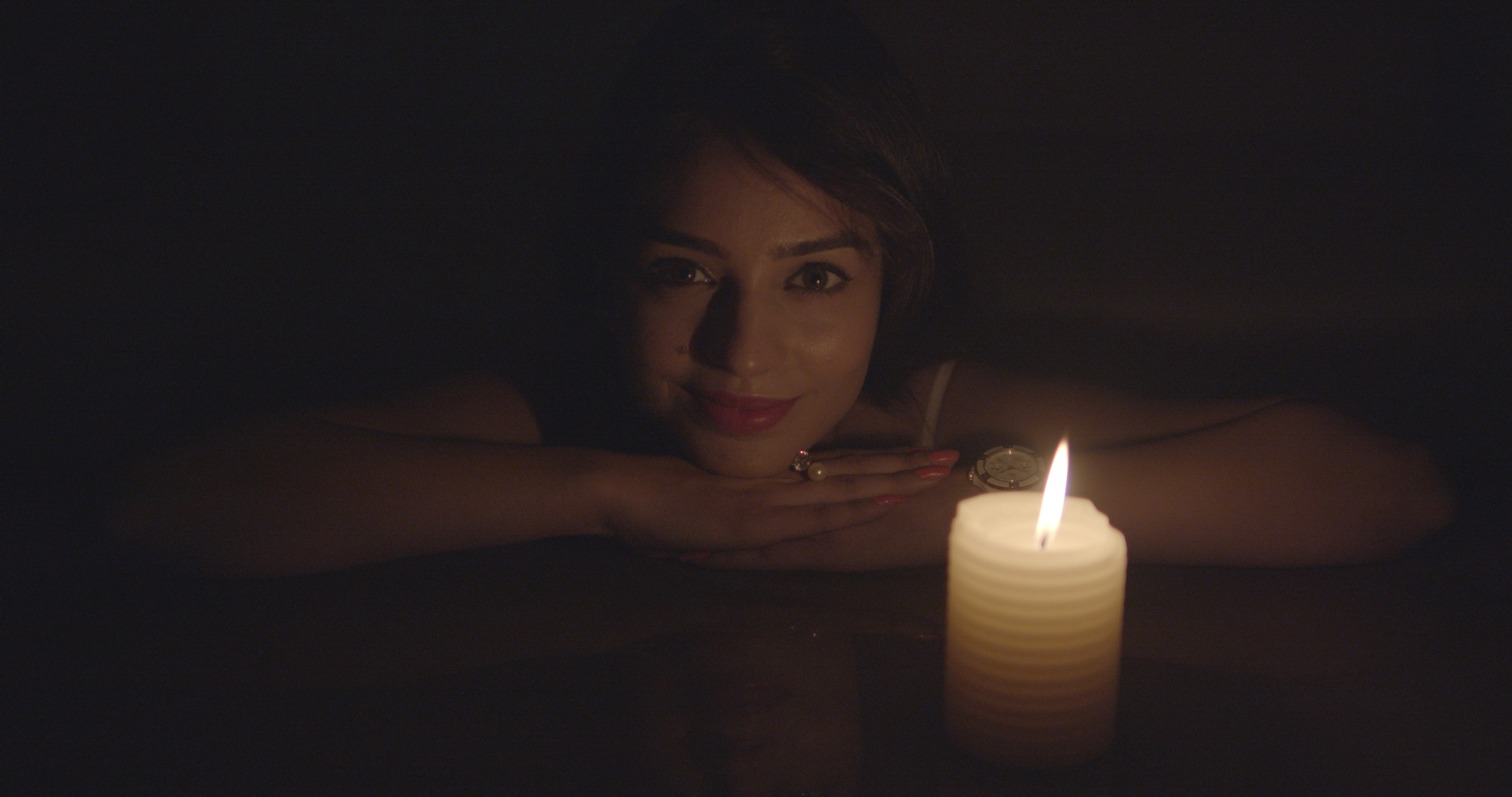
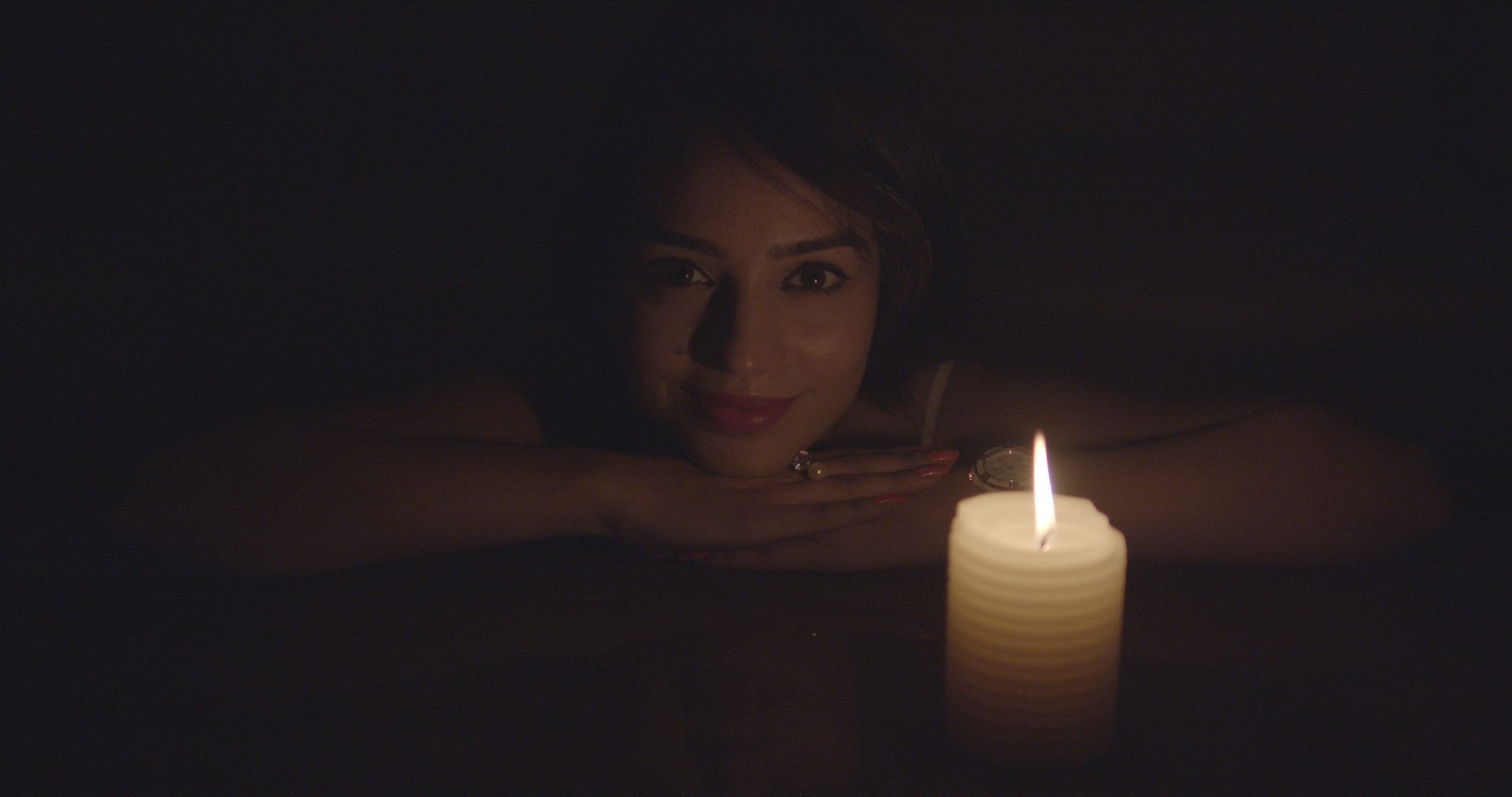
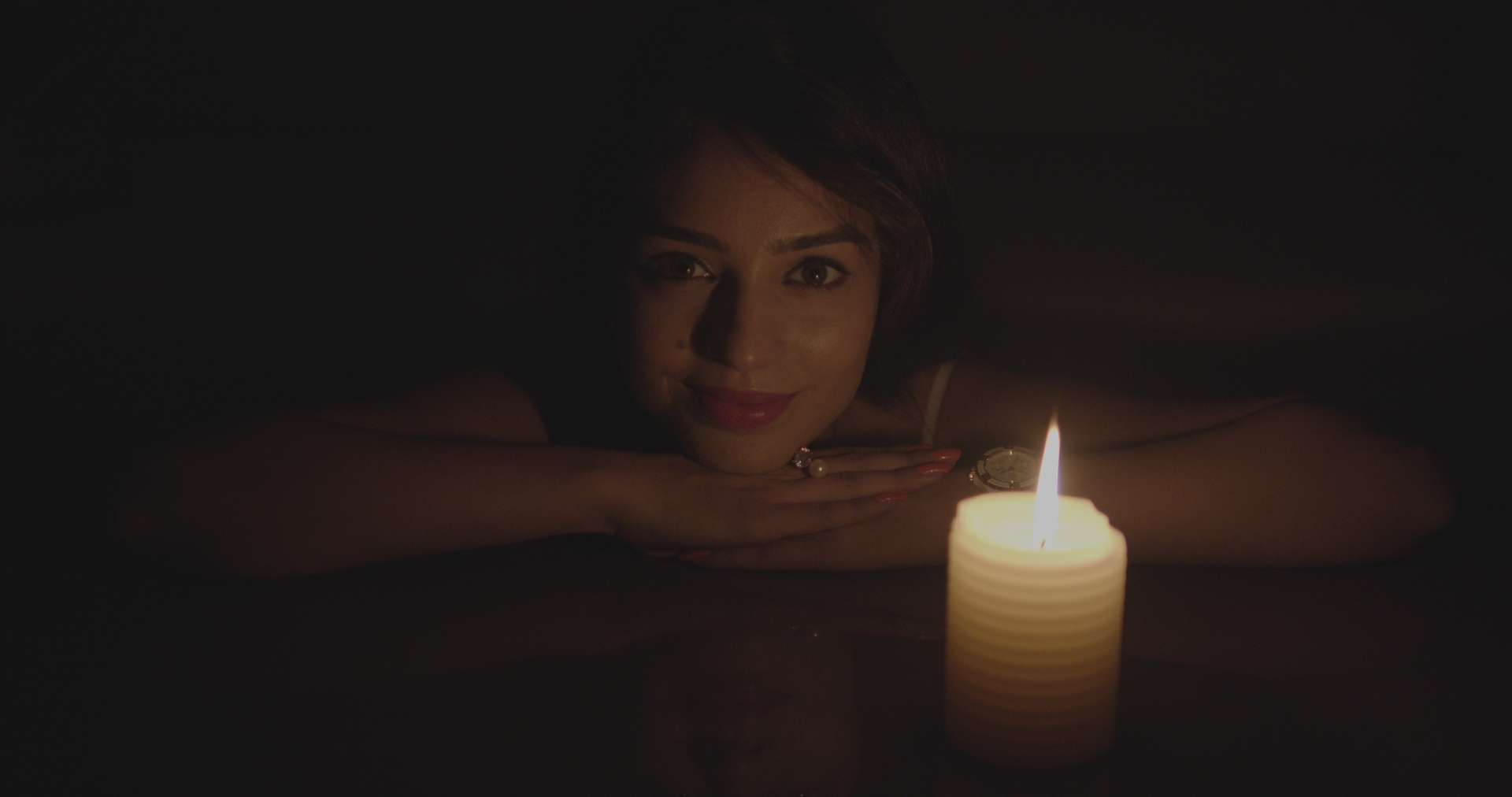
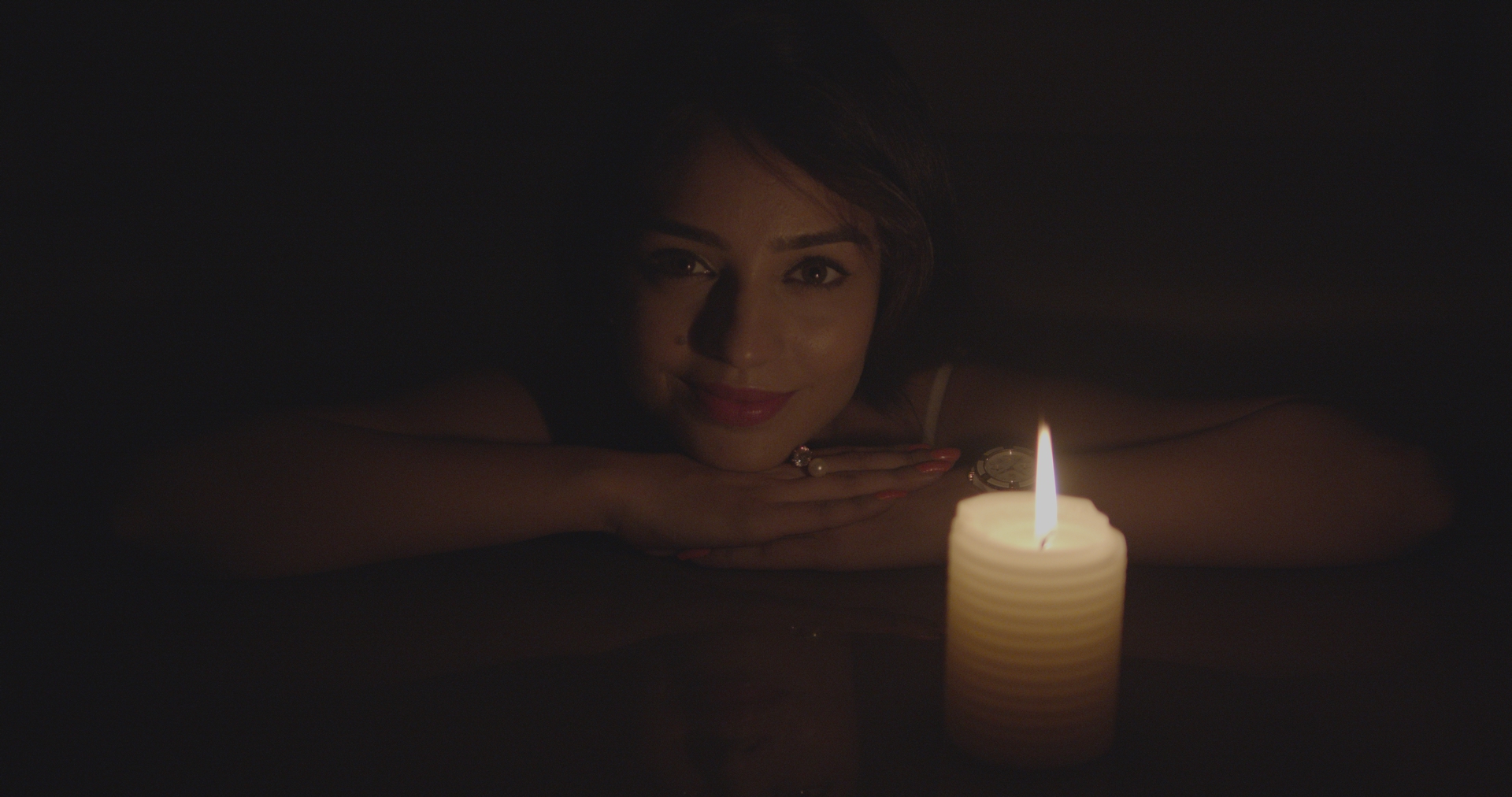
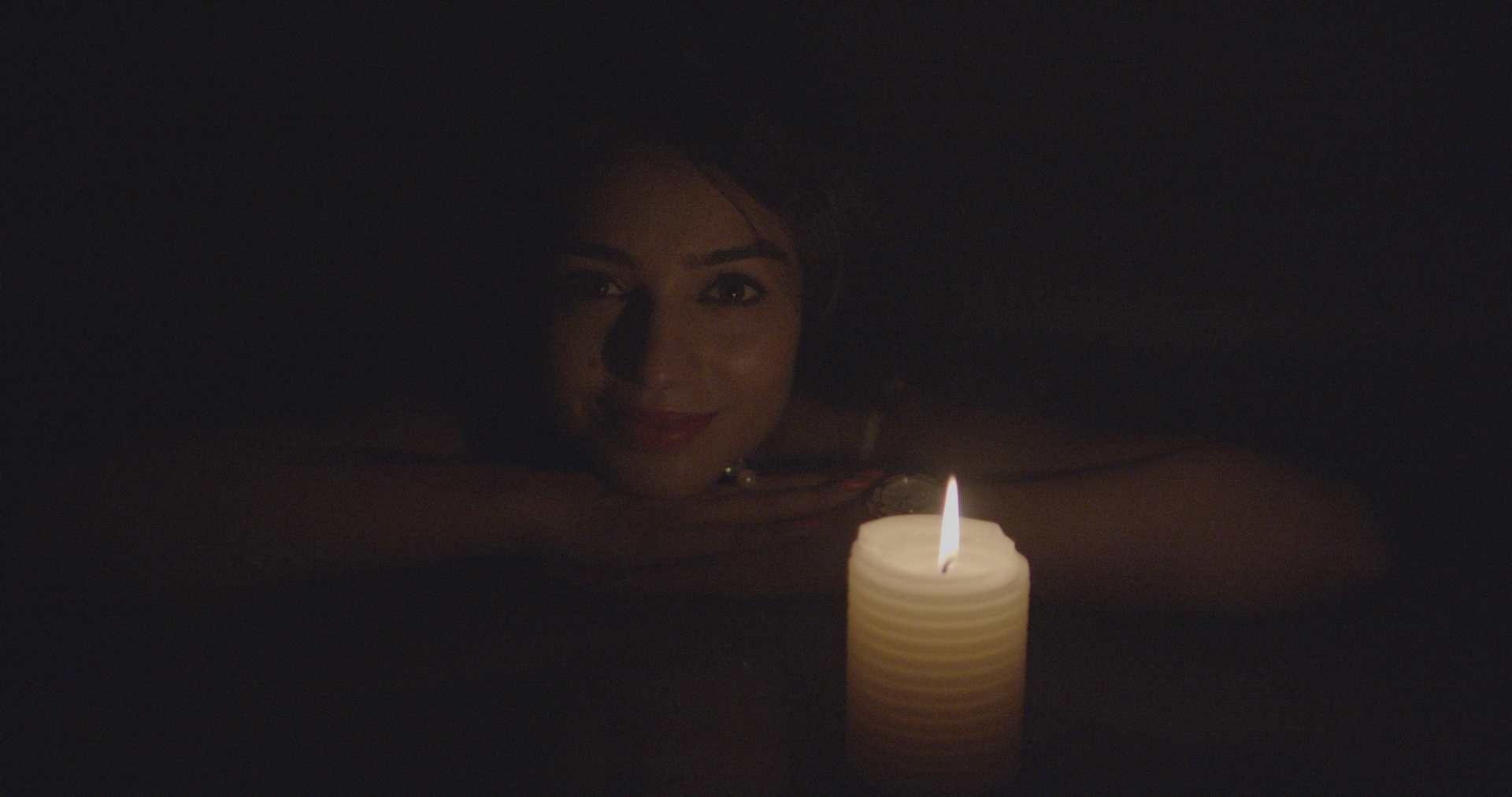
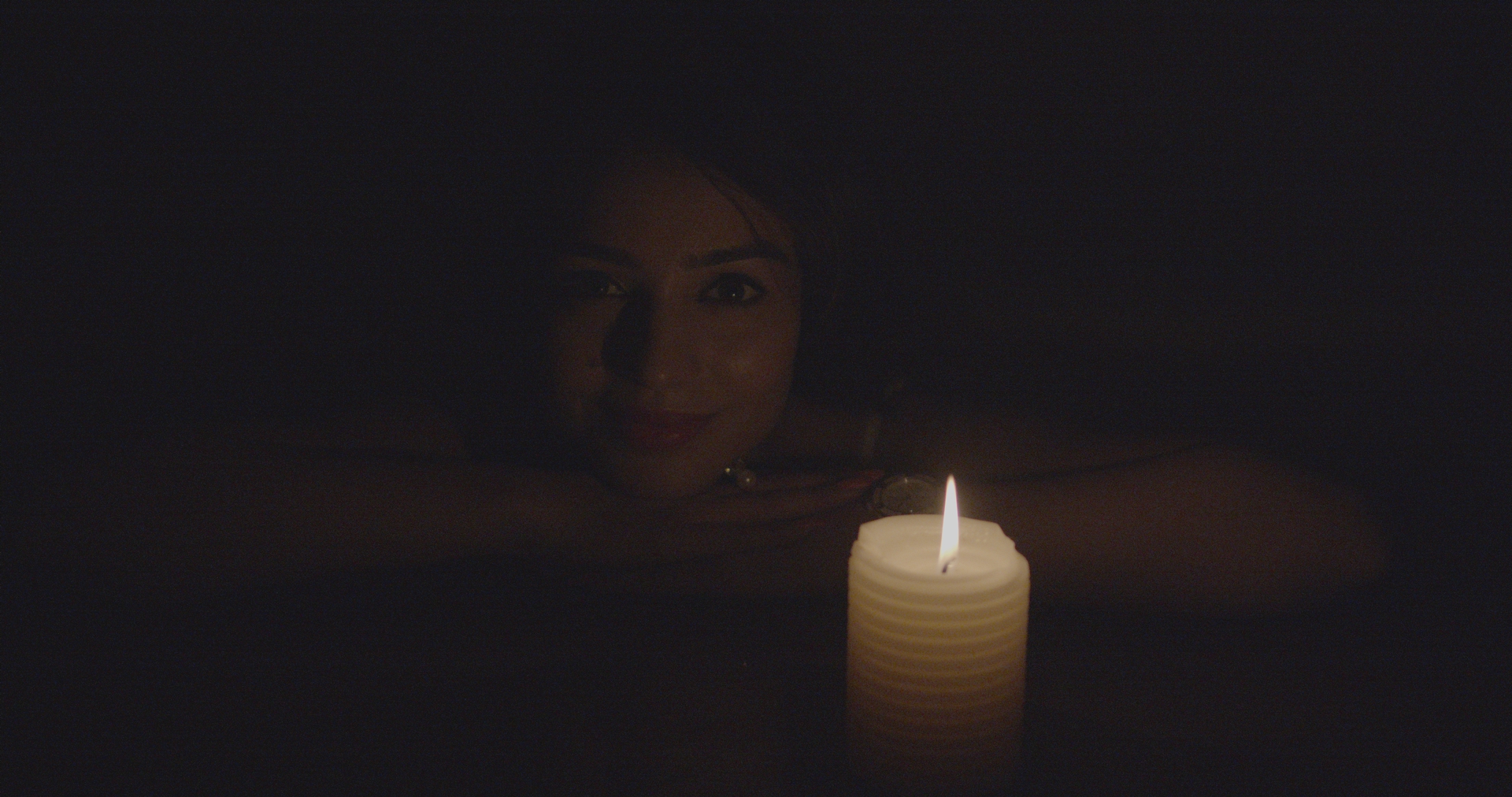
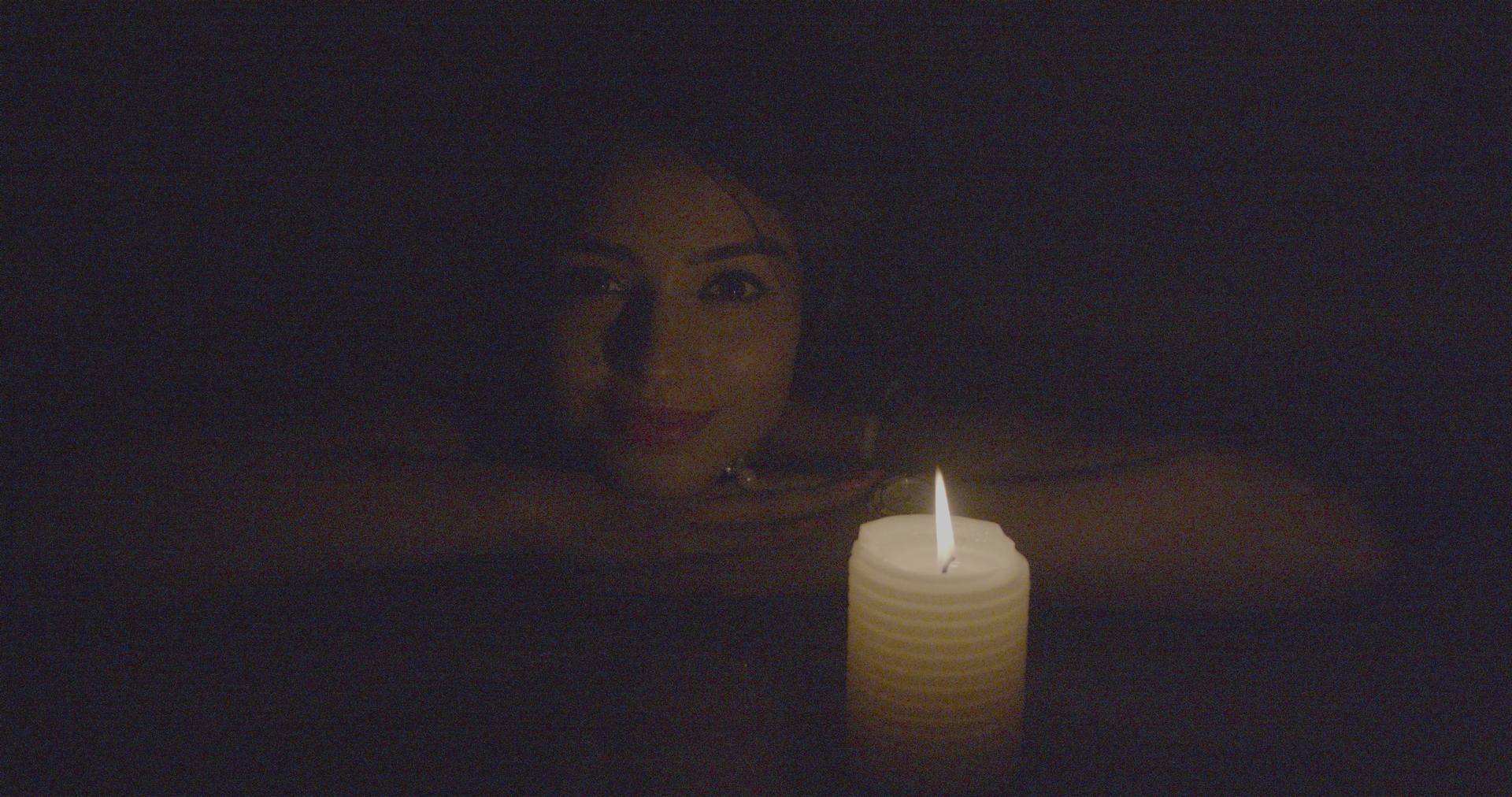
The following are JPEGs of the low light candle light test I performed at different ISOs (for full resolution stills click here to download (ZIP, 75 MB)):
Please note, some images are darker than the others. The shutter speed and ISO cannot be changed in 1/3rd stop increments, as other cameras. So there might be a 1/3-stop variance. I erred on the side of caution, by underexposing high ISO images, but the noise profiles will be similar.