

Cameras have gotten so much better these past ten years that these days you can do a lot with cameras that cost less than $2,000.
Here’s a showdown between the Canon R6 (Amazon, B&H), the Canon R8 (Amazon, B&H), the Nikon Z6 II (Amazon, B&H), the Fujifilm X-H2 (Amazon, B&H), the Panasonic Lumix GH6 (Amazon, B&H), the Panasonic Lumix S5 II (Amazon, B&H) and the Sony a7 III (Amazon, B&H) for the title of the best filmmaking camera under $2,000. Let’s find out who’s the ultimate winner in this fun comparison.
Some cameras here cost around $2000 for the body only, but I have included them in this list because of the intense competition out there. Almost all the major brands have different cameras at price differences of roughly $500 or even less. So this is a comprehensive lists of all the best cameras that you can buy with $2000 in your pocket.

Quick Menu
- The basics
- Comparison of sensors and video features
- Autofocus comparison
- Image Stabilization
- The little things
- Media and battery
- Which is cheaper to own?
- Conclusion
- My Verdict

The basics
Let’s start from the beginning:
| Camera | Price of body | Release Date | What’s in the box |
| Canon R6 | $ 1,999 | July 2022 | Battery, Charger, Camera Cover, Shoulder strap |
| Canon R8 | $ 1,499 | April 2023 | Battery, Charger, Camera Cover, Hot Shoe Cover, Shoulder strap |
| Nikon Z6 II | $ 1,697 | October 2020 | Battery, Charger, USB cable, Cable Clip, Hot Shoe Cover, Shoulder strap, Body Cap, Eye Cup |
| Fujifilm X-H2 | $ 1,999 | September 2022 | Battery, Charger, USB cable, Cable Clip, Hot Shoe Cover, Shoulder strap, Body Cap, AC Cable, AC Adapter, File Transmitter / Battery Grip Connector Cover, Memory Card Slot Cover, Sync Terminal Cover, Cooling Fan Connector Cover, Cable Protector |
| Panasonic Lumix GH6 | $ 1,697 | February 2022 | Battery, Battery Charger with AC-USB Adapter, BNC Conversion Cable for TC In/Out, USB Type-A to USB Type-C, Cable Holder, Embroidered GH6 Shoulder Strap, Body Cap |
| Panasonic Lumix S5 II | $ 1,998 | January 2023 | Battery, AC Adapter, USB-C to USB-A Cable, Body Cap, Hot Shoe Cover, Battery Grip Connector Cover, Shoulder strap |
| Sony a7 III | $ 1,698 | April 2018 | Sony AC Adapter, Micro-USB Cable, Sony Body Cap for E-Mount Cameras, Accessory Shoe Cap, Eyepiece Cup, Shoulder Strap |
So, here we can see that the Fujifilm X-H2 (Amazon, B&H) comes with the most number of covers in the box. Thus, making it more weather and dust proof than the others.
Comparison of sensors and video features
Here’s how the camera sensors compare:
| Camera | Sensor Size | Max Resolution | ISO Range in Video |
| Canon R6 | 35.9 x 23.9 mm | 3840 x 2160 | 100 – 25600 |
| Canon R8 | 35.9 x 23.9 mm | 3840 x 2160 | 100 – 25600 |
| Nikon Z 6 II | 35.9 x 23.9 mm | 3840 x 2160 | 100 – 51200 |
| Fujifilm X-H2 | 23.6 x 15.6 mm | 7680 x 4320 | 125 – 12800 |
| Panasonic Lumix GH6 | 17.3 x 13 mm | 5760 x 4320 | 100 – 12800 |
| Panasonic Lumix S5 II | 35.6 x 23.8 mm | 5952 x 3968 | 100 – 51200 |
| Sony a7 III | 35.6 x 23.8 mm | 3840 x 2160 | 100 – 51200 |
All the cameras above are full-frame cameras except the Fujifilm X-H2 which has a Super 35 sensor and the Panasonic Lumix GH6 which has a Micro Four-Thirds sensor.
But they make up for that crop factor by giving higher maximum resolutions with the Panasonic Lumix GH6 (Amazon, B&H) giving 5.8K and the Fujifilm X-H2 (Amazon, B&H) giving 8K at 30p.
The Panasonic Lumix S5 II (Amazon, B&H) emerges as the winner here with a full frame sensor, 6K recording at 30p and ISO range.
Now let’s take a look at their frame rates:
| Camera | Max FPS at 4K | Max FPS at 1080p |
| Canon R6 | 60 fps | 120 fps |
| Canon R8 | 60 fps^ | 180 fps |
| Nikon Z 6 II | 30 fps | 120 fps |
| Fujifilm X-H2 | 60 fps* | 240 fps |
| Panasonic Lumix GH6 | 120 fps | 240 fps |
| Panasonic Lumix S5 II | 60 fps | 120 fps |
| Sony a7 III | 30 fps | 120 fps |
* 30 fps in 4K HQ (Oversampled from 8K)
^Oversampled from 6K.
The Panasonic Lumix GH6 (Amazon, B&H) stands out here with 120 fps in 4K and 240 fps in Full HD after the new firmware update.

Let’s have a look at what type of 4K footage you are getting:
| Camera | Internal Codec | Best Data Rate (4K 30p) | Color | Recording Limit | Log |
| Canon R6 | H.265/H.264 | 170 Mbps | 4:2:0, 8-bit/4:2:2, 10-bit | 29 minutes 59 seconds | Canon Log1 and Canon Log3* |
| Canon R8 | H.265/H.264 | 170 Mbps | 4:2:0, 8-bit/4:2:2, 10-bit | 120 minutes | Canon Log3 |
| Nikon Z6 II | H.264^ | 144 Mbps | 4:2:0, 8-bit | 29 minutes 59 seconds | N-Log |
| Fujifilm X-H2 | Apple ProRes 422 HQ/Apple ProRes 422/Apple ProRes 422 LT/H.265/H.264 | 720 Mbps | 4:2:0, 8-bit/4:2:2, 10-bit | 160 minutes | F-Log, F-Log2 |
| Panasonic Lumix GH6 | H.265/H.264 | 400 Mbps | 4:2:2, 10-bit | 29 minutes 59 seconds | V-Log |
| Panasonic Lumix S5 II | H.265/H.264 | 150 Mbps | 4:2:2, 10-bit | 29 minutes 59 seconds | V-Log |
| Sony a7 III | H.264 | 100 Mbps | 4:2:2, 8-bit | 29 minutes 59 seconds | S-Log2, S-Log3 |
*With Firmware update (v1.31).
^Can record Apple ProRes Raw and Blackmagic RAW through a paid firmware upgrade.
The Fujifilm X-H2 (Amazon, B&H) takes the cake here with the most number of recording formats and the highest recording limit of others.
Autofocus comparison
Even though autofocus is not a filmmaker’s top priority and can’t be judged by numbers alone, it is a useful feature to have.
The Canon R6 and the Canon R8 have the legendary Dual Pixel AF with 1053 points. The Nikon Z 6 II has a hybrid AF with 273 AF points. The Sony a 7 III has 673 points. The Fujifilm X-H2 has 425 points. The Panasonic Lumix GH6 and the Panasonic Lumix S5 II have not specified their AF points.
The numbers very evidently say that the Canon cameras are the winners here, also the DPAF has been the best in the game since a while now.
Image Stabilization
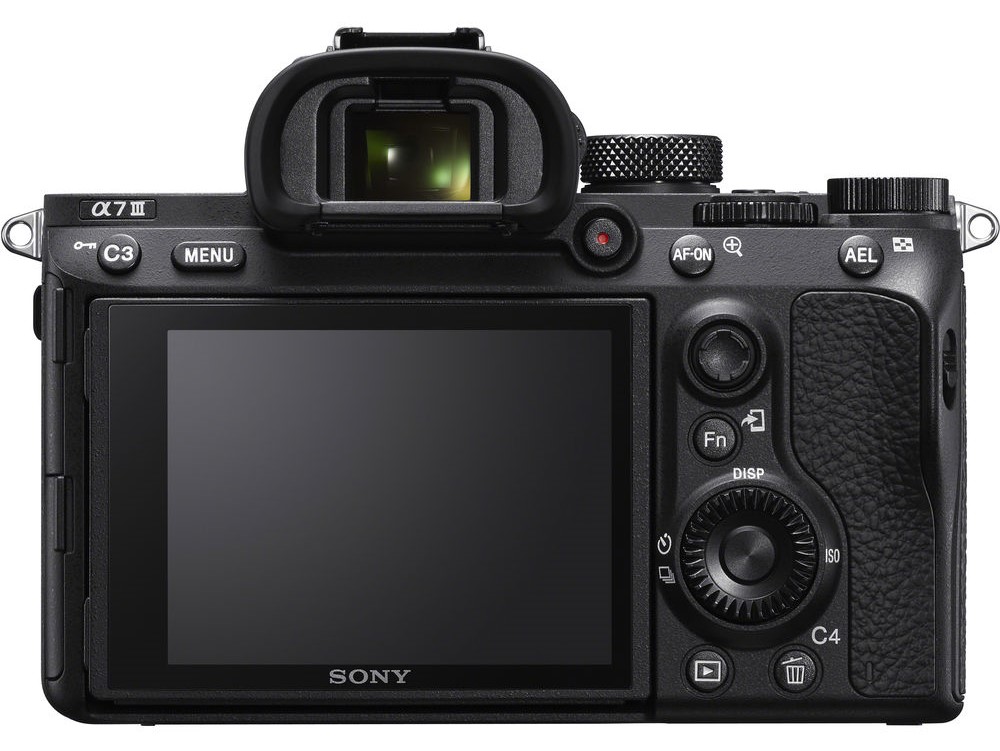
The Canon R8 is the only camera in this list which does not have a 5-axis In-Built Image Stabilization. Rest all the cameras come with it.
IBIS is an important feature nowadays and the lack of it may be a deterrent in this price range.
The little things
These are the dimensions and weights:
| Camera | Dimensions | Weight (Without card and battery) | Mount |
| Canon R6 | 138.4 x 97.5 x 88.4 mm | 598g | RF Mount |
| Canon R8 | 132.6 x 86.1 x 70.0 mm | 414g | RF Mount |
| Nikon Z 6 II | 134 x 100.5 x 69.5 mm | 615g | Z Mount |
| Fujifilm X-H2 | 136.3 x 92.9 x 84.6 mm | 579g | X Mount |
| Panasonic Lumix GH6 | 138.4 x 100.3 x 99.6 mm | 739g | Micro Four Thirds Mount |
| Panasonic Lumix S5 II | 134.3 x 102.3 x 90.1 mm | 657g | Leica AG-L Mount |
| Sony a 7 III | 126.9 x 95.6 x 73.7 mm | 650g (With battery and card) | E Mount |
The Canon R8 (Amazon, B&H) is the most ergonomic of all, given that it also comes with a full frame sensor.
Viewfinder and monitor features:
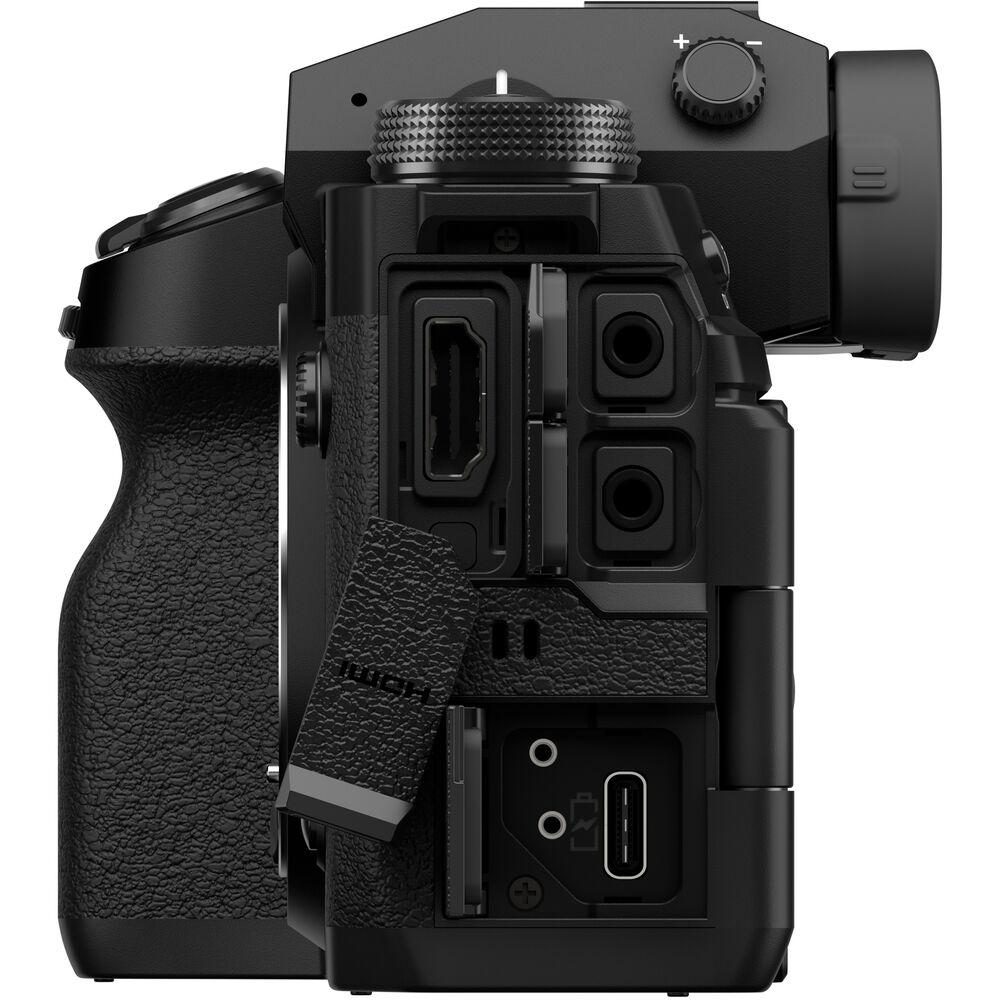
| Camera | Viewfinder | Monitor | External recording |
| Canon R6 | Yes | 3″, 1.62 million dots | 4K 60 fps | 10-bit, 4:2:2 |
| Canon R8 | Yes | 3″, 1.62 million dots | 4K 60 fps | 10-bit, 4:2:2* |
| Nikon Z 6 II | Yes | 3.2″ | 4K 30 fps | 10-bit, 4:2:2 |
| Fujifilm X-H2 | Yes | 3″, 1.62 million dots | 8K 30 fps | 12-bit, 4:2:2 |
| Panasonic Lumix GH6 | Yes | 3″, 1.84 million dots | 4K 120 fps | 10-bit, 4:2:2 |
| Panasonic Lumix S5 II | Yes | 3″, 1.84 million dots | 4K 60 fps | 12-bit, 4:2:2 |
| Sony a 7 III | Yes | 2.95″, 925,600 dots | 4K 30 fps | 8-bit, 4:2:2 |
*Only when HDR PQ/CLog3 is enabled.
Media and battery
Now let’s talk about media:
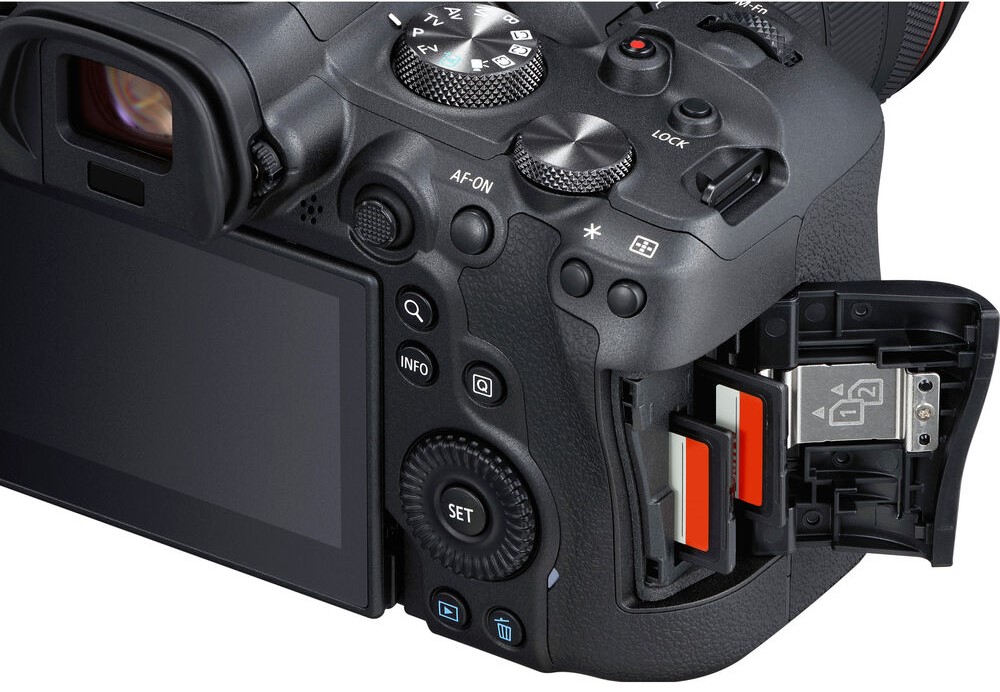
| Camera | Card Slot | Price per GB (For 64 GB) |
| Canon R6 | 2 x UHS-II | $ 1.09 |
| Canon R8 | SDXC, UHS-II | $ 1.09 |
| Nikon Z 6 II | CFexpress Type B, UHS-II | $ 1.09 |
| Fujifilm X-H2 | CFexpress Type B, UHS-II | $ 1.09 |
| Panasonic Lumix GH6 | CFexpress Type B, UHS-II | $ 1.09 |
| Panasonic Lumix S5 II | 2 x UHS-II | $ 1.09 |
| Sony a 7 III | UHS-I, UHS-II | $ 1.09 |
The Sony a 7 III sticks out as a sore finger here with only one UHS-II slot.
| Camera | Total Data (4K 30p) | Cost for 4 hours |
| Canon R6 | 299 GB | $ 326 |
| Canon R8 | 299 GB | $ 326 |
| Nikon Z 6 II | 253 GB | $ 276 |
| Fujifilm X-H2 | 1266 GB | $ 1380 |
| Panasonic Lumix GH6 | 703 GB | $ 766 |
| Panasonic Lumix S5 II | 264 GB | $ 287 |
| Sony a 7 III | 176 GB | $ 192 |
The Panasonic Lumix GH6 and the Fujifilm X-H2 are data monsters but the Panasonic Lumix S5 II (Amazon, B&H) is a good bang for the buck.
What about battery life? Here are some numbers we could find:
| Camera | Battery Life (In minutes) | Battery Life (In shots) | Cost of one battery | Cost of 6 hours of operation |
| Canon R6 | N/A | 510/380* | $ 79 | N/A |
| Canon R8 | N/A | 370/220* | $ 60 | N/A |
| Nikon Z 6 II | 100 minutes | 450/400 | $ 69 | $ 248 |
| Fujifilm X-H2 | 75 minutes | 540 | $ 61 | $ 443 |
| Panasonic Lumix GH6 | N/A | 330 | $ 68 | N/A |
| Panasonic Lumix S5 II | N/A | 370 | $ 68 | N/A |
| Sony a 7 III | N/A | 710 | $ 78 | N/A |
*Canon gives battery life in number of shots, which is with the viewfinder/with the LCD. The battery life for actual shooting time is not specified anywhere. Panasonic also does not provide the actual battery shooting time.
We can’t make a direct comparison due to lack of data.
Which is cheaper to own?
Here’s how the cameras stack up:
| Camera | Price | Media Cost | Battery Cost* | Total |
| Canon R6 | $ 1,999 | $ 326 | $ 300 | $ 2,625 |
| Canon R8 | $ 1,499 | $ 326 | $ 393 | $ 2,218 |
| Nikon Z 6 II | $ 1,697 | $ 276 | $ 248 | $ 2,221 |
| Fujifilm X-H2 | $ 1,999 | $ 1380 | $ 443 | $ 3,822 |
| Panasonic Lumix GH6 | $ 1,697 | $ 766 | $ 299 | $ 2,762 |
| Panasonic Lumix S5 II | $ 1,998 | $ 287 | $ 266 | $ 2,551 |
| Sony a 7 III | $ 1,698 | $ 192 | $ 159 | $ 2,049 |
*An assumption, though I could be wrong. You can disregard this figure if you like.
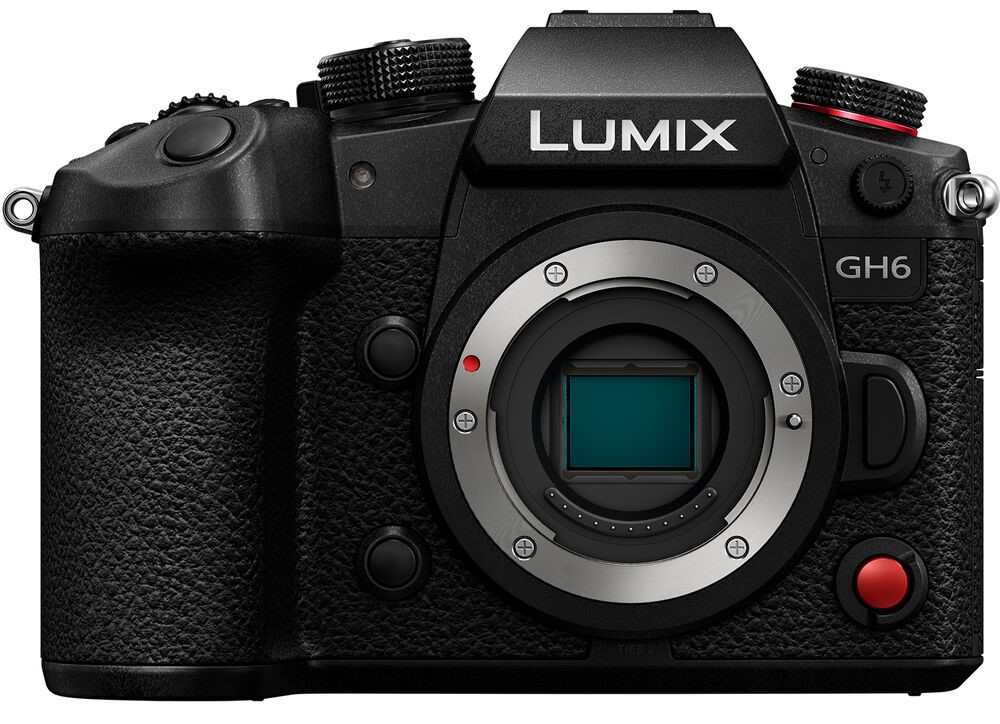
Clearly the Fujifilm X-H2 is the most expensive all said and done, but does that tell us the whole story?
Conclusion
Let’s take a quick recap of all that we have been through:
| Features | Winner |
| Sensor and ISO | Panasonic Lumix S5 II |
| Video features | Panasonic Lumix GH6 |
| Codecs and color | Fujifilm X-H2 |
| Lenses | Tie |
| IBIS | Tie |
| Media | Panasonic Lumix S5 II |
| Ergonomics | Canon R8 |
| Ports and Monitoring | Tie |
| Autofocus | Canon R8/Canon R6 |
| Battery Life | Sony a 7 III |
| Value for Money | Canon R8 |
Seems like the Canon R8 is edging towards the finishing line with a marginal lead.
We’ll let the cameras present their case before arriving at a final conclusion:
| Camera | Major Pros | Major Cons |
| Canon R6 | Autofocus | Lack of lenses |
| Canon R8 | Autofocus, Value for Money, Ergonomics | Lack of lenses, No IBIS |
| Nikon Z 6 II | Lens options available | Only 4:2:0, 8-bit available internally |
| Fujifilm X-H2 | 8K, ProRes available | Price of Data |
| Panasonic Lumix GH6 | Maximum frame rates | Heaviest |
| Panasonic Lumix S5 II | Sensor | Autofocus could have been better |
| Sony a 7 III | Low Light performance, Price | Only 4:2:0, 8-bit available internally |
My Verdict
Here’s what I think:
| Type of filmmaking | Preferred Camera | Major Reasons |
| Documentaries, Journalism and Corporate Videos | Canon R8 | Recording time and AF |
| Short or Feature films | Fujifilm X-H2 | Pick the colors you like and adapt lenses. |
| Music Videos | Fujifilm X-H2/Canon R8 | Fuji for 4K and Canon R8 for 1080p videos. |
| Wildlife | Canon R8 | Recording time and AF |
| Weddings and Events | Canon R8 | Recording time and AF |
Overall the Canon R8 (Amazon, B&H) pulls ahead delivering the most bang for your buck, except for one major problem.
Canon doesn’t have many lenses in the RF mount for wide angle. In fact, nothing that you can count as professional. Then you’re forced to use Canon EF glass with an adapter (an added cost). Here again, Canon doesn’t have anything close to what Fuji has in terms of their lens lineup.
So you’re stuck with using manual lenses for really wide angle shots. If this isn’t a concern for you then the Canon R8 (Amazon, B&H) offers you the best value for money. You can also get a gimbal for the money you save to make up for the lack of IBIS.
The Panasonic Lumix GH6 (Amazon, B&H) and the Panasonic S5 II (Amazon, B&H) come joint runner ups. Also, if you can spare the money, you might also want to take a good look at the Fujifilm X-H2 (Amazon, B&H).
Also, check out our other list which compares sub $1000 cameras.
Do let us know your thoughts in the comments below.
